
How Much Does an AC Replacement Cost in Bloomington, Indiana?
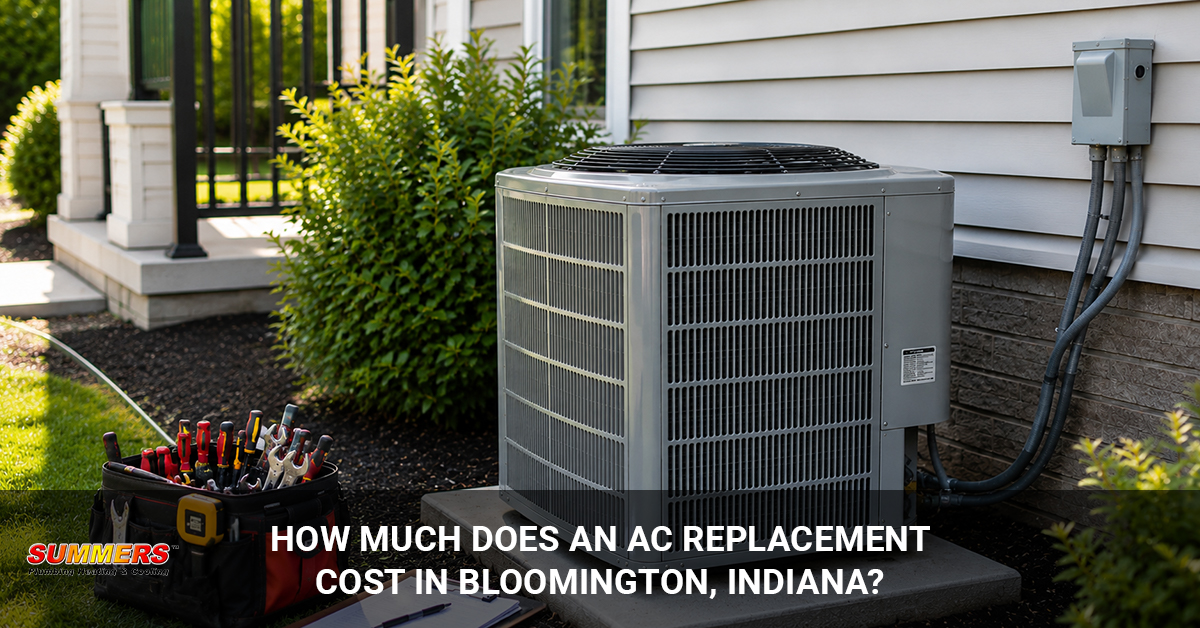
AC replacement in Bloomington, Indiana, typically costs between $5,000 and $15,000 or more, depending on the size of the system, efficiency rating, installation requirements, and any additional upgrades. The final price can vary significantly from one home to another, which is why understanding the factors that affect cost is important before requesting estimates.
For many homeowners, AC replacement becomes necessary when an older system starts breaking down frequently, struggles to keep the home comfortable, or causes rising energy bills. While replacing an air conditioner is a significant investment, a new system can improve comfort, reduce energy costs, and provide more reliable performance for years to come.
The good news is that not every replacement project costs the same. Factors such as system size, efficiency level, ductwork condition, and installation complexity all influence the total price.
In this guide, you’ll learn the average AC replacement cost in Bloomington, Indiana, what affects pricing, and what to expect when planning for a new air conditioning system.
Average AC Replacement Cost in Bloomington, Indiana
Most homeowners in Bloomington, Indiana, spend between $5,000 and $15,000 or more to replace an air conditioning system. The total cost depends on the size of the unit, energy-efficiency rating, installation requirements, and any additional upgrades needed for your home.
Typical AC Replacement Cost Range
| System Type | Average Cost Range |
| Basic Central AC | $5,000–$8,000 |
| Mid-Range AC System | $8,000–$12,000 |
| High-Efficiency AC System | $12,000–$15,000+ |
These estimates typically include both equipment and professional installation.
What Is Included in the Cost?
Most AC replacement quotes include everything needed to remove the old system and install the new one safely and correctly.
A standard replacement quote often includes:
- New air conditioning equipment
- Removal and disposal of the old system
- Professional installation labor
- Refrigerant and installation materials
- Electrical connections
- System startup and performance testing
- Manufacturer warranty coverage
Some projects may also include additional work, such as ductwork modifications, thermostat upgrades, or electrical improvements, which can increase the total cost.
While the upfront investment can seem substantial, a properly installed air conditioner can provide lower energy bills, fewer repairs, improved comfort, and reliable cooling for many years. For many homeowners, the long-term savings and performance benefits make AC replacement a worthwhile investment.
AC Replacement Cost by Unit Size
The size of your air conditioner is one of the biggest factors that affects replacement costs. Larger AC systems typically cost more because they require larger equipment, additional materials, and sometimes more complex installation work.
AC Replacement Cost by Tonnage
| AC Size | Estimated Cost Range |
| 1.5 Ton | $5,000–$7,000 |
| 2 Ton | $5,500–$8,000 |
| 2.5 Ton | $6,000–$9,000 |
| 3 Ton | $7,000–$11,000 |
| 3.5 Ton | $8,000–$12,000 |
| 4 Ton | $9,000–$14,000 |
| 5 Ton | $10,000–$15,000+ |
These estimates generally include both equipment and professional installation. Actual costs may vary depending on the system’s efficiency rating, brand, and installation requirements.
What Size AC Does Your Home Need?
The right AC size depends on more than just the square footage of your home. HVAC professionals consider several factors to ensure the system can cool your home efficiently and consistently.
These factors include:
- Home square footage
- Insulation quality
- Number and placement of windows
- Ceiling height
- Home layout
- Local climate conditions
- Sun exposure
Why Proper Sizing Matters
Choosing the correct AC size is critical for comfort and efficiency. An oversized system may cool the home too quickly without removing enough humidity, while an undersized system may run constantly and struggle to maintain comfortable temperatures.
A properly sized air conditioner can provide:
- Better energy efficiency
- Lower utility bills
- Improved humidity control
- More consistent temperatures
- Longer equipment lifespan
The best way to determine the right system size for your home is through a professional load calculation. This assessment helps ensure your new air conditioner is sized correctly for your specific cooling needs and delivers the best long-term performance.
AC Replacement Cost by Efficiency Rating
Energy efficiency has a direct impact on the cost of a new AC system. In general, the higher the efficiency rating, the higher the upfront price. However, more efficient systems can help reduce monthly energy bills and lower long-term operating costs.
Standard Efficiency Systems
Standard-efficiency air conditioners typically have the lowest purchase price. These systems are often a good option for homeowners who want to keep initial installation costs as low as possible.
Benefits of standard-efficiency systems include:
- Lower upfront investment
- Reliable cooling performance
- More affordable replacement costs
While these units cost less initially, they may use more electricity than higher-efficiency models over time.
High-Efficiency Systems
High-efficiency air conditioners cost more upfront but are designed to use less energy while delivering consistent cooling performance.
Benefits include:
- Lower monthly utility bills
- Improved energy efficiency
- Better humidity control
- Enhanced indoor comfort
For many homeowners, the energy savings can help offset the higher purchase price over the life of the system.
Premium SEER2 Systems
Premium SEER2-rated systems offer the highest levels of efficiency and often include advanced technology and comfort features.
These systems may provide:
- Maximum energy savings
- Variable-speed operation
- Quieter performance
- More consistent temperatures
- Improved humidity management
- Smart thermostat integration
Although premium systems have the highest upfront cost, they can deliver significant long-term savings and comfort benefits.
Are High-Efficiency Systems Worth It?
For many Bloomington homeowners, high-efficiency systems are worth the investment. Lower energy consumption can reduce utility bills year after year, while advanced features improve comfort and system performance.
The best choice depends on your budget, energy usage, and how long you plan to stay in your home. If you expect to remain in your home for many years, investing in a higher-efficiency system can often provide better long-term value than choosing the lowest-cost option.
Homeowners comparing efficiency levels should also explore energy-efficient AC installation options to better understand the long-term savings potential.
Factors That Affect AC Replacement Costs
Several factors can affect the cost of replacing an air conditioner. While the size of the system is a major consideration, equipment efficiency, installation requirements, and the condition of your home’s existing HVAC components can also impact the final price.
Home Size
Larger homes typically require larger air conditioning systems to cool the space effectively. As the size of the required system increases, equipment and installation costs generally increase as well.
AC System Capacity
The cooling capacity of an air conditioner, measured in tons, directly affects replacement costs. Higher-capacity units usually cost more because they are designed to cool larger spaces.
Efficiency Rating
More energy-efficient systems often come with a higher upfront cost. However, they can reduce monthly utility bills and provide long-term savings through lower energy consumption.
Existing Ductwork Condition
Your ductwork plays a critical role in system performance. If ducts are damaged, leaking, undersized, or outdated, repairs or modifications may be needed before a new AC system can operate efficiently. In some cases, professional duct cleaning services can help improve airflow and overall HVAC performance before a new system is installed.
Electrical Upgrades
Some homes may require electrical improvements to support a new air conditioning system. Upgrading wiring, breakers, or electrical panels can increase the overall project cost.
Installation Complexity
The complexity of the installation can significantly affect labor costs. Factors such as limited access to equipment, attic installations, refrigerant line replacement, or unique home layouts may require additional time and labor.
Brand Selection
Different HVAC manufacturers offer varying levels of efficiency, technology, warranty coverage, and features. Premium brands and advanced systems generally cost more than standard models.
Permit Requirements
Depending on local building regulations, permits and inspections may be required for an AC replacement project. These requirements can add to the overall installation cost.
Additional Upgrades
Some homeowners choose to upgrade other components during replacement, such as:
- Smart thermostats
- Indoor air quality systems
- Air purifiers
- Humidity control solutions
- Zoning systems
While these upgrades increase the initial investment, they can improve comfort, efficiency, and system performance.
Understanding these cost factors can help you compare estimates more effectively and choose a system that fits both your comfort needs and your budget.
Labor Costs for AC Replacement in Bloomington
Labor costs are a significant part of any AC replacement project because professional installation is essential for system performance, efficiency, and long-term reliability. While equipment costs often receive the most attention, the quality of the installation can have a major impact on how well your new air conditioner performs.
What Labor Costs Include
Professional AC installation involves much more than simply replacing equipment. Labor costs typically cover several important steps, including:
- Removal and disposal of the old system
- Installation of the new indoor and outdoor equipment
- Refrigerant line connections
- Electrical wiring and connections
- Thermostat setup
- System startup and calibration
- Performance testing and safety checks
These steps help ensure the system operates safely and according to manufacturer specifications.
Why Professional Installation Matters
Professional installation helps maximize the efficiency, reliability, and lifespan of your new air conditioner. Even a high-quality AC system can underperform if it is not installed correctly.
Proper installation can help provide:
- Better energy efficiency
- Consistent indoor comfort
- Improved humidity control
- Longer equipment lifespan
- Fewer repair issues
- Manufacturer warranty protection
Risks of Improper Installation
An improperly installed air conditioner can create problems that affect both comfort and operating costs.
Common issues include:
- Higher energy bills
- Uneven cooling
- Reduced airflow
- Excess indoor humidity
- Premature equipment failure
- Frequent repairs
- Warranty complications
Choosing an experienced HVAC contractor helps ensure your new system is installed correctly from the start. A quality installation can improve performance, reduce future problems, and help you get the most value from your AC replacement investment.
Additional Costs Homeowners Should Consider
The cost of replacing an AC system may include more than just the equipment and installation. Many homeowners choose to add upgrades during the project to improve comfort, efficiency, and long-term system performance.
Ductwork Repairs or Replacement
Damaged, leaking, or outdated ductwork can reduce the efficiency of a new air conditioner. If ductwork repairs or modifications are needed, they can increase the total project cost but may improve airflow and overall system performance.
Smart Thermostats
Many homeowners upgrade to a smart thermostat when installing a new AC system. Smart thermostats allow you to control temperatures remotely, create energy-saving schedules, and monitor system performance more efficiently.
Benefits include:
- Better energy management
- Increased convenience
- Potential utility savings
- Improved comfort control
Indoor Air Quality Upgrades
A new AC installation is often a good opportunity to improve indoor air quality. Advanced filtration systems can help reduce dust, pollen, pet dander, and other airborne particles throughout your home. Many homeowners choose to add indoor air quality solutions during AC replacement to improve comfort and reduce airborne contaminants.
Air Purification Systems
Air purification systems work alongside your HVAC system to help reduce airborne contaminants, allergens, bacteria, and odors. These upgrades can be especially beneficial for households with allergy sufferers or indoor air quality concerns. Advanced air purification systems can help reduce allergens, odors, and airborne particles throughout the home.
Zoning Systems
Zoning systems allow homeowners to control temperatures independently in different areas of the home. This can improve comfort and reduce energy waste by cooling only the spaces that need it.
Benefits of zoning include:
- Customized comfort
- Improved energy efficiency
- Reduced hot and cold spots
- Better temperature control throughout the home
Extended Warranties
Some homeowners choose to purchase extended warranty coverage for additional protection beyond the manufacturer’s standard warranty. Extended warranties can help reduce future repair costs and provide greater peace of mind.
Are These Upgrades Worth It?
The value of these upgrades depends on your home’s needs, comfort goals, and budget. While they increase the upfront investment, many upgrades can improve system performance, energy efficiency, indoor air quality, and overall comfort for years to come.
Discussing available options with your HVAC contractor can help you decide which upgrades make the most sense for your home and lifestyle.
AC Repair vs Replacement Cost
Whether you should repair or replace your AC depends on the age of the system, the cost of the repair, and the overall condition of the equipment. While repairs may cost less upfront, replacement can often provide better long-term value when an older system becomes inefficient or unreliable.
When Repair Makes Financial Sense
Repair is usually the better option when the system still has many years of useful life remaining and the problem is relatively minor.
Repairing your AC often makes sense when:
- The system is less than 10 years old
- Repair costs are relatively low
- The unit has a good maintenance history
- Energy bills remain reasonable
- The problem is limited to a single component
In these situations, repairing the system can help extend its lifespan without the expense of a full replacement. Before deciding on a replacement, it’s helpful to compare current AC repair cost trends with the investment required for a new system.
When Replacement Is the Better Investment
Replacement is often the smarter choice when repair costs continue to add up or the system is nearing the end of its lifespan. If you’re unsure whether your AC is ready for replacement, learn when you should replace your AC in Bloomington, Indiana and what signs to consider.
Replacing your AC may be the better option when:
- The system is more than 15 years old
- Repairs are becoming more frequent
- Energy bills continue to rise
- Cooling performance has declined
- Major components have failed
- The unit uses outdated refrigerant
A new system can improve efficiency, reduce repair expenses, and provide more reliable cooling. Homeowners facing a difficult decision can review a detailed guide on AC repair vs replacement to better evaluate their options.
Understanding the 50 Percent Rule
Many HVAC professionals use the 50 Percent Rule when helping homeowners make repair-versus-replacement decisions.
The rule suggests that if a repair costs 50% or more of the price of a new system, replacement is often the better long-term investment. This is especially true when the air conditioner is older and may require additional repairs in the future.
Repair vs Replacement Comparison
| Situation | Repair | Replace |
| Minor repair | ✓ | |
| Newer system | ✓ | |
| Major compressor failure | ✓ | |
| System over 15 years old | ✓ | |
| Multiple annual repairs | ✓ |
Consider Long-Term Costs
The lowest upfront cost is not always the most affordable option over time. An older air conditioner may continue to require repairs while consuming more energy each month.
When comparing repair and replacement costs, consider:
- Current repair expenses
- Future repair likelihood
- Monthly energy costs
- Remaining system lifespan
- Warranty coverage
- Overall home comfort
For many homeowners, replacing an aging air conditioner can result in lower operating costs, fewer breakdowns, and greater peace of mind for years to come.
How a New AC System Can Reduce Long-Term Costs
A new AC system can reduce long-term costs by lowering energy bills, minimizing repair expenses, and improving overall efficiency. While replacing an air conditioner requires an upfront investment, many homeowners save money over time through lower operating and maintenance costs.
Lower Energy Bills
Modern air conditioners are designed to cool homes more efficiently than older systems. They use less electricity to maintain comfortable indoor temperatures, which can help reduce monthly utility bills.
Reduced Repair Expenses
New equipment is far less likely to experience major breakdowns or component failures. This means fewer service calls, lower repair costs, and less risk of unexpected expenses during peak cooling season. Frequent issues such as an AC running but not cooling are often warning signs that replacement may provide better long-term value.
Improved Efficiency
Today’s air conditioners are built to meet higher efficiency standards than many older units. Higher-efficiency systems can deliver better cooling performance while consuming less energy, helping homeowners save money year after year.
Benefits of improved efficiency include:
- Lower energy consumption
- More consistent temperatures
- Better humidity control
- Reduced strain on the system
Manufacturer Warranty Benefits
Most new air conditioning systems come with manufacturer warranty coverage on major components. Warranty protection can help reduce out-of-pocket repair costs and provide added peace of mind during the early years of ownership.
Better Value Over Time
Although repairing an older air conditioner may seem less expensive initially, ongoing repairs and higher energy bills can add up quickly. A new system often provides better long-term value by combining:
- Lower utility costs
- Fewer repair expenses
- Improved comfort
- Greater reliability
- Longer equipment lifespan
For many Bloomington homeowners, replacing an aging AC system is an investment that pays off through years of improved efficiency, dependable performance, and reduced operating costs.
Financing Options for AC Replacement
Financing can make AC replacement more affordable by allowing homeowners to spread the cost over time instead of paying the entire amount upfront. Many HVAC companies, manufacturers, and lenders offer financing solutions that can help fit a new system into your budget.
HVAC Financing Plans
Many HVAC contractors offer financing programs that allow homeowners to make monthly payments over a set period. These plans can make it easier to invest in a high-quality, energy-efficient system without a large upfront expense.
Potential benefits include:
- Predictable monthly payments
- Faster system replacement
- Flexible repayment terms
- Immediate access to a new AC system
Manufacturer Promotions
Many equipment manufacturers offer special financing promotions throughout the year. Depending on the promotion, homeowners may qualify for:
- Low-interest financing
- Deferred payment options
- Promotional financing periods
- Seasonal installation incentives
Availability varies by manufacturer and location.
Monthly Payment Options
Flexible payment plans can help homeowners choose the system that best meets their comfort needs rather than selecting equipment based solely on upfront cost.
Monthly financing may allow you to:
- Upgrade to a higher-efficiency system
- Add smart thermostat technology
- Include indoor air quality upgrades
- Stay within your household budget
Rebates and Incentives
Energy-efficient air conditioners may qualify for rebates, tax incentives, or utility company programs that help reduce the overall cost of installation.
Potential savings opportunities may include:
- Utility company rebates
- Manufacturer rebates
- Energy-efficiency incentive programs
- Federal, state, or local energy credits where available
Choosing the Right Financing Option
The best financing option depends on your budget, credit qualifications, and long-term goals. Before making a decision, compare:
- Interest rates
- Monthly payment amounts
- Repayment terms
- Promotional offers
- Available rebates and incentives
A reputable HVAC contractor can explain available financing programs and help you find an option that makes your AC replacement more manageable while keeping your home comfortable and energy-efficient.
How to Get an Accurate AC Replacement Estimate
The best way to get an accurate AC replacement estimate is to schedule a professional in-home evaluation. Every home has different cooling needs, so estimates based solely on square footage or online calculators are often less accurate than an on-site assessment.
Schedule an In-Home Evaluation
A professional HVAC evaluation provides the most accurate pricing because it takes your home’s unique characteristics into account.
During the assessment, a technician may evaluate:
- Home size and layout
- Existing HVAC equipment
- Insulation levels
- Ductwork condition
- Cooling requirements
- Energy-efficiency goals
This information helps ensure the recommended system is properly sized and priced for your home.
Request Multiple Quotes
Getting estimates from more than one HVAC contractor can help you compare pricing, equipment options, and installation services.
When reviewing quotes, look for:
- Detailed equipment specifications
- Labor costs
- Warranty information
- Included services
- Estimated project timelines
The lowest quote is not always the best value if it includes lower-quality equipment or limited warranty coverage.
Compare Equipment Options
Not all air conditioning systems offer the same level of efficiency, performance, or features. When comparing estimates, consider more than just the purchase price.
Important factors include:
- Efficiency ratings
- System capacity
- Comfort features
- Noise levels
- Smart thermostat compatibility
- Manufacturer reputation
Choosing the right system can affect both your comfort and long-term operating costs.
Review Warranty Coverage
Warranty protection is an important part of any AC replacement investment. Understanding what is covered can help you avoid unexpected expenses in the future.
Review details such as:
- Manufacturer parts warranties
- Compressor warranties
- Labor warranty coverage
- Registration requirements
A strong warranty can provide valuable peace of mind and long-term protection.
Ask About Energy Savings
Energy efficiency can have a major impact on the total cost of owning an air conditioner. While higher-efficiency systems often cost more upfront, they may reduce monthly utility bills over time.
Ask your HVAC contractor about:
- Estimated energy savings
- Efficiency ratings
- Potential rebate opportunities
- Long-term operating costs
Focus on Long-Term Value
An accurate estimate should help you evaluate more than just the installation price. It should also provide insight into future energy costs, maintenance expenses, warranty protection, and expected system performance.
By comparing multiple estimates and considering the total cost of ownership, you can make a more informed decision and choose an AC system that provides the best value for your home and budget.
What to Expect During an AC Replacement
Most AC replacement projects include a home assessment, system sizing, installation, and final testing. Knowing what happens during each step can help you feel more prepared and confident throughout the process.
Home Assessment
The first step is a professional evaluation of your home’s cooling needs. An HVAC technician will inspect your current system and assess factors that affect the performance of your new air conditioner.
During the assessment, they may review:
- Home size and layout
- Insulation levels
- Existing ductwork
- Window placement
- Current system performance
- Indoor comfort concerns
This information helps ensure the replacement system is matched to your home’s specific requirements.
System Sizing
Proper system sizing is one of the most important parts of the replacement process. HVAC professionals perform a load calculation to determine the correct AC capacity for your home.
A properly sized system can help provide:
- Better energy efficiency
- Consistent indoor temperatures
- Improved humidity control
- Longer equipment lifespan
- Lower utility costs
An oversized or undersized unit can lead to comfort issues and unnecessary energy consumption. Problems such as a frozen AC unit often indicate underlying issues that homeowners should address before installing new equipment.
Installation Process
Once the new system is selected, technicians will remove the old equipment and install the replacement unit.
The installation process typically includes:
- Removing the existing AC system
- Installing the new indoor and outdoor components
- Connecting refrigerant lines
- Completing electrical connections
- Installing or updating the thermostat
- Making necessary system adjustments
Most residential AC replacement projects can be completed in a single day, although larger or more complex installations may require additional time.
Final Testing and Inspection
After installation is complete, technicians thoroughly test the system to ensure it is operating safely and efficiently.
They typically verify:
- Airflow throughout the home
- Refrigerant levels
- Electrical connections
- Thermostat operation
- Cooling performance
- Overall system functionality
Before leaving, the HVAC team will often explain how to operate your new system, review maintenance recommendations, and answer any questions you may have.
What Happens After Installation?
Once the installation is complete, your new air conditioner should provide reliable cooling, improved comfort, and greater energy efficiency. Regular maintenance and annual inspections can help maximize performance and extend the lifespan of the system for years to come.
Why Professional Installation Matters
Professional installation is essential for ensuring your new AC system operates efficiently, safely, and reliably. Even the highest-quality air conditioner can experience performance issues if it is not installed correctly.
A properly installed system helps maximize comfort, reduce operating costs, and protect your investment for years to come.
Proper System Sizing
Professional HVAC contractors perform detailed load calculations to determine the right-sized system for your home. Proper sizing is critical because an oversized or undersized unit can lead to:
- Higher energy bills
- Uneven temperatures
- Poor humidity control
- Increased wear and tear
- Shortened equipment lifespan
Safe Installation
Air conditioning systems involve electrical connections, refrigerant lines, and complex components that must be installed correctly. Professional installation helps ensure the system operates safely and meets industry standards.
Code Compliance
Local building codes and permit requirements often apply to HVAC installations. Experienced technicians understand these requirements and help ensure the installation complies with all applicable regulations.
Warranty Protection
Many manufacturers require professional installation to maintain warranty coverage. Improper installation could void certain warranty protections and leave homeowners responsible for future repair costs.
Maximum Efficiency
A properly installed air conditioner operates at its intended efficiency level. Correct airflow, refrigerant charging, and system calibration help reduce energy consumption and improve overall performance.
Long-Term Reliability
Professional installation can reduce the risk of future breakdowns and costly repairs. When the system is installed correctly from the start, it is more likely to provide dependable cooling and consistent comfort for many years.
Protecting Your Investment
Replacing an air conditioner is a significant investment. Choosing a qualified HVAC contractor helps ensure you receive the full benefits of your new system, including energy savings, reliable performance, warranty protection, and long-term peace of mind.
A quality installation not only improves comfort today but also helps prevent costly problems in the future.
Frequently Asked Questions
How Much Does AC Replacement Cost in Bloomington, Indiana?
Most homeowners in Bloomington, Indiana spend between $5,000 and $15,000 or more for AC replacement. The final cost depends on factors such as system size, efficiency rating, installation complexity, and any additional upgrades included in the project.
What Size AC Do I Need for My Home?
The right AC size depends on your home’s square footage, insulation levels, ceiling height, window placement, and overall cooling requirements. A professional load calculation is the most accurate way to determine the correct system size.
Is Replacing an AC Worth the Cost?
For many homeowners, replacing an aging air conditioner is worth the investment. A new system can provide lower energy bills, improved comfort, fewer repairs, better humidity control, and more reliable performance.
How Long Does AC Replacement Take?
Most residential AC replacement projects can be completed in a single day. However, larger installations or projects that require ductwork modifications, electrical upgrades, or additional HVAC improvements may take longer.
Does Homeowners Insurance Cover AC Replacement?
Homeowners insurance may cover AC replacement if the damage is caused by a covered event, such as a storm, fire, or other insured peril. Normal wear and tear, age-related deterioration, and maintenance issues are typically not covered. Review your policy or contact your insurance provider for specific details.
Can a New AC Lower My Electric Bill?
Yes. Modern air conditioners are generally much more energy-efficient than older systems. Upgrading to a high-efficiency unit can help reduce electricity consumption and lower monthly utility costs.
Should I Replace My Furnace at the Same Time?
In some situations, replacing your furnace and air conditioner together can improve system compatibility, efficiency, and overall performance. This is especially worth considering if both systems are older or nearing the end of their expected lifespan.
What Is Included in an AC Replacement Quote?
Most AC replacement estimates include:
- New air conditioning equipment
- Professional installation labor
- Removal and disposal of the old system
- Refrigerant and installation materials
- Electrical connections
- System startup and testing
- Manufacturer warranty coverage
Some quotes may also include thermostat upgrades, ductwork modifications, or indoor air quality improvements depending on the scope of the project.
How Long Does a New Air Conditioner Last?
Most new air conditioning systems last between 10 and 15 years, and many can last longer with proper maintenance. Regular tune-ups and timely repairs can help maximize system lifespan and performance.
What Is the Best Time of Year to Replace an AC?
Spring and fall are often considered the best times to replace an air conditioner because HVAC contractors typically have greater availability, and homeowners can avoid emergency replacements during peak summer temperatures.
Final Thoughts
AC replacement costs in Bloomington, Indiana, can vary widely, but most homeowners find that investing in the right system pays off through improved comfort, lower energy bills, and fewer repair expenses over time. The final cost depends on factors such as system size, efficiency rating, installation requirements, and any additional upgrades you choose.
While it may be tempting to focus only on the lowest price, long-term value is often more important. A properly sized and professionally installed air conditioning system can operate more efficiently, last longer, and provide more reliable cooling throughout the hottest months of the year.
If your current AC is more than 10 to 15 years old, struggles to keep your home comfortable, or requires frequent repairs, it may be time to start exploring replacement options. A professional HVAC evaluation can help you compare systems, understand expected costs, and choose the best solution for your home and budget.
By planning ahead and making an informed decision, you can enjoy dependable cooling, improved energy efficiency, and greater peace of mind for years to come.