
AC Repair Cost in Bloomington, Indiana: What Homeowners Should Expect
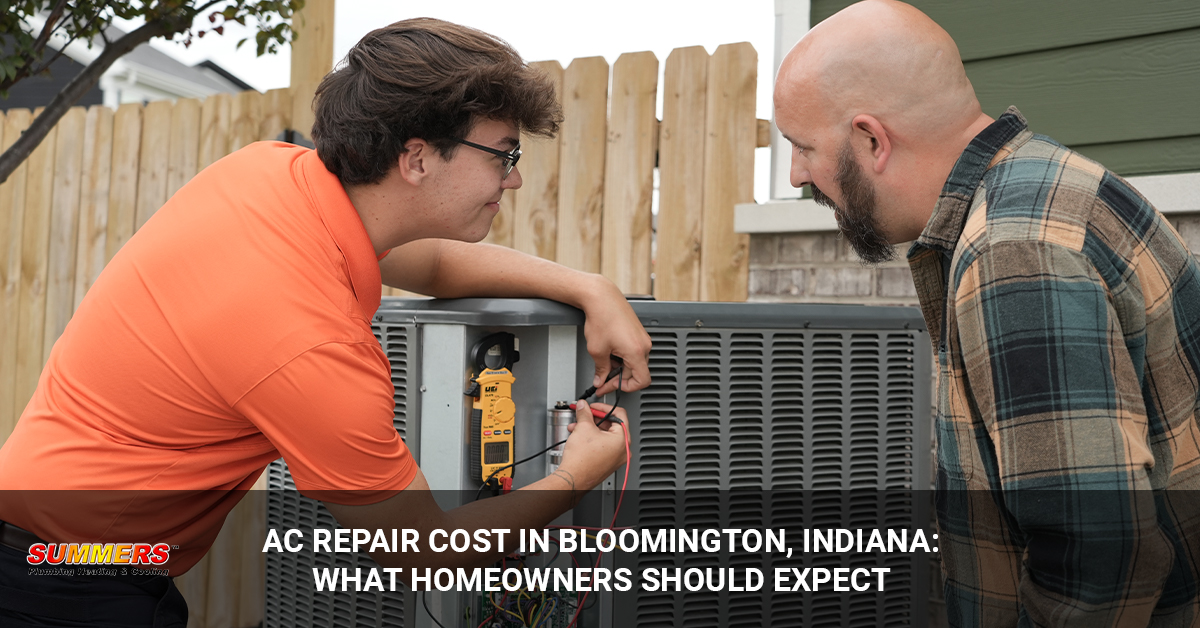
AC repair costs in Bloomington, Indiana, depend on the type of problem, the parts that need to be replaced, the amount of labor involved, and the overall condition of your system.
When your air conditioner stops working, one of the first questions you probably ask is, “How much is this going to cost?” The truth is that every repair is different. A simple electrical issue may be resolved quickly, while a refrigerant leak or compressor problem can require more extensive repairs.
The good news is that not every AC problem leads to a major repair bill. Many issues can be addressed before they become more serious and expensive. Understanding what affects repair costs can help you make better decisions about your HVAC system and avoid unexpected surprises.
In this guide, you’ll learn what factors influence AC repair costs, the most common repairs homeowners face, and when repairing your system makes more sense than replacing it.
Whether you’re dealing with weak airflow, warm air from the vents, strange noises, or a complete breakdown, knowing what to expect can help you plan for the repair process and restore comfort to your home as quickly as possible.
How Much Does AC Repair Cost in Bloomington, Indiana?
AC repair costs in Bloomington, Indiana, vary depending on what’s wrong with the system, the parts required, and the amount of labor needed to complete the repair.
Some air conditioning problems are relatively simple to fix, while others involve major components that require more extensive work. A failed capacitor, clogged drain line, or thermostat issue is usually less complex than repairing a refrigerant leak, replacing an evaporator coil, or addressing compressor problems.
One important thing homeowners should understand is that the same symptom can have several different causes. For example, an AC that isn’t cooling properly could be caused by a dirty air filter, low refrigerant, an electrical issue, or a failing compressor. That’s why a professional inspection is often the first step in determining the actual repair needed.
Depending on the problem, repair costs may involve:
- Diagnostic and service visits
- Minor component replacements
- Electrical repairs
- Refrigerant-related repairs
- Mechanical component repairs
- Major system repairs
The overall condition and age of your AC system can also affect repair costs. Older units often require more extensive troubleshooting and may need replacement parts that are harder to obtain.
Because every air conditioning system and repair situation is different, the most accurate way to determine repair costs is through a professional HVAC diagnosis. A technician can identify the source of the problem, explain your repair options, and help you decide on the most cost-effective solution.
What Factors Affect AC Repair Costs?
Several factors determine how much you’ll pay for AC repair in Bloomington, Indiana.
No two air conditioning repairs are exactly the same. The final cost depends on the specific problem, the parts required, the time needed to complete the repair, and the condition of the system. Understanding these factors can help homeowners better evaluate repair recommendations and plan for potential expenses.
Type of Repair Needed
The type of repair is usually the biggest factor affecting cost.
Simple repairs often require less labor and fewer replacement parts. More complex issues involving major components typically take longer to diagnose and repair.
For example, replacing a capacitor or thermostat is generally less involved than repairing a refrigerant leak, replacing an evaporator coil, or addressing compressor problems.
Age of the AC System
Older air conditioners are often more expensive to repair.
As HVAC equipment ages, components wear out and systems become more prone to breakdowns. In some cases, multiple parts may fail around the same time, increasing repair costs.
Older units may also use outdated components that are harder to locate or replace.
Brand and Equipment Type
The brand and design of your HVAC system can influence repair costs.
Some manufacturers use specialized components that may cost more than standard replacement parts. Certain high-efficiency or advanced systems may also require additional expertise during diagnosis and repair.
Parts Availability
Replacement part availability can affect both repair costs and turnaround times.
When parts are readily available, repairs can often be completed more quickly. However, older or discontinued systems may require special-order parts, which can increase costs and extend repair timelines.
Labor Requirements
Labor is another major factor in AC repair pricing.
Repairs that involve extensive troubleshooting, difficult access, or major system disassembly generally require more time. The longer a repair takes to complete, the higher the labor cost is likely to be.
Emergency or After-Hours Service
Emergency HVAC service often costs more than standard appointments.
Repairs performed during evenings, weekends, holidays, or periods of extreme heat may include additional service fees. During peak summer months, increased demand for HVAC service can also affect scheduling and overall repair costs.
Because multiple factors influence pricing, a professional inspection is the best way to determine the exact cost of repairing your air conditioning system.
Common AC Repairs Homeowners May Face
Some air conditioning repairs are more common than others.
As an AC system ages, certain components naturally experience wear and tear. Identifying problems early can often prevent larger and more expensive repairs later. While every repair situation is different, homeowners in Bloomington frequently encounter the following AC issues.
Thermostat Repairs
Thermostat problems can prevent your AC from cooling properly or maintaining the desired temperature.
A malfunctioning thermostat may cause inconsistent temperatures, short cycling, or a system that won’t turn on when needed. In some cases, the solution may be as simple as replacing batteries or recalibrating the thermostat.
Capacitor Replacement
A failed capacitor can prevent important AC components from starting properly.
Capacitors provide the electrical boost needed to start and operate motors throughout the HVAC system. When a capacitor fails, the air conditioner may struggle to start, make clicking noises, or stop cooling altogether.
Contactor Replacement
The contactor controls the flow of electricity to the outdoor unit.
When a contactor becomes worn or damaged, it may prevent the compressor or condenser fan from receiving power. This can cause cooling issues and intermittent system operation.
Blower Motor Repairs
Blower motor problems can reduce airflow throughout your home.
The blower motor moves conditioned air through the ductwork and into living spaces. A failing blower motor may cause weak airflow, uneven temperatures, and reduced comfort.
Condenser Fan Motor Repairs
The condenser fan helps remove heat from the system.
If the fan motor fails, the outdoor unit may struggle to release heat effectively. This can reduce cooling performance and place additional strain on the compressor.
Electrical Repairs
Electrical problems can affect nearly every part of an HVAC system.
Loose wiring, failed relays, damaged connections, and faulty control boards can cause operational problems, intermittent failures, and cooling issues.
Drain Line Repairs
A clogged condensate drain line can lead to water damage and system shutdowns.
As moisture is removed from the air, it flows through the drain system. When the line becomes blocked, water can back up into the system and trigger safety shutoffs.
Refrigerant Leak Repairs
Refrigerant leaks can significantly reduce cooling performance.
Low refrigerant levels make it difficult for the system to absorb and remove heat. Repairs typically involve locating the leak, repairing the affected area, and recharging the refrigerant.
Evaporator Coil Repairs
The evaporator coil is responsible for absorbing heat from indoor air.
If the coil becomes damaged or develops a leak, cooling efficiency can drop and refrigerant loss may occur. Coil repairs often require professional diagnosis and specialized repair procedures.
Compressor Repairs
The compressor is one of the most important components in an air conditioning system.
It circulates refrigerant throughout the cooling cycle and plays a major role in overall system performance. Because of its complexity and importance, compressor repairs are often among the most significant AC repairs homeowners may face.
Understanding these common repairs can help homeowners recognize potential issues early and seek professional service before a minor problem develops into a major system failure.
How Much Does Refrigerant Leak Repair Cost?
Refrigerant leak repairs are often more complex than many other air conditioning repairs because they involve both diagnosing and fixing the source of the problem.
Unlike a dirty filter or a faulty thermostat, a refrigerant leak cannot be solved by simply adding more refrigerant. The leak must first be located and repaired before the system can be recharged and tested. This process usually requires specialized tools, training, and HVAC expertise.
Leak Detection
Finding the source of the leak is the first and most important step.
Refrigerant leaks can occur in coils, refrigerant lines, fittings, or other components. Because some leaks are small and difficult to locate, technicians often use specialized leak detection equipment to identify the exact source.
Leak Repair
Once the leak is found, the damaged component must be repaired or replaced.
The type of repair depends on the location and severity of the leak. In some cases, a simple repair may be possible. In others, replacing a damaged component may be the best long-term solution.
Refrigerant Recharge
After the leak has been repaired, the system must be recharged with refrigerant.
The refrigerant level must match the manufacturer’s specifications to ensure proper cooling performance, efficiency, and system reliability. Simply adding refrigerant without repairing the leak will only provide a temporary fix.
Factors That Affect Refrigerant Repair Costs
Several factors can influence the overall complexity and cost of refrigerant leak repairs.
These include:
- Leak location
- Severity of the leak
- Type of refrigerant used
- Accessibility of the affected component
- Amount of refrigerant required
Leaks that are difficult to access or involve major components often require more labor and repair time.
Addressing refrigerant leaks early is important. A small leak can gradually reduce cooling performance, increase energy consumption, and place extra strain on the compressor. Prompt repairs can help prevent more serious damage and avoid larger repair bills in the future.
Are Emergency AC Repairs More Expensive?
Yes, emergency AC repairs are usually more expensive than standard HVAC service calls.
When an air conditioner fails outside normal business hours, HVAC companies often need to adjust schedules, dispatch technicians after hours, or provide immediate service during periods of high demand. These factors can increase the overall cost of the repair.
While the actual repair may cost the same, additional emergency service fees are often added for urgent calls.
Factors that can increase emergency repair costs include:
- Evening service appointments
- Weekend repairs
- Holiday service calls
- High-demand summer periods
- Same-day emergency requests
Emergency service is often necessary when a complete system failure occurs during extreme heat, especially when indoor comfort or safety becomes a concern.
However, many emergency repairs can be avoided by addressing small problems early. Warning signs such as weak airflow, unusual noises, inconsistent cooling, rising energy bills, or frequent cycling often indicate developing issues before a complete breakdown occurs.
Scheduling routine maintenance and repairing minor problems promptly can help reduce the likelihood of needing costly emergency HVAC service during Bloomington’s hottest summer months.
Signs Your AC Needs Repair
Most air conditioners show warning signs before they stop working completely.
Recognizing these problems early can help prevent more expensive repairs and reduce the risk of a complete system breakdown. If you notice any of the following symptoms, it’s a good idea to schedule an HVAC inspection before the issue gets worse.
Warm Air From Vents
Warm air coming from your vents is often one of the first signs that something is wrong. Homeowners experiencing these symptoms may benefit from reviewing common causes of an AC running but not cooling before scheduling repairs.
Your AC should consistently deliver cool air throughout your home. If the air feels warm or isn’t as cold as it used to be, the problem could be related to refrigerant levels, airflow restrictions, thermostat issues, or failing components.
Weak Airflow
Weak airflow can indicate a problem with the blower system, air filter, or ductwork.
If some rooms feel less comfortable than others or airflow from vents seems reduced, your AC may be struggling to move air efficiently throughout the home.
Strange Noises
Unusual noises often signal that a component is wearing out or becoming damaged.
Common warning sounds include:
- Grinding
- Squealing
- Buzzing
- Banging
- Rattling
Ignoring these noises can allow minor issues to develop into major repairs.
Frozen Coils
Ice on refrigerant lines or evaporator coils is never normal.
Frozen coils are commonly caused by restricted airflow, dirty air filters, refrigerant leaks, or mechanical issues that prevent the system from operating properly. If ice buildup is present, this guide on a frozen AC unit explains the most common causes and repair options.
Water Leaks
Water around the indoor unit can indicate a drainage or cooling system problem.
Blocked condensate drains, frozen coils, and other HVAC issues can cause water to accumulate around the equipment.
Rising Energy Bills
An unexplained increase in energy costs often points to declining AC efficiency.
When components begin to fail or airflow becomes restricted, the system must work harder to cool your home, which increases energy consumption.
Frequent Cycling
Short cycling occurs when the AC turns on and off more frequently than normal.
This behavior can increase wear and tear on the system, reduce efficiency, and shorten equipment life. Causes may include thermostat problems, airflow issues, electrical faults, or an improperly sized system.
If you notice one or more of these warning signs, scheduling professional HVAC service early can help prevent larger repairs and keep your air conditioner operating efficiently throughout the cooling season.
Repair vs. Replace: Which Makes More Sense?
Whether you should repair or replace your AC depends on the system’s age, condition, repair history, and long-term operating costs.
In many situations, repairing a newer air conditioner is the most practical choice. However, if an older system is experiencing frequent breakdowns or major component failures, replacement may provide better value over time.
A professional HVAC evaluation can help you compare repair costs, expected lifespan, and efficiency improvements before making a decision. Understanding AC repair vs replacement can help homeowners determine which option provides the best long-term value.
System Age
The age of your air conditioner is one of the biggest factors to consider.
Most AC systems last between 10 and 15 years with proper maintenance. As equipment gets older, components wear out, performance declines, and repairs often become more frequent.
If your system is approaching or exceeding 15 years of age, replacement may be worth considering, especially if major repairs are needed.
Frequency of Repairs
Frequent repairs can be a sign that your AC is nearing the end of its useful life.
If you’re calling for service multiple times each year, the cost of ongoing repairs can quickly add up. In many cases, investing that money in a newer system makes more financial sense than continuing to repair aging equipment.
Cost of Major Repairs
Large repairs on an older air conditioner may not provide the best long-term return.
Issues involving compressors, evaporator coils, or major refrigerant leaks can be costly to repair. When these repairs occur on an aging system, replacement is often a more practical option.
Energy Efficiency Benefits
Newer AC systems are generally much more energy-efficient than older models.
Modern equipment can provide:
- Lower utility bills
- Improved cooling performance
- Better humidity control
- More consistent temperatures
- Enhanced indoor comfort
Many homeowners find that the energy savings and improved reliability help offset the cost of a new system over time. Modern AC installation options in Bloomington offer higher efficiency ratings, improved comfort, and lower operating costs.
If you’re unsure whether repair or replacement is the better choice, an HVAC professional can evaluate your system and help you determine the most cost-effective solution based on its current condition and expected future performance.
How to Reduce AC Repair Costs
The best way to reduce AC repair costs is to prevent small problems from turning into major repairs.
Many air conditioning breakdowns develop gradually over time. Routine maintenance, regular inspections, and prompt attention to warning signs can help extend the life of your system and reduce the likelihood of expensive repairs.
Schedule Preventive Maintenance
Regular HVAC maintenance helps identify potential problems before they become serious.
During a maintenance visit, technicians inspect key components, test system performance, clean critical parts, and look for signs of wear. Catching issues early often results in less expensive repairs and fewer unexpected breakdowns.
Change Air Filters Regularly
Replacing air filters is one of the simplest ways to protect your AC system. Professional indoor air services can also help improve airflow, filtration, and overall HVAC system performance.
Clean filters improve airflow, help the system operate efficiently, and reduce strain on important components. Most homeowners should replace filters every 1 to 3 months, depending on usage and indoor air quality conditions.
Address Problems Early
Small HVAC issues rarely fix themselves.
If you notice weak airflow, unusual noises, rising energy bills, uneven cooling, or longer cooling cycles, scheduling service early can often prevent larger and more expensive repairs later.
Keep the Outdoor Unit Clean
The outdoor condenser needs proper airflow to operate efficiently.
Remove leaves, grass clippings, weeds, and other debris from around the unit. Keeping the condenser clean helps reduce system strain and supports efficient cooling performance.
Consider a Maintenance Plan
Many HVAC companies offer maintenance plans that include routine inspections and service benefits.
Depending on the provider, maintenance plans may offer:
- Scheduled tune-ups
- Priority service
- Discounted repairs
- System performance checks
- Early problem detection
For many homeowners, a maintenance plan can help reduce long-term repair expenses while improving system reliability.
Investing in routine care is usually far less expensive than dealing with a major AC breakdown during the hottest part of the summer.
Does Homeowners Insurance Cover AC Repairs?
Homeowners insurance may cover AC repairs in certain situations, but it usually does not cover repairs caused by normal wear and tear.
Whether coverage applies depends on what caused the damage. If your air conditioner is damaged by a covered event, your policy may help pay for repairs. However, problems caused by age, lack of maintenance, or gradual deterioration are typically not covered.
Coverage may apply if the damage results from:
- Storm damage
- Fire damage
- Falling objects
- Certain accidental events covered by the policy
Most policies do not cover repairs caused by aging equipment, routine wear and tear, neglected maintenance, or mechanical failures that develop over time.
Manufacturer warranties and HVAC labor warranties may also help reduce repair costs in some situations. If your system is still under warranty, certain parts or repair expenses may be covered, helping lower your out-of-pocket costs.
Reviewing your insurance policy and warranty coverage can help you better understand what expenses may be covered before scheduling repairs.
Why AC Repair Costs Often Increase During Summer
AC repair costs often increase during the summer because demand for HVAC services is usually at its highest.
When temperatures rise, air conditioners run longer and work harder to keep homes comfortable. As a result, more systems experience breakdowns, and HVAC companies often receive a higher volume of service calls.
Increased Service Demand
More homeowners need AC repairs during hot weather.
As cooling systems operate for longer periods, wear and tear becomes more noticeable, leading to an increase in repair requests throughout the summer.
Emergency Repairs
Emergency service calls become more common during peak cooling season.
When an air conditioner fails during extreme heat, homeowners often need immediate service. Emergency appointments may include additional fees, especially during evenings, weekends, or holidays.
Parts Availability
High demand can sometimes affect the availability of replacement parts.
When many systems require similar repairs at the same time, certain components may be harder to obtain, which can extend repair timelines and occasionally increase costs.
Peak Cooling Season Stress
Air conditioners experience more strain during periods of extreme heat.
The harder a system works, the more likely it is to develop issues involving motors, capacitors, compressors, and other critical components. This increased workload often leads to a higher number of service calls during the summer months.
Scheduling maintenance before the cooling season begins and addressing small problems early can help reduce the risk of unexpected breakdowns when demand for HVAC service is at its highest.
When to Call an HVAC Professional in Bloomington, Indiana
You should call an HVAC professional whenever your air conditioner is not cooling properly, showing signs of mechanical failure, or experiencing recurring problems.
While some issues, such as replacing an air filter or adjusting thermostat settings, can be handled by homeowners, many AC problems require specialized tools and training to diagnose and repair safely.
Professional HVAC service is recommended if you experience:
- Refrigerant leaks
- Electrical problems
- Compressor issues
- Frozen coils
- Persistent cooling problems
- Frequent breakdowns
These issues often indicate underlying problems that can worsen if left unaddressed. Continuing to operate a malfunctioning system may increase wear on critical components and lead to more expensive repairs.
Prompt repairs can help prevent additional damage, improve system efficiency, and restore reliable comfort to your home. If your AC continues to struggle despite basic troubleshooting, a professional inspection is the best way to identify the cause and determine the most effective repair solution.
Frequently Asked Questions
What Is the Average AC Repair Cost in Bloomington, Indiana?
AC repair costs vary based on the type of repair, the parts required, and the complexity of the problem.
Minor repairs are generally less expensive than major repairs involving compressors, evaporator coils, or refrigerant leaks. A professional inspection is the best way to determine the exact repair needed and the associated cost.
How Much Does It Cost to Fix an AC That Isn’t Cooling?
The cost depends on what is causing the cooling problem.
An AC that isn’t cooling may have a simple issue such as a thermostat problem or dirty air filter, or it could involve a refrigerant leak, electrical failure, or compressor issue. The repair cost will vary based on the diagnosis.
Is AC Repair Cheaper Than Replacement?
In many situations, repairing an AC system is less expensive than replacing it.
However, if the unit is older and requires frequent repairs, replacement may provide better long-term value. A professional HVAC assessment can help determine which option makes the most financial sense.
Should I Repair a 15-Year-Old Air Conditioner?
It depends on the system’s condition, repair history, and overall efficiency.
If the air conditioner experiences frequent breakdowns, rising energy bills, poor cooling performance, or major component failures, replacement may be a better investment than continuing to repair the system.
How Long Do AC Repairs Usually Take?
Many AC repairs can be completed during a single service visit.
However, more complex repairs involving major components, refrigerant leaks, or special-order parts may require additional time. The repair timeline depends on the nature of the problem and parts availability.
Can Regular Maintenance Reduce Repair Costs?
Yes, regular maintenance is one of the most effective ways to reduce long-term repair costs.
Routine inspections help identify developing problems early, improve system efficiency, reduce wear and tear, and lower the likelihood of major breakdowns. Preventive maintenance can often save homeowners money by addressing small issues before they become costly repairs.
Final Thoughts
AC repair costs in Bloomington, Indiana, can vary significantly depending on the underlying problem, the age of the system, and the repairs required.
Some issues can be resolved with relatively simple repairs, while others may involve major components that require more extensive work. Understanding the factors that affect repair costs can help you make informed decisions and avoid unexpected expenses.
Addressing HVAC problems early is one of the best ways to prevent larger and more costly repairs. Small issues such as weak airflow, unusual noises, or reduced cooling performance can often be fixed before they lead to major system failures.
If your air conditioner isn’t cooling properly, is breaking down frequently, or showing signs of mechanical trouble, a professional HVAC inspection can identify the cause and recommend the most cost-effective solution. Prompt service can help restore comfort, improve efficiency, and extend the life of your cooling system.