

Garbage Disposal Repair Cost: Common Problems and Fixes
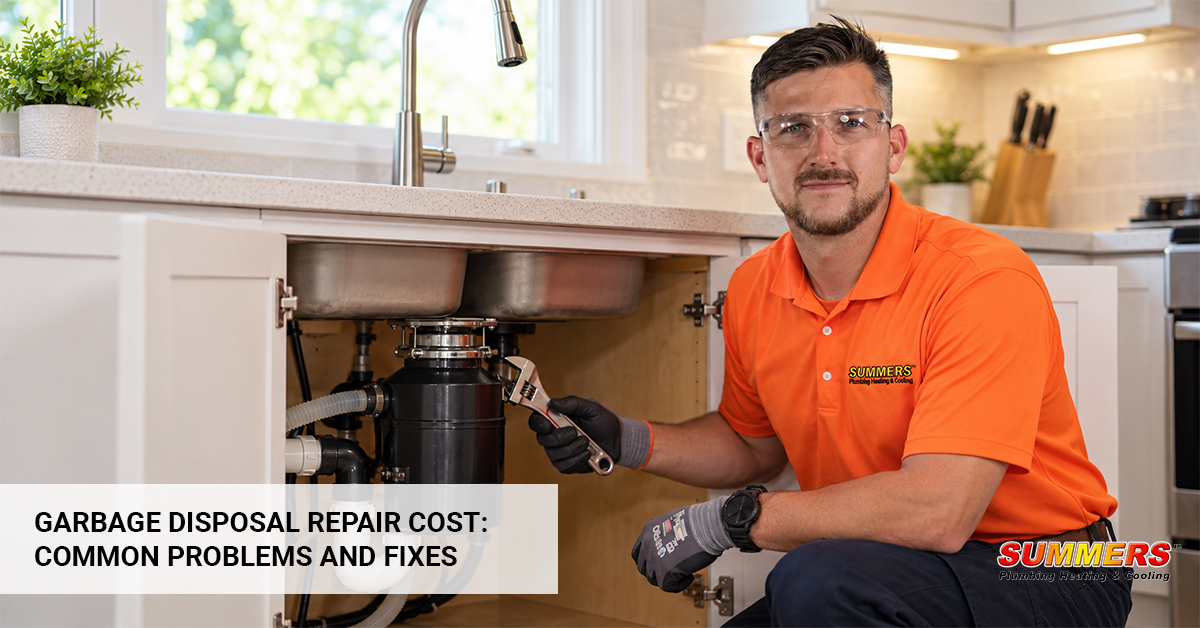
Garbage disposal repair typically costs $100 to $310 in the United States, depending on the problem, parts, and labor. A simple jam may be inexpensive to fix, while a leak, electrical fault, or failed motor can cost more.
If your garbage disposal hums, leaks under the sink, won’t turn on, or drains slowly, you may not need to replace the entire unit. The right fix depends on what’s causing the problem.
This guide explains common garbage disposal problems, estimated repair costs, simple troubleshooting steps, and when replacement makes more sense.
How Much Does Garbage Disposal Repair Cost?
Garbage disposal repair typically costs $100 to $310 in the United States, depending on the problem, parts, and labor. Simple repairs, such as clearing a jam, may cost less, while motor or electrical problems can be more expensive.
Here are estimated costs for common garbage disposal repairs.
| Repair type | Estimated cost |
| Clearing a jam | 0–175 |
| Fixing a clog | 70–200 |
| Repairing a leak | 80–300+ |
| Fixing a disposal that won’t turn on | 70–300+ |
| Repairing grinding components | 130–330 |
| Replacing a faulty motor | 150–400+ |
| Plumber labor | 50–125 per hour |
| Service or diagnostic fee | 70–130+ |
These are approximate US cost estimates, not guaranteed quotes. Actual prices vary by location, disposal model, parts, and repair complexity.
The final cost depends on what’s wrong with your disposal. A simple jam may only require clearing an obstruction and resetting the unit. A damaged motor or persistent leak may require replacement parts or a new disposal.
Before approving a repair, ask the plumber for an estimate that includes labor, parts, and any service fees. This helps you compare quotes and decide whether repairing the unit is more cost-effective than replacing it.
Garbage Disposal Repair Cost by Problem
Garbage disposal repair costs depend on the type of problem and the parts needed to fix it. A simple jam or loose drain connection usually costs less to repair than a failed motor or electrical fault.
1. Garbage Disposal Is Jammed
Clearing a jammed garbage disposal can cost $0 to $175, depending on the cause and whether you can safely remove the obstruction yourself or need a plumber.
Hard objects, such as fruit pits, small bones, and accidentally dropped utensils, can stop the grinding plate from turning. When this happens, the motor may hum without grinding food waste.
Common signs of a jammed garbage disposal:
- The disposal hums but doesn’t grind.
- The grinding plate won’t turn.
- The unit stops working during use.
- The reset button trips after the disposal jams.
How to fix it: Turn off the disposal and disconnect its power before inspecting it. Follow the manufacturer’s instructions to clear the obstruction. If your model includes a designated jam-clearing wrench, use it as directed.
Never put your hand inside the disposal, even when the power is off.
If you can’t clear the jam or the disposal keeps jamming, contact a plumber. The grinding components or motor may be damaged and need professional repair.
2. Garbage Disposal Won’t Turn On
Repairing a garbage disposal that won’t turn on can cost around $70 to $300 or more, depending on whether the problem involves the reset button, power supply, switch, wiring, or motor.
Sometimes, the disposal has simply overloaded and needs a reset. In other cases, a tripped breaker, faulty switch, or damaged motor may prevent it from starting.
Common signs include:
- Nothing happens when you flip the switch.
- The reset button keeps popping out.
- The disposal stops working unexpectedly.
- The unit starts and stops intermittently.
How to fix it: First, turn off the disposal. Follow the manufacturer’s instructions to check the reset button. If the unit plugs into an outlet, check whether the circuit breaker or GFCI outlet has tripped. Disconnect power before inspecting the unit, and never touch exposed wiring.
If the breaker keeps tripping, the reset button repeatedly pops out, or the disposal still won’t start, contact a qualified professional. They can inspect the power supply, switch, wiring, and motor to identify the problem.
3. Garbage Disposal Is Leaking
Repairing a leaking garbage disposal can cost around $80 to $300 or more, depending on where the leak occurs and whether the unit needs new seals, plumbing repairs, or replacement.
The location of the leak can help you identify the likely cause.
- Leak at the top: A worn sink flange gasket or loose mounting connection may be responsible.
- Leak at the side: A loose dishwasher connection or drain pipe fitting may be allowing water to escape.
- Leak at the bottom: A failed internal seal or damaged housing may mean the disposal needs replacement.
If the leak comes from a damaged or deteriorating drain connection, learn about drain pipe problems that need professional repair.
How to fix it: Stop using the disposal and keep water away from electrical connections. Don’t touch wet electrical components. If you can safely observe the unit without handling its wiring, note where the water appears.
A plumber can replace worn seals, secure loose connections, or repair the drain assembly. If water leaks through the disposal’s main housing, replacing the unit is often more practical than repairing it.
4. Garbage Disposal Hums but Doesn’t Grind
A garbage disposal that hums but doesn’t grind usually has a jammed grinding plate or a motor that can’t turn properly. Clearing a simple jam may cost little, while mechanical repairs can cost $130 to $330 or more.
The humming sound often means the motor is receiving power but can’t rotate. If you keep running the disposal in this condition, the motor may overheat and become damaged.
Common causes include:
- A hard object stuck in the grinding chamber
- A jammed grinding plate
- Damaged internal components
- A failing motor
How to fix it: Turn off the disposal immediately and disconnect its power. Follow the manufacturer’s instructions to clear a jam, using the designated wrench if your model includes one. Never put your hand inside the unit or repeatedly switch it on while it hums.
If the grinding plate remains stuck or the motor still hums after you’ve cleared the obstruction, contact a plumber or appliance repair professional. The unit may need further diagnosis or replacement.
5. Garbage Disposal Drains Slowly or Keeps Clogging
Fixing a clogged garbage disposal or drain line typically costs $70 to $200, depending on where the blockage occurs and how difficult it is to remove.
Food scraps, grease, and fibrous materials can build up inside the disposal or drain pipes. Sometimes, the problem is farther down the plumbing system, such as in the sink’s P-trap. If the blockage extends beyond the disposal, professional drain cleaning services in Bloomington can help remove stubborn buildup from your drain lines.
Common signs of a clogged garbage disposal include:
- Water drains slowly from the sink.
- Water backs up when you run the disposal.
- Food particles remain in the sink.
- Unpleasant odors come from the drain.
How to fix it: Stop adding food waste and turn off the disposal if water backs up. Check for obvious drainage problems without reaching inside the unit. A plumber can determine whether the blockage is in the disposal, P-trap, or drain line.
Avoid pouring chemical drain cleaners into the disposal unless the manufacturer specifically approves their use. These products can damage components and create hazards during repairs.
If the sink continues to drain slowly after basic troubleshooting, have a plumber inspect the drain system.
6. Garbage Disposal Makes Unusual Noises
Repairing a noisy garbage disposal can cost anywhere from a basic service fee to several hundred dollars, depending on whether the noise comes from a loose object, damaged component, or failing motor.
The type of noise can help you identify the possible cause.
- Rattling: A loose object, such as a small utensil, may be inside the grinding chamber.
- Loud grinding: A hard object may be stuck inside, or a component may be damaged.
- Persistent buzzing: The motor may be struggling to turn because of a jam or mechanical fault.
- Squealing or grinding that continues after clearing a jam: Worn or damaged internal components may be responsible.
How to fix it: Turn off the disposal and disconnect its power before checking for visible obstructions. Follow the manufacturer’s instructions, and never put your hand inside the grinding chamber.
If the noise continues after you remove an obvious obstruction, contact a plumber or appliance repair professional. They can determine whether the disposal needs a minor repair, replacement parts, or a new unit.
7. Garbage Disposal Keeps Tripping the Reset Button or Circuit Breaker
A garbage disposal that keeps tripping its reset button or circuit breaker may have a jammed grinding plate, an overloaded motor, or an electrical fault. Repair costs depend on the cause. Clearing a jam may be inexpensive, while motor or electrical repairs can cost several hundred dollars.
The reset button usually trips when the disposal overloads or overheats. A circuit breaker that trips repeatedly may indicate a wiring problem, a failing motor, or another electrical issue.
How to fix it: Turn off the disposal and disconnect its power before checking for a jam. Follow the manufacturer’s instructions to clear the obstruction and reset the unit. If the circuit breaker trips repeatedly, don’t keep resetting it.
Contact a qualified professional if the reset button trips again, the breaker won’t stay on, or the disposal smells burnt. An electrician may be needed if the problem involves the household wiring or circuit.
Don’t use the disposal again until a recurring electrical problem has been diagnosed and repaired.
Garbage Disposal Repair Cost by Part
Garbage disposal parts typically cost $3 to $130, depending on the component and disposal model. Small items, such as gaskets and reset buttons, cost less. Motors and grinding components usually cost more. Labor, diagnosis, and installation can increase the total repair bill.
Here are the estimated parts-only costs for common garbage disposal repairs.
| Component | Approximate parts cost (USD) |
| Gasket or seal | 3–20 |
| Sink flange | 8–18 |
| Discharge pipe | 10–25 |
| Reset button | 5–20 |
| Power cord | 10–30 |
| Grinding components | 15–55 |
| Motor | 70–130 |
These are approximate parts-only estimates. They exclude labor, diagnostic fees, and additional plumbing or electrical work. Actual prices vary by disposal model and part availability.
The cost of a part doesn’t always reflect the total repair cost. For example, a replacement gasket may be inexpensive, but the technician might need to remove the disposal to access it. That extra labor can increase the final bill.
Before approving a repair, ask the technician which component has failed, how much the parts and labor will cost, and whether the replacement part comes with a warranty. Compare that total with the cost of installing a new disposal, especially if your current unit is old or has recurring problems.
Garbage Disposal Repair vs. Replacement: Which Costs Less?
Repairing a garbage disposal usually costs less for minor problems, but replacing the unit may be more cost-effective when the motor fails or major damage occurs. The best option depends on the repair estimate, the unit’s age, and how reliably it works.
Replacing a garbage disposal typically costs $200 to $625 in the United States, including the new unit and installation. Your final cost depends on the disposal’s size and features, local labor rates, and whether the plumber needs to modify the plumbing or electrical connections.
When Should You Repair a Garbage Disposal?
Repair usually makes more sense when:
- The disposal is relatively new.
- The problem has a simple, affordable fix.
- The motor and housing are still in good condition.
- The unit has worked reliably until recently.
- The repair costs significantly less than replacement.
For example, clearing a jam, replacing a worn seal, or tightening a loose drain connection may restore the disposal without the expense of installing a new unit.
When Should You Replace a Garbage Disposal?
Replacement may be the better choice when:
- The motor has failed.
- Water leaks through the bottom housing.
- The disposal housing is cracked.
- The unit frequently jams or breaks down.
- The repair estimate approaches the cost of a new disposal and installation.
A major repair may not be worth the investment if the unit is already old and other components could fail soon.
How Long Does a Garbage Disposal Last?
Most garbage disposals last around 7 to 12 years, depending on the model, frequency of use, and maintenance. If your unit is approaching this age range and needs an expensive repair, compare the repair estimate with the cost of replacement.
Before making a decision, ask the technician to quote both options. Compare the total cost of repair with the price of a new unit, including installation. This helps you choose the option that offers better long-term value instead of paying for a repair that may only provide a short-term fix.
What Factors Affect Garbage Disposal Repair Costs?
Garbage disposal repair costs depend on the type of problem, replacement parts, labor rates, and how difficult the repair is to complete. A simple jam may cost very little to fix, while a failed motor or electrical fault can lead to a much higher bill.
Here are the main factors that affect the final repair cost.
Type and Severity of the Problem
The type of fault has a major impact on the price. Clearing a simple jam usually costs less than replacing a motor or repairing damaged electrical components. A loose drain connection may need a quick adjustment, while a cracked disposal housing often requires a new unit.
Parts and Availability
Replacement part prices vary by disposal model and availability. Common items, such as gaskets and drain fittings, are usually inexpensive. Older or less common models may require specialized parts that cost more or take longer to obtain.
Labor and Service Fees
Plumbers may charge an hourly rate, a flat repair fee, or a minimum service charge. More complicated repairs generally require more time and cost more.
Before scheduling service, ask whether the diagnostic fee is included in the repair estimate. Also, confirm whether the quote covers both parts and labor.
Accessibility Under the Sink
A cramped cabinet, difficult mounting arrangement, or corroded plumbing connection can make a repair more time-consuming. The longer a technician needs to access and remove the disposal, the higher the labor cost may be.
Emergency or After-Hours Service
Evening, weekend, and holiday appointments may cost more than regular service calls. If the problem isn’t urgent, scheduling a standard appointment may help you avoid extra charges.
However, stop using the disposal if it leaks near electrical components, smells burnt, or repeatedly trips the circuit breaker. Address safety risks promptly rather than waiting to save money.
Additional Plumbing or Electrical Work
Some disposal problems involve more than the unit itself. A damaged drain pipe, faulty outlet, wiring issue, or corroded connection may require additional work.
Plumbing repairs may increase the total bill, while electrical faults may require a qualified electrician. Ask for an itemized estimate so you understand which repairs are necessary and what each one will cost.
Can You Fix a Garbage Disposal Yourself?
You can fix some garbage disposal problems yourself, including simple jams, reset issues, and minor drain blockages. However, motor failures, electrical faults, and persistent leaks usually require professional repair.
Try these basic troubleshooting steps before calling a plumber.
- Turn off the disposal. Switch it off before inspecting the unit.
- Disconnect the power. Unplug the unit or turn off the appropriate circuit breaker before inspecting it or attempting to clear a jam.
- Check the reset button. Follow the manufacturer’s instructions. Reset the unit only after it has cooled and you’ve cleared any obstruction.
- Look for visible obstructions. Use a flashlight to inspect the grinding chamber. Never put your hand or fingers inside the disposal.
- Check the drain. If water drains slowly, the blockage may be in the drainpipe or P-trap rather than the disposal itself.
- Restart the unit carefully. Follow the manufacturer’s restart instructions. Stop if the disposal hums without grinding, trips the breaker, leaks, or makes unusual noises.
Never reach inside the disposal, bypass safety controls, or work on live electrical components. If the problem continues or you’re unsure what’s causing it, contact a qualified professional.
How to Prevent Costly Garbage Disposal Repairs
Regular maintenance can help prevent garbage disposal jams, clogs, leaks, and premature wear. Follow these simple habits to keep your unit working properly and reduce avoidable repair costs.
- Avoid grease and cooking oil. They can build up in drain pipes and cause blockages.
- Keep hard objects out. Bones, fruit pits, utensils, and other hard items can jam or damage the grinding components.
- Limit fibrous food waste. Celery strings, corn husks, and similar materials can wrap around moving parts or contribute to clogs.
- Run cold water during use. Follow the manufacturer’s recommendations for water flow when grinding food waste.
- Feed food waste gradually. Add small amounts at a time instead of overloading the disposal.
- Clean the disposal regularly. Use a cleaning method approved by the manufacturer to remove residue and reduce odors.
- Address problems early. Stop using the unit if it leaks, jams repeatedly, or makes unusual noises.
These habits can’t prevent every mechanical failure, but they can help your garbage disposal run reliably and reduce unnecessary repair expenses.
When Should You Call a Plumber?
Call a plumber if your garbage disposal keeps malfunctioning after basic troubleshooting, develops a persistent leak, or shows signs of mechanical damage. Electrical problems may require a qualified electrician.
Arrange professional service if you notice any of these issues:
- The disposal hums but won’t grind after you clear a jam.
- Water leaks from the disposal housing or plumbing connections.
- The motor won’t start after you check the power supply and reset button.
- The reset button or circuit breaker keeps tripping.
- The unit makes persistent grinding, buzzing, or squealing noises.
- Water repeatedly backs up into the sink.
- You notice a burning smell or visible electrical damage.
If your garbage disposal problem is also affecting your kitchen drain, professional drain cleaning services in Bloomington, IN can help identify and clear blockages in the connected drain line.
Stop using the disposal if it continues to malfunction. Don’t keep restarting it, as this could cause further damage. If water is near electrical components, avoid touching the unit or nearby wiring and seek professional help.
A qualified technician can identify the cause, explain the repair options, and estimate the cost. They can also help you decide whether repairing the existing disposal or replacing it offers better value.
A regular plumbing inspection can also help identify other problems before they become expensive. Use this home plumbing inspection checklist to understand what to check.
Frequently Asked Questions
How Much Does It Cost to Repair a Garbage Disposal?
Garbage disposal repair typically costs $100 to $310 in the United States, depending on the problem, replacement parts, and labor rates. Simple repairs may cost less, while motor failures and complex electrical problems can cost more.
Is It Cheaper to Repair or Replace a Garbage Disposal?
Repair is usually cheaper for minor problems, such as jams, loose connections, and worn seals. Replacement may offer better value if the motor fails, the housing cracks, or repair costs approach the price of a new unit.
How Much Does a Plumber Charge to Unjam a Garbage Disposal?
A plumber may charge around $75 to $175 to clear a jam, depending on the obstruction, local labor rates, and service fees. You may avoid this expense if you can safely clear the jam by following the manufacturer’s instructions.
How Much Does It Cost to Fix a Leaking Garbage Disposal?
Repairing a leaking garbage disposal typically costs $80 to $300 or more, depending on the source of the leak. Replacing a worn gasket or tightening a connection may cost less than repairing damaged housing or replacing the unit.
Is It Worth Repairing a 10-Year-Old Garbage Disposal?
Repairing a 10-year-old garbage disposal may not be worthwhile if it has a failed motor, recurring leaks, or other major problems. Compare the repair estimate with the cost of a new unit and installation before deciding.
Why Is My Garbage Disposal Humming but Not Working?
A garbage disposal that hums but doesn’t grind usually has a jammed grinding plate or a motor that can’t turn. Turn off the unit, disconnect its power, and follow the manufacturer’s instructions to clear the jam. If the humming continues, contact a professional to prevent motor damage.
Can a Plumber Fix a Garbage Disposal That Won’t Turn On?
Yes, a plumber or qualified appliance repair professional can diagnose common problems that prevent a garbage disposal from starting. These include mechanical faults, a faulty switch, or a failed motor. Electrical wiring or circuit problems may require a qualified electrician.
How Long Does a Garbage Disposal Usually Last?
A garbage disposal typically lasts 7 to 12 years, depending on the model, usage, and maintenance. Frequent jams, recurring leaks, and motor problems may indicate that replacing the unit is more practical than continuing to repair it.
Final Thoughts
Garbage disposal repair costs depend on the problem, replacement parts, and labor. A simple jam or loose connection may be inexpensive to fix, while a failed motor or damaged housing may make replacement the better option.
Start with basic troubleshooting, but always disconnect the power before inspecting the unit. If the disposal keeps humming, leaking, or tripping the breaker, stop using it and contact a professional.
Before approving a repair, compare the estimate with the cost of a new disposal and installation. Fixing the problem early and choosing the right solution for your unit’s age and condition can help you avoid unnecessary expenses.