
Why Does My Heat Pump Blow Cool Air in Heating Mode?
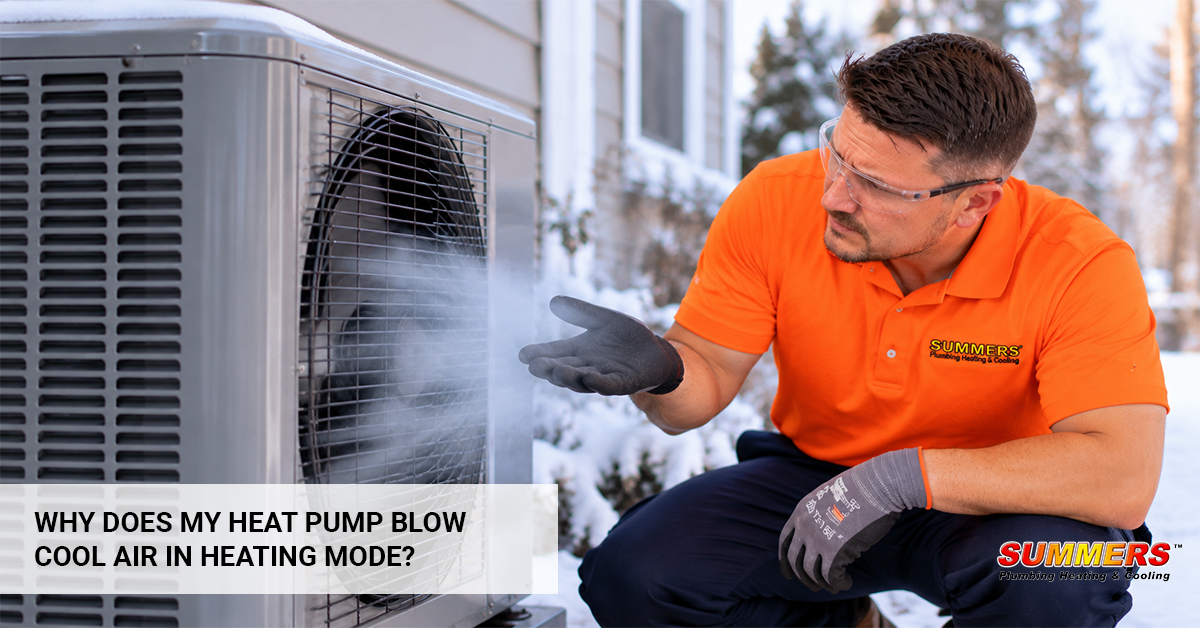
If your heat pump blows cool air in heating mode, it may be running a normal defrost cycle, have incorrect thermostat settings, or be experiencing an airflow or equipment problem. Brief bursts of cool air can be normal, but continuous cold air may mean your heat pump needs attention.
Unlike a gas furnace, a heat pump transfers heat from outdoor air into your home. This means the air from your vents may feel lukewarm rather than hot, even when the system works properly.
If your home isn’t getting warmer or the air feels consistently cold, it’s worth checking the thermostat, air filter, and outdoor unit. Understanding the possible causes can help you decide whether you can fix a simple issue yourself or need an HVAC technician.
Is It Normal for a Heat Pump to Blow Cool Air in Heating Mode?
Yes, a heat pump can blow air that feels cool during normal operation, especially during startup or a defrost cycle. However, it should still heat your home effectively and maintain a comfortable indoor temperature under normal operating conditions.
A heat pump works differently from a gas furnace. Instead of generating heat directly, it transfers heat from outdoor air into your home. As a result, the air coming from your vents may feel lukewarm rather than hot. Choosing heat pumps suited to Indiana’s winter weather can help your home maintain comfortable temperatures during colder months.
Here are three situations to look for:
- Normal heating: Your heat pump delivers steady, mildly warm air that gradually raises the indoor temperature.
- Defrost cycle: The system temporarily changes how it operates to remove frost from the outdoor coil. During this time, indoor airflow may feel cooler or heating may briefly pause.
- Possible heating problem: The vents keep blowing cold air, your home won’t reach the thermostat setting, or the indoor temperature continues to drop.
If the cool airflow lasts only a short time and your heat pump returns to normal heating, there’s usually no reason to worry. If it continues blowing cold air, check your thermostat settings and air filter. If the problem persists, contact an HVAC technician.
Why Does My Heat Pump Blow Cool Air in Heating Mode?
A heat pump may blow cool air in heating mode because it’s running a defrost cycle, has incorrect thermostat settings, or has an airflow or equipment problem. Some cool airflow is normal, but persistent cold air may mean your system needs attention.
If your system struggles to produce enough warmth, read our guide on what to do when your heat pump isn’t heating properly.
1. The Heat Pump Is Running a Defrost Cycle
Your heat pump may blow cool air during a defrost cycle because it temporarily changes how it operates to remove frost from the outdoor coil. This is normal during cold, damp weather.
In heating mode, the outdoor coil absorbs heat from the air. Moisture can freeze on the coil and reduce its ability to transfer heat. To clear the frost, the system periodically runs a defrost cycle.
Depending on your model, the heat pump may temporarily reverse refrigerant flow, stop the outdoor fan, or reduce indoor heating. You might also notice steam rising from the outdoor unit. This can be normal during defrost.
What you can do: Let the defrost cycle finish. Your heat pump should return to normal heating automatically.
If thick ice remains on the outdoor unit, defrost cycles happen unusually often, or the system doesn’t resume heating, contact an HVAC technician. Don’t try to chip away ice or touch the unit’s internal components.
2. The Thermostat Is Set Incorrectly
Incorrect thermostat settings can make your heat pump blow cool air instead of warming your home. A quick check of the system mode, fan setting, and temperature can help you spot the problem. Using smart thermostats can also help you manage heating schedules and maintain more consistent indoor temperatures.
Check these settings:
- System mode: Make sure your thermostat is set to Heat, not Cool.
- Fan setting: Select Auto instead of On. The On setting can keep the indoor fan running between heating cycles, moving room-temperature air through the vents.
- Temperature setting: Set the thermostat a few degrees above the current room temperature to call for heat.
- Auxiliary heat: If your thermostat displays AUX, the system may be using backup heat to help warm your home during cold weather or periods of high heating demand.
After checking the settings, give the heat pump time to respond. Some systems delay the indoor fan to prevent cold drafts when heating starts.
If the settings are correct but your heat pump continues blowing cold air, the thermostat, its wiring, or the system controls may need professional inspection.
3. The Air Filter Is Dirty
A dirty air filter can restrict airflow and make your heat pump struggle to warm your home. When air can’t move freely through the system, heating performance can drop, and the system may run longer than usual.
Not sure when to replace it? Check our guide on how often to change your HVAC filter.
Look for these common signs of a dirty filter:
- Weak airflow from your vents
- Uneven temperatures between rooms
- Longer heating cycles
- Dust buildup on the filter
- A home that takes longer than usual to warm up
What you can do: Check your air filter and replace it if it’s dirty. Use the correct size and type for your system, and follow the manufacturer’s replacement recommendations.
A clean filter helps maintain proper airflow and supports efficient heating. If your heat pump still blows cool air after you replace the filter, the problem may involve the blower, indoor coil, or ductwork. An HVAC technician can inspect the system and identify the cause.
4. The Outdoor Unit Is Blocked or Covered in Ice
A blocked or heavily iced outdoor unit can reduce your heat pump’s heating performance and cause it to blow cool air. Your heat pump needs enough airflow to absorb heat from the outdoor air, even during winter.
A light layer of frost is normal in cold weather. Your heat pump should periodically run a defrost cycle to remove it. However, thick ice that covers the coil or doesn’t melt may point to a problem with the defrost system, drainage, or airflow. Learn more about the possible causes and warning signs of a frozen outdoor HVAC unit and when it needs professional attention.
What you can do: Check the outdoor unit for these issues:
- Leaves and debris: Remove loose leaves, grass clippings, and branches around the unit.
- Blocked airflow: Keep the air intake and discharge clear, following the manufacturer’s recommended clearance.
- Snow buildup: Clear snow away from the unit without blocking its airflow.
- Excessive ice: Check whether thick ice remains after the system has had time to defrost.
Never chip ice off the unit or reach inside to clear it. You could damage the coil or fan.
If thick ice keeps returning, the outdoor fan isn’t working properly, or your heat pump continues blowing cool air, contact an HVAC technician to inspect the system.
5. The Heat Pump Has Low Refrigerant
Low refrigerant can make your heat pump struggle to warm your home because it needs the correct refrigerant charge to transfer heat efficiently. A refrigerant leak is one possible cause.
When refrigerant levels drop, your heat pump may run longer than usual without reaching the thermostat setting. The air from your vents may also feel cooler than normal.
Watch for these warning signs:
- Your home stays cold even when the thermostat is set correctly.
- The heat pump runs for long periods without warming the house.
- You notice unusual frost on the outdoor coil or refrigerant lines.
- Your system struggles to maintain the desired temperature.
These symptoms don’t confirm a refrigerant leak, as other problems can cause similar issues.
What you can do: Contact an HVAC technician if you suspect low refrigerant. A professional can check the refrigerant charge, locate any leaks, and repair the system as needed.
Simply adding refrigerant may not fix the problem if a leak remains. Never attempt to handle refrigerant yourself.
6. The Reversing Valve Is Malfunctioning
A faulty reversing valve can cause your heat pump to blow cool air in heating mode because the valve controls the direction of refrigerant flow. This allows the system to switch between heating and cooling.
If the valve sticks or its controls fail, the heat pump may not switch into heating mode correctly. You might notice that the system cools your home normally but fails to warm it when you select Heat.
However, this symptom alone doesn’t prove the reversing valve is faulty. Thermostat settings, electrical controls, and other components can cause similar problems.
What you can do: Confirm that your thermostat is set to Heat. If the system continues blowing cool air, have an HVAC technician inspect the reversing valve and related controls.
Don’t attempt to repair the valve yourself. Diagnosing the problem may require electrical testing and work on the refrigerant system.
7. Auxiliary Heat Isn’t Working Properly
If your auxiliary heat isn’t working properly, your heat pump may struggle to warm your home during cold weather or periods of high heating demand. Auxiliary heat provides extra warmth when the heat pump can’t meet your heating needs on its own.
Many systems use electric heat strips for backup heating, while some use another compatible heat source. If a heating element, relay, electrical connection, or thermostat control fails, the system may not produce enough heat.
Watch for these signs:
- Your thermostat displays AUX, but the air still feels cold.
- Your home temperature drops even when the system runs.
- The heat pump struggles to reach the thermostat setting.
- Auxiliary heat appears frequently, but your home doesn’t get warmer.
Keep in mind that the AUX indicator means the thermostat is calling for auxiliary heat. It doesn’t guarantee that the backup heater is working correctly.
What you can do: Check your thermostat settings and air filter first. If your home still won’t warm up, contact an HVAC technician to inspect the auxiliary heating system and its controls.
8. The Heat Pump Has an Electrical or Mechanical Problem
An electrical or mechanical problem can stop your heat pump from heating properly, even when the thermostat is set correctly. Common causes include a faulty compressor, fan motor, sensor, wiring connection, or control board.
These components help your heat pump transfer heat and operate safely. If one fails, the system may blow cool air, run inefficiently, or stop heating altogether.
Look for these warning signs:
- The outdoor unit won’t start: A component or electrical problem may prevent normal operation.
- The system frequently turns on and off: A control fault or other equipment issue may be responsible.
- You hear unusual noises: Grinding, persistent buzzing, or repeated clicking may indicate a problem.
- The circuit breaker keeps tripping: An electrical fault may need professional attention.
- The thermostat displays an error code: The code may help identify a system fault.
- Your home keeps getting colder: The heat pump may not be producing enough heat.
What you can do: Check the thermostat settings and air filter if it’s safe to do so. If the problem continues, contact a qualified HVAC technician for diagnosis and repair.
Don’t open electrical panels or attempt to repair internal components yourself. If you notice smoke, a burning smell, or visible electrical damage, stop using the system if you can do so safely and seek professional help promptly.
How to Troubleshoot a Heat Pump Blowing Cool Air
You can troubleshoot a heat pump blowing cool air by checking the thermostat, air filter, vents, and outdoor unit. These simple checks may help you identify a minor issue before calling an HVAC technician.
Follow these steps in order:
Step 1: Check the thermostat. Make sure the system is set to Heat and the fan is set to Auto. Set the temperature a few degrees above the current room temperature and give the system time to respond.
Step 2: Inspect the air filter. Check for dust and debris. Replace the filter if it’s dirty, using the correct size and type for your system.
Step 3: Check the vents. Make sure supply and return vents are open and clear of furniture, curtains, rugs, and other obstructions.
Step 4: Inspect the outdoor unit. Look for leaves, debris, snow, or heavy ice around the unit. Clear loose debris when safe, but don’t touch the fan or internal components.
Step 5: Allow the defrost cycle to finish. If the outdoor unit appears to be defrosting, give it time to return to normal heating. Brief changes in airflow can be normal during this process.
Step 6: Check your home’s temperature. See whether the room gradually warms up. If the temperature keeps dropping or the vents continue blowing cold air, the system may have a heating problem.
Step 7: Call an HVAC technician if the problem persists. A professional can check the refrigerant system, reversing valve, electrical components, and auxiliary heat to identify the cause.
Never attempt to handle refrigerant, bypass safety controls, or repair live electrical components yourself. If you notice smoke, a burning smell, or visible electrical damage, stop using the system if you can do so safely and seek professional help.
When Should You Call an HVAC Technician?
Call an HVAC technician if your heat pump keeps blowing cold air, can’t maintain your home’s temperature, or shows signs of an equipment fault. Brief cool airflow during a defrost cycle can be normal, but ongoing heating problems need attention.
Schedule a professional inspection if you notice any of these signs:
- Continuous cold airflow: Your heat pump keeps blowing cold air instead of warming your home.
- Falling indoor temperature: The system runs, but your home continues getting colder.
- Heavy ice buildup: Thick ice remains on the outdoor unit after a defrost cycle.
- Frequent cycling: The heat pump repeatedly starts and stops.
- Error codes or tripped breakers: The system displays a fault code or repeatedly trips the circuit breaker.
- Possible refrigerant or reversing valve problems: The system struggles to heat despite correct thermostat settings.
- Auxiliary heat runs constantly: AUX appears frequently, but your home still won’t reach the set temperature.
An HVAC technician can check the airflow, thermostat controls, refrigerant system, defrost cycle, and auxiliary heating components to find the cause.
Avoid repeatedly raising the thermostat to force the system to heat. Large temperature adjustments can trigger auxiliary heat and increase energy use without fixing the underlying problem.
Safety note: If you notice smoke, a burning smell, or visible electrical damage, stop using the system if you can do so safely and seek professional help promptly.
How Much Does It Cost to Repair a Heat Pump That Blows Cold Air?
The cost to repair a heat pump that blows cold air depends on the cause of the problem. A dirty air filter or incorrect thermostat setting may be easy to fix, while refrigerant leaks, reversing valve failures, or electrical problems can require professional repairs.
Here are the main factors that affect repair costs:
- Thermostat problems: Costs depend on whether you need a simple adjustment, wiring repair, or thermostat replacement.
- Airflow problems: A dirty filter may need replacing, while a faulty blower, dirty indoor coil, or ductwork issue may require more extensive work.
- Refrigerant leaks: The cost depends on finding the leak, repairing it, and checking the refrigerant charge.
- Reversing valve problems: Repair costs can be higher because the valve is part of the heat pump’s refrigerant system.
- Auxiliary heat failures: The price depends on whether the problem involves a heating element, relay, wiring, or control component.
Before approving a repair, ask the HVAC technician to diagnose the problem and provide a written estimate. The estimate should explain what’s causing the issue, which parts need repair or replacement, and the expected labor cost.
Getting an accurate diagnosis first can help you avoid paying for unnecessary repairs.
How to Prevent Your Heat Pump From Blowing Cool Air
Regular heat pump maintenance can help prevent heating problems, improve efficiency, and keep your home comfortable during cold weather.
Follow these maintenance tips:
- Replace air filters regularly. Check your filter monthly and replace it according to the manufacturer’s recommendations. Change it sooner if it becomes dirty.
- Keep the outdoor unit clear. Remove leaves, grass, and loose debris around the unit. Keep the air intake and discharge clear to maintain proper airflow.
- Schedule annual maintenance. Have a qualified HVAC technician inspect the coils, electrical connections, refrigerant system, defrost controls, and overall performance.
- Use the right thermostat settings. Keep the system set to Heat and the fan set to Auto. Avoid large temperature increases that may trigger auxiliary heat unnecessarily.
- Address warning signs early. Don’t ignore weak airflow, unusual noises, persistent ice buildup, or repeated heating problems. Early repairs may help prevent more serious issues.
- Follow the manufacturer’s recommendations. Check your heat pump’s maintenance instructions for filter replacement, outdoor unit clearance, defrost operation, and backup heating.
Regular maintenance can’t prevent every equipment failure, but it can help your heat pump operate reliably and identify potential problems before they become more serious.
Frequently Asked Questions
Why Is My Heat Pump Blowing Cold Air Instead of Heat?
Your heat pump may blow cold air because of a defrost cycle, incorrect thermostat settings, restricted airflow, or a mechanical problem. Check the thermostat and air filter first. If the system keeps blowing cold air or your home gets colder, contact an HVAC technician.
Should I Turn Off My Heat Pump if It Blows Cold Air?
Not necessarily. If your heat pump briefly blows cool air during a normal defrost cycle, let the cycle finish. However, if it continuously blows cold air or stops heating, arrange a professional inspection. If you notice a burning smell or an electrical fault, stop using the system if you can do so safely and seek professional help. Don’t repeatedly restart a malfunctioning unit.
Why Does My Heat Pump Blow Cold Air for a Few Minutes When It Starts?
Your heat pump may briefly blow cool air while the system starts its heating cycle. Some models delay the indoor fan until the coil warms up to prevent cold drafts. If the air becomes warm shortly afterward and your home heats normally, this is usually not a concern. If the cold airflow continues, the system may need inspection.
Is It Normal for a Heat Pump to Blow Lukewarm Air?
Yes. A heat pump often delivers lukewarm air rather than the hot air produced by a gas furnace. The important factor is whether it can maintain your home’s temperature. If your home stays cold despite prolonged operation, have an HVAC technician check the system.
Why Does My Heat Pump Blow Cold Air When It’s Freezing Outside?
Your heat pump may struggle to meet your home’s heating needs when outdoor temperatures drop, depending on the model and weather conditions. It may run longer, enter a defrost cycle, or use auxiliary heat. If it keeps blowing cold air and your indoor temperature drops, the system may have a heating problem.
Can a Dirty Air Filter Cause a Heat Pump to Blow Cold Air?
Yes. A dirty air filter restricts airflow and can reduce your heat pump’s heating performance. Check the filter and replace it if it’s dirty. If the system still blows cool air or struggles to warm your home, another airflow restriction or equipment problem may be responsible.
Why Is My Heat Pump Blowing Cold Air and Showing AUX Heat?
The AUX indicator means your thermostat is calling for auxiliary heat, which helps your heat pump warm your home when additional heating is needed. However, it doesn’t confirm that the backup heater is working correctly. If the air remains cold or your home’s temperature drops while AUX is displayed, an HVAC technician should inspect the auxiliary heating system and related controls.
Final Thoughts
A heat pump blowing cool air in heating mode doesn’t always mean something is wrong. Brief cool airflow can happen during startup or a normal defrost cycle, and heat pumps often produce lukewarm air rather than the hot air you might expect from a furnace.
Start by checking your thermostat settings, replacing a dirty air filter, and clearing debris around the outdoor unit. If your heat pump keeps blowing cold air, your home won’t reach the set temperature, or thick ice remains on the outdoor unit, contact an HVAC technician.
If the cool air continues and your home isn’t getting warmer, don’t ignore the problem. Early troubleshooting can help you identify simple issues and determine when your heat pump needs professional repair.