

Why Is My Heat Pump Covered in Ice During Winter?
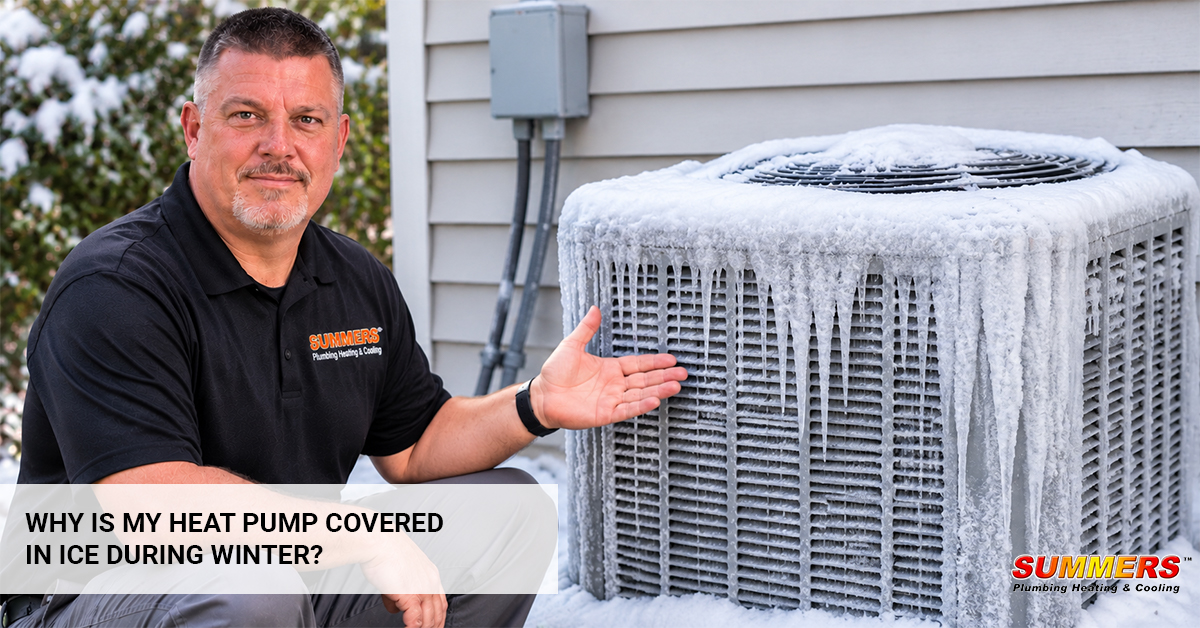
Is your heat pump covered in ice during winter? A little frost on the outdoor unit is normal. However, thick ice that covers the coil, blocks the fan, or doesn’t melt during defrost mode may signal a problem.
Your heat pump pulls heat from outdoor air to warm your home. As it does this, moisture can collect and freeze on the outdoor coil, especially during cold, damp weather. That’s why most heat pumps have an automatic defrost cycle to melt the frost.
But what if the ice doesn’t go away? A faulty defrost system, dirty coil, restricted airflow, or refrigerant leak could be causing the problem.
The good news is that not every frozen heat pump needs an expensive repair. You can check a few simple things before calling an HVAC technician.
In this guide, you’ll learn why heat pumps freeze in winter, how to spot excessive ice, what you can safely do about it, and when to call a professional.
Is It Normal for a Heat Pump to Have Ice on It in Winter?
Yes, it’s normal for a heat pump to develop a thin layer of frost on its outdoor coil during winter. However, thick ice that stays on the unit after defrost mode may indicate a problem.
Your heat pump pulls heat from outdoor air through its outdoor coil. As the coil gets colder, moisture in the air can collect on its surface and freeze. This is especially common during cold, damp weather.
A little frost usually isn’t a concern. Your heat pump has an automatic defrost cycle that warms the outdoor coil and melts the ice. Once the cycle finishes, the system returns to normal heating.
However, if thick ice keeps building up, covers the fan, or doesn’t melt after defrosting, something may be wrong. A faulty defrost control, restricted airflow, or another system issue could be responsible.
The key difference is simple: Light frost that clears during defrost mode is usually normal. Thick, persistent ice needs attention from an HVAC technician.
What Does Normal Frost on a Heat Pump Look Like?
Normal frost appears as a thin, light coating on the outdoor coil. It should melt when your heat pump runs its automatic defrost cycle.
During normal operation, you may notice:
- A light layer of frost on the outdoor coil.
- The outdoor fan temporarily stops during defrost mode.
- Steam rises from the unit as frost melts.
- Water drains from the outdoor unit.
- The heat pump returns to normal heating after defrosting.
These signs are usually part of normal winter operation. So, don’t worry if you see a little frost. Give the system time to complete its defrost cycle.
What Does Excessive Ice Buildup Look Like?
Excessive ice buildup creates a thick layer of ice that doesn’t clear during the normal defrost cycle. It may cover the outdoor coil, block the fan, and reduce your heat pump’s heating performance.
Watch for these warning signs:
- Thick ice covers large sections of the outdoor coil.
- Ice forms around the fan blades and blocks their movement.
- The outdoor unit stays frozen after defrosting.
- Your heat pump runs but produces very little heat.
- Ice continues building up instead of melting.
- The outdoor unit makes unusual buzzing, grinding, or rattling noises.
If you notice these problems, your heat pump may have a faulty defrost system, restricted airflow, a refrigerant issue, or a damaged component.
Don’t try to chip away thick ice yourself. Instead, arrange an HVAC inspection to find the cause and prevent further damage.
Why Is My Heat Pump Covered in Ice During Winter?
Your heat pump may freeze up during winter because of a faulty defrost system, restricted airflow, low refrigerant, a damaged outdoor fan, or poor drainage.
A little frost is normal when temperatures drop. However, thick ice that keeps building up usually means something is stopping your heat pump from clearing the frost properly.
If your system also struggles to produce warm air, read about the common reasons a heat pump may not be heating properly.
Several issues can cause this problem. Here are eight common reasons your outdoor unit may become covered in ice.
1. The Defrost Cycle Isn’t Working Properly
A faulty defrost cycle can cause thick ice to build up on your heat pump’s outdoor coil.
Your heat pump automatically enters defrost mode when frost collects on the outdoor coil. During this process, the system temporarily reverses refrigerant flow to warm the coil and melt the ice.
After the frost clears, the heat pump switches back to heating mode.
However, the defrost cycle may not work properly if the control board, sensors, or electrical connections have a problem. As a result, frost keeps building up instead of melting.
Common signs of a defrost system problem include:
- Thick ice stays on the outdoor coil.
- The heat pump doesn’t enter defrost mode when needed.
- Ice returns shortly after the system defrosts.
- Your heat pump struggles to warm your home.
- The outdoor unit stays frozen for an unusually long time.
How to fix it: First, give your heat pump time to complete its normal defrost cycle. If thick ice remains or keeps coming back, schedule an HVAC inspection.
A technician can test the defrost control board, sensors, and electrical connections to find the problem. If a component has failed, it may need repair or replacement.
2. A Dirty Air Filter Is Restricting Airflow
A dirty air filter can restrict airflow and make your heat pump work harder to heat your home. In some cases, poor airflow can also contribute to abnormal coil temperatures and ice buildup.
Your indoor unit pulls air through the filter before circulating it through your home. Over time, dust, pet hair, and other debris collect on the filter.
As the filter gets clogged, less air can pass through the system. This can reduce heating performance and cause longer heating cycles.
Common signs of a dirty air filter include:
- Weak airflow from indoor vents.
- Rooms taking longer to warm up.
- The heat pump running longer than usual.
- More dust collecting around your home.
- Visible dirt covering the filter.
How to fix it: Turn off your heat pump using its normal controls and check the air filter. If it’s dirty, replace it with the correct size and type recommended by the manufacturer.
During heavy heating use, check the filter every month. Replace it when it becomes dirty or follow the manufacturer’s recommended schedule.
If your heat pump continues to freeze after replacing the filter, contact an HVAC technician. There may be another airflow problem or a faulty system component.
3. Leaves and Debris Are Blocking the Outdoor Unit
Leaves, branches, dirt, and snow can block airflow around your heat pump’s outdoor unit. When air can’t move freely through the outdoor coil, the system may struggle to collect heat and operate properly.
Your heat pump needs steady airflow across the outdoor coil to absorb heat from the surrounding air. However, debris can cover parts of the coil or block the space around the unit.
As a result, heating performance may drop, and frost may build up faster than the system can remove it.
Common signs of blocked outdoor airflow include:
- Leaves and dirt covering the outdoor coil.
- Snow piled around the unit.
- Debris blocking the air intake or discharge area.
- Reduced heating performance.
- Frost or ice that doesn’t clear normally.
How to fix it: Start by checking the area around your outdoor unit. Remove loose leaves, branches, and other debris that you can safely reach.
Keep the manufacturer’s recommended clearance around the unit. During winter, clear loose snow carefully without pushing it into the equipment.
Avoid using sharp tools or pressure washers on the coil. These can damage the delicate fins and make the problem worse.
If thick ice remains or your heat pump still struggles to heat your home, contact an HVAC technician for an inspection.
4. The Outdoor Fan Isn’t Working
A faulty outdoor fan can cause airflow problems and contribute to ice buildup on your heat pump’s outdoor coil.
The fan pulls air across the coil so the system can collect heat from outside. If the fan motor, capacitor, wiring, or blades have a problem, airflow may become restricted.
As a result, your heat pump may struggle to transfer heat and remove frost properly.
Common signs of an outdoor fan problem include:
- The outdoor fan doesn’t spin during normal heating.
- You hear unusual buzzing or clicking sounds.
- The fan starts and stops unexpectedly.
- Ice builds up around the outdoor coil.
- Your heat pump struggles to keep your home warm.
Keep in mind that the outdoor fan may stop temporarily during a normal defrost cycle. This is part of normal operation and doesn’t automatically mean the fan is faulty.
How to fix it: Observe the fan from a safe distance. Check whether it runs normally after the heat pump finishes defrosting. Never reach inside the unit or try to spin the fan by hand.
If the fan doesn’t start, makes unusual noises, or stops unexpectedly, contact an HVAC technician. The motor, capacitor, wiring, or another electrical component may need repair or replacement.
5. Low Refrigerant Levels Are Affecting Performance
Low refrigerant can reduce your heat pump’s heating capacity and, in some cases, contribute to abnormal ice buildup.
Your heat pump uses refrigerant to transfer heat between the indoor and outdoor coils. If a leak develops, the refrigerant level can drop. This makes it harder for the system to move heat efficiently.
Low refrigerant doesn’t always cause ice on the outdoor unit. However, it can lead to poor heating performance and unusual icing, depending on the location of the leak and the system’s operating conditions.
Common signs of a refrigerant problem include:
- Your heat pump struggles to warm your home.
- Heating cycles take longer than usual.
- The system produces less heat than before.
- Ice forms on refrigerant lines or coils.
- The heat pump runs continuously without reaching the thermostat setting.
How to fix it: Contact a qualified HVAC technician to inspect the refrigerant system.
The technician can check refrigerant levels, locate any leaks, repair damaged connections or components, and recharge the system according to the manufacturer’s specifications.
Simply adding more refrigerant won’t fix the problem if a leak remains. The leak must be repaired first to prevent the refrigerant from escaping again. Never try to handle or recharge refrigerant yourself.
6. The Outdoor Coil Is Dirty
A dirty outdoor coil can reduce heat transfer and make it harder for your heat pump to collect heat during winter. In some cases, this can contribute to excessive frost and ice buildup.
The outdoor coil has thin metal fins that allow air to pass through and help the system absorb heat. Over time, dirt, grass, leaves, and other debris can collect between these fins.
When the coil becomes dirty, airflow drops and the heat pump may struggle to maintain normal heating performance.
Common signs of a dirty outdoor coil include:
- Dirt and debris covering the coil surface.
- Reduced heating performance.
- Longer heating cycles.
- Uneven temperatures throughout your home.
- Frost that doesn’t clear as expected.
How to fix it: Check the outdoor coil for visible dirt and debris. You can remove loose leaves and other material around the unit, but don’t touch or bend the delicate coil fins.
If the coil needs a deeper cleaning, schedule professional maintenance. An HVAC technician can clean it safely and check whether restricted airflow has affected your heat pump’s performance.
7. The Defrost Sensor or Thermostat Is Faulty
A faulty defrost sensor can stop your heat pump from detecting frost and starting the defrost cycle when needed.
Your heat pump uses sensors and controls to monitor the outdoor coil. When the system detects conditions that require defrosting, it activates a cycle to warm the coil and melt the frost.
However, if a sensor sends incorrect readings, the system may not recognize when defrosting is necessary. As a result, frost can continue building up on the outdoor coil.
Common signs of a faulty defrost sensor include:
- Thick ice keeps forming on the outdoor coil.
- The heat pump doesn’t enter defrost mode when needed.
- Defrost cycles happen too often or at the wrong time.
- Your heating performance becomes inconsistent.
- Ice stays on the coil for an unusually long time.
How to fix it: Contact a qualified HVAC technician to test the defrost sensor, wiring, and control board. If a component isn’t working properly, it may need repair or replacement.
Don’t try to disconnect sensors or work on electrical controls yourself. These components require proper testing and professional handling.
8. Water Is Freezing Around the Outdoor Unit
Water from the defrost cycle can freeze around your heat pump’s base when temperatures stay below freezing or drainage is blocked.
During normal operation, frost melts off the outdoor coil and the resulting water drains away from the unit. However, if water can’t drain properly, it may collect beneath the equipment and freeze again.
Over time, this can create a thick layer of ice around the base and interfere with drainage.
Common signs of drainage-related ice buildup include:
- Ice forming beneath the outdoor unit.
- Water collecting around the base.
- Ice repeatedly forming in the same area.
- Snow or debris blocking the drainage area.
- Ice getting close to the outdoor fan or lower components.
How to fix it: Keep the area around your outdoor unit clear of loose snow, leaves, and debris. Also, make sure water can drain away from the equipment instead of collecting beneath it.
Never chip away ice with sharp tools or pour boiling water over the unit. You could damage the equipment or its electrical components.
If ice keeps building up around the base or starts affecting the unit’s operation, contact an HVAC technician to inspect the drainage and outdoor equipment.
How Do You Know If Your Heat Pump Has Too Much Ice?
Your heat pump has too much ice when thick buildup stays on the outdoor coil, blocks the fan, or affects the system’s ability to heat your home.
A thin layer of frost is normal during cold weather. However, certain signs can tell you when the ice buildup is becoming a problem.
Watch for these warning signs:
- Thick ice on the outdoor coil: Heavy ice that doesn’t melt during the defrost cycle may indicate a faulty component or airflow problem.
- Frozen outdoor fan: Ice around the fan blades can stop them from spinning properly.
- Cold air from indoor vents: Your heat pump may not be transferring enough heat into your home.
- Long heating cycles: The system keeps running but struggles to reach the thermostat setting.
- Repeated ice buildup: Frost melts during defrost mode but quickly returns.
- Unusual noises: Buzzing, grinding, or rattling sounds may point to a mechanical or electrical problem.
- Frequent system shutdowns: Repeated shutdowns may indicate an equipment or electrical issue.
If you notice these signs, don’t wait for the ice to clear on its own. Turn off the system if heavy ice is blocking the fan or you notice signs of damage. Then contact an HVAC technician to inspect the unit and find the cause. Ice buildup can also affect indoor comfort. Learn why a heat pump may blow cool air in heating mode and what may be causing the problem.
How to Remove Ice From a Heat Pump Safely
The safest way to deal with an icy heat pump is to let its automatic defrost cycle work first. If thick ice remains or blocks the outdoor fan, don’t try to break it off. Contact an HVAC technician instead.
You can take a few simple steps to help your heat pump operate properly without damaging the equipment.
1. Check Whether the Heat Pump Is in Defrost Mode
First, give your heat pump time to complete its automatic defrost cycle.
During defrost mode, the outdoor fan may temporarily stop, and you might see steam rising from the unit. This is normal. The system is warming the outdoor coil to melt the frost.
Once defrosting finishes, the heat pump should return to normal heating. If thick ice remains, the defrost system may need professional attention.
2. Remove Loose Snow and Debris
Check around the outdoor unit for loose snow, leaves, branches, and other debris.
Carefully clear anything that blocks airflow, but don’t push snow or debris into the equipment. Also, keep enough space around the unit for proper airflow.
Never hit the outdoor coil or use sharp tools to remove ice. You could damage the coil fins or other components.
3. Check the Air Filter
A dirty air filter can restrict airflow and reduce your heat pump’s heating performance.
Inspect the filter and replace it if it’s clogged. Use the correct size and type recommended by the manufacturer, and make sure the airflow arrow points in the right direction.
If the outdoor unit continues to freeze, another problem may be affecting the system.
4. Keep the Outdoor Unit Clear
Make sure snow, leaves, and other debris don’t block your heat pump’s outdoor unit.
Also, check the area around the base. Water from the defrost cycle should drain away instead of collecting and freezing beneath the equipment.
Follow the manufacturer’s recommendations for snow removal and clearance around the unit.
5. Contact an HVAC Technician for Heavy Ice
If thick ice covers the outdoor coil, blocks the fan, or keeps returning after defrosting, schedule professional service.
An HVAC technician can inspect the defrost system, sensors, fan motor, refrigerant levels, and drainage to find the cause.
Important: Never chip ice with a screwdriver or other sharp tool. Don’t pour boiling water over the unit, use an open flame, or touch electrical components. These actions can damage your heat pump and create safety risks.
Should You Turn Off a Heat Pump When It’s Covered in Ice?
You don’t need to turn off your heat pump if you see a thin layer of frost on the outdoor coil. However, if thick ice blocks the fan or the system shows signs of damage, stop using it and call an HVAC technician.
Your heat pump has an automatic defrost cycle that normally removes frost from the outdoor coil. So, turning off the system every time you notice light frost can interrupt normal operation.
However, don’t ignore these warning signs:
- Thick ice covers most of the outdoor coil.
- Ice prevents the outdoor fan from spinning.
- The heat pump makes grinding or other unusual noises.
- The system repeatedly trips its circuit breaker.
- You notice smoke, sparks, or a burning electrical smell.
If you notice smoke, sparks, or a burning smell, turn off the system if it’s safe to do so and seek urgent professional help.
For other signs of heavy ice buildup, avoid forcing the unit to run or trying to remove the ice yourself. An HVAC technician can inspect the equipment, identify the cause, and determine whether it’s safe to operate again.
If you’re unsure whether the frost is normal, it’s better to have the system checked than risk damaging it.
How Long Does It Take for a Heat Pump to Defrost?
A typical heat pump defrost cycle takes around 5 to 15 minutes, although the exact time depends on the equipment, outdoor temperature, humidity, and amount of frost on the coil.
During defrost mode, your heat pump temporarily changes how it operates to warm the outdoor coil and melt the accumulated frost.
You may notice a few things while this happens:
- The outdoor fan temporarily stops.
- Steam rises from the outdoor unit.
- Water drains from the coil as frost melts.
- Indoor airflow may feel cooler for a short time.
These signs are usually part of normal defrost operation. Once the cycle finishes, your heat pump should automatically return to heating mode.
However, if the system stays in defrost mode unusually long, enters defrost too frequently, or remains covered in thick ice, something may be wrong. A faulty sensor, defrost control board, or another component could be responsible.
If you notice these problems, contact an HVAC technician to inspect the system and restore normal operation.
When Should You Call an HVAC Technician?
Call an HVAC technician if thick ice keeps building up, your heat pump won’t complete its defrost cycle, or your home isn’t getting warm enough. If your heat pump is experiencing persistent heating problems, explore our professional heating services in Bloomington to get expert assistance.
A little frost on the outdoor coil is normal during winter. However, ice that keeps returning or doesn’t melt during defrost mode may indicate a problem with the system.
Schedule a professional inspection if you notice:
- Thick ice covering the outdoor coil.
- Ice blocking the outdoor fan.
- Frost that remains after defrost mode.
- Ice returning shortly after it melts.
- Cold air coming from your indoor vents.
- Unusual buzzing, grinding, or clicking noises.
- The heat pump running continuously without warming your home.
- Repeated circuit breaker trips or other electrical problems.
Don’t try to break off thick ice or repair internal components yourself. These problems may involve electrical parts, refrigerant, or the defrost system.
An HVAC technician can inspect the outdoor coil, defrost sensor, control board, fan motor, refrigerant system, and electrical connections. Once they find the cause, they can recommend the right repair and help prevent further ice buildup.
Getting professional help early can also prevent a small problem from turning into a more expensive repair.
How Much Does It Cost to Fix a Heat Pump With Ice Buildup?
The cost to fix a heat pump with ice buildup depends on what’s causing the problem, which parts need repair, your equipment model, and local labor rates.
For example, cleaning a dirty outdoor coil may cost less than replacing a faulty defrost control board or repairing a refrigerant leak. The technician needs to identify the cause before estimating the total repair cost.
Here are some common repairs that may be needed:
Defrost Control Board Repair or Replacement
A faulty defrost control board can prevent your heat pump from removing frost properly. Depending on the damage, a technician may repair the wiring or replace the control board.
Defrost Sensor Replacement
A damaged defrost sensor may prevent the system from detecting frost or starting the defrost cycle at the right time. A technician can test the sensor and replace it if necessary.
Outdoor Fan Motor Repair
A faulty outdoor fan motor can reduce airflow across the coil and affect heat pump performance. Depending on the problem, the technician may repair an electrical connection or replace the motor.
Refrigerant Leak Detection and Repair
A refrigerant leak can reduce heating performance and contribute to abnormal icing. The technician must locate and repair the leak before recharging the system. The final cost depends on the leak’s location and the parts and labor required.
Outdoor Coil Cleaning
Dirt and debris on the outdoor coil can restrict airflow and reduce heat transfer. Professional cleaning may help restore normal performance. The cost depends on how dirty the coil is and how difficult it is to access.
Before approving a major repair, ask your HVAC technician for a detailed inspection and written estimate. If your heat pump is older, compare the repair cost with its age, overall condition, and expected remaining lifespan. This can help you decide whether repairing or replacing the system makes more financial sense.
How Can You Prevent Ice Buildup on a Heat Pump During Winter?
Regular maintenance can help your heat pump manage frost, maintain proper airflow, and reduce the risk of excessive ice buildup during winter. Choosing one of the best heat pumps for Indiana weather can also help homeowners maintain reliable heating performance during winter.
You don’t need complicated steps to keep your system in good shape. Follow these simple maintenance tips:
1. Replace Air Filters Regularly
Check your air filter every month during heavy heating use. Replace it when it becomes dirty or follow the manufacturer’s recommended schedule. A clean filter helps maintain proper airflow and heating performance.
2. Schedule Annual Heat Pump Maintenance
Have an HVAC technician inspect your heat pump at least once a year. The inspection should cover the outdoor coil, fan motor, defrost controls, sensors, refrigerant system, and electrical connections.
3. Keep the Outdoor Unit Clear
Remove loose leaves, branches, and debris from around the outdoor unit. During winter, clear accumulated snow carefully and maintain the manufacturer’s recommended clearance.
4. Check the Outdoor Coil
Look for visible dirt, leaves, and debris covering the outdoor coil. If it needs a deeper cleaning, schedule professional maintenance. Avoid using sharp tools or high-pressure water that could damage the coil fins.
5. Keep Drainage Areas Clear
Make sure water from the defrost cycle can drain away from the unit. Remove loose snow and debris that could block drainage and cause water to freeze around the base.
6. Watch for Unusual Noises
Pay attention to buzzing, grinding, rattling, or repeated clicking sounds. These noises may point to a problem with the fan motor, compressor, or electrical components. Arrange an inspection if you notice anything unusual.
7. Fix Heating Problems Early
Don’t ignore signs such as continuous operation, cold air from the vents, or thick ice buildup. Schedule an HVAC inspection before a small problem leads to a more expensive repair.
Regular maintenance helps your heat pump operate reliably, manage normal frost, and provide consistent heating throughout winter.
Frequently Asked Questions
Why Is My Heat Pump Covered in Ice but Still Running?
Your heat pump may keep running while covered in ice because the defrost system isn’t removing frost properly. A faulty sensor, damaged control board, restricted airflow, or refrigerant problem may be responsible. If thick ice remains, schedule an HVAC inspection.
Should Ice Cover the Entire Outdoor Coil of a Heat Pump?
No, thick ice shouldn’t cover the entire outdoor coil. A light layer of frost is normal during winter, but heavy ice that doesn’t melt during defrost mode may indicate a problem with the system.
Can a Heat Pump Freeze Up in 20-Degree Weather?
Yes, a heat pump can develop frost when outdoor temperatures are around 20°F. Moisture in the air can freeze on the outdoor coil during normal operation. The system should remove this frost through its automatic defrost cycle.
Will a Heat Pump Defrost Itself Automatically?
Yes, most modern heat pumps have an automatic defrost system that removes frost from the outdoor coil. The system temporarily changes how it operates to warm the coil and melt the ice. If thick ice remains, the defrost system may need inspection.
How Often Should a Heat Pump Go Into Defrost Mode?
A heat pump doesn’t follow one fixed defrost schedule. The frequency depends on outdoor temperature, humidity, frost buildup, and the system’s controls. It should enter defrost mode when conditions require it.
Can a Dirty Air Filter Cause a Heat Pump to Freeze Up?
Yes, a dirty air filter can restrict airflow and reduce your heat pump’s heating performance. In certain conditions, restricted airflow can contribute to abnormal coil temperatures and icing. Replace a clogged filter and contact an HVAC technician if the problem continues.
Should I Pour Warm Water on an Iced-Up Heat Pump?
No, avoid pouring warm or boiling water over an iced-up heat pump. Water can enter electrical areas, and sudden temperature changes may damage components. Let the automatic defrost cycle work. If thick ice remains, contact an HVAC technician.
Why Does My Heat Pump Keep Freezing Up After Defrosting?
Your heat pump may keep freezing after defrosting because of a faulty sensor, damaged control board, restricted airflow, dirty outdoor coil, or refrigerant problem. If ice repeatedly returns, have an HVAC technician inspect the system and identify the cause.
Can Snow Damage an Outdoor Heat Pump?
Yes, heavy snow can block airflow around an outdoor heat pump and affect its performance. Keep the area around the unit clear and follow the manufacturer’s recommended clearance. Don’t pile snow against the equipment or use sharp tools to remove ice.
Does Ice Buildup Mean My Heat Pump Needs Replacement?
No, ice buildup doesn’t automatically mean you need to replace your heat pump. The problem may come from a repairable issue with the defrost system, sensor, fan motor, or airflow. An HVAC technician can inspect the equipment and help you decide whether repair or replacement is the better option.
Get Professional Help for a Heat Pump Covered in Ice
A little frost on your heat pump is normal during winter. However, thick ice that doesn’t melt during the defrost cycle may point to a problem with the defrost system, outdoor fan, refrigerant, or airflow.
Start with a few simple checks. Replace a dirty air filter and clear loose snow, leaves, or debris around the outdoor unit. But if the ice keeps coming back or your heat pump struggles to warm your home, it’s time to call an HVAC technician.
A qualified technician can inspect the outdoor coil, defrost controls, sensors, fan motor, and refrigerant system. Once they find the cause, they can recommend the right repair and help prevent further ice buildup.
Don’t ignore thick ice, unusual noises, or poor heating performance. Contact a trusted HVAC professional to schedule heat pump service and keep your home comfortable throughout winter.