
Why Does My Furnace Smell Like Burning Plastic? 7 Common Causes
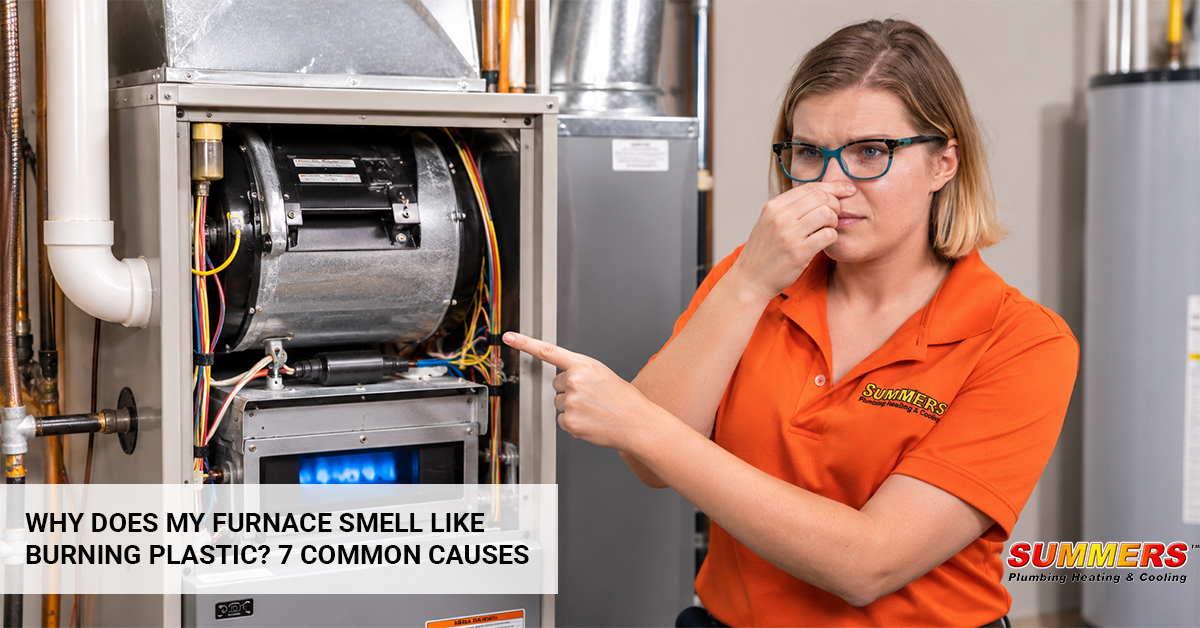
If your furnace smells like burning plastic, it may have an overheated electrical wire, a failing blower motor, or a plastic object melting nearby. Some of these problems can create a fire hazard, so don’t ignore the smell.
A furnace can produce a mild dusty smell when you turn it on for the first time during the heating season. That’s different from a sharp burning plastic or electrical odor, which may indicate that something is overheating or melting.
If you notice a burning plastic smell, turn off your furnace if you can do so safely. Don’t restart it just to see if the smell goes away.
In this guide, we’ll explain seven common reasons your furnace smells like burning plastic, the warning signs to look for, and what you should do next.
Why Does My Furnace Smell Like Burning Plastic?
Your furnace may smell like burning plastic because an electrical wire is overheating, a component is melting, or a plastic object is too close to the heating system.
A faulty blower motor, damaged capacitor, or restricted airflow can also cause parts of your furnace to overheat.
Here are seven common causes and the signs you may notice:
| Possible cause | What you may notice |
| Plastic objects near the furnace | Burning plastic smell when the furnace runs |
| Overheated electrical wiring | Sharp electrical or melting plastic odor |
| Faulty blower motor | Burning smell with humming or grinding noises |
| Dirty or clogged air filter | Weak airflow and possible overheating |
| Overheating furnace components | Burning odor and unexpected shutdowns |
| Faulty furnace capacitor | Electrical burning smell and blower problems |
| Damaged wire insulation or plastic components | Persistent melting plastic smell |
The smell can give you clues about the problem, but it doesn’t always tell you which component is failing.
For example, a sharp electrical smell may point to overheated wiring or a faulty motor. If the smell is stronger near objects stored around the furnace, nearby plastic may be melting.
If you notice smoke, melted plastic, or a strong burning smell, stop operating the furnace. Turn it off if you can do so safely and contact an HVAC technician for an inspection.
7 Common Reasons Your Furnace Smells Like Burning Plastic
Several problems can cause your furnace to smell like burning plastic. Here are seven common causes, the signs to watch for, and what you can do about them.
1. Plastic Objects Near the Furnace
Plastic objects stored too close to your furnace can get hot, melt, and produce a burning plastic smell.
Your furnace needs enough clear space around it to operate safely. If plastic bags, storage containers, cleaning supplies, or other household items are too close to the unit, heat may cause them to soften or melt.
You may notice the smell shortly after the furnace starts running, especially if a nearby object is exposed to heat.
Common signs of melting plastic near your furnace include:
- Burning plastic smell when the furnace runs.
- Melted or discolored plastic objects near the unit.
- Stronger odor around the furnace area.
- Smell becomes noticeable shortly after heating starts.
How to fix it:
If you don’t see smoke or fire and the area is safe, turn off the furnace and let the area cool before moving nearby objects.
Keep plastic containers, bags, paper, cleaning products, and other household items away from the furnace. Follow the manufacturer’s recommended clearance requirements.
If the smell continues after removing nearby objects, don’t restart the furnace. Contact an HVAC technician to check for an internal problem.
2. Overheated Electrical Wiring
Overheated electrical wiring can cause a sharp burning plastic smell because the insulation around the wires may start to melt.
Your furnace uses electrical wiring to power the blower motor, control board, ignition system, and other components.
If a wire becomes damaged, a connection gets loose, or an electrical component draws too much current, the affected area can overheat. As the wire insulation breaks down, it may produce a noticeable burning odor.
Common signs of overheated furnace wiring include:
- Sharp burning plastic or electrical smell.
- Furnace shuts down unexpectedly.
- Buzzing or unusual electrical noises.
- Discolored areas around electrical components.
- Circuit breaker trips repeatedly.
How to fix it:
Turn off the furnace if you can do so safely. Don’t touch exposed wires, open electrical compartments, or try to repair damaged connections.
Contact a qualified HVAC technician to inspect the wiring, electrical connections, and control board. They can find the source of the overheating and replace damaged components.
If you notice smoke or fire, leave the building immediately and contact emergency services from a safe location.
3. Faulty Furnace Blower Motor
A faulty blower motor can cause a burning plastic or electrical smell when its parts overheat.
The blower motor pushes warm air through your home’s ductwork and supply vents. If its bearings wear out, electrical connections become damaged, or the motor struggles to run, it can generate excess heat.
A failing motor may also have trouble starting or moving air through your home. This can affect furnace performance and cause additional strain on the system.
Common signs of a faulty blower motor include:
- Burning plastic or an electrical smell when the blower runs.
- Weak airflow from supply vents.
- Humming, grinding, or squealing noises.
- Furnace shuts down unexpectedly.
- Blower struggles to start or stops running.
How to fix it:
If you notice a burning smell along with unusual motor noises or weak airflow, turn off your furnace if you can do so safely.
An HVAC technician can inspect the blower motor, bearings, electrical connections, and fan assembly. Depending on the problem, the motor may need cleaning, repair, or replacement.
Don’t open the motor compartment or attempt electrical repairs yourself. These components require proper tools and training to inspect safely.
4. Dirty or Clogged Furnace Air Filter
A dirty furnace air filter can restrict airflow and cause your heating system to overheat.
Your furnace needs enough airflow to carry heat away from the heat exchanger and distribute warm air through your home’s ductwork. When dust, pet hair, and other debris clog the filter, less air can pass through the system.
This can cause the furnace to run hotter than normal. If the temperature gets too high, the high-limit switch shuts off the burners to protect the equipment.
A dirty filter doesn’t usually cause a burning plastic smell on its own. However, restricted airflow can contribute to overheating and make existing component problems worse.
Common signs of a dirty furnace filter include:
- Weak airflow from supply vents.
- Furnace shuts down after running for a short time.
- Some rooms remain colder than others.
- Furnace overheats during operation.
- Air filter looks gray or covered in dust.
How to fix it:
Turn off your furnace and check the air filter. If it’s dirty or clogged, replace it with a compatible filter that matches the manufacturer’s recommended size and rating.
Check the filter monthly during the heating season. Many standard filters need replacement every one to three months, depending on the filter type and conditions in your home.
Following the correct furnace filter replacement schedule can help maintain proper airflow and reduce the risk of furnace overheating.
If you still notice a burning plastic smell after replacing the filter, don’t assume the filter was the only problem. Turn off the furnace if safe and ask an HVAC technician to inspect the system.
5. Overheating Furnace Components
Overheating furnace components can cause a burning smell and make your heating system shut down unexpectedly.
Your furnace has several parts that generate heat or use electricity during operation. If airflow becomes restricted, the blower assembly develops a problem, or an electrical component starts failing, some parts may get hotter than they should.
When the furnace gets too hot, the high-limit switch shuts off the burners to protect the heat exchanger from damage.
However, the high-limit switch isn’t usually the source of the burning smell. The odor may come from another component that’s overheating.
Common signs of furnace overheating include:
- Burning smell while the furnace is running.
- Furnace shuts down before reaching the thermostat setting.
- Blower continues running after the burners stop.
- Heating cycles become shorter than usual.
- Weak airflow from supply vents.
How to fix it:
Check the air filter and make sure accessible supply and return vents aren’t blocked.
If you notice a burning plastic smell, turn off the furnace if you can do so safely. Don’t keep restarting it to see whether the smell goes away.
Contact an HVAC technician to inspect the blower assembly, heat exchanger, airflow, electrical components, and high-limit switch. They can identify what’s overheating and recommend the right repair.
6. Faulty Furnace Capacitor
A faulty furnace capacitor can make the blower motor struggle to start or run properly, sometimes leading to overheating.
Some furnace blower motors use a capacitor to help them start or operate. When the capacitor becomes weak or fails, the motor may struggle to turn on or keep running.
This can put extra strain on the motor and its electrical components. If they overheat, you may notice a burning electrical or plastic smell.
Common signs of a faulty furnace capacitor include:
- Blower motor makes a humming noise.
- Furnace struggles to circulate warm air.
- Blower starts slowly or fails to start.
- Furnace shuts down unexpectedly.
- Burning electrical or plastic smell.
How to fix it:
Turn off your furnace if you notice a burning smell or unusual blower operation.
Contact an HVAC technician to test the capacitor and inspect the blower motor and electrical connections. If the capacitor has failed, they can replace it with a compatible part.
Don’t try to test or replace the capacitor yourself. It can retain an electrical charge even after the furnace is disconnected from power.
7. Damaged Wire Insulation or Internal Plastic Components
Damaged wire insulation or overheated plastic components inside your furnace can cause a persistent burning plastic smell.
Your furnace contains electrical wires, connectors, insulation, and plastic parts that can wear out over time. Excessive heat, loose connections, or electrical problems can damage these materials.
When wire insulation or plastic components get too hot, they may soften, melt, or release a noticeable burning odor.
Common signs of damaged wiring or internal plastic components include:
- Persistent melting plastic smell.
- Burning odor returns whenever the furnace runs.
- Furnace shuts down unexpectedly.
- Visible discoloration or melted material, if safely visible.
- Repeated electrical or operating problems.
How to fix it:
Stop operating the furnace if you suspect that internal wiring or plastic components are melting. Turn it off only if you can do so safely.
Don’t open electrical compartments, touch exposed wires, or attempt to inspect internal components yourself.
Contact a qualified HVAC technician to inspect the wiring, connectors, insulation, and other internal parts. They can replace damaged components and find out what caused them to overheat.
What Should You Do If Your Furnace Smells Like Burning Plastic?
If your furnace smells like burning plastic, turn it off if you can do so safely and arrange a professional inspection. Don’t keep running the system to see if the smell disappears.
Follow these steps to protect your home and family:
- Turn off the furnace: Use the thermostat or furnace power switch only if you can reach it safely. Don’t approach the unit if you see smoke, flames, or exposed electrical components.
- Keep people and pets away: Move everyone away from the furnace if the smell is strong or you notice signs of overheating.
- Check for nearby plastic objects: If the area is safe, look for plastic bags, containers, or other items that may be melting near the furnace.
- Avoid touching internal parts: Don’t open electrical compartments, touch exposed wires, or handle hot furnace components.
- Call an HVAC technician: Arrange an inspection to find the source of the smell. Don’t restart the furnace until the problem has been checked.
If you see smoke or fire, leave the building immediately and contact emergency services from a safe location. Don’t try to investigate the source or handle an electrical fire yourself.
If your carbon monoxide alarm sounds, leave the building immediately and contact emergency services from outside. Remember, carbon monoxide has no smell, so you cannot detect it by smelling the air. A burning plastic odor doesn’t tell you whether carbon monoxide is present.
Is a Burning Plastic Smell From a Furnace Dangerous?
Yes, a burning plastic smell from your furnace can indicate a serious problem, especially if overheated wiring, a failing blower motor, or melting internal components are causing it.
Ignoring the smell can lead to several problems:
- Electrical fire: Overheated wires or loose electrical connections can increase the risk of an electrical fire.
- Furnace damage: Continued overheating can damage the blower motor, wiring, control board, and other components.
- Harmful fumes: Melting plastic and overheated wire insulation can release irritating fumes.
- Heating failure: A faulty component may cause your furnace to shut down or stop producing heat.
A burning plastic smell doesn’t necessarily mean a fire will start. However, you should treat it as a warning sign until you know what’s causing it.
Turn off your furnace if you can do so safely and arrange a professional inspection. If you see smoke or flames, leave the building immediately and contact emergency services from a safe location.
Can a Dirty Furnace Filter Cause a Burning Plastic Smell?
Yes, a dirty furnace filter can contribute to overheating, but it doesn’t usually cause a burning plastic smell on its own.
When dust and debris clog the filter, less air can move through your furnace. This restricted airflow can cause the system to overheat and trigger the high-limit switch, which shuts off the burners to protect the equipment.
If an electrical component or another furnace part is already overheating, poor airflow may make the problem worse.
Check your air filter and replace it if it’s dirty or clogged. If you still notice a burning plastic smell, turn off the furnace if you can do so safely and contact an HVAC technician for an inspection.
Why Does My Furnace Smell Like Burning Plastic When It First Turns On?
Your furnace may produce a mild dusty smell when you turn it on after several months of inactivity. This happens because dust collected on the heat exchanger and other internal surfaces burns off as the furnace warms up.
However, a burning plastic smell is different. It may indicate that an electrical wire, motor, or another component is overheating.
If you notice a sharp electrical odor or smell like melting plastic, don’t assume it’s normal. Turn off the furnace if you can do so safely and arrange a professional inspection.
Watch for other warning signs, including:
- Unusual humming, buzzing, or grinding noises.
- Weak airflow from supply vents.
- Smoke or visible melting.
- Furnace shuts down unexpectedly.
- Burning smell continues while the furnace runs.
A mild dusty smell may disappear after a short time, but a burning plastic or electrical odor needs attention. Don’t restart the furnace until the source has been checked.
When Should You Call an HVAC Technician?
Call an HVAC technician if your furnace has a persistent burning plastic smell, shows signs of overheating, or develops electrical or mechanical problems.
The smell may come from damaged wiring, a failing blower motor, a faulty capacitor, or another overheating component. These problems need professional inspection and repair.
If your furnace smells like burning plastic, schedule professional furnace repair to identify the source of the odor and address potentially dangerous electrical or mechanical problems.
Burning odors aren’t the only warning signs to watch for. Learn about other signs your furnace is failing so you can address potential problems before they become more serious.
Schedule furnace repair if you notice any of these signs:
- Burning plastic smell that continues while the furnace runs.
- Sharp electrical burning odor.
- Smoke coming from the furnace.
- Furnace shuts down repeatedly.
- Blower motor makes unusual humming or grinding noises.
- Visible melted wiring or damaged components.
- Circuit breaker trips repeatedly.
- Burning smell continues after replacing the air filter.
Don’t keep resetting or restarting the furnace to see if the smell disappears. Turn it off if you can do so safely and arrange an inspection.
If you see smoke or fire, leave the building immediately and contact emergency services. If your carbon monoxide alarm sounds, evacuate and seek emergency assistance from outside.
A qualified HVAC technician can inspect the electrical connections, blower motor, capacitor, wiring, airflow, and safety controls. They can identify the source of the smell and recommend the right repair.
How Can You Prevent Furnace Burning Smells?
Regular furnace maintenance can help prevent overheating, electrical problems, and unexpected burning smells.
Follow these simple steps to keep your heating system in good condition.
Replace Air Filters Regularly
Check your furnace air filter every month. Replace it when it becomes dirty or reaches the manufacturer’s recommended replacement interval.
A clean filter allows air to move freely through the system and helps prevent overheating.
Keep the Furnace Area Clear
Keep plastic containers, bags, paper, cleaning supplies, and other household items away from your furnace.
Follow the manufacturer’s clearance requirements and avoid using the furnace area for storage. This helps prevent nearby objects from getting too hot.
Following these winter furnace maintenance tips can also help keep your heating system in good working condition throughout the colder months.
Schedule Annual Furnace Maintenance
Have an HVAC technician inspect your furnace before the heating season begins.
Regular professional furnace maintenance helps identify worn electrical connections, blower problems, and other issues that could affect safe furnace operation.
A maintenance visit may include checking the blower motor, electrical connections, burners, ignition system, wiring, and safety controls.
Scheduling an annual furnace tune-up helps ensure important heating components are inspected before the colder months.
Before scheduling maintenance, review our furnace tune-up checklist to understand the important components that need regular inspection.
Watch for Unusual Noises and Odors
Pay attention to new humming, grinding, buzzing, or burning smells when your furnace runs.
Don’t ignore unusual odors just because the system continues producing heat. If you notice a burning plastic smell, turn off the furnace if safe and arrange an inspection.
Address Electrical Problems Early
Don’t ignore repeated circuit breaker trips, inconsistent furnace operation, or signs of damaged wiring.
Have these problems checked by a qualified professional before they cause further damage.
Regular maintenance and timely repairs can help your furnace operate safely, reduce unexpected breakdowns, and keep your home comfortable throughout the heating season.
Frequently Asked Questions
Why Does My Furnace Smell Like Burning Plastic When Running?
A furnace may smell like burning plastic because of overheated wiring, a failing blower motor, melting plastic near the unit, or damaged internal components. Turn off the furnace if you can do so safely and have an HVAC technician identify the source.
Is It Normal for a Furnace to Smell Like Burning Plastic?
No, a persistent burning plastic smell is not normal. You may notice a mild dusty odor when turning on your furnace for the first time in the heating season. However, a sharp plastic or electrical burning smell can indicate an overheating component or wiring problem.
Should I Turn Off My Furnace If It Smells Like Burning Plastic?
Yes. Turn off your furnace if you notice a burning plastic smell and can do so safely. Don’t restart it until a technician identifies the cause. If you see smoke or flames, leave the building and contact emergency services.
Can a Bad Blower Motor Cause a Burning Plastic Smell?
Yes, an overheating or failing blower motor can produce a burning plastic or electrical odor. You may also notice humming, weak airflow, unusual noises, or trouble starting. Have an HVAC technician inspect the motor and its electrical connections.
Can a Dirty Air Filter Make My Furnace Smell Like Burning Plastic?
A dirty air filter can restrict airflow and cause your furnace to overheat. However, a clogged filter usually doesn’t produce a burning plastic smell directly. Replace the filter if it’s dirty. If the odor continues, turn off the furnace if safe and arrange a professional inspection.
Why Does My Furnace Smell Like Melting Plastic but No Smoke Is Visible?
A furnace can smell like melting plastic even when you don’t see smoke. An overheated wire, electrical component, or plastic object near the furnace may produce the odor. No visible smoke doesn’t mean the problem is harmless. Turn off the furnace if safe and have it inspected.
Can Furnace Wiring Melt and Cause a Burning Smell?
Yes, overheated or damaged furnace wiring can melt its protective insulation and produce a burning plastic smell. Loose electrical connections, damaged wires, and failing components can cause this problem. A qualified HVAC technician should inspect the wiring and make the necessary repairs.
How Much Does It Cost to Fix a Furnace That Smells Like Burning Plastic?
The repair cost depends on what’s causing the smell. A faulty capacitor may cost less to replace than a damaged blower motor or major electrical components. The technician must inspect the furnace to identify the problem and provide an accurate repair estimate. Don’t keep running the furnace while waiting for the inspection.
Get Professional Help When Your Furnace Smells Like Burning Plastic
If your furnace smells like burning plastic, turn it off if you can do so safely and arrange a professional inspection. The odor may point to overheated wiring, a failing blower motor, a faulty capacitor, or another component that needs repair.
You can check the air filter and remove nearby plastic objects if it’s safe. However, don’t open electrical compartments or attempt to repair internal furnace components yourself.
A qualified HVAC technician can inspect the system, find the source of the odor, and recommend the right repair. Don’t restart the furnace until the problem has been checked.
Schedule professional furnace service to address the issue and help keep your heating system operating safely and reliably throughout the heating season.