
How Often Should Furnace Filters Be Changed?
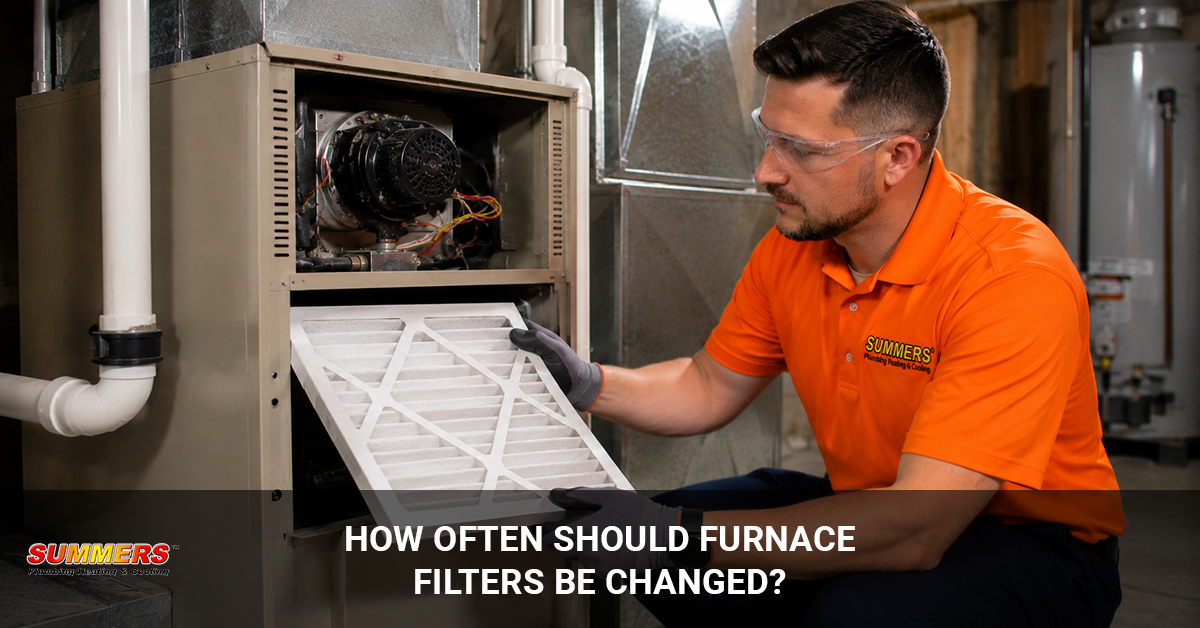
Most furnace filters should be changed every 1–3 months, but the right replacement schedule depends on the type of filter, how often your furnace runs, whether you have pets, and your home’s indoor air quality. Replacing your filter on time is one of the simplest and most effective ways to keep your heating system running efficiently and avoid unnecessary wear.
A clean furnace filter does more than trap dust. It improves airflow, helps lower your heating bills, protects important furnace components, and keeps cleaner air circulating throughout your home. In contrast, a clogged filter forces your furnace to work harder, which can reduce efficiency, increase energy costs, and even lead to unexpected repairs.
Many homeowners don’t think about their furnace filter until they notice weak airflow, uneven heating, or rising utility bills. By then, the filter may already be restricting airflow and putting extra strain on the entire heating system.
In this guide, you’ll learn how often to change your furnace filter, which replacement schedule is right for your filter type, the signs of a dirty filter, and simple maintenance tips to help your furnace run safely and efficiently all season long.
Why Is a Furnace Filter Important?
A furnace filter is important because it keeps dust, dirt, pet hair, pollen, and other airborne particles out of your heating system while helping maintain clean indoor air and efficient furnace operation. Replacing your filter on schedule is one of the easiest ways to improve indoor air quality and reduce airborne dust, allergens, and other contaminants throughout your home. It acts as your furnace’s first line of defense, protecting key components from dirt buildup and allowing warm air to flow more freely throughout your home.
A clean furnace filter provides several important benefits, including:
- Improves airflow throughout your home
- Helps lower monthly heating bills
- Increases energy efficiency
- Protects the blower motor and other furnace components
- Reduces dust circulating through your home
- Improves indoor air quality
- Extends the lifespan of your furnace
- Reduces the risk of unexpected furnace breakdowns
Over time, the filter traps more dust and debris, gradually restricting airflow. When this happens, your furnace has to work harder to heat your home, using more energy and putting extra strain on components like the blower motor and heat exchanger. Left unchanged for too long, a clogged filter can even cause the furnace to overheat and shut down.
Replacing your furnace filter regularly is one of the easiest and most affordable maintenance tasks you can perform. It helps your heating system run more efficiently, improves comfort, and can prevent costly repairs in the future.
How Often Should Furnace Filters Be Changed?
Most furnace filters should be replaced every 1–3 months, but the ideal schedule depends on the filter type, how often your furnace runs, whether you have pets, and your home’s indoor air quality. Replacing the filter at the right time keeps air flowing properly, improves energy efficiency, and helps prevent unnecessary wear on your heating system.
As a general guideline, follow this replacement schedule:
- 1-inch fiberglass filters: Every 30 days
- 1-inch pleated filters: Every 60–90 days
- 2-inch pleated filters: Every 3–6 months
- 4-inch media filters: Every 6–12 months
- 5-inch media filters: Every 9–12 months
Keep in mind that these are general recommendations. You may need to replace your furnace filter more often if you:
- Have one or more pets
- Have allergies or asthma
- Smoke indoors
- Live in a dusty area
- Run your furnace frequently during the winter
Rather than relying only on the calendar, inspect your furnace filter once a month during the heating season. If it looks dirty, clogged, or covered with dust, replace it even if it hasn’t reached the recommended replacement interval.
For the best results, always use the filter size and type recommended by your furnace manufacturer. Following the manufacturer’s guidelines and replacing the filter when needed will help your furnace run more efficiently, improve indoor air quality, and reduce the risk of costly repairs.
Furnace Filter Replacement Schedule by Filter Type
The lifespan of a furnace filter depends largely on its type and thickness. Thicker filters have more surface area to capture dust and other airborne particles, so they generally last much longer than standard 1-inch filters.
| Filter Type | Typical Replacement Interval |
| 1-inch fiberglass filter | Every 30 days |
| 1-inch pleated filter | Every 60–90 days |
| 2-inch pleated filter | Every 3–6 months |
| 4-inch media filter | Every 6–12 months |
| 5-inch media filter | Every 9–12 months |
These are general guidelines. Your filter may need to be replaced sooner if you have pets, allergies, a dusty home, or use your furnace heavily during the winter. Checking the filter once a month is the best way to determine whether it’s time for a replacement.
1-Inch Fiberglass Filters
1-inch fiberglass filters should typically be replaced every 30 days. These filters are the most affordable option, but they also have the shortest lifespan because they capture only larger airborne particles and become clogged relatively quickly.
Fiberglass filters are generally best suited for:
- Homes without pets
- Households with minimal dust
- People without allergies or asthma
- Homes with a light furnace use
Because these filters fill up quickly, inspecting them every month is essential. Replacing them on time helps maintain proper airflow, improve furnace efficiency, and reduce unnecessary strain on your heating system.
2. 1-Inch Pleated Filters
1-inch pleated furnace filters should generally be replaced every 60 to 90 days. Their pleated design provides more surface area than fiberglass filters, allowing them to capture more dust, pollen, pet dander, and other airborne particles without restricting airflow as quickly.
Many homeowners prefer pleated filters because they offer an excellent balance of filtration, airflow, and affordability. They’re a good choice for most households, especially those with pets or family members who have mild allergies.
Even though they last longer than fiberglass filters, it’s still a good idea to inspect them once a month during the heating season. If the filter appears dirty before the recommended replacement interval, replace it to keep your furnace running efficiently.
3. 2-Inch Pleated Filters
A 2-inch pleated furnace filter typically lasts between 3 and 6 months. Because it’s thicker than a standard 1-inch filter, it has more filtering material to trap dust and debris before airflow begins to decline.
These filters are often found in newer HVAC systems and offer several advantages, including:
- Longer replacement intervals
- Better airflow than thinner clogged filters
- Improved dust and allergen capture
- Better protection for furnace components
Although 2-inch filters can last several months, don’t rely solely on the calendar. Check the filter regularly, especially if you have pets, allergies, or heavy furnace use during the winter. Replacing a dirty filter early helps maintain proper airflow and keeps your heating system operating at peak efficiency.
4. 4-Inch Media Filters
A 4-inch media furnace filter typically needs to be replaced every 6 to 12 months. These thicker filters have a much larger surface area than standard filters, allowing them to capture more dust, pollen, pet dander, and other airborne particles while maintaining strong airflow.
Many homeowners choose 4-inch media filters because they offer several benefits:
- Longer replacement intervals
- Excellent airflow
- Better filtration for dust and allergens
- Improved protection for furnace components
- Reduced maintenance compared to thinner filters
Although these filters are designed to last much longer, they should still be inspected once a month during the heating season. Homes with pets, heavy furnace use, or poor indoor air quality may need more frequent replacements.
5. 5-Inch Media Filters
A 5-inch media furnace filter generally lasts between 9 and 12 months, depending on your home’s air quality and how often the heating system runs. These high-capacity filters are built to provide long-lasting performance while maintaining excellent airflow and efficient filtration.
A 5-inch media filter offers several advantages, including:
- The longest replacement interval of common furnace filters
- High dust-holding capacity
- Excellent airflow
- Improved indoor air quality
- Better protection for your HVAC system
Even though these filters can often last close to a year, they shouldn’t be forgotten. Check them regularly, especially during periods of heavy furnace use. If the filter becomes visibly dirty before the recommended replacement interval, replace it early to maintain proper airflow, maximize energy efficiency, and keep your furnace operating reliably.
Factors That Affect How Often You Should Change Your Filter
The right time to replace your furnace filter depends on more than just the type of filter you use. Your home’s environment, indoor air quality, and how often your heating system runs all affect how quickly the filter fills with dust and debris.
Here are the most common factors that can shorten your furnace filter’s lifespan.
1. Pets
If you have pets, you’ll usually need to replace your furnace filter more often. Pet hair, fur, and dander quickly collect on the filter, restricting airflow and reducing its ability to trap airborne particles.
As a general guideline:
- One pet: Check the filter monthly and replace it every 30–60 days, if needed.
- Two or more pets: Replace the filter every 30–45 days, depending on how dirty it becomes.
Homes with pets often benefit from high-quality pleated filters because they capture more pet dander while maintaining good airflow.
2. Allergies or Asthma
If someone in your home has allergies or asthma, changing the furnace filter more frequently can improve indoor air quality. A clean filter captures more pollen, dust, mold spores, pet dander, and other allergens before they circulate through your home.
Many HVAC professionals recommend:
- Inspecting the filter every month
- Replacing it every 30–60 days, depending on the filter type and indoor conditions
Keeping the filter clean can help reduce airborne allergens and create a healthier indoor environment.
3. Furnace Usage
The more your furnace runs, the faster your filter becomes dirty. During the winter, your heating system may run for several hours each day, causing the filter to collect dust and debris much more quickly.
You may need to replace your filter sooner if:
- You live in a colder climate
- Your furnace runs daily for long periods
- Your thermostat is set to maintain a constant temperature
- The fan operates continuously
Heavy furnace use means it’s especially important to inspect the filter every month.
4. Dusty Homes
Dusty homes often require more frequent furnace filter changes. Homes near construction sites, gravel roads, or areas with high dust levels can clog filters much faster than normal.
Extra dust can come from:
- Home remodeling projects
- Nearby construction
- Older homes
- Unpaved roads
- Frequent indoor dust buildup
If your home tends to collect dust quickly, check your filter monthly and replace it whenever it looks dirty instead of waiting for the recommended replacement interval.
5. Number of Occupants
The more people living in your home, the faster your furnace filter can become dirty. Every person contributes dust, lint, skin cells, and other airborne particles that eventually collect on the filter.
Larger households often benefit from:
- More frequent filter inspections
- Shorter replacement intervals
- Higher-quality pleated filters
Regular filter changes help maintain good airflow and cleaner indoor air.
6. Smoking Indoors
Smoking indoors can significantly shorten the life of your furnace filter. Smoke particles and residue quickly accumulate on the filter, reducing its ability to capture contaminants and restricting airflow.
If anyone smokes inside the home, you should:
- Inspect the filter every month
- Replace it more frequently than the standard recommendation
- Consider using a higher-quality filter if your HVAC system supports it
Changing the filter regularly helps improve indoor air quality and keeps your furnace operating more efficiently.
7. Wildfire Smoke or Poor Outdoor Air Quality
Wildfire smoke and poor outdoor air quality can cause your furnace filter to become dirty much faster than usual. Fine particles from smoke, heavy pollen, and seasonal pollution are pulled into your HVAC system and trapped by the filter.
During periods of poor air quality:
- Check the filter more often
- Replace it whenever it becomes visibly dirty
- Monitor airflow if your furnace is running continuously
Replacing the filter promptly during these conditions helps maintain proper airflow, improve indoor air quality, and reduce unnecessary strain on your heating system.
10 Signs Your Furnace Filter Needs Changing
A dirty furnace filter usually gives several warning signs before it starts affecting your heating system’s performance. Replacing the filter as soon as you notice these symptoms can improve airflow, lower energy costs, and help prevent unnecessary wear on your furnace.
1. Weak Airflow from the Vents
Weak airflow is one of the first signs that your furnace filter may be clogged. As the filter fills with dust and debris, it becomes harder for the blower to push warm air through your ductwork, making your home feel less comfortable.
2. Higher Heating Bills
A sudden increase in your heating bill may mean your furnace is working harder because of a dirty filter. Restricted airflow forces the system to run longer to reach the thermostat setting, using more energy in the process.
3. Excessive Dust Around Your Home
More dust on your furniture or around your air vents can indicate that your furnace filter is no longer trapping airborne particles effectively. Replacing the filter helps improve indoor air quality and reduces dust circulating throughout your home.
4. Uneven Heating
A clogged furnace filter can cause uneven heating by restricting airflow. As a result, some rooms may feel too warm while others remain cooler, making it difficult to maintain a consistent temperature throughout your home.
5. Longer Heating Cycles
If your furnace runs longer than usual, a dirty filter may be restricting airflow. Because less warm air reaches your living spaces, the system has to operate longer to achieve the temperature you’ve set on the thermostat.
6. The Filter Looks Dirty
A furnace filter that looks gray, dusty, or clogged should be replaced. One of the easiest ways to know whether your filter needs changing is to inspect it once a month. If it’s covered with dirt and little light passes through it, it’s time for a new one.
7. Burning or Musty Odors
A dirty furnace filter can cause burning or musty smells when your heating system starts. Dust trapped on the filter may produce a slight burning odor, while moisture buildup can lead to musty smells. If the odor is strong or doesn’t go away, have your furnace inspected by an HVAC professional to rule out other issues.
8. Frequent Furnace Cycling
A clogged filter can cause your furnace to cycle on and off more often than normal. Restricted airflow makes it harder for the system to maintain the desired temperature, reducing efficiency and increasing wear on important components.
9. Increased Allergy Symptoms Indoors
If allergy symptoms continue even after replacing your filter, review these signs of poor indoor air quality to determine whether additional air quality solutions may be needed.
Worsening allergy symptoms may indicate your furnace filter is no longer capturing airborne allergens effectively. A dirty filter allows more dust, pollen, pet dander, and other particles to circulate through your home, which can affect indoor air quality.
10. Furnace Overheating
A severely clogged furnace filter can cause your heating system to overheat. When airflow is heavily restricted, the furnace may become too hot and automatically shut down to protect itself from damage. Replacing the filter promptly helps restore proper airflow and reduces the risk of costly repairs.
What Happens If You Don’t Change the Filter?
If you don’t change your furnace filter, airflow becomes restricted, forcing your heating system to work harder and less efficiently. Over time, this extra strain can lead to higher energy bills, reduced comfort, expensive repairs, and even a shorter furnace lifespan.
A clogged furnace filter can cause several problems, including:
- Reduced airflow from your vents
- Higher monthly heating bills
- Longer heating cycles
- Furnace overheating
- Extra strain on the blower motor
- Poor indoor air quality
- More dust is circulating throughout your home
- Increased wear on furnace components
- Unexpected furnace breakdowns
When airflow is restricted, your furnace has to run longer to heat your home. This not only uses more energy but also puts additional stress on important components like the blower motor and heat exchanger. In severe cases, the furnace may overheat and automatically shut down to prevent damage.
The good news is that this problem is easy to avoid. Replacing your furnace filter on schedule is one of the simplest and most affordable maintenance tasks you can perform. A clean filter helps your furnace run more efficiently, improves indoor comfort, and can prevent many common heating problems before they start.
How to Check Your Furnace Filter
Checking your furnace filter takes just a few minutes and is the easiest way to know whether it needs replacing. During the heating season, inspect your filter at least once a month to keep your furnace running efficiently and avoid unnecessary wear on the system.
Follow these simple steps:
- Turn off your furnace for safety.
- Locate the filter compartment (usually near the blower or return air duct).
- Carefully slide the filter out.
- Hold it up to a light source.
- If little or no light passes through, or the filter looks gray, dusty, or clogged, replace it with a new one.
Even if your filter hasn’t reached its recommended replacement date, don’t wait if it looks dirty. Replacing a clogged filter early helps maintain proper airflow, improves energy efficiency, and protects your furnace from unnecessary strain.
As a good habit, write the installation date on the edge of the new filter or set a reminder on your phone. This makes it much easier to stay on schedule and avoid forgetting your next filter replacement.
How to Replace a Furnace Filter
Replacing a furnace filter is a quick and simple job that usually takes less than five minutes. Installing a clean filter on a regular schedule improves airflow, helps lower energy bills, protects your furnace from unnecessary wear, and keeps your heating system running efficiently.
Follow these simple steps to replace your furnace filter:
- Turn off your furnace before removing the filter.
- Locate the filter compartment, usually near the blower or return air duct.
- Carefully slide out the old filter.
- Check the filter size printed on the frame to ensure you purchase the correct replacement.
- Insert the new filter with the airflow arrow pointing toward the furnace.
- Close the access panel securely.
- Turn the furnace back on and make sure it’s operating normally.
After installing the new filter, write the replacement date on the edge of the filter or set a reminder on your phone. This simple habit makes it easier to stay on schedule and helps ensure your furnace continues to operate safely and efficiently throughout the heating season.
Can You Clean Instead of Replace a Furnace Filter?
It depends on the type of furnace filter you have. Washable furnace filters are designed to be cleaned and reused, while most disposable filters should be replaced once they become dirty. Before cleaning any filter, check the manufacturer’s instructions to confirm whether it’s reusable.
Disposable Furnace Filters
Disposable furnace filters should be replaced, not cleaned. These filters are designed for one-time use, and washing or vacuuming them can damage the filter material, reducing their ability to capture dust, pollen, and other airborne particles.
If you have a disposable filter:
- Replace it as soon as it becomes dirty or clogged.
- Never wash it with water.
- Don’t vacuum it instead, of replacing it.
- Always install a new filter that matches the correct size and type recommended for your furnace.
Replacing a disposable filter on time is the best way to maintain proper airflow and keep your furnace operating efficiently.
Washable Furnace Filters
Washable furnace filters can be cleaned and reused if they’re maintained according to the manufacturer’s instructions. Regular cleaning helps restore airflow and extends the life of the filter.
To clean a washable furnace filter:
- Turn off the furnace.
- Remove the filter carefully.
- Rinse the filter with clean water, following the manufacturer’s cleaning instructions.
- Allow the filter to dry completely.
- Reinstall it with the airflow arrow pointing toward the furnace.
Never reinstall a damp filter. Moisture can encourage mold and mildew growth, reduce airflow, and affect your furnace’s performance. Let the filter dry completely before putting it back into your heating system.
How Much Do Furnace Filters Cost?
Most furnace filters cost between $5 and $80, depending on the filter’s size, thickness, type, and filtration efficiency. While higher-quality filters usually cost more upfront, they often last longer, capture more airborne particles, and provide better protection for your heating system.
| Filter Type | Typical Cost |
| 1-inch fiberglass filter | $5–$15 |
| 1-inch pleated filter | $10–$30 |
| 2-inch pleated filter | $15–$40 |
| 4-inch media filter | $20–$60 |
| 5-inch media filter | $30–$80 |
Several factors can affect the price of a furnace filter, including:
- Filter size
- Filter thickness
- MERV rating
- Brand
- Whether the filter is disposable or washable
Although it may be tempting to buy the least expensive option, choosing the right filter for your furnace is more important than choosing the cheapest one. A filter that matches your HVAC system’s specifications will provide the best balance of airflow, filtration, and energy efficiency. Using the wrong filter can restrict airflow, reduce furnace performance, and increase wear on important system components.
If you’re unsure which filter is right for your furnace, check your owner’s manual or ask an HVAC professional during your next maintenance visit.
How to Choose the Right Furnace Filter
The right furnace filter is one that fits your HVAC system correctly, provides adequate airflow, and meets your home’s indoor air quality needs. Choosing the wrong filter can restrict airflow, reduce your furnace’s efficiency, and put unnecessary strain on the heating system.
When choosing a furnace filter, keep these factors in mind.
Choose the Correct Size
Always use the filter size recommended by your furnace manufacturer. Installing the wrong size can allow dust and debris to bypass the filter or reduce system performance.
You can usually find the filter dimensions printed on the edge of the existing filter. If you’re unsure, check your furnace owner’s manual or consult an HVAC professional.
Understand MERV Ratings
The MERV (Minimum Efficiency Reporting Value) rating tells you how effectively a filter captures airborne particles. Higher MERV ratings trap smaller particles, but they can also reduce airflow if your furnace isn’t designed for a high-efficiency filter.
Here’s a general guide:
- MERV 1–4: Basic filtration for larger dust particles
- MERV 5–8: Ideal for most homes and a good balance of airflow and filtration
- MERV 9–11: Better filtration for homes with pets or mild allergies
- MERV 11–13: Excellent filtration for allergy sufferers, if your HVAC system supports it
Before choosing a high-MERV filter, check your furnace manufacturer’s recommendations. Using a filter that’s too restrictive can reduce airflow and affect your furnace’s performance.
Consider Your Home’s Needs
Your lifestyle and indoor environment play a big role in choosing the best furnace filter. Homes with pets, allergies, or higher dust levels often benefit from more efficient filters and more frequent replacements.
You may want a higher-quality filter or a shorter replacement schedule if you:
- Have one or more pets
- Have allergies or asthma
- Live in a dusty area
- Have a large household
- Run your furnace frequently during the winter
- Want to improve your home’s indoor air quality
If you’re unsure which furnace filter is best for your system, ask a licensed HVAC technician during your next maintenance visit. They can recommend the right filter size, MERV rating, and replacement schedule based on your furnace and your home’s specific needs.
Frequently Asked Questions
How often should I replace my furnace filter?
Most furnace filters should be replaced every 1–3 months. However, the exact replacement schedule depends on the filter type, how often your furnace runs, whether you have pets, and your home’s indoor air quality. Checking your filter once a month is the best way to know when it needs replacing.
Can I wait six months to change my furnace filter?
It depends on the type of filter you’re using. Some 4-inch and 5-inch media filters are designed to last 6–12 months, while standard 1-inch fiberglass and pleated filters typically need replacement every 30–90 days. Always follow the manufacturer’s recommendations and replace the filter sooner if it looks dirty.
How do I know when my furnace filter is dirty?
A dirty furnace filter is usually easy to spot. It may appear gray, dusty, or clogged, and you may also notice weaker airflow, higher heating bills, longer heating cycles, more dust around your home, or uneven heating. If the filter looks dirty when you inspect it, replace it.
Can a dirty furnace filter damage my furnace?
Yes. A clogged furnace filter can damage your heating system if it’s left unchanged for too long. Restricted airflow forces the furnace to work harder, which can lead to overheating, increased wear on the blower motor, reduced efficiency, and costly repairs over time.
Does changing the furnace filter lower energy bills?
Yes. Replacing a dirty furnace filter can help lower your heating bills. A clean filter allows air to flow freely through the system, helping your furnace operate more efficiently and use less energy to heat your home.
Should I buy expensive furnace filters?
Not necessarily. The best furnace filter is the one recommended for your HVAC system. A higher-priced filter isn’t always the better choice if it restricts airflow. Choose the correct size, thickness, and MERV rating based on your furnace manufacturer’s recommendations and your home’s indoor air quality needs.
What MERV rating is best for a home?
For most homes, a MERV 8 to MERV 11 filter offers the best balance between filtration and airflow. Homes with pets, allergies, or asthma may benefit from a higher MERV rating, provided the HVAC system is designed to handle it. Homeowners looking for even better filtration may also want to learn how HEPA filters compare and when they can help reduce allergens in the home. Always check your furnace manufacturer’s recommendations before using a high-MERV filter.
Can I vacuum my furnace filter instead of replacing it?
No. Disposable furnace filters should be replaced, not vacuumed. Vacuuming removes only some of the trapped dust and can damage the filter material, making it less effective. If you have a washable filter, follow the manufacturer’s cleaning instructions instead of replacing it.
Final Thoughts
Replacing your furnace filter regularly is one of the simplest and most cost-effective ways to keep your heating system running efficiently and reliably. A clean filter improves airflow, helps lower energy bills, protects important furnace components, and keeps cleaner air circulating throughout your home.
Although most furnace filters should be replaced every 1–3 months, the right schedule depends on the type of filter you use, how often your furnace runs, whether you have pets, and your home’s indoor air quality. The easiest way to avoid problems is to check your filter once a month and replace it whenever it looks dirty or clogged.
If you’ve noticed weak airflow, uneven heating, higher energy bills, or you’re unsure which filter is right for your furnace, don’t wait until a small issue becomes a costly repair. A licensed HVAC technician can inspect your system, recommend the correct filter, and make sure your furnace is operating safely and efficiently throughout the heating season.