
What Does a Furnace Tune-Up Include? Full Checklist
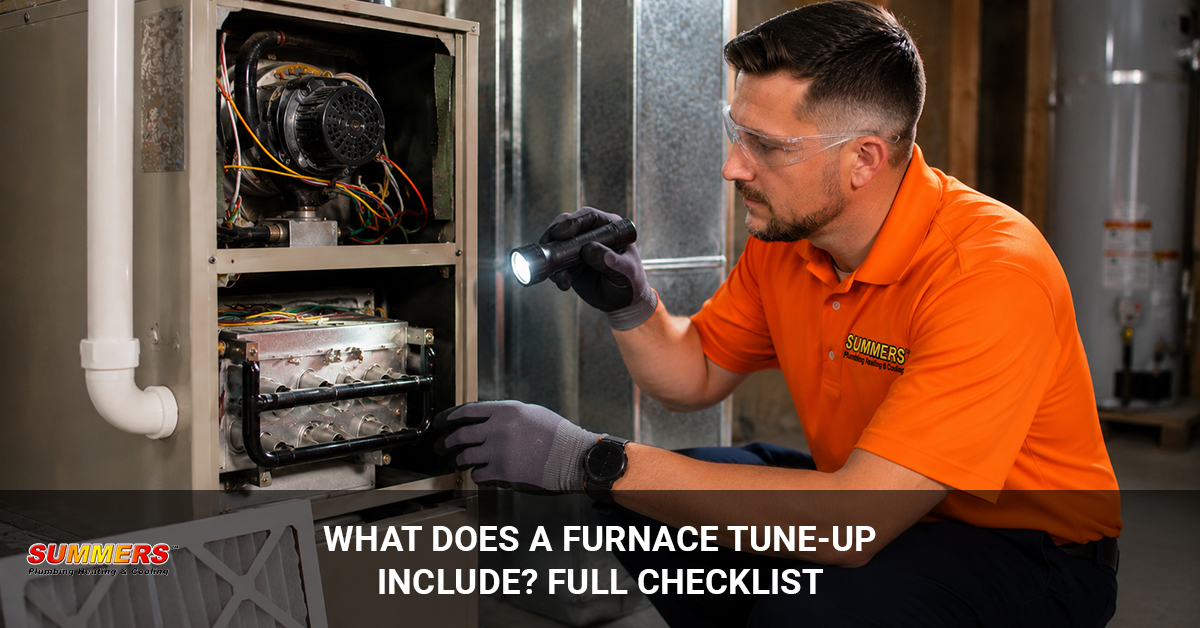
A furnace tune-up includes a complete inspection, cleaning, testing, and adjustment of your heating system to help it run safely, efficiently, and reliably throughout the heating season. Scheduling this service before cold weather arrives can reduce the risk of unexpected breakdowns, improve energy efficiency, and help extend the life of your furnace.
Many homeowners think a furnace tune-up is simply changing the air filter, but a professional maintenance visit is much more thorough. An HVAC technician inspects critical safety components, cleans the burners and ignition system, tests electrical and gas components, checks airflow, and verifies that your furnace is operating properly from start to finish.
In this guide, you’ll learn exactly what a professional furnace tune-up includes, why annual maintenance is important, how long a tune-up takes, what it typically costs, and which maintenance tasks you can safely perform yourself to keep your heating system in top condition.
What Is a Furnace Tune-Up?
A furnace tune-up is a preventive maintenance service that inspects, cleans, tests, and adjusts your heating system to keep it operating safely, efficiently, and reliably. The goal is to identify small problems early, improve performance, and reduce the risk of unexpected breakdowns during the heating season.
Unlike a furnace repair, which fixes a specific problem after something has gone wrong, a tune-up is designed to prevent problems before they happen. Regular maintenance also helps your furnace run more efficiently, which can lower energy costs and extend the life of the system.
During a professional furnace tune-up, an HVAC technician typically will:
- Inspect major furnace components
- Clean the burners and other key parts
- Test the ignition system
- Check electrical connections
- Inspect safety controls
- Verify proper airflow
- Measure overall system performance
- Confirm the furnace completes a normal heating cycle
Most furnace manufacturers and HVAC professionals recommend scheduling a tune-up once a year, ideally in early fall before the heating season begins. Annual maintenance helps ensure your furnace is ready to provide reliable, efficient heat when you need it most.
Why Is Annual Furnace Maintenance Important?
Annual furnace maintenance helps your heating system run more safely, efficiently, and reliably while reducing the risk of unexpected breakdowns. Regular tune-ups also help catch small problems early, often preventing costly repairs and extending the life of your furnace.
Some of the biggest benefits of annual furnace maintenance include:
- Lower monthly heating bills
- Improved energy efficiency
- More reliable heating during winter
- Better indoor comfort
- Fewer unexpected repairs
- A longer furnace lifespan
- Improved airflow throughout your home
- Safer furnace operation
- Better indoor air quality
- Helping maintain manufacturer warranty requirements
Skipping annual maintenance may not cause immediate problems, but dirt buildup, worn components, and restricted airflow can gradually reduce your furnace’s performance. Over time, your heating system has to work harder to produce the same amount of heat, leading to higher energy bills and unnecessary wear on important parts.
A professional furnace tune-up helps identify these issues before they become major problems, keeping your heating system operating at its best and giving you peace of mind throughout the heating season.
What Does a Furnace Tune-Up Include?
A professional furnace tune-up includes a complete inspection, cleaning, testing, and safety check to ensure your heating system operates efficiently and reliably. Although the exact maintenance checklist may vary slightly by HVAC company and furnace model, most tune-ups cover the same essential components.
During a typical furnace tune-up, an HVAC technician will:
- Inspect the major furnace components
- Clean the burners and ignition system
- Test the furnace ignitor
- Clean and inspect the flame sensor
- Check the air filter
- Inspect the blower motor and blower assembly
- Test the thermostat for accurate operation
- Tighten electrical connections
- Verify gas pressure
- Test the furnace’s safety controls
- Inspect the venting system
- Measure airflow and temperature rise
- Run a complete heating cycle to confirm proper operation
Before the appointment is finished, the technician will explain any issues they find, recommend repairs if necessary, and confirm whether your furnace is ready for the heating season. This proactive approach helps improve efficiency, reduce the risk of unexpected breakdowns, and keep your home safely heated throughout the winter.
Complete Furnace Tune-Up Checklist
1. Inspect the Heat Exchanger
Inspecting the heat exchanger is one of the most important parts of a furnace tune-up because it helps ensure your furnace is operating safely. The heat exchanger keeps combustion gases separate from the air circulating through your home, so even minor damage can become a serious safety concern.
During the inspection, the HVAC technician looks for:
- Cracks or splits
- Rust or corrosion
- Warped or damaged metal
- Signs of overheating
- Other indications of wear
If the heat exchanger is damaged, your furnace may operate less efficiently and, in some cases, allow harmful combustion gases such as carbon monoxide to escape. Identifying these problems early helps prevent costly repairs and keeps your heating system safe.
2. Clean the Burners
Cleaning the burners helps your furnace ignite smoothly and burn fuel more efficiently. Over time, dust, dirt, rust, and other debris can build up on the burners, leading to poor combustion, delayed ignition, and reduced heating performance.
As part of a furnace tune-up, the technician will:
- Remove dirt and debris from the burners
- Check the burner flame pattern
- Inspect for signs of delayed ignition
- Verify that all burners ignite evenly
Clean burners improve fuel efficiency, provide more consistent heating, and reduce unnecessary strain on the ignition system.
3. Inspect and Test the Furnace Ignitor
Inspecting and testing the furnace ignitor helps ensure your furnace starts reliably every time it calls for heat. Since the ignitor lights the burners at the beginning of each heating cycle, even minor wear can eventually lead to ignition problems or a complete loss of heat.
During this inspection, the technician checks for:
- Proper ignitor operation
- Cracks or other visible damage
- Correct electrical performance
- Signs of wear or deterioration
Finding a worn ignitor during a routine tune-up is much better than discovering it has failed on a cold winter day. Replacing a weak ignitor early can help prevent unexpected breakdowns and emergency service calls.
4. Clean and Test the Flame Sensor
Cleaning and testing the flame sensor helps your furnace confirm that the burners are lit and continue heating safely. A dirty flame sensor is one of the most common reasons a furnace starts normally but shuts off a few seconds later.
During this part of the tune-up, the technician will:
- Remove carbon buildup from the flame sensor
- Test the sensor’s ability to detect the burner flame
- Inspect the sensor for wear or damage
- Verify that the furnace operates correctly after cleaning
A clean flame sensor helps prevent unnecessary shutdowns, improves reliability, and keeps your furnace running smoothly throughout the heating season.
5. Inspect the Air Filter
Inspecting the air filter helps maintain proper airflow, improve energy efficiency, and protect your furnace from unnecessary wear. A dirty air filter restricts airflow, forcing the blower and heat exchanger to work harder, which can lead to higher energy bills and overheating.
During a furnace tune-up, the technician will:
- Inspect the condition of the air filter
- Recommend replacement if it’s dirty or clogged
- Verify proper airflow through the system
- Check for excessive dust or debris buildup
Most disposable furnace filters should be replaced every 1–3 months, although the ideal schedule depends on the filter type, whether you have pets, indoor air quality, and how often your furnace runs.
6. Check the Thermostat
Checking the thermostat ensures your furnace responds correctly to temperature changes and maintains a comfortable indoor environment. Even if your furnace is in excellent condition, it won’t perform properly if the thermostat isn’t working accurately.
During the inspection, the technician will:
- Verify accurate temperature readings
- Test heating mode operation
- Inspect thermostat wiring and connections
- Confirm proper communication between the thermostat and furnace
- Check the settings on programmable or smart thermostats
If the thermostat is inaccurate or malfunctioning, your furnace may short cycle, run longer than necessary, or struggle to maintain the temperature you’ve selected. Ensuring the thermostat works correctly helps improve comfort, increase efficiency, and reduce unnecessary wear on your heating system.
7. Inspect the Blower Motor and Blower Wheel
Inspecting the blower motor and blower wheel helps ensure warm air is distributed evenly throughout your home. If these components become dirty or worn, airflow decreases, your furnace works harder, and heating efficiency drops.
During this inspection, the technician will:
- Check the blower motor for proper operation
- Inspect the blower wheel for dust and debris
- Measure airflow performance
- Listen for unusual noises or vibrations
- Lubricate moving parts on older furnaces (if applicable)
A clean, properly functioning blower improves airflow, keeps your home more comfortable, and reduces unnecessary wear on the heating system.
8. Tighten Electrical Connections
Tightening electrical connections helps prevent furnace problems caused by loose wiring or poor electrical contact. Even a minor electrical issue can affect furnace performance or damage important components over time.
As part of the tune-up, the technician will:
- Tighten electrical terminals
- Inspect wiring for wear or damage
- Measure voltage and amperage
- Check electrical safety devices
- Look for signs of overheating or corrosion
Routine electrical inspections improve reliability, reduce the risk of unexpected breakdowns, and help your furnace operate safely throughout the heating season.
9. Test Safety Controls
Testing the furnace’s safety controls ensures your heating system can detect unsafe conditions and shut down when necessary. These built-in safety devices help protect your furnace, your home, and your family.
During the inspection, the technician typically tests:
- High-limit switch
- Pressure switch
- Flame rollout switch
- Door safety switch
- Ignition safety controls
If any of these components aren’t working properly, your furnace may shut down unexpectedly or operate unsafely. Verifying that every safety control functions correctly is an essential part of every professional furnace tune-up.
10. Check Gas Pressure
Checking the gas pressure helps ensure your furnace burns fuel safely, efficiently, and according to the manufacturer’s specifications. Incorrect gas pressure can reduce heating performance, increase energy consumption, and place extra stress on the burners and other furnace components.
During this step, the technician will:
- Measure the gas pressure
- Compare the readings with the manufacturer’s specifications
- Verify steady, even burner flames
- Check for signs of improper combustion
Because adjusting gas pressure requires specialized equipment and training, this work should always be performed by a licensed HVAC technician. Proper gas pressure helps maximize furnace efficiency, improve heating performance, and ensure safe operation.
11. Inspect the Venting System
Inspecting the venting system helps ensure combustion gases are safely carried out of your home. A blocked, damaged, or leaking vent can reduce furnace efficiency and create serious safety risks by preventing exhaust gases from venting properly.
During the inspection, the technician will check for:
- Blocked vent pipes
- Loose or damaged vent connections
- Rust or corrosion
- Proper draft and airflow
- Signs of condensation or moisture damage
A properly functioning venting system is essential for safe furnace operation and helps prevent combustion gases, including carbon monoxide, from remaining inside your home.
12. Inspect the Condensate Drain (High-Efficiency Furnaces)
Inspecting the condensate drain helps prevent water leaks, moisture damage, and unexpected system shutdowns in high-efficiency furnaces. Because these furnaces produce condensation during normal operation, the drain system must remain clear to remove water properly.
During this inspection, the technician will typically:
- Inspect the condensate drain line
- Remove any clogs or blockages
- Check the condensate trap
- Verify proper drainage
- Look for signs of leaks or water damage
Keeping the condensate drain clean helps your high-efficiency furnace operate reliably and reduces the risk of water-related damage.
13. Measure Temperature Rise
Measuring temperature rise confirms your furnace is heating air within the manufacturer’s recommended range. Temperature rise is the difference between the temperature of the air entering the furnace and the warm air leaving it.
If the temperature rise is too high or too low, it may indicate problems such as:
- Restricted airflow
- A dirty air filter
- Blower motor issues
- Burner or combustion problems
- An overheating furnace
This simple but important test helps technicians identify hidden performance issues before they develop into larger, more expensive repairs. It also confirms that your furnace is operating efficiently and safely.
14. Measure Airflow
Measuring airflow confirms your furnace is delivering enough warm air to heat your home efficiently and safely. Proper airflow improves comfort, lowers energy use, and helps prevent the furnace from overheating.
During this test, the HVAC technician may:
- Measure the system’s airflow
- Check static pressure
- Inspect the ductwork for airflow restrictions
- Evaluate blower motor performance
- Identify airflow imbalances between rooms
If airflow is restricted, the technician may recommend replacing the air filter, opening blocked vents, cleaning the blower, or inspecting the ductwork. Maintaining proper airflow helps your furnace heat your home more evenly while reducing wear on important components.
15. Test the Complete Heating Cycle
Testing the complete heating cycle ensures every part of your furnace works together properly from startup to shutdown. This final performance check confirms the system is operating safely and efficiently and is ready for the heating season.
During the test, the technician observes the entire heating sequence, including:
- The thermostat is calling for heat
- The furnace ignitor is operating correctly
- Burner ignition
- Blower motor startup
- Overall heating performance
- Normal shutdown sequence
- Safety controls are responding properly
Running a complete heating cycle allows the technician to verify that your furnace meets the manufacturer’s operating specifications and identify any remaining issues before the maintenance visit is complete. This final step gives homeowners confidence that their heating system is ready to provide reliable, efficient heat throughout the winter.
How Long Does a Furnace Tune-Up Take?
A professional furnace tune-up usually takes 60 to 90 minutes, depending on the type, age, and condition of your heating system. If the technician finds worn parts or recommends additional repairs, the appointment may take longer.
The length of a tune-up can vary based on several factors, including:
- The age of the furnace
- The overall condition of the system
- Whether repairs are needed
- The type of furnace
- How easy is the equipment to access
A quality furnace tune-up shouldn’t be rushed. Taking the time to inspect, clean, test, and adjust the entire heating system helps ensure your furnace operates safely, efficiently, and reliably throughout the winter.
How Often Should You Schedule a Furnace Tune-Up?
Most furnaces should be professionally tuned up once a year, ideally in early fall before the heating season begins. Annual maintenance helps improve efficiency, reduce the risk of unexpected breakdowns, extend the life of your furnace, and keep it operating safely.
Scheduling a tune-up before cold weather arrives also gives you several advantages:
- Avoid peak-season scheduling delays
- Catch small problems before they become major repairs
- Improve heating efficiency before winter
- Reduce the risk of mid-season breakdowns
- Help maintain your manufacturer’s warranty
Even if your furnace seems to be working properly, skipping annual maintenance can allow dirt buildup and worn components to reduce performance over time. A yearly tune-up helps keep your heating system in top condition and ready for dependable winter operation.
Can You Tune Up Your Furnace Yourself?
You can perform a few basic furnace maintenance tasks yourself, but a complete furnace tune-up should always be done by a licensed HVAC technician. Professional tune-ups include safety inspections, combustion testing, electrical diagnostics, and gas pressure checks that require specialized tools and training.
Safe DIY Maintenance
Homeowners can safely handle several routine maintenance tasks between professional tune-ups, including:
- Replace or clean the furnace air filter.
- Check that the thermostat is set correctly.
- Keep supply and return vents open and unobstructed.
- Remove dust, dirt, and clutter from around the furnace.
- Listen for unusual noises while the furnace is running.
- Test your carbon monoxide detector regularly.
- Check that the furnace power switch and circuit breaker are on.
These simple maintenance tasks can improve airflow, increase energy efficiency, and help prevent minor issues from turning into costly repairs.
Leave These Tasks to the Professionals
Maintenance involving gas, electricity, or internal furnace components should always be handled by a qualified HVAC technician. Attempting these repairs yourself can damage the furnace, void the manufacturer’s warranty, and create serious safety hazards.
A licensed HVAC technician should perform:
- Heat exchanger inspections
- Burner cleaning and adjustment
- Gas pressure testing
- Combustion analysis
- Electrical troubleshooting
- Flame sensor testing and cleaning
- Safety control testing
- Blower motor repairs
- Furnace ignitor testing and replacement
Professional technicians have the equipment needed to thoroughly inspect your furnace, identify hidden problems, and verify that it operates safely and efficiently before the heating season begins.
How Much Does a Furnace Tune-Up Cost?
A professional furnace tune-up typically costs $80 to $200, depending on your location, the type of furnace, and the services included. Many HVAC companies also offer annual maintenance plans that include a yearly tune-up, priority scheduling, and discounts on repairs.
| Service | Typical Cost |
| Professional furnace tune-up | $80–$200 |
| Annual HVAC maintenance plan | Varies by provider |
| Additional repairs (if needed) | Varies based on the repair |
Several factors can affect the total cost of a furnace tune-up, including:
- The age and condition of your furnace
- The type of heating system you have
- Local labor rates
- Whether worn or damaged parts need repair or replacement
- Maintenance plan or membership discounts
- Emergency or after-hours service (if applicable)
Although a furnace tune-up requires an upfront investment, regular maintenance can save money over time. A well-maintained furnace uses less energy, is less likely to break down, and often lasts longer than a system that doesn’t receive routine service. In many cases, the cost of annual maintenance is much lower than the cost of emergency furnace repairs or replacing major components.
Benefits of Annual Furnace Maintenance
Annual furnace maintenance improves your heating system’s efficiency, reliability, and safety while helping you avoid costly repairs. A professional tune-up keeps your furnace running at its best and helps ensure it’s ready to keep your home comfortable all winter long.
Some of the biggest benefits of scheduling a furnace tune-up every year include:
- Lower monthly heating bills
- Improved energy efficiency
- Fewer unexpected repairs
- A longer furnace lifespan
- More consistent heating throughout your home
- Better airflow
- Improved indoor air quality
- Safer furnace operation
- Reduced risk of winter breakdowns
- Helping maintain your manufacturer’s warranty
Routine maintenance also gives HVAC technicians the opportunity to identify worn or failing parts before they cause a system failure. Preventive maintenance is often far less expensive than emergency repairs, making it worthwhile to understand the typical furnace repair costs if problems are left unchecked. Catching small problems early can prevent expensive repairs and reduce the chance of losing heat during the coldest months of the year.
Beyond the financial savings, annual maintenance provides peace of mind. You’ll know your furnace has been professionally inspected, cleaned, and tested, so it’s ready to operate safely and efficiently whenever you need it.
Signs Your Furnace Needs Maintenance
Your furnace often shows warning signs when it needs maintenance, even if it’s still producing heat. Learning the early signs your furnace is failing can help you schedule repairs before a minor issue turns into a complete system breakdown. Addressing these issues early can improve efficiency, prevent unexpected breakdowns, and help you avoid more expensive repairs.
Watch for signs such as:
- Uneven heating throughout your home
- Higher-than-normal heating bills
- Weak airflow from your vents
- Yellow or flickering burner flames
- Unusual noises, such as banging, squealing, or rattling
- Burning, musty, or other unusual odors
- The furnace is turning on and off frequently
- Excessive dust around supply vents
- Longer heating cycles than normal
- The furnace is struggling to reach the thermostat setting
Even if your furnace seems to be working normally, it should still be professionally serviced once a year. Many furnace problems develop gradually and aren’t noticeable until they affect comfort, efficiency, or reliability. An annual tune-up helps identify worn components early, keeping your heating system running safely and efficiently throughout the winter.
When Should You Schedule a Furnace Tune-Up?
You should schedule a furnace tune-up once a year, ideally in early fall before the heating season begins. Having your furnace serviced before you rely on it every day gives your HVAC technician time to identify and fix small problems before they turn into costly winter breakdowns.
Scheduling maintenance before cold weather arrives offers several benefits:
- Avoid peak-season scheduling delays
- Reduce the risk of unexpected winter breakdowns
- Improve heating efficiency before temperatures drop
- Allow time to complete any recommended repairs
- Ensure your furnace is ready for continuous use throughout the winter
If you didn’t schedule a preseason tune-up, it’s not too late. A professional furnace inspection can still improve your system’s performance, identify developing issues, and help prevent unexpected repairs during the heating season. Regular annual maintenance is the best way to keep your furnace operating safely, efficiently, and reliably year after year.
Frequently Asked Questions
What happens during a furnace tune-up?
A professional furnace tune-up includes inspecting, cleaning, testing, and adjusting your heating system to ensure it operates safely and efficiently. During the visit, an HVAC technician typically inspects the heat exchanger, cleans the burners, tests the ignitor and flame sensor, checks the blower motor, tightens electrical connections, verifies gas pressure, tests safety controls, and confirms the furnace completes a normal heating cycle.
Is a furnace tune-up worth it?
Yes. A furnace tune-up is one of the best ways to improve energy efficiency, reduce heating costs, prevent unexpected breakdowns, and extend the life of your heating system. Regular maintenance also helps identify small problems before they become expensive repairs.
How long does a furnace tune-up take?
Most professional furnace tune-ups take 60 to 90 minutes. Older furnaces, heavily used systems, or units that need repairs may require additional time to complete a thorough inspection.
Can I do my own furnace maintenance?
Yes, you can handle basic maintenance tasks such as replacing the air filter, checking the thermostat, keeping supply and return vents open, and cleaning around the furnace. However, inspections involving the heat exchanger, burners, gas pressure, electrical components, and safety controls should always be performed by a licensed HVAC technician.
How often should a furnace be serviced?
Most furnaces should be professionally serviced once a year, ideally in early fall before the heating season begins. Annual maintenance helps keep your furnace operating safely, efficiently, and reliably throughout the winter.
Does annual maintenance prevent furnace repairs?
No. Annual maintenance can’t prevent every furnace repair, but it can significantly reduce the risk of unexpected breakdowns by identifying worn or failing components before they cause more serious problems.
Will a furnace tune-up lower my heating bills?
Yes. A clean, properly maintained furnace operates more efficiently, which can reduce energy consumption and help lower your monthly heating bills. Improved airflow and properly adjusted components also help your furnace produce heat more effectively.
What’s the difference between a furnace tune-up and a furnace repair?
A furnace tune-up is preventive maintenance that helps keep your heating system running safely and efficiently. A furnace repair is performed after a component has failed or the furnace has developed a specific problem that needs to be fixed.
Final Thoughts
A professional furnace tune-up is one of the best ways to keep your heating system running safely, efficiently, and reliably throughout the winter. By inspecting, cleaning, and testing key components each year, routine maintenance helps reduce the risk of unexpected breakdowns, improve energy efficiency, and extend the life of your furnace.
While homeowners can handle simple tasks like replacing the air filter and keeping vents clear, a complete furnace tune-up requires specialized tools, testing equipment, and professional expertise. An annual service visit allows an HVAC technician to identify worn components, verify that safety systems are working correctly, and fix small issues before they become expensive repairs.
If it’s been more than a year since your last furnace tune-up or you’ve noticed higher heating bills, uneven temperatures, unusual noises, or reduced heating performance, now is a good time to schedule professional maintenance. A well-maintained furnace not only provides more reliable heat but also helps protect your investment and keeps your home comfortable all season long.