Signs Your Furnace Is About to Fail in Bloomington, Indiana
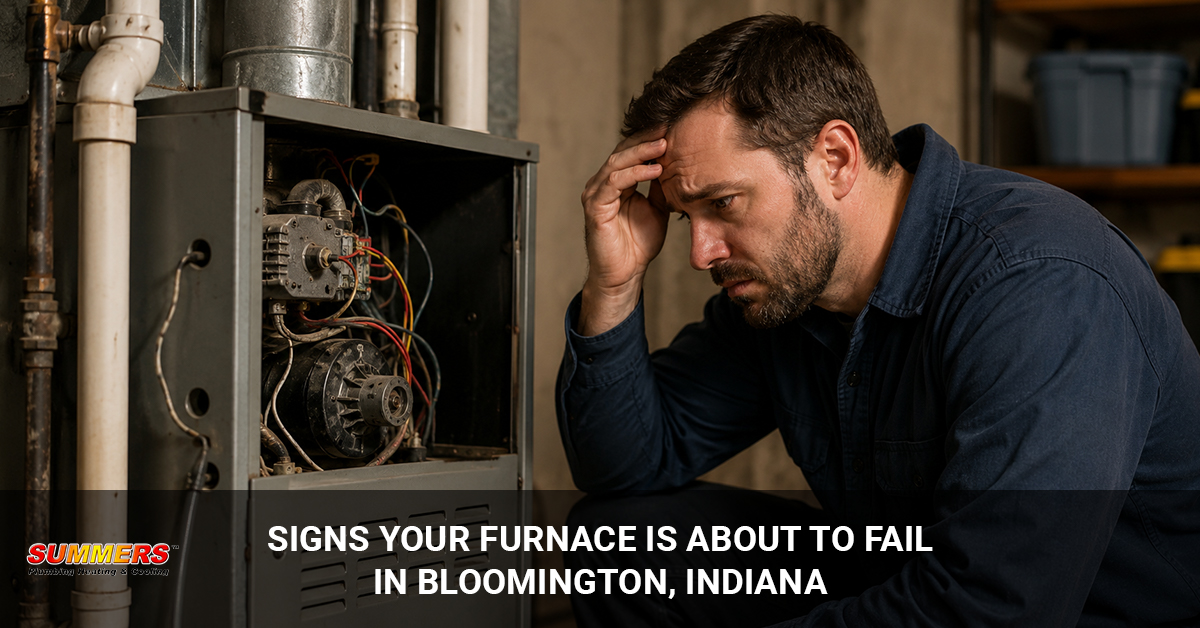
The most common signs of a failing furnace are higher energy bills, uneven heating, strange noises, weak airflow, short cycling, and frequent repairs. If your furnace is showing any of these warning signs, it may be struggling to keep up and could be at risk of breaking down.
Many homeowners in Bloomington don’t think about their furnace until it stops working. Unfortunately, furnace failures often happen during the coldest days of winter when you need heat the most. The good news is that most furnaces give clear warning signs before a complete breakdown occurs.
You may notice certain rooms feeling colder than others, hear unusual sounds coming from the system, or see your heating bills increasing without a clear reason. These issues often indicate that your furnace is working harder than it should and may need professional attention.
Recognizing these warning signs early can help you avoid expensive emergency repairs, improve energy efficiency, and make an informed decision about whether repairing or replacing your furnace is the better option.
In this guide, we’ll cover the most common signs your furnace is about to fail, what causes them, and when it’s time to call a heating professional in Bloomington, Indiana.
What Are the Signs Your Furnace Is About to Fail?
The most common signs your furnace is about to fail include uneven heating, rising energy bills, strange noises, weak airflow, frequent repairs, short cycling, and poor overall performance. In many cases, a furnace will show these warning signs weeks or even months before it stops working completely.
As furnace components wear out, the system has to work harder to heat your home. You may notice that your house feels less comfortable, your utility bills are increasing, or your furnace is running longer than usual. These changes often indicate that the system is struggling and may need professional attention.
Some of the most common furnace failure warning signs include:
- The furnace is blowing cold air
- Rooms are heating unevenly
- Energy bills are rising unexpectedly
- Strange noises are coming from the unit
- The system turns on and off frequently
- Airflow from vents feels weak
- Repairs are becoming more frequent
- The furnace is more than 15 years old
Ignoring these warning signs can lead to more expensive repairs and increase the risk of a complete breakdown during the heating season. Addressing problems early can help extend the life of your furnace, improve efficiency, and keep your Bloomington home comfortable throughout the winter.
Your Furnace Is Blowing Cold Air
If your furnace is blowing cold air instead of warm air, it could be a sign that a key component is failing. While the system may still turn on and run, it isn’t producing or delivering heat properly, which often indicates an underlying problem that needs attention.
Several issues can cause a furnace to blow cold air. Some are minor and easy to fix, while others may require professional repairs.
Common causes include:
- A faulty ignitor that can’t light the burners
- A dirty flame sensor that shuts the system down for safety
- Burner problems that prevent proper combustion
- Incorrect thermostat settings or thermostat malfunctions
- Gas supply issues
- A malfunctioning control board
- Overheating caused by restricted airflow
In some cases, the furnace may start normally but shut off the burners too soon, causing cool air to circulate through your home. You may also notice that rooms take longer to warm up or never reach the temperature set on the thermostat.
If your furnace consistently blows cold air, don’t ignore the problem. What starts as a simple repair can lead to more extensive damage if the system continues operating with a faulty component. Having the furnace inspected early can help restore comfort, prevent further wear, and reduce the risk of a complete breakdown during Bloomington’s colder months.
The Furnace Runs Constantly but Doesn’t Heat Your Home
If your furnace runs constantly but your home never feels warm enough, it’s often a sign that the system is losing efficiency or struggling to produce and distribute heat properly. A healthy furnace should reach the thermostat setting and cycle off periodically. When it runs nonstop, something is usually preventing it from doing its job effectively.
Several issues can cause this problem, including:
- A worn or failing blower motor
- Dirty air filters restricting airflow
- Blocked or closed vents
- Leaking or damaged ductwork
- Thermostat problems
- Poor insulation in the home
- Aging furnace components
As these issues develop, your furnace has to work harder and longer to maintain indoor temperatures. This not only makes your home less comfortable but also increases energy consumption and monthly heating costs.
You may notice signs such as:
- Rooms feel colder than usual
- Longer heating cycles
- Uneven temperatures throughout the house
- Higher utility bills
- Reduced airflow from vents
If your furnace runs almost continuously and still struggles to heat your home, it’s important to have the system inspected. In some cases, a repair may solve the problem. However, if the furnace is older and experiencing multiple performance issues, replacement may be the more cost-effective long-term solution.
Your Energy Bills Keep Increasing
If your heating bills keep increasing without a noticeable change in your thermostat settings or energy usage, your furnace may be losing efficiency. This is often one of the earliest warning signs that the system is struggling and may be nearing the end of its lifespan.
As furnace components wear out, the system must work harder and run longer to produce the same level of heat. The extra effort leads to higher energy consumption and increased utility costs.
Several furnace issues can cause heating bills to rise, including:
- Reduced system efficiency
- Dirty or clogged burners
- Restricted airflow
- Worn blower motors
- Failing mechanical components
- Dirty air filters
- Aging furnace equipment
In many cases, homeowners don’t notice a performance problem right away because the furnace is still producing heat. However, the system may be using significantly more energy to maintain the same indoor temperature.
Pay attention if you notice:
- Heating bills increasing month after month
- Longer heating cycles
- Rooms taking longer to warm up
- The furnace running more often than usual
While rising utility rates can contribute to higher energy bills, a sudden or unusual increase often points to a furnace problem. Having the system inspected early can help identify efficiency issues, prevent further wear, and potentially save money on future repairs and energy costs.
Strange Noises Coming from the Furnace
Strange noises coming from your furnace are often a sign that something isn’t working properly. While it’s normal to hear your furnace start up and shut down, loud, unusual, or recurring sounds can indicate worn components, airflow problems, or mechanical failures that need attention.
Ignoring these noises can allow minor issues to become major repairs. The sooner the source of the sound is identified, the better your chances of avoiding a costly breakdown.
Banging Sounds
Banging noises often indicate delayed ignition or problems with the burner system. When gas builds up before ignition occurs, it can create a small explosion-like sound when the burners finally ignite.
Banging sounds may also result from:
- Dirty burners
- Delayed ignition
- Expanding and contracting ductwork
- Loose internal components
If the banging becomes louder or more frequent, it’s important to have the furnace inspected promptly.
Grinding Noises
Grinding sounds typically point to problems with moving parts inside the furnace. In many cases, the blower motor or motor bearings are beginning to wear out.
Common causes include:
- Worn bearings
- Failing blower motor
- Lack of lubrication
- Damaged motor components
Because these parts can fail completely if left untreated, grinding noises should never be ignored.
Squealing or Screeching Sounds
High-pitched squealing or screeching noises usually indicate airflow or motor-related issues. These sounds often occur when components are under strain or beginning to fail.
Possible causes include:
- Worn blower motor bearings
- Loose or damaged belts
- Restricted airflow
- Motor problems
If the noise becomes louder while the furnace is running, professional inspection is recommended.
Rattling Sounds
Rattling noises often suggest that something inside the furnace has become loose. While the issue may be minor, rattling can also indicate internal damage that requires repair.
Common causes include:
- Loose access panels
- Loose screws or fasteners
- Damaged blower components
- Cracked or worn internal parts
A technician can determine whether the noise is a simple fix or a sign of a larger problem.
When Should You Be Concerned?
You should be concerned if furnace noises are becoming louder, occurring more frequently, or affecting system performance. Strange sounds rarely go away on their own and often indicate that a component is wearing out or failing.
If your furnace starts making unusual noises, scheduling a professional inspection can help identify the problem early, prevent additional damage, and keep your heating system running safely and efficiently throughout the winter.
Uneven Heating Throughout Your Home
If some rooms in your home feel warm while others stay cold, your furnace may not be distributing heat properly. Uneven heating is a common warning sign that your heating system is struggling and may need repair.
A properly functioning furnace should maintain a consistent temperature throughout your home. When certain areas are noticeably colder than others, it often indicates an airflow issue, a failing component, or a system that is no longer operating efficiently.
Several problems can cause uneven heating, including:
- A failing blower motor
- Blocked or closed vents
- Dirty air filters restricting airflow
- Leaky or damaged ductwork
- Thermostat issues
- Aging furnace components
- An improperly sized heating system
You may notice signs such as:
- Hot and cold spots between rooms
- Upper floors feeling warmer than lower floors
- Weak airflow from certain vents
- Rooms taking longer to reach the desired temperature
In some cases, the problem may be as simple as a clogged filter or blocked vent. In others, uneven heating can signal more serious issues, such as a worn blower motor or deteriorating furnace performance.
If your home no longer feels consistently comfortable, it’s a good idea to have your furnace and ductwork inspected. Addressing uneven heating early can improve comfort, reduce energy waste, and help prevent more expensive furnace repairs in the future.
The Furnace Turns On and Off Frequently
If your furnace turns on and off repeatedly without completing a full heating cycle, it may be short cycling. Short cycling is a common sign that something is wrong with the heating system and should not be ignored.
A properly functioning furnace should run long enough to reach the temperature set on your thermostat before shutting off. When the system starts and stops every few minutes, it puts extra stress on critical components and reduces overall efficiency.
Several issues can cause short cycling, including:
- Thermostat malfunctions
- Overheating furnace components
- Restricted airflow from dirty filters
- Blocked or closed vents
- Blower motor problems
- Flame sensor issues
- An oversized furnace
Short cycling can create several problems for homeowners, such as:
- Higher energy bills
- Increased wear and tear on components
- Uneven heating throughout the home
- Reduced furnace lifespan
- More frequent repairs
One of the most common causes of short cycling is restricted airflow. When airflow is limited, the furnace can overheat and automatically shut down as a safety measure. A dirty air filter is often the culprit, but blower motor issues and blocked vents can also contribute to the problem.
An improperly sized furnace can also cause frequent cycling. If the system is too large for your home, it may heat the space too quickly and shut off before completing a normal cycle.
If your furnace is turning on and off more often than usual, it’s best to schedule a professional inspection. Identifying the cause early can help prevent additional damage, improve efficiency, and avoid more costly repairs down the road.
Your Furnace Needs Frequent Repairs
If your furnace needs repairs every year or multiple times during the heating season, it may be nearing the end of its lifespan. While occasional repairs are normal, frequent breakdowns often indicate that major components are wearing out and the system is becoming less reliable.
Understanding typical furnace repair costs in Bloomington can help homeowners determine whether continued repairs are financially worthwhile. As furnaces age, individual parts begin to fail more often. Fixing one issue may only reveal another problem a few months later, leading to a cycle of ongoing repair costs.
Common signs that your furnace is becoming repair-prone include:
- Multiple component failures
- Recurring repair issues
- Frequent service calls
- Reduced heating performance
- Higher energy bills
- Unexpected breakdowns during winter
Beyond the repair costs themselves, an aging furnace often becomes less efficient. It may run longer to heat your home, consume more energy, and struggle to maintain comfortable temperatures. Over time, these operating costs can add up significantly.
A good rule of thumb is to evaluate the age of the furnace alongside the repair costs. If your furnace is more than 15 years old and requires frequent repairs, replacing the system may be more cost-effective than continuing to invest in an aging unit.
You may want to consider replacement if:
- Repair costs keep increasing each year
- Major components have failed
- Your energy bills are steadily rising
- The furnace struggles to heat your home evenly
- Replacement parts are becoming harder to find
If you’re repeatedly scheduling furnace repairs, a professional HVAC inspection can help you determine whether another repair makes sense or if investing in a new, more efficient furnace would provide better long-term value.
Unusual Smells Coming from the Furnace
Unusual smells coming from your furnace can be a sign that the system needs attention. While some odors are harmless and temporary, others may indicate mechanical problems, electrical issues, or safety concerns that require immediate action.
If you notice a new or persistent smell when your furnace is running, it’s important to identify the cause rather than ignore it.
Burning Smells
A light burning smell when you turn on your furnace for the first time each heating season is usually normal. This odor is often caused by dust burning off the heat exchanger, burners, or other internal components after sitting unused for months.
However, a burning smell that continues for more than a few hours may indicate a problem, such as:
- Overheating components
- Electrical wiring issues
- A failing blower motor
- A clogged air filter restricting airflow
If the smell becomes stronger or resembles burning plastic or electrical wiring, turn off the system and contact an HVAC professional.
Musty Odors
A musty smell often points to moisture-related issues within the heating system or ductwork. Excess moisture can create conditions that allow mold and mildew to grow.
Common causes include:
- Mold growth in ductwork
- Excess humidity
- Dirty air filters
- Moisture buildup inside HVAC components
Musty odors can affect indoor air quality and may worsen allergy or respiratory symptoms if left untreated.
Gas Odors
A gas smell near your furnace should always be treated as a potential emergency. Natural gas is typically odorless, but utility companies add a sulfur-like scent similar to rotten eggs to help detect leaks.
Possible causes include:
- Gas line leaks
- Loose gas connections
- Faulty gas valves
- Burner-related issues
If you smell gas:
- Leave the area immediately.
- Avoid using electrical switches or appliances.
- Contact your gas utility company or emergency services from a safe location.
- Do not return to the property until it has been declared safe.
Gas leaks can pose serious fire, explosion, and health risks and should never be ignored.
When Should You Call a Professional?
You should schedule a furnace inspection if unusual odors persist, become stronger, or are accompanied by other warning signs such as poor heating performance, strange noises, or higher energy bills.
A properly functioning furnace should not produce strong or persistent odors. Addressing unusual smells early can help prevent larger repairs, improve indoor air quality, and ensure your heating system operates safely throughout the winter.
Weak Airflow from Your Vents
Weak airflow from your vents is often a sign that your furnace is struggling to move heated air throughout your home. If the air coming from your vents feels weaker than usual, your heating system may not be operating efficiently and could require repair.
A healthy furnace should deliver a steady flow of warm air to every room. When airflow decreases, your home may take longer to heat, certain rooms may stay cold, and your furnace may have to run longer to maintain the desired temperature.
Several issues can cause weak airflow, including:
- Dirty or clogged air filters
- A failing blower motor
- Blocked or closed vents
- Leaky or damaged ductwork
- Dirty evaporator or furnace components
- Airflow restrictions within the system
One of the most common causes is a dirty air filter. When the filter becomes clogged with dust and debris, it restricts airflow and forces the furnace to work harder than necessary. Fortunately, replacing the filter is often a simple and inexpensive solution.
A failing blower motor can also reduce airflow. Since the blower motor is responsible for pushing heated air through the ductwork, any mechanical issue can significantly impact your home’s comfort.
You may notice signs such as:
- Weak air coming from vents
- Rooms heating unevenly
- Longer heating cycles
- Higher energy bills
- Reduced indoor comfort
Leaky ductwork is another common culprit. Cracks, gaps, or disconnected ducts can allow heated air to escape before it reaches your living spaces, reducing airflow and efficiency.
If weak airflow continues after replacing the air filter and checking your vents, it’s a good idea to schedule a professional inspection. Addressing airflow problems early can improve comfort, lower energy costs, and help prevent unnecessary strain on your furnace.
Your Furnace Is More Than 15 Years Old
If your furnace is more than 15 years old, it may be approaching the end of its useful lifespan. While many furnaces can last 15 to 20 years with proper maintenance, older systems typically become less efficient, require more repairs, and are more likely to break down unexpectedly.
Age alone doesn’t mean your furnace needs to be replaced. However, when an older furnace starts showing performance issues, it’s often a sign that major components are wearing out.
Common signs that age is affecting your furnace include:
- Frequent repair calls
- Rising heating bills
- Uneven temperatures throughout the home
- Weak or reduced airflow
- Difficulty maintaining the thermostat setting
- Longer heating cycles
- Strange noises during operation
As furnaces age, they often lose efficiency and consume more energy to produce the same amount of heat. This can lead to higher monthly utility bills and reduced indoor comfort, especially during Bloomington’s cold winter months.
Older furnaces may also have trouble keeping up with heating demands. You might notice that your home takes longer to warm up or that certain rooms never feel as comfortable as they once did.
If your furnace is over 15 years old and experiencing multiple problems, replacing the system may be more cost-effective than continuing to pay for repairs. A newer furnace can provide:
- Improved energy efficiency
- Lower heating costs
- More reliable performance
- Better indoor comfort
- Fewer repair expenses
A professional HVAC inspection can help determine whether your furnace still has useful life remaining or if replacement is the smarter long-term investment. In many cases, upgrading before a complete breakdown occurs can save both money and stress during the heating season.
Excessive Dust and Poor Indoor Air Quality
Excessive dust and poor indoor air quality can be signs that your furnace is no longer circulating and filtering air effectively. As a furnace ages or develops mechanical problems, it may struggle to move air properly throughout your home, which can affect both comfort and air quality.
A properly functioning furnace helps filter airborne particles and maintain healthy airflow. When the system isn’t working as it should, you may notice more dust around your home and a decline in overall indoor air quality.
Common signs include:
- Increased dust buildup on furniture and surfaces
- Dry indoor air
- More frequent allergy or respiratory symptoms
- Weak airflow from vents
- Stale or stuffy indoor air
- Rooms that feel uncomfortable despite heating
Poor airflow is often a major contributor to these issues. When air isn’t circulating properly, dust, allergens, and other airborne particles can accumulate more quickly throughout the home.
Dirty air filters, clogged ductwork, failing blower motors, and aging furnace components can all contribute to reduced air circulation and filtration performance.
You may also notice that family members experience:
- Sneezing or coughing indoors
- Dry skin and irritated eyes
- Increased allergy symptoms
- More noticeable dust accumulation than usual
While indoor air quality problems don’t always mean your furnace is about to fail, they can indicate that the system is no longer operating efficiently and may need maintenance or repair.
If you’ve noticed a significant increase in dust, poor airflow, or declining indoor comfort, a professional furnace inspection can help identify the cause and restore proper system performance. Addressing these issues early can improve air quality, enhance comfort, and reduce strain on your heating system.
Yellow Pilot Light Instead of Blue
A yellow pilot light can be a warning sign that your furnace is not burning fuel properly. A healthy gas furnace pilot light should burn with a steady blue flame. If the flame appears yellow, orange, or flickers excessively, your heating system may have a combustion or ventilation problem that requires attention.
Proper combustion is essential for both furnace performance and safety. When the fuel-to-air mixture is incorrect, the furnace may operate less efficiently and put additional strain on critical components.
Common causes of a yellow pilot light include:
- Dirty or clogged burners
- Improper ventilation
- Combustion problems
- Restricted airflow
- Excess dirt or debris inside the burner assembly
In addition to reducing efficiency, combustion issues can sometimes create safety concerns. A furnace that is not burning fuel properly may produce higher levels of combustion byproducts and should be inspected promptly.
You may also notice other warning signs, such as:
- Higher energy bills
- Reduced heating performance
- Soot buildup around the furnace
- Unusual odors
- Frequent system shutdowns
While some pilot light issues can result from routine maintenance needs, a persistent yellow flame should never be ignored. Having the furnace inspected by a qualified HVAC technician can help identify the underlying problem and ensure the system is operating safely and efficiently.
If your furnace has a yellow pilot light along with other signs of poor performance, it could indicate that the system is struggling and may be approaching the need for major repairs or replacement.
Repair or Replace a Failing Furnace?
Whether you should repair or replace a failing furnace depends on its age, condition, repair costs, and overall performance. In many cases, repairing a newer furnace makes financial sense, while replacing an older system can provide better long-term value.
A furnace that has been well-maintained and is less than 10 years old often has many years of service life remaining. If the problem involves a minor component and the repair cost is reasonable, repairing the system is usually the best option.
When Repairing Your Furnace Makes Sense
Repairing your furnace is often the right choice when the issue is isolated and the system is still in good overall condition.
Repair may be worth considering if:
- The furnace is less than 10 years old
- The repair involves a minor component
- The system has a good maintenance history
- Warranty coverage is still active
- Energy efficiency remains relatively high
- The repair cost is significantly less than replacement
In many situations, replacing a faulty ignitor, flame sensor, thermostat, or blower component can restore reliable performance without the expense of a new system.
When Replacing Your Furnace Makes More Sense
Replacing your furnace is often the better investment when the system is older, less efficient, and becoming increasingly unreliable.
Replacement may be the smarter option if:
- The furnace is more than 15 years old
- Major components have failed
- Repairs are becoming more frequent
- Heating bills continue to rise
- The system struggles to heat your home evenly
- Replacement parts are difficult to find
Older furnaces often require more repairs over time, and those costs can quickly add up. At some point, continuing to repair an aging system may cost more than investing in a newer, more efficient model.
Consider the Long-Term Costs
When deciding between repair and replacement, it’s important to look beyond the immediate repair bill. A new furnace can offer benefits such as:
- Lower energy costs
- Improved heating performance
- Better indoor comfort
- Fewer repair expenses
- Increased reliability
- Improved energy efficiency
If your current furnace is experiencing multiple problems, replacing it may save money over the long term.
Get a Professional Assessment
The best way to determine whether repair or replacement is the right choice is to have the system evaluated by a qualified HVAC technician. A professional can inspect the furnace, identify any underlying issues, and provide a clear comparison of repair costs versus replacement costs.
By understanding the condition of your furnace and the potential costs involved, you can make an informed decision that keeps your Bloomington home comfortable and energy-efficient for years to come.
What Should You Do If Your Furnace Shows These Warning Signs?
If your furnace is showing warning signs such as strange noises, weak airflow, uneven heating, or rising energy bills, you should schedule a professional inspection as soon as possible. Taking action early can help prevent a complete breakdown, reduce repair costs, and keep your home comfortable during the heating season. Scheduling professional furnace maintenance can help identify developing problems before they lead to expensive repairs or system failure.
Many furnace problems start small and become more expensive when ignored. A minor issue that could have been fixed quickly may eventually lead to damage to other components, resulting in a much larger repair bill.
If you notice signs of furnace trouble, follow these steps:
Check the Simple Issues First
Before calling for service, check a few common causes of furnace problems:
- Replace a dirty air filter
- Make sure the thermostat is set correctly
- Check that all vents are open and unobstructed
- Verify the circuit breaker hasn’t tripped
Sometimes these simple fixes can restore normal operation and improve system performance.
Schedule a Professional Furnace Inspection
If the problem continues, schedule an inspection with a qualified HVAC technician. A professional can diagnose the issue, identify worn or failing components, and recommend the most appropriate solution.
An inspection can help uncover problems such as:
- Blower motor issues
- Ignition failures
- Airflow restrictions
- Thermostat malfunctions
- Electrical or safety concerns
Early diagnosis often prevents minor issues from turning into major repairs.
Don’t Wait for a Complete Breakdown
Many homeowners delay repairs because the furnace is still producing some heat. However, waiting until the system stops working completely can lead to higher repair costs and emergency service fees.
Addressing problems early can help:
- Prevent additional component damage
- Improve energy efficiency
- Extend the life of the furnace
- Reduce the risk of winter breakdowns
- Lower long-term repair expenses
Compare Repair and Replacement Costs
If your furnace is older or experiencing multiple issues, it may be worth comparing the cost of repairs to the cost of replacement. In some situations, investing in a new furnace can provide better value than continuing to repair an aging system.
Factors to consider include:
- Furnace age
- Repair frequency
- Energy efficiency
- Cost of major repairs
- Overall system condition
Prepare Before Winter Arrives
The best time to address furnace problems is before temperatures drop. Scheduling maintenance or repairs before peak heating season can help ensure your system is ready when you need it most.
By acting quickly when warning signs appear, you can avoid unexpected breakdowns, improve home comfort, and make informed decisions about the future of your heating system.
Final Thoughts
The most common signs of a failing furnace include rising energy bills, uneven heating, strange noises, weak airflow, short cycling, and frequent repairs. If you notice any of these warning signs, don’t ignore them. Your furnace may be telling you that a repair or even a replacement is needed.
Most furnaces don’t fail without warning. In many cases, performance problems develop gradually and become more noticeable over time. Paying attention to these early symptoms can help you avoid an unexpected breakdown during Bloomington’s cold winter months.
The sooner you address furnace issues, the more likely you are to prevent larger and more expensive repairs. Early action can also improve energy efficiency, reduce heating costs, and extend the life of your heating system.
If your furnace is struggling to keep your home comfortable or showing multiple warning signs, scheduling a professional inspection is the best next step. An experienced HVAC technician can identify the cause of the problem, explain your options, and help you decide whether repair or replacement makes the most sense.
By recognizing the signs of furnace failure early, you can make informed decisions, protect your investment, and keep your Bloomington home warm, safe, and comfortable all winter long.