Winter Furnace Maintenance Tips for Bloomington, Indiana
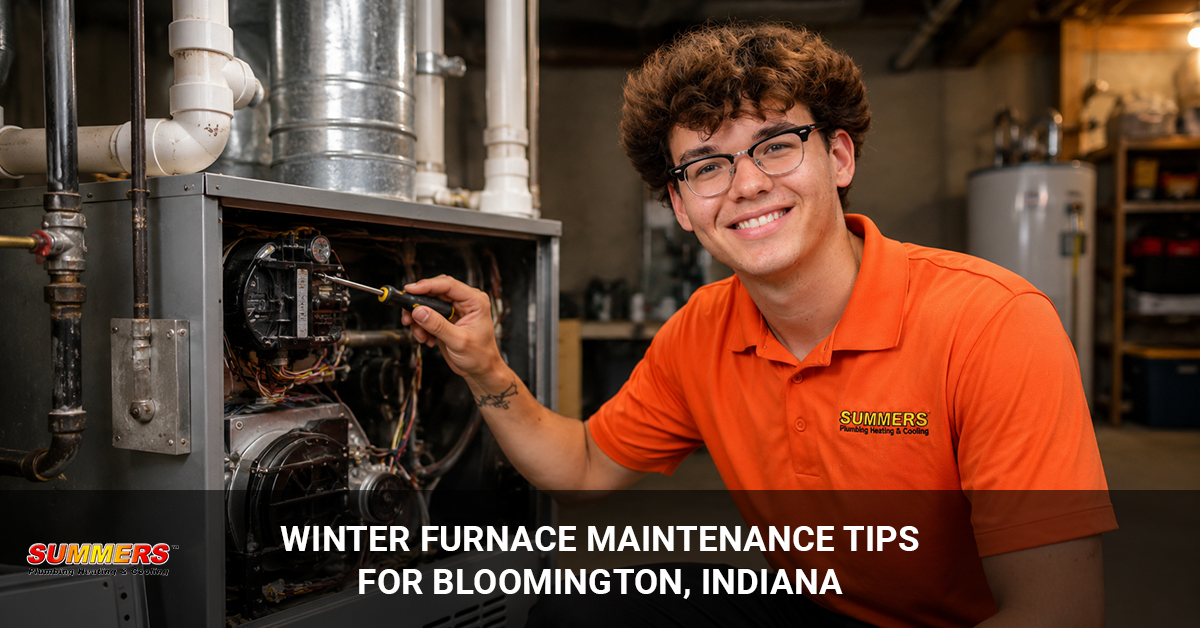
The best winter furnace maintenance tips include changing your air filter regularly, keeping vents clear, checking your thermostat, scheduling a professional tune-up, and addressing small problems before they become costly repairs. These simple steps can help your furnace run efficiently, lower heating costs, and reduce the risk of a breakdown during Bloomington’s cold winter months.
When temperatures drop in Bloomington, your furnace becomes one of the most important systems in your home. A well-maintained furnace provides reliable heat, better energy efficiency, and improved indoor comfort. On the other hand, neglecting routine maintenance can lead to higher utility bills, unexpected repairs, and even complete system failure when you need heat the most.
The good news is that many furnace problems can be prevented with regular maintenance. By following a few simple winter furnace maintenance tips, homeowners can keep their heating systems running smoothly throughout the season.
In this guide, you’ll learn the most important furnace maintenance tasks, warning signs to watch for, and when it’s time to call a professional HVAC technician.
Why Is Winter Furnace Maintenance Important?
Winter furnace maintenance helps prevent breakdowns, improve energy efficiency, and keep your home comfortable throughout the heating season. A well-maintained furnace operates more reliably and is less likely to experience unexpected problems during Bloomington’s coldest months.
Many furnace breakdowns happen because of issues that could have been detected and fixed early. Routine maintenance allows homeowners to catch small problems before they turn into expensive repairs or leave the home without heat.
Regular furnace maintenance offers several important benefits.
Prevents Unexpected Breakdowns
One of the biggest benefits of furnace maintenance is reducing the risk of unexpected system failures. During winter, your furnace often runs for long periods, putting extra strain on components.
Routine inspections can identify issues such as:
- Worn electrical connections
- Dirty burners
- Ignition problems
- Blower motor wear
- Airflow restrictions
Addressing these issues early can help prevent a sudden breakdown when outdoor temperatures are at their lowest.
Improves Energy Efficiency
A clean and properly maintained furnace uses less energy to heat your home. When components become dirty or worn, the system has to work harder to maintain the same temperature.
Maintenance helps improve efficiency by:
- Cleaning critical components
- Improving airflow
- Ensuring proper combustion
- Reducing system strain
An efficient furnace can lower monthly heating costs and reduce energy waste throughout the winter.
Extends Furnace Lifespan
Regular maintenance can help your furnace last longer. Just like a vehicle needs routine service to perform its best, your heating system needs periodic care to reduce wear and tear.
Proper maintenance can help:
- Protect major components
- Reduce unnecessary strain
- Improve reliability
- Delay the need for replacement
Many well-maintained furnaces can last 15 to 20 years or longer.
Helps Maintain Indoor Comfort
A properly maintained furnace provides more consistent heating throughout your home. It can help eliminate common comfort issues such as cold spots, weak airflow, and uneven temperatures.
Homeowners often notice:
- More even heating
- Better airflow
- Faster heating cycles
- Improved indoor comfort
When your furnace is operating at peak performance, your home stays warmer and more comfortable all winter long.
Replace Your Furnace Air Filter Regularly
Replacing your furnace air filter regularly is one of the easiest and most important maintenance tasks homeowners can perform. A clean air filter improves airflow, helps your furnace operate efficiently, and reduces strain on the entire heating system.
When an air filter becomes clogged with dust, pet hair, and debris, the furnace has to work harder to move air throughout the home. This can increase energy bills and contribute to premature wear on important components.
How Often Should You Change the Filter?
Most homeowners should replace their furnace filter every 1 to 3 months during the heating season.
However, you may need more frequent replacements if:
- You have pets
- Someone in the home has allergies
- Your home generates more dust than average
- The furnace runs frequently during cold weather
Checking the filter monthly is a good habit during winter.
Signs Your Air Filter Needs Replacement
A dirty filter often shows clear warning signs.
Look for:
- Visible dust and debris buildup
- Reduced airflow from vents
- Increased heating bills
- More dust inside the home
- Longer furnace run times
If the filter appears dirty, replacing it can often improve system performance immediately.
Benefits of a Clean Air Filter
A clean air filter does much more than improve airflow.
Benefits include:
- Better furnace efficiency
- Lower energy costs
- Improved indoor air quality
- Reduced strain on the blower motor
- Longer furnace lifespan
Replacing an air filter is inexpensive, takes only a few minutes, and can help prevent many common furnace problems.
Keep Air Vents and Registers Clear
Keeping air vents and registers clear helps your furnace distribute heat efficiently throughout your home. Blocked vents can restrict airflow, reduce comfort, and force your furnace to work harder than necessary.
Many homeowners accidentally block vents with furniture, rugs, curtains, or storage items. Even partially blocked vents can affect airflow and make certain rooms feel colder than others.
Why Airflow Matters
Proper airflow is essential for furnace performance. Your heating system is designed to move a specific amount of air through the ductwork and into your living spaces.
When airflow is restricted, the furnace may:
- Run longer than necessary
- Consume more energy
- Overheat
- Experience additional wear and tear
- Struggle to maintain the thermostat setting
Good airflow helps improve comfort, efficiency, and overall system reliability.
Common Vent Blockages to Avoid
It’s a good idea to walk through your home periodically and check that all supply and return vents remain open and unobstructed.
Common airflow restrictions include:
- Furniture placed over vents
- Area rugs covering floor registers
- Curtains blocking wall vents
- Boxes and storage containers
- Pet beds or household items
Removing these obstacles allows heated air to circulate properly throughout the home.
How Restricted Airflow Affects Your Furnace
Restricted airflow can cause several furnace problems if left unaddressed. As airflow decreases, the furnace has to work harder to deliver heat, increasing stress on critical components.
Potential consequences include:
- Uneven heating
- Higher energy bills
- Short cycling
- Reduced furnace lifespan
- More frequent repairs
In some cases, poor airflow can even cause the furnace to overheat and shut down as a safety precaution.
Check Your Thermostat Settings
Checking your thermostat settings is a simple maintenance step that can improve comfort and reduce heating costs. A thermostat that isn’t working correctly can make your furnace run longer than necessary or prevent it from heating your home properly.
Before assuming there’s a problem with the furnace, make sure the thermostat is operating correctly and set to the desired temperature.
Verify Accurate Temperature Readings
Your thermostat should accurately measure the temperature inside your home. If it isn’t reading correctly, the furnace may cycle improperly or struggle to maintain comfort.
Signs of thermostat issues include:
- Temperature readings that seem inaccurate
- Frequent cycling
- Uneven heating
- The furnace not responding to thermostat adjustments
Replacing batteries and checking settings can sometimes resolve minor thermostat problems.
Benefits of a Programmable Thermostat
A programmable or smart thermostat can help improve efficiency during the winter months.
Benefits include:
- Automatic temperature adjustments
- Lower heating costs
- Improved comfort
- Reduced furnace runtime
- Better energy management
Many homeowners find that upgrading to a programmable thermostat helps reduce unnecessary energy use without sacrificing comfort.
Recommended Winter Thermostat Settings
For most Bloomington homeowners, setting the thermostat between 68°F and 72°F while at home provides a good balance between comfort and efficiency.
You can also save energy by:
- Lowering the temperature while sleeping
- Reducing temperatures when away from home
- Using programmable schedules
Proper thermostat settings can reduce heating costs while helping your furnace operate more efficiently throughout the winter.
Listen for Unusual Furnace Noises
Unusual furnace noises can be an early warning sign that something isn’t working properly. Catching these sounds early can help you prevent more serious damage and avoid costly repairs during the winter.
While every furnace makes some noise during normal operation, loud, sudden, or unfamiliar sounds should never be ignored. In many cases, these noises indicate that a component is loose, worn, or beginning to fail.
Banging Sounds
Banging noises often indicate delayed ignition or burner-related problems. When gas builds up before igniting, it can create a loud bang when the burners finally light.
Other possible causes include:
- Dirty burners
- Expanding ductwork
- Loose internal components
If the noise becomes more frequent or louder over time, schedule a professional inspection.
Grinding Noises
Grinding sounds usually point to problems with moving parts inside the furnace. These noises often occur when motor bearings wear out or the blower motor begins to fail.
Common causes include:
- Worn bearings
- Failing blower motor
- Lack of lubrication
- Damaged motor components
Ignoring grinding sounds can lead to more extensive repairs if the affected part fails completely.
Squealing or Rattling Sounds
High-pitched squealing noises often indicate airflow restrictions or worn motor components. Rattling sounds typically suggest that something has become loose inside the system.
Possible causes include:
- Loose panels
- Worn belts
- Airflow restrictions
- Loose screws or hardware
- Blower assembly issues
Any new or unusual noise should be investigated before it causes additional damage.
When to Call a Professional
You should contact an HVAC technician if furnace noises are becoming louder, happening more often, or affecting system performance.
Professional service is recommended when:
- Banging sounds occur regularly
- Grinding noises develop
- The furnace vibrates excessively
- Heating performance decreases
- Strange sounds continue after changing the air filter
Addressing unusual noises early can help extend the life of your furnace and prevent more expensive repairs later.
Monitor Your Energy Bills
Monitoring your energy bills can help you spot furnace problems before they become serious. A sudden increase in heating costs often indicates that your furnace is working harder than it should.
Many homeowners don’t realize their furnace is losing efficiency until they notice higher utility bills. Tracking your monthly energy usage can provide an early warning that maintenance or repairs may be needed.
What Rising Heating Costs May Indicate
When a furnace loses efficiency, it consumes more energy to produce the same amount of heat.
Higher heating bills may indicate:
- Dirty burners
- Restricted airflow
- Worn components
- Poor combustion
- Aging equipment
Even if your home still feels comfortable, increased energy use may signal that the system isn’t operating at peak performance.
Signs of Reduced Furnace Efficiency
Reduced efficiency often develops gradually. In addition to higher utility bills, you may notice:
- Longer heating cycles
- Uneven temperatures
- Reduced airflow
- More frequent operation
- Difficulty maintaining thermostat settings
These issues typically become more noticeable as winter progresses.
When Higher Bills Signal a Repair Need
It’s normal for heating costs to fluctuate based on weather conditions. However, if your energy bills rise significantly without a major change in outdoor temperatures or thermostat settings, your furnace may need attention.
A professional inspection can identify efficiency problems and help restore performance before they lead to a breakdown. In many cases, simple maintenance or minor repairs can improve efficiency and lower heating costs.
Inspect the Furnace Flame
Checking the furnace flame can help you identify potential heating system problems before they become serious. A healthy gas furnace flame should burn steadily and appear blue. Changes in the flame color or behavior may indicate combustion, ventilation, or burner issues.
While homeowners should never attempt complex furnace repairs themselves, a quick visual inspection can help spot warning signs that require professional attention.
What a Healthy Furnace Flame Looks Like
A properly functioning gas furnace produces a steady blue flame. This indicates that the furnace is burning fuel efficiently and receiving the correct amount of oxygen during combustion.
A healthy flame should be:
- Blue in color
- Steady and consistent
- Even across all burners
- Free from excessive flickering
If the flame looks normal, your furnace is likely operating safely and efficiently.
Why a Yellow Flame Can Be a Warning Sign
A yellow or orange flame often indicates that the furnace is not burning fuel properly. Incomplete combustion can reduce efficiency and create additional strain on the system.
Common causes include:
- Dirty burners
- Restricted airflow
- Ventilation problems
- Combustion issues
- Improper fuel-to-air mixture
If you notice a yellow flame, schedule a professional inspection to identify the cause and restore proper operation.
When to Schedule Service
You should contact an HVAC professional if the flame changes color, flickers excessively, or is accompanied by other furnace problems.
Additional warning signs include:
- Higher energy bills
- Uneven heating
- Strange odors
- Frequent cycling
- Delayed ignition
Addressing combustion-related issues early can improve efficiency, reduce repair costs, and help ensure safe furnace operation throughout the winter.
Keep the Area Around Your Furnace Clean
Keeping the area around your furnace clean helps improve safety, maintain proper airflow, and reduce the risk of system problems. Furnaces need adequate space to operate efficiently, and clutter around the unit can interfere with performance.
Many homeowners use utility rooms or basements for storage, but placing items too close to the furnace can create both airflow restrictions and fire hazards.
Remove Clutter and Storage Items
The area around your furnace should remain clear at all times. Avoid storing boxes, clothing, paint cans, cleaning supplies, or other household items near the unit.
Keeping the area clear helps:
- Improve airflow
- Reduce fire risks
- Allow easier access for maintenance
- Improve overall system performance
As a general rule, maintain several feet of open space around the furnace whenever possible.
Maintain Proper Airflow
Furnaces rely on proper airflow to operate efficiently. Blocking vents, returns, or the furnace itself can make the system work harder than necessary.
Check periodically for:
- Dust buildup around vents
- Obstructed return air grilles
- Items blocking airflow pathways
- Excess debris near the furnace
Good airflow helps your heating system run more efficiently and maintain consistent indoor temperatures.
Improve Safety Around the Unit
A clean furnace area is also a safer furnace area. Keeping combustible materials away from the system reduces the risk of accidental fires and makes it easier to identify potential problems.
Regularly inspecting the area around your furnace can help ensure:
- Safe operation
- Easier maintenance access
- Better system performance
- Reduced fire hazards
This simple maintenance step takes only a few minutes but can contribute significantly to the safe and efficient operation of your heating system.
Check Carbon Monoxide and Smoke Detectors
Testing your carbon monoxide and smoke detectors is one of the most important winter safety tasks for homeowners. While a properly maintained furnace is generally safe, malfunctioning heating equipment can create risks that detectors are designed to identify early.
Carbon monoxide is a colorless and odorless gas that can be dangerous when it builds up indoors. Smoke detectors and carbon monoxide alarms provide an important layer of protection for your family during the heating season.
Why Detector Testing Is Essential
Carbon monoxide and smoke detectors can only protect your household if they are functioning properly. That’s why it’s important to test them regularly, especially before winter begins.
Regular testing helps:
- Ensure alarms work correctly
- Identify low batteries
- Confirm proper placement
- Improve home safety
- Provide early warning of potential problems
A simple monthly test can help ensure your detectors are ready when needed.
How Often Should You Replace Batteries?
Most manufacturers recommend replacing detector batteries at least once per year. Many homeowners choose to replace batteries at the start of the heating season to make the schedule easy to remember.
You should also replace batteries immediately if:
- The detector chirps regularly
- The low-battery warning activates
- The device fails a test
In addition, many detectors have a limited lifespan and may need complete replacement every 7 to 10 years.
Signs of Carbon Monoxide Problems
Carbon monoxide cannot be seen or smelled, making detectors especially important. While only a detector can accurately identify the gas, certain furnace issues may increase the risk of carbon monoxide problems.
Potential warning signs include:
- A yellow furnace flame instead of blue
- Excessive soot around the furnace
- Poor ventilation
- Unusual furnace odors
- Frequent furnace shutdowns
If a carbon monoxide alarm sounds, leave the home immediately and follow local safety recommendations.
Furnace Safety and Peace of Mind
Regular furnace maintenance and functioning detectors work together to help keep your home safe during winter. By testing alarms, replacing batteries, and scheduling annual furnace inspections, homeowners can reduce risks and enjoy greater peace of mind throughout the heating season.
Schedule a Professional Furnace Tune-Up
Scheduling a professional furnace tune-up is one of the best ways to keep your heating system operating safely and efficiently during winter. Annual maintenance helps identify small issues before they become expensive repairs and ensures your furnace is ready for colder temperatures.
While homeowners can handle basic maintenance tasks such as changing air filters, a professional tune-up provides a more thorough inspection of the entire system.
What a Winter Furnace Tune-Up Includes
A professional furnace tune-up typically involves a detailed inspection, cleaning, and performance check of critical components.
Services often include:
- Inspecting burners and ignition systems
- Cleaning internal components
- Checking electrical connections
- Testing safety controls
- Inspecting the heat exchanger
- Measuring airflow and system performance
- Verifying thermostat operation
These inspections help ensure the furnace is operating safely and efficiently.
Benefits of Professional Maintenance
Professional maintenance offers several advantages beyond preventing breakdowns.
Benefits include:
- Improved energy efficiency
- Lower heating costs
- Extended furnace lifespan
- Better indoor comfort
- Reduced risk of emergency repairs
- Improved system reliability
A well-maintained furnace generally performs better and experiences fewer unexpected problems.
How Often Should a Furnace Be Serviced?
Most HVAC professionals recommend servicing your furnace once per year. Ideally, maintenance should be completed in the fall before the heating season begins.
However, if you haven’t scheduled maintenance yet, it’s still beneficial to have your furnace inspected during winter. A professional tune-up can identify hidden problems and help ensure your system continues operating efficiently throughout the season.
Signs Your Furnace Needs Professional Attention
Some furnace problems require professional attention to prevent further damage and restore safe, reliable heating. Recognizing the early signs your furnace is about to fail can help you address issues before they lead to a complete breakdown.
If you notice changes in performance, unusual sounds, or rising energy costs, it’s a good idea to have your system inspected before a minor issue turns into a major repair.
While homeowners can handle basic maintenance tasks, certain warning signs indicate that professional service is needed.
Weak Airflow
Weak airflow is often a sign that your furnace is struggling to distribute heated air throughout your home. If the air coming from your vents feels weaker than usual, there may be an issue with the blower motor, ductwork, or airflow system.
Common causes include:
- Dirty air filters
- Blower motor problems
- Blocked vents
- Leaky ductwork
If replacing the air filter doesn’t improve airflow, professional diagnosis may be necessary.
Uneven Heating
Your furnace should heat your home evenly. If some rooms feel warm while others remain cold, the system may not be operating efficiently.
Possible causes include:
- Airflow restrictions
- Ductwork issues
- Blower motor wear
- Aging furnace components
Uneven heating often becomes more noticeable as the furnace ages.
Frequent Cycling
A furnace that turns on and off repeatedly may be experiencing short cycling. This issue can increase wear on components and reduce efficiency.
Short cycling is commonly caused by:
- Thermostat problems
- Overheating
- Airflow restrictions
- Improper furnace sizing
Because short cycling places extra stress on the system, it should be addressed promptly.
Strange Odors
Unusual smells coming from your furnace can indicate problems that require professional attention.
Watch for odors such as:
- Burning smells
- Musty odors
- Electrical smells
- Persistent gas odors
While some odors are harmless, others may indicate safety concerns or mechanical issues.
Rising Energy Bills
A noticeable increase in heating costs often signals that your furnace is no longer operating efficiently. When components wear out or airflow becomes restricted, the system must work harder to produce heat.
If your utility bills continue increasing despite normal usage habits, a professional inspection can help identify the cause.
Unusual Noises
New or worsening furnace noises should never be ignored. Banging, grinding, squealing, and rattling sounds often indicate mechanical issues that can become more expensive if left untreated.
Early repairs can often prevent larger component failures and extend the life of the system.
When to Schedule Service
You should schedule furnace service if you notice any combination of the warning signs above. Acting early can help:
- Prevent unexpected breakdowns
- Improve energy efficiency
- Reduce repair costs
- Extend furnace lifespan
- Maintain indoor comfort
Professional maintenance and repairs can keep your furnace operating safely and efficiently throughout Bloomington’s winter season.
Common Winter Furnace Problems in Bloomington
The most common winter furnace problems in Bloomington include dirty air filters, ignition issues, blower motor problems, and thermostat malfunctions. Cold temperatures and increased furnace usage during winter can put extra strain on heating systems, making these issues more likely to occur.
Understanding these common problems can help homeowners recognize warning signs early and avoid unexpected heating emergencies.
Dirty Air Filters
A dirty air filter is one of the most common causes of furnace performance problems. When airflow becomes restricted, the furnace has to work harder to heat your home.
A clogged filter can cause:
- Reduced airflow
- Higher energy bills
- Overheating
- Short cycling
- Increased wear on components
Replacing the filter regularly is one of the easiest ways to prevent winter furnace issues.
Ignition Problems
Ignition issues can prevent your furnace from producing heat. If the burners fail to ignite properly, the system may cycle without generating warm air.
Common causes include:
- Faulty ignitors
- Dirty flame sensors
- Gas supply issues
- Electrical problems
Professional service is often required to diagnose and repair ignition-related problems.
Blower Motor Issues
The blower motor is responsible for moving heated air throughout your home. When it begins to fail, comfort and efficiency can suffer.
Signs of blower motor problems include:
- Weak airflow
- Strange noises
- Uneven heating
- Longer heating cycles
Addressing blower motor issues early can help prevent complete system failure.
Thermostat Malfunctions
A malfunctioning thermostat can create heating problems even when the furnace itself is working properly.
Common symptoms include:
- Incorrect temperature readings
- Frequent cycling
- Uneven temperatures
- Furnace not responding to thermostat settings
In some cases, recalibration or replacement may solve the problem.
By understanding these common winter furnace problems, homeowners can take action early and reduce the likelihood of costly repairs during Bloomington’s coldest months.
Frequently Asked Questions
How Often Should I Service My Furnace?
You should have your furnace professionally serviced at least once a year. Annual maintenance helps improve efficiency, reduce the risk of breakdowns, and identify small issues before they become expensive repairs. The best time to schedule service is in the fall before the heating season begins.
What Furnace Maintenance Can Homeowners Do Themselves?
Homeowners can handle several basic maintenance tasks, including:
- Replacing air filters regularly
- Keeping vents and registers clear
- Checking thermostat settings
- Cleaning around the furnace
- Testing carbon monoxide and smoke detectors
For safety reasons, repairs and internal inspections should be left to a qualified HVAC technician.
Should I Leave My Furnace Running All Winter?
Yes, it’s generally better to let your furnace operate normally and maintain a consistent temperature rather than turning it off completely. Large temperature swings can make the furnace work harder and reduce overall efficiency.
Using a programmable or smart thermostat can help reduce energy usage while maintaining comfort.
How Do I Know If My Furnace Is Working Efficiently?
A furnace is typically operating efficiently if it heats your home evenly, maintains the desired temperature, and doesn’t cause unusually high energy bills.
Signs of good furnace performance include:
- Consistent indoor temperatures
- Normal heating cycles
- Strong airflow from vents
- Stable energy costs
- Quiet operation
If you notice changes in any of these areas, maintenance or repairs may be needed.
What Temperature Should I Set My Thermostat During Winter?
Most homeowners find that setting the thermostat between 68°F and 72°F provides a comfortable balance between warmth and energy efficiency.
To reduce heating costs, consider:
- Lowering the temperature while sleeping
- Reducing temperatures when away from home
- Using programmable thermostat schedules
How Long Does a Furnace Typically Last?
Most furnaces last between 15 and 20 years with proper maintenance. Some systems may last longer if they receive regular tune-ups and prompt repairs.
Factors that affect furnace lifespan include:
- Maintenance history
- System quality
- Installation quality
- Usage patterns
- Indoor air quality
If your furnace is more than 15 years old and experiencing frequent problems, it may be time to consider replacement. Comparing furnace repair vs. replacement costs can help determine the most cost-effective option for an aging heating system.
Can a Dirty Air Filter Really Cause Furnace Problems?
Yes. A dirty air filter can restrict airflow, reduce efficiency, increase energy costs, and place additional strain on furnace components.
Over time, a clogged filter can contribute to:
- Short cycling
- Overheating
- Weak airflow
- Premature component wear
Replacing your filter regularly is one of the easiest ways to protect your furnace.
What Are the Most Common Signs My Furnace Needs Repair?
Some of the most common warning signs include:
- Rising energy bills
- Uneven heating
- Strange noises
- Weak airflow
- Frequent cycling
- Unusual odors
- Difficulty maintaining temperature
If you notice any of these issues, scheduling a professional inspection can help prevent more serious problems.
Final Thoughts
Winter furnace maintenance is one of the simplest ways to improve comfort, lower energy costs, and reduce the risk of unexpected heating problems. Small maintenance tasks performed throughout the season can make a significant difference in how efficiently and reliably your furnace operates.
Changing air filters regularly, keeping vents clear, monitoring energy bills, checking your thermostat, and scheduling annual professional maintenance can help keep your heating system running at its best. These simple steps not only improve efficiency but can also extend the lifespan of your furnace and reduce long-term repair costs.
It’s also important to pay attention to warning signs such as weak airflow, unusual noises, uneven heating, rising utility bills, and frequent cycling. Addressing these issues early can help prevent a minor problem from turning into a major repair during Bloomington’s coldest weather.
If your furnace hasn’t been inspected recently or you’re experiencing performance issues, scheduling a professional furnace tune-up is a smart investment. Regular maintenance helps ensure your system is prepared to keep your Bloomington home warm, safe, and comfortable throughout the winter season.