
Furnace Repair vs Replacement: What’s More Cost-Effective?
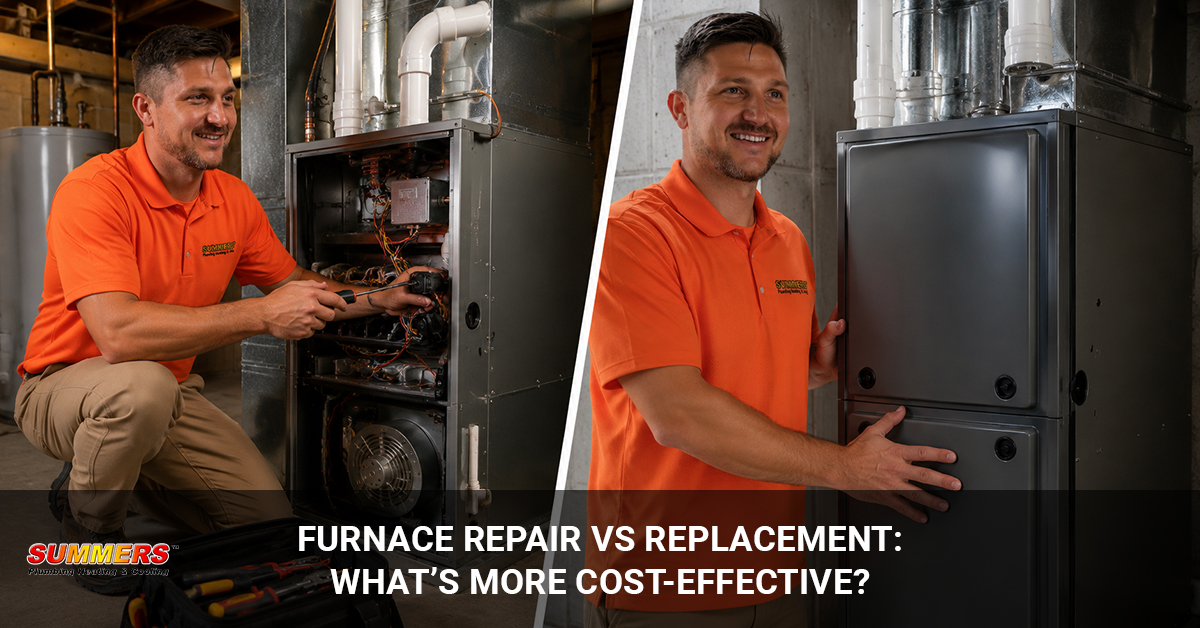
Furnace repair is often the most cost-effective option for small or isolated heating problems, while full furnace replacement is usually the better long-term solution for older, inefficient, or frequently failing systems. The right choice depends on the furnace age, repair costs, energy efficiency, and overall system condition.
Many homeowners struggle to decide whether to repair their furnace again or replace it completely. Problems like rising heating bills, uneven heating, strange noises, weak airflow, and repeated breakdowns are often signs the heating system may be nearing the end of its lifespan.
This guide explains the differences between furnace repair and replacement, including warning signs, costs, energy savings, furnace lifespan, and when upgrading may save more money long term.
What Is Furnace Repair?
Furnace repair fixes damaged or malfunctioning heating components to restore proper heating performance and normal system operation. Repairs are usually recommended when the issue is minor and the furnace is still in relatively good condition.
In many cases, repairing the furnace early can help prevent larger heating problems and extend the life of the system.
How Furnace Repair Works
Furnace repair focuses on identifying and fixing the specific component causing the heating problem. HVAC technicians inspect the system, diagnose the issue, and repair or replace the faulty part.
Common furnace repairs may involve:
- Ignitor replacement
- Blower motor repair
- Thermostat repair
- Flame sensor cleaning
- Electrical repairs
The goal is to restore heating performance without replacing the entire furnace.
Common Furnace Repairs
Some furnace problems are very common and can often be repaired without major system replacement.
Common furnace repair services include:
- Ignitor replacement
- Thermostat replacement
- Blower motor repair
- Flame sensor cleaning
- Gas valve repair
- Electrical wiring repair
Minor repairs are usually much less expensive when the problem is addressed early.
Problems Furnace Repair Can Solve
Furnace repair can often solve temporary or isolated heating problems that do not involve major system failure.
Repair is commonly effective for:
- Weak airflow
- No heat
- Short cycling
- Pilot light problems
- Strange noises
- Thermostat malfunctions
If the rest of the furnace remains in good condition, repairs may help extend the system’s lifespan and improve heating performance.
When Furnace Repair Is Usually Recommended
Furnace repair is usually recommended when the heating system is relatively new and the issue is not severe.
Repair often makes sense when:
- The furnace is under 15 years old
- The repair cost is reasonable
- Breakdowns happen infrequently
- Heating performance is mostly stable
- Major components are still in good condition
Small repairs can often restore reliable heating without the cost of full furnace replacement.
What Is Furnace Replacement?
Furnace replacement involves removing the old heating system and installing a new furnace. Replacement is often recommended for aging systems, major component failures, or furnaces with poor energy efficiency.
In many homes, upgrading to a newer furnace can improve heating performance, lower utility bills, and reduce future repair costs.
Full Furnace Replacement Explained
Full furnace replacement usually includes removing the old furnace and installing a new heating unit sized correctly for the home. Replacing outdated equipment with a properly matched system can improve comfort, airflow, and efficiency.
Replacement may include:
- New furnace installation
- Thermostat upgrades
- Ventilation updates
- Ductwork modifications
- Electrical upgrades
Modern furnaces are generally more energy-efficient, quieter, and more reliable than older heating systems.
Types of Furnaces Homeowners Upgrade To
Homeowners may upgrade to several types of modern heating systems depending on the home setup, climate, and energy source.
Popular replacement options include:
- Gas furnaces
- Electric furnaces
- High-efficiency furnaces
Each system offers different operating costs, efficiency ratings, and installation requirements.
Problems That Often Require Replacement
Some furnace problems are strong signs the system may be nearing the end of its usable life.
Replacement is often recommended for:
- Aging heating systems
- Frequent breakdowns
- Cracked heat exchangers
- Poor energy efficiency
- Safety concerns
Older furnaces with repeated repair history often become more expensive and less reliable over time.
When Furnace Replacement Is Recommended
Full furnace replacement is usually recommended when repairs become too frequent, too expensive, or unsafe.
Replacement often makes more sense when:
- The furnace is over 15–20 years old
- Repair costs are very high
- Heating performance keeps declining
- Energy bills continue increasing
- Major furnace components fail repeatedly
Although replacement costs more upfront, a new furnace may reduce long-term repair expenses, improve heating efficiency, and provide more reliable comfort during colder weather.
Furnace Repair vs Replacement: Key Differences
Furnace repair and furnace replacement differ in cost, energy efficiency, reliability, and long-term heating performance. Understanding these differences can help homeowners decide which option makes the most financial sense for their heating system.
Upfront Cost Comparison
Furnace repair is usually less expensive upfront because only specific components are repaired or replaced. Small repairs can often restore heating performance without replacing the entire system.
Full furnace replacement costs more because it may involve:
- New equipment
- Installation labor
- System upgrades
- Possible ductwork changes
Although replacement requires a larger upfront investment, repeated repairs on an aging furnace can eventually become more expensive over time.
Long-Term Energy Savings
New furnaces are usually much more energy-efficient than older systems. Modern heating systems use less energy to produce the same level of comfort, which may help lower monthly heating bills.
Older furnaces often lose efficiency as components wear down, especially if the system has not been maintained regularly.
Newer systems may also provide:
- Lower energy usage
- Better airflow
- Faster heating
- Improved humidity control
Reliability Comparison
New heating systems generally require fewer repairs than aging furnaces. Older units are more likely to develop ongoing mechanical and electrical problems as internal parts wear out.
Older furnaces may begin experiencing:
- Frequent breakdowns
- Electrical failures
- Ignition problems
- Airflow issues
Repeated heating failures can become expensive and frustrating during colder months.
Heating Performance Differences
Modern furnaces often provide better heating performance than older systems. Improved technology allows newer systems to heat homes more evenly and efficiently.
Modern furnaces may provide:
- Better airflow
- Faster heating
- More consistent temperatures
- Improved humidity control
Older systems may struggle to maintain comfortable temperatures throughout the home.
Indoor Comfort Improvements
Replacing an aging furnace may improve overall indoor comfort and heating consistency throughout the house.
New systems often help reduce:
- Uneven heating
- Cold spots
- Weak airflow
- Excess indoor dust
Modern smart thermostats may also improve temperature control, scheduling, and energy efficiency.
Which Option Saves More Money Long Term?
Minor furnace repairs are usually cheaper in the short term. However, older systems with repeated failures may cost less long term if replaced instead of repaired repeatedly.
Long-term savings often depend on:
- Furnace age
- Energy efficiency
- Repair frequency
- Utility costs
- Overall system condition
In many cases, replacing an older furnace can reduce repair expenses, improve energy efficiency, and provide more reliable heating over time.
Signs Your Furnace May Only Need Repair
Some heating problems are minor and can often be fixed without replacing the full furnace system. If the furnace is still relatively new and the issue is isolated, professional repairs may restore normal heating performance at a much lower cost than replacement.
Dirty Furnace Filters
Dirty furnace filters are one of the most common causes of heating problems. Clogged filters restrict airflow and force the system to work harder to heat the home.
Replacing the filter may help fix:
- Weak airflow
- Overheating
- Reduced efficiency
Regular filter replacement can also improve indoor air quality and reduce strain on the heating system.
Thermostat Problems
Faulty thermostats can cause temperature inconsistencies or heating problems even when the furnace itself is working properly.
Common thermostat issues may cause:
- Incorrect temperature readings
- Short cycling
- Furnace not turning on
- Uneven heating
In many cases, thermostat repair or replacement can solve the problem quickly.
Weak Airflow
Weak airflow may indicate a smaller airflow issue rather than major furnace failure.
Common causes may include:
- Dirty filters
- Blower problems
- Blocked vents
These problems are often repairable without full furnace replacement.
Pilot Light or Ignition Issues
Ignition problems may prevent the furnace from producing heat properly. Many ignition issues can be repaired relatively easily without replacing the entire heating system.
Common ignition-related problems may involve:
- Dirty flame sensors
- Faulty ignitors
- Pilot light issues
- Electrical ignition failures
Early repairs may help prevent larger furnace problems later.
Occasional Strange Noises
Minor rattling, buzzing, or vibrating sounds may be caused by loose components or small mechanical problems inside the furnace.
Common repairable causes include:
- Loose screws
- Blower issues
- Electrical vibrations
- Small motor problems
Addressing unusual furnace noises early may help prevent more expensive repairs later.
Furnace Not Heating Properly Sometimes
Intermittent heating problems may result from smaller issues that can often be repaired without replacing the full furnace.
Possible causes may include:
- Thermostat malfunctions
- Electrical issues
- Dirty components
- Airflow restrictions
Professional HVAC diagnosis can help determine whether the issue is minor or a sign of larger system failure.
Signs You May Need Furnace Replacement Instead
Some furnace problems are signs the heating system may be reaching the end of its lifespan. When breakdowns become frequent or heating performance keeps declining, replacing the furnace may provide better long-term value than continuing repairs.
Frequent Furnace Breakdowns
Repeated furnace repairs often indicate the system is becoming unreliable and worn out. As furnaces age, internal components begin failing more often, which can lead to ongoing repair expenses and inconsistent heating performance.
Frequent breakdowns may involve:
- Ignition problems
- Blower motor failures
- Electrical issues
- Airflow problems
Repeated service calls can quickly become expensive during colder months.
Rising Heating Bills
Older furnaces usually become less energy-efficient over time, increasing monthly heating costs. If energy bills continue rising even after maintenance or repairs, the system may no longer be operating efficiently.
A newer high-efficiency furnace may help reduce:
- Monthly heating bills
- Energy usage
- Long heating cycles
Furnace Over 15–20 Years Old
Most furnaces last around 15–20 years with proper maintenance. Older heating systems are more likely to develop serious mechanical failures and efficiency loss as components wear out.
Older systems are more likely to experience:
- Major component failures
- Reduced heating performance
- Increased repair frequency
- Higher operating costs
Many older furnaces also struggle to heat homes evenly during very cold weather.
Cracked Heat Exchanger
A cracked heat exchanger is one of the most serious furnace problems because it can create dangerous safety risks. In many cases, replacing the furnace is safer and more practical than attempting major repairs.
A damaged heat exchanger may lead to:
- Carbon monoxide concerns
- Poor heating performance
- Furnace shutdowns
- Safety hazards
Professional inspection is important if a cracked heat exchanger is suspected.
Uneven Heating Throughout the House
Uneven heating may indicate the furnace can no longer maintain proper airflow or heating capacity throughout the home.
Common signs include:
- Cold rooms
- Weak airflow
- Long heating cycles
- Inconsistent temperatures
A properly sized replacement furnace may improve overall comfort and heating consistency.
Excessive Dust or Poor Air Quality
Older furnaces may contribute to indoor air quality problems as components wear down and airflow becomes less effective.
Common issues may include:
- Dust buildup
- Poor indoor air quality
- Airflow problems
Newer systems often provide better filtration and airflow performance.
Safety Concerns or Carbon Monoxide Risks
Older gas furnaces with damaged or failing components may create potential carbon monoxide safety concerns.
Warning signs may include:
- Soot buildup
- Poor ventilation
- Yellow pilot flames
- Frequent system shutdowns
Safety problems should always be inspected by a qualified HVAC professional immediately.
Expensive Repair Estimates
If repair costs become extremely high, replacement may provide better long-term value. Many HVAC professionals recommend replacement when major furnace repairs approach a significant portion of the cost of a new system.
In many cases, replacing an aging furnace can help reduce:
- Future repair costs
- Energy bills
- Emergency heating failures
A professional HVAC inspection can help determine whether replacement is the smarter long-term investment.
How HVAC Technicians Diagnose Furnace Problems
Professional HVAC inspections help determine whether furnace repair or full replacement is the better option. Technicians use specialized tools and system testing to identify the exact cause of heating problems before recommending repairs.
Furnace Performance Testing
HVAC technicians evaluate overall heating performance to see how efficiently the furnace is operating. This testing helps identify problems affecting comfort, airflow, and system reliability.
Furnace performance testing may include checking:
- Heating output
- Temperature consistency
- Airflow strength
- Thermostat operation
- System efficiency
Poor performance in one or more areas may indicate underlying furnace problems.
Airflow Inspection
Airflow inspections help identify restrictions that reduce heating performance throughout the home.
Technicians commonly check for:
- Blocked vents
- Dirty filters
- Blower problems
- Duct restrictions
Poor airflow can force the furnace to work harder, increase energy usage, and reduce indoor comfort.
Electrical System Testing
Electrical testing checks important furnace components for wear, damage, or failure. Many furnace problems are caused by faulty electrical parts that affect system startup or heating performance.
Technicians may inspect:
- Motors
- Wiring
- Relays
- Furnace controls
- Electrical connections
Early detection of electrical issues may help prevent larger furnace breakdowns later.
Heat Exchanger Inspection
Heat exchanger inspections help identify cracks or damage that may create safety concerns. A damaged heat exchanger can affect heating performance and may allow dangerous gases to enter the home.
Technicians inspect the heat exchanger for:
- Cracks
- Corrosion
- Structural damage
- Signs of overheating
Heat exchanger problems often require immediate professional attention.
Carbon Monoxide Safety Checks
Technicians may test for carbon monoxide leaks to ensure the furnace operates safely. Carbon monoxide is a dangerous gas that may result from combustion or ventilation problems inside the heating system.
Safety checks may include:
- Combustion testing
- Ventilation inspection
- Carbon monoxide detection
- Burner performance checks
These inspections help protect both the heating system and household safety.
Why Professional Inspection Matters
A professional HVAC inspection helps homeowners avoid unnecessary repairs and identify the safest and most cost-effective long-term solution. Some furnace problems may only require simple repairs, while others may indicate major system deterioration or safety risks.
Professional diagnosis can help:
- Identify hidden furnace issues
- Prevent repeated breakdowns
- Improve heating efficiency
- Reduce unnecessary repair costs
- Determine whether replacement is the better investment
Accurate inspection results help homeowners make more informed decisions about repairing or replacing their furnace.
Furnace Repair Costs
Furnace repair costs vary depending on the type of problem, the condition of the heating system, and the parts needed for the repair. Minor repairs are usually more affordable, while major component failures can become expensive, especially on older furnaces.
Average Furnace Repair Cost
Most furnace repairs cost between $150 and $2,500 depending on the failed component, labor requirements, and the complexity of the repair.
Simple repairs such as thermostat replacement or ignitor replacement are usually on the lower end of the price range, while major repairs involving heat exchangers or blower motors can cost much more.
Common Furnace Repair Pricing
Furnace repair pricing often varies based on the specific component that fails and how difficult the repair is to complete.
Common furnace repair services may involve:
- Ignitors
- Blower motors
- Thermostats
- Gas valves
- Heat exchanger repairs
Heat exchanger repairs are often among the most expensive because the heat exchanger is one of the most important and safety-critical components in the furnace.
Emergency Furnace Repair Costs
Emergency HVAC service calls during extremely cold weather or after normal business hours may increase labor costs significantly.
Emergency repair pricing may be higher because of:
- After-hours labor
- Weekend service calls
- Winter demand
- Urgent heating repairs
Emergency furnace repairs during freezing temperatures are often more expensive due to increased HVAC demand.
Factors That Affect Repair Pricing
Several factors can affect the total cost of furnace repairs.
Repair costs often depend on:
- Furnace age
- Parts availability
- Local labor rates
- Repair complexity
- Accessibility of the system
Older furnaces may cost more to repair because replacement parts can become harder to find and certain components may no longer be manufactured.
Furnace Replacement Costs
Full furnace replacement costs vary depending on the system type, efficiency rating, and installation requirements. Replacing a furnace is a larger investment than repair, but a new system may lower long-term heating and maintenance costs.
Average Furnace Replacement Cost
Most full furnace replacements cost between $4,000 and $12,000 or more depending on the HVAC equipment and installation complexity.
Smaller systems with basic installation needs are usually less expensive, while larger homes or high-efficiency systems often increase total replacement costs.
Gas Furnace Replacement Costs
Gas furnace replacement pricing often depends on several factors related to the heating system and home setup.
Gas furnace replacement costs often depend on:
- Furnace size
- Efficiency rating
- Ventilation requirements
- Installation labor
High-efficiency gas furnaces may cost more upfront but can help reduce monthly heating bills over time.
Electric Furnace Replacement Costs
Electric furnaces are often less expensive to install because they usually require simpler installation and ventilation systems.
However, operating costs may be higher depending on:
- Local electricity prices
- Home insulation
- Heating demand
- System efficiency
Electric furnaces are commonly used in homes without natural gas service.
High-Efficiency Furnace Costs
High-efficiency furnaces may cost more initially, but they can provide significant long-term energy savings. These systems are designed to use less fuel while producing consistent heating performance.
Benefits of high-efficiency furnaces may include:
- Lower heating bills
- Improved energy efficiency
- Better temperature control
- Reduced energy waste
Many modern high-efficiency systems also operate more quietly than older furnaces.
Additional Costs Homeowners Should Expect
Full furnace replacement projects may include additional expenses beyond the furnace itself.
Additional replacement costs may include:
- Ductwork upgrades
- Ventilation changes
- Thermostat upgrades
- Permit fees
- Electrical upgrades
- Air filtration improvements
Older homes sometimes require extra updates to support modern heating systems safely and efficiently.
Factors That Affect Replacement Pricing
Several factors can affect the total cost of furnace replacement.
Replacement costs often depend on:
- Home size
- Furnace type
- Efficiency rating
- Installation difficulty
- Local labor costs
- Ductwork condition
- Ventilation requirements
Larger homes, complex installations, and high-efficiency heating systems usually increase the total replacement cost.
Final Thoughts
Furnace repair is often the most cost-effective solution for smaller heating problems and relatively newer systems, while full furnace replacement is usually the better long-term option for aging, inefficient, or frequently failing units. The best choice depends on the furnace condition, repair history, energy efficiency, and long-term operating costs.
Although repairs may cost less upfront, repeated breakdowns and rising heating bills can eventually make replacement the smarter financial decision. Older furnaces may also create safety concerns if major components begin failing or the system can no longer operate efficiently.
A professional HVAC inspection can help determine whether repairing or replacing the furnace will provide better long-term comfort, efficiency, and reliability. Addressing heating problems early may also help reduce repair costs, improve indoor comfort, and keep your home warm during colder weather.