
AC Repair vs Replacement: When Should You Upgrade?
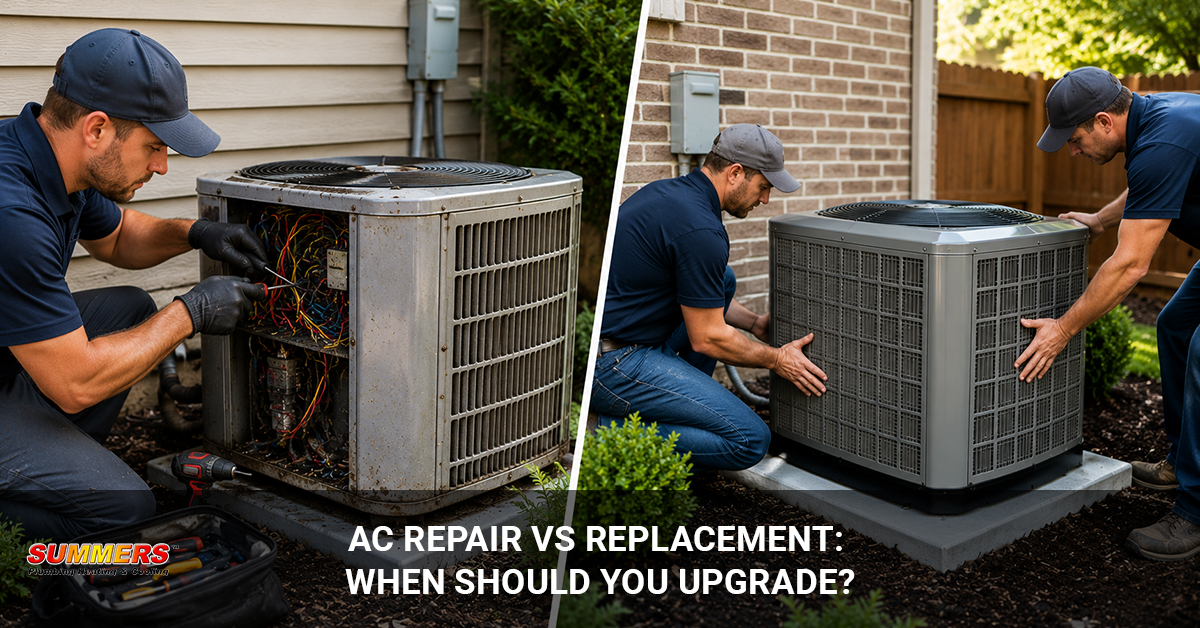
AC repair is often the best option for small or isolated problems, while full AC replacement is usually the better long-term solution for older, inefficient, or frequently failing systems. The right choice depends on the age of the unit, repair costs, energy efficiency, and how often the system breaks down.
Many homeowners are unsure whether it makes more sense to repair their air conditioner again or replace it completely. Problems like weak airflow, rising energy bills, refrigerant leaks, uneven cooling, and repeated breakdowns are often signs the system may be nearing the end of its lifespan.
This guide explains the difference between AC repair and replacement, including warning signs, costs, energy savings, system lifespan, and when upgrading may save more money long term.
What Is AC Repair?
AC repair fixes damaged or malfunctioning HVAC components to restore cooling performance and normal system operation. Repairs are usually recommended when the problem is minor and the air conditioning system is still in relatively good condition.
In many cases, repairing the system early can prevent larger HVAC problems and help extend the life of the unit.
How AC Repair Works
AC repair focuses on identifying and fixing the specific component causing the problem. HVAC technicians inspect the system, diagnose the issue, and repair or replace the faulty part.
Common AC repairs may involve:
- Electrical repairs
- Refrigerant leak repair
- Capacitor replacement
- Thermostat repair
- Fan motor replacement
The goal is to restore cooling performance without replacing the entire air conditioning system.
Common AC Repairs
Some air conditioner problems are very common and can often be repaired without major system replacement.
Common AC repair services include:
- Capacitor replacement
- Refrigerant recharge
- Thermostat replacement
- Blower motor repair
- Electrical wiring repair
- Condensate drain cleaning
Minor HVAC repairs are usually much more affordable when the problem is caught early.
Problems AC Repair Can Solve
AC repair can often solve temporary or isolated cooling problems that do not involve major system failure.
Repair is commonly effective for:
- Weak airflow
- Strange noises
- Frozen evaporator coils
- Minor refrigerant leaks
- Electrical issues
- Thermostat malfunctions
If the rest of the system remains in good condition, repairs may help extend the AC unit’s lifespan and improve cooling performance.
When AC Repair Is Usually Recommended
AC repair is usually recommended when the air conditioner is relatively new and the issue is not severe.
Repair often makes sense when:
- The system is under 10 years old
- The repair cost is reasonable
- Breakdowns happen infrequently
- Cooling performance is mostly stable
- Major components are still in good condition
Small repairs can often restore reliable cooling without the higher cost of full AC replacement.
What Is AC Replacement?
AC replacement involves removing the old cooling system and installing a new air conditioning unit. Replacement is often recommended for aging systems, major component failures, or units with poor energy efficiency.
In many homes, upgrading to a newer HVAC system can improve cooling performance, lower energy bills, and reduce future repair costs.
Full AC System Replacement Explained
Full AC replacement usually includes replacing both the indoor and outdoor parts of the cooling system. Replacing matched components together often improves efficiency and system reliability.
A full replacement may include:
- Outdoor condenser unit
- Indoor evaporator coil
- Air handler
- Refrigerant lines
- Thermostat upgrades
Modern HVAC systems are generally more energy-efficient, quieter, and more reliable than older air conditioners.
Types of AC Systems Homeowners Upgrade To
Homeowners may upgrade to several types of modern cooling systems depending on their home size, comfort needs, and existing HVAC setup.
Popular replacement options include:
- Central air conditioning systems
- Heat pumps
- Ductless mini-split systems
Each system offers different efficiency ratings, installation requirements, and cooling features.
Problems That Often Require Replacement
Some air conditioner problems are strong signs the system may be nearing the end of its usable lifespan.
Replacement is often recommended for:
- Aging HVAC systems
- Frequent breakdowns
- Compressor failure
- R-22 refrigerant systems
- High energy usage
- Severe corrosion
Older systems with repeated repair history often become less reliable and more expensive to maintain over time.
When Full Replacement Is Recommended
Full AC replacement is usually recommended when repairs become too frequent, too expensive, or no longer improve system performance.
Replacement often makes more sense when:
- The system is over 10–15 years old
- Repair costs are very high
- Cooling performance keeps declining
- Energy bills continue increasing
- Major HVAC components fail repeatedly
Although AC replacement costs more upfront, a new system may reduce long-term repair costs, improve energy efficiency, and provide more reliable cooling for years.
AC Repair vs Replacement: Key Differences
AC repair and AC replacement differ in cost, energy efficiency, long-term reliability, and overall cooling performance. Understanding these differences can help homeowners decide which option makes more financial sense for their HVAC system.
Upfront Cost Comparison
AC repair is usually less expensive upfront because only specific parts or components are repaired or replaced. Small repairs can often restore cooling performance without replacing the entire system.
Full AC replacement costs more because it may involve:
- New HVAC equipment
- Installation labor
- System upgrades
- Possible ductwork modifications
Although replacement requires a larger upfront investment, repeated repairs on an aging system can eventually cost more over time.
Long-Term Energy Savings
New air conditioning systems are usually much more energy-efficient than older units. Modern HVAC systems use less electricity to cool the home, which may help lower monthly utility bills.
Older systems often lose efficiency as components wear out, especially if the system has not been maintained regularly.
Newer systems may also provide:
- Better airflow
- Faster cooling
- Lower operating costs
- Improved humidity control
Repair Frequency Differences
New HVAC systems generally require fewer repairs than aging air conditioners. As older systems continue aging, breakdowns often become more frequent and more expensive.
Older air conditioners may begin experiencing:
- Frequent breakdowns
- Electrical failures
- Refrigerant leaks
- Compressor problems
Repeated service calls can quickly increase long-term ownership costs.
System Efficiency Comparison
Modern AC systems usually have much higher efficiency ratings than older HVAC equipment. Higher-efficiency systems can cool the home more effectively while using less energy.
High-efficiency systems may provide:
- Better cooling performance
- Lower utility costs
- Improved humidity control
- More consistent indoor temperatures
Many modern systems also operate more quietly than older air conditioners.
Indoor Comfort Improvements
Replacing an older AC system can often improve overall indoor comfort throughout the home. Aging systems may struggle to maintain even temperatures or proper airflow.
New systems often help reduce:
- Uneven cooling
- Hot spots
- Excess indoor humidity
- Weak airflow
Modern smart thermostats may also improve temperature control and energy management.
Which Option Saves More Money Long Term?
Minor AC repairs are usually more affordable in the short term. However, older systems with repeated problems may cost less long term if replaced instead of repaired repeatedly.
Long-term savings often depend on:
- System age
- Energy efficiency
- Repair frequency
- Utility costs
- Overall HVAC condition
In many cases, replacing an aging air conditioner can reduce repair expenses, improve energy efficiency, and provide more reliable cooling over time.
Signs Your AC May Only Need Repair
Some AC problems are minor and can often be fixed without replacing the entire system. If the air conditioner is still relatively new and the issue is isolated, professional repairs may restore normal cooling performance at a much lower cost than full replacement.
Dirty Air Filters
Dirty air filters are one of the most common causes of AC performance problems. Clogged filters restrict airflow and make the system work harder to cool the home.
Replacing the air filter may help fix:
- Weak airflow
- Frozen evaporator coils
- Reduced cooling efficiency
Regular filter replacement can also help improve indoor air quality and reduce HVAC strain.
Thermostat Problems
Faulty thermostats can cause temperature inconsistencies or cooling issues even when the HVAC system itself is working properly.
Common thermostat problems may cause:
- Incorrect temperature readings
- Short cycling
- AC not turning on
- Uneven cooling
In many cases, thermostat replacement or recalibration can solve the problem quickly.
Minor Refrigerant Leaks
Small refrigerant leaks can sometimes be repaired if the rest of the AC system is still in good condition. HVAC technicians may locate the leak, repair the damaged area, and recharge the refrigerant.
Early refrigerant leak repair may help prevent:
- Reduced cooling performance
- Frozen coils
- Compressor damage
Weak Airflow From One Vent
Weak airflow affecting only one room or vent often points to a localized airflow issue rather than full system failure.
Common causes may include:
- Blocked vents
- Duct problems
- Dirty filters
These issues are often repairable without replacing the air conditioner.
Occasional Strange Noises
Minor rattling, buzzing, or vibrating sounds may be caused by loose components or small mechanical issues inside the HVAC system.
Common repairable causes include:
- Loose screws
- Fan issues
- Electrical vibrations
- Small motor problems
Addressing unusual sounds early may help prevent larger HVAC repairs later.
AC Not Cooling Properly Sometimes
Intermittent cooling problems may result from smaller HVAC issues that can often be repaired without full system replacement.
Possible causes may include:
- Electrical issues
- Thermostat malfunctions
- Dirty coils
- Airflow restrictions
Professional diagnosis can help determine whether the issue is minor or a sign of larger system failure.
Signs You May Need AC Replacement Instead
Some air conditioner problems are signs the system may be reaching the end of its lifespan. When breakdowns become frequent or cooling performance keeps declining, replacing the system may provide better long-term value than continuing repairs.
Frequent AC Breakdowns
Repeated AC repairs often indicate the HVAC system is wearing out and becoming less reliable. As systems age, components begin failing more often, which can lead to ongoing repair expenses and inconsistent cooling.
Frequent breakdowns may include:
- Electrical failures
- Refrigerant leaks
- Fan motor problems
- Compressor issues
Repeated service calls can quickly become expensive over time.
Rising Energy Bills
Older air conditioners usually become less energy-efficient as internal components wear down. If cooling costs continue increasing even after maintenance or repairs, the system may no longer be operating efficiently.
A newer high-efficiency system may help reduce:
- Monthly utility bills
- Cooling costs
- Overall energy usage
AC System Over 10–15 Years Old
Most central air conditioning systems last around 10–15 years with proper maintenance. Older HVAC systems are more likely to develop serious mechanical problems and efficiency loss.
Aging systems often experience:
- Major mechanical failures
- Refrigerant leaks
- Reduced cooling performance
- Higher operating costs
Older units may also struggle to keep up during extremely hot weather.
Uneven Cooling Throughout the House
Inconsistent temperatures throughout the home may indicate the HVAC system can no longer maintain proper airflow or cooling capacity.
Common signs include:
- Hot spots in certain rooms
- Weak airflow
- Long cooling cycles
- Difficulty reaching thermostat settings
A properly sized replacement system may improve overall indoor comfort.
Major Compressor Failure
Compressor failure is one of the most expensive AC repairs. In many older systems, replacing the compressor may not be financially worthwhile compared to installing a new unit.
A failing compressor may cause:
- Warm air from vents
- Loud noises
- System shutdowns
- Reduced cooling performance
R-22 Refrigerant Systems
Older air conditioners using R-22 refrigerant are often more expensive to repair because the refrigerant is being phased out and has become increasingly costly.
Many homeowners choose replacement instead of continuing to repair older R-22 systems because:
- Refrigerant costs are higher
- Older systems are less efficient
- Replacement parts may become harder to find
Excessive Humidity Problems
Older AC systems may struggle to remove humidity effectively, especially during hot and humid weather.
Poor humidity control may lead to:
- Sticky indoor air
- Mold concerns
- Reduced comfort
- Increased HVAC strain
Modern systems usually provide better humidity management and airflow control.
Expensive Repair Estimates
If repair estimates become extremely high, replacement may provide better long-term value. Many HVAC professionals use the “50 percent rule,” meaning replacement is often recommended when repair costs approach half the value of a new system.
In many cases, replacing an aging system can reduce:
- Future repair costs
- Energy bills
- Emergency breakdown risks
A professional HVAC inspection can help determine whether replacement is the smarter long-term investment.
How HVAC Technicians Diagnose AC Problems
Professional HVAC inspections help determine whether AC repair or full replacement is the better option. Technicians use specialized tools and system testing to identify the exact cause of cooling problems before recommending repairs.
System Performance Testing
HVAC technicians evaluate overall cooling performance to see how efficiently the system is operating. This testing helps identify problems affecting comfort, airflow, and energy efficiency.
System performance testing may include checking:
- Indoor temperature consistency
- Cooling cycle performance
- Airflow strength
- Thermostat operation
- System efficiency
Poor performance in one or more areas may signal underlying HVAC issues.
Refrigerant Pressure Checks
Refrigerant pressure testing helps technicians identify refrigerant leaks, low refrigerant levels, or compressor problems.
Low refrigerant pressure may cause:
- Weak cooling
- Frozen evaporator coils
- Longer cooling cycles
- Reduced energy efficiency
Technicians may also inspect refrigerant lines for leaks or damage.
Airflow Inspection
Airflow inspections help identify restrictions that reduce cooling performance throughout the home.
Technicians commonly check for:
- Blocked vents
- Dirty air filters
- Duct restrictions
- Blower problems
Poor airflow can force the HVAC system to work harder and increase energy usage.
Electrical Component Testing
Electrical testing checks critical HVAC components for wear, damage, or failure. Many AC problems are caused by failing electrical parts that affect system startup or cooling performance.
Technicians may inspect:
- Capacitors
- Relays
- Fan motors
- Wiring connections
- Circuit boards
Early detection of electrical issues may help prevent larger HVAC breakdowns later.
Why Professional Inspection Matters
A professional HVAC inspection helps homeowners avoid unnecessary repairs and identify the most cost-effective long-term solution. Some cooling problems may only need simple repairs, while others may indicate major system deterioration.
Professional diagnosis can help:
- Identify hidden HVAC issues
- Prevent repeated breakdowns
- Improve cooling efficiency
- Reduce unnecessary repair costs
- Determine whether replacement is the better investment
Accurate inspection results help homeowners make more informed decisions about repairing or upgrading their air conditioning system.
AC Repair Costs
AC repair costs vary depending on the type of problem, the condition of the HVAC system, and the parts required for the repair. Minor repairs are usually more affordable, while major component failures can become expensive, especially on older systems.
Average AC Repair Cost
Most AC repairs cost between $150 and $2,000 depending on the failed component, labor requirements, and the complexity of the repair.
Simple repairs such as thermostat replacement or capacitor replacement are usually on the lower end of the price range, while major repairs involving compressors or refrigerant leaks can cost much more.
Common Repair Pricing
AC repair pricing often varies based on the specific component that fails and how difficult the repair is to complete.
Common HVAC repair services may involve:
- Capacitor replacement
- Thermostat repair
- Refrigerant leak repair
- Fan motor replacement
- Compressor repair
Compressor repairs are usually among the most expensive because the compressor is one of the most important components in the cooling system.
Emergency AC Repair Costs
Emergency HVAC service calls during extremely hot weather or after normal business hours may increase labor costs significantly.
Emergency repair pricing may be higher because of:
- After-hours labor
- Weekend service calls
- Peak summer demand
- Urgent system repairs
Emergency repairs during heat waves are often more expensive due to increased service demand.
Factors That Affect Repair Pricing
Several factors can affect the total cost of AC repairs.
Repair costs often depend on:
- System age
- Parts availability
- Local labor rates
- Repair complexity
- Refrigerant type
- Accessibility of the HVAC system
Older systems may cost more to repair because replacement parts can become harder to find, and certain refrigerants are more expensive.
AC Replacement Costs
Full AC replacement costs vary depending on the system type, home size, energy-efficiency rating, and installation requirements. Replacing an air conditioner is a larger investment than repair, but a new system may lower long-term energy and maintenance costs.
Average AC Replacement Cost
Most full AC replacements cost between $5,000 and $15,000 or more depending on the HVAC equipment and installation complexity.
Smaller systems with basic installation needs are usually less expensive, while larger homes or high-efficiency systems often increase total replacement costs.
Central AC Replacement Costs
Central air conditioning replacement pricing varies based on several important factors related to the HVAC system and home layout.
Central AC replacement costs often depend on:
- System size
- SEER rating
- Ductwork condition
- Installation labor
Higher-efficiency systems usually cost more upfront but may help lower monthly energy bills over time.
Heat Pump Installation Costs
Heat pumps may cost more initially than traditional air conditioners, but they can provide both heating and cooling from a single system.
Many homeowners choose heat pumps because they may offer:
- Better energy efficiency
- Lower heating costs
- Year-round comfort
- Reduced energy usage
Installation pricing depends on the system size, efficiency level, and home setup.
Ductless Mini-Split Replacement Costs
Ductless mini-split systems are commonly installed in homes without ductwork or in areas needing zoned cooling control.
Mini-split pricing often varies based on:
- Number of indoor units
- Cooling capacity
- Installation difficulty
- Home layout
These systems can provide flexible temperature control for different rooms or zones.
Additional Costs Homeowners Should Expect
Full AC replacement projects may include additional costs beyond the HVAC equipment itself.
Additional replacement costs may include:
- Ductwork upgrades
- Electrical upgrades
- Smart thermostat installation
- Permit fees
- Air handler replacement
- Refrigerant line replacement
Older homes sometimes require extra upgrades to support modern HVAC systems safely and efficiently.
Factors That Affect Replacement Pricing
Several factors can affect the total cost of AC replacement.
Replacement costs often depend on:
- Home size
- HVAC system type
- Efficiency rating
- Installation difficulty
- Local labor costs
- Ductwork condition
- Equipment brand
- Energy-efficiency upgrades
Larger homes, complex installations, and high-efficiency HVAC systems usually increase the overall replacement price.
Final Thoughts
AC repair is often the right solution for smaller problems and relatively newer systems, while full AC replacement is usually the better long-term option for aging, inefficient, or frequently failing units. The best choice depends on the condition of the system, repair history, energy efficiency, and long-term operating costs.
Although repairs may cost less upfront, repeated breakdowns and rising energy bills can eventually make replacement the more cost-effective solution. Older HVAC systems often become less reliable over time and may struggle to cool the home efficiently during extreme heat.
A professional HVAC inspection can help determine whether repairing or upgrading the system will provide better long-term comfort, energy savings, and reliability. Addressing AC problems early may also help reduce repair costs, improve indoor comfort, and extend the life of the cooling system.