
How Can You Prevent Frozen Pipes When Your Heating System Stops Working?
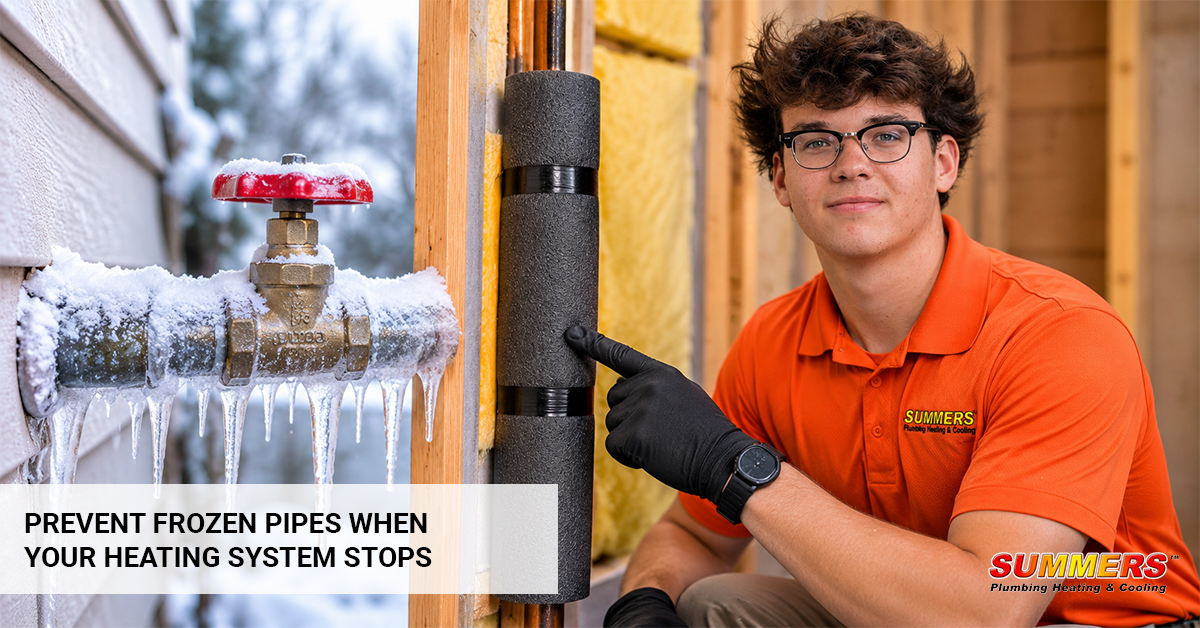
If your heating system stops working during freezing weather, your water pipes can freeze as your home loses heat. Pipes in basements, crawl spaces, garages, and exterior walls are especially vulnerable because they receive less warmth from the rest of your home. When water freezes, it expands inside the pipe and can cause it to crack or burst.
You can reduce the risk of frozen pipes by keeping your home as warm as possible, opening cabinet doors under sinks, insulating exposed pipes, and letting vulnerable faucets drip during extremely cold weather.
If your furnace stops working, don’t wait for your home to become cold before taking action. Protect your plumbing right away and arrange a furnace repair as soon as possible.
In this guide, we’ll explain how to protect your water pipes when your heating system stops working, which areas need extra attention, and what to do if a pipe has already frozen.
Why Do Pipes Freeze When Your Heating System Stops Working?
Pipes freeze when the water inside them gets cold enough to turn into ice. If your furnace or heating system stops working during winter, your indoor temperature can drop and leave vulnerable water pipes exposed to freezing conditions.
As water freezes, it expands. This creates pressure inside the pipe, which can cause it to crack or burst. You may not notice the damage until the ice melts and water starts leaking.
Some areas of your home have a higher risk of frozen pipes:
- Basement pipes: Unheated basements can get cold enough to freeze exposed water lines.
- Crawl space pipes: Cold air can enter through vents and gaps, lowering the temperature around plumbing.
- Exterior wall pipes: Pipes inside poorly insulated exterior walls receive less heat from your home.
- Garage pipes: Garages often have little or no heating, leaving exposed water lines vulnerable to freezing.
- Attic pipes: Pipes in poorly insulated attics can freeze during extended periods of cold weather.
The longer your heating system stays off, the greater the risk of frozen pipes. If your furnace stops working, protect vulnerable plumbing right away while arranging a repair.
8 Ways to Prevent Frozen Pipes When Your Heating System Stops Working
If your heating system stops working during freezing weather, take steps to protect your pipes before your home gets too cold. A few simple actions can help prevent frozen water lines and costly pipe damage.
1. Keep Your Home Temperature Above Freezing
Keep your home as warm as possible when your heating system stops working. Warm indoor air helps protect water pipes, especially those near exterior walls, basements, and other cold areas.
If your furnace stops working, take these steps:
- Use a safe backup heating source if you have one.
- Keep interior doors open so warm air can move between rooms.
- Pay extra attention to rooms with exposed water pipes.
- Close exterior doors and windows to keep cold air out.
- Use a thermometer to check the temperature in different areas of your home.
If you use a portable space heater, follow the manufacturer’s safety instructions. Keep it at least 3 feet away from curtains, furniture, bedding, and other flammable items. Plug it directly into a wall outlet, and never leave it running unattended.
Remember: Heating one room may not protect pipes in your basement, garage, or crawl space. Check these areas regularly and take extra steps to protect exposed plumbing.
For more safety guidance, the U.S. Consumer Product Safety Commission recommends keeping portable heaters away from combustible materials and never leaving them unattended. Portable heater safety guidance.
2. Open Cabinet Doors Under Sinks
Open the cabinet doors under your kitchen and bathroom sinks to let warm air reach the pipes. This is especially important when the plumbing runs along an exterior wall.
Closed cabinets can trap cold air around water lines. When your heating system stops working, those pipes may freeze faster because they receive less warmth from the rest of your home.
Focus on these areas:
- Kitchen sink cabinets.
- Bathroom vanity cabinets.
- Cabinets along exterior walls.
- Cabinets in rooms that tend to stay cold.
For example, if your kitchen sink sits against an outside wall, opening the cabinet doors helps warm air reach the water pipes underneath.
Keep safety in mind: If you have children or pets, move cleaning products, chemicals, and other hazardous items somewhere they cannot reach before opening the cabinets.
3. Let Faucets Drip During Extremely Cold Weather
Letting a vulnerable faucet drip slowly can help reduce the risk of frozen pipes. Moving water is less likely to freeze than standing water, and a small flow can also help relieve pressure inside the pipes.
Focus on faucets connected to water lines that run through cold areas, such as exterior walls, basements, garages, and poorly insulated spaces.
Follow these tips:
- Choose faucets connected to pipes that are most likely to freeze.
- Let the water run in a small, steady trickle.
- Use both hot and cold taps if your plumbing setup requires it.
- Make sure the sink drain stays clear so water can flow away.
Keep in mind that dripping faucets cannot guarantee that pipes won’t freeze. Pipes exposed to very cold air for several hours can still freeze, even when water is moving.
If your home uses a private well, septic system, or a plumbing setup with special winter care requirements, follow your plumber’s advice before leaving faucets running.
4. Insulate Exposed Water Pipes
Covering exposed water pipes with insulation helps slow heat loss and lowers the risk of freezing. This is especially important when your heating system stops working during cold weather. For more ways to protect your plumbing during freezing weather, read our guide on how to protect your pipes from freezing.
Check these areas for exposed pipes:
- Basement ceilings and walls.
- Crawl spaces.
- Garages.
- Attics.
- Pipes near exterior walls.
- Water lines under sinks.
Foam pipe insulation is a simple option for many exposed water lines. Choose the right size so it fits snugly around each pipe.
Pay attention to joints, bends, and connections. Cover these areas properly because even small gaps can leave parts of the pipe exposed to cold air.
Keep in mind that pipe insulation does not produce heat. It only slows down heat loss. If temperatures stay below freezing for an extended period, even insulated pipes can freeze.
If you have exposed plumbing in a basement, crawl space, or other cold area, ask a plumber which insulation is best for your pipes before winter begins.
5. Seal Gaps Around Doors, Windows, and Pipes
Seal openings around doors, windows, and pipes to keep cold air away from vulnerable plumbing. Even small gaps can let cold drafts reach water lines in walls, basements, and crawl spaces.
Check these areas for openings:
- Around basement windows.
- Where water pipes enter your home.
- Around exterior doors.
- Near foundation walls.
- Around garage doors.
- Near crawl space access points.
Use weatherstripping, caulk, or suitable insulation to close these gaps.
For example, cold air can enter through a small opening where a water pipe passes through an exterior wall. Sealing that gap helps prevent cold drafts from reaching the pipe.
Be careful not to block required ventilation openings or cover heating equipment. If you’re unsure which gaps are safe to seal, ask a qualified professional.
6. Keep Water Supply Pipes Away From Cold Drafts
Keep cold outdoor air away from exposed water pipes to reduce the risk of freezing. Pipes near windows, exterior walls, and unheated spaces can lose heat quickly when cold air blows directly over them.
If you notice drafts near your plumbing, take these steps:
- Keep basement and garage doors closed when possible.
- Seal gaps near exposed pipes.
- Add suitable insulation around vulnerable water lines.
- Close nearby windows.
- Allow warm air to reach rooms and areas with plumbing.
Pay extra attention to pipes under kitchen sinks and near basement windows. These areas often have less insulation and can get cold quickly when your furnace stops working.
If a pipe remains exposed to freezing air and your heating system won’t be repaired soon, contact a plumber. They can recommend the safest way to protect that section of plumbing.
7. Shut Off the Main Water Supply if Necessary
Shutting off your home’s main water supply can limit water damage if a pipe bursts or you need to leave the house without heat for an extended period.
However, turning off the main supply does not stop pipes from freezing. Water can still remain inside the pipes and turn to ice.
If you cannot keep your home warm, take these steps:
- Locate your main water shutoff valve so you can reach it quickly.
- Learn how to turn off the water supply.
- If a pipe bursts, shut off the main valve immediately.
- Open faucets to help release pressure from the plumbing.
- Ask a plumber whether you need to drain vulnerable water lines.
If you plan to leave your home during freezing weather, speak with a plumber about shutting off the water and properly draining the plumbing system.
Don’t try to drain the entire system without knowing the correct procedure. Some plumbing systems need special winterization steps. Incorrect draining can cause additional problems.
8. Arrange Emergency Furnace Repair
Arrange furnace repair as soon as possible to restore heat and protect your water pipes from freezing. The longer your heating system stays off, the more time your plumbing spends exposed to cold temperatures.
Don’t ignore a furnace problem or wait several days to call for help. Common reasons a furnace may stop producing heat include:
- A faulty thermostat.
- A dirty or clogged air filter.
- Ignition system problems.
- A malfunctioning blower motor.
- A blocked furnace exhaust vent.
- Electrical or control board problems.
Some problems are simple to fix, while others need professional attention.
Call an HVAC technician if your furnace won’t start, keeps shutting down, or runs without producing warm air. A technician can inspect the system, find the cause, and recommend the right repair.
Restoring your heat quickly helps keep indoor temperatures stable and reduces the risk of frozen or burst pipes.
Regular maintenance can help reduce unexpected heating problems during winter. Follow these winter furnace maintenance tips to keep your heating system operating reliably.
Which Pipes Are Most Likely to Freeze When Your Heat Goes Out?
Pipes in unheated, poorly insulated, or drafty areas are most likely to freeze when your heating system stops working. These pipes lose heat faster because they receive less warmth from the rest of your home.
Pay extra attention to the following areas.
Pipes in Unheated Basements
Water pipes in unheated basements can freeze when indoor temperatures drop during winter. Pipes near foundation walls, basement windows, and poorly insulated areas are especially vulnerable.
Check exposed basement pipes for signs of cold exposure. Add suitable pipe insulation and seal unwanted drafts to help protect them.
Pipes Inside Crawl Spaces
Pipes in crawl spaces can freeze because cold outdoor air enters through gaps, vents, and poorly sealed openings. These areas often stay much colder than the living spaces above them.
Cover exposed water lines with suitable insulation and seal unwanted drafts. However, don’t block required crawl space ventilation openings without professional advice.
Pipes Along Exterior Walls
Water pipes inside exterior walls can freeze when cold outdoor temperatures lower the temperature around them. This risk increases when wall insulation is missing, damaged, or insufficient.
Keep your home as warm as possible and check plumbing near exterior walls. If these pipes remain vulnerable, ask a plumber about adding insulation or other protective measures.
Pipes in Garages and Attics
Water pipes in garages and attics are more likely to freeze because these areas often have little or no heating. Exposed plumbing can lose heat quickly during extended cold weather.
Check these spaces for uninsulated water lines. Add suitable pipe insulation and seal unwanted drafts where safe. If your heating system stops working, pay extra attention to these areas until the heat is restored.
What Should You Do If Your Pipes Have Already Frozen?
If your water pipes have already frozen, open the affected faucet and arrange safe thawing. If you notice a leak or burst pipe, shut off the main water supply immediately. Acting quickly can help limit water damage and prevent further plumbing problems.
Follow these steps to handle frozen pipes safely.
1. Turn On the Faucet
Open the faucet connected to the frozen pipe. If both hot and cold water lines may be affected, open both handles where applicable.
Leaving the faucet open helps relieve pressure inside the pipe as the ice melts. It also gives water a way to flow out once the blockage starts clearing.
If no water comes out, the pipe may be completely frozen. Don’t force the faucet or try to remove the blockage with sharp tools. Continue with safe thawing methods and watch for leaks as the ice melts.
2. Locate the Frozen Pipe
Look for signs of freezing on exposed water pipes. Finding the frozen section can help you decide where to focus your attention.
Check for these warning signs:
- Frost or ice on the outside of the pipe.
- Pipes that feel unusually cold.
- Little or no water coming from the faucet.
- Visible bulges or cracks in the pipe.
- Plumbing near cold exterior walls or unheated spaces.
Start by checking your basement, crawl space, garage, and cabinets under sinks. These areas often contain pipes that receive less heat.
If you cannot find the frozen section or suspect the blockage is inside a wall or ceiling, contact a plumber. Avoid opening walls or taking apart plumbing without professional help.
3. Apply Gentle Heat to the Frozen Section
Use gentle, even heat to thaw an accessible frozen pipe. You can wrap the pipe with warm towels or use an electric heating pad designed for this purpose.
Apply heat slowly along the frozen section. Start near the faucet and work toward the colder part of the pipe. Keep the faucet open so water can flow as the ice melts.
Never use these items to thaw a frozen pipe:
- A blowtorch.
- An open flame.
- A charcoal stove.
- A kerosene heater.
- Any heating device that could ignite nearby materials.
These methods can damage the pipe or start a fire.
If the frozen section is inside a wall, ceiling, or another hard-to-reach area, call a plumber. Don’t try to open walls or use high heat to reach the pipe.
4. Check for Cracks and Water Leaks
Check the pipe for cracks and leaks as the ice melts and water starts flowing again. Freezing water can damage plumbing, and some cracks may not become visible until the pipe thaws.
Look for these signs:
- Water dripping from pipe joints or connections.
- Cracks or splits along the pipe.
- Wet spots on walls or ceilings.
- Water collecting near plumbing.
- A sudden drop in water pressure.
Taking quick action when you notice a plumbing leak can help protect your home. Learn how to prevent water damage and reduce the risk of costly repairs.
If you find a leak, shut off your home’s main water supply immediately and contact a plumber. Don’t wait to see if the leak stops on its own.
5. Call a Plumber if the Pipe Remains Frozen or Is Damaged
Call a plumber if you cannot safely thaw the pipe, suspect hidden damage, or notice a leak after the ice melts.
A plumber can locate the frozen section, thaw it safely, and repair any cracks or damaged connections. They can also check nearby pipes for signs of freezing.
If you cannot safely thaw a frozen pipe, contact a professional for pipe thawing services in Bloomington, IN to restore water flow and prevent further plumbing damage.
Don’t wait for a frozen pipe to burst before getting professional help. Quick action can help prevent serious water damage and costly repairs.
What Are the Warning Signs of a Frozen Water Pipe?
The most common signs of a frozen water pipe are little or no water flow, frost on exposed pipes, low water pressure, and unusual plumbing noises. Spotting these signs early can help you prevent a frozen pipe from cracking or bursting.
Watch for the following warning signs.
Little or No Water Comes Out of the Faucet
If little or no water comes out when you turn on a faucet, a frozen pipe may be blocking the water flow.
Check other faucets around your home. If only one faucet is affected, the blockage may be in a nearby water line. If several faucets stop working, a larger section of your plumbing may be frozen.
You Notice Frost on Exposed Pipes
Frost or ice on an exposed water pipe is a warning that the pipe has become extremely cold and may be frozen.
Check pipes in basements, garages, crawl spaces, and other unheated areas. Pay extra attention to plumbing near exterior walls and windows.
Water Pressure Suddenly Drops
A frozen pipe can restrict water flow and cause a sudden drop in water pressure. You may notice a weak stream of water or no water at all from certain faucets.
If several fixtures have low pressure, the problem may involve a larger section of your plumbing system.
You Hear Unusual Noises From the Plumbing
Banging, bubbling, or other unusual sounds can occur when ice restricts water flow or air becomes trapped in the plumbing.
These noises don’t always mean a pipe is frozen. However, if you hear them during freezing weather, check your plumbing for other signs of trouble.
You Find Water Leaks or Wet Spots Near Pipes
A frozen pipe can crack under pressure and start leaking as the ice melts. You may notice water around exposed pipes or damp spots on nearby surfaces.
Check for:
- Water stains on basement walls or ceilings.
- Damp areas under sinks.
- Water pooling near exposed plumbing.
- Dripping around pipe joints.
- Unexpected wet spots near exterior walls.
If you find a burst pipe or active leak, shut off your home’s main water supply immediately and call a plumber.
How Long Does It Take for Pipes to Freeze Without Heat?
Water pipes can freeze within a few hours when temperatures are very low, but the exact time depends on the conditions around them. Pipes in unheated crawl spaces, garages, and exterior walls can freeze faster than pipes inside well-insulated areas.
Several factors affect how quickly pipes freeze:
- Outdoor temperature: The colder it gets outside, the faster exposed pipes can lose heat.
- Indoor temperature: When your heating system stops working, falling indoor temperatures increase the risk of frozen pipes.
- Pipe insulation: Insulation slows heat loss, but it cannot guarantee that pipes won’t freeze.
- Pipe location: Pipes in basements, crawl spaces, garages, and exterior walls are more vulnerable.
- Cold air drafts: Gaps around windows, doors, and pipe openings can expose plumbing to cold air.
- How long the heat stays off: The longer your home remains cold, the greater the chance that water lines will freeze.
For example, a pipe in an unheated crawl space may freeze much sooner than one inside a warm, insulated wall.
The American Red Cross identifies pipes in unheated basements, crawl spaces, attics, garages, and poorly insulated exterior walls as especially vulnerable to freezing.
Don’t wait for a specific number of hours before protecting your plumbing. If your heating system stops working during freezing weather, take preventive steps immediately. Check vulnerable areas, protect exposed pipes, and arrange furnace repair as soon as possible.
When Should You Call an HVAC Technician or Plumber?
Call an HVAC technician when your heating system stops working. Contact a plumber if your pipes freeze, leak, or burst. You may need both professionals if a furnace failure puts your plumbing at risk.
Call an HVAC technician when:
- Your furnace won’t turn on.
- Your heating system keeps shutting down.
- Your thermostat isn’t controlling the temperature.
- Your furnace runs but doesn’t produce warm air.
- You hear unusual noises or see furnace error codes.
- Your home is getting colder during freezing weather.
An HVAC technician can inspect your heating system, find the problem, and recommend the necessary repair.
Call a plumber when:
- A water pipe has frozen.
- A pipe has cracked or burst.
- You notice water leaking from pipes or connections.
- Your faucets suddenly stop producing water.
- You cannot safely thaw a frozen pipe.
- You need help draining or winterizing your plumbing.
A plumber can locate frozen sections, safely thaw pipes, repair leaks, and check for hidden damage.
If your furnace stops working during freezing weather, don’t wait to arrange a repair. Restoring heat quickly and protecting your plumbing can help prevent burst pipes, water damage, and expensive repairs.
Frequently Asked Questions
How Long Can a House Go Without Heat Before Pipes Freeze?
There is no exact time before pipes freeze in a house without heat. Exposed pipes in unheated areas can freeze within a few hours during severe cold. Pipes inside insulated walls may take longer. The risk depends on outdoor temperatures, indoor conditions, pipe insulation, and plumbing location.
Should I Leave Faucets Dripping if My Furnace Stops Working?
Yes. Letting vulnerable faucets drip slowly can help reduce the risk of frozen pipes. Focus on faucets connected to water lines near exterior walls, basements, and other cold areas. However, dripping water cannot guarantee that your pipes won’t freeze.
What Temperature Should I Keep My House to Prevent Frozen Pipes?
Keep your home at least 55°F (about 13°C) when you’re away during cold weather. This is a commonly recommended minimum to help protect your plumbing. If your furnace stops working, try to keep the indoor temperature higher when possible. Pipes in poorly insulated areas can still freeze even when the main living space feels warm.
Should I Shut Off the Water if My Heating System Stops Working?
You don’t always need to shut off the water when your heating system stops working. However, turn off the main water supply immediately if a pipe bursts or starts leaking. If you’re leaving a home without heat for an extended period, ask a plumber whether you should shut off and drain the plumbing system.
Can Pipes Freeze Even When the Indoor Temperature Is Above 32°F?
Yes. Pipes can freeze even when your main living area stays above 32°F (0°C). Plumbing inside exterior walls, crawl spaces, garages, and other cold areas may experience much lower temperatures. Insulate exposed pipes and keep cold drafts away from vulnerable water lines.
Which Pipes Freeze First During a Winter Power Outage?
Pipes in unheated and poorly insulated areas are usually the first to freeze during a winter power outage. Pay extra attention to plumbing in crawl spaces, garages, unheated basements, and exterior walls. These areas lose heat faster than the main living spaces.
Will Opening Cabinets Help Prevent Pipes From Freezing?
Yes. Opening the cabinet doors under kitchen and bathroom sinks allows warmer indoor air to reach the pipes. This can help reduce the risk of freezing, especially when plumbing runs along exterior walls. It works best when your home still has a source of heat.
Can Frozen Pipes Burst After They Start Thawing?
Yes. Frozen pipes can crack or burst because expanding ice creates pressure inside them. You may not notice a leak until the ice melts and water starts flowing again. Check exposed pipes carefully during thawing. If you find a leak, shut off the main water supply and contact a plumber.
Final Thoughts
If your heating system stops working during freezing weather, protect your water pipes before your home gets too cold. Pipes in basements, crawl spaces, garages, and exterior walls are especially vulnerable to freezing.
Keep your home as warm as possible, open cabinet doors under sinks, let vulnerable faucets drip, and insulate exposed pipes. If you notice signs of frozen plumbing, act quickly to prevent cracks, leaks, and water damage.
Don’t put off furnace repairs during cold weather. Contact an HVAC technician to restore your heat, and call a plumber if you find frozen, cracked, or leaking pipes.
Taking these steps early can help prevent burst pipes, avoid expensive repairs, and protect your home throughout winter.