
Pipe Thawing in Bloomington, Indiana: Prevent Burst Pipes
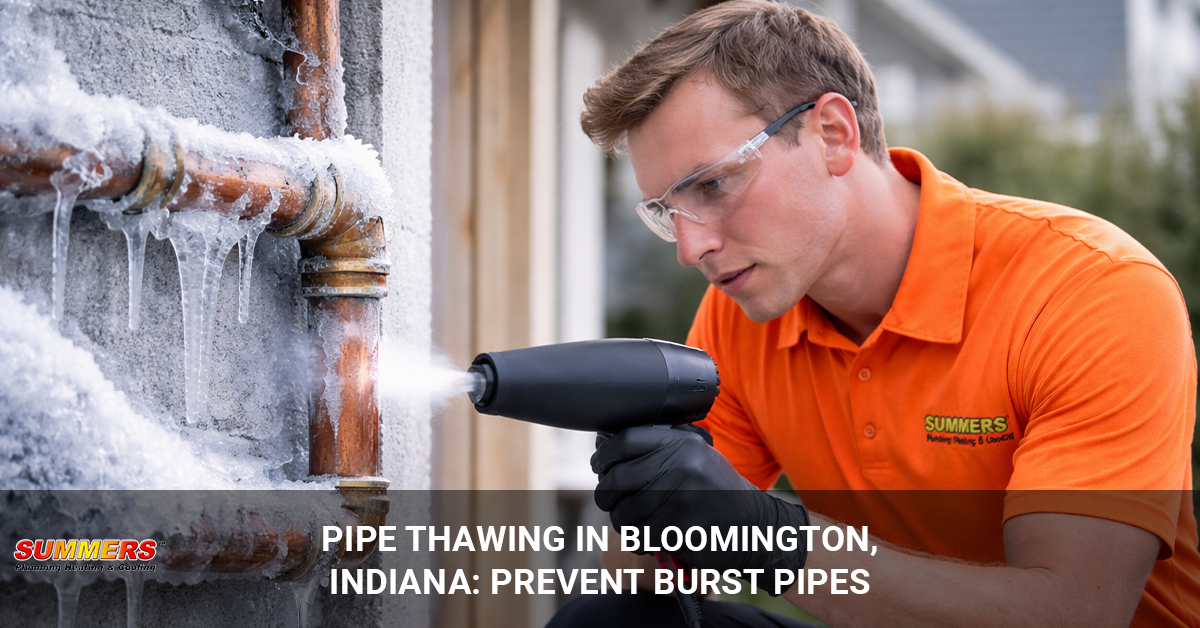
Pipe thawing in Bloomington, Indiana, helps homeowners safely thaw frozen plumbing pipes before they burst. During cold winter weather, water inside pipes can freeze when temperatures drop below freezing. When this happens, the ice blocks the pipe and stops water from flowing through the plumbing system.
Frozen pipes can quickly become a serious problem. When water freezes, it expands inside the pipe and creates pressure against the pipe walls. If the pressure becomes too high, the pipe can crack or burst. Once the ice melts, the damaged pipe may leak or release a large amount of water into the home.
Homes in Bloomington often experience freezing winter temperatures, especially during overnight cold snaps. Pipes located in basements, crawl spaces, attics, garages, or along exterior walls are more vulnerable because they are exposed to colder air.
Thawing pipes quickly and safely helps restore normal water flow and reduces the risk of a burst pipe. Understanding how pipe thawing works can help homeowners protect their plumbing system and prevent costly water damage during winter.
What Happens When Pipes Freeze
Pipes freeze when the water inside them turns into ice during extremely cold temperatures. As the water freezes, it expands and creates pressure inside the pipe.
This pressure can block the flow of water through the plumbing system. If the pressure becomes strong enough, the pipe may crack or burst. Even a small crack can release a large amount of water once the ice begins to melt and water starts flowing again.
Frozen pipes most often occur in areas where plumbing is exposed to cold air. Common places include crawl spaces, garages, basements, attics, and pipes located along exterior walls.
When pipes freeze, you may notice that little or no water comes out of faucets. Normal water flow usually returns once the ice inside the pipe begins to thaw.
Common Causes of Frozen Pipes in Bloomington Homes
Frozen pipes usually occur when plumbing pipes are exposed to very cold temperatures. Several common conditions can increase the risk of pipes freezing during winter in Bloomington homes.
Extremely Cold Weather
Extremely cold weather is the most common cause of frozen pipes. When temperatures stay below freezing for many hours or overnight, the water inside the pipes can begin to freeze.
Pipes in Unheated Areas
Pipes located in unheated areas are more likely to freeze. Spaces such as garages, crawl spaces, basements, and attics often become very cold during winter, which increases the risk of frozen pipes.
Poor Pipe Insulation
Pipes that do not have proper insulation lose heat quickly. Insulation helps keep pipes warmer and protects them from freezing temperatures.
Sudden Temperature Drops
Rapid temperature drops can cause pipes to freeze before homeowners have time to prepare. When temperatures fall quickly, exposed pipes may freeze overnight.
Signs Your Pipes Are Frozen
You can often tell when pipes are frozen by noticing changes in water flow or visible signs on the pipes. Recognizing these warning signs early helps prevent pipes from bursting and causing water damage.
Little or No Water From Faucets
Little or no water coming from a faucet is one of the most common signs of a frozen pipe. Ice inside the pipe blocks the water flow and prevents water from reaching the faucet.
Frost on Pipes
Frost or ice forming on exposed pipes can indicate that the pipe is freezing. This often happens in areas such as basements, garages, or crawl spaces where pipes are exposed to cold air.
Unusual Sounds in Pipes
Frozen pipes may create unusual sounds such as banging, gurgling, or whistling. These noises can occur when water pressure builds up behind a blockage of ice.
Bulging Pipes
A pipe that looks swollen or bulging may be under pressure from expanding ice inside. This is a serious warning sign because the pipe may burst if the pressure continues to increase.
Why Quick Pipe Thawing Is Important
Quick pipe thawing is important because frozen pipes can quickly turn into burst pipes if the pressure continues to build. Thawing the pipe early helps protect your plumbing system and your home from serious damage.
Prevent Burst Pipes
When water freezes inside a pipe, it expands and creates pressure against the pipe walls. Thawing the pipe quickly helps relieve that pressure and reduces the risk of the pipe bursting.
Protect Your Home From Water Damage
A burst pipe can release a large amount of water into your home. Early pipe thawing helps prevent flooding, water damage, and costly repairs to floors, walls, and ceilings.
Restore Normal Water Flow
Thawing the frozen section allows water to move freely through the plumbing system again. Once the ice melts, water pressure and flow usually return to normal. Once the ice melts, water pressure and flow usually return to normal. To keep your system running smoothly, professional drain cleaning in Bloomington, IN can help prevent future blockages and buildup.
Reduce Repair Costs
Fixing frozen pipes early helps avoid more serious plumbing damage. Acting quickly can reduce the need for expensive repairs and prevent damage to your home.
Safe Methods for Pipe Thawing
Frozen pipes should be thawed slowly and safely to prevent the pipe from cracking or bursting. Using gentle heat allows the ice inside the pipe to melt gradually without damaging the plumbing system.
Use a Hair Dryer
A hair dryer is one of the safest tools for thawing frozen pipes. Move the dryer slowly along the pipe so the heat spreads evenly and melts the ice inside the pipe little by little.
Apply Warm Towels
Wrapping the pipe with towels soaked in warm water can help melt the ice gradually. The warmth from the towels slowly transfers heat to the pipe and helps restore water flow.
Use a Space Heater
Placing a space heater near the frozen pipe can warm the surrounding air and help thaw the pipe. Make sure the heater is placed at a safe distance and monitored while it is operating.
Increase Indoor Temperature
Raising the temperature inside your home can help thaw pipes located inside walls or cabinets. Warmer indoor air helps melt the ice more naturally and safely.
What Not to Do When Thawing Pipes
Avoiding certain mistakes is important when thawing frozen pipes. Some actions can damage the plumbing system or increase the risk of a burst pipe.
Avoid Open Flames
Never use a torch, lighter, or any open flame to thaw frozen pipes. Open flames can damage pipes, melt nearby materials, and create a serious fire hazard.
Do Not Apply Sudden High Heat
Applying intense heat too quickly can cause pipes to expand rapidly and crack. Always use gentle and gradual heat when thawing frozen pipes.
Do Not Ignore Frozen Pipes
Frozen pipes should be addressed as soon as possible. Ignoring the problem allows pressure to continue building inside the pipe, which increases the chance of the pipe bursting and causing water damage.
When to Call a Professional for Pipe Thawing
You should call a professional plumber if frozen pipes cannot be thawed safely or if there are signs of damage. Some frozen pipe situations require specialized tools and professional repair.
You should contact a plumber if:
- Pipes do not thaw after using safe thawing methods
- Frozen pipes are located inside walls or ceilings, where they are difficult to reach
- You suspect a pipe has cracked or burst due to pressure from frozen water
- Water leaks appear after the pipe begins to thaw
Professional plumbers use specialized equipment to locate frozen sections of pipe and thaw them safely. They can also repair damaged pipes and restore normal water flow to your home’s plumbing system.
If frozen pipes lead to serious underground damage, you may need expert sewer line repair in Bloomington, Indiana to fully restore your plumbing system and prevent long-term issues.
How Professional Pipe Thawing Works
Professional pipe thawing uses safe methods to locate frozen pipes and restore water flow without damaging the plumbing system. Experienced plumbers follow a careful process to identify the problem and thaw the pipes safely.
Plumbing Inspection
The plumber begins by inspecting the plumbing system to determine where the pipe may be frozen. They check exposed pipes and areas where plumbing lines are commonly affected by cold temperatures.
Locating the Frozen Section
If the frozen pipe is not visible, specialized equipment may be used to locate the frozen section inside the plumbing line. This helps plumbers identify the exact area that needs to be thawed.
Safe Pipe Thawing Techniques
Once the frozen section is found, plumbers apply controlled heat to thaw the pipe gradually. This allows the ice inside the pipe to melt safely without damaging the pipe.
Checking Pipes for Damage
After the pipe is thawed, the plumber inspects the plumbing system for cracks, leaks, or other damage. If any damage is found, repairs are made to restore the plumbing system and prevent future problems.
How to Prevent Frozen Pipes in the Future
You can prevent frozen pipes by protecting plumbing lines from cold air and keeping water moving through the system during extreme winter temperatures. Taking a few preventive steps can help reduce the risk of frozen or burst pipes.
Insulate Exposed Pipes
Insulating exposed pipes helps protect them from freezing temperatures. Pipes located in basements, crawl spaces, garages, or attics are especially important to insulate.
Keep Indoor Temperature Consistent
Maintaining a steady indoor temperature helps keep plumbing pipes warm. Even when you are away from home, it is important to keep the thermostat set to a safe temperature.
Let Faucets Drip During Extreme Cold
Allowing faucets to drip slightly during very cold weather keeps water moving through the pipes. Moving water is less likely to freeze than standing water.
Seal Air Leaks Around Pipes
Sealing gaps and cracks around pipes helps prevent cold air from reaching the plumbing lines. This is especially important for pipes located near exterior walls or unheated spaces.
Tips to Protect Plumbing During Winter in Bloomington
Protecting your plumbing during winter helps reduce the risk of frozen pipes and costly water damage. A few simple steps can help keep your pipes safe when temperatures drop.
Disconnect Outdoor Hoses
Disconnecting outdoor hoses prevents water from freezing inside exterior pipes. If hoses remain attached, trapped water can freeze and cause the pipe to crack.
Open Cabinets Under Sinks
Opening cabinets under sinks allows warm air from inside the home to circulate around the pipes. This helps keep pipes warmer during extremely cold weather.
Maintain Pipe Insulation
Keeping insulation around exposed pipes helps protect them from freezing temperatures. Pipes in basements, garages, and crawl spaces should be insulated before winter arrives.
Schedule Winter Plumbing Inspections
A professional plumbing inspection can help identify pipes that may be vulnerable to freezing. Plumbers can recommend insulation or other preventive measures to protect your plumbing system.
Final Thoughts
Pipe thawing in Bloomington, Indiana, helps prevent frozen pipes from turning into burst pipe emergencies. When pipes freeze, acting quickly can protect your plumbing system and prevent costly water damage.
Safe pipe thawing methods allow the ice inside pipes to melt gradually while reducing pressure inside the pipe. Early action helps restore normal water flow and protect your home from flooding.
If frozen pipes are difficult to thaw or show signs of damage, contacting a professional plumber is the safest option. Professional pipe thawing services can restore proper water flow, repair damaged pipes, and help prevent frozen pipe problems during future winters.