Home Plumbing Inspection Checklist: What to Check
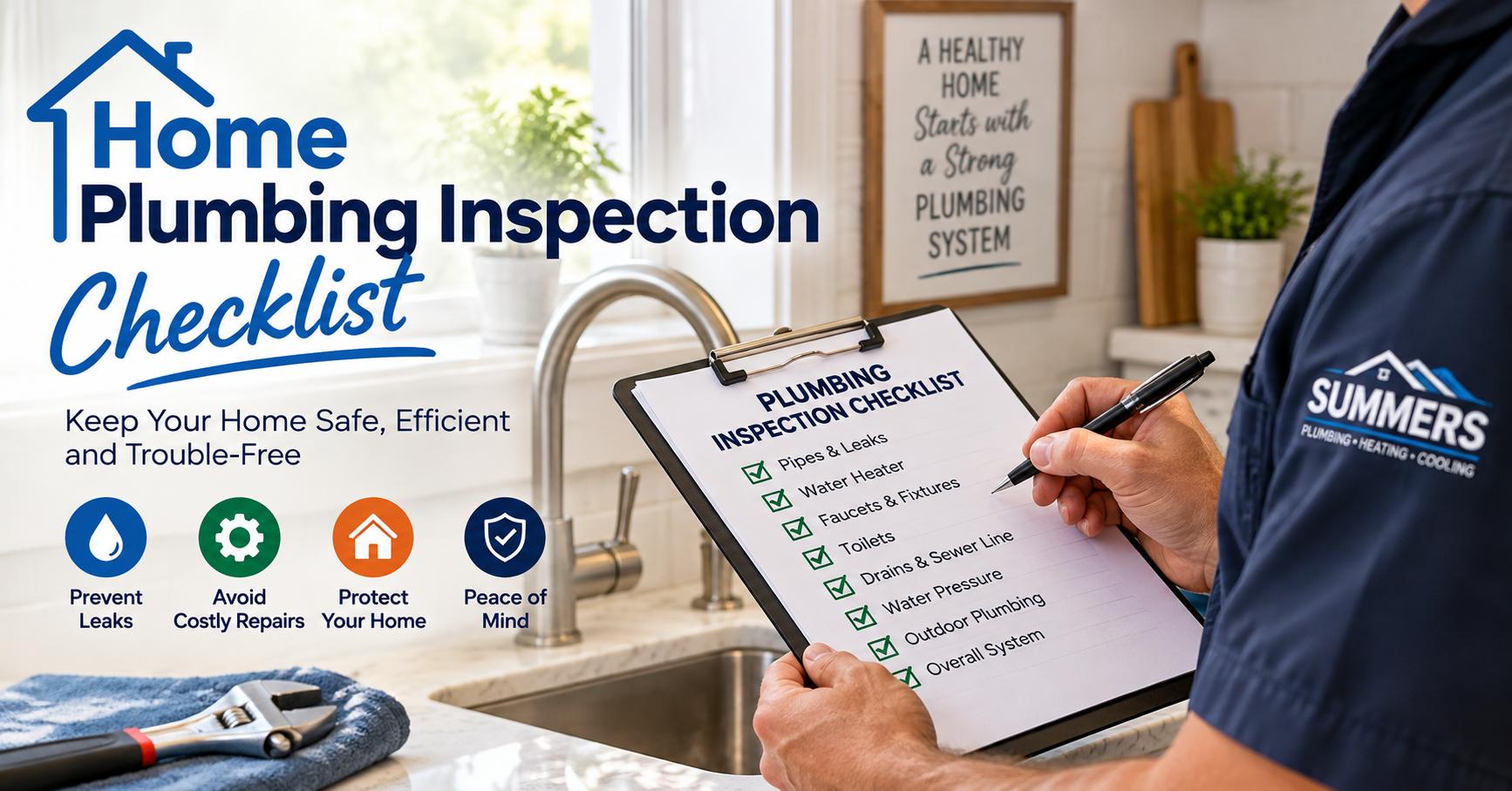
A home plumbing inspection should check faucets, toilets, drains, visible pipes, water pressure, the water heater, shut-off valves, and signs of leaks or water damage.
You don’t need special tools to perform a basic plumbing inspection yourself. A few simple checks can help you catch small problems before they turn into expensive repairs.
Use this home plumbing inspection checklist to inspect your kitchen, bathrooms, utility areas, basement, and outdoor plumbing.
What Should You Check During a Home Plumbing Inspection?
During a home plumbing inspection, check every visible fixture and pipe for leaks, corrosion, drainage problems, water pressure issues, and signs of water damage.
Start with these areas:
- Faucets and sinks
- Toilets
- Showers and tubs
- Drains
- Visible pipes
- Water heater
- Water pressure
- Shut-off valves
- Outdoor faucets
- Main drain and sewer warning signs
Look for both active problems and signs of previous leaks, such as stains, warped cabinets, peeling paint, or musty odors.
Home Plumbing Inspection Checklist
1. Check Faucets and Fixtures
Check every faucet for dripping, leaking connections, corrosion, and poor water flow.
Turn each faucet on and let it run for a few seconds. Check both hot and cold water.
Look around the base of the faucet and underneath the fixture for moisture.
Pay attention to:
- Dripping faucets
- Loose handles
- Low water flow
- Corrosion
- Leaking supply connections
- Water around the faucet base
A small drip may seem harmless, but a persistent leak wastes water and can damage surrounding materials. If you have a faucet that continues to drip or leak, see our guide to faucet repair for common causes and solutions.
2. Inspect Sinks and Cabinets
Check underneath every kitchen and bathroom sink for leaks, moisture, corrosion, and damaged plumbing connections.
Use a flashlight to inspect:
- Supply lines
- Shut-off valves
- Drain pipes
- P-traps
- Faucet connections
- Cabinet floors and walls
Look for water stains, swollen wood, peeling surfaces, or a musty smell.
Run the faucet while watching the pipes underneath. This can help reveal leaks that only occur when water is flowing.
3. Test Every Toilet
Flush every toilet and check for leaks, running water, poor flushing, and movement at the base.
After flushing, make sure the toilet stops running normally.
Check for:
- Water around the base
- A constantly running toilet
- Weak or incomplete flushing
- Cracks in the tank or bowl
- Loose toilet movement
- Leaking supply connections
A toilet that rocks or leaks around its base should be inspected promptly because continued moisture can damage the flooring and subfloor. If the toilet continues to leak, run, or flush poorly, you may need toilet repair from a professional plumber.
4. Check All Drains
Run water through every sink, shower, and bathtub to check for slow drainage or standing water.
A single slow drain may have a local blockage, but several slow drains can indicate a larger drainage problem.
Watch for:
- Slow drainage
- Standing water
- Gurgling sounds
- Unpleasant odors
- Recurring clogs
- Water backing up into another fixture
Don’t rely on chemical drain cleaners as a permanent solution for recurring clogs. A repeated blockage may need professional diagnosis. For more information, see our guide to clogged drains and when DIY cleaning may not be enough.
5. Inspect Exposed Plumbing Pipes
Inspect visible pipes in cabinets, basements, crawl spaces, utility rooms, and other accessible areas for leaks and corrosion.
Look for:
- Dripping water
- Rust or corrosion
- Mineral deposits
- Green or white buildup
- Condensation
- Damaged insulation
- Previous repair work
- Cracked or damaged pipes
Pay particular attention to older pipes and connections.
If you see active leaking or significant corrosion, don’t wait for the problem to become worse.
6. Check Water Pressure
Check whether the water pressure feels unusually high or low at different fixtures.
Turn on a faucet and compare the flow with other fixtures in the home.
Low water pressure can result from a clogged aerator, partially closed valve, supply issue, or plumbing restriction.
High water pressure can put additional stress on plumbing fixtures, pipes, and appliances.
If the pressure seems consistently abnormal throughout the house, a plumber can measure it with a pressure gauge and identify the cause. If you have a private well, low water pressure may be related to your well system and should be checked by a professional.
7. Inspect the Water Heater
Check the water heater for leaks, corrosion, damaged connections, unusual noises, and other visible problems.
Inspect around:
- Water supply connections
- Temperature and pressure relief valve discharge piping
- Drain valve
- Tank base
- Gas or electrical connections, without opening electrical components
Look for water pooling around the unit or signs of previous leakage.
If the water heater makes unusual popping or rumbling sounds, produces inconsistent hot water, or shows visible corrosion, schedule a professional inspection. Regular water heater maintenance can also help identify developing problems before they become major repairs.
Do not open gas components or exposed electrical panels yourself.
8. Locate the Main Water Shut-Off Valve
Every homeowner should know where the main water shut-off valve is located.
The main valve allows you to stop water entering the home during a major leak or plumbing emergency.
Check that:
- You can easily access the valve.
- You know which direction closes it.
- The valve is not buried behind stored items.
- Everyone in the household knows where it is.
Also locate individual shut-off valves under sinks and behind toilets.
Knowing where these valves are can significantly reduce water damage during a plumbing emergency.
9. Check for Hidden Plumbing Leaks
Look for signs of hidden leaks around walls, ceilings, floors, cabinets, and other areas near plumbing fixtures.
Warning signs include:
- Unexplained water stains
- Bubbling or peeling paint
- Warped flooring
- Swollen cabinets
- Musty odors
- Damp areas
- Mold-like growth
- Unexplained increases in water usage
Some leaks occur inside walls or beneath floors and may not be visible during a basic inspection.
If you suspect a hidden leak, a plumber can use specialized leak-detection methods to locate the problem. Learn more about how to detect hidden plumbing leaks and the warning signs homeowners should watch for.
10. Inspect Outdoor Plumbing
Check outdoor faucets, hose connections, exposed pipes, and other accessible plumbing around the property.
Look for:
- Dripping hose bibs
- Leaking connections
- Cracked fixtures
- Damaged pipes
- Poor drainage around plumbing fixtures
Outdoor leaks can waste a significant amount of water because they may go unnoticed for long periods.
11. Check the Main Drain and Sewer Warning Signs
Watch for recurring drainage problems that affect multiple fixtures because they can indicate an issue with the main drain or sewer line.
Possible warning signs include:
- Multiple slow drains
- Repeated backups
- Sewage odors
- Gurgling toilets
- Water backing up in tubs or showers
- Frequent drain clogs
A recurring problem in several areas of the home should not be treated as a normal drain clog. Multiple drainage problems can sometimes point to a larger sewer line problem that requires professional diagnosis.
A plumber may need to inspect the main drain or sewer line to determine the cause.
Room-by-Room Plumbing Inspection Checklist
A room-by-room inspection makes it easier to cover every plumbing fixture without missing problem areas.
| Area | What to Check |
| Kitchen | Faucet, sink, drain, supply lines, dishwasher connection, garbage disposal |
| Bathroom | Faucet, toilet, shower, tub, drains, supply valves |
| Basement | Pipes, water heater, main shut-off, sump pump |
| Laundry Room | Washer hoses, drain, supply valves |
| Garage | Water heater, hose bibs, exposed pipes |
| Exterior | Outdoor faucets, visible pipes, irrigation connections |
Work through each room systematically and make a note of anything that needs repair.
What Plumbing Problems Should You Not Ignore?
Leaks, sewage odors, repeated clogs, water damage, abnormal water pressure, and water heater problems should not be ignored.
Contact a plumber if you notice:
- An active pipe leak
- Water stains that keep returning
- Multiple slow drains
- Sewage backups
- Persistent sewage odors
- Sudden changes in water pressure
- Significant pipe corrosion
- A leaking water heater
- Unexplained increases in water usage
- Water damage around plumbing fixtures
Small plumbing problems can become much more expensive when they are allowed to continue. Problems such as slow drains throughout the house can be especially important to investigate because they may indicate an issue affecting more than one fixture.
How Often Should You Inspect Your Home Plumbing?
A basic plumbing inspection several times a year can help homeowners catch visible problems early, while older or problem-prone homes may benefit from more frequent professional inspections.
A quick check is especially useful:
- Before and after winter
- Before a long vacation
- After major plumbing work
- When buying or selling a home
- After noticing unusual water usage
- When fixtures start behaving differently
Homes with older plumbing, previous leaks, or recurring drain problems may need a professional inspection rather than relying only on visual checks.
Can You Do a Plumbing Inspection Yourself?
You can perform a basic plumbing inspection yourself, but a professional plumber can identify problems that aren’t visible during a routine homeowner check.
You can safely look for visible leaks, test fixtures, check drains, inspect accessible pipes, and locate shut-off valves.
A professional inspection can go further by checking areas such as:
- Hidden leaks
- Water pressure
- Drainage systems
- Sewer lines
- Pipe condition
- Water heater operation
- Hard-to-access plumbing
A homeowner checklist is useful for catching obvious problems, but it cannot replace professional diagnostic equipment when a hidden or complex issue is suspected.
What Does a Professional Plumbing Inspection Include?
A professional plumbing inspection typically checks the home’s visible plumbing, fixtures, water pressure, water heater, drainage, shut-off valves, and other system components based on the home’s condition.
A plumber may inspect:
- Faucets and fixtures
- Toilets
- Supply lines
- Drain pipes
- Visible water lines
- Water pressure
- Water heater
- Shut-off valves
- Drain and sewer systems
- Signs of leaks or corrosion
If there is evidence of a hidden problem, the plumber may recommend additional testing, such as a sewer camera inspection or specialized leak detection.
The exact inspection depends on the home’s age, plumbing system, and reason for the inspection.
How to Prepare for a Plumbing Inspection
Clear access to plumbing fixtures and utility areas before the inspection so the plumber can examine the system properly.
Before the appointment:
- Clear items from under sinks.
- Move stored items away from the water heater.
- Locate the main water shut-off valve.
- Make sure basement or crawl-space access is available.
- Make a list of recurring plumbing problems.
- Note unusual noises or odors.
- Record fixtures with low water pressure.
- Mention any previous leaks or repairs.
Good access helps the inspection move faster and makes it easier to identify problems.
When Should You Call a Plumber?
Call a plumber when you find an active leak, recurring drainage problem, significant corrosion, abnormal water pressure, water heater issue, or signs of a hidden plumbing leak.
Some situations need faster attention than others.
Call promptly for:
- Active pipe leaks
- Water spreading into walls or floors
- Sewer backups
- Major water pressure changes
- Water heater leaks
- Suspected hidden leaks
Schedule a professional inspection for:
- Recurring clogs
- Aging pipes
- Persistent low water pressure
- Unusual plumbing noises
- Repeated fixture leaks
- Unexplained increases in water usage
If you cannot identify the source of a plumbing problem, avoid taking apart components without knowing what you’re doing. A professional diagnosis can prevent additional damage.
Printable Home Plumbing Inspection Checklist
Use this quick checklist for a basic inspection around your home:
- Check faucets for leaks
- Test hot and cold water
- Inspect under sinks
- Check supply lines and shut-off valves
- Flush every toilet
- Check toilet bases for leaks
- Test sinks, showers, and tubs
- Look for slow drains
- Inspect visible pipes
- Check for corrosion or mineral buildup
- Check water pressure
- Inspect the water heater
- Locate the main water shut-off
- Check outdoor faucets
- Look for water stains
- Check for musty odors
- Watch for recurring drain backups
- Check for unexplained water usage
- Schedule professional service if problems are found
Need a Professional Home Plumbing Inspection?
A homeowner checklist can catch visible plumbing problems, but some leaks, pipe issues, drainage problems, and water heater faults require professional testing.
If you’ve noticed leaks, recurring clogs, unusual water pressure, water damage, or other plumbing concerns, a professional inspection can help identify the cause before the problem becomes more serious.
Contact [Company Name] today to schedule a professional home plumbing inspection and get your plumbing system checked.
[Schedule a Plumbing Inspection]
FAQs About Home Plumbing Inspections
What should I check during a home plumbing inspection?
Check faucets, toilets, drains, visible pipes, water pressure, the water heater, shut-off valves, outdoor plumbing, and signs of leaks or water damage.
How often should home plumbing be inspected?
A basic visual inspection several times a year is useful for most homeowners. Older homes or properties with recurring plumbing problems may benefit from more frequent professional inspections.
What are the signs of a plumbing problem?
Common signs include leaks, slow drains, water stains, sewage odors, unusual pipe noises, corrosion, changes in water pressure, running toilets, and unexplained increases in water usage.
How do I check my house for water leaks?
Check faucets, toilets, under-sink plumbing, exposed pipes, the water heater, ceilings, walls, floors, and cabinets for moisture or water damage. Hidden leaks may require professional leak detection.
How do I know if my water pressure is too high?
Consistently strong or unusually forceful water flow throughout the home can indicate high water pressure, but the actual pressure should be measured with a pressure gauge for an accurate assessment.
Should I inspect my water heater?
Yes. Check the water heater for visible leaks, corrosion, damaged connections, unusual noises, and other signs of trouble. Gas and electrical components should be inspected by a qualified professional.
What plumbing problems require a professional?
Active leaks, sewer backups, hidden leaks, significant pipe corrosion, water heater problems, persistent pressure issues, and recurring drainage problems should be professionally diagnosed.
How long does a professional plumbing inspection take?
The inspection time depends on the home’s size, plumbing system, accessibility, and the scope of the inspection. A more detailed inspection may take longer if the plumber needs to investigate hidden leaks or sewer problems.
Is a plumbing inspection necessary when buying a house?
A plumbing inspection is recommended when buying a home because visible fixtures may not reveal hidden leaks, aging pipes, drainage problems, water pressure issues, or sewer-line concerns.