

Well Repair in Bloomington, Indiana: Low Water Pressure Issues
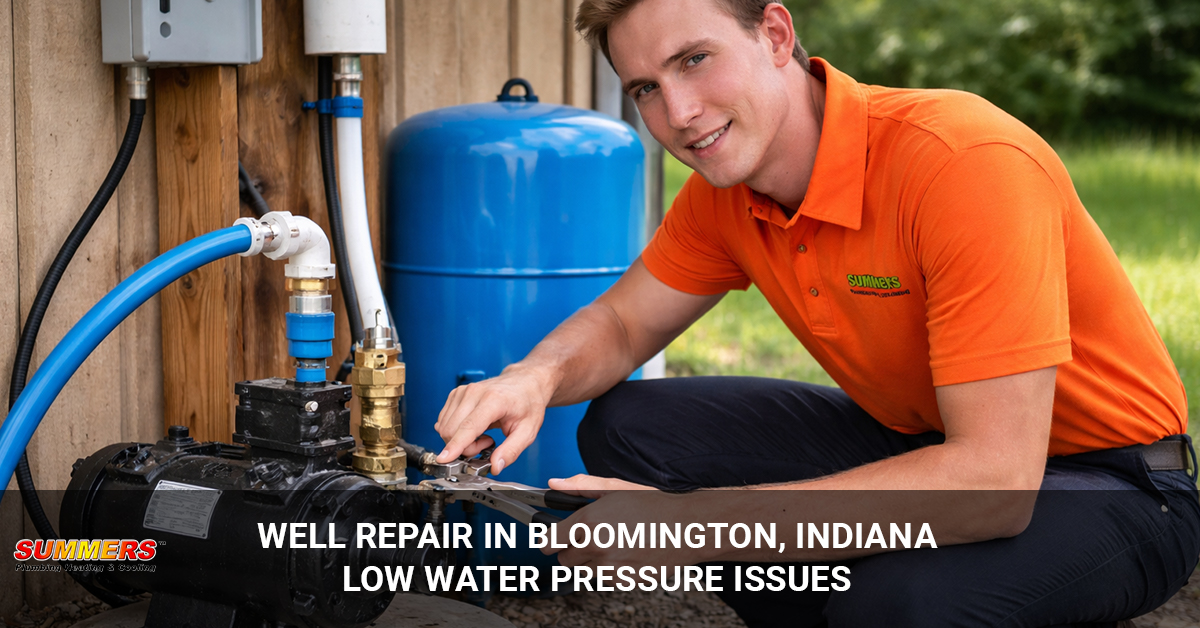
Well repair in Bloomington, Indiana, helps fix low water pressure and restore steady water flow in your home. When a well system has a problem, you may notice weak pressure from faucets, slow showers, or appliances taking longer to fill with water.
Many homes in the Bloomington area rely on private wells for their water supply. Over time, parts of the well system can wear out or become clogged. Problems with the well pump, pressure tank, filters, or plumbing lines can all reduce water pressure.
Low water pressure should not be ignored. If the issue continues, it can put extra strain on the pump and other parts of the system. This may lead to larger repairs and higher costs later.
Repairing the well system early helps restore normal water pressure and keeps the water supply reliable. With proper well repair and maintenance, homeowners can enjoy steady water flow and dependable access to clean water every day.
What Causes Low Water Pressure in Well Systems?
Low water pressure in a well system usually happens when one of the main parts of the system is not working properly. Problems with the pump, pressure tank, pipes, or filters can reduce the amount of water reaching your faucets and appliances.
Failing Well Pump
A failing well pump is one of the most common causes of low water pressure. The pump moves water from the well into your home. If it begins to wear out or lose power, it may not deliver enough pressure for normal water flow.
Clogged Pipes or Filters
Minerals, sediment, and debris can build up inside pipes and water filters over time. This buildup restricts the flow of water and causes pressure to drop.
Pressure Tank Problems
The pressure tank helps maintain steady water pressure throughout the home. If the tank loses air pressure or becomes damaged, the system may not maintain a consistent water flow.
Sediment in the Well
Sediment and mineral buildup inside the well can reduce the amount of water entering the system. This can lead to weaker pressure at faucets and showers.
Plumbing Leaks
Leaks in plumbing lines allow water to escape before it reaches your fixtures. Even small leaks can reduce water pressure throughout the house.
Finding the exact cause of the issue is the first step toward restoring normal water pressure and keeping the well system working properly.
How a Well Water System Maintains Pressure
A well water system maintains pressure by using a well pump and a pressure tank to deliver water throughout the home. These components work together to keep water flowing steadily to faucets, showers, and appliances.
When water is needed, the well pump pulls water from the underground well and pushes it into the pressure tank. The tank stores water and keeps it pressurized so that water flows smoothly through the plumbing system.
A pressure switch controls when the pump turns on and off. When the pressure inside the tank drops below a set level, the switch activates the pump to refill the tank. Once the tank reaches the proper pressure, the switch shuts the pump off.
This cycle repeats whenever water is used in the home. By maintaining the right pressure level, the system ensures consistent water flow for everyday household use.
Signs Your Well Needs Repair
Your well may need repair if you notice sudden changes in water pressure, water flow, or water quality. These warning signs often indicate that a part of the well system is not working properly.
- Weak Water Pressure: Weak water pressure from faucets or showers is one of the most common signs of a well system problem. It usually means the pump, pressure tank, or pipes are not delivering water properly.
- Water Sputtering from Faucets: If water sputters or spits when you turn on a faucet, there may be air trapped in the plumbing lines. This can happen when the well system has pressure issues or leaks.
- Pump Running Constantly: A well pump that runs continuously may indicate a pressure tank problem, a leak in the plumbing system, or a pump that is struggling to maintain pressure.
- Cloudy or Dirty Water: Water that appears cloudy, muddy, or discolored may contain sediment from the well. This can happen when the well system or filters need maintenance or repair.
- No Water Flow: If no water comes from the faucets, the well pump, pressure switch, or electrical system may have failed.
Noticing these signs early allows homeowners to address problems quickly and avoid more serious damage to the well system.
Common Well Repair Solutions for Low Water Pressure
Low water pressure from a well system is usually fixed by repairing or replacing the components that control water flow and pressure. Once the problem is identified, the right repair can restore normal water pressure in the home.
- Well Pump Repair or Replacement: Repairing or replacing a worn-out well pump can restore proper water pressure. If the pump is weak or failing, it may not move enough water from the well to the house.
- Pressure Tank Repair: Repairing a damaged pressure tank can help restore steady water pressure. If the tank loses air pressure or develops internal problems, it may not maintain consistent pressure in the plumbing system.
- Pipe and Valve Repairs: Fixing leaks or clearing blockages in pipes and valves can improve water flow. Even small leaks or mineral buildup can reduce water pressure throughout the home.
- Filter Replacement: Replacing clogged water filters helps remove sediment and debris that restricts water flow. Clean filters allow water to move freely through the system.
These repairs help restore the well system to normal operation and improve water pressure throughout the home. Fixing leaks or clearing blockages in pipes and valves can improve water flow. Even small leaks or mineral buildup can reduce water pressure throughout the home. In some situations, professional drain cleaning services in Bloomington can help remove buildup and restore proper flow.
Why Low Water Pressure Should Be Fixed Quickly
Low water pressure should be fixed quickly to prevent damage to your well system and maintain a reliable water supply. Ignoring the problem can cause additional stress on the pump and other system components.
- Prevents Pump Damage: A well pump that struggles to maintain pressure may run longer than normal. This extra workload can wear out the pump faster and lead to costly repairs or replacement.
- Protects Plumbing Components: Low pressure can create irregular water flow in pipes and fixtures. Over time, this can put stress on plumbing components and affect how appliances and fixtures work.
- Maintains Reliable Water Supply: Fixing low water pressure ensures your home receives steady water flow for everyday tasks such as showering, cooking, and cleaning.
Prompt repairs help keep the well system operating efficiently and prevent small issues from turning into larger problems.
How Professionals Diagnose Well-Pressure Problems
Professionals diagnose well pressure problems by testing the well system and inspecting its main components. This process helps identify the exact cause of low water pressure so the correct repair can be made.
- Water Pressure Testing: Technicians test the water pressure in the plumbing system to see if it falls within the normal range. This helps determine whether the issue is related to the pump, pressure tank, or plumbing.
- Pump Inspection: The well pump and its electrical connections are inspected to make sure they are working properly. A weak or failing pump can reduce water pressure throughout the home.
- Pressure Tank Evaluation: Professionals check the pressure tank to confirm it has the correct air pressure and is functioning properly. A damaged or poorly pressurized tank can lead to inconsistent water pressure.
- Plumbing Inspection: Pipes, valves, and filters are examined for leaks, clogs, or sediment buildup that may restrict water flow.
A careful inspection of the system allows technicians to find the root cause of the pressure problem and perform the right repair.
Preventive Maintenance for Well Systems
Preventive maintenance helps keep your well system working properly and reduces the risk of low water pressure. Regular checks and simple upkeep can extend the life of the pump, pressure tank, and other system components.
- Annual Well Inspections: Annual inspections help detect small issues before they become major problems. A professional can check the well system and make sure all components are working correctly.
- Pump Maintenance: Regularly checking the well pump helps ensure it operates efficiently. Early detection of wear or damage can prevent sudden pump failure.
- Filter Replacement: Replacing water filters on schedule prevents sediment and mineral buildup. Clean filters allow water to flow freely and help maintain steady pressure.
- Water Quality Testing: Testing water quality helps identify minerals, sediment, or contaminants that could affect the well system. This also ensures your household water remains safe to use.
Routine maintenance helps the well system run smoothly and provides dependable water pressure throughout the year.
When to Call a Professional for Well Repair
You should call a professional for well repair if low water pressure continues or if your well system stops working properly. Some well problems require specialized tools and experience to diagnose and fix safely.
Professional help may be needed in the following situations:
- Water Pressure Suddenly Drops: A sudden drop in water pressure may indicate a pump problem, pressure tank issue, or blockage in the system.
- The Well Pump Runs Constantly: If the pump runs nonstop, it may be struggling to maintain pressure. This can happen when the pressure tank fails or there is a leak in the plumbing system.
- No Water Flows from Faucets: If no water comes from the taps, the well pump, pressure switch, or electrical system may have stopped working.
- Water Appears Dirty or Cloudy: Cloudy or discolored water may indicate sediment buildup, filter problems, or issues inside the well.
- The Pressure Tank Stops Working: A faulty pressure tank can cause inconsistent pressure or prevent the system from delivering water properly.
Experienced technicians can inspect the system, identify the cause of the problem, and perform the necessary repairs to restore normal water pressure.
Final Thoughts
Well repair in Bloomington, Indiana, helps homeowners maintain a steady and reliable water supply. When low water pressure occurs, it can make everyday tasks like showering, cooking, and cleaning more difficult.
Fixing the problem early is important. Identifying the cause of low pressure and repairing the well system can restore normal water flow and prevent further damage to the pump, pressure tank, or plumbing.
With regular maintenance and timely repairs, a well system can continue to provide dependable water pressure for many years. Professional support also helps ensure the system stays efficient and reliable for your household.