
Water Heater Maintenance in Bloomington, Indiana: Annual Flush Checklist
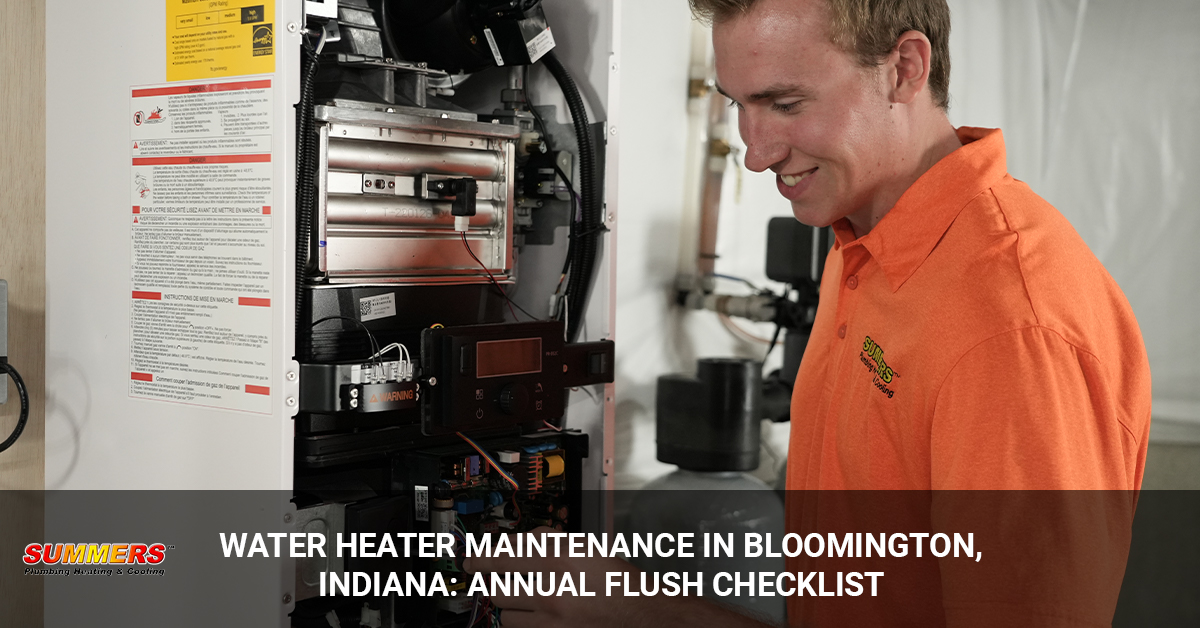
Water heater maintenance in Bloomington, Indiana, keeps your hot water reliable and your system running efficiently. If you want consistent hot water and lower energy bills, regular maintenance is a must.
Over time, minerals in the water settle at the bottom of your tank. This sediment buildup makes your heater work harder, increases your utility costs, and can shorten the life of the unit.
The simplest way to prevent these problems is an annual flush. Flushing your water heater removes sediment, improves heating performance, and helps you avoid unexpected breakdowns.
In this guide, you’ll get a clear, step-by-step checklist you can follow. Whether you plan to do it yourself or call a professional, these steps will help you keep your water heater in good shape year-round.
Why Annual Water Heater Maintenance Is Important
Annual water heater maintenance is important because it keeps your system efficient, reliable, and less likely to break down. When you take care of your water heater each year, it runs better, uses less energy, and lasts longer.
Prevent Sediment Buildup
Annual maintenance prevents sediment buildup by removing minerals that settle at the bottom of the tank. In Bloomington, Indiana, mineral-rich water can leave deposits inside your water heater. Learn more about sediment buildup in water heaters, including what causes it, how it affects your system, and how to fix it. Over time, this layer hardens and blocks heat transfer. Flushing the tank clears out this buildup and keeps the system working properly.
Improve Energy Efficiency
Regular maintenance improves energy efficiency by helping your water heater heat water faster with less effort. When sediment is removed, the burner or heating element doesn’t have to work as hard. This can lower your energy bills and improve overall performance.
Extend Water Heater Lifespan
Maintenance extends your water heater’s lifespan by reducing stress on internal parts. A clean system runs smoothly and avoids unnecessary wear and tear. With yearly care, your unit can last several years longer than a neglected one.
Reduce Risk of Breakdowns
Annual maintenance reduces the risk of breakdowns by catching small problems early. During a routine check, you can spot leaks, worn parts, or pressure issues before they turn into costly repairs. This helps you avoid sudden loss of hot water.
Signs Your Water Heater Needs Flushing
Your water heater needs flushing if you notice noise, discolored water, less hot water, or rising energy bills. These signs usually mean sediment has built up inside the tank and is affecting performance.
Noisy Tank
A noisy tank is a clear sign your water heater needs flushing because hardened sediment traps heat and creates popping or rumbling sounds. As the unit heats water, the buildup causes small bursts of steam, which leads to these noises. Flushing removes the sediment and quiets the system.
Rusty or Discolored Water
Rusty or discolored water often means there is buildup or corrosion inside the tank. If your hot water looks brown or cloudy, sediment or rust may be mixing into your water supply. Flushing the tank helps clear out these particles and improve water quality. For additional water quality solutions, learn more about reverse osmosis and how it can improve your home’s water.
Reduced Hot Water Supply
A reduced hot water supply is a common sign of sediment taking up space in the tank. When buildup collects at the bottom, there is less room for hot water. This means your hot water runs out faster than normal.
Higher Energy Bills
Higher energy bills can indicate your water heater is working harder due to sediment buildup. When the system struggles to heat water efficiently, it uses more energy. Flushing the tank helps restore efficiency and lower operating costs.
Annual Water Heater Flush Checklist (Step-by-Step)
Flushing your water heater each year removes sediment, improves efficiency, and helps prevent damage. You can do it yourself if you follow the steps carefully and take basic safety precautions.
Step-by-Step Checklist
- Turn off the power or gas: Turn off the breaker for electric units or set the gas valve to “pilot.” This keeps the system safe while you work.
- Shut off the cold water supply: Close the valve that sends cold water into the tank. This stops the tank from refilling during the process.
- Attach a garden hose to the drain valve: Connect a hose to the drain valve at the bottom of the tank. Make sure it’s secure to avoid leaks.
- Direct the hose to a safe drainage area: Run the hose to a floor drain, sink, or outside. The water may be hot, so choose a safe location.
- Open the drain valve and empty the tank: Open the valve slowly and let the water flow out. This removes most of the sediment sitting at the bottom.
- Flush the tank with fresh water: Turn the cold water supply on for a few seconds, then off again. This helps push out any remaining sediment.
- Close the drain valve and remove the hose: Once the water runs clear, close the valve tightly and disconnect the hose.
- Refill the tank: Turn the cold water supply back on and let the tank fill completely before restoring power.
- Restore power or gas and test the system: Turn the power back on or switch the gas valve to normal. Run hot water to make sure everything is working properly.
This process usually takes about 30 to 60 minutes and can make a noticeable difference in how your water heater performs.
Tools and Materials Needed for Flushing
You need a few basic tools to flush your water heater safely and quickly. Having everything ready before you start helps you avoid delays and makes the job easier.
- Garden Hose: A garden hose is used to drain water from the tank. It connects to the drain valve and directs water to a safe drainage area.
- Bucket (If Needed): A bucket helps catch any remaining water or small spills. It’s useful if you don’t have direct access to a floor drain.
- Adjustable Wrench: An adjustable wrench helps you tighten or loosen the drain valve or connections if needed. It gives you better control without damaging parts.
- Work Gloves for Safety: Work gloves protect your hands from hot water, sharp edges, and dirt. They also give you a better grip while handling tools.
Having these tools ready makes the flushing process smoother, safer, and more efficient.
How Often Should You Flush a Water Heater in Bloomington, Indiana?
You should flush your water heater once a year in Bloomington, Indiana, to keep it running efficiently and prevent sediment buildup. This yearly maintenance is enough for most homes.
If your home has hard water, you may need to flush it every six months. Hard water contains more minerals, which settle faster and create buildup inside the tank.
Bloomington’s water quality can vary, so sediment can build up more quickly in some homes. Regular flushing helps protect your system, improve performance, and avoid long-term damage.
DIY vs Professional Water Heater Maintenance
You can handle basic water heater maintenance yourself, but professional service is better for complex issues or safety concerns. The right choice depends on your experience and the condition of your system.
When DIY Is Safe
DIY maintenance is safe if your water heater is in good condition and you’re comfortable following simple steps. Flushing the tank, checking for visible leaks, and testing basic functions are tasks most homeowners can handle. As long as you follow safety steps, the process is straightforward.
When to Call a Professional
You should call a professional if you notice leaks, inconsistent heating, or unusual noises that continue after flushing. These signs often point to deeper issues like worn parts or internal damage. If the problem continues, professional water heater repair can help restore reliable hot water. A technician can inspect the system, fix problems safely, and prevent further damage.
Cost of Professional Flushing in Bloomington
Professional water heater flushing in Bloomington usually costs between $100 and $300. The final cost depends on the system type, condition, and any additional maintenance needed. Paying for service can save money over time by preventing major repairs.
Additional Water Heater Maintenance Tips
Water heater maintenance includes more than just flushing because other parts also affect performance and safety. Checking key components regularly helps your system run better and last longer.
Check the Anode Rod
The anode rod prevents rust inside the tank by attracting corrosion. Over time, it wears out and needs replacement. Check it every 1–2 years and replace it if it looks heavily corroded.
Test the Pressure Relief Valve
The pressure relief valve keeps your tank from building too much pressure. If you notice pressure-related problems or unusual water heater behavior, learn about the signs your water heater expansion tank has failed and when it may need professional attention. Lift the valve slightly to make sure water flows out, then let it close. If it doesn’t work properly, it should be replaced.
Inspect for Leaks
Checking for leaks helps you catch problems early before they cause damage. Look around the base of the tank, valves, and connections for any signs of water or moisture.
Set the Right Temperature
Setting the right temperature improves safety and efficiency. For more guidance, learn what temperature a water heater should be set to for safe and efficient operation. Keep your water heater at 120°F to reduce energy use and lower the risk of burns.
Common Mistakes to Avoid During Flushing
Avoiding common mistakes during flushing helps protect your water heater and ensures the job is done correctly. Small errors can lead to damage, safety risks, or poor results.
Forgetting to Turn Off Power
You should always turn off the power or gas before draining the tank to avoid damage or safety hazards. Running the heater without water can damage heating elements.
Not Fully Draining the Tank
Not fully draining the tank leaves sediment behind, which reduces the effectiveness of the flush. Let the tank empty completely before refilling.
Skipping Safety Precautions
Skipping safety steps can lead to burns or accidents. Always be careful with hot water, wear gloves if needed, and make sure the drainage area is safe.
Using Too Much Force on Valves or Connections
Using too much force can damage valves or fittings. Open and close connections slowly and carefully to avoid costly repairs.
Taking your time during the process helps prevent damage and ensures your water heater is properly maintained.
When to Replace Instead of Maintain
You should replace your water heater instead of maintaining it when it becomes old, inefficient, or keeps having problems. At some point, repairs stop being cost-effective, and a new unit becomes the better choice.
Your Water Heater Is Over 10 Years Old
If your system is over 10 years old or keeps failing, it may be time to consider a water heater installation in Bloomington, IN, for better efficiency and reliability.
Frequent Repairs Are Needed
If you’re calling for repairs often, it’s a sign your system is wearing out. Replacing the unit can save you money compared to repeated service costs.
Efficiency Continues to Drop
A drop in efficiency means your water heater is using more energy to do the same job. If flushing and maintenance don’t improve performance, replacement is the better option.
You Notice Ongoing Leaks
Ongoing leaks usually indicate internal tank damage, which cannot be fixed. In this case, replacing the water heater is necessary to prevent water damage.
Upgrading to a new water heater improves efficiency, reliability, and long-term savings. Catching leaks early during maintenance can help you prevent water damage in Bloomington, IN, and avoid costly repairs.
Water Heater Maintenance Services in Bloomington, Indiana
Professional water heater maintenance services in Bloomington, Indiana, ensure your system is fully inspected, cleaned, and running efficiently. Hiring a local technician gives you peace of mind and helps prevent unexpected problems.
A professional service includes more than just flushing. Technicians check key components, test system performance, and look for hidden issues like worn parts, pressure problems, or early signs of failure. This full inspection helps keep your water heater safe and reliable.
Professional maintenance is especially helpful if your system hasn’t been serviced in a while or if you’re not comfortable doing the work yourself. An expert can handle the job quickly and correctly, reducing the risk of mistakes.
Regular service also helps improve efficiency, extend the life of your unit, and lower the chances of costly repairs in the future.
Final Thoughts
Water heater maintenance in Bloomington, Indiana, keeps your system reliable, efficient, and less likely to fail. A simple yearly flush can make a big difference in performance and cost savings.
By removing sediment, you help your water heater heat faster, use less energy, and last longer. This small step also reduces the risk of unexpected breakdowns and costly repairs.
You can follow this checklist yourself or schedule professional service for a complete inspection. Either way, staying consistent with maintenance helps ensure you always have dependable hot water when you need it.