
What Temperature Should a Water Heater Be Set To?
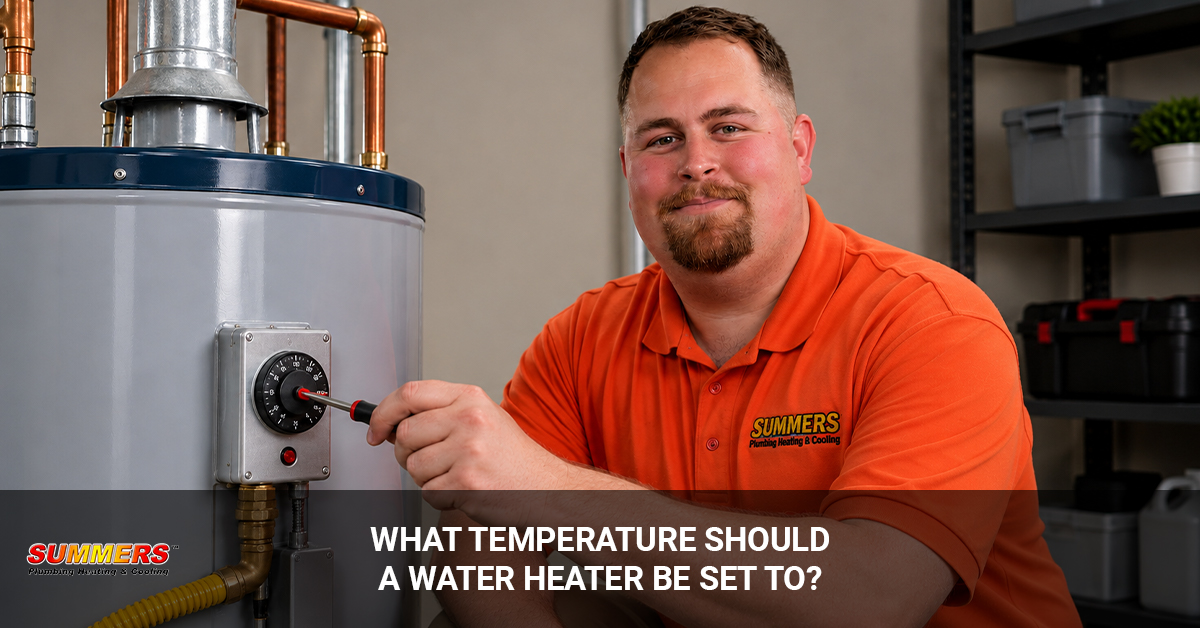
For most homes, the best water heater temperature is 120°F (49°C). It provides enough hot water for everyday use while helping reduce energy costs, prevent scalding, and keep your water heater running efficiently for longer.
Many homeowners never check their water heater’s thermostat because it works quietly in the background. But the temperature setting has a bigger impact than most people realize. It affects your monthly energy bills, the amount of hot water available, your family’s safety, and even the lifespan of your water heater.
If the temperature is set too high, your water heater uses more energy and the risk of accidental burns increases. If it’s set too low, you may run out of hot water sooner than expected, and in some cases, it can create conditions that allow bacteria to grow inside the tank.
The good news is that choosing the right temperature is simple. For most households, 120°F offers the ideal balance of comfort, safety, and efficiency without sacrificing performance.
In this guide, you’ll learn why 120°F is the recommended setting, when it makes sense to use a higher temperature, what happens if your water heater is set too high or too low, and how to choose the best setting for your home’s hot water needs.
Why Is 120°F the Recommended Water Heater Temperature?
A water heater temperature of 120°F (49°C) is recommended because it provides the best balance of safety, comfort, energy efficiency, and performance for most homes. It delivers plenty of hot water for daily use while helping lower utility bills and reducing the risk of accidental burns.
Many water heaters come from the factory set to 140°F, but that’s often higher than most households actually need. By lowering the thermostat to 120°F, you can still enjoy comfortable hot water for showers, laundry, dishwashing, and cleaning while using less energy and putting less strain on your water heater.
Here are the main reasons 120°F is the recommended setting for most homes.
Reduces the Risk of Scalding
A 120°F setting makes hot water much safer for everyday use. Water that’s too hot can cause painful burns within seconds, especially for young children, older adults, and anyone with sensitive skin.
Lowering the thermostat to 120°F significantly reduces the risk of scalding while still providing comfortable hot water for bathing and other daily tasks. It’s one of the easiest ways to make your home safer without sacrificing comfort.
Lowers Energy Costs
Keeping your water heater at 120°F can help reduce your energy bills. Heating water accounts for a noticeable portion of a home’s energy use, and every degree above what’s needed means your water heater has to work harder.
By maintaining the recommended temperature, your system uses less energy to keep water hot throughout the day. Over time, that can lead to lower monthly utility costs without affecting your daily routine.
Provides Enough Hot Water for Most Homes
For most families, 120°F provides all the hot water they need. It’s hot enough for comfortable showers, washing dishes, doing laundry, and everyday cleaning.
Because hot water is mixed with cold water before it reaches your faucet or showerhead, a 120°F water heater still delivers a comfortable water temperature for normal household use. Unless your home has unusually high hot water demand, there’s usually no need to increase the thermostat.
Helps Extend the Life of Your Water Heater
A lower temperature helps reduce wear and tear on your water heater. When the thermostat is set higher than necessary, the unit works harder to maintain that temperature, which can put extra stress on heating elements, burners, and other internal components.
A 120°F setting also slows the buildup of mineral deposits inside the tank, especially in areas with hard water. Less sediment means better efficiency, fewer performance problems, and a longer lifespan for your water heater.
Combined with regular maintenance, keeping your water heater at the recommended temperature can help you avoid unnecessary repairs and get more years out of your system.
Is 120°F Hot Enough for Everyday Use?
Yes, 120°F is hot enough for everyday use in most homes. It provides comfortable hot water for showering, washing dishes, doing laundry, and general household cleaning while using less energy than higher temperature settings.
Many homeowners worry that lowering the water heater to 120°F will leave them with lukewarm water. In reality, that’s rarely the case. Since hot water is mixed with cold water before it reaches your faucet or showerhead, 120°F provides more than enough heat for most daily activities.
Here’s what you can expect from a water heater set to 120°F.
Showering
A 120°F water heater provides comfortable showers for most people. The water leaving the tank is hotter than the temperature you actually shower in. As hot and cold water mix, the water reaching the showerhead is typically around 100°F to 105°F, which most people find comfortable.
Unless you prefer unusually hot showers, there’s no need to store water at a higher temperature.
Washing Dishes
Yes, 120°F is hot enough for washing dishes. It easily removes grease, food residue, and everyday messes when washing dishes by hand.
If you use a dishwasher, there’s even less to worry about. Most modern dishwashers have built-in heating elements that automatically raise the water temperature during the wash and sanitizing cycles when needed.
Doing Laundry
A 120°F setting works well for most laundry loads. Today’s detergents are designed to clean effectively in warm or even cold water, so extremely hot water is usually unnecessary.
Only certain items, such as heavily soiled work clothes, cloth diapers, or fabrics with special care instructions, may require hotter water. Always check the garment’s care label before selecting a wash temperature.
Everyday Household Cleaning
A water heater set to 120°F provides plenty of hot water for routine household cleaning. Whether you’re washing your hands, cleaning kitchen counters, mopping floors, or wiping down bathroom surfaces, this temperature offers the right combination of cleaning performance, comfort, and safety.
For most households, increasing the thermostat won’t make these everyday tasks noticeably easier; it will simply use more energy.
Overall, 120°F gives most homeowners everything they need from a water heater. It delivers reliable hot water for daily use while helping lower energy costs, reducing the risk of scalding, and putting less strain on the water heater over time.
When Should You Set Your Water Heater Above 120°F?
Most homeowners should keep their water heater set to 120°F, but there are a few situations where a higher temperature may be appropriate. If your household has unusually high hot water demand or specific health or equipment requirements, increasing the temperature to 130°F or higher may make sense.
That said, a higher setting isn’t always the best solution. It uses more energy and increases the risk of scalding, so you should only raise the temperature when there’s a clear reason to do so.
Here are the most common situations where setting your water heater above 120°F may be beneficial.
Large Households with High Hot Water Demand
A higher temperature can help if your household regularly runs out of hot water. In homes where several people shower back-to-back or multiple appliances use hot water at the same time, a 130°F setting can increase the amount of usable hot water available.
Before raising the thermostat, however, consider whether your water heater is the right size for your household. If your family has grown or your hot water needs have increased, comparing tankless vs. traditional water heaters can help you choose the right system for your home.
If you decide to increase the temperature, installing a thermostatic mixing valve is a smart safety measure. It blends hot and cold water before it reaches your faucets, helping reduce the risk of scalding.
Homes with Special Health or Sanitation Needs
Some households may need a higher water temperature for health reasons. People with weakened immune systems or certain medical conditions may be advised to store water at a higher temperature to help reduce the risk of harmful bacteria in the water heater.
Healthcare facilities, nursing homes, and some commercial buildings also maintain higher water temperatures to meet sanitation standards.
If you think your household falls into this category, speak with a licensed plumber or healthcare professional before changing your water heater’s settings.
Manufacturer or Appliance Recommendations
Always follow your manufacturer’s recommendations if they differ from the standard 120°F setting. While most modern water heaters and household appliances work efficiently at 120°F, some models may have different operating requirements.
Check your water heater’s owner’s manual for the recommended thermostat setting. Following the manufacturer’s guidelines helps ensure safe operation, better performance, and may also protect your warranty.
For most homeowners, though, 120°F remains the best balance of safety, comfort, and energy efficiency, and there’s usually no need to increase the temperature unless your household has a specific requirement.
What Happens If the Temperature Is Set Too High?
Setting your water heater above the recommended 120°F can increase the risk of burns, raise your energy bills, and put extra strain on your water heater. While hotter water might seem like a good idea, most homeowners won’t notice any real benefit in their daily routine. Instead, they’re more likely to experience higher operating costs and faster wear on the system.
Here are the biggest drawbacks of setting your water heater temperature too high.
Increased Risk of Scalding
Hotter water can cause serious burns in just a few seconds. Water stored at 140°F is much more dangerous than water stored at 120°F, especially for young children, older adults, and people with sensitive skin.
Even a brief exposure to very hot water can lead to painful scalding injuries. Keeping your water heater at 120°F helps protect everyone in your household while still providing comfortable hot water for everyday use.
Higher Energy Bills
The higher the temperature, the more energy your water heater uses. Your water heater has to work continuously to heat and maintain the water inside the tank. Raising the thermostat means it runs longer and consumes more gas or electricity.
Over time, this extra energy use adds up, increasing your monthly utility bills without providing a noticeable improvement in comfort or convenience.
Faster Sediment Buildup
Higher water temperatures can speed up sediment buildup inside the tank. As water heats up, minerals like calcium and magnesium separate more quickly and settle at the bottom of the water heater.
Over time, this layer of sediment makes your water heater less efficient, forces it to work harder, and may lead to strange noises, longer heating times, and higher energy costs. Keeping the temperature at 120°F and flushing the tank regularly can help slow this buildup.
More Wear and Tear on the Water Heater
Running your water heater at a higher temperature puts extra stress on its internal components. Heating elements, burners, thermostats, and other parts have to work harder to maintain hotter water throughout the day.
This added strain can lead to more frequent repairs and may shorten the lifespan of your water heater. By keeping the thermostat at the recommended 120°F, you can help your system operate more efficiently and potentially avoid unnecessary maintenance costs.
What Happens If the Temperature Is Set Too Low?
Setting your water heater below 120°F can leave you with less hot water, reduce cleaning performance, and create conditions where harmful bacteria are more likely to grow. While lowering the thermostat may save a little energy, setting it too low often causes more problems than benefits.
For most homes, 120°F is the lowest temperature that still provides a good balance of comfort, safety, and efficiency.
Here are the most common issues caused by setting your water heater temperature too low.
Less Hot Water Available
A lower thermostat setting means you’ll have less usable hot water. Showers may start warm but turn lukewarm more quickly, especially if several people are using hot water one after another.
You may also notice that the dishwasher, washing machine, and other hot water appliances compete for the available supply. If your household already struggles to keep up with hot water demand, lowering the temperature will usually make the problem worse.
Possible Bacteria Growth
Very low water temperatures can increase the risk of bacteria growing inside the water heater tank. Certain bacteria, including Legionella, are more likely to survive in water that’s stored below the recommended temperature.
This is one of the main reasons plumbing professionals and manufacturers generally recommend keeping residential water heaters at 120°F or following the temperature guidelines provided by the manufacturer.
Reduced Cleaning Performance
Cooler water isn’t as effective at removing grease, oils, and stubborn dirt. While today’s detergents clean well in warm or cold water, some household tasks still benefit from properly heated water.
A water heater set to 120°F provides enough heat for washing dishes, cleaning surfaces, and handling most everyday household chores without wasting energy.
Inconsistent Hot Water
A water heater that’s set too low may deliver less consistent hot water. You might notice the water temperature dropping during long showers or changing unexpectedly when multiple fixtures are running at the same time.
This can make everyday tasks less comfortable and leave your home’s hot water supply feeling unreliable.
For most homeowners, keeping the water heater at 120°F provides the best combination of comfort, safety, energy efficiency, and reliable hot water throughout the day.
How to Check Your Water Heater Temperature
The easiest way to check your water heater temperature is to measure the hot water at a faucet with a thermometer. This shows the actual temperature of the water coming from your water heater and helps you determine whether the thermostat is set correctly.
You don’t need any special tools, just a simple cooking or digital thermometer.
Follow these steps:
- Turn on the hot water at the faucet closest to your water heater.
- Let the water run for 2 to 3 minutes so it reaches its maximum temperature.
- Fill a cup or container with the hot water.
- Place a cooking or digital thermometer in the water.
- Wait a few seconds, then read the temperature.
If the thermometer reads around 120°F (49°C), your water heater is set to the recommended temperature for most homes. A higher temperature may increase energy consumption and raise the risk of scalding.
A lower temperature, on the other hand, may not provide enough hot water for daily use and could indicate that your water heater needs to be adjusted.
Keep in mind that the thermostat setting doesn’t always match the actual water temperature. Factors like sediment buildup, a faulty thermostat, or an aging water heater can affect performance. If the measured temperature is consistently different from the thermostat setting or your hot water temperature frequently changes, scheduling professional water heater repair can help identify and fix the underlying problem.
Tips for Choosing the Right Water Heater Temperature
The best water heater temperature is one that gives you enough hot water while keeping your family safe and your energy bills under control. For most households, that means setting the thermostat to 120°F (49°C).
If you’re unsure whether your current setting is right, these simple tips can help you make the best choice.
Start with 120°F
Set your water heater to 120°F first. This is the temperature recommended by most plumbing professionals because it provides enough hot water for everyday use while reducing energy consumption and lowering the risk of scalding.
For the vast majority of homes, there’s no need to set the temperature any higher.
Only Increase the Temperature If Necessary
Raise the temperature only if your household has a specific need. If you’re constantly running out of hot water, don’t assume the thermostat is the problem. Your water heater may be too small for your household, or it may need maintenance.
If you do increase the temperature, make small adjustments and monitor the results rather than turning it up significantly.
Flush Your Water Heater Regularly
Regular maintenance helps your water heater work more efficiently. Over time, minerals settle at the bottom of the tank and reduce heating performance.
Flushing the tank once a year as part of annual water heater maintenance helps remove sediment and keeps your water heater operating efficiently. If you live in an area with hard water, flushing it every six months can help prevent excessive buildup.
Consider a Thermostatic Mixing Valve
A thermostatic mixing valve improves safety if you need a higher storage temperature. It mixes hot and cold water before it reaches your faucets, allowing the water heater to store hotter water while delivering safer water at taps and showerheads.
This can be a good option for larger households or homes with higher hot water demands.
Schedule Professional Maintenance
A yearly inspection can help keep your water heater running safely and efficiently. A licensed plumber can check the thermostat, heating elements or burner, anode rod, pressure relief valve, and other important components to catch small problems before they become expensive repairs.
Regular maintenance not only improves performance but can also help extend the lifespan of your water heater.
For most homeowners, keeping the thermostat at 120°F, performing routine maintenance, and only increasing the temperature when necessary are the best ways to ensure a safe, reliable, and energy-efficient hot water supply.
Frequently Asked Questions
What is the best temperature to set a water heater?
For most homes, the best water heater temperature is 120°F (49°C). It provides enough hot water for everyday use while helping reduce energy costs, lower the risk of scalding, and keep your water heater operating efficiently.
Is 140°F too hot for a water heater?
Yes, 140°F is too hot for most households. While some commercial buildings or homes with specific sanitation needs may require this setting, it increases the risk of scalding and causes your water heater to use more energy. Unless your household has a special requirement, 120°F is the better choice.
Is 120°F hot enough for a shower?
Yes, 120°F is hot enough for comfortable showers. The water from your water heater mixes with cold water before it reaches the showerhead, creating a shower temperature that’s typically around 100°F to 105°F, which most people find comfortable.
Can lowering my water heater temperature save money?
Yes, lowering your water heater to 120°F can help reduce your energy bills. Your water heater doesn’t have to work as hard to keep the water hot, which means it uses less gas or electricity over time. It’s a simple adjustment that can improve energy efficiency without sacrificing comfort.
Should I lower my water heater temperature when I’m on vacation?
Yes, if you’ll be away for several days or longer. Many modern water heaters have a Vacation or Low setting that reduces energy use while you’re away. If your unit doesn’t have this feature, check the manufacturer’s recommendations before adjusting the thermostat.
How often should I check my water heater temperature?
Check your water heater temperature at least once or twice a year. It’s also a good idea to test it after adjusting the thermostat or anytime the water suddenly feels hotter or cooler than usual. Regular checks help ensure your water heater is operating safely and efficiently.
Final Thoughts
For most homeowners, setting the water heater to 120°F (49°C) is the right choice. It provides plenty of hot water for everyday tasks while helping reduce energy costs, improve safety, and extend the life of your water heater.
Although there are situations where a higher temperature may be appropriate, most households don’t need to go above 120°F. If you’re running out of hot water, it’s often a sign that your water heater needs maintenance or isn’t large enough for your home’s needs—not that the thermostat needs to be turned up.
If you haven’t checked your water heater’s temperature recently, take a few minutes to do so. A simple adjustment to the recommended setting can make your home safer, improve energy efficiency, and help your water heater perform reliably for years to come.
If you’re unsure whether your water heater is set correctly or you’re experiencing inconsistent hot water, a licensed plumber can inspect your system and recommend the best solution for your home.