
When to Repair or Replace Your AC in Bloomington, Indiana
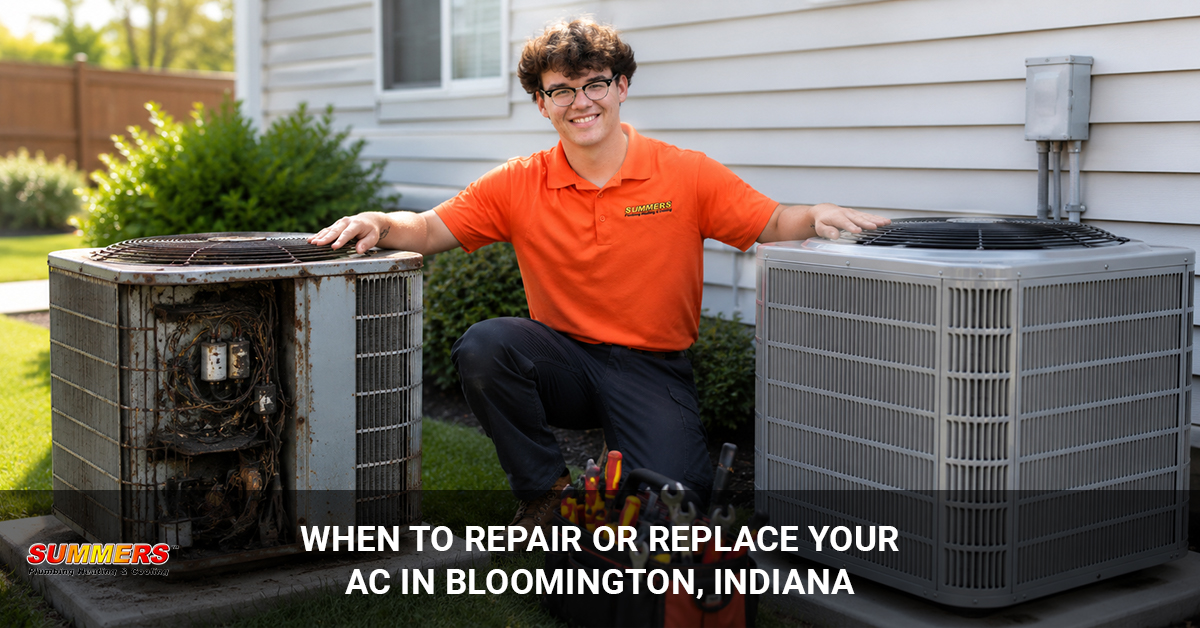
You should repair your AC if the problem is minor and the system still has years of reliable service left. If your air conditioner is old, needs frequent repairs, struggles to cool your home, or causes high energy bills, replacement is often the better long-term investment.
Many homeowners in Bloomington, Indiana, face this decision when their air conditioner starts showing signs of wear. A repair may solve the problem temporarily, but in some cases, continuing to invest in an aging system can end up costing more than replacing it.
Knowing when to repair and when to replace your AC can help you avoid unnecessary expenses, improve home comfort, and make a more informed decision. In this guide, you’ll learn the key factors that determine whether repairing your current system or upgrading to a new one makes the most sense for your home.
How Do You Know Whether to Repair or Replace Your AC?
You can determine whether to repair or replace your AC by evaluating its age, repair history, energy efficiency, and overall performance. In many cases, the right choice becomes clear when you look at both the short-term repair cost and the long-term value of the system.
Key factors to consider include:
- Age of the air conditioner
- Frequency of repairs
- Cooling performance
- Energy efficiency
- Total repair costs
- Indoor comfort levels
If your AC is less than 10 years old and the issue is minor, repairing the system is often the most cost-effective option. However, if the unit is older, requires frequent repairs, or struggles to keep your home comfortable, replacement may save you more money over time.
You should also consider how much you’re spending on energy bills. Older systems often consume more electricity and become less efficient as they age. Even if repairs are possible, a newer system may provide better performance and lower operating costs.
The longer you wait to replace a failing air conditioner, the greater the risk of unexpected breakdowns, expensive repairs, and reduced comfort during Bloomington’s hottest summer days. A professional HVAC inspection can help you compare your options and determine which solution offers the best long-term value.
Consider the Age of Your Air Conditioner
The age of your air conditioner is one of the clearest indicators of whether repair or replacement makes more sense. As AC systems get older, they become less efficient, require more repairs, and are more likely to experience major component failures.
AC Systems Under 10 Years Old
If your air conditioner is less than 10 years old, repairing it is often the best option. Most systems in this age range still have many years of service life remaining, and common repairs are usually worth the investment.
Repairs may make sense if:
- The problem is minor
- Repair costs are reasonable
- The system has been well maintained
- Energy bills remain stable
- Cooling performance is still good
AC Systems Between 10 and 15 Years Old
If your AC is between 10 and 15 years old, the decision becomes less straightforward. At this stage, efficiency may start to decline, and major components can begin to wear out.
Before approving a repair, consider:
- The cost of the repair
- The frequency of recent repairs
- Your current energy bills
- The overall condition of the system
If repair costs are high or problems keep returning, replacement may provide better long-term value.
AC Systems Over 15 Years Old
If your air conditioner is more than 15 years old, replacement is often the smarter financial decision. Older systems typically require more maintenance, use more electricity, and are more likely to experience expensive breakdowns.
Common issues with aging AC systems include:
- Frequent repairs
- Poor cooling performance
- Rising energy bills
- Weak airflow
- Refrigerant-related problems
While repairing an older system may restore cooling temporarily, investing in a new, energy-efficient unit often provides better reliability, lower operating costs, and improved comfort for years to come.
When AC Repair Is Usually the Better Option
AC repair is usually the better option when the problem is minor, the repair cost is reasonable, and the system still has several years of useful life remaining. In many cases, fixing a newer air conditioner can restore performance without the expense of a full replacement.
Here are some situations where repairing your AC often makes sense:
Minor Electrical Issues
Minor electrical problems can often be diagnosed and repaired quickly. Replacing a damaged wire, relay, or fuse is usually much less expensive than installing a new system.
Thermostat Problems
A faulty thermostat can cause cooling issues even when the air conditioner itself is working properly. Replacing or recalibrating the thermostat is often a simple and affordable fix.
Capacitor or Contactor Replacement
Capacitors and contactors are common wear-and-tear components that help your AC start and run properly. These parts typically have a lower repair cost and can often extend the life of the system.
Drain Line Clogs
Clogged condensate drain lines are a common maintenance issue. In most cases, clearing the blockage can restore normal operation without the need for major repairs.
Routine Wear and Tear
Normal wear on parts such as fan motors, belts, or sensors does not automatically mean your air conditioner needs to be replaced. Many routine repairs can keep a well-maintained system operating efficiently.
Your AC Is Less Than 10 Years Old
If your air conditioner is relatively new and has been properly maintained, repairing it is often the most cost-effective choice. Most systems under 10 years old still have a significant amount of service life remaining.
The Repair Cost Is Reasonable
When the repair cost is low compared to the value and remaining lifespan of the system, repairing the unit is usually the smarter financial decision.
If your AC is cooling effectively, has not required frequent repairs, and the issue is minor, repairing the system can help you maximize the value of your current equipment while avoiding unnecessary replacement costs.
Signs It May Be Time to Replace Your AC
It may be time to replace your AC if it frequently breaks down, struggles to cool your home, or costs too much to operate and repair. While repairs can solve some problems, certain warning signs often indicate that an air conditioner is reaching the end of its useful life.
Here are some of the most common signs that replacement may be the better option:
Frequent Breakdowns
If you’re calling for AC repairs several times a year, your system may be wearing out. Repeated breakdowns can quickly become more expensive than investing in a new, reliable unit. When breakdowns become more frequent, comparing current AC repair cost trends against replacement expenses can help determine the better long-term investment.
High Energy Bills
Rising energy bills often indicate that your air conditioner is losing efficiency. Older systems typically use more electricity to produce the same level of cooling, increasing monthly operating costs.
Poor Cooling Performance
If your home never feels as cool as it should, even when the AC is running constantly, the system may no longer have the capacity to cool your home effectively. One of the clearest warning signs of a failing system is an AC running but not cooling, which can indicate declining performance or major component issues.
Weak Airflow
Weak airflow from vents can be a sign of failing components, airflow restrictions, or general system deterioration. Reduced airflow often leads to longer cooling cycles and uneven comfort.
Excess Indoor Humidity
A properly functioning air conditioner should help control indoor humidity. If your home feels sticky or humid even while the AC is running, the system may no longer be performing efficiently.
Uneven Temperatures
Hot and cold spots throughout your home can indicate that the air conditioner is struggling to distribute cooled air evenly. This issue becomes more common as systems age.
Expensive Major Repairs
Major repairs such as compressor replacement, coil replacement, or refrigerant leak repairs can be costly. If your system is older and requires a significant repair, replacing it may provide better long-term value.
Your AC Is More Than 15 Years Old
Even if it still operates, an air conditioner that is more than 15 years old is often less efficient and less reliable than modern systems. Replacement can help improve comfort, lower energy costs, and reduce the risk of future breakdowns.
If your air conditioner is showing several of these warning signs at the same time, replacing the system may be the most cost-effective way to improve comfort and avoid ongoing repair expenses.
Understanding the 50 Percent Rule
The 50 Percent Rule suggests that if a repair costs 50% or more of the price of a new AC system, replacement is often the smarter financial choice. This simple guideline helps homeowners avoid spending large amounts of money on an aging system that may continue to have problems.
For example:
- A $300 repair on a relatively new air conditioner is usually worth making.
- A $3,000 compressor replacement on a 15-year-old system may not provide good long-term value.
While the 50 Percent Rule is helpful, it should not be the only factor in your decision. You should also consider:
- The age of the system
- How often repairs are needed
- Current energy costs
- Overall cooling performance
- Remaining lifespan of the equipment
An older air conditioner that requires an expensive repair today may need another costly repair in the near future. In those situations, replacing the system can often save money over time through improved efficiency, lower repair costs, and greater reliability.
If you’re unsure whether a repair is worth the investment, an HVAC professional can help compare the repair cost against the benefits of a new system and recommend the most cost-effective option for your home.
Major AC Repairs That Often Lead to Replacement
Major AC repairs often lead homeowners to choose replacement because the cost of fixing the system can approach the price of a new unit. When expensive components fail in an older air conditioner, replacement frequently provides better long-term value and reliability.
Some of the most costly AC repairs include:
Compressor Failure
A failed compressor is one of the most expensive air conditioning repairs. Because the compressor is responsible for circulating refrigerant throughout the system, replacing it can be costly. If the unit is older, investing in a new system may make more financial sense.
Evaporator Coil Replacement
The evaporator coil plays a critical role in the cooling process. When it develops leaks or fails, replacement costs can be high, especially on aging systems that may have additional wear and tear.
Condenser Coil Damage
Damaged condenser coils can reduce efficiency, increase energy consumption, and affect overall system performance. Repairing or replacing condenser coils can be expensive, particularly if the unit is nearing the end of its lifespan.
Refrigerant Leaks
Occasional refrigerant leaks can often be repaired, but repeated leaks may indicate larger system problems. Ongoing refrigerant issues can become costly and may signal that replacement is the more practical option. Recurring refrigerant issues can sometimes contribute to a frozen AC unit, which may signal deeper problems within the system.
Blower Motor Failure
The blower motor is responsible for moving conditioned air throughout your home. Major blower motor repairs can be expensive and may not be worth the investment if the system is already old.
Electrical System Failures
Extensive electrical problems involving wiring, control boards, or multiple components can quickly increase repair costs. In older systems, these repairs often raise concerns about future reliability.
When Replacement Makes More Sense
Replacement is often the better choice when:
- The repair is expensive
- The system is more than 10 to 15 years old
- Multiple components are failing
- Energy bills continue to increase
- The unit has a history of frequent breakdowns
Before investing in a major repair, it’s important to compare the repair cost, remaining lifespan, and efficiency of your current system against the benefits of a new air conditioner. In many cases, replacement provides lower operating costs, fewer repairs, and greater peace of mind.
Does Your AC Still Use R-22 Refrigerant?
If your air conditioner still uses R-22 refrigerant, replacing the system is often the most cost-effective long-term solution. R-22, commonly known as Freon, has been phased out, making it increasingly expensive and difficult to service older systems that rely on it.
Homeowners with R-22 systems often face several challenges, including:
- Higher refrigerant costs
- Limited refrigerant availability
- More expensive repairs
- Difficulty finding replacement parts
- Longer repair times
When an R-22 system develops a refrigerant leak, the cost of repairing and recharging the unit can be high. In many cases, spending that money on an aging system may not make financial sense, especially if other components are also nearing the end of their lifespan.
Modern air conditioners use newer refrigerants that are easier to obtain, more environmentally friendly, and designed to work with higher-efficiency equipment. Upgrading to a new system can help reduce future repair costs, improve energy efficiency, and provide more reliable cooling.
If you’re unsure what type of refrigerant your AC uses, an HVAC professional can inspect the system and help you determine whether repair or replacement is the better option.
Compare Repair Costs vs Replacement Costs
Comparing repair costs and replacement costs can help you determine which option provides the best long-term value. While repairing an AC system often has a lower upfront cost, replacement may save more money over time through improved efficiency, lower energy bills, and fewer repairs.
Use the table below as a general guideline:
| Situation | Repair | Replace |
| Minor repair | ✓ | |
| Newer system | ✓ | |
| Major compressor failure | ✓ | |
| Multiple repairs within a year | ✓ | |
| System more than 15 years old | ✓ | |
| Uses R-22 refrigerant | ✓ |
Homeowners comparing both options can benefit from a detailed look at AC repair vs replacement scenarios before making a final decision.
When Repair Usually Makes Sense
Repair is often the better choice when:
- The system is less than 10 years old
- The repair is relatively inexpensive
- The unit has a good maintenance history
- Energy bills remain reasonable
- The problem is isolated to a single component
When Replacement Is Usually the Better Choice
Replacement often provides better value when:
- The system is over 15 years old
- Repairs are becoming more frequent
- Energy costs continue to rise
- Major components have failed
- The unit uses R-22 refrigerant
- Comfort and cooling performance have declined
Think Beyond the Immediate Cost
Many homeowners focus only on the cost of the current repair. However, it’s important to consider future expenses as well. An older system may require additional repairs in the coming years, while a new air conditioner can provide improved efficiency, warranty protection, and lower operating costs.
If you’re facing a major repair, comparing the total cost of ownership over the next several years can help you make a more informed decision and avoid spending money on a system that may continue to experience problems.
How a New AC System Can Save Money
A new AC system can save money by reducing energy consumption, lowering repair costs, and improving overall efficiency. While replacing an air conditioner requires an upfront investment, many homeowners see long-term savings through lower operating expenses and fewer unexpected repairs.
Lower Utility Bills
Modern air conditioners are designed to cool homes more efficiently than older systems. They use less electricity to maintain comfortable temperatures, which can help reduce monthly energy bills. Upgrading to an energy-efficient AC installation can significantly reduce monthly cooling costs while improving overall comfort.
Reduced Repair Costs
New equipment is less likely to experience breakdowns or major component failures. This means fewer service calls and lower repair expenses during the first several years of ownership.
Higher Energy Efficiency
Today’s air conditioners are built to meet higher efficiency standards than older models. Improved efficiency allows the system to deliver better cooling performance while using less energy.
Improved Comfort
A new AC system can maintain more consistent temperatures throughout your home. Better airflow, improved humidity control, and more reliable operation can make your living space more comfortable year-round.
Longer Warranty Protection
Many new air conditioners come with manufacturer warranties that cover major components for several years. This added protection can help reduce out-of-pocket repair costs and provide greater peace of mind.
Better Long-Term Value
Although repairing an older system may seem less expensive initially, ongoing repairs and higher energy bills can add up over time. A new air conditioner often provides better long-term value by combining lower operating costs, improved reliability, and enhanced comfort.
For many Bloomington homeowners, replacing an aging AC system can be an investment that pays off through energy savings, fewer repairs, and dependable cooling for years to come.
Benefits of Replacing an Older Air Conditioner
Replacing an older air conditioner can improve comfort, efficiency, reliability, and indoor air quality throughout your home. While lower energy bills are a major advantage, a new AC system provides several other benefits that can enhance your daily comfort and reduce future maintenance concerns. Many homeowners also choose air purification systems when upgrading their HVAC equipment to create a healthier indoor environment.
Better Cooling Performance
New air conditioners are designed to cool homes more effectively than older systems. They can reach and maintain your desired temperature more efficiently, even during the hottest summer days.
More Consistent Temperatures
Modern systems distribute air more evenly throughout the home, helping reduce hot and cold spots between rooms. This creates a more comfortable indoor environment for everyone.
Improved Humidity Control
Today’s air conditioners are better equipped to remove excess moisture from the air. Better humidity control can make your home feel cooler, improve comfort, and help reduce the risk of mold and mildew growth.
Better Indoor Air Quality
Many newer HVAC systems can be paired with advanced air filtration and air purification products. These features help reduce dust, allergens, and other airborne particles inside your home. A new HVAC system paired with improved indoor air quality solutions can help reduce allergens, dust, and airborne contaminants.
Quieter Operation
New equipment is typically much quieter than older systems. Improvements in fan design, compressor technology, and insulation help reduce operating noise both indoors and outdoors.
Smart Thermostat Compatibility
Most modern air conditioners work seamlessly with smart thermostats. This allows homeowners to control temperatures remotely, create energy-saving schedules, and monitor system performance more easily.
Increased Home Value
An updated HVAC system can be a valuable selling point for potential buyers. Many homeowners appreciate knowing that they won’t need to replace the air conditioning system shortly after purchasing a home.
Greater Reliability
One of the biggest benefits of replacing an older air conditioner is improved reliability. A new system is less likely to break down unexpectedly, helping you avoid costly repairs and maintain comfort during Bloomington’s hottest months.
By upgrading an aging AC system, homeowners can enjoy better performance, lower operating costs, and greater peace of mind for years to come.
AC Replacement Costs in Bloomington, Indiana
AC replacement costs in Bloomington, Indiana, depend on the size of your home, the type of system you choose, and the complexity of the installation. While every project is different, understanding the factors that affect pricing can help you plan your budget and compare options more effectively.
Factors That Influence AC Replacement Costs
Several factors can impact the total cost of installing a new air conditioning system.
System Size
The size of your home plays a major role in determining the size of the air conditioner you need. Larger homes typically require larger systems, which generally cost more to purchase and install.
Efficiency Rating
High-efficiency air conditioners usually have a higher upfront cost but can reduce monthly energy bills over time. Many homeowners choose higher-efficiency systems to maximize long-term savings and improve comfort.
Ductwork Modifications
Existing ductwork may need repairs, sealing, or upgrades before a new system can operate at peak efficiency. Any ductwork improvements can increase the overall project cost.
Installation Complexity
The difficulty of the installation can affect labor costs. Factors such as equipment accessibility, electrical upgrades, refrigerant line replacement, and system location may influence the total investment.
Smart Thermostat Upgrades
Many homeowners choose to install a smart thermostat during an AC replacement project. Smart thermostats can improve convenience, increase energy efficiency, and help reduce cooling costs.
Indoor Air Quality Enhancements
Additional upgrades such as air purifiers, advanced filtration systems, humidity control solutions, and UV air treatment systems can improve indoor air quality while increasing the overall project cost.
Get an Accurate AC Replacement Estimate
The most accurate way to determine AC replacement costs is through a professional in-home assessment. An HVAC contractor can evaluate your home’s cooling needs, recommend the appropriate system size, and provide a detailed estimate based on your specific requirements.
Comparing multiple quotes can also help you evaluate equipment options, warranty coverage, efficiency ratings, and installation services before making a final decision.
What to Expect During an AC Replacement
Most AC replacement projects involve a home assessment, system selection, installation, and final testing. Understanding the process can help you prepare for the project and know what to expect from start to finish.
Home Evaluation
The first step is a professional evaluation of your home’s cooling needs. An HVAC technician will assess factors such as:
- Home size
- Insulation levels
- Existing ductwork
- Number of windows
- Current cooling performance
- Overall comfort concerns
This information helps determine the best system for your home.
Load Calculation
A load calculation is performed to identify the correct air conditioner size. Proper sizing is essential because an oversized or undersized system can lead to higher energy bills, uneven temperatures, poor humidity control, and premature wear.
Equipment Selection
Once your cooling needs have been evaluated, you’ll choose the system that best fits your budget and comfort goals. Factors to consider may include:
- Energy efficiency ratings
- System capacity
- Warranty coverage
- Smart thermostat compatibility
- Additional comfort features
Your HVAC contractor can help you compare options and select the right solution for your home.
Installation Process
On installation day, technicians will remove the old equipment and install the new air conditioning system. This may include replacing indoor and outdoor components, connecting refrigerant lines, updating electrical connections, and making any necessary adjustments to the system.
Most residential AC replacement projects can be completed in a single day, although larger or more complex installations may take longer.
Final System Testing
After installation, technicians thoroughly test the system to ensure it is operating correctly and efficiently.
They typically verify:
- Airflow throughout the home
- Refrigerant levels
- Electrical connections
- Thermostat operation
- Cooling performance
- Overall system efficiency
Before leaving, the technician will explain how to operate your new system and answer any questions about maintenance or warranty coverage.
A properly installed air conditioner can provide reliable cooling, improved comfort, and better energy efficiency for many years to come.
Why Professional HVAC Guidance Matters
Professional HVAC guidance can help you determine whether repairing or replacing your AC is the best choice for your home. An experienced technician can evaluate your system’s condition, explain your options, and help you make a decision based on facts rather than guesswork.
A professional HVAC assessment typically includes:
- Accurate system evaluation
- Identification of existing and potential problems
- Honest repair-versus-replacement recommendations
- Proper equipment sizing
- Repair and replacement cost comparisons
- Long-term energy savings analysis
Many air conditioning issues can appear similar on the surface, but the underlying causes may be very different. A trained HVAC professional can identify whether a problem can be repaired cost-effectively or if replacement would provide better long-term value.
Professional guidance is especially important when:
- Your system is more than 10 to 15 years old
- Repairs are becoming more frequent
- Energy bills continue to increase
- Major components have failed
- You’re unsure whether a repair is worth the investment
A qualified technician can also help you avoid common mistakes, such as installing the wrong-size system or spending money on repairs that only provide a temporary solution.
By working with a trusted HVAC professional, you can make a more informed decision, protect your investment, and ensure your home remains comfortable and energy-efficient for years to come.
Frequently Asked Questions
Is It Better to Repair or Replace a 15-Year-Old AC?
In many cases, replacing a 15-year-old AC is the better investment. Older systems are typically less efficient, more prone to breakdowns, and often require costly repairs that may not provide long-term value.
How Much Should I Spend on AC Repairs Before Replacing It?
A common guideline is the 50 Percent Rule. If the repair cost is close to 50% or more of the cost of a new air conditioner, replacement is often the more cost-effective option, especially for older systems.
What Is the 50 Percent Rule for HVAC Systems?
The 50 Percent Rule suggests replacing an HVAC system when a repair costs 50% or more of the price of a new unit. This rule helps homeowners avoid investing large amounts of money into equipment that may continue to experience problems.
Can a New AC Reduce My Electric Bill?
Yes. Modern air conditioners are significantly more energy-efficient than many older models. Upgrading to a high-efficiency system can help lower monthly utility bills while improving cooling performance.
How Long Should an Air Conditioner Last?
Most air conditioners last between 10 and 15 years when properly maintained. Factors such as usage, maintenance, climate, and installation quality can affect the lifespan of the system.
What Are the Signs My AC Is Failing?
Common signs of a failing air conditioner include:
- Poor cooling performance
- Rising energy bills
- Frequent repairs
- Weak airflow
- Uneven temperatures
- Excess indoor humidity
- Strange noises
- Refrigerant leaks
If your system is showing multiple warning signs, it may be time to consider replacement.
How Long Does AC Replacement Take?
Most residential AC replacement projects can be completed in a single day. Larger installations or projects that require ductwork modifications may take longer.
Is Replacing an AC Worth the Cost?
For many homeowners, replacing an aging air conditioner is worth the investment. A new system can provide lower energy bills, fewer repair costs, improved comfort, better indoor air quality, and greater reliability.
Should I Replace My AC Before It Completely Fails?
Yes. Replacing your AC before it fails completely can help you avoid emergency breakdowns, unexpected repair expenses, and uncomfortable indoor temperatures during the hottest days of summer. Planning ahead also gives you more time to compare systems and choose the best option for your home.
Final Thoughts
The decision to repair or replace your AC depends on the system’s age, condition, repair history, and overall efficiency. While repairing a newer air conditioner with a minor issue is often the most cost-effective choice, replacing an older system can provide greater long-term value when repairs become frequent or expensive.
If your AC struggles to keep your home comfortable, causes high energy bills, or requires major repairs, it may be time to consider an upgrade. A new air conditioning system can improve comfort, lower operating costs, increase energy efficiency, and reduce the risk of unexpected breakdowns.
If you’re unsure which option is right for your home, scheduling a professional HVAC evaluation is the best place to start. An experienced technician can assess your system, compare repair and replacement costs, and help you make a confident decision based on your home’s needs and budget.
By addressing AC problems early and making an informed choice, you can enjoy reliable cooling and greater peace of mind throughout the summer in Bloomington, Indiana.