
When Should You Replace Your AC in Bloomington, Indiana?
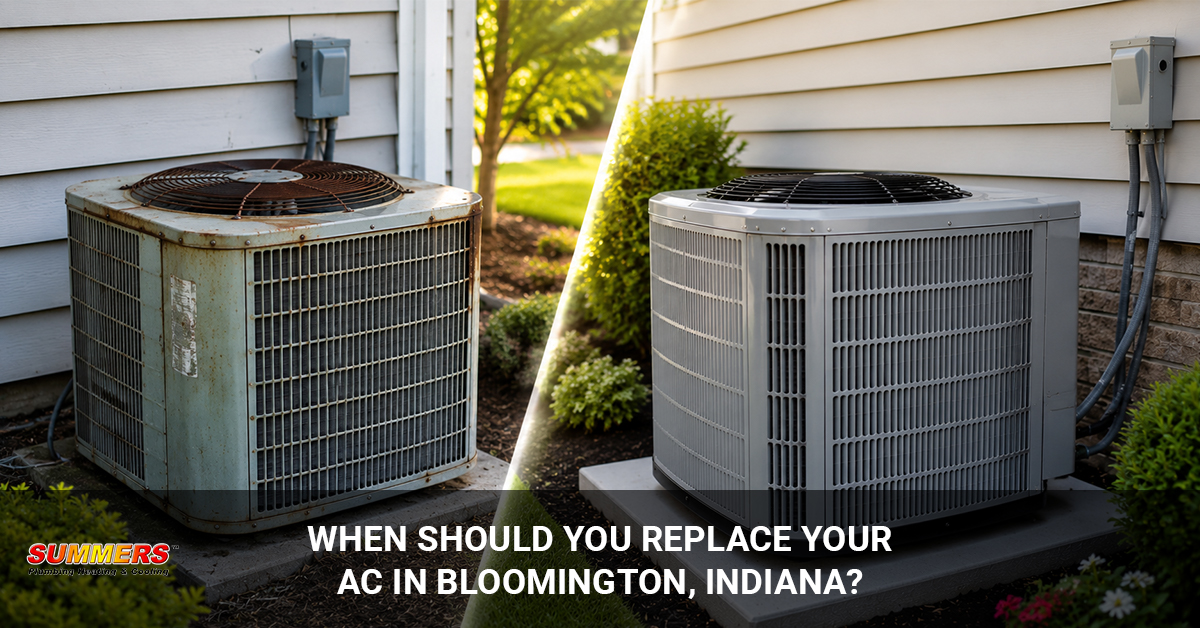
You should replace your AC when it is 10 to 15 years old, needs frequent repairs, causes high energy bills, or can no longer keep your home comfortable. While some air conditioners can last longer with regular maintenance, there comes a point when replacing the system becomes more cost-effective than continuing to repair it.
For many homeowners in Bloomington, Indiana, the decision to replace an air conditioner doesn’t happen overnight. It often starts with small warning signs such as longer cooling cycles, uneven temperatures, rising utility bills, or recurring service calls. Over time, these issues can affect your comfort and increase the cost of operating your system.
Bloomington’s hot and humid summers place significant demands on air conditioning equipment. As your system ages, wear and tear can reduce efficiency and increase the likelihood of costly breakdowns. Replacing an aging AC before it fails completely can help you avoid emergency repairs and maintain consistent comfort throughout the cooling season.
In this guide, you’ll learn the most common signs that it’s time to replace your air conditioner, how to evaluate repair versus replacement costs, and what benefits you can expect from upgrading to a new system.
How Long Does an Air Conditioner Typically Last?
Most air conditioners last between 10 and 15 years when they are properly maintained. Some systems may operate longer, but efficiency, performance, and reliability often decline as the equipment ages.
Several factors can affect how long an AC system lasts, including:
- Maintenance history
- Installation quality
- Frequency of use
- Local climate conditions
- System size and efficiency
- Overall operating conditions
In Bloomington, Indiana, air conditioners often run for long periods during hot and humid summers. This increased workload can place additional stress on major components and gradually accelerate wear and tear.
As an air conditioner gets older, homeowners may begin to notice:
- Higher energy bills
- Reduced cooling performance
- More frequent repairs
- Longer cooling cycles
- Uneven temperatures throughout the home
Even if an older system is still working, it may not be operating as efficiently as it once did. A unit that is approaching or exceeding 15 years of age is more likely to experience major component failures and costly repairs.
If your AC is nearing the end of its expected lifespan, it may be wise to start planning for replacement before a breakdown occurs. Replacing the system proactively can help you avoid emergency repairs, improve energy efficiency, and maintain reliable comfort during Bloomington’s hottest months.
Signs It’s Time to Replace Your AC
You should consider replacing your AC if it is no longer reliable, energy-efficient, or able to keep your home comfortable. While many air conditioning problems can be repaired, multiple warning signs often indicate that the system is nearing the end of its lifespan.
Here are some of the most common signs that replacement may be the better option.
Frequent Breakdowns
If your AC requires repairs several times a year, replacement may be more cost-effective than continuing to invest in an aging system. Frequent breakdowns often indicate that major components are wearing out. If repair bills continue to increase, comparing current AC repair cost trends can help determine whether replacement offers better long-term value.
Rising Energy Bills
An unexplained increase in energy costs can be a sign that your air conditioner is losing efficiency. Older systems often work harder and run longer to achieve the same level of cooling.
Weak Airflow
Poor airflow can make it difficult to keep your home comfortable. It may be caused by aging components, blower motor issues, or overall system deterioration. Weak airflow often occurs alongside an AC running but not cooling, both of which may indicate declining system performance.
Uneven Cooling
If some rooms feel cool while others remain warm, your AC may no longer be distributing air effectively. Uneven temperatures are a common sign of declining system performance.
Excess Indoor Humidity
Your air conditioner should help remove moisture from indoor air. If your home feels damp, sticky, or humid even when the AC is running, the system may no longer be operating efficiently.
Strange Noises
Grinding, banging, rattling, or squealing noises can indicate serious mechanical problems. Unusual sounds should never be ignored, especially in older systems. When unusual noises become frequent, homeowners often begin weighing AC repair vs replacement options to determine the most cost-effective solution.
Unpleasant Odors
Musty, burning, or chemical odors coming from vents may signal mold growth, electrical issues, or refrigerant-related problems. Persistent odors often require professional evaluation.
Refrigerant Leaks
Refrigerant leaks can reduce cooling performance, increase energy costs, and place additional strain on the system. Repeated refrigerant problems are often a sign that replacement should be considered.
Look at the Overall Picture
One issue alone may not mean your AC needs to be replaced. However, when several of these warning signs occur together, replacement is often the most practical long-term solution.
If your system is older, requires frequent repairs, and struggles to maintain comfort, investing in a new air conditioner can provide better efficiency, lower operating costs, and more reliable performance throughout Bloomington’s hot summer months.
Your AC Is More Than 10 to 15 Years Old
If your AC is more than 10 to 15 years old, it may be time to start considering a replacement. Age is one of the clearest signs that an air conditioning system is approaching the end of its useful life.
While some older units continue to operate, they often do so less efficiently than modern systems. As equipment ages, components wear down, performance declines, and repair needs become more frequent.
Older air conditioners commonly experience:
- Reduced cooling performance
- More frequent repairs
- Higher utility bills
- Increased operating noise
- Longer cooling cycles
- Difficulty maintaining consistent temperatures
Many systems installed more than a decade ago were built to lower efficiency standards than today’s equipment. As a result, they typically use more electricity to produce the same amount of cooling.
You may also find that older systems struggle to keep up during Bloomington’s hottest and most humid summer days. This can lead to uneven temperatures, reduced comfort, and increased stress on the equipment.
Why Replacing an Older AC Often Makes Sense
Replacing an aging air conditioner can provide several benefits, including:
- Lower energy bills
- Improved cooling performance
- Better humidity control
- Quieter operation
- Fewer repair expenses
- More reliable comfort
Even if your current system is still running, continuing to invest in repairs may not always be the most cost-effective choice once the unit reaches 10 to 15 years of age.
If your air conditioner is approaching this age range and showing signs of declining performance, replacing it before a major breakdown occurs can help you avoid unexpected expenses and maintain reliable comfort throughout the cooling season.
Rising Energy Bills Could Signal Replacement Time
If your energy bills keep increasing even though your cooling habits have not changed, your AC may be losing efficiency. Rising utility costs are often one of the earliest signs that an aging air conditioner is working harder than it should.
As air conditioning systems get older, components gradually wear out. The system must run longer and use more electricity to maintain the same indoor temperature, which can lead to noticeably higher monthly energy bills.
Signs Your AC Is Becoming Less Efficient
Several warning signs can indicate that your air conditioner is consuming more energy than necessary:
- Higher monthly utility bills
- Longer cooling cycles
- Constant system operation
- Reduced cooling performance
- Difficulty reaching thermostat settings
- Increased wear on system components
These issues often become more noticeable during Bloomington’s hot summer months when your AC is running most frequently.
Why Older AC Systems Use More Energy
Over time, normal wear and tear can affect the performance of key components such as the compressor, coils, fan motors, and refrigerant system. As efficiency declines, the unit must work harder to deliver the same level of cooling.
This can result in:
- Increased electricity usage
- Higher operating costs
- More strain on the equipment
- Greater risk of breakdowns
Can a New AC Lower Energy Costs?
In many cases, yes. Modern air conditioners are designed to meet much higher efficiency standards than older systems. A new high-efficiency unit can often cool your home using significantly less energy while providing better temperature control and comfort.
Benefits of upgrading may include:
- Lower monthly utility bills
- Improved cooling performance
- Better humidity control
- More consistent indoor temperatures
- Reduced system runtime
If your energy bills continue to climb year after year, replacing an older air conditioner may be one of the most effective ways to reduce operating costs and improve overall home comfort.
Frequent Repairs Are Becoming Expensive
If your AC needs repairs several times a year, replacing the system may be more cost-effective than continuing to fix it. While occasional maintenance and minor repairs are normal, repeated service calls often indicate that the system is nearing the end of its useful life.
As air conditioners age, major components begin to wear out. Repairing one problem may only be followed by another a few months later, leading to a cycle of ongoing expenses that can quickly add up.
Common Expensive AC Repairs
Some repairs are costly enough that many homeowners begin considering replacement instead.
These major repairs often include:
- Compressor replacement
- Evaporator coil replacement
- Condenser coil repairs
- Refrigerant leak repairs
- Blower motor replacement
- Electrical component failures
When multiple major components start failing, investing more money into an aging system may not provide the best return.
When Repairs No Longer Make Financial Sense
A good rule of thumb is to look at both the repair cost and the age of the system. If your air conditioner is older and requires expensive repairs, replacement often provides better long-term value.
Many HVAC professionals recommend considering replacement when:
- Repairs are becoming more frequent
- Repair costs continue to increase
- The system is more than 10 to 15 years old
- Major components have failed
- Energy bills are rising along with repair expenses
Consider the Long-Term Costs
The cheapest option today is not always the least expensive option over time. An older system may continue to require repairs while operating less efficiently than a newer model.
Replacing an aging air conditioner can help reduce:
- Future repair expenses
- Emergency service calls
- Energy consumption
- Unexpected breakdowns
A New System May Offer Better Value
If repair costs continue to rise, investing in a new air conditioner can provide improved efficiency, greater reliability, lower operating costs, and better overall comfort.
For many Bloomington homeowners, replacing an aging AC before repair costs become overwhelming is often the smarter long-term investment. Replacing an aging unit with an energy-efficient AC installation can help reduce future repair costs and lower monthly utility bills.
Your AC Struggles to Keep Your Home Comfortable
If your AC runs for long periods but still cannot keep your home comfortable, it may be time to consider a replacement. An air conditioner that struggles to maintain indoor comfort is often a sign that the system is aging, losing efficiency, or no longer properly matched to your home’s cooling needs.
As performance declines, you may notice several comfort-related problems throughout your home.
Inconsistent Temperatures
If some rooms feel cool while others remain warm, your AC may no longer be distributing air effectively. Uneven cooling is a common sign of an aging system and can make it difficult to maintain comfort throughout the house.
Long Cooling Cycles
An air conditioner should be able to reach the thermostat setting within a reasonable amount of time. If your system runs much longer than it used to, it may be struggling to keep up with cooling demands.
Long cooling cycles can lead to:
- Higher energy bills
- Increased wear and tear
- Reduced efficiency
- Greater risk of breakdowns
Constant Operation
If your AC seems to run almost nonstop during warm weather, the system may be losing cooling capacity. Continuous operation often indicates that the unit is working harder than it should to maintain indoor temperatures.
Poor Humidity Control
Your air conditioner should help remove excess moisture from the air. If your home feels damp, sticky, or humid even when the AC is running, the system may no longer be controlling humidity effectively.
Poor humidity control can contribute to:
- Reduced comfort
- Musty odors
- Condensation on windows
- Mold and mildew growth
Why Comfort Problems Often Signal Replacement
While some comfort issues can be caused by ductwork or thermostat problems, multiple symptoms often point to an aging air conditioner that is no longer performing efficiently.
A properly sized replacement system can provide:
- More consistent temperatures
- Better airflow
- Improved humidity control
- Lower energy costs
- Greater overall comfort
If your current AC struggles to keep your Bloomington home cool during the summer, replacing the system may be the most effective way to restore comfort and improve efficiency.
Does Your AC Still Use R-22 Refrigerant?
If your air conditioner still uses R-22 refrigerant, replacing the system is often the most practical and cost-effective long-term solution. R-22, commonly known as Freon, has been phased out, making it increasingly difficult and expensive to maintain older systems that rely on it.
As supplies become more limited, homeowners with R-22 systems often face several challenges. Many homeowners decide to upgrade rather than continue investing in outdated equipment and unpredictable AC replacement costs associated with aging systems.
Higher Refrigerant Costs
Because R-22 is no longer produced for new equipment, the cost of available refrigerant has increased significantly. Even a small refrigerant leak can result in a costly repair.
Limited Availability
Finding R-22 refrigerant has become more difficult as supplies continue to decrease. This can make repairs more expensive and sometimes delay service.
Expensive Repairs
When an older R-22 system develops a refrigerant leak or other major issue, repair costs can add up quickly. In many cases, homeowners end up spending a substantial amount of money on a system that is already nearing the end of its lifespan.
Difficulty Finding Replacement Parts
Older air conditioners often have components that are no longer readily available. As systems age, finding compatible replacement parts can become more challenging and costly.
Why Replacing an R-22 System Often Makes Sense
New air conditioning systems use modern refrigerants that are easier to service, more environmentally friendly, and designed to work with higher-efficiency equipment.
Benefits of upgrading include:
- Lower operating costs
- Improved energy efficiency
- Easier future maintenance
- Better cooling performance
- Reduced environmental impact
- Greater reliability
If your AC uses R-22 and requires a refrigerant-related repair, replacement is often a smarter investment than continuing to spend money on outdated equipment. A new system can provide better comfort, lower utility bills, and fewer repair concerns for years to come.
Repair or Replace? How to Decide
The decision to repair or replace your AC should be based on the system’s age, repair costs, energy efficiency, and overall performance. While repairs can often extend the life of a newer system, replacement may provide better long-term value when an older unit becomes unreliable or expensive to operate.
Looking at the complete picture can help you make the most cost-effective decision.
Consider System Age
The age of your air conditioner is one of the most important factors to consider.
In general:
- Systems under 10 years old are often worth repairing.
- Systems between 10 and 15 years old should be evaluated carefully.
- Systems over 15 years old are often better candidates for replacement.
Older units typically experience more breakdowns, use more energy, and may require costly repairs that provide only temporary results.
Compare Repair Costs
Repair costs can add up quickly, especially when major components fail.
Expensive repairs often include:
- Compressor replacement
- Evaporator coil replacement
- Condenser coil repairs
- Refrigerant leak repairs
- Blower motor replacement
If a major repair costs a significant percentage of a new system, replacement may offer better long-term value.
Evaluate Energy Efficiency
Older air conditioners often operate at lower efficiency levels than modern equipment. Even if repairs restore cooling performance, the system may still consume more electricity than a newer model.
A replacement system may provide:
- Lower utility bills
- Better cooling performance
- Improved humidity control
- Reduced operating costs
Over time, energy savings can help offset a portion of the replacement investment.
Assess Overall Comfort
Comfort should also play a role in your decision. If your home remains uncomfortable despite repeated repairs, replacing the system may solve issues that repairs alone cannot fix.
Common comfort problems include:
- Uneven temperatures
- Weak airflow
- Excess indoor humidity
- Long cooling cycles
- Constant system operation
Repair vs Replacement Comparison
| Situation | Repair | Replace |
| Minor repair | ✓ | |
| System under 10 years old | ✓ | |
| Major compressor failure | ✓ | |
| System over 15 years old | ✓ | |
| Multiple repairs each year | ✓ |
Think About Long-Term Value
The lowest upfront cost is not always the most economical choice. Continuing to repair an aging system can lead to higher maintenance expenses, rising energy bills, and unexpected breakdowns.
If your AC is older, inefficient, and experiencing recurring problems, replacement may provide greater reliability, lower operating costs, and improved comfort for years to come.
Benefits of Replacing Your Air Conditioner
Replacing an aging air conditioner can improve comfort, reduce operating costs, and provide more reliable cooling throughout your home. While the upfront investment may seem significant, a new AC system often delivers benefits that homeowners notice immediately and continue to enjoy for years.
Lower Energy Bills
Modern air conditioners are designed to operate far more efficiently than older systems. They use less electricity to produce the same amount of cooling, which can help lower monthly utility bills.
Better Cooling Performance
New equipment cools homes more effectively and maintains more consistent temperatures. If your current AC struggles to keep up during Bloomington’s hottest days, a replacement system can provide stronger and more reliable performance.
Improved Humidity Control
Air conditioners do more than cool the air. They also help remove excess moisture from your home. Modern systems are designed to manage humidity more effectively, helping your home feel cooler and more comfortable.
Benefits of better humidity control include:
- Reduced indoor moisture
- Improved comfort
- Less sticky indoor air
- Lower risk of mold and mildew growth
Better Indoor Air Quality
Many newer HVAC systems can be paired with advanced filtration and air purification options. These features can help reduce dust, allergens, pet dander, and other airborne particles throughout your home. A new HVAC system combined with indoor air quality solutions can help reduce allergens, dust, and airborne contaminants throughout your home.
Quieter Operation
Today’s air conditioners are significantly quieter than many older models. Improvements in compressor technology, fan design, and insulation help reduce operating noise both indoors and outdoors.
Fewer Repairs
One of the biggest advantages of a new AC system is improved reliability. New equipment is less likely to experience unexpected breakdowns, helping you avoid costly repairs and emergency service calls.
Smart Thermostat Compatibility
Many modern air conditioning systems integrate seamlessly with smart thermostats. These devices allow homeowners to:
- Adjust temperatures remotely
- Create customized schedules
- Monitor energy usage
- Improve overall efficiency
Increased Home Comfort and Value
Beyond energy savings, a new air conditioner can make your home more comfortable and attractive to future buyers. Consistent cooling, improved efficiency, and updated HVAC equipment are features that many homeowners appreciate.
A Long-Term Investment in Comfort
Replacing an older AC system is often more than just a repair decision. It is an investment in comfort, efficiency, reliability, and peace of mind. For many Bloomington homeowners, upgrading to a modern air conditioner provides benefits that extend well beyond lower utility bills.
What Time of Year Is Best for AC Replacement?
Spring and fall are usually the best times to replace an air conditioner. During these seasons, HVAC contractors often have greater scheduling flexibility, and homeowners can avoid the stress of replacing a system during extreme summer heat.
While AC replacement can be completed at any time of year, planning ahead often provides more options and a smoother installation experience.
Spring Installation Benefits
Spring is one of the most popular times to schedule an AC replacement because it allows homeowners to prepare for the upcoming cooling season.
Benefits of spring replacement include:
- Greater contractor availability
- More time to compare equipment options
- Reduced risk of summer breakdowns
- Opportunity to address issues before hot weather arrives
Installing a new system in the spring helps ensure your home is ready before temperatures begin to rise.
Fall Installation Benefits
Fall is another excellent time for AC replacement. Once summer demand slows down, many HVAC companies have more flexibility in their schedules.
Benefits of fall replacement may include:
- Easier appointment scheduling
- More time to research replacement options
- Avoiding emergency replacement situations
- Having a new system ready for the next cooling season
Replacing your AC in the fall can also give you the opportunity to evaluate other HVAC improvements before winter arrives.
Emergency Summer Replacements
Unfortunately, many homeowners wait until their air conditioner fails completely before considering replacement. When this happens during the middle of summer, the process can become more stressful.
Challenges of emergency replacement include:
- Limited scheduling availability
- Increased urgency
- Fewer opportunities to compare systems
- Potential discomfort while waiting for installation
A sudden breakdown during a heat wave can force homeowners to make quick decisions under pressure.
Planning Ahead vs Waiting for Failure
Replacing an aging AC before it fails completely is often the smartest approach. Planning ahead gives you time to evaluate equipment options, compare estimates, and choose the system that best fits your home’s needs and budget.
Benefits of proactive replacement include:
- Avoiding unexpected breakdowns
- Better scheduling flexibility
- More informed decision-making
- Improved comfort and reliability
- Reduced risk of emergency repair costs
If your air conditioner is more than 10 to 15 years old and showing signs of decline, replacing it during the spring or fall may help you avoid the inconvenience and expense of an unexpected summer failure.
What to Expect During AC Replacement
Most AC replacement projects involve a home evaluation, system sizing, equipment selection, installation, and final testing. Understanding the process can help you feel more prepared and confident when it’s time to replace your air conditioner.
Home Evaluation
The first step is a professional assessment of your home’s cooling needs. An HVAC technician will evaluate factors that affect system performance and determine the best replacement options.
During the evaluation, they may assess:
- Home size and layout
- Insulation levels
- Existing ductwork
- Window placement
- Current system performance
- Indoor comfort concerns
This information helps ensure the new system is properly matched to your home.
System Sizing
A load calculation is performed to determine the correct air conditioner size. Proper sizing is critical because an oversized or undersized system can reduce efficiency and create comfort problems.
A properly sized system can provide:
- Better energy efficiency
- More consistent temperatures
- Improved humidity control
- Lower operating costs
- Longer equipment lifespan
Equipment Selection
Once your cooling needs have been evaluated, you’ll choose the system that best fits your budget, efficiency goals, and comfort preferences.
Factors to consider may include:
- System size
- Efficiency rating
- Warranty coverage
- Smart thermostat compatibility
- Available features and upgrades
Your HVAC contractor can explain the available options and help you select the right equipment for your home.
Installation Day
On installation day, technicians remove the old air conditioning equipment and install the new system.
The installation process typically includes:
- Removing the old unit
- Installing new indoor and outdoor components
- Connecting refrigerant lines
- Completing electrical connections
- Installing or updating the thermostat
- Making system adjustments as needed
Most residential AC replacement projects can be completed within a single day, although more complex installations may require additional time.
Final Testing
After installation is complete, technicians thoroughly test the new system to ensure everything is operating correctly and efficiently.
They typically verify:
- Airflow throughout the home
- Refrigerant levels
- Electrical connections
- Thermostat operation
- Cooling performance
- Overall system functionality
Before leaving, the HVAC team will often review system operation, maintenance recommendations, and warranty information with the homeowner.
Enjoy Reliable Cooling
Once the installation is complete, your new air conditioner should provide improved comfort, better energy efficiency, and more reliable performance. Regular maintenance can help protect your investment and keep the system running efficiently for many years.
AC Replacement Costs in Bloomington, Indiana
Most AC replacement projects in Bloomington, Indiana cost between $5,000 and $15,000 or more, depending on the type of system installed and the specific requirements of the home. While some homeowners may pay less for a basic replacement, larger homes and high-efficiency systems typically require a larger investment.
Several factors can affect the final cost of an AC replacement project.
System Size
Larger homes generally require larger air conditioning systems. As system capacity increases, equipment and installation costs typically increase as well.
Efficiency Rating
Higher-efficiency air conditioners usually cost more upfront but can help reduce monthly energy bills through lower electricity consumption.
Ductwork Modifications
If existing ductwork is damaged, outdated, or improperly sized, repairs or modifications may be necessary before the new system can perform efficiently.
Installation Complexity
Labor costs can vary depending on the difficulty of the installation. Factors such as equipment accessibility, electrical upgrades, and refrigerant line replacement may influence pricing.
Optional Upgrades
Many homeowners choose to add features during replacement, including:
- Smart thermostats
- Indoor air quality systems
- Air purification equipment
- Zoning systems
- Extended warranty coverage
While these upgrades increase the initial investment, they can improve comfort, efficiency, and long-term system performance.
How to Get an Accurate Cost Estimate
The most reliable way to determine actual replacement costs is through a professional in-home assessment. An HVAC contractor can evaluate your home’s cooling needs, recommend the proper equipment, and provide a detailed estimate based on your specific situation.
Why Professional HVAC Guidance Matters
Professional HVAC guidance helps homeowners make confident and informed repair-versus-replacement decisions. An experienced technician can evaluate your system, explain your options, and help you choose the solution that offers the best long-term value.
Accurate System Evaluations
A professional inspection provides a clear understanding of your AC’s current condition. Technicians can identify existing issues, estimate remaining lifespan, and determine whether repairs are likely to solve the problem.
Proper Equipment Sizing
Choosing the correct system size is critical for comfort and efficiency. HVAC professionals perform load calculations to ensure the replacement system is properly matched to your home’s cooling requirements.
Cost Comparisons
A qualified contractor can compare repair costs against replacement costs and help you understand the financial impact of each option.
Long-Term Savings Analysis
Professional recommendations often include an evaluation of potential energy savings, reduced repair expenses, and expected operating costs over the life of the system.
Honest Recommendations
An experienced HVAC technician can provide objective advice based on the age, condition, and performance of your current system. This helps homeowners avoid making decisions based solely on short-term costs.
Make a More Confident Decision
Whether your air conditioner is showing signs of failure or you’re simply planning ahead, professional guidance can help you avoid unnecessary expenses and choose the option that best fits your home, comfort needs, and budget.
A thorough HVAC evaluation often provides the information needed to make a smart, long-term investment in your home’s comfort and efficiency.
Frequently Asked Questions
How Often Should an AC Be Replaced?
Most air conditioners should be evaluated for replacement once they reach 10 to 15 years of age. While some systems can last longer with proper maintenance, older units often become less efficient and more expensive to repair.
Is It Worth Replacing a 15-Year-Old AC?
In many cases, yes. A 15-year-old air conditioner is typically nearing the end of its expected lifespan. Replacing an older system can reduce repair costs, improve energy efficiency, and provide more reliable cooling.
What Are the Warning Signs That an AC Is Failing?
Several warning signs may indicate that your air conditioner is nearing failure, including:
- High energy bills
- Weak airflow
- Uneven cooling
- Excess indoor humidity
- Frequent repairs
- Strange noises
- Unpleasant odors
- Refrigerant leaks
If multiple issues occur at the same time, replacement may be worth considering.
Can a New AC Lower My Energy Bills?
Yes. Modern air conditioners are significantly more energy-efficient than many older systems. A new high-efficiency unit can often reduce electricity usage and lower monthly utility costs while improving overall comfort.
How Much Does AC Replacement Cost in Bloomington?
Most homeowners in Bloomington spend between $5,000 and $15,000 or more for AC replacement. The final cost depends on factors such as system size, efficiency rating, installation complexity, and optional upgrades.
Should I Replace My AC Before It Breaks Down?
Yes. Replacing an aging air conditioner before it fails completely can help you avoid emergency repairs, unexpected expenses, and uncomfortable indoor temperatures during the hottest days of summer.
How Long Does AC Replacement Take?
Most residential AC replacement projects can be completed within a single day. More complex installations that require ductwork modifications or electrical upgrades may take longer.
What Is the 50 Percent Rule for HVAC?
The 50 Percent Rule suggests replacing an HVAC system when a repair costs 50% or more of the cost of a new system. This guideline helps homeowners avoid spending large amounts of money on equipment that may continue to experience problems.
What Age Is Too Old for an Air Conditioner?
Most HVAC professionals consider an air conditioner that is more than 15 years old to be nearing the end of its useful life. At that point, replacement is often more cost-effective than continuing to invest in major repairs.
What Happens If I Wait Too Long to Replace My AC?
Waiting too long can lead to higher energy bills, more frequent repairs, reduced comfort, and an increased risk of a complete system failure. Replacing an aging system before it breaks down can help you avoid emergency situations and make a more informed purchasing decision.
Final Thoughts
Replacing your AC at the right time can help you avoid unexpected breakdowns, lower energy costs, and maintain a comfortable home throughout Bloomington’s hot and humid summers. While repairs may be the right choice for newer systems with minor issues, older units that require frequent service or struggle to keep up with cooling demands are often better candidates for replacement.
If your air conditioner is more than 10 to 15 years old, causes rising utility bills, experiences recurring repairs, or no longer delivers consistent comfort, investing in a new system may provide better long-term value. Modern air conditioners offer improved energy efficiency, stronger cooling performance, better humidity control, and greater reliability than many older models.
The best way to determine whether replacement is the right choice is to schedule a professional HVAC evaluation. An experienced technician can assess your system’s condition, compare repair and replacement costs, and recommend the solution that best fits your home’s needs and budget.
By planning ahead and replacing an aging system before it fails completely, you can enjoy greater peace of mind, improved comfort, and dependable cooling for years to come.