
How to Make Your HVAC System Last Longer
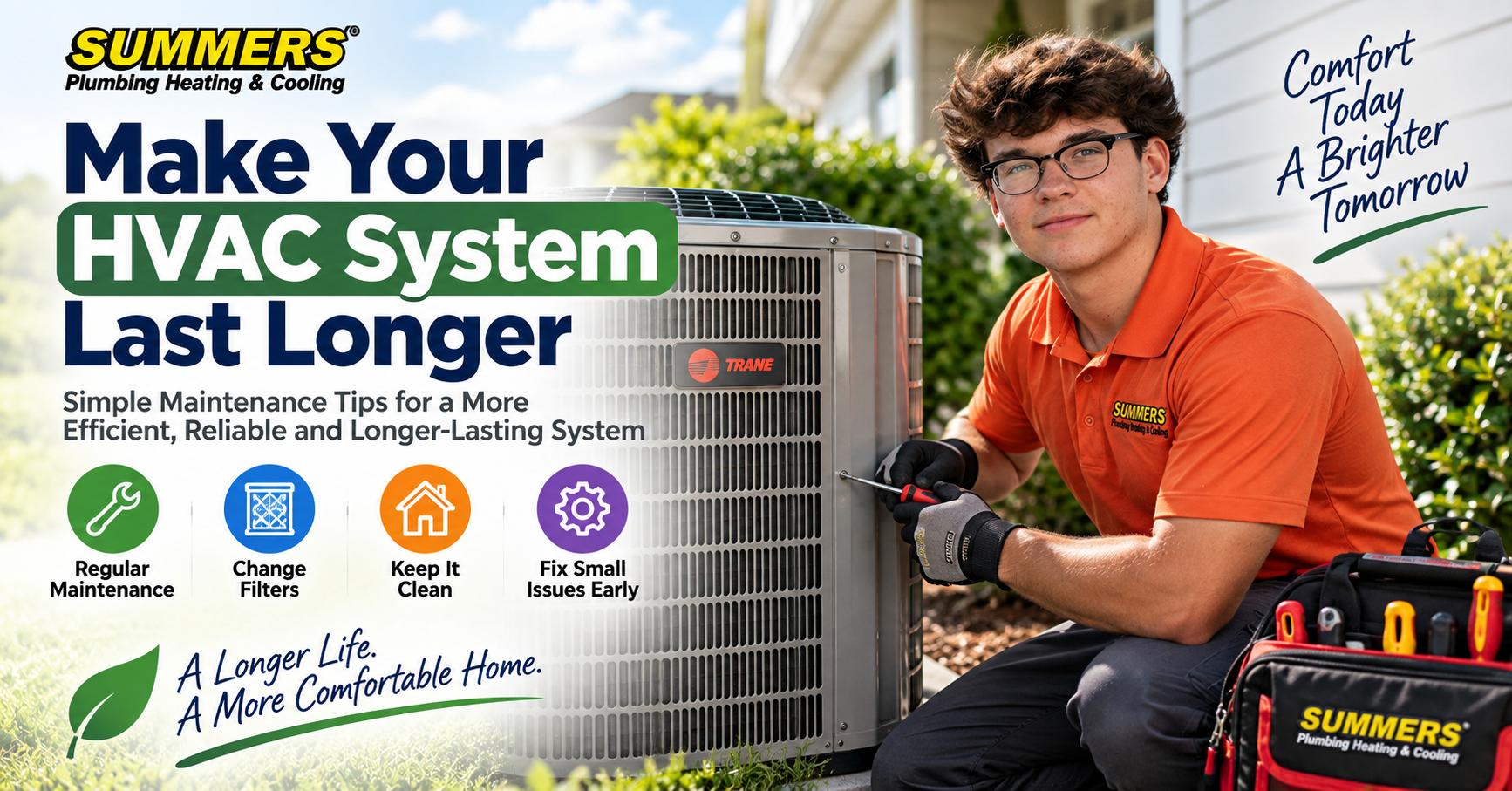
You can make your HVAC system last longer by keeping it clean, maintaining proper airflow, scheduling regular service, using the thermostat wisely, and fixing problems before they cause more damage.
Your HVAC system works hard throughout the year. Small issues can turn into expensive repairs when you ignore them. A few simple maintenance habits can reduce unnecessary strain and help your system run reliably for longer.
How Can I Make My HVAC System Last Longer?
The best way to extend your HVAC system’s life is to maintain it regularly, protect airflow, use it sensibly, and address problems early.
Focus on these habits:
- Check and replace the air filter as needed.
- Schedule regular HVAC maintenance.
- Keep vents and return grilles clear.
- Keep the outdoor unit clean and free of debris.
- Use reasonable thermostat settings.
- Watch for unusual sounds, smells, or performance changes.
- Check ductwork for visible leaks.
- Keep indoor humidity at a reasonable level.
- Repair small problems before they become major failures.
You do not need to perform complicated repairs yourself. Most of the work involves keeping the system clean, maintaining airflow, and knowing when to call a professional.
1. Change Your HVAC Filter Regularly
A clean air filter helps maintain proper airflow and keeps excess dust from moving through the HVAC system.
When a filter becomes clogged, air has a harder time moving through the system. Your HVAC equipment may then run longer to maintain the desired temperature.
Check the filter regularly and replace or clean it according to the filter and equipment manufacturer’s recommendations.
How often you need to change it depends on factors such as:
- Filter type
- Pets in the home
- Indoor dust levels
- Number of occupants
- How often you run the HVAC system
Do not assume every filter needs replacement on the same schedule. Check its condition and follow the manufacturer’s guidance.
2. Schedule Regular HVAC Maintenance
Regular furnace maintenance and professional HVAC service can help catch worn, dirty, or malfunctioning components before they cause bigger problems.
During maintenance, a technician can inspect important parts of the system, check airflow, look for electrical problems, clean components when needed, and verify that the equipment is operating properly.
Maintenance can also uncover small issues that may otherwise remain unnoticed until the system stops working.
Keep records of maintenance and repairs so you can track recurring problems and the overall condition of the system. Following an HVAC maintenance checklist can help you stay on top of routine maintenance tasks.
3. Keep Air Vents and Return Registers Clear
Keeping supply vents and return registers unobstructed helps your HVAC system move air properly.
Furniture, rugs, curtains, and other objects can block airflow. Closing too many supply vents can also affect how air moves through the system.
Make sure:
- Supply vents are open.
- Return grilles are not blocked.
- Furniture does not cover vents.
- Curtains do not restrict airflow.
- Dust is removed from accessible grilles.
Good airflow helps your system deliver heating and cooling without unnecessary strain.
4. Keep the Outdoor HVAC Unit Clean
Keeping the outdoor condenser or heat-pump unit clear of leaves, grass, dirt, and vegetation helps it exchange heat properly.
Check the area around the unit regularly, especially during seasons when plants grow quickly or leaves accumulate.
Keep grass and plants from crowding the equipment, and remove loose debris from around the unit.
Do not bend the coil fins or use aggressive cleaning methods that could damage the equipment. If the outdoor coil is heavily dirty, have a professional clean it.
5. Use Your Thermostat Wisely
Using reasonable thermostat settings can reduce unnecessary HVAC runtime and mechanical wear.
Avoid constantly changing the temperature or setting it far beyond your comfort level. Instead, use a consistent schedule that matches when your home is occupied.
You can also:
- Adjust the temperature while sleeping.
- Use a schedule when the home is empty.
- Use a programmable thermostat.
- Consider a smart thermostat if it is compatible with your system.
If your thermostat is not responding correctly or your system is behaving unexpectedly, learn about common AC thermostat problems before replacing the thermostat.
The goal is not to keep the HVAC system running as little as possible. It is to avoid unnecessary heating and cooling.
6. Fix HVAC Problems Early
Fixing HVAC problems early can prevent a small issue from putting additional stress on other components.
Pay attention to changes such as:
- Weak airflow
- Uneven temperatures
- Longer run times
- Frequent cycling
- Unusual noises
- Strange odors
- Water around the indoor unit
- Unexpected increases in energy costs
For example, a system that suddenly runs much longer than usual may have an airflow, refrigerant, electrical, or mechanical problem.
Do not wait for the system to stop working completely before investigating a change in performance. Taking action when you notice warning signs can also help prevent furnace breakdowns and other serious HVAC problems.
7. Check Your Ductwork for Leaks
Sealing accessible duct leaks can help your HVAC system deliver conditioned air more efficiently.
Leaking or disconnected ducts can allow heated or cooled air to escape before it reaches the rooms that need it. This can make the system run longer.
Look for obvious problems around accessible duct connections, such as:
- Loose joints
- Visible gaps
- Damaged flexible ducts
- Disconnected sections
- Excessive dust around connections
If ductwork is located inside walls, ceilings, or other difficult-to-access areas, have it inspected rather than opening those areas yourself.
8. Keep Humidity Under Control
Keeping indoor humidity at a reasonable level can improve comfort and prevent your cooling system from having to work harder than necessary.
High humidity can make a home feel warmer, which may lead you to run the AC longer or lower the thermostat unnecessarily.
If your home remains unusually humid, do not assume the AC is the only solution. Poor ventilation, moisture intrusion, duct problems, or an improperly sized HVAC system may also contribute.
Address the source of the moisture when possible.
9. Don’t Ignore Unusual HVAC Sounds and Smells
Unusual sounds or smells can be early warnings that your HVAC system needs attention.
Watch for:
- Grinding
- Rattling
- Screeching
- Buzzing
- Clicking that continues after startup
- Musty odors
- Burning smells
A minor rattle may point to a loose component, while grinding or screeching can indicate mechanical wear.
If you smell burning, notice smoke, or suspect an electrical problem, turn the system off if it is safe to do so and seek professional help.
10. Give Your HVAC System the Right Amount of Use
Using your HVAC system only when needed can reduce unnecessary runtime, but repeatedly switching it on and off is not a good substitute for proper temperature control.
Use a thermostat schedule that matches your routine. If the home is empty for several hours, adjust the temperature rather than conditioning the space as if everyone were home.
Ceiling fans can also improve comfort when rooms are occupied, allowing you to rely less on air conditioning in suitable conditions.
The goal is efficient operation, not simply running the system for the shortest possible time.
How Often Should an HVAC System Be Serviced?
Most HVAC systems benefit from regular professional maintenance, but the right service schedule depends on the equipment, manufacturer’s recommendations, climate, and how heavily the system is used.
Heating and cooling equipment may have different maintenance needs. Heat pumps, for example, operate throughout much of the year in many homes and may require attention to both heating and cooling operation.
Your service schedule may also need to be more frequent if:
- The system is older.
- The equipment runs heavily.
- You have pets.
- The home has high dust levels.
- The system has recurring problems.
- You notice changes in performance.
Follow the maintenance guidance for your specific equipment and have it inspected when performance changes.
What Shortens the Life of an HVAC System?
Poor maintenance, restricted airflow, dirty equipment, repeated repairs, and ignored problems can shorten the life of an HVAC system.
Common causes of premature wear include:
- Neglected maintenance
- Dirty or clogged filters
- Blocked vents
- Dirty outdoor coils
- Refrigerant problems
- Electrical issues
- Poor ductwork
- Excessive cycling
- Improper installation
- Ignoring warning signs
Installation quality also matters. Even a high-quality HVAC system can have problems if it is incorrectly sized or installed.
How Long Should an HVAC System Last?
An HVAC system’s lifespan depends on the equipment type, installation quality, climate, usage, maintenance, and repair history. Learn more about HVAC system lifespan and the factors that affect how long your equipment remains reliable.
Different components can also have different service lives. A well-maintained system may continue operating reliably for many years, while a poorly maintained system may develop expensive problems much earlier.
Rather than focusing only on age, pay attention to performance and repair history.
A system that is older but reliable and well maintained may still be a good candidate for continued use. An unusually unreliable system may make replacement worth considering even if it has not reached the end of its expected service life.
Does Regular Maintenance Really Extend HVAC Life?
Yes, regular maintenance can help extend HVAC life by reducing avoidable wear and identifying problems before they cause additional damage.
Maintenance cannot stop normal aging or guarantee that an HVAC system will last for a specific number of years.
What it can do is help keep the equipment operating properly and give you an opportunity to fix problems while they are still manageable.
Think of maintenance as protection against avoidable problems, not a way to make an aging system last forever.
When Should You Repair or Replace an HVAC System?
Repair usually makes more sense when the system is relatively reliable and the problem is isolated, while replacement becomes more attractive when failures are frequent or major repairs keep adding up.
A repair may be reasonable when:
- The system has been reliable.
- The problem is relatively minor.
- The repair cost is reasonable.
- Replacement is not otherwise necessary.
Replacement may make more sense when:
- Major components repeatedly fail.
- Repair costs continue to increase.
- The system is near the end of its expected service life.
- Replacement parts are becoming difficult to find.
- Energy costs remain high despite proper maintenance.
- The system no longer provides reliable comfort.
A professional evaluation can help you compare the cost of another repair with the benefits of a newer system.
Simple HVAC Longevity Checklist
Use this simple checklist to help keep your HVAC system in good condition:
- Check the air filter regularly.
- Replace or clean the filter when needed.
- Keep supply vents and returns clear.
- Keep the outdoor unit free of debris.
- Check for unusual sounds and smells.
- Watch for water around the indoor unit.
- Monitor changes in energy use.
- Check accessible ductwork for obvious leaks.
- Use a reasonable thermostat schedule.
- Schedule professional maintenance as recommended.
- Address unusual performance before it becomes a major failure.
Final Takeaway
The best way to make your HVAC system last longer is to keep it clean, maintain good airflow, schedule regular service, use the thermostat wisely, and fix problems early.
Start with the simple things you can control. Check the filter, keep vents clear, protect the outdoor unit, and pay attention to changes in performance.
If your HVAC system starts making unusual noises, running much longer than normal, cycling frequently, or struggling to maintain comfort, have it inspected before the problem gets worse.
Good maintenance will not prevent every breakdown, but it can reduce avoidable wear and help you get more reliable service from your HVAC system.
FAQs
How can I extend the life of my HVAC system?
You can extend HVAC life by changing the filter as needed, maintaining proper airflow, keeping the outdoor unit clean, scheduling regular service, using reasonable thermostat settings, and repairing problems early.
How often should I service my HVAC system?
The right service schedule depends on the equipment, manufacturer recommendations, climate, and system usage. Follow the maintenance requirements for your specific HVAC system and have it checked when performance changes.
Does changing the air filter make HVAC last longer?
Yes, keeping the filter clean can help maintain airflow and reduce strain on the HVAC system. Check the filter regularly and replace or clean it according to its requirements.
Can a smart thermostat extend HVAC life?
A smart thermostat may reduce unnecessary HVAC runtime by adjusting temperatures based on schedules, occupancy, or your routine. It can help reduce unnecessary operation, but it cannot prevent normal equipment wear.
What causes an HVAC system to wear out faster?
Poor maintenance, restricted airflow, dirty equipment, improper installation, excessive cycling, refrigerant problems, and ignored repairs can contribute to premature HVAC wear.
How long should a residential HVAC system last?
There is no single lifespan that applies to every HVAC system. Equipment type, installation, climate, usage, maintenance, and repair history all affect how long a system remains reliable.
Is it better to repair or replace an old HVAC system?
Repair may be better when the system is reliable and the problem is minor. Replacement may make more sense when major components repeatedly fail, repairs become expensive, or the system is no longer reliable.
Can poor airflow damage an HVAC system?
Yes, restricted airflow can make an HVAC system work harder and may contribute to excessive wear. Check for clogged filters, blocked vents, and other airflow restrictions when the system is struggling to maintain comfort.