

Why Is My Heat Pump Making a Loud Noise During Winter?
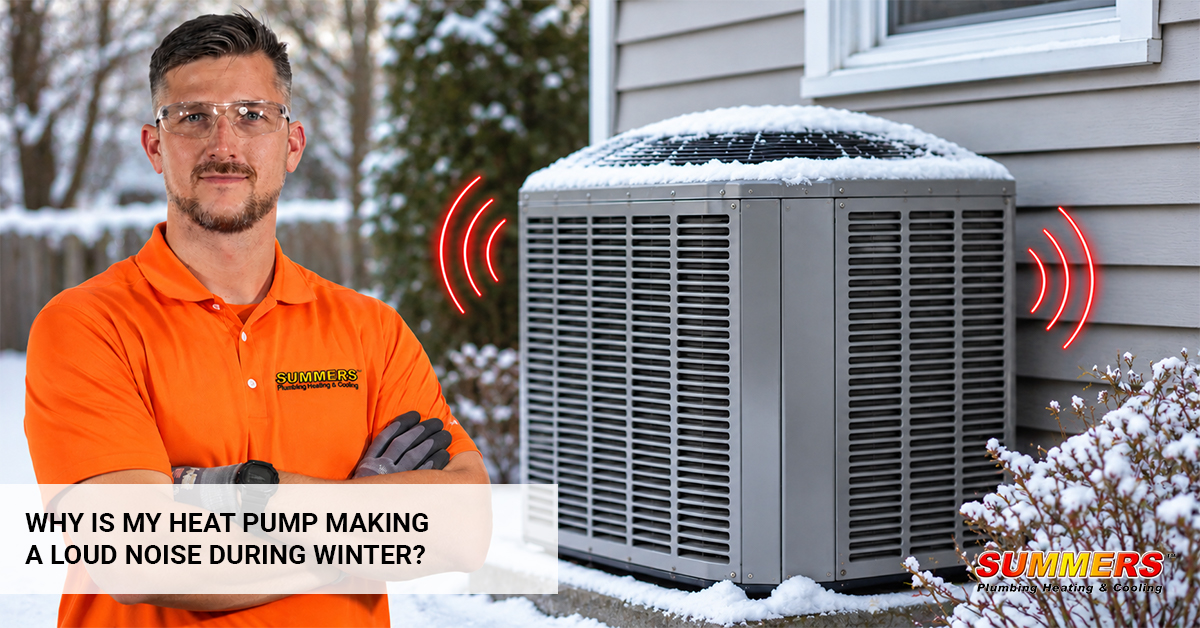
A heat pump can make loud noises during winter for several reasons, including ice buildup, loose parts, a damaged fan motor, or its normal defrost cycle. Some sounds, like brief whooshing, clicking, and hissing, are completely normal. However, loud grinding, repeated banging, or constant buzzing may point to a problem that needs repair.
Cold weather can also make your heat pump work harder to keep your home warm. As outdoor temperatures drop, the system needs to pull heat from colder air. During this time, you may notice sounds that weren’t there during warmer months.
The key is knowing which noises are normal and which ones you shouldn’t ignore. For example, a brief whooshing sound during defrost is usually nothing to worry about. But if your heat pump keeps grinding, rattling, or making loud buzzing noises, something may be wrong.
In this guide, we’ll explain why your heat pump makes unusual noises during winter, what different sounds mean, and what you can do to fix the problem. You’ll also learn when it’s time to call an HVAC technician.
Is It Normal for a Heat Pump to Make Noise During Winter?
Yes, it’s normal for a heat pump to make some noise during winter. The system has several moving parts, including a fan, compressor, and reversing valve, that make sounds while heating your home.
For example, you may hear a brief whooshing sound when the heat pump switches between operating modes. A clicking sound when the system starts or stops is also common.
Another reason is the automatic defrost cycle. During cold weather, frost can build up on the outdoor coil. To remove it, the heat pump temporarily reverses its operation and warms the outdoor coil. As a result, you may hear hissing, whooshing, or bubbling sounds. You might also see steam rising from the outdoor unit. These are usually normal signs that the defrost cycle is working.
However, some noises shouldn’t be ignored. Loud grinding, repeated banging, or constant rattling may indicate a problem with the fan, motor, or another component.
If the noise becomes louder, continues for a long time, or comes with poor heating performance, have an HVAC technician inspect your system.
8 Common Reasons Your Heat Pump Is Making a Loud Noise During Winter
Several problems can make your heat pump louder than usual during winter. Ice buildup, loose parts, and fan motor issues are some of the most common causes. Let’s look at what might be happening and how to recognize each problem.
1. Ice Buildup Around the Outdoor Unit
Ice buildup around the outdoor unit can cause your heat pump to make rattling, scraping, or unusual vibrating noises. This often happens when moisture freezes on the outdoor coil during cold weather.
Your heat pump pulls heat from the outside air through its outdoor coil. As it does this, moisture can collect on the coil and turn into frost or ice. A thin layer of frost is normal, and the system should remove it through its automatic defrost cycle. If thick ice keeps covering your outdoor unit, read our guide on why your heat pump may be covered in ice and what you can do about it.
However, too much ice can create problems. It may block airflow, interfere with the outdoor fan, or cause nearby components to vibrate. That’s when you may start hearing unusual noises.
Common warning signs include:
- Thick ice covering the outdoor coil.
- Rattling or scraping sounds from the outdoor unit.
- Reduced heating performance.
- Ice that keeps returning or doesn’t clear during defrost.
- The outdoor fan struggling to spin properly.
What should you do?
First, check the outdoor unit for visible ice, snow, leaves, or other debris. Keep the area around the unit clear so air can flow freely.
A thin layer of frost usually isn’t a concern. However, if thick ice keeps building up or blocks the fan, you should contact an HVAC technician.
Never try to break the ice with sharp tools or pour hot water over the unit. You could damage the outdoor coil or other components. Let a professional inspect the system and find out why the ice isn’t clearing properly.
2. The Heat Pump’s Defrost Cycle
Your heat pump may make a loud whooshing or hissing sound when its automatic defrost cycle starts. This is usually normal and helps the system remove frost from the outdoor coil.
During winter, frost can build up on the outdoor coil as the heat pump pulls heat from the outside air. Too much frost can restrict airflow and reduce heating performance. To prevent this, the system automatically switches into defrost mode and temporarily reverses the refrigerant flow. This warms the outdoor coil and melts the accumulated frost.
While this happens, you may notice a few unusual sounds, such as:
- A sudden whooshing sound as the system changes modes.
- A brief hissing noise as refrigerant flow changes.
- A change in the compressor’s operating sound.
- Water dripping from the outdoor unit as ice melts.
- Steam rising from the outdoor unit.
These sounds are generally nothing to worry about if they stop after the defrost cycle ends and your heat pump returns to normal heating.
However, frequent or unusually long defrost cycles may point to a problem. A faulty sensor, damaged defrost control, restricted airflow, or refrigerant issue could prevent the system from working properly.
If your heat pump keeps building up ice, makes unusual noises during every defrost cycle, or struggles to return to heating mode, have an HVAC technician inspect it.
3. Loose or Damaged Fan Blades
Loose or damaged fan blades can cause your heat pump to make rattling, clicking, or banging noises during winter. The outdoor fan moves air across the coil, so it needs to spin freely to keep the system working properly.
However, ice, snow, and debris can interfere with the fan during cold weather. A blade may become bent, damaged, or loose. When this happens, the fan may wobble or hit nearby components while spinning.
As a result, you may hear unusual noises coming from the outdoor unit. A damaged fan blade can also create excessive vibration and put extra strain on the fan motor.
Look for these warning signs:
- Repeated rattling or clicking from the outdoor unit.
- Scraping sounds while the fan is running.
- Visible damage to the fan blades.
- Unusual vibration around the equipment.
- Reduced airflow through the outdoor unit.
If you notice these signs, turn off your heat pump if the fan is hitting something or making severe mechanical noises. Don’t try to straighten the blades or reach inside the unit yourself.
Instead, contact an HVAC technician. They can inspect the fan assembly, check for damage, and replace any faulty components before they cause further problems.
4. A Failing Outdoor Fan Motor
A failing outdoor fan motor can make your heat pump produce loud grinding, squealing, humming, or buzzing noises during winter. The motor powers the outdoor fan, which moves air across the coil to help the system transfer heat.
Over time, the motor’s internal bearings and other parts can wear out. When this happens, the fan may struggle to spin smoothly or take longer to start. You may also notice unusual vibration coming from the outdoor unit.
Common signs of a failing fan motor include:
- Grinding or squealing sounds while the heat pump is running.
- Loud humming or buzzing from the outdoor unit.
- The fan starting and stopping unexpectedly.
- Reduced airflow around the outdoor coil.
- Unusual vibration or inconsistent fan movement.
Don’t ignore these warning signs. If the outdoor fan stops working, your heat pump may struggle to release or absorb heat properly. This can affect heating performance and put extra strain on other components.
If you suspect a fan motor problem, contact an HVAC technician. They can inspect the motor, bearings, wiring, and electrical connections to determine whether the motor needs repair or replacement.
5. Compressor Problems
A faulty compressor can cause your heat pump to make loud humming, buzzing, knocking, or vibrating noises during winter. The compressor is one of the main components of your heat pump. It moves refrigerant through the system, allowing the unit to transfer heat between the indoor and outdoor air.
When the compressor starts wearing out or develops a mechanical problem, you may notice unusual sounds coming from the outdoor unit. Cold weather can also make existing problems more noticeable because your heat pump may run longer to keep your home warm.
Common signs of compressor trouble include:
- Loud humming or buzzing from the outdoor unit.
- Repeated knocking or vibrating sounds.
- Difficulty starting the heat pump.
- Reduced heating performance.
- Frequent system shutdowns.
Keep in mind that not every compressor noise means something is wrong. A certain amount of humming and vibration is normal during operation.
However, if your heat pump suddenly becomes much louder or starts making repeated knocking sounds, don’t ignore it. The problem could involve the compressor, electrical connections, refrigerant system, or another mechanical component.
Contact an HVAC technician for a proper diagnosis. They can inspect the compressor and related components to identify the source of the noise and recommend the right repair.
6. Loose Panels, Screws, or Mounting Brackets
Loose panels, screws, or mounting brackets can cause your heat pump to make rattling, buzzing, or metallic noises during winter. These parts help keep the outdoor unit stable, but they can loosen over time because of normal vibration.
Whenever your heat pump runs, its compressor and fan create some movement. If a panel or mounting bracket becomes loose, the vibration can make it shake against other parts of the unit.
Cold weather may make the noise more noticeable, especially when your heat pump runs for longer periods.
Common signs of loose components include:
- Rattling sounds coming from the outdoor cabinet.
- Buzzing or vibrating panels.
- Metallic noises when the system starts.
- Noise that changes as the fan or compressor runs.
- Visible gaps or loose exterior panels.
You can check the outside of your heat pump for visible damage or loose panels. However, don’t remove the cabinet cover or try to tighten internal components yourself.
If the rattling continues, contact an HVAC technician. They can inspect the mounting base, secure loose hardware, and check whether the unit is properly installed. Fixing loose components early can prevent unnecessary vibration and further damage.
7. Refrigerant Flow or Pressure Problems
Refrigerant problems can cause your heat pump to make unusual hissing, bubbling, or gurgling noises during winter. Refrigerant moves through the coils, compressor, and connecting lines to transfer heat between the indoor and outdoor air.
Some soft hissing or bubbling sounds are normal as refrigerant moves through the system. However, loud or persistent hissing may indicate a refrigerant leak or another issue with the refrigerant system.
When refrigerant levels become too low, your heat pump may struggle to transfer heat properly. As a result, it may run longer and have trouble keeping your home warm.
Common warning signs include:
- Persistent hissing near refrigerant lines.
- Reduced heating performance.
- Longer heating cycles.
- Ice forming on refrigerant lines or coils.
- Unusual bubbling or gurgling sounds.
If you notice these signs, don’t try to handle the refrigerant lines or repair a possible leak yourself. Refrigerant systems require special tools and trained professionals.
Instead, contact a qualified HVAC technician. They can inspect the refrigerant lines, check system pressures, locate possible leaks, and recommend the right repair. Fixing the problem early can help restore heating performance and prevent further damage to your heat pump.
8. Reversing Valve Problems
A faulty reversing valve can cause your heat pump to make unusual clicking, humming, or whooshing noises during winter. This valve controls the direction of refrigerant flow, allowing your heat pump to switch between heating and cooling modes.
During winter, the reversing valve helps your system operate in heating mode. It also changes the refrigerant flow during the automatic defrost cycle to remove frost from the outdoor coil.
You may hear a brief clicking or whooshing sound when the valve changes position. That’s usually normal. However, if the valve becomes damaged or stops working properly, you may notice unusual noises and poor heating performance.
Common signs of reversing valve problems include:
- Repeated clicking or unusual humming sounds.
- Difficulty switching between heating and cooling modes.
- The heat pump blowing cool or lukewarm air during heating.
- Unexpected changes in system operation.
- Reduced heating performance and efficiency.
If you notice these symptoms, don’t ignore them. A malfunctioning reversing valve can prevent your heat pump from switching modes correctly.
Contact an HVAC technician to inspect the reversing valve, electrical connections, and control system. They can identify the problem and determine whether the valve needs repair or replacement.
What Do Different Heat Pump Noises Mean?
Different heat pump noises can point to different problems, depending on when they happen and how long they last. For example, a brief whooshing sound is usually part of the normal defrost cycle, while persistent grinding or banging may indicate damaged components.
Paying attention to the sound can help you understand what might be wrong with your system. Here’s a quick guide to common heat pump noises during winter and what you should do about them.
| Heat pump noise | Possible cause | Recommended action |
| Loud buzzing | Electrical issue or compressor problem | Schedule an inspection |
| Rattling | Loose panels or fan components | Check for visible damage |
| Grinding | Motor or bearing damage | Turn off the system if severe |
| Hissing | Normal refrigerant movement or possible leak | Arrange an inspection if persistent |
| Banging | Loose or damaged components | Turn off the system if severe |
| Clicking | Relay, controls, or reversing valve | Monitor repeated or unusual sounds |
| Whooshing | Normal defrost cycle | Usually no action needed |
| Squealing | Motor or bearing problem | Schedule HVAC service |
Keep in mind that these sounds don’t always mean a specific component has failed. For example, a buzzing noise could come from an electrical part or the compressor. Similarly, hissing may be normal during operation or indicate a refrigerant problem.
If the noise continues, gets louder, or affects your heat pump’s heating performance, have an HVAC technician inspect the system. A proper diagnosis can help you avoid unnecessary repairs and prevent further damage.
When Should You Worry About a Loud Heat Pump Noise?
You should worry about a loud heat pump noise when it suddenly becomes louder than usual, makes repeated mechanical sounds, or struggles to heat your home. These changes may indicate a problem with the fan motor, compressor, electrical components, or other parts of the system.
Some noises are normal during winter. However, ignoring unusual sounds can lead to more serious damage and expensive repairs.
Pay attention to these warning signs:
- Loud grinding: May indicate worn motor bearings or damaged moving parts.
- Repeated banging: Could mean a loose fan blade or another component is hitting something.
- Continuous buzzing: May point to an electrical issue or compressor problem.
- Persistent rattling: Could indicate loose panels, mounting hardware, or excessive vibration.
- Heavy ice buildup: May signal a problem with the defrost system or restricted airflow.
- Burning or electrical smell: Could indicate overheating or an electrical fault.
When should you turn off your heat pump?
Turn off your heat pump if you notice smoke, a burning smell, severe grinding, or a fan hitting ice or another object. Use the thermostat or normal system controls if it’s safe to do so. Don’t attempt to restart the unit until an HVAC technician has inspected it.
On the other hand, a brief whooshing or hissing sound during the defrost cycle usually isn’t a reason to worry. If your heat pump returns to normal operation and continues heating your home, the sound is likely part of its regular operation.
The main thing is to pay attention to sudden changes. If a noise continues, gets louder, or affects heating performance, arrange a professional inspection before the problem gets worse.
What Can You Do If Your Heat Pump Is Making Loud Noises?
If your heat pump is making loud noises, start by checking for visible obstructions, excessive ice, or unusual vibration around the outdoor unit. These simple checks can help you identify obvious problems before calling an HVAC technician.
However, avoid opening the equipment or attempting electrical and mechanical repairs yourself. Here are five steps you can safely follow.
1. Check Around the Outdoor Unit
Start by checking the area around your outdoor heat pump. Leaves, branches, snow, and other debris can block airflow or interfere with the fan.
Remove loose debris from around the unit and keep the recommended clearance on all sides. Also, make sure snow isn’t blocking the air intake or discharge.
If the fan continues making unusual noises after clearing the area, there may be another problem that needs attention.
2. Inspect for Excessive Ice Buildup
A thin layer of frost on the outdoor coil is normal during winter. However, thick ice covering the coil or blocking the fan can affect your heat pump’s operation.
Check whether the frost clears during the automatic defrost cycle. If heavy ice remains or keeps coming back, your system may have a defrost or airflow problem.
Never use sharp tools to remove ice or pour hot water over the unit. Instead, contact an HVAC technician if the ice doesn’t clear properly.
3. Check for Visible Vibration
Excessive vibration can cause your heat pump to make rattling, buzzing, or metallic noises.
Watch the outdoor unit while it runs, but keep a safe distance. Look for unusual movement, loose exterior panels, or signs that the unit isn’t sitting properly on its base.
Don’t remove the cabinet cover or try to tighten internal components while the system is running. If the vibration continues, have a technician inspect the equipment.
4. Listen During the Defrost Cycle
Pay attention to when your heat pump makes unusual sounds. This can help you understand whether the noise is part of normal operation or a possible warning sign.
For example, a brief whooshing or hissing sound during defrost is usually normal. You may also notice water dripping or steam rising from the outdoor unit as the ice melts.
However, if the noise continues after defrost or becomes louder over time, your system may need professional attention.
5. Schedule Professional HVAC Service
If your heat pump keeps making unusual noises after these basic checks, schedule a professional inspection.
An HVAC technician can examine the fan motor, compressor, refrigerant lines, electrical connections, and defrost controls. They can also identify loose or damaged components that may be causing the noise. If your heat pump continues making unusual noises, explore our professional heating services in Columbus, IN, for expert help diagnosing and resolving heating system problems.
It’s better to address the problem early rather than wait for a complete system breakdown. Timely repairs can prevent further damage, improve heating performance, and help your heat pump run reliably throughout winter.
How Much Does It Cost to Repair a Noisy Heat Pump?
The cost to repair a noisy heat pump depends on what’s causing the noise, which parts need attention, and how much labor the repair requires. A simple fix, such as tightening loose panels, usually costs less than replacing a fan motor or compressor.
For example, a noisy fan may only need a blade replacement or motor repair. However, if the compressor or reversing valve is damaged, the repair can be much more expensive.
Here are some common heat pump repairs and the factors that affect their costs:
| Heat pump repair | What affects the cost |
| Fan motor replacement | Motor type, replacement parts, and labor |
| Fan blade replacement | Blade availability and installation labor |
| Capacitor replacement | Capacitor type and service charge |
| Refrigerant leak repair | Leak location, repair work, and refrigerant requirements |
| Reversing valve replacement | Valve type, system model, and labor |
| Compressor replacement | Compressor model, installation, and refrigerant work |
| Diagnostic service | Inspection time and local service rates |
Keep in mind that repair costs vary by location, heat pump model, equipment age, and the severity of the problem. Older systems or units with hard-to-access components may also require more labor.
Before approving a repair, ask your HVAC technician to explain what’s causing the noise and provide an itemized estimate. Make sure the estimate includes replacement parts, labor, and any additional service charges.
If your heat pump needs frequent repairs, compare the total repair cost with the price of installing a new system. In some cases, replacing an older unit may be a better long-term option than continuing to pay for expensive repairs.
How to Prevent Heat Pump Noise During Winter
You can prevent many heat pump noise problems during winter by keeping the outdoor unit clear, replacing dirty air filters, and scheduling regular maintenance. These simple steps help reduce unnecessary strain on the system and keep its components working properly.
Here are five ways to keep your heat pump running smoothly and avoid unusual noises during colder months.
1. Keep the Outdoor Unit Clear of Snow and Debris
Keep the area around your outdoor heat pump free of snow, leaves, branches, and other debris. These materials can block airflow and interfere with the fan.
During winter, check the outdoor unit regularly to make sure snow isn’t blocking its air intake or discharge. Also, maintain the clearance recommended by the manufacturer.
Never cover an operating heat pump with a tarp or other material. Proper airflow helps the system work efficiently and reduces the risk of unnecessary noise.
2. Schedule Regular Heat Pump Maintenance
Regular professional maintenance helps identify worn or damaged components before they cause bigger problems. Following a regular HVAC maintenance checklist can help you identify potential problems and keep your heating system running smoothly.
During a maintenance visit, an HVAC technician can:
- Check the outdoor fan and motor.
- Inspect electrical connections.
- Examine refrigerant lines.
- Test the automatic defrost cycle.
- Check the compressor.
- Inspect mounting hardware and unusual vibration.
Scheduling maintenance before winter can help your heat pump handle colder weather and reduce the risk of unexpected breakdowns.
3. Check for Loose or Damaged Components
Loose panels, screws, and mounting brackets can cause rattling or vibrating noises while your heat pump operates.
Pay attention to unusual sounds coming from the outdoor unit. If you notice visible damage or excessive vibration, arrange an inspection.
Fixing loose components early can help prevent further damage and keep the unit operating quietly.
4. Replace Dirty Air Filters
A dirty air filter can restrict airflow through your HVAC system and affect your heat pump’s heating performance.
Check your air filter regularly and replace it according to the manufacturer’s recommendations. Some filters need replacement more often, especially when your system runs frequently or your home has pets.
A clean filter helps maintain proper airflow, reduces strain on the system, and supports more efficient heating.
5. Address Unusual Sounds Early
Don’t ignore sudden changes in your heat pump’s operating noise. A small mechanical problem can become more serious if you continue running the system without addressing it.
For example, a loose fan component may eventually damage nearby parts. Similarly, a worn motor bearing can cause more problems if left unchecked.
If your heat pump starts making persistent grinding, banging, or loud buzzing sounds, contact an HVAC technician. Finding the problem early can help you avoid more expensive repairs and keep your home comfortable throughout winter. Regular maintenance and timely repairs are also important when learning how to make your HVAC system last longer.
Frequently Asked Questions
Why Does My Heat Pump Make a Loud Whooshing Noise in Winter?
Your heat pump usually makes a loud whooshing noise in winter when it enters the automatic defrost cycle. During this process, the system temporarily reverses refrigerant flow to warm the outdoor coil and melt accumulated frost. The sound is generally normal if it lasts briefly and the heat pump returns to regular heating afterward.
Why Does My Heat Pump Sound Like an Airplane Taking Off?
Your heat pump may sound like an airplane taking off when the outdoor fan or compressor produces excessive noise. Common causes include a failing fan motor, damaged fan blades, loose components, or compressor problems. If the noise suddenly becomes louder or continues during operation, contact an HVAC technician for an inspection.
Is It Normal for a Heat Pump to Make a Hissing Noise During Defrost?
Yes, a brief hissing noise during the defrost cycle is usually normal. It happens as refrigerant changes direction and pressure inside the system. However, if the hissing continues after defrost or seems to come from the refrigerant lines, your heat pump may have a leak or another refrigerant problem.
Why Does My Heat Pump Make a Loud Buzzing Noise When It Starts?
A loud buzzing noise when your heat pump starts may indicate an electrical problem, a faulty capacitor, a contactor issue, or compressor trouble. A brief humming sound is normal, but repeated loud buzzing or difficulty starting the system should be checked by an HVAC technician.
Should I Turn Off My Heat Pump If It Is Making a Grinding Noise?
Yes, turn off your heat pump if it makes a loud or persistent grinding noise. This sound may indicate damaged motor bearings, a failing fan motor, or another problem with moving components. Continuing to run the system could cause further damage. Contact an HVAC technician before restarting it.
Why Does My Heat Pump Make a Banging Noise When It Is Cold Outside?
Your heat pump may make a banging noise during cold weather because of loose fan components, damaged fan blades, ice interfering with moving parts, or loose mounting hardware. A brief sound during a change in operating mode may be normal. However, repeated or loud banging needs professional inspection.
Can Ice Buildup Cause a Heat Pump to Make Loud Noises?
Yes, excessive ice buildup can cause your heat pump to make rattling, scraping, or banging noises. Ice may interfere with the outdoor fan or restrict airflow around the coil. A thin layer of frost is normal, but thick ice that doesn’t clear during the defrost cycle may indicate an airflow, sensor, or defrost system problem.
How Long Should a Heat Pump Defrost Cycle Last?
A typical heat pump defrost cycle lasts around 5–15 minutes, depending on the equipment, outdoor temperature, and amount of frost on the coil. During this time, you may hear whooshing or hissing sounds and see steam rising from the outdoor unit. The system should return to normal heating afterward. If defrost cycles regularly take much longer or the unit remains covered in ice, schedule an HVAC inspection.
Get Professional Help for a Noisy Heat Pump
A noisy heat pump during winter doesn’t always mean something is wrong. Brief whooshing, clicking, and hissing sounds are often part of normal operation, especially during the automatic defrost cycle.
However, persistent grinding, banging, loud buzzing, or excessive vibration may indicate a problem with the fan motor, compressor, electrical components, or other parts of the system. Ignoring these sounds can lead to further damage and more expensive repairs.
Pay attention to changes in your heat pump’s operating sounds. If something doesn’t sound right, don’t wait for the problem to get worse. Regular maintenance and timely repairs can help your system run smoothly and keep your home warm throughout winter.
If your heat pump is making unusual noises or struggling to heat your home, contact a qualified HVAC technician. They can find the source of the noise, explain what’s wrong, and recommend the right repair to get your heating system working properly again.