Why Does My Furnace Keep Tripping the Circuit Breaker?
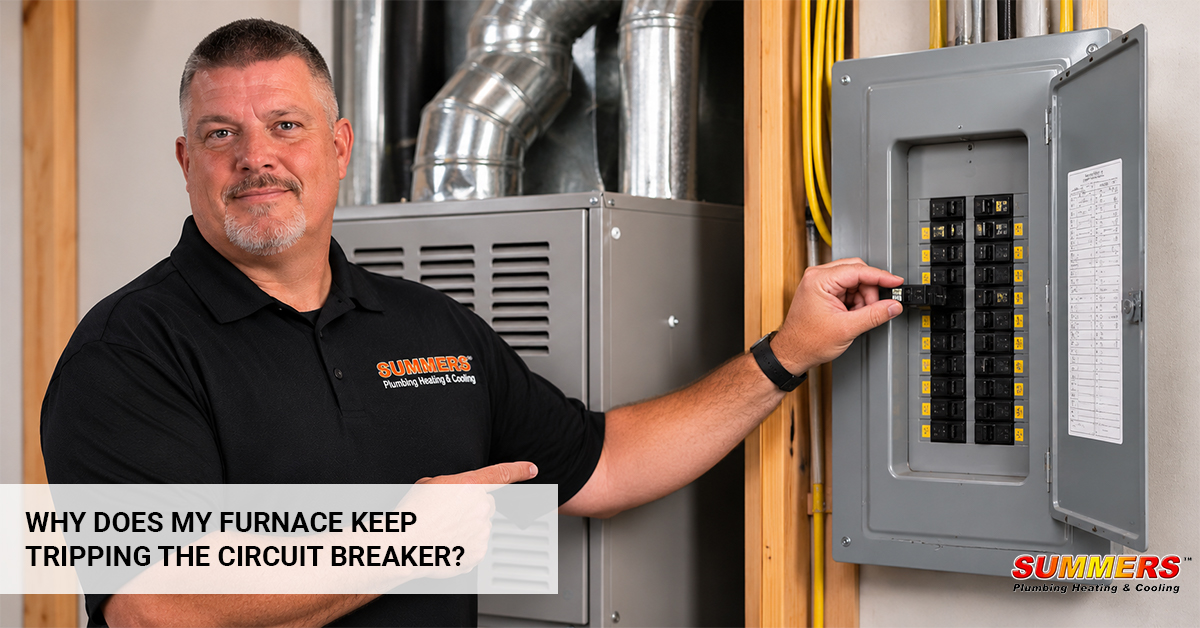
Does your furnace keep tripping the circuit breaker when it starts? This usually means there’s an electrical problem or a component is drawing too much power. A failing blower motor, bad capacitor, damaged wiring, or overloaded circuit could be the cause.
Even gas furnaces need electricity to run their blower motors, control boards, and ignition systems. So, when one of these parts stops working properly, the circuit breaker may shut off power to protect your home.
You may notice the breaker trips as soon as the furnace starts. In other cases, the furnace runs for several minutes before suddenly losing power. The timing can help narrow down what’s causing the problem.
In this guide, we’ll explain the common reasons your furnace keeps tripping the breaker, what you can safely check, and when to call an HVAC technician or electrician.
Why Does My Furnace Keep Tripping the Circuit Breaker?
Your furnace keeps tripping the circuit breaker when it draws more electricity than the circuit can safely handle or develops an electrical fault. Common causes include a failing blower motor, damaged wiring, a faulty capacitor, or an overloaded electrical circuit.
The circuit breaker protects your home from electrical damage and potential fire hazards. When it detects excessive current or a short circuit, it automatically shuts off the power.
Several furnace components can cause this problem. Here are eight common reasons your furnace may keep tripping the breaker.
1. A Failing Furnace Blower Motor
A failing blower motor can draw too much electricity and cause your furnace’s circuit breaker to trip. This motor pushes heated air through your home’s ductwork, helping distribute warm air throughout your rooms.
However, blower motors can wear out over time. Their internal bearings may become damaged, or their electrical windings may develop a fault. When this happens, the motor may struggle to start or continue running.
As the motor works harder, it may draw more electrical current than normal. The circuit breaker can then trip to protect the electrical system.
Common signs of a failing blower motor include:
- The circuit breaker trips when the blower starts.
- You hear humming, grinding, or squealing noises.
- The blower starts slowly or doesn’t run at all.
- Airflow from the vents becomes weak.
- The furnace shuts down during a heating cycle.
- You notice a burning smell near the furnace.
How to fix it: Contact a qualified HVAC technician to inspect the blower motor and its electrical connections. The technician can also measure the motor’s current draw to determine whether it’s using more electricity than it should. If the motor has worn bearings or damaged electrical windings, replacement may be necessary.
Avoid opening the blower compartment or testing motor wiring yourself. These components involve electrical hazards and should be handled by a trained professional.
2. A Faulty Blower Motor Capacitor
A faulty blower motor capacitor can prevent the motor from starting properly and may contribute to a tripped circuit breaker.
Some furnace blower motors use a capacitor to help them start and run smoothly. The capacitor stores and releases electrical energy, giving the motor the support it needs during operation.
Over time, however, a capacitor can weaken or fail. When this happens, the blower motor may struggle to start or reach its normal speed. You might hear a humming sound, notice delayed startup, or experience reduced airflow.
In some cases, the struggling motor may draw more current than normal, causing the circuit breaker to trip.
Common signs of a faulty blower motor capacitor include:
- The blower motor hums but doesn’t start.
- The circuit breaker trips when the blower starts.
- Airflow from the vents becomes weak or inconsistent.
- The blower takes longer than usual to start.
- The furnace shuts down unexpectedly.
How to fix it: Have a qualified HVAC technician test the capacitor and compare its reading with the manufacturer’s specifications. If the capacitor has failed, the technician can replace it with one that has the correct rating.
Keep in mind that not every furnace blower motor uses a separate capacitor. Some newer systems use electronically controlled motors with different components.
Never touch or remove a capacitor yourself. It can retain a dangerous electrical charge even after the furnace has been disconnected from power.
3. Damaged or Loose Electrical Wiring
Damaged or loose electrical wiring can cause a short circuit, overheating, or create an unsafe electrical connection that trips your furnace breaker.
Furnace wiring can deteriorate over time. Heat, vibration, aging insulation, and rodent damage can all affect wires and electrical connections.
For example, damaged wire insulation may expose the metal conductor. If that exposed wire touches the furnace cabinet or another conductor, it can create a short circuit. A loose connection can also generate excess heat and damage nearby components.
Watch for these warning signs:
- The furnace breaker trips unexpectedly or repeatedly.
- You notice a burning smell near the furnace.
- The furnace shuts down without warning.
- You hear buzzing or crackling sounds.
- You see visible damage or discoloration around accessible wiring.
How to fix it: Don’t try to reconnect loose wires or repair damaged insulation yourself. Turn off the furnace using its normal controls if it’s safe to do so, and arrange a professional inspection.
An HVAC technician can inspect the furnace’s internal wiring, connections, and electrical components. If the problem involves your home’s wiring or electrical panel, a licensed electrician should handle the repair. Avoid using the furnace until the electrical fault has been checked.
4. A Faulty Furnace Inducer Motor
A faulty inducer motor can cause your furnace’s circuit breaker to trip shortly after the heating cycle begins. This motor helps move combustion gases through the heat exchanger and out of the exhaust vent.
In a typical gas furnace, the inducer motor starts before the burners ignite. It creates the airflow needed to vent combustion gases safely.
However, the motor can wear out over time. Damaged bearings, electrical problems, or a seized motor can make it draw more current than normal. When this happens, the circuit breaker may shut off power before the furnace starts producing heat.
Common signs of a faulty inducer motor include:
- The circuit breaker trips shortly after the furnace starts.
- You hear humming or unusual noises before ignition.
- The furnace starts, but the burners don’t light.
- The system repeatedly attempts to start.
- You notice unusual vibrations near the furnace.
How to fix it: Have a qualified HVAC technician inspect the inducer motor, check its electrical connections, and test its operation. If the motor has seized or developed an electrical fault, replacement may be necessary.
Don’t remove the motor or disconnect its wiring yourself. The inducer is part of the furnace’s combustion and exhaust system, so it needs to be inspected and repaired properly.
5. A Dirty or Clogged Furnace Air Filter
A dirty furnace air filter can restrict airflow and put extra strain on the blower motor. Although a clogged filter rarely trips a circuit breaker by itself, it can make an existing motor problem worse.
Your furnace filter traps dust, pet hair, and other airborne particles before they enter the heating system. Over time, these particles build up and block airflow through the filter.
When less air passes through, the blower motor may have to work harder to circulate warm air throughout your home. This added strain can contribute to overheating, especially if the motor is already worn or struggling to operate.
Common signs of a dirty furnace filter include:
- Weak airflow from your supply vents.
- Rooms taking longer than usual to warm up.
- More dust collecting around your home.
- The furnace overheating or shutting down.
- Visible dirt and debris covering the filter.
How to fix it: Turn off your furnace using its normal controls before checking the filter. Find the filter compartment and inspect the existing filter.
If the filter looks dirty or clogged, replace it with the correct size and type recommended by the furnace manufacturer. Check the airflow arrow on the filter and make sure it points in the right direction.
If your circuit breaker continues to trip after you replace the filter, don’t assume restricted airflow was the only problem. Have an HVAC technician inspect the blower motor and electrical components to identify the underlying fault.
6. A Faulty Furnace Control Board or Transformer
A faulty furnace control board or transformer can disrupt the heating system’s electrical operation and, in some cases, cause the circuit breaker to trip.
The control board manages several furnace functions, including the startup sequence, blower motor, ignition system, and safety controls. The transformer supplies the lower voltage needed by the thermostat and other control components.
If either component develops an electrical fault, the furnace may stop working correctly. For example, a shorted control board or transformer can create an electrical problem that trips the breaker.
Common signs of a faulty control board or transformer include:
- The furnace doesn’t respond to the thermostat.
- The system starts and shuts down unexpectedly.
- The furnace displays unusual diagnostic codes.
- The blower or ignition system operates unpredictably.
- The circuit breaker trips during startup.
How to fix it: Contact a qualified HVAC technician to inspect the control board, test the transformer, and check the electrical connections. If either component has failed, the technician can determine whether it needs repair or replacement.
Don’t remove the furnace control panel or attempt electrical testing yourself. These components contain electrical connections that can be hazardous, even when the furnace isn’t actively heating.
7. An Overloaded Electrical Circuit
An overloaded electrical circuit can cause your furnace breaker to trip when multiple appliances draw power from the same circuit.
Most modern furnaces use a dedicated electrical circuit. However, some older homes may have furnaces connected to shared circuits.
When several appliances run at the same time, their combined electrical demand can exceed the circuit’s capacity. The breaker then trips to prevent the wiring from overheating.
For example, if your furnace shares a circuit with other electrical equipment, running several devices together may cause the breaker to shut off power.
Common signs of an overloaded circuit include:
- The breaker trips when several appliances run together.
- The furnace loses power when another device starts.
- Lights flicker or dim when electrical equipment operates.
- Other outlets on the same circuit stop working.
- The breaker trips during periods of high electricity use.
How to fix it: If you suspect an overloaded circuit, stop using unnecessary appliances connected to it. Don’t unplug or reconnect equipment near damaged, hot, or discolored outlets.
Ask a licensed electrician to inspect the circuit and measure its electrical load. The electrician can determine whether your furnace needs a dedicated circuit or another electrical upgrade.
Never replace the existing breaker with one that has a higher amperage rating just to stop repeated tripping. The breaker must match the wiring and equipment requirements to protect your home.
8. A Faulty Circuit Breaker or Electrical Panel
Sometimes, the problem isn’t with your furnace at all. A worn circuit breaker or damaged electrical panel can cause repeated power interruptions, even when the heating system is working properly.
Circuit breakers can wear out over time. Their internal components may become damaged or overly sensitive, causing them to trip more easily than they should. Loose connections inside the electrical panel can also create excessive heat and other electrical hazards.
If your furnace and its components check out, the circuit breaker or electrical panel may be responsible.
Common warning signs include:
- The breaker trips even when the furnace isn’t running.
- The breaker feels unusually warm or hot.
- You notice a burning smell near the electrical panel.
- The breaker makes buzzing or crackling sounds.
- The breaker trips repeatedly without an obvious cause.
How to fix it: Contact a licensed electrician to inspect the circuit breaker and electrical panel. The electrician can test the breaker, check the connections, and determine whether replacement or additional repairs are needed.
Never remove the electrical panel cover or attempt to replace a breaker yourself. If you notice smoke, sparks, or a burning smell, stay away from the panel and seek urgent professional help.
Why Does My Furnace Breaker Trip at Different Times?
The timing of a furnace breaker trip can help identify the type of electrical problem affecting your heating system. For example, a breaker that trips immediately may point to a short circuit or faulty component. If it trips after several minutes, an overheating motor, loose connection, or overloaded circuit could be responsible.
However, timing alone can’t confirm the exact cause. An HVAC technician or licensed electrician may need to test the system to find the underlying fault.
Why Does My Furnace Breaker Trip Immediately?
Your furnace breaker may trip immediately because of a short circuit, damaged wiring, a seized motor, or another faulty electrical component.
When the breaker trips as soon as you turn on the furnace, an electrical fault may be present in the wiring or one of the connected components.
Possible causes include:
- A shorted blower or inducer motor.
- Damaged or exposed electrical wiring.
- A faulty furnace control board.
- An electrical fault in another furnace component.
- A damaged circuit breaker.
Don’t keep resetting the breaker to see if the furnace will start. Leave it off and arrange a professional inspection.
Why Does My Furnace Breaker Trip When the Blower Starts?
Your furnace breaker may trip when the blower starts because the motor is drawing more electrical current than it should.
A worn blower motor, faulty capacitor, or damaged electrical connection can prevent the motor from starting properly. You might hear a humming sound or notice the blower struggling to start just before the breaker trips.
An HVAC technician can measure the motor’s current draw, inspect its electrical connections, and test the capacitor if the motor uses one. These checks can help determine whether a component needs repair or replacement.
Why Does My Furnace Breaker Trip After Running for a While?
A furnace breaker that trips after several minutes may indicate an electrical component that’s overheating or drawing excessive current during operation.
For example, a worn blower motor may start normally but draw too much current as it heats up. A loose electrical connection or overloaded circuit can also cause problems during longer heating cycles.
If your heating system frequently shuts down during operation, read our guide on why your furnace keeps turning off to understand other possible causes.
Pay attention to how long the furnace runs before the breaker trips. This detail can help a technician narrow down the possible cause.
Don’t keep running the furnace to reproduce the problem. If the breaker trips again, leave it off and arrange a professional inspection.
What Should You Do When Your Furnace Keeps Tripping the Breaker?
If your furnace keeps tripping the breaker, stop resetting it and arrange a professional inspection. A repeatedly tripping breaker may indicate an electrical fault, damaged component, or overloaded circuit.
You can perform a few basic checks without opening the furnace or touching electrical components. However, leave electrical testing and repairs to a qualified professional.
1. Stop Repeatedly Resetting the Breaker
The first step is to stop resetting the breaker every time it trips.
A circuit breaker shuts off power when it detects excessive current or an electrical fault. Repeatedly switching it back on can expose damaged wiring and equipment to further electrical stress.
If the breaker trips again, leave it off and contact a qualified professional. Don’t keep trying to restart the furnace.
2. Turn Off the Furnace
Turn off the furnace using its normal thermostat or power switch, provided it’s safe to do so.
This prevents the system from attempting another heating cycle while the electrical problem remains unresolved.
If you notice smoke, sparks, or a burning smell, stay away from the furnace and seek urgent professional help.
3. Check the Air Filter
A dirty air filter can restrict airflow and put additional strain on the blower motor.
Check the filter for visible dust and debris. If it’s clogged, replace it with the correct size and type recommended by the furnace manufacturer.
Keep in mind that a new filter won’t fix an electrical short, damaged motor, or faulty circuit breaker. If the breaker continues tripping, the system needs further inspection.
4. Check Air Vents and Return Grilles
Make sure furniture, rugs, curtains, and other objects aren’t blocking your supply vents or return grilles.
Restricted airflow can affect furnace performance and make the blower work harder.
Clear any visible obstructions around the vents. If the breaker continues to trip, contact an HVAC technician to check for other problems.
5. Look for Visible Warning Signs
You can look for obvious warning signs without opening the furnace or electrical panel.
Pay attention to:
- Burning smells near the furnace.
- Smoke or visible sparks.
- Unusual humming or buzzing sounds.
- Discoloration around accessible electrical components.
- A breaker that feels unusually hot.
Don’t touch exposed wires, remove electrical covers, or attempt to inspect internal components. If you notice smoke, sparks, a burning smell, or signs of overheating, stay away from the equipment and seek urgent professional help.
Can a Dirty Furnace Filter Cause the Circuit Breaker to Trip?
Yes, a dirty furnace filter can contribute to a tripped circuit breaker, but it’s rarely the direct cause. A clogged filter restricts airflow and can put extra strain on the blower motor, particularly if the motor is already worn or damaged.
When less air passes through the filter, the blower has to work harder to circulate warm air throughout your home. This added strain can contribute to motor overheating and other operating problems.
However, a properly functioning furnace shouldn’t normally trip its circuit breaker simply because the air filter is dirty.
If replacing the filter doesn’t solve the problem, another component may be responsible, such as:
- A failing blower motor.
- A faulty motor capacitor, if fitted.
- Damaged or loose electrical wiring.
- A shorted furnace control component.
- An overloaded electrical circuit.
If the breaker continues to trip, have a qualified HVAC technician inspect the furnace’s electrical components. Don’t assume a dirty filter is the only problem or keep resetting the breaker.
When Should You Call an HVAC Technician or Electrician?
Call an HVAC technician or licensed electrician if your furnace repeatedly trips the circuit breaker or shows signs of an electrical problem. The cause could be a failing motor, damaged wiring, a faulty control component, or an issue with your home’s electrical panel.
If your furnace repeatedly trips the breaker because of a faulty motor, capacitor, or internal electrical component, schedule professional furnace repair in Columbus, IN to identify the problem and restore reliable heating.
Don’t ignore repeated breaker trips. An unresolved electrical fault can damage furnace components and create a safety risk.
Contact a professional if you notice any of these signs:
- The furnace breaker trips every time the system starts.
- The blower motor makes humming, grinding, or unusual noises.
- The furnace loses power during a heating cycle.
- You notice a burning smell near the furnace.
- The breaker continues tripping after you replace the air filter.
- You see damaged wiring or visible electrical damage.
- The breaker feels unusually hot.
- The furnace repeatedly shuts down before completing a heating cycle.
Should You Call an HVAC Technician or an Electrician?
The right professional depends on where the problem is coming from.
Call an HVAC technician for problems involving the furnace, such as:
- Blower motor problems.
- Faulty motor capacitors.
- Inducer motor failures.
- Furnace control board problems.
- Internal furnace wiring and electrical components.
Call a licensed electrician for problems involving your home’s electrical system, such as:
- Circuit breaker replacement.
- Electrical panel problems.
- Overloaded household circuits.
- Damaged home wiring.
- Dedicated circuit installation.
Sometimes, both professionals may need to work together to identify and fix the problem.
Never install a higher-rated circuit breaker just to stop repeated tripping. The breaker must match the wiring and equipment requirements. Using an incorrect rating can leave the wiring unprotected and create a serious fire hazard.
How Can You Prevent Your Furnace From Tripping the Circuit Breaker?
Regular furnace maintenance and timely electrical inspections can help reduce the risk of unexpected breaker trips. Keeping your heating system clean and addressing unusual noises or performance problems early can also prevent minor issues from becoming expensive repairs.
Follow these maintenance tips to keep your furnace operating safely and reliably.
Replace furnace air filters regularly. Check your filter every month during heavy heating use. Replace it when it becomes dirty or according to the manufacturer’s recommendations. A clean filter helps maintain proper airflow and reduces unnecessary strain on the blower.
Schedule annual furnace maintenance. Have an HVAC technician inspect the blower motor, inducer motor, ignition system, control board, and other important components. Regular inspections can help identify worn or damaged parts before they cause a breakdown. Scheduling professional furnace maintenance in Columbus helps identify worn motors, loose connections, and other potential problems before they cause unexpected breakdowns.
Keep air vents clear. Make sure furniture, rugs, and curtains don’t block supply vents or return grilles. Proper airflow helps the blower distribute warm air without unnecessary strain.
Address unusual motor noises early. Don’t ignore humming, grinding, or squealing sounds. These noises may indicate a motor, bearing, or other mechanical problem that needs professional attention. Following proper maintenance practices can help prevent furnace breakdowns and keep your heating system operating reliably throughout winter.
Watch for visible wiring problems. Look for obvious signs of damage, discoloration, or overheating around accessible areas. Never touch exposed wires or attempt electrical repairs yourself.
Have your electrical circuit inspected. If your home has older wiring or a shared furnace circuit, ask a licensed electrician to check whether the circuit meets the furnace manufacturer’s electrical requirements.
Fix small problems early. If your furnace repeatedly shuts down, loses power, or struggles to start, arrange a professional inspection. Addressing these warning signs early can help prevent more serious damage.
Regular maintenance won’t eliminate every electrical problem, but it can help your furnace run more reliably and reduce the risk of unexpected breakdowns.
Get Professional Help for a Furnace That Keeps Tripping the Breaker
A furnace that repeatedly trips the circuit breaker may have a failing blower motor, faulty capacitor, damaged wiring, inducer motor problem, or electrical panel issue. Repeated breaker trips are a warning sign that something needs attention.
You can start with simple checks, such as inspecting the air filter and clearing blocked vents. However, don’t keep resetting the breaker or attempt to repair internal electrical components yourself.
A qualified HVAC technician can inspect your furnace, test its electrical components, and identify the cause of the problem. If the issue involves household wiring or the electrical panel, a licensed electrician can handle the necessary repairs.
Don’t ignore repeated breaker trips or wait for your furnace to stop working completely. Contact a qualified professional to schedule an inspection and restore safe, reliable heating to your home.