
How to Prevent Furnace Breakdowns in Columbus, Indiana
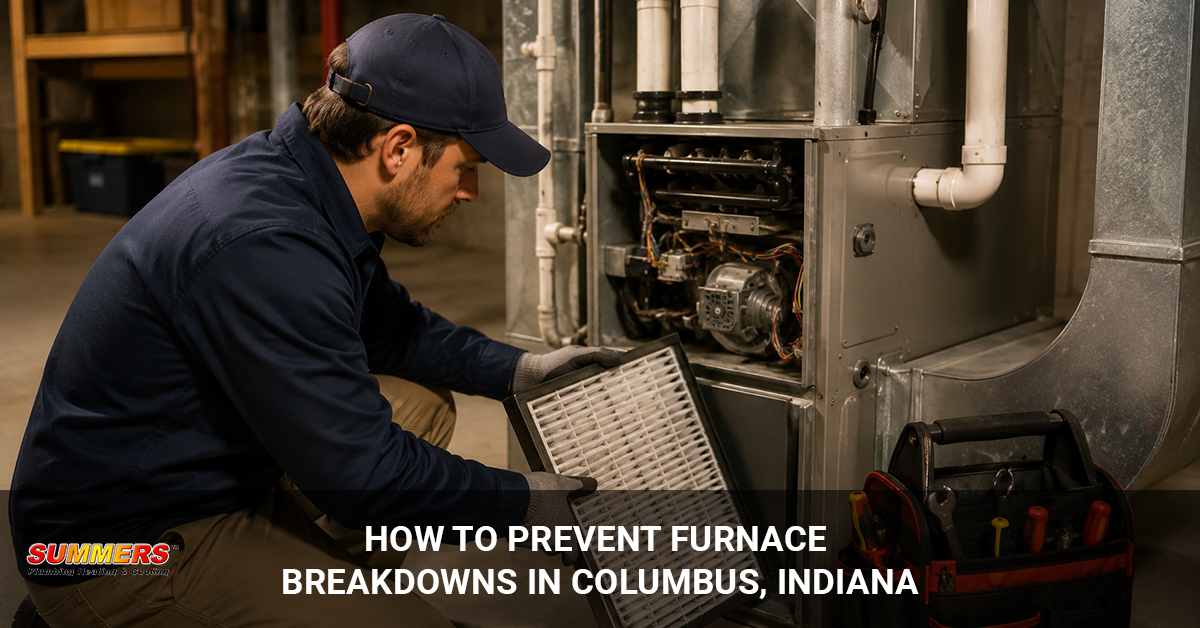
The best way to prevent furnace breakdowns is to stay on top of routine maintenance, replace air filters regularly, and fix small issues before they turn into expensive repairs. Most furnace failures don’t happen without warning. In many cases, they develop gradually due to dirty filters, worn parts, airflow problems, or a lack of professional maintenance.
In Columbus, Indiana, furnaces often run for long periods during the winter. When temperatures drop, your heating system works harder to keep your home warm and comfortable. That extra workload can expose hidden problems and increase the risk of a breakdown, especially if the furnace hasn’t been properly maintained.
The good news is that many common furnace problems can be prevented. Simple steps like changing your filter, scheduling annual tune-ups, and paying attention to warning signs can help your system run more efficiently and reduce the chances of an unexpected repair.
Preventive maintenance doesn’t just help avoid breakdowns. It can also lower energy bills, improve indoor comfort, extend the life of your furnace, and reduce overall heating costs.
In this guide, you’ll learn practical ways to prevent furnace breakdowns in Columbus, Indiana, so your heating system stays reliable throughout the winter season.
Why Furnaces Break Down During Indiana Winters
Furnaces are more likely to break down during Indiana winters because they run longer and work harder to keep homes warm. The extra demand placed on the system can expose existing problems and cause worn components to fail when you need heat the most.
Many furnace breakdowns are not caused by a single major issue. Instead, they result from small problems that have been ignored over time. A dirty air filter, weak blower motor, faulty thermostat, or worn ignition component may seem minor at first, but these issues can quickly lead to a system failure during periods of extreme cold.
When outdoor temperatures stay below freezing for days at a time, your furnace may operate almost continuously. This constant operation increases wear on critical components and makes regular maintenance even more important.
Some of the most common causes of furnace breakdowns include:
- Dirty or clogged air filters
- Lack of annual furnace maintenance
- Ignition or pilot light problems
- Malfunctioning thermostats
- Worn blower motors
- Electrical component failures
- Restricted airflow
- Aging furnace equipment
Older furnaces are especially vulnerable during winter because parts naturally wear out over time. As efficiency decreases, the system must work harder to produce the same amount of heat, increasing the likelihood of a breakdown.
The good news is that many of these problems can be prevented. Regular maintenance, timely repairs, and routine filter changes can significantly reduce the risk of furnace failure and help keep your home comfortable throughout the winter season.
Change Your Furnace Filter Regularly
Replacing your furnace filter regularly is one of the easiest and most effective ways to prevent furnace breakdowns. A clean filter allows air to flow freely through the system, helping your furnace operate efficiently and reducing unnecessary strain on important components.
When a filter becomes clogged with dust, dirt, and debris, airflow is restricted. This forces the furnace to work harder to move warm air throughout your home. Over time, the extra strain can cause overheating, short cycling, reduced efficiency, and increased wear on the blower motor and other parts.
Most homeowners should replace their furnace filter every one to three months, but the ideal schedule depends on several factors. Homes with pets, multiple occupants, or higher indoor dust levels may need more frequent filter changes. High-efficiency filters may also have different replacement intervals based on manufacturer recommendations.
Common signs that your furnace filter needs to be replaced include:
- Weak airflow from supply vents
- Excess dust around the home
- Higher-than-normal heating bills
- Furnace cycling on and off more frequently
- Visible dirt buildup on the filter
- Uneven heating between rooms
A clean furnace filter does more than protect your heating system. It also helps improve indoor air quality by capturing dust, pollen, pet dander, and other airborne particles before they circulate throughout your home. Explore our indoor air services in Columbus for additional ways to keep your air clean.
Making filter replacement part of your regular home maintenance routine can improve furnace performance, lower energy costs, reduce the risk of repairs, and help extend the life of your heating system.
Schedule Annual Furnace Maintenance
Scheduling annual furnace maintenance is one of the most effective ways to prevent unexpected breakdowns and costly repairs. A professional tune-up helps identify small issues early, allowing them to be fixed before they turn into larger and more expensive problems.
Many furnace failures happen because worn or dirty components go unnoticed. During a maintenance visit, an HVAC technician inspects, cleans, and tests the system to make sure everything is operating safely and efficiently before the heating season begins.
A professional furnace tune-up typically includes:
- Cleaning burners and internal components
- Inspecting the heat exchanger
- Checking electrical connections
- Testing safety controls and sensors
- Lubricating moving parts when needed
- Verifying thermostat operation
- Measuring airflow and system performance
- Inspecting the blower assembly
- Checking for signs of wear or damage
These inspections help catch potential problems early, reducing the risk of a mid-winter breakdown when your furnace is working its hardest.
For homeowners in Columbus, Indiana, the best time to schedule furnace maintenance in Columbus is in the early fall before cold weather arrives. Having your system serviced before cold weather arrives gives technicians time to address any issues and ensures your furnace is ready for the demands of winter.
Regular maintenance provides several long-term benefits. It can improve energy efficiency, extend the lifespan of your furnace, lower heating costs, improve indoor comfort, and reduce the likelihood of emergency repair calls. For many homeowners, an annual tune-up is one of the smartest investments they can make in their heating system.
Keep Vents and Registers Open
Keeping vents and registers open is an important part of preventing furnace breakdowns. Proper airflow allows your heating system to distribute warm air efficiently throughout your home and reduces unnecessary strain on the furnace.
Many homeowners believe closing vents in unused rooms will lower heating costs. In most cases, this can actually create airflow problems. Closed vents increase pressure within the duct system, forcing the furnace to work harder and potentially causing overheating, reduced efficiency, and premature wear on system components.
A furnace is designed to operate with balanced airflow. When that airflow is restricted, the system may struggle to maintain the desired temperature and may experience more frequent cycling and added stress.
To help maintain proper airflow:
- Keep supply vents fully open whenever possible.
- Leave return air vents unobstructed.
- Avoid placing furniture, rugs, curtains, or other objects over vents.
- Clean dust and debris from vents regularly.
- Check that all vents are delivering consistent airflow.
Return vents are especially important because they allow air to circulate back to the furnace. Blocking these vents can disrupt the entire heating system and reduce overall performance.
Good airflow helps your furnace operate more efficiently, improves comfort throughout your home, and reduces the risk of overheating and unexpected breakdowns. A simple walk-through of your home each season to check vents and registers can go a long way toward keeping your heating system running reliably during Indiana winters.
Pay Attention to Unusual Furnace Noises
Unusual furnace noises are often one of the first signs that something is wrong. Identifying and addressing these sounds early can help prevent major repairs, improve system reliability, and reduce the risk of an unexpected breakdown during cold weather.
While every furnace makes some operational noise, new, loud, or unusual sounds should never be ignored. Many mechanical problems start small and become more serious if the system continues running without repairs.
Banging Sounds
Banging or popping noises can indicate delayed ignition, burner issues, or expanding and contracting ductwork. Delayed ignition is one of the more serious causes because it allows gas to build up before ignition occurs, creating a louder ignition event and additional stress on furnace components.
If banging sounds become frequent, it’s important to have the system inspected as soon as possible.
Squealing Noises
High-pitched squealing sounds often point to problems with the blower motor, motor bearings, or worn belts in older furnace systems. These components can wear down over time and may eventually fail if not repaired.
Addressing squealing noises early can often prevent more extensive and costly repairs later.
Rattling Sounds
Rattling noises are commonly caused by loose panels, screws, ductwork connections, or internal furnace components. While some rattles may be minor, others can indicate parts that are becoming loose due to vibration and wear.
Ignoring rattling sounds can allow small issues to worsen and potentially affect other components within the system.
When to Call a Professional
If your furnace starts making noises that are new, louder than usual, or occurring more frequently, it’s a good idea to schedule a professional inspection. A trained technician can identify the source of the problem and recommend repairs before the issue leads to a system failure.
In many cases, catching a problem early is far less expensive than dealing with an emergency breakdown during the middle of winter. Paying attention to unusual sounds is one of the simplest ways to protect your furnace and keep it running reliably throughout the heating season.
Monitor Your Thermostat Performance
A properly functioning thermostat is essential for keeping your furnace running efficiently and reliably. If the thermostat is not working correctly, it can cause heating problems even when the furnace itself is in good condition.
The thermostat acts as the control center for your heating system. It tells the furnace when to turn on, when to turn off, and how long to run. When it sends inaccurate signals, your furnace may cycle too often, run longer than necessary, or fail to maintain a comfortable temperature inside your home.
Some of the most common thermostat problems include:
- Incorrect temperature readings
- Unresponsive buttons or controls
- Frequent furnace cycling
- Blank or flickering displays
- Uneven temperatures throughout the home
- Furnace failing to start or shut off properly
If you notice any of these issues, checking the thermostat should be one of the first troubleshooting steps. Sometimes the solution is as simple as replacing batteries, adjusting settings, or recalibrating the thermostat. In other cases, professional repair or replacement may be necessary.
Many homeowners in Columbus are also upgrading to smart thermostats for better control and improved energy efficiency. Smart thermostats can automatically adjust temperatures based on your schedule, provide remote access through a smartphone, and help identify performance issues before they become larger problems.
Regularly monitoring your thermostat helps ensure your furnace operates efficiently, maintains consistent comfort, and avoids unnecessary wear on heating system components. A small thermostat issue caught early can often prevent a much larger furnace problem later.
Keep the Area Around Your Furnace Clear
Keeping the area around your furnace clean and free of clutter helps improve both safety and system performance. Furnaces need adequate airflow to operate efficiently, and objects stored too close to the unit can create airflow restrictions, service issues, and potential fire hazards.
Many homeowners use utility rooms, basements, or closets for storage, but placing items directly around the furnace can increase risks and make routine maintenance more difficult. Maintaining a clear area around the unit allows the furnace to operate properly and gives technicians easy access during inspections and repairs.
It’s a good idea to keep several feet of open space around your furnace whenever possible and avoid storing combustible or flammable materials nearby.
Items that should be kept away from the furnace include:
- Cardboard boxes
- Paint cans
- Cleaning supplies
- Gasoline containers
- Paper products
- Storage bins
- Aerosol cans
- Household chemicals
A clutter-free furnace area also makes it easier to spot potential problems such as water leaks, unusual noises, damaged components, or signs of wear before they become larger issues.
Regularly cleaning around the furnace and removing unnecessary storage items is a simple step that can improve safety, support efficient operation, and help reduce the risk of unexpected furnace breakdowns during the winter months.
Watch for Warning Signs of Furnace Trouble
Recognizing the early warning signs of furnace trouble can help prevent a complete system breakdown. Most furnaces show symptoms before a major failure occurs, giving homeowners time to schedule repairs and avoid more expensive problems.
Ignoring small issues can allow them to worsen over time, especially during the winter when your furnace is running more frequently. Paying attention to changes in performance can help keep your heating system operating safely and efficiently.
Uneven Heating
Uneven heating is often one of the first signs that something isn’t working properly. If certain rooms consistently feel colder than others, the problem may be related to restricted airflow, damaged ductwork, thermostat issues, or declining furnace performance.
A properly functioning furnace should provide consistent temperatures throughout your home.
Frequent Cycling
A furnace that turns on and off repeatedly may be experiencing short cycling. This can be caused by dirty air filters, airflow restrictions, thermostat problems, overheating, or mechanical issues within the system.
Frequent cycling increases wear on furnace components and can reduce overall efficiency.
Rising Energy Bills
Unexpected increases in heating costs often indicate that your furnace is working harder than it should. Dirty filters, aging equipment, worn parts, or airflow problems can all reduce efficiency and increase energy consumption.
If your heating habits haven’t changed but your utility bills continue to rise, it’s worth having the system inspected.
Weak Airflow
Weak airflow from supply vents can signal several potential problems, including clogged filters, blower motor issues, damaged ductwork, or blocked vents.
Reduced airflow not only affects comfort but can also place additional strain on the furnace and lead to further mechanical problems.
Strange Odors
Unusual odors coming from your furnace should never be ignored. Burning smells may occur briefly when the system starts up for the season, but persistent odors often indicate a problem.
Musty smells can suggest moisture issues, while gas-like odors may indicate a potentially dangerous situation that requires immediate professional attention. Learn more about what to do when your furnace is not heating in Columbus, Indiana, and when to call for help. If you suspect a gas leak, leave the area and contact the appropriate professionals right away.
Paying attention to these warning signs and addressing problems early can help prevent costly repairs, improve energy efficiency, and reduce the risk of an unexpected furnace breakdown during the coldest months of the year.
Don’t Ignore Small Furnace Repairs
Small furnace problems should be repaired as soon as they appear because they rarely go away on their own. What starts as a minor issue can quickly become a major repair if the system continues operating under stress.
Many costly furnace breakdowns begin with small warning signs that homeowners overlook. A loose electrical connection, failing sensor, worn blower motor, or ignition problem may not immediately stop the furnace from working, but these issues can place additional strain on other components and increase the risk of a complete system failure.
Common furnace problems that shouldn’t be ignored include:
- Unusual noises
- Short cycling
- Weak airflow
- Ignition or pilot light issues
- Inconsistent heating
- Frequent thermostat problems
- Delayed furnace startup
- Rising energy bills
Addressing these issues early is usually much less expensive than dealing with an emergency repair during the middle of winter. Prompt repairs can also improve efficiency, prevent additional damage, and help extend the life of your heating system.
If you notice any changes in how your furnace operates, scheduling a professional inspection can help identify the root cause before the problem becomes more serious.
Consider Replacing an Aging Furnace
Replacing an aging furnace is often more cost-effective than continuing to repair a system that is nearing the end of its lifespan. Most furnaces last between 15 and 20 years when properly maintained, but efficiency and reliability typically decline as the system gets older.
Older furnaces often require more frequent repairs, use more energy, and struggle to maintain consistent indoor temperatures. They are also more likely to experience unexpected breakdowns during the coldest parts of winter when the system is working its hardest.
Signs it may be time to replace your furnace include:
- The furnace is more than 15–20 years old
- Repair costs are becoming more frequent
- Heating bills continue to increase
- Uneven temperatures throughout the home
- Reduced system reliability
- Difficulty finding replacement parts
- Frequent breakdowns during winter
While a new furnace requires an upfront investment, it can provide significant long-term benefits. Modern systems are more energy efficient, offer improved comfort, and often include advanced features that help reduce heating costs.
For many homeowners, replacing an aging furnace before it fails completely can prevent emergency situations, reduce repair expenses, and provide greater peace of mind during Indiana’s cold winter months. See our tips on how to prep your heater for the holidays to get your system ready before temperatures drop.
Winter Furnace Maintenance Checklist
Following a winter furnace maintenance checklist is one of the easiest ways to reduce the risk of unexpected breakdowns. Regular maintenance helps your heating system operate more efficiently, improves reliability, and can prevent many common furnace problems before they become costly repairs.
A few simple checks before and during the heating season can make a significant difference in how well your furnace performs throughout the winter.
Before and during winter, be sure to:
- Replace or inspect the furnace filter regularly
- Test thermostat operation and settings
- Check supply and return vents for blockages
- Listen for unusual furnace noises
- Schedule professional furnace maintenance
- Keep the area around the furnace clean and clear
- Monitor energy bills for unexpected increases
- Watch for weak airflow from vents
- Inspect visible ductwork for damage or disconnections
- Address minor repairs as soon as they appear
These maintenance tasks only take a small amount of time but can help improve efficiency, lower heating costs, extend equipment life, and reduce the likelihood of a mid-winter furnace failure.
When to Call a Furnace Repair Professional
You should call a furnace repair professional anytime your heating system shows signs of trouble or is no longer keeping your home comfortable. While homeowners can handle basic maintenance tasks such as changing air filters, many furnace issues require specialized tools, training, and diagnostic equipment.
Professional service is recommended if you notice any of the following:
- No heat or insufficient heating
- Furnace won’t start
- Frequent cycling on and off
- Unusual banging, squealing, or rattling noises
- Burning smells or gas-like odors
- Weak airflow from vents
- Ignition or pilot light problems
- Sudden increases in energy bills
- Uneven temperatures throughout the home
Waiting too long to address these issues can often lead to more extensive damage and higher repair costs.
Emergency service may be necessary if your furnace stops working during freezing temperatures, repeatedly shuts down, or if you suspect a gas-related problem. In these situations, prompt professional assistance can help protect both your home’s comfort and your family’s safety.
Experienced HVAC technicians can accurately diagnose furnace problems, perform necessary repairs, and ensure the system is operating safely and efficiently. Scheduling service at the first sign of trouble is often the best way to prevent a complete furnace breakdown during the coldest months of the year.
Frequently Asked Questions
How can I prevent my furnace from breaking down?
The best way to prevent furnace breakdowns is to replace air filters regularly, schedule annual maintenance, keep vents open, and address small problems before they become major repairs. Consistent maintenance helps your furnace operate more efficiently and reduces the likelihood of unexpected failures during the winter.
How often should furnace maintenance be performed?
Most furnaces should be professionally serviced once a year. The ideal time for maintenance is in the fall before the heating season begins, allowing technicians to identify and correct potential issues before colder weather arrives.
What causes most furnace breakdowns?
Dirty air filters, neglected maintenance, thermostat malfunctions, ignition problems, airflow restrictions, and worn components are among the most common causes of furnace failures. Many of these issues can be prevented through routine inspections and maintenance.
Can a dirty filter damage a furnace?
Yes. A dirty furnace filter restricts airflow and forces the system to work harder. Over time, this can lead to overheating, reduced efficiency, increased wear on components, and a higher risk of system breakdowns.
How long should a furnace last?
Most furnaces last between 15 and 20 years when properly maintained. Regular tune-ups, timely repairs, and routine filter changes can help maximize the lifespan of your heating system.
Is annual furnace maintenance worth it?
Yes. Annual furnace maintenance is one of the most cost-effective ways to protect your heating system. Professional tune-ups can improve efficiency, lower energy costs, reduce repair expenses, extend equipment life, and help prevent unexpected breakdowns.
What are signs my furnace needs repair?
Common warning signs include unusual noises, weak airflow, uneven heating, frequent cycling, rising utility bills, strange odors, and difficulty maintaining the desired indoor temperature. If you notice any of these symptoms, scheduling a professional inspection can help prevent more serious problems.
Final Thoughts
Preventing furnace breakdowns in Columbus, Indiana, starts with regular maintenance and paying attention to small warning signs before they become major problems. Simple tasks like replacing air filters, scheduling annual furnace tune-ups, keeping vents open, and addressing minor repairs early can go a long way toward keeping your heating system running reliably.
Indiana winters can put significant stress on a furnace, especially during extended periods of freezing temperatures. A well-maintained system is better equipped to handle that workload, operate more efficiently, and provide consistent comfort throughout your home.
Routine maintenance doesn’t just help prevent breakdowns. It can also lower energy bills, improve indoor air quality, extend the lifespan of your furnace, and reduce the likelihood of expensive emergency repairs during the coldest days of the year.
If your furnace is making unusual noises, struggling to heat your home evenly, cycling frequently, or hasn’t been professionally serviced in the last year, now is a good time to schedule an inspection. Identifying and fixing small issues early is often far less expensive than dealing with a complete system failure in the middle of winter.
With proper care, regular maintenance, and prompt repairs when needed, your furnace can deliver dependable performance, improved efficiency, and reliable comfort for many winters to come.