
Furnace Not Heating in Columbus, Indiana? Common Repair Solutions
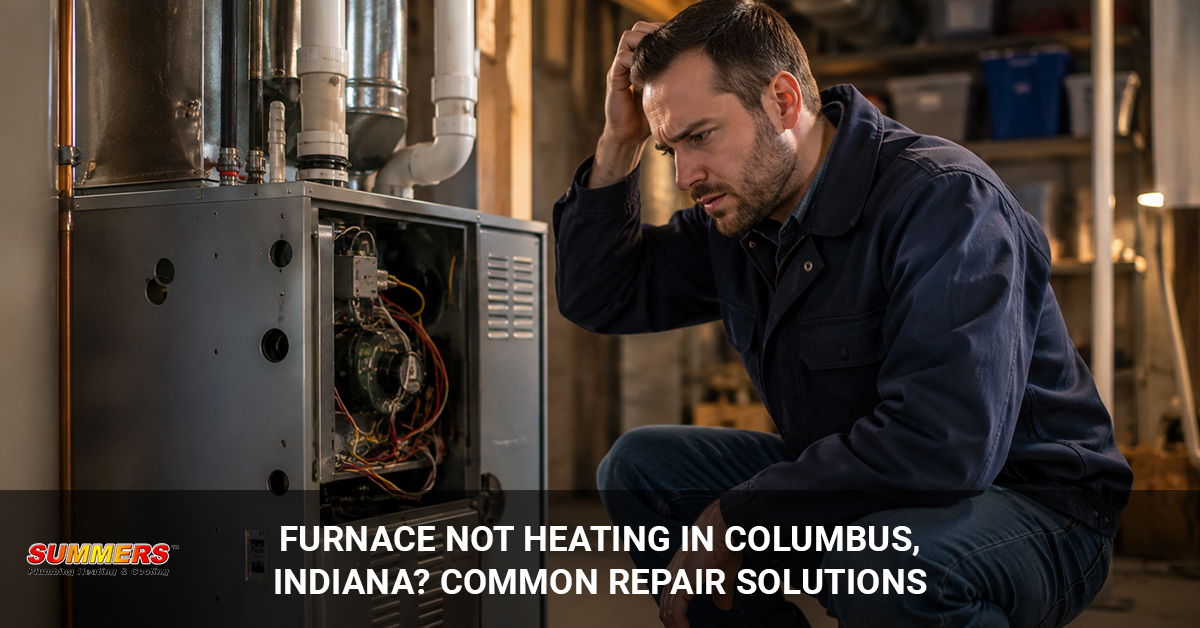
A furnace that isn’t heating is usually caused by a dirty air filter, a thermostat problem, ignition failure, or restricted airflow. Some issues can be fixed with simple troubleshooting, while others require professional furnace repair to restore safe and reliable heat.
When winter temperatures arrive in Columbus, Indiana, a furnace breakdown can quickly make your home uncomfortable. If your furnace is blowing cold air, running without producing heat, or not turning on at all, it’s important to identify the problem as soon as possible.
The good news is that many furnace problems start with warning signs. Catching these issues early can help prevent bigger repairs, reduce energy waste, and keep your home warm during the coldest months of the year.
In this guide, you’ll learn the most common reasons a furnace stops heating, what you can check yourself, and when it’s time to call a professional furnace repair technician in Columbus.
Why Is My Furnace Running but Not Heating?
If your furnace is running but not heating your home, the problem is usually related to airflow, ignition, thermostat settings, or a faulty furnace component. Even though the system is turning on, it may not be producing heat or distributing warm air properly.
This is a common issue for homeowners in Columbus, especially during the winter when furnaces are working harder and running more frequently.
Several problems can cause a furnace to run without heating, including:
- Dirty or clogged air filters
- Faulty thermostat settings or controls
- Ignition system failures
- Pilot light problems in older furnaces
- Blower motor issues
- Dirty or malfunctioning flame sensors
- Gas supply interruptions
- Activated safety switches
If your furnace pilot light keeps going out, learn about the common causes and fixes that can help resolve the problem.
For example, a clogged air filter can restrict airflow and cause the furnace to overheat, triggering a safety shutdown. In other cases, the burners may fail to ignite, preventing the system from generating heat even though the blower continues to run.
The good news is that many of these problems can be diagnosed quickly. Identifying the root cause is the first step toward restoring reliable heat and preventing further damage to your furnace.
Check These Simple Furnace Problems First
Before calling for furnace repair, check a few common issues that homeowners can safely inspect themselves. In many cases, a simple adjustment or reset can get your heating system working again.
Starting with basic troubleshooting can save time and help you rule out minor problems before scheduling professional service.
Incorrect Thermostat Settings
Incorrect thermostat settings are one of the most common reasons a furnace stops heating. If the thermostat isn’t set correctly, the furnace may never receive the signal to turn on.
Check the following:
- The thermostat is set to Heat
- The temperature setting is higher than the current room temperature
- The fan setting is on Auto
- Batteries are replaced if your thermostat uses them
- The thermostat display is working properly
Sometimes a simple thermostat adjustment is all it takes to restore heat to your home.
Tripped Circuit Breaker
A tripped circuit breaker can prevent your furnace from operating even when everything else appears normal.
Check your home’s electrical panel and look for:
- A tripped furnace breaker
- A tripped HVAC breaker
- Signs of a recent power outage
- Electrical issues affecting the heating system
If a breaker has tripped, resetting it may restore power to the furnace. However, if the breaker continues to trip, there may be an underlying electrical issue that requires professional attention.
Dirty Air Filter
A clogged air filter is one of the most overlooked causes of furnace problems. When the filter becomes packed with dust and debris, airflow is restricted and the furnace may overheat.
Common signs of a dirty filter include:
- Weak airflow from vents
- Rooms that aren’t heating properly
- Higher energy bills
- Frequent furnace shutdowns
If the filter looks dirty, replace it with a new one and see if heating performance improves.
Closed or Blocked Vents
Blocked vents can prevent warm air from circulating throughout your home.
Take a quick walk through the house and make sure:
- Supply vents are fully open
- Furniture isn’t blocking airflow
- Rugs aren’t covering the floor vents
- Dust and debris are cleared away
Proper airflow helps your furnace operate more efficiently and keeps temperatures consistent from room to room.
Checking these simple issues first can often solve minor heating problems and may save you from an unnecessary service call. If your furnace still isn’t heating after completing these steps, a professional inspection is the next best step.
Most Common Furnace Repair Problems
Most furnace repair calls are caused by airflow problems, ignition failures, thermostat issues, or worn-out components. Knowing the most common furnace problems can help you understand why your system isn’t heating and when it’s time to call a professional.
Dirty or Clogged Air Filter
A dirty air filter is one of the most common reasons a furnace stops heating properly. When the filter becomes clogged with dust and debris, airflow is restricted, forcing the furnace to work harder to heat your home.
In some cases, reduced airflow can cause the system to overheat and shut down as a safety measure.
Common signs of a clogged filter include:
- Weak airflow from vents
- Furnace turning on and off frequently
- Uneven heating throughout the home
- Higher energy bills
- Excess dust around vents
Replacing the filter regularly is one of the easiest ways to prevent furnace problems and maintain efficient heating.
Faulty Thermostat
A faulty thermostat can prevent your furnace from receiving the signal to produce heat. Even if the furnace itself is working properly, a malfunctioning thermostat can cause heating issues.
Common symptoms include:
- Furnace won’t turn on
- Incorrect temperature readings
- Frequent cycling
- Unresponsive controls
- Inconsistent heating
Sometimes the solution is as simple as replacing the batteries or adjusting the settings. Older thermostats may need professional replacement.
Pilot Light Problems
Pilot light problems are common in older gas furnaces. If the pilot light goes out, the burners cannot ignite and the furnace won’t produce heat.
Possible causes include:
- Drafts extinguishing the flame
- Dirty pilot assemblies
- Faulty thermocouples
- Gas supply interruptions
Because gas components are involved, it’s usually best to have a trained HVAC technician inspect and repair the issue.
Ignition System Failure
Modern furnaces use electronic ignition systems instead of standing pilot lights. If the ignition system fails, the burners won’t light and the furnace cannot generate heat.
Common warning signs include:
- Clicking sounds without ignition
- Furnace repeatedly attempting to start
- Intermittent heating
- Complete loss of heat
Ignition problems often require professional diagnosis and replacement of worn or defective components.
Blower Motor Problems
The blower motor moves warm air from the furnace through your ductwork and into your living spaces. If the motor fails, the furnace may generate heat but won’t distribute it throughout the home.
Signs of blower motor problems include:
- No airflow from vents
- Weak airflow
- Unusual noises
- Furnace running continuously
- Uneven heating
Depending on the issue, repairs may involve replacing capacitors, belts, wiring, or the motor itself.
Flame Sensor Issues
A dirty or faulty flame sensor can cause the furnace to shut down shortly after it starts. The flame sensor is a safety device that confirms the burners have ignited properly.
If it cannot detect a flame, the system automatically shuts off to prevent gas from accumulating.
Common symptoms include:
- Furnace starts then shuts off quickly
- Short cycling
- Intermittent heating
- Frequent restarts
In many cases, cleaning the flame sensor can solve the problem. If the sensor is damaged, replacement may be necessary.
Limit Switch Failure
The limit switch protects your furnace from overheating by monitoring internal temperatures. If the switch fails, it may shut down the heating cycle even when temperatures are normal.
Signs of a faulty limit switch include:
- Frequent furnace shutdowns
- Inconsistent heating
- Continuous blower operation
- Short cycling
Because limit switch problems can affect safety and performance, professional testing is usually recommended.
Gas Supply Problems
A gas furnace cannot produce heat without a reliable fuel supply. If gas flow is interrupted, the burners won’t ignite and your home won’t receive heat.
Potential causes include:
- Closed gas shut-off valves
- Utility service interruptions
- Faulty gas regulators
- Gas line problems
If you suspect a gas-related issue, do not attempt repairs yourself. Contact a qualified HVAC professional immediately to inspect the system and ensure safe operation.
Understanding these common furnace problems can help you recognize warning signs early and prevent minor issues from turning into major repairs.
Why Your Furnace Keeps Turning On and Off
A furnace that constantly turns on and off is usually experiencing a problem called short cycling. Short cycling prevents the furnace from completing a normal heating cycle, reduces energy efficiency, increases wear on components, and can shorten the lifespan of the system.
If your furnace starts, runs for a few minutes, and then shuts off repeatedly, there is likely an underlying issue that needs attention.
Dirty Filters
A dirty air filter is one of the most common causes of short cycling. When airflow is restricted, the furnace can overheat and automatically shut down to protect itself from damage.
Signs a dirty filter may be causing the problem include:
- Weak airflow from vents
- Rooms not reaching the desired temperature
- Frequent system shutdowns
- Higher energy bills
Replacing a clogged filter is often the first and easiest step in troubleshooting a short-cycling furnace.
Overheating Components
Furnaces are equipped with safety controls that shut the system down when internal temperatures become too high.
Several issues can cause overheating, including:
- Dirty air filters
- Blocked or closed vents
- Blower motor problems
- Dirty heat exchangers
- Restricted airflow
When overheating occurs repeatedly, the furnace may cycle on and off before properly heating your home.
Thermostat Placement Problems
Poor thermostat placement can cause inaccurate temperature readings and lead to frequent cycling.
For example, a thermostat located near:
- A sunny window
- A supply vent
- A fireplace
- Kitchen appliances
may sense temperatures that don’t reflect the rest of the home.
As a result, the furnace may shut off too soon or turn on more often than necessary. Relocating or upgrading the thermostat can often solve this issue.
Oversized Furnace Systems
A furnace that is too large for your home can heat the space too quickly and shut off before completing a full heating cycle.
While this may sound like a good thing, it can actually create several problems, including:
- Frequent cycling
- Uneven temperatures
- Higher energy consumption
- Increased wear on components
- Reduced comfort
Proper furnace sizing is critical for efficient operation and long-term reliability. A professional HVAC contractor can determine whether your furnace is correctly sized for your home’s heating needs.
Why Short Cycling Shouldn’t Be Ignored
Short cycling is more than just an annoyance. Over time, it can increase utility costs, reduce comfort, and place unnecessary stress on your furnace.
If your furnace repeatedly turns on and off, addressing the issue early can help prevent more expensive repairs and extend the life of your heating system.
Signs Your Furnace Needs Professional Repair
If your furnace continues having problems after basic troubleshooting, it’s time to call a professional HVAC technician. Some heating issues involve electrical components, gas systems, or mechanical failures that require expert diagnosis and repair.
Ignoring warning signs can lead to bigger repairs, higher energy bills, reduced comfort, and even complete furnace failure.
No Heat at All
A furnace that isn’t producing any heat usually indicates a serious problem that requires professional attention.
Possible causes include:
- Ignition system failure
- Gas supply problems
- Faulty control boards
- Electrical issues
- Failed safety switches
A professional inspection can quickly identify the source of the problem and restore heating safely.
Cold Air Coming From Vents
If your furnace is running but blowing cold air, there may be an issue with the ignition system, gas supply, or airflow.
Before calling for service, check:
- Thermostat settings
- Air filter condition
- Circuit breaker status
If warm air doesn’t return after these checks, professional repair is often needed.
Unusual Furnace Noises
Strange noises are often one of the first signs that something is wrong inside the furnace.
Common sounds that should not be ignored include:
- Banging
- Squealing
- Grinding
- Rattling
- Repeated clicking
These noises can indicate loose parts, worn bearings, blower motor issues, or other mechanical problems that may worsen over time.
Burning Smells
A slight burning odor when turning on your furnace for the first time each season is usually normal and often caused by dust burning off internal components.
However, persistent odors should be inspected immediately.
Contact a professional if you notice:
- Burning electrical smells
- Strong chemical odors
- Persistent smoky smells
- Unusual burning odors that don’t go away
These symptoms may indicate overheating components, wiring problems, or other safety concerns.
Higher Energy Bills
A sudden increase in heating costs often signals that your furnace is no longer operating efficiently.
Common causes include:
- Dirty components
- Restricted airflow
- Worn motors
- Failing parts
- Aging equipment
If your energy bills continue rising without a change in usage, a professional tune-up or repair may be necessary.
Frequent Cycling
A furnace that constantly turns on and off may be experiencing airflow problems, thermostat issues, overheating, or faulty safety controls.
Frequent cycling can:
- Increase energy consumption
- Reduce comfort
- Place extra stress on the system
- Shorten furnace lifespan
A professional technician can identify the root cause and prevent further wear on the equipment.
Uneven Heating Throughout the Home
If some rooms feel comfortable while others remain cold, your furnace may not be distributing heat properly.
Potential causes include:
- Ductwork leaks
- Airflow restrictions
- Blower motor issues
- Improper furnace sizing
- Blocked vents
Uneven heating often indicates a larger system issue that requires a thorough inspection.
Don’t Ignore Warning Signs
Small furnace problems rarely fix themselves. In many cases, addressing an issue early can prevent a more expensive repair later.
If your furnace is showing any of these warning signs, scheduling a professional inspection can help restore comfort, improve efficiency, and prevent unexpected breakdowns during the coldest months of the year.
Furnace Repair vs Furnace Replacement
Repairing a furnace is usually the best option for minor issues, while replacement often makes more sense when the system is older, inefficient, or experiencing frequent breakdowns. The right choice depends on the age of your furnace, the cost of repairs, and its overall condition.
Making the right decision can help you avoid unnecessary expenses and ensure reliable heating for years to come.
When Repair Makes Sense
Furnace repair is often the most cost-effective solution when the problem is relatively minor and the system still has plenty of life left.
Repair is typically the better choice when:
- The furnace is less than 10–15 years old
- Repairs are minor and affordable
- The system has been properly maintained
- Heating performance remains consistent
- Energy bills are still reasonable
- This is the first major repair
Many common furnace problems, such as faulty thermostats, dirty flame sensors, clogged filters, or ignition issues, can often be repaired quickly without replacing the entire system.
When Replacement Is the Better Investment
Replacing a furnace may provide better long-term value when repair costs begin adding up or the system is nearing the end of its lifespan.
Replacement is often worth considering when:
- The furnace is more than 15–20 years old
- Repairs are becoming frequent
- Heating costs continue to rise
- Major components have failed
- The system struggles to maintain comfort
- Parts are becoming difficult to find
While replacement requires a larger upfront investment, it can eliminate ongoing repair expenses and improve overall efficiency.
Average Furnace Lifespan
Most furnaces last between 15 and 20 years when properly maintained. Some systems may last longer, but performance and efficiency often decline as equipment ages.
Several factors affect furnace lifespan, including:
- Installation quality
- Maintenance history
- Frequency of use
- Equipment quality
- Indoor air quality
- Filter replacement habits
Annual maintenance and prompt repairs can help maximize the life of your heating system.
Energy Efficiency Considerations
Newer furnaces are significantly more energy-efficient than many older models. If your current system is outdated, replacing it may reduce heating costs while improving comfort.
Benefits of a high-efficiency furnace may include:
- Lower monthly utility bills
- More consistent indoor temperatures
- Improved airflow and comfort
- Quieter operation
- Reduced environmental impact
Many modern furnaces achieve efficiency ratings above 90% AFUE (Annual Fuel Utilization Efficiency), meaning more of the fuel you pay for is converted into usable heat.
How to Decide Between Repair and Replacement
A good rule of thumb is to compare the cost of the repair with the age and condition of the furnace. If the repair is relatively inexpensive and the furnace still has years of service left, repairing it is often the smart choice.
However, if the system is aging, inefficient, and requiring repeated repairs, replacement may save money over time and provide greater peace of mind during Columbus’s cold winter months.
A professional HVAC inspection can help you evaluate your options and determine whether repairing or replacing your furnace offers the best long-term value for your home.
How to Prevent Furnace Problems in Columbus Homes
The best way to prevent furnace problems is through regular maintenance and early attention to small issues. A well-maintained furnace runs more efficiently, lasts longer, and is far less likely to break down during the coldest days of winter.
Taking a few proactive steps each year can help you avoid unexpected repairs and keep your home comfortable throughout the heating season.
Schedule Annual Furnace Maintenance
Annual furnace maintenance is one of the most effective ways to prevent breakdowns and improve system performance. A professional tune-up allows HVAC technicians to find and fix small issues before they become expensive repairs.
A typical furnace maintenance visit may include:
- Cleaning internal components
- Inspecting safety controls
- Testing system performance
- Checking airflow
- Inspecting electrical connections
- Verifying proper operation
Routine maintenance helps improve reliability, efficiency, and overall system lifespan.
Replace Filters Regularly
Replacing your furnace filter is one of the easiest and most important maintenance tasks homeowners can perform.
A clean filter helps:
- Improve airflow
- Reduce strain on the furnace
- Maintain indoor air quality
- Improve heating efficiency
- Prevent overheating
Most homeowners should replace filters every:
- 1–3 months under normal conditions
- More frequently if pets are present
- More frequently during periods of heavy furnace use
Checking the filter monthly can help you determine when replacement is needed.
Keep Vents Open and Clean
Blocked vents can restrict airflow and make your furnace work harder than necessary.
Walk through your home periodically and make sure:
- Supply vents are fully open
- Furniture isn’t blocking airflow
- Rugs aren’t covering floor registers
- Dust and debris are cleaned away
Proper airflow allows heat to circulate evenly and helps your furnace operate efficiently.
Test Your Thermostat Before Winter
Testing your thermostat before temperatures drop can help prevent heating issues when you need your furnace most.
Check that:
- Temperature readings are accurate
- The furnace responds correctly to thermostat adjustments
- Batteries are functioning properly
- Programmable schedules are set correctly
Identifying thermostat problems before winter can save time and prevent unexpected heating interruptions. Taking additional steps to prepare your heater for the holidays can help ensure reliable performance throughout the heating season.
Address Small Problems Early
Small furnace issues often become larger and more expensive if they are ignored.
Pay attention to warning signs such as:
- Unusual noises
- Weak airflow
- Inconsistent heating
- Frequent cycling
- Rising energy bills
Scheduling repairs early can help prevent:
- Major system breakdowns
- Costly emergency repairs
- Reduced energy efficiency
- Premature equipment failure
A Little Maintenance Goes a Long Way
Most furnace breakdowns don’t happen without warning. Regular maintenance, filter changes, and prompt attention to small problems can significantly reduce the risk of unexpected repairs.
For Columbus homeowners, preventive care is one of the best investments you can make to keep your furnace running safely, efficiently, and reliably throughout the winter season.
When to Call a Furnace Repair Professional
You should call a furnace repair professional when basic troubleshooting doesn’t solve the problem or when the issue involves gas, electrical, or mechanical components. Professional diagnosis helps ensure your furnace is repaired safely and correctly while preventing further damage to the system.
While homeowners can often replace filters or adjust thermostat settings, more complex furnace repairs should always be handled by a trained HVAC technician.
Gas Smells
If you smell natural gas near your furnace, leave the area immediately and contact your gas utility provider or emergency services.
A gas leak is a serious safety hazard and should never be ignored. Even a faint gas odor can indicate a problem that requires immediate professional attention.
Do not:
- Attempt DIY repairs
- Use electrical switches
- Light matches or candles
- Operate appliances nearby
Your safety should always come first.
Repeated System Shutdowns
A furnace that repeatedly shuts down often has an underlying issue that won’t go away on its own.
Common causes include:
- Overheating
- Faulty flame sensors
- Ignition failures
- Airflow restrictions
- Malfunctioning safety controls
A professional inspection can identify the root cause and prevent ongoing damage to the system.
Electrical Problems
Electrical issues can affect both the performance and safety of your furnace.
Warning signs may include:
- Tripped circuit breakers
- Flickering lights when the furnace starts
- Burning odors
- Furnace not turning on
- Intermittent operation
Because electrical components can be dangerous to work on, professional service is recommended whenever these symptoms appear.
Ignition Failures
Modern furnaces rely on electronic ignition systems to light the burners and generate heat.
If your furnace:
- Won’t ignite
- Clicks repeatedly without starting
- Starts and immediately shuts down
- Produces inconsistent heat
there may be a problem with the ignition system, flame sensor, or control board.
These components typically require professional testing and repair.
Safety Concerns
If you’re unsure what’s causing the problem, it’s always best to schedule a professional inspection.
Heating systems contain:
- Gas components
- Electrical wiring
- Safety controls
- High-temperature equipment
Attempting repairs without proper training can increase the risk of injury or further system damage.
Don’t Wait Until the Furnace Stops Working Completely
Many furnace problems start small and become more expensive when left unresolved. Calling a professional at the first sign of trouble can often prevent major repairs and help keep your home comfortable throughout the winter.
If your furnace isn’t heating properly, is making unusual noises, or continues shutting down unexpectedly, professional service can help restore safe, reliable heat before the problem gets worse.
Frequently Asked Questions
Why Is My Furnace Blowing Cold Air?
A furnace can blow cold air because of thermostat problems, ignition failures, dirty air filters, airflow restrictions, or blower motor issues. Start by checking that the thermostat is set to Heat and that the air filter is clean. If the problem continues, professional diagnosis may be needed to identify the underlying cause.
Can a Dirty Filter Stop a Furnace From Heating?
Yes, a dirty air filter can prevent a furnace from heating properly. When airflow becomes restricted, the furnace may overheat and activate safety controls that shut down the heating cycle. Replacing the filter regularly helps maintain proper airflow and system performance.
How Much Does Furnace Repair Cost in Columbus, Indiana?
Furnace repair costs vary depending on the type of repair, replacement parts required, and the complexity of the issue. Minor repairs are generally less expensive than major component replacements. The most accurate way to determine cost is through a professional inspection and diagnosis.
How Long Should a Furnace Last?
Most furnaces last between 15 and 20 years when properly maintained. Factors such as installation quality, maintenance history, usage habits, and equipment quality can all affect lifespan. Annual tune-ups and timely repairs can help extend the life of your furnace.
Should I Repair or Replace My Furnace?
The decision depends on the age, condition, and repair history of your furnace. Repair is often the best option for newer systems with minor issues. Replacement may provide better long-term value if the furnace is older, inefficient, or requires frequent repairs.
How Often Should a Furnace Be Serviced?
Most HVAC professionals recommend servicing your furnace once a year, ideally before the heating season begins. Annual maintenance helps improve efficiency, reduce the risk of breakdowns, and ensure safe operation throughout the winter.
What Should I Do If My Furnace Won’t Turn On?
Start by checking a few common issues before calling for service.
Make sure:
- The thermostat is set to Heat
- The temperature is set above the current room temperature
- The air filter isn’t clogged
- The circuit breaker hasn’t tripped
- The furnace power switch is turned on
If the furnace still won’t start after these checks, contact a qualified HVAC technician for professional diagnosis and repair.
Final Thoughts
A furnace that isn’t heating properly is often a sign that something within the system needs attention. The issue could be as simple as a clogged air filter or thermostat setting, or it could involve a more complex problem such as an ignition failure, blower motor issue, or faulty safety component.
The sooner you identify and address furnace problems, the better. Small issues that are ignored can lead to reduced efficiency, higher energy bills, unexpected breakdowns, and more costly repairs down the road.
Routine maintenance, regular filter changes, and annual furnace tune-ups are some of the best ways to keep your heating system operating safely and efficiently throughout the winter months.
If your furnace is blowing cold air, turning on and off frequently, making unusual noises, or struggling to keep your home warm, it’s a good idea to have the system inspected by a professional. Prompt repairs can restore comfort, improve efficiency, and help prevent more serious problems from developing.
For Columbus homeowners, staying proactive with furnace maintenance and repairs is the key to dependable heating, lower operating costs, and peace of mind all winter long. Maintaining reliable heat is also important for preventing winter plumbing problems, including frozen pipes and burst pipes.