
Furnace Maintenance Cost in Columbus, Indiana: What Homeowners Can Expect
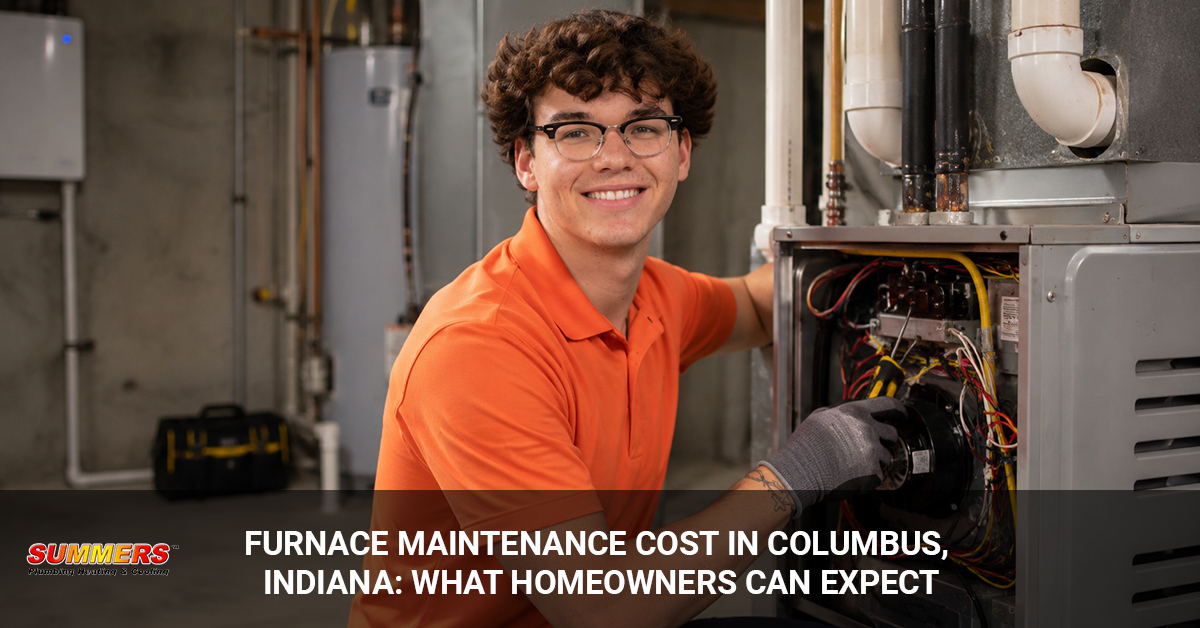
The average furnace maintenance cost in Columbus, Indiana, typically ranges from $80 to $250, depending on the type of furnace, the services included, and the condition of the system.
If you rely on your furnace to keep your home warm during Indiana’s cold winters, regular maintenance is one of the smartest investments you can make. A professional tune-up helps your furnace run more efficiently, reduces the risk of unexpected breakdowns, and can extend the life of your heating system.
Many homeowners don’t think about furnace maintenance until they lose heat on a cold day. Unfortunately, emergency repairs often cost much more than routine service and can leave your family uncomfortable while waiting for repairs.
The good news is that annual furnace maintenance is relatively affordable compared to the cost of major repairs or a complete furnace replacement. A routine inspection can help identify small issues before they turn into expensive problems and keep your heating system operating safely throughout the winter.
In this guide, you’ll learn how much furnace maintenance costs in Columbus, what is included in a professional tune-up, what factors affect pricing, and why regular maintenance can save you money over the long term.
Average Furnace Maintenance Cost in Columbus, Indiana
The average furnace maintenance cost in Columbus, Indiana, ranges from $80 to $250 for a professional tune-up. The exact price depends on your furnace type, its age, the services included, and whether the technician finds any issues that need repair.
While maintenance may seem like an extra expense, it is much more affordable than dealing with a furnace breakdown in the middle of winter. A yearly tune-up helps improve efficiency, reduces wear and tear, and can prevent costly repairs down the road.
Typical One-Time Furnace Tune-Up Cost
A one-time furnace tune-up usually costs between $80 and $250, depending on the level of service provided. Most HVAC companies include a complete inspection, cleaning, safety check, and performance test.
Here is a general breakdown of furnace maintenance costs:
| Service Type | Estimated Cost |
| Basic Furnace Inspection | $80 – $120 |
| Standard Furnace Tune-Up | $120 – $180 |
| Comprehensive Furnace Maintenance | $180 – $250 |
| High-Efficiency Furnace Tune-Up | $150 – $250 |
For most homeowners, a standard furnace tune-up provides everything needed to keep the system running safely and efficiently. It can also help identify small problems before they turn into expensive repairs.
Annual Furnace Maintenance Plan Costs
Annual furnace maintenance plans typically cost between $150 and $500 per year. These plans are designed for homeowners who want regular service and added benefits throughout the year.
Most maintenance agreements include one or two scheduled tune-ups along with perks such as:
- Priority scheduling during busy seasons
- Discounts on repairs and replacement parts
- Annual or biannual system inspections
- Improved system performance
- Longer equipment lifespan
- Lower risk of unexpected breakdowns
If you plan to stay in your home for several years, a maintenance plan can be a cost-effective way to protect your heating system and reduce future repair expenses.
Emergency vs. Preventive Maintenance Costs
Preventive furnace maintenance costs far less than emergency furnace repairs. Scheduling a yearly tune-up allows technicians to find worn or failing parts before they cause a complete system breakdown.
The difference in cost can be significant:
| Service | Typical Cost |
| Annual Furnace Maintenance | $80 – $250 |
| Emergency HVAC Service Call | $150 – $400 |
| Ignitor Replacement | $150 – $400 |
| Blower Motor Repair | $300 – $900 |
| Heat Exchanger Repair or Replacement | $1,000+ |
A furnace that receives regular maintenance is less likely to experience unexpected failures during the coldest months of the year. In many cases, spending a few hundred dollars on preventive service can help homeowners avoid repair bills that cost several times more.
What Is Included in a Furnace Maintenance Service?
A professional furnace maintenance service typically includes a complete inspection, cleaning, performance testing, and filter check to ensure your heating system operates safely and efficiently. The goal is to identify potential problems early, improve performance, and reduce the risk of unexpected breakdowns during the heating season.
While the exact checklist may vary by HVAC company, most furnace tune-ups follow a similar process and cover all major system components.
Furnace Inspection
A furnace inspection focuses on identifying worn parts, safety concerns, and performance issues before they become expensive repairs.
During the inspection, a technician will typically examine:
- Heat exchanger for cracks or damage
- Gas connections for leaks
- Venting system for blockages or improper airflow
- Electrical wiring and connections
- Safety controls and switches
- Ignition system components
- Thermostat operation and accuracy
This step helps ensure your furnace is operating safely and can often uncover small issues before they lead to a breakdown.
Furnace Cleaning
Furnace cleaning removes dirt, dust, and debris that can reduce efficiency and strain system components.
A typical maintenance visit may include cleaning:
- Burners
- Flame sensor
- Blower compartment
- Air intake openings
- Internal furnace components
Even a small buildup of dirt can affect performance. Keeping these parts clean helps your furnace run more efficiently and can extend its lifespan.
Performance Testing
Performance testing confirms that your furnace is heating your home properly and operating within manufacturer specifications.
Technicians may perform tests such as:
- Airflow measurements
- Temperature rise testing
- Gas pressure checks
- Carbon monoxide monitoring
- Electrical system evaluation
These tests help identify hidden issues that may not be visible during a standard inspection. They also ensure your furnace is delivering safe and efficient heating.
Filter Inspection and Replacement
Checking the air filter is one of the most important parts of furnace maintenance. A dirty filter restricts airflow and forces the furnace to work harder than necessary.
During a maintenance visit, the technician will inspect the filter and recommend replacement if it is dirty or clogged.
Clean air filters help provide:
- Better airflow
- Improved indoor air quality
- Lower energy bills
- Reduced wear on furnace components
- More even heating throughout the home
Most standard furnace filters should be checked monthly and replaced every one to three months, depending on usage, pets, and indoor air quality conditions.
Why Furnace Maintenance Matters
Regular furnace maintenance helps improve efficiency, lower operating costs, reduce the likelihood of breakdowns, and extend the life of your heating system. For most homeowners in Columbus, Indiana, scheduling a professional tune-up once a year is the best way to keep a furnace running reliably throughout the winter.
Factors That Affect Furnace Maintenance Costs
Several factors can affect furnace maintenance costs, including the type of furnace, its age, the time of year, and whether any repairs are needed during the service visit. Understanding these factors can help homeowners know what to expect when scheduling a furnace tune-up.
Furnace Type
The type of furnace you have can impact the cost of maintenance because different systems require different inspection and servicing procedures.
Gas Furnaces
Gas furnaces often require more detailed inspections because technicians must check both performance and safety components. Maintenance typically includes inspecting gas lines, burners, the ignition system, the heat exchanger, and the venting system. These additional safety checks can sometimes increase maintenance costs.
Electric Furnaces
Electric furnaces generally have fewer components than gas systems, but they still require professional maintenance. Technicians typically inspect heating elements, electrical connections, blower motors, and thermostat operation to ensure everything is working properly.
High-Efficiency Furnaces
High-efficiency furnaces usually contain advanced components that require specialized inspections. Technicians may need to inspect condensate drains, secondary heat exchangers, and electronic controls, which can make maintenance slightly more expensive than standard furnace systems. If you’re comparing heating options, see our guide to high-efficiency furnace vs standard furnace to understand the key differences and decide which system may be right for your home.
Furnace Age
Older furnaces often require more extensive inspections than newer systems. As a furnace ages, components become more susceptible to wear and tear, which means technicians may spend additional time checking for issues such as:
- Worn electrical components
- Corrosion
- Cracked heat exchangers
- Reduced efficiency
- Airflow restrictions
A furnace that is 15 years old or older may require more attention during maintenance visits.
Maintenance Plan vs. One-Time Service
Annual maintenance plans can reduce the overall cost of furnace service over time. Many HVAC companies offer maintenance agreements that include scheduled tune-ups, priority scheduling, and discounts on repairs and replacement parts.
While a one-time tune-up may have a lower upfront cost, maintenance plans often provide better long-term value for homeowners who want regular service and fewer unexpected repair expenses.
Time of Year
The time of year can affect both the cost and availability of furnace maintenance services. HVAC companies are often busiest during late fall, early winter, and periods of extremely cold weather when homeowners are turning on their heating systems.
Scheduling maintenance during the off-season, such as spring or late summer, may provide greater appointment availability and access to seasonal promotions or discounts.
Additional Repairs Found During Inspection
Maintenance costs can increase if a technician discovers components that need repair or replacement during the inspection. One of the main goals of a tune-up is to identify small issues before they lead to major breakdowns.
Common problems found during maintenance visits include:
- Dirty flame sensors
- Faulty ignitors
- Weak capacitors
- Worn belts
- Loose electrical connections
- Malfunctioning thermostats
Addressing these issues early is usually much less expensive than dealing with a furnace failure during the middle of winter.
Why Annual Furnace Maintenance Is Worth the Cost
Annual furnace maintenance is worth the cost because it helps lower energy bills, reduces the risk of costly repairs, extends the life of your heating system, and improves home safety. For most homeowners, a yearly tune-up is a small investment that can prevent much larger expenses in the future.
Lower Energy Bills
Regular furnace maintenance can help lower your monthly heating bills by improving system efficiency. When a furnace is clean and properly adjusted, it uses less energy to heat your home.
Over time, dust buildup, dirty components, and restricted airflow can force the system to work harder than necessary. During a maintenance visit, technicians clean and inspect key components to help improve performance.
Benefits of routine maintenance include:
- Improved airflow
- More efficient heating operation
- Reduced energy waste
- Lower monthly utility costs
For many Columbus homeowners, these efficiency improvements can lead to noticeable savings throughout the heating season.
Fewer Furnace Breakdowns
Annual maintenance helps prevent unexpected furnace breakdowns by identifying problems before they become major repairs. Small issues that go unnoticed can eventually cause system failures when your furnace is working its hardest.
During a tune-up, technicians check for common problems such as:
- Ignition issues
- Blower motor wear
- Loose electrical connections
- Airflow restrictions
- Safety concerns
Addressing these issues early helps improve reliability and reduces the chances of losing heat during cold Indiana winters.
Longer Equipment Lifespan
Routine maintenance can help your furnace last longer by reducing unnecessary wear and tear on critical components. A well-maintained system does not have to work as hard to produce consistent heat, which helps protect important parts from premature failure.
Over the years, this preventive care can add several years to the life of your furnace and help delay the need for a costly replacement.
Improved Home Safety
Annual furnace maintenance improves home safety by helping identify potential hazards before they become serious problems. This is especially important for gas furnaces, which should be inspected regularly to ensure safe operation.
During maintenance, technicians may check for:
- Carbon monoxide risks
- Cracked heat exchangers
- Gas leaks
- Electrical hazards
- Ventilation issues
These inspections help ensure your heating system operates safely and efficiently throughout the winter, giving homeowners added peace of mind.
Signs Your Furnace Needs Maintenance
Several warning signs can indicate that your furnace needs maintenance, including higher energy bills, uneven heating, unusual noises, frequent cycling, and poor indoor air quality. Addressing these issues early can help prevent costly repairs and keep your heating system running efficiently.
Rising Utility Bills
An unexplained increase in your heating bills is often a sign that your furnace is not operating efficiently. When components become dirty or worn, the system must work harder to maintain the desired temperature.
Common causes include:
- Dirty air filters
- Restricted airflow
- Dust buildup inside the furnace
- Worn mechanical components
If your energy costs continue to rise without a change in usage, it may be time to schedule a professional furnace tune-up.
Uneven Heating Throughout the Home
Uneven heating can indicate that your furnace is struggling to distribute warm air properly. If some rooms feel comfortable while others remain cold, there may be an airflow or performance issue that needs attention.
Potential causes include:
- Dirty filters
- Blocked vents
- Blower motor problems
- Airflow restrictions
- Ductwork issues
A professional inspection can identify the cause and help restore consistent comfort throughout your home.
Strange Noises Coming from the Furnace
Unusual furnace noises are often a sign that something is not working properly. While every furnace makes some operational sounds, loud or unexpected noises should not be ignored.
Common warning sounds include:
- Banging
- Squealing
- Rattling
- Grinding
These noises may indicate loose parts, worn components, motor issues, or other mechanical problems that require professional attention.
Frequent Cycling
A furnace that frequently turns on and off may need maintenance. This issue, known as short cycling, can reduce efficiency and place extra stress on system components.
Common causes include:
- Dirty air filters
- Thermostat problems
- Restricted airflow
- Overheating issues
- Improper system operation
Addressing the problem early can help prevent unnecessary wear and extend the life of your furnace.
Poor Indoor Air Quality
Poor indoor air quality can be a sign that your furnace needs cleaning or maintenance. As dust and debris build up inside the system, they can circulate throughout your home every time the furnace runs.
Signs of reduced indoor air quality may include:
- Excess dust around the home
- Increased allergy symptoms
- Stale indoor air
- Dirty air filters
Regular furnace maintenance helps improve airflow, keeps components clean, and supports healthier indoor air throughout the heating season. Upgrading to HEPA filtration for your HVAC system may help capture more airborne particles and improve indoor air quality year-round.
Furnace Maintenance vs. Furnace Repair Costs
Furnace maintenance costs significantly less than furnace repairs and can help homeowners avoid many expensive heating system problems. While a routine tune-up typically costs between $80 and $250, repair costs can quickly add up when components fail unexpectedly.
Here’s a comparison of common furnace-related costs:
| Service | Typical Cost Range |
| Furnace Maintenance | $80 – $250 |
| Minor Furnace Repair | $150 – $500 |
| Major Furnace Repair | $500 – $2,000+ |
| Furnace Replacement | $3,000 – $8,000+ |
Although it may be tempting to skip annual maintenance, doing so can increase the risk of breakdowns and costly repairs later. Regular service helps identify worn or failing parts before they cause larger problems.
Why Maintenance Saves Money Long-Term
Annual furnace maintenance saves money by preventing costly repairs, improving energy efficiency, and extending the lifespan of your heating system. A small investment in preventive service today can help you avoid much larger expenses in the future.
For example, a furnace tune-up may cost around $150. During the inspection, a technician might discover a worn ignitor that can be replaced before it fails. Fixing that issue early is usually much less expensive than dealing with an emergency breakdown during a cold winter night.
Regular maintenance can help homeowners:
- Avoid emergency service calls
- Reduce the frequency of repairs
- Improve energy efficiency
- Extend furnace lifespan
- Maintain manufacturer warranty coverage
Over the life of your heating system, annual maintenance is often one of the most cost-effective ways to protect your investment and keep your furnace operating reliably.
Best Time to Schedule Furnace Maintenance in Columbus, Indiana
The best time to schedule furnace maintenance in Columbus, Indiana, is during early fall before the heating season begins. Having your furnace inspected and serviced before colder temperatures arrive helps ensure it is ready to operate efficiently and reliably throughout the winter.
Early Fall Preparation
Early fall, typically between September and October, is the ideal time for a furnace tune-up. Taking time to prepare your heater for the holidays can also help ensure your heating system is ready before winter temperatures arrive.
Scheduling maintenance before you start using your heating system regularly gives technicians the opportunity to identify and fix potential issues before they turn into unexpected breakdowns.
Benefits of scheduling furnace maintenance in the fall include:
- Preparing your furnace for winter weather
- Identifying problems before temperatures drop
- Avoiding emergency repairs during peak season
- Improving energy efficiency before heating bills increase
- Ensuring reliable performance throughout the winter
A fall tune-up can provide peace of mind knowing your heating system is ready when you need it most.
Off-Season Scheduling Advantages
Scheduling furnace maintenance during the off-season, such as spring or late summer, can also be a smart choice. HVAC companies are often less busy during these months, making it easier to find a convenient appointment time.
Benefits of off-season maintenance include:
- Better appointment availability
- Faster service scheduling
- Potential seasonal discounts or promotions
- More time to address repair needs before winter
- Reduced risk of unexpected cold-weather breakdowns
Many HVAC professionals recommend scheduling maintenance before the busy heating season starts so any necessary repairs can be completed without delays.
DIY Furnace Maintenance Tips Between Professional Visits
Homeowners can perform several simple maintenance tasks between professional tune-ups to help keep their furnace running efficiently and reduce the risk of unexpected problems. While these basic steps are helpful, they should never replace annual professional furnace maintenance.
Change Air Filters Regularly
Regularly changing your furnace air filter is one of the easiest and most effective ways to maintain system performance. A clean filter helps your furnace move air efficiently throughout your home.
Dirty air filters can lead to:
- Reduced heating efficiency
- Higher energy bills
- Poor indoor air quality
- Increased wear on furnace components
- Restricted airflow
Most standard furnace filters should be checked monthly and replaced every one to three months, depending on filter type, household occupancy, and whether you have pets.
Keep Vents and Registers Clean
Keeping vents and registers clean helps maintain proper airflow throughout your home. Blocked vents can force your furnace to work harder, reducing efficiency and comfort.
To improve airflow:
- Vacuum vents and registers regularly
- Remove furniture blocking supply vents
- Keep return air vents clear
- Make sure vents remain fully open
Proper airflow helps your furnace heat your home more evenly and efficiently.
Check Thermostat Settings
Checking your thermostat settings can help ensure your heating system operates correctly. In some cases, heating issues are caused by thermostat settings rather than the furnace itself.
Periodically check:
- Temperature settings
- Program schedules
- System mode settings
- Thermostat batteries, if applicable
If you use a smart thermostat, installing software updates can also help maintain optimal performance.
Monitor Furnace Performance
Paying attention to how your furnace operates can help you catch problems early. Small issues often become larger and more expensive if left unaddressed.
Watch for signs such as:
- Unusual noises
- Longer heating cycles
- Uneven temperatures
- Rising utility bills
- Frequent cycling
If you notice any of these warning signs, schedule a professional inspection before the issue worsens.
Know When to Call a Professional
Certain furnace maintenance and repair tasks should always be handled by a qualified HVAC technician. Working on complex furnace components without proper training can create safety risks and potentially damage the system.
Professional service is recommended for:
- Gas line inspections and repairs
- Electrical troubleshooting
- Burner cleaning
- Heat exchanger inspections
- Carbon monoxide testing
- Advanced system diagnostics
If you’re unsure about a furnace issue, it’s always safer to contact a professional rather than attempt a repair yourself.
How to Choose a Furnace Maintenance Company in Columbus, Indiana
Choosing the right furnace maintenance company in Columbus, Indiana, starts with finding a qualified HVAC contractor that offers reliable service, transparent pricing, and experience with local heating systems. The right company can help keep your furnace running efficiently, safely, and reliably for years to come.
Licensing and Certifications
Always choose an HVAC company that is properly licensed, insured, and qualified to service residential heating systems. Licensing helps ensure the company meets industry requirements, while insurance protects homeowners in case of accidents or property damage.
Professional certifications can also indicate that technicians receive ongoing training and stay up to date with the latest heating technologies and safety standards.
Experience with Local Heating Systems
Hiring a company with experience serving homeowners in Columbus can be beneficial. Local HVAC professionals understand the demands that Indiana winters place on heating systems and are familiar with common furnace issues in the area.
This local knowledge often leads to more accurate recommendations, faster diagnostics, and better long-term maintenance solutions.
Maintenance Checklist Transparency
A reputable HVAC company should clearly explain what is included in its furnace maintenance service. Knowing exactly what the technician will inspect and test helps ensure you receive a thorough tune-up.
Ask whether the maintenance service includes:
- Furnace inspections
- Component cleaning
- Safety testing
- Airflow evaluations
- Performance testing
- Thermostat checks
Companies that provide a detailed maintenance checklist are often more transparent about the quality of their service.
Customer Reviews and Reputation
Customer reviews can provide valuable insight into the quality of an HVAC company’s service. Reading reviews can help you understand how a company treats its customers and handles maintenance appointments.
Look for feedback related to:
- Reliability
- Professionalism
- Communication
- Honest pricing
- Customer satisfaction
Consistently positive reviews are often a strong sign that a company delivers dependable service.
Maintenance Plan Options
If you plan to stay in your home long-term, consider choosing a company that offers annual furnace maintenance plans. These plans can help simplify scheduling and reduce future service costs.
Many maintenance agreements include:
- Annual furnace tune-ups
- Priority scheduling
- Discounts on repairs
- Lower service costs
- Improved system reliability
Comparing maintenance plan benefits can help you find the best value while keeping your heating system in top condition year after year.
Frequently Asked Questions
How much does furnace maintenance cost in Columbus, Indiana?
Furnace maintenance in Columbus, Indiana typically costs between $80 and $250 for a professional tune-up. The final price depends on factors such as the type of furnace, the services included, and whether the technician discovers any issues that require repair.
Is annual furnace maintenance necessary?
Yes, annual furnace maintenance is recommended for most heating systems. A yearly tune-up helps improve efficiency, reduce the risk of breakdowns, extend the lifespan of the furnace, and ensure the system operates safely throughout the heating season.
How long does a furnace tune-up take?
Most furnace tune-ups take between 60 and 90 minutes to complete. The exact time can vary depending on the age of the furnace, its condition, and whether additional inspections or repairs are needed.
What happens if I skip furnace maintenance?
Skipping furnace maintenance can lead to higher energy bills, reduced heating performance, more frequent repairs, and a shorter system lifespan. It may also increase the risk of safety issues and unexpected breakdowns during the winter months.
Can furnace maintenance lower heating bills?
Yes, regular furnace maintenance can help lower heating bills by improving system efficiency. A clean and properly adjusted furnace uses less energy to heat your home, which can reduce monthly utility costs.
When should I replace my furnace instead of repairing it?
Replacing your furnace may be a better option if it is 15 to 20 years old, requires frequent repairs, or no longer heats your home efficiently. In many cases, investing in a newer, more energy-efficient system can provide better long-term value than continuing to repair an aging furnace.
Final Thoughts
The average furnace maintenance cost in Columbus, Indiana, is relatively affordable compared to the cost of major repairs or a full furnace replacement. Regular maintenance helps keep your heating system running efficiently, reduces the likelihood of unexpected breakdowns, and can extend the life of your furnace.
For most homeowners, a yearly furnace tune-up is a smart investment that can lead to lower energy bills, fewer repair costs, improved safety, and more reliable performance throughout the winter.
If you want to avoid costly heating problems and keep your home comfortable during Indiana’s coldest months, schedule furnace maintenance before the heating season begins. A professional inspection today can help prevent bigger problems tomorrow and give you peace of mind all winter long.