
Why Does My Furnace Smell Like Burning Dust?
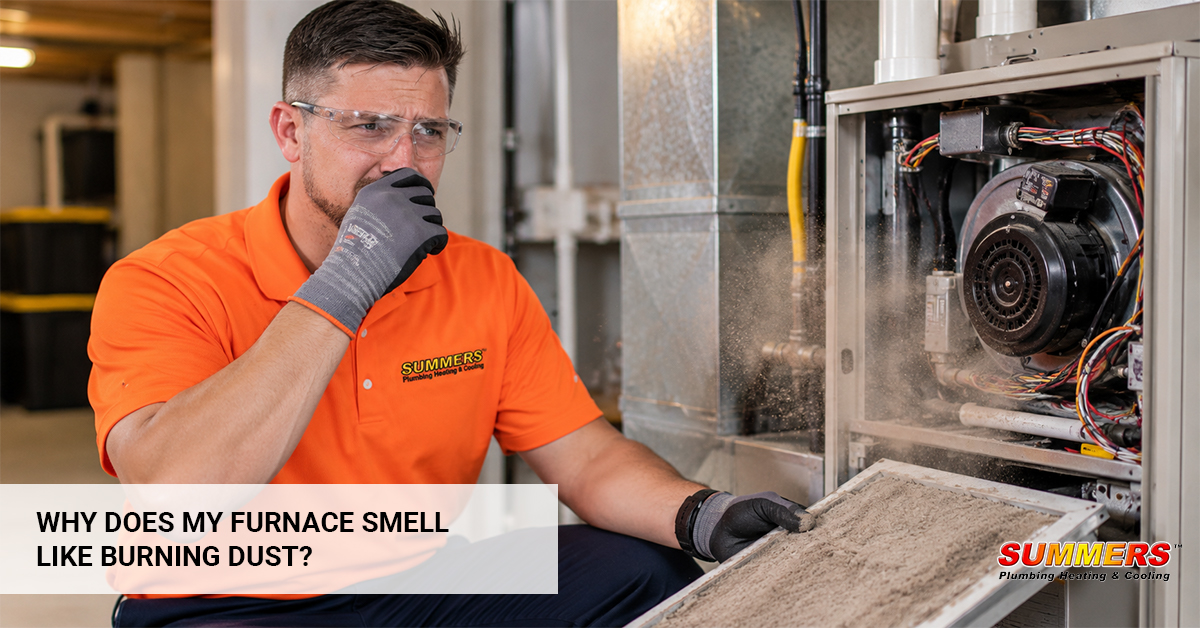
If your furnace smells like burning dust, it’s usually because dust has built up on internal components while the system was off. When the furnace starts heating, that dust warms up and creates a noticeable smell. This often happens the first time you turn on the heat after summer, and the odor should gradually fade.
A dirty air filter or dust inside the vents can also contribute to the smell. However, if the odor is strong, lasts longer than expected, or smells like burning plastic or electrical insulation, it could indicate a more serious problem.
This guide explains what causes a furnace to smell like burning dust, how long the odor should last, and what you can do to keep your heating system running safely.
Why Does My Furnace Smell Like Burning Dust?
Your furnace usually smells like burning dust because dust has built up on the heat exchanger and other internal components while the system was off. When you turn on the heat, these parts warm up and release a dusty odor into your home. This is especially common during the first heating cycle of the season.
During the warmer months, dust can collect inside the furnace, air filter, and ductwork. When the furnace starts running, the heat warms the dust, and the blower circulates the odor through your vents. If the smell is mild and fades within a short time, it’s usually normal.
However, a burning dust smell can sometimes point to a problem. Common causes include:
- Dirty air filter: A clogged filter restricts airflow and can contribute to overheating.
- Dust around the blower motor: Accumulated dust can produce an odor when the furnace runs.
- Dust or debris in the vents: Buildup inside the ductwork can spread a dusty smell throughout your home.
- Overheating components: Restricted airflow or a mechanical fault can cause parts to become too hot.
- Electrical problems: Damaged wiring or overheating electrical components may produce a sharp, acrid burning smell.
Pay attention to how the odor changes. A mild dusty smell that fades as the furnace runs is usually less concerning. If the smell is strong, gets worse, persists, or resembles burning plastic or electrical insulation, turn off the furnace if you can do so safely and contact an HVAC technician. If you see smoke or signs of fire, leave the area and call emergency services.
Is a Burning Dust Smell From a Furnace Normal?
Yes, a mild burning dust smell is usually normal when you turn on your furnace for the first time after several months. Dust collects on internal components while the furnace is off. When the heat starts, that dust warms up and creates a temporary odor.
The smell should gradually fade as the furnace runs. If it persists, gets stronger, or returns every time you turn on the heat, don’t assume it’s harmless. The cause may be a dirty filter, restricted airflow, an overheating component, or an electrical fault.
Watch for these warning signs:
- The smell won’t go away: The odor continues after the furnace has been running for a while.
- The odor gets stronger: Instead of fading, the burning smell becomes more noticeable.
- You smell burning plastic or electrical insulation: This may indicate an overheating electrical component or damaged wiring.
- You see smoke: Smoke coming from the furnace or vents needs immediate attention.
- The furnace keeps shutting down: Repeated shutdowns may indicate overheating or another mechanical problem.
- You hear unusual noises: Buzzing, grinding, or other unfamiliar sounds may signal a component problem.
A brief, mild dusty odor is different from a sharp electrical burning smell. If you notice smoke, a strong burning odor, or signs of overheating, turn off the furnace if you can do so safely and contact a qualified HVAC technician. If you suspect a fire, leave the home and call emergency services.
7 Reasons Your Furnace Smells Like Burning Dust
Your furnace may smell like burning dust because of normal seasonal startup, a dirty air filter, dust buildup, or an overheating component. The key is to notice when the smell starts, how strong it is, and whether it fades as the furnace runs.
1. Dust Burning Off at the Start of the Heating Season
Dust burning off during the first heating cycle is the most common reason for a furnace to smell like burning dust. You may notice it when you turn on the heat for the first time after several months.
While the furnace sits unused, dust settles on the heat exchanger and other internal surfaces. When these components warm up, the dust creates a temporary odor that can spread through your home’s vents.
What you can do: If the smell is mild and gradually fades, check your air filter and replace it if it’s dirty. Keep an eye on the odor as the furnace runs. If it persists, gets stronger, or smells like burning plastic or electrical insulation, turn off the furnace if you can do so safely and contact an HVAC technician.
2. A Dirty Furnace Air Filter
A dirty furnace air filter can restrict airflow and contribute to overheating or poor heating performance. It can also allow dust to accumulate around the filter compartment, which may contribute to a dusty smell.
When airflow drops, the furnace may struggle to move enough air across its heating components. Depending on the system, this can trigger a safety shutdown or put extra strain on certain parts.
What you can do:
- Turn off the furnace before accessing the filter.
- Locate the filter compartment and remove the filter according to the manufacturer’s instructions.
- Check for heavy dust buildup, damage, or blockage.
- Replace a disposable filter with the correct size and type, following the manufacturer’s recommendations.
Check the filter regularly, especially during the heating season. Never run the furnace without a filter unless the manufacturer specifically permits it. If the burning smell continues after you replace a dirty filter, contact an HVAC technician to inspect the system.
3. Dust Inside Furnace Vents and Ductwork
Dust inside your home’s vents and ductwork can contribute to a dusty smell when the furnace starts circulating warm air. You may notice it more after the heating system has been off for several months.
However, dust in the ducts isn’t always the source. The odor may come from dust on the furnace’s internal components, a dirty filter, or another issue.
What you can do: Turn off the furnace before removing any vent covers. Vacuum accessible dust from the registers and surrounding areas. Don’t reach deep into the ductwork or disturb insulation, which may require professional handling.
Professional duct cleaning may help if the ducts contain substantial debris, visible mold, or contamination that affects airflow. However, routine duct cleaning isn’t necessary for every home. If the smell persists after cleaning the accessible areas, have an HVAC technician inspect the furnace and ductwork to identify the cause.
4. An Overheating Furnace
An overheating furnace can produce a persistent burning smell when restricted airflow or a mechanical problem causes components to become too hot. A clogged air filter, blocked return vent, or failing part may contribute to the issue.
Unlike normal startup dust, an overheating problem may cause repeated furnace shutdowns, weak airflow, or a burning odor that doesn’t fade. Some furnaces shut down automatically when a safety control detects excessive heat.
If your heating system repeatedly shuts down, read our guide on why your furnace keeps turning off to understand other possible causes.
What you can do: Check whether furniture, rugs, or other objects block the supply or return vents. Replace a dirty air filter if necessary. If the burning smell continues, the furnace repeatedly shuts down, or you notice smoke, turn off the system if you can do so safely and contact an HVAC technician.
Don’t keep resetting a furnace that repeatedly shuts itself off. The safety control may be responding to a problem that needs professional attention.
5. An Electrical Component Overheating
An overheating electrical component can produce a sharp burning smell that resembles hot plastic, melting insulation, or overheated wiring. Possible causes include damaged wiring, a failing blower motor, or another electrical fault.
This smell is different from the mild, dusty odor that often occurs during the first heating cycle of the season. Electrical faults can create a fire risk, so don’t assume the odor will disappear on its own.
What you can do: Turn off the furnace if you can do so safely, and contact a qualified HVAC technician. Don’t open electrical compartments, touch damaged wiring, or attempt electrical repairs yourself.
If you see smoke or flames, leave the home and contact emergency services. Don’t restart the furnace until a professional has identified and addressed the problem.
6. A Dirty Blower Motor or Internal Components
Dust buildup around the blower motor or other internal components can contribute to a burning dust smell. A worn or overheating motor may also produce an unusual odor and affect how well the furnace moves air through your home.
The blower circulates heated air through the ductwork. If it doesn’t operate properly, airflow may drop, which can contribute to overheating in some systems.
What you can do: Check the air filter and make sure return-air grilles aren’t blocked by furniture or other objects. Avoid opening the furnace cabinet or cleaning internal electrical components yourself. If the odor smells like burning insulation, the blower makes unusual noises, or airflow has decreased, turn off the furnace if you can do so safely and contact an HVAC technician.
If the smell returns after you replace a dirty filter or clean accessible vents, schedule a professional inspection. A technician can check the blower motor, wiring, and other internal components to identify the cause.
7. A New Furnace or Recently Serviced System
A new furnace may produce a temporary odor during its first heating cycles as certain manufacturing residues or protective coatings heat up. A recently serviced furnace may also smell dusty if maintenance disturbed accumulated dust.
The odor and how long it lasts depend on the equipment and the work performed. A mild, temporary smell may be normal, but you shouldn’t assume every burning odor is harmless.
What you can do: Follow the manufacturer’s instructions and any guidance provided by your installer or technician. If the smell persists, becomes stronger, or returns with every heating cycle, contact the installer for advice.
If you notice smoke or a sharp smell resembling burning plastic or electrical insulation, turn off the furnace if you can do so safely and arrange a professional inspection. Don’t keep running the system in the hope that the smell will disappear.
How Long Should a Furnace Smell Like Burning Dust?
A normal burning dust smell should gradually fade after your furnace starts. It often lasts a few minutes during the first heating cycle, although the duration can vary depending on how much dust has accumulated and the condition of the system.
Don’t judge the furnace’s safety by time alone. Pay attention to the strength of the smell, whether it fades, and whether you notice other warning signs.
Use these guidelines to assess the odor:
- A mild smell that fades within minutes: Often normal when you turn on the furnace for the first time in the heating season.
- A smell that lasts for hours: Check the air filter and make sure the vents aren’t blocked. If the odor continues, contact an HVAC technician.
- A smell that returns every time the furnace runs: The system may have dust buildup, restricted airflow, or a mechanical problem that needs inspection.
- A strong smell of burning plastic or electrical insulation: Turn off the furnace if you can do so safely and arrange a professional inspection.
- Smoke or signs of fire: Leave the home and contact emergency services immediately.
A mild dusty odor should become less noticeable as the furnace runs. If it gets stronger, doesn’t fade, or comes with unusual noises or repeated shutdowns, don’t assume it’s normal startup dust. Have the system checked before continuing to use it.
How to Get Rid of a Burning Dust Smell From Your Furnace
You can often reduce a normal furnace dust smell by replacing a dirty air filter, cleaning accessible vents, and keeping the area around the furnace clean. However, these steps won’t fix an electrical fault, an overheating component, or another mechanical problem.
Replace a Dirty Air Filter
Replacing a dirty furnace filter can improve airflow and reduce the amount of dust circulating through your home. Check the filter and replace it if it’s clogged, damaged, or due for a change.
Use the filter size and type recommended by your furnace manufacturer. Check it regularly during the heating season, especially if you have pets, live in a dusty area, or run the system frequently.
Clean Dust From Accessible Vents and Registers
Cleaning accessible vents and registers can help remove dust that may contribute to a dusty smell. Turn off the furnace before removing vent covers or cleaning around the openings.
Use a vacuum to remove dust from the registers and nearby surfaces. Avoid reaching deep into the ductwork or disturbing insulation. If the smell continues after cleaning, the source may be inside the furnace rather than the vents.
Check for Blocked Airflow
Blocked supply vents and return-air grilles can restrict airflow and contribute to furnace performance problems. Make sure furniture, curtains, rugs, and other objects aren’t covering the openings.
Keep the vents clear while the furnace runs. If the system continues to overheat, shuts down repeatedly, or produces a persistent burning smell, contact an HVAC technician instead of continuing to troubleshoot it yourself.
Keep the Area Around the Furnace Clear
Keeping the area around your furnace clean helps reduce dust buildup and supports safe operation. Remove accumulated dust and clutter, and follow the manufacturer’s clearance requirements.
Never store flammable materials near the furnace or block access to its service panels. Don’t open the furnace cabinet or clean internal components unless the manufacturer specifically permits it as a homeowner maintenance task.
Schedule Furnace Maintenance When Needed
Professional furnace maintenance can help identify dust buildup, airflow restrictions, worn components, and other problems before they lead to breakdowns. An HVAC technician can inspect the blower, electrical connections, heat exchanger, venting, and other components as appropriate for your system. Professional furnace maintenance in Columbus, IN helps identify potential problems and keep your heating system operating reliably.
Schedule an inspection if the burning dust smell persists, returns with every heating cycle, or occurs alongside unusual noises or poor heating performance. If the odor is strong or smells like burning plastic or electrical insulation, turn off the furnace if you can do so safely and request prompt service rather than waiting for routine maintenance.
When Should You Turn Off Your Furnace?
Turn off your furnace if you notice a strong electrical burning smell, melting plastic, smoke, or signs of overheating. A mild dusty odor during the first heating cycle may be normal, but these warning signs can indicate a problem that needs immediate attention.
Here’s what to do in each situation:
- Burning plastic or electrical odor: Turn off the furnace if you can do so safely. Contact a qualified HVAC technician and don’t restart the system until it’s been checked.
- Smoke or signs of fire: Leave the home immediately and call emergency services from a safe location. Don’t attempt to investigate the furnace yourself.
- Gas or rotten-egg smell: Leave immediately without operating light switches, appliances, or other electrical devices. Once outside, call your gas utility or emergency services.
- Carbon monoxide alarm: Get everyone outside into fresh air immediately and call emergency services. Don’t re-enter until authorities confirm it’s safe.
- Repeated safety shutdowns: Stop repeatedly resetting the furnace. A safety control may be responding to overheating or another fault. Arrange a professional inspection.
Remember: Carbon monoxide (CO) has no smell, so you can’t detect it by odor. A fuel-burning furnace can produce dangerous CO if it malfunctions or vents improperly. Install working carbon monoxide alarms near sleeping areas and on every level of your home, following the manufacturer’s instructions and local safety requirements.
If the smell is mild, resembles ordinary dust, and gradually fades during the first heating cycle, it may be normal. If you’re unsure whether the odor is harmless, turn off the furnace if it’s safe to do so and have it inspected.
When to Call an HVAC Technician
Call an HVAC technician if your furnace’s burning smell persists, returns every time the heat runs, or comes with unusual noises, poor airflow, or repeated shutdowns. A strong electrical odor, burning-plastic smell, or sign of overheating needs prompt attention.
A technician can inspect the furnace to identify the source of the odor, including:
- Air filter and airflow: Check for restricted airflow caused by a dirty filter or blocked return vent.
- Blower motor: Look for dust buildup, worn parts, or signs of overheating.
- Electrical wiring and connections: Check for damaged insulation, loose connections, or overheating components.
- Heat exchanger and burner assembly: Inspect relevant components for damage or operating problems.
- Venting and safety controls: Check whether the furnace vents properly and its safety systems work as intended.
- Other mechanical components: Identify worn or failing parts that could cause unusual odors or repeated shutdowns.
When you contact the technician, explain when the smell started, how long it lasts, and whether it occurs every time the furnace runs. Mention any recent installation or maintenance work, too. These details can help narrow down the cause.
Don’t remove furnace panels or attempt electrical, gas, or combustion-system repairs yourself. If you smell burning plastic or electrical insulation, turn off the furnace if you can do so safely and request prompt service. If you see smoke or flames, leave the home and call emergency services.
How to Prevent Burning Dust Smells From Your Furnace
You can reduce furnace dust smells by changing the air filter regularly, keeping vents clear, and scheduling annual maintenance. These simple steps also help maintain proper airflow and catch potential problems before they lead to a breakdown. Before winter arrives, follow this fall furnace maintenance checklist to prepare your heating system for colder weather.
Follow these prevention tips:
- Replace the air filter regularly: Follow the manufacturer’s recommendations and check the filter more often if you have pets, frequent dust buildup, or heavy furnace use.
- Clean accessible vents: Remove dust from vent covers and keep return-air grilles free of furniture, curtains, and other obstructions.
- Schedule annual furnace maintenance: Have a qualified HVAC technician inspect and service your system before the heating season begins.
- Keep the furnace area clean: Remove dust and clutter around the equipment. Maintain the clearances specified by the manufacturer, and keep flammable materials away from the furnace.
- Check the system before cold weather: Follow the manufacturer’s startup instructions and pay attention to unusual odors, noises, or changes in performance.
- Test smoke and carbon monoxide alarms: Test your alarms regularly and replace batteries or units according to the manufacturer’s instructions.
Regular furnace maintenance can also help prevent unexpected furnace breakdowns during the colder months.
These habits can help reduce dust buildup and keep your furnace running reliably. However, routine maintenance can’t prevent every mechanical or electrical fault. If a burning smell persists, gets stronger, or resembles melting plastic or electrical insulation, stop using the furnace if you can do so safely and arrange a professional inspection.
Frequently Asked Questions
Why does my furnace smell like burning dust when I first turn it on?
Your furnace may smell like burning dust because dust has collected on internal components while the system was off. When the furnace heats up, the dust warms and releases a temporary odor that travels through the vents. The smell should gradually fade. If it persists, gets stronger, or smells electrical, have the furnace inspected.
How long does the burning dust smell last in a furnace?
A normal startup smell often fades within a few minutes, although it may last longer depending on the amount of dust and the condition of the system. If the odor continues for hours, returns with every heating cycle, or becomes stronger, check the filter and arrange an inspection if it doesn’t clear.
Can a dirty furnace filter cause a burning smell?
Yes, a dirty furnace filter can restrict airflow and contribute to overheating or poor performance. Check the filter and replace it if it’s clogged or due for a change. Use the size and type recommended by the manufacturer. If the burning smell continues, contact an HVAC technician.
Is a burning dust smell dangerous?
A mild, temporary dusty smell during the first heating cycle is often harmless. However, a strong electrical or melting-plastic odor, smoke, or signs of overheating may indicate a serious problem. Turn off the furnace if you can do so safely and seek professional help. Remember that carbon monoxide has no smell, so you cannot detect it by odor.
Why does my furnace smell like burning dust every time it runs?
A burning dust smell that returns every time the furnace runs may indicate ongoing dust buildup, a dirty filter, restricted airflow, or an overheating component. Check the filter and make sure the vents aren’t blocked. If the odor keeps returning, arrange a professional inspection rather than assuming it’s normal startup dust.
Should I turn off my furnace if it smells like burning dust?
You may not need to turn off your furnace if the odor is mild, occurs during the first heating cycle, and quickly fades without other warning signs. However, turn it off if you notice a strong burning smell, melting plastic, or signs of overheating, provided you can do so safely. If you see smoke or suspect a fire, leave the home and call emergency services. If you smell gas or a rotten-egg odor, leave immediately without operating electrical switches and call for help from outside.
Can dirty air ducts cause a burning dust smell?
Yes, dust and debris inside air ducts can contribute to a dusty odor when the furnace circulates warm air. However, the smell may also come from dust on internal furnace components or a dirty filter. Clean accessible vent covers and registers first. Consider professional duct cleaning if an inspection identifies substantial debris or contamination.
Why does my new furnace smell like burning dust?
A new furnace may produce a temporary odor during its first heating cycles as certain manufacturing residues or protective coatings heat up. The smell should gradually fade. Follow the installer’s instructions, and contact the installer or an HVAC technician if the odor persists, gets stronger, or resembles burning plastic or electrical insulation.
Final Thoughts
A furnace that smells like burning dust is often releasing dust that collected on internal components while the system was off. If the odor is mild and gradually fades during the first heating cycle, it’s usually not a cause for concern.
To reduce dust buildup, replace the air filter when needed, keep vents clear, and schedule regular furnace maintenance. If the smell persists, returns every time the furnace runs, or comes with poor airflow or repeated shutdowns, have an HVAC technician inspect the system.
Never ignore a strong electrical burning smell, melting-plastic odor, or smoke. Turn off the furnace if you can do so safely and seek professional help. If your carbon monoxide alarm sounds or you suspect a gas leak, leave the home immediately and call emergency services or your gas utility from outside.