
Why Does My Furnace Keep Turning Off?
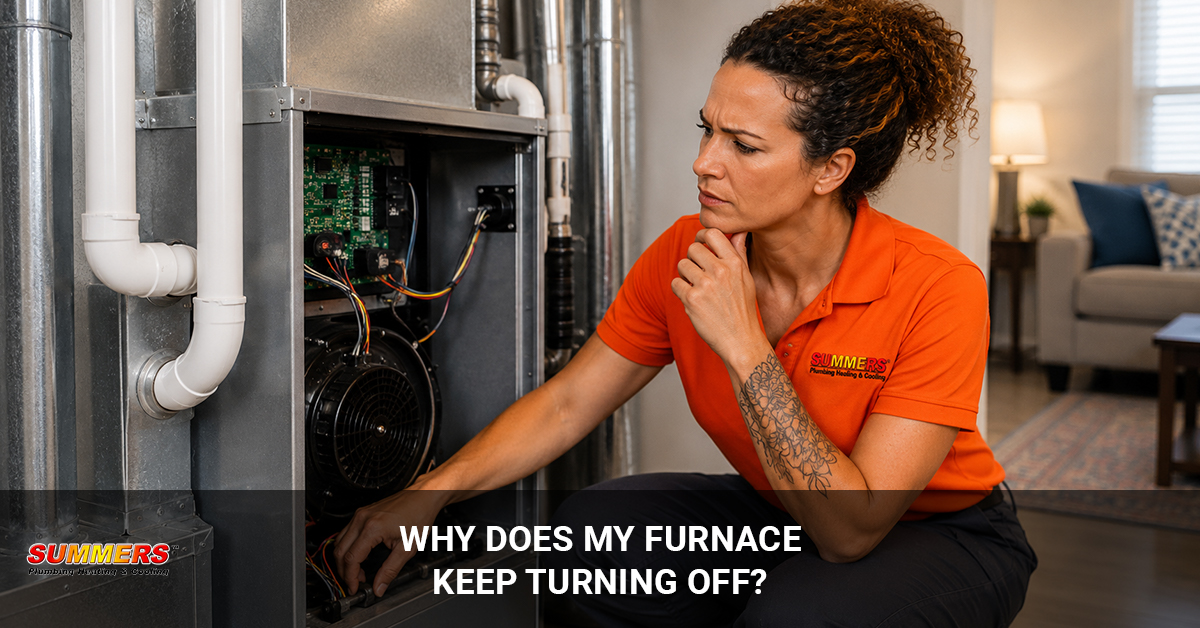
If your furnace keeps turning off before your home feels warm, it’s most likely short cycling. This means the furnace starts normally but shuts down too soon instead of completing a full heating cycle. A dirty air filter, thermostat problem, overheating, or a faulty furnace component is often to blame.
A furnace that repeatedly turns on and off doesn’t just make your home uncomfortable. It also uses more energy, puts extra strain on the system, and can lead to costly repairs if the problem isn’t addressed. In some cases, it may even point to a safety issue that needs immediate attention.
The good news is that many causes of furnace short cycling are easy to identify. Something as simple as replacing a clogged air filter or correcting your thermostat settings may solve the problem. If not, knowing the warning signs can help you decide when it’s time to call an HVAC professional.
In this guide, you’ll learn why your furnace keeps turning off, what causes short cycling, the steps you can take to troubleshoot the problem safely, and when professional furnace repair is the best solution.
What Does It Mean When a Furnace Keeps Turning Off?
If your furnace keeps turning off after only a few minutes, it’s most likely short cycling. Short cycling happens when the furnace shuts down before it finishes a normal heating cycle, then starts up again shortly afterward. This prevents your home from reaching the temperature you’ve set and forces the system to work harder than it should. If your furnace stops producing heat altogether, learn the most common reasons your furnace is not heating and the steps you can take before calling a professional.
A properly functioning furnace should run long enough to heat your home evenly. Once the thermostat reaches the desired temperature, the furnace shuts off and stays off until more heat is needed. This normal cycle keeps your home comfortable while using energy efficiently.
When a furnace short cycles, it never gets the chance to complete that process. Instead, it turns on, runs briefly, shuts off, and then repeats the cycle over and over. Besides making your home less comfortable, this constant starting and stopping increases energy use and puts extra wear on important components like the blower motor, ignitor, and heat exchanger.
Here are some common signs that your furnace is short cycling:
- It runs for only a few minutes before shutting off.
- It turns on and off repeatedly throughout the day.
- Your home doesn’t reach the temperature set on the thermostat.
- Some rooms stay colder than others.
- Your heating bills are higher than usual.
- You hear frequent clicking or repeated startup noises.
Occasional shorter heating cycles can happen during mild weather when your home doesn’t need much heat. However, if your furnace regularly shuts off after just a few minutes, it’s usually a sign that something isn’t working properly. Finding and fixing the cause early can improve your comfort, lower your energy bills, and help prevent more expensive furnace repairs later.
10 Common Reasons Your Furnace Keeps Turning Off
A furnace usually keeps turning off because something is preventing it from completing a normal heating cycle. In many cases, the problem is something simple, like a dirty air filter or incorrect thermostat settings. Other times, it may involve a faulty component that needs professional repair.
Below are the most common reasons your furnace keeps shutting off and what you can do about them.
1. Dirty Air Filter
A dirty air filter is the most common reason a furnace keeps turning off.
Your furnace needs a steady flow of air to heat your home safely. When the air filter becomes clogged with dust, pet hair, and other debris, airflow is restricted. As heat builds up inside the furnace, the system begins to overheat.
To prevent damage, the high-limit safety switch automatically shuts the burners off. After the furnace cools down, it starts again, creating a continuous cycle of short cycling.
A clogged air filter can also:
- Increase your energy bills
- Reduce heating performance
- Put extra strain on the blower motor
- Shorten the lifespan of your furnace
The good news is that this is one of the easiest problems to fix. Check your furnace filter regularly and replace it every one to three months, or more often if you have pets, allergies, or a dusty home.
If your furnace still keeps turning off after replacing the filter, another issue is likely causing the problem.
2. Thermostat Problems
A faulty thermostat can cause your furnace to turn off before your home reaches the desired temperature.
The thermostat controls when your furnace starts and stops heating. If it’s sending incorrect signals, the furnace may shut down too early, even though your home still feels cold.
Common thermostat problems include:
- Dead or weak batteries
- Incorrect temperature settings
- Loose wiring
- Faulty temperature sensors
- Calibration issues
- Poor thermostat placement
For example, if your thermostat is installed near a sunny window, fireplace, kitchen, or heating vent, it may think your home is warmer than it actually is. That causes the furnace to shut off before the rest of the house has been heated.
Start by making sure the thermostat is set to Heat mode and that the temperature is higher than the current room temperature. If your thermostat uses batteries, replace them and see if the problem goes away.
If your furnace continues to short cycle, an HVAC technician can test the thermostat, inspect the wiring, and confirm it’s reading the indoor temperature accurately.
3. Dirty Flame Sensor
A dirty flame sensor can cause your furnace to shut off just a few seconds after it starts.
The flame sensor is a safety device that verifies the burners have ignited properly. If it doesn’t detect a flame, the furnace immediately shuts off the gas supply to prevent unburned gas from building up inside the system.
Over time, dirt, soot, and oxidation can coat the flame sensor. Even though the burners light normally, the sensor may not recognize the flame, causing the furnace to turn off almost immediately. It will then try to restart, leading to repeated short cycling.
Common signs of a dirty flame sensor include:
- The burners light but shut off within a few seconds.
- The furnace repeatedly tries to restart.
- Your home receives little or no heat.
- The furnace turns on and off frequently.
Cleaning the flame sensor often fixes the problem. However, because it requires opening the furnace and working around gas and electrical components, it’s best left to a qualified HVAC technician. They can clean the sensor, test it, and replace it if it’s no longer working properly.
4. Furnace Overheating
An overheating furnace will automatically shut itself off to protect its internal components.
Modern furnaces are equipped with a high-limit switch that monitors the temperature inside the unit. If the furnace gets too hot, this safety switch turns the burners off until the system cools down. Once it cools, the furnace starts again, creating the repeated on-and-off cycle known as short cycling.
Overheating is usually caused by poor airflow. When heated air can’t move through the system properly, heat builds up inside the furnace instead of being distributed throughout your home.
Common causes of furnace overheating include:
- A dirty or clogged air filter
- Closed or blocked supply vents
- Blocked return air vents
- A dirty blower wheel
- A failing blower motor
- Damaged or undersized ductwork
Start by checking that all supply and return vents are open and unobstructed. Replace a dirty air filter if needed, and avoid placing furniture or rugs over vents. If your furnace continues to overheat after these simple checks, schedule a professional inspection. An HVAC technician can identify the underlying cause and prevent damage to critical components like the heat exchanger.
5. Blocked Exhaust Vent or Intake Pipe
A blocked exhaust vent or intake pipe can cause your furnace to shut off as a safety precaution.
High-efficiency furnaces need a steady supply of fresh air for combustion and a clear exhaust path to safely vent combustion gases outside. If either pipe becomes blocked, the furnace’s pressure switch detects the problem and shuts the system down to prevent unsafe operation.
Common causes of blocked vent pipes include:
- Snow or ice buildup during winter
- Leaves, twigs, and other yard debris
- Bird or rodent nests
- Dirt buildup
- Insect nests
When the airflow is restricted, your furnace may start normally but shut off after a few minutes without heating your home properly.
If you have a high-efficiency furnace, take a look at the intake and exhaust pipes outside your home. Remove any visible debris if it’s safe to do so, but never take apart the venting system yourself. If the pipes appear clear and the furnace still keeps turning off, have an HVAC technician inspect the venting system for hidden blockages or damage.
6. Faulty High-Limit Switch
A faulty high-limit switch can make your furnace shut off even when it isn’t overheating.
The high-limit switch is a built-in safety device that monitors the temperature inside the furnace. If the temperature gets too high, it turns the burners off to protect the heat exchanger and other internal components from damage.
Over time, the switch can wear out or fail. When that happens, it may incorrectly detect high temperatures and shut the furnace down too soon, even though the system is operating normally. This often results in repeated short cycling.
Signs of a failing high-limit switch include:
- The furnace shuts off even after replacing the air filter.
- The system short cycles throughout the day.
- Your home heats unevenly.
- The blower continues running after the burners shut off.
Because several furnace problems can produce the same symptoms, it’s difficult to confirm a faulty high-limit switch without proper testing. An HVAC technician can inspect the switch, check the furnace’s operating temperature, and determine whether the switch or another component is causing the problem.
7. Blower Motor Problems
A failing blower motor can cause your furnace to overheat and shut off before it finishes a heating cycle.
The blower motor pushes warm air through your ductwork and into your home. If it isn’t working properly, heat stays inside the furnace instead of circulating through the vents. As the temperature rises, the furnace’s safety controls shut the system down to prevent damage.
Several blower motor issues can cause short cycling, including:
- Worn motor bearings
- A weak or failed capacitor
- A dirty blower wheel
- Loose electrical connections
- An aging or failing blower motor
You may also notice other warning signs, such as:
- Weak airflow from your vents
- Humming, squealing, or grinding noises
- A burning smell when the furnace runs
- Some rooms are staying colder than others
Because blower motor repairs involve electrical components and moving parts, it’s best to have an HVAC technician inspect the system. They can determine whether the motor needs cleaning, repair, or replacement.
8. Ignition or Pilot Light Problems
If your furnace can’t keep the burners lit, it will shut itself off for safety.
Older furnaces use a standing pilot light, while newer models typically use an electronic ignition system or a hot surface ignitor. If any part of the ignition system fails, the burners may light briefly and then go out, causing the furnace to stop heating.
Common ignition problems include:
- Dirty or clogged burners
- A cracked hot surface ignitor
- A faulty ignition control module
- A weak or unstable pilot light
- Gas supply issues
When the burners don’t stay lit, the furnace automatically shuts off the gas supply to prevent unburned gas from accumulating inside the unit.
If your furnace repeatedly tries to ignite but won’t stay running, avoid pressing the reset button multiple times. Repeated restart attempts won’t fix the problem and can put extra strain on the ignition system. A professional inspection is the safest way to identify and repair the faulty component.
9. An Oversized Furnace
An oversized furnace can short cycle because it heats your home too quickly.
Many homeowners assume a larger furnace will provide better performance, but a furnace that’s too powerful for your home often creates the opposite problem. It reaches the thermostat’s set temperature too fast, shuts off, and then starts again a short time later.
This constant cycling can lead to:
- Higher energy bills
- Uneven temperatures throughout the home
- Increased wear on furnace components
- A shorter system lifespan
- Reduced indoor comfort
If your furnace has been short cycling since it was installed, it may not have been sized correctly. An HVAC contractor can perform a heating load calculation to determine whether your furnace is the right size for your home.
10. Control Board or Electrical Problems
Electrical problems can cause your furnace to turn off unexpectedly, even when everything else appears to be working properly.
The control board is the furnace’s main control center. It sends signals between the thermostat, burners, blower motor, ignition system, and other components. If the control board or another electrical part fails, the furnace may shut down at the wrong time or stop working altogether.
Common electrical problems include:
- Loose wiring connections
- Corroded electrical terminals
- A failing control board
- Faulty relays
- Power supply issues
- A tripped circuit breaker
Because electrical faults often produce the same symptoms as other furnace problems, they’re difficult to diagnose without specialized testing equipment.
If you’ve already replaced the air filter and confirmed your thermostat is working properly, but your furnace still keeps turning off, it’s time to schedule professional service. An HVAC technician can safely test the electrical system, identify the faulty component, and make the necessary repairs before the problem becomes more serious.
Why You Shouldn’t Ignore a Furnace That Keeps Turning Off
You shouldn’t ignore a furnace that keeps turning off because the problem usually gets worse over time. Even if your furnace is still producing some heat, repeated short cycling puts unnecessary stress on the entire heating system.
Every time the furnace starts, components like the blower motor, ignitor, gas valve, and control board go through another operating cycle. When this happens more often than it should, those parts wear out faster and are more likely to fail.
Ignoring the problem can lead to:
- Higher monthly energy bills
- Increased wear on furnace components
- Poor heating performance
- More frequent breakdowns
- A shorter furnace lifespan
- More expensive repairs in the future
In some cases, a furnace that keeps shutting off may also indicate a safety issue, such as overheating or a malfunctioning safety control. That’s why it’s important to identify the cause instead of hoping the problem goes away on its own.
The sooner you address short cycling, the more likely you are to avoid costly repairs, improve your home’s comfort, and keep your furnace running efficiently throughout the heating season.
How to Troubleshoot a Furnace That Keeps Turning Off
If your furnace keeps turning off, start with a few simple troubleshooting steps before calling an HVAC technician. Many cases of short cycling are caused by minor issues that homeowners can safely identify and fix. If these steps don’t solve the problem, it’s time to schedule a professional inspection.
Check the Air Filter
The first thing you should check is the air filter. A dirty or clogged filter restricts airflow, causing the furnace to overheat and shut down before it finishes a heating cycle.
If the filter looks dirty, replace it with one that matches your furnace manufacturer’s recommended size and MERV rating. A clean filter improves airflow, helps prevent overheating, and allows your heating system to run more efficiently.
Verify the Thermostat Settings
Next, make sure your thermostat is working properly. Confirm it’s set to Heat mode and that the temperature is higher than the current room temperature.
If your thermostat uses batteries, replace them with fresh ones. Also check that it isn’t installed near direct sunlight, fireplaces, kitchen appliances, or heating vents, as these can cause false temperature readings and make the furnace shut off too soon.
Make Sure All Vents Are Open
Blocked airflow can also cause short cycling. Walk through your home and make sure every supply and return vent is fully open.
Furniture, rugs, curtains, and other objects can block airflow, forcing heat to build up inside the furnace. Keeping vents clear helps your heating system distribute warm air evenly and operate more efficiently.
Inspect the Outdoor Vent Pipes
If you have a high-efficiency furnace, inspect the intake and exhaust pipes outside your home.
Look for visible obstructions such as:
- Snow or ice
- Leaves and yard debris
- Bird nests
- Dirt or other blockages
Remove any debris only if it’s safe and easy to reach. If you suspect a blockage inside the vent pipe, don’t try to take it apart. An HVAC technician has the proper tools to inspect and clear the vent safely.
Reset the Furnace
Sometimes a simple reset can clear a temporary fault.
Turn the thermostat off, switch off power to the furnace for a few minutes, and then restore power. Follow the reset procedure recommended by your furnace manufacturer.
If the furnace begins short cycling again immediately after the reset, the underlying problem still needs to be diagnosed.
Check the Circuit Breaker
A tripped or loose circuit breaker can interrupt power to your furnace.
Open your electrical panel and make sure the furnace breaker is fully in the ON position. If the breaker continues to trip, don’t keep resetting it. Frequent breaker trips usually indicate an electrical problem that should be inspected by a qualified technician.
Listen for Unusual Sounds
The noises your furnace makes can provide important clues about what’s wrong.
Pay attention to sounds such as:
- Banging
- Grinding
- Squealing
- Buzzing
- Repeated clicking
These noises can point to problems with the blower motor, ignition system, bearings, or other internal components.
Know When to Stop Troubleshooting
If you’ve completed these basic checks and your furnace still keeps turning off, don’t continue trying to fix it yourself.
Gas furnaces contain electrical components, burners, gas lines, and safety controls that require specialized tools and training. Attempting DIY repairs can damage the furnace or create serious safety risks.
If the problem persists, schedule a professional HVAC inspection. A technician can identify the root cause, make the necessary repairs, and restore your furnace to safe, reliable operation.
Signs You Should Call an HVAC Professional
You should call an HVAC professional if your furnace keeps turning off after you’ve tried basic troubleshooting. While replacing the air filter or checking the thermostat can solve some problems, persistent short cycling usually means there’s an issue that requires expert diagnosis and repair.
Schedule a furnace inspection if you notice any of these warning signs:
- Your furnace shuts off after only a few minutes.
- The problem continues even after replacing the air filter.
- Your home never reaches the temperature set on the thermostat.
- You notice a burning smell that doesn’t go away.
- The furnace makes loud banging, grinding, squealing, or other unusual noises.
- The burner flame is yellow or flickering instead of a steady blue.
- Water is leaking around a high-efficiency furnace.
- The furnace circuit breaker keeps tripping.
- Your carbon monoxide detector goes off.
- You smell natural gas near the furnace.
Don’t ignore these warning signs. A furnace that repeatedly shuts off can indicate anything from a worn component to a serious safety issue. Getting the problem diagnosed early can prevent more expensive repairs and help keep your heating system running safely and efficiently.
Important: If you smell natural gas or your carbon monoxide detector alarms, leave your home immediately and contact your gas utility or emergency services. Do not attempt to restart or inspect the furnace yourself.
Can a Furnace That Keeps Turning Off Be Dangerous?
Yes, a furnace that keeps turning off can be dangerous if the underlying problem is left unresolved. While short cycling is often caused by a maintenance issue like a dirty air filter, it can also be a sign of a more serious problem that affects your furnace’s safety and performance.
Here are some of the potential risks.
Overheating
An overheating furnace can damage important internal components.
When airflow is restricted, heat builds up inside the furnace instead of circulating through your home. To prevent damage, the high-limit switch shuts the furnace down. If overheating continues, it can put excessive stress on the heat exchanger, blower motor, and other critical parts.
Cracked Heat Exchanger
Repeated overheating can increase the risk of a cracked heat exchanger.
The heat exchanger separates combustion gases from the air your family breathes. If it develops a crack, harmful gases may leak into your home’s air supply. Although a cracked heat exchanger isn’t the most common cause of short cycling, it’s a serious issue that should be inspected by an HVAC professional.
Carbon Monoxide Exposure
Some furnace problems can increase the risk of carbon monoxide exposure.
Carbon monoxide is a colorless, odorless gas produced during combustion. While not every furnace that short cycles leaks carbon monoxide, any issue involving combustion or a damaged heat exchanger should be taken seriously.
For added protection, install carbon monoxide detectors on every level of your home and test them regularly.
Gas Leaks
Problems with the gas valve, burners, or ignition system can increase the risk of a gas leak.
If you ever smell natural gas near your furnace, leave your home immediately and contact your gas utility or emergency services. Do not attempt to restart the furnace or inspect the gas line yourself.
Electrical Hazards
Faulty wiring or failing electrical components can create safety risks and cause your furnace to shut down unexpectedly.
Loose electrical connections, damaged control boards, or failing capacitors should always be diagnosed and repaired by a qualified HVAC technician.
If your furnace continues turning off after basic troubleshooting, don’t ignore the problem. A professional inspection can identify the cause, restore safe operation, and help prevent more serious damage to your heating system.
How HVAC Technicians Diagnose Furnace Short Cycling
HVAC technicians diagnose furnace short cycling by inspecting the entire heating system to find the root cause of the problem. Instead of guessing or replacing parts one by one, they follow a step-by-step process to identify exactly why the furnace keeps turning off.
A professional furnace inspection typically includes the following checks.
Airflow Inspection
The first step is checking for airflow problems, as restricted airflow is one of the most common causes of short cycling.
The technician inspects:
- Air filters
- Supply vents
- Return vents
- Ductwork
- Blower motor and airflow performance
If airflow is restricted, the furnace can overheat and shut down before completing a heating cycle.
Thermostat Testing
Next, the technician tests the thermostat to make sure it’s communicating correctly with the furnace.
They check:
- Thermostat operation
- Temperature accuracy
- Wiring connections
- Communication between the thermostat and furnace
A faulty thermostat can send incorrect signals that cause the furnace to shut off too early.
Flame Sensor Inspection
The flame sensor is inspected to make sure it can detect the burner flame properly.
If the sensor is dirty or worn out, the furnace may shut off within seconds of ignition. The technician will clean the sensor, test its performance, and replace it if necessary.
Ignition System Testing
The ignition system is checked to ensure the burners ignite and stay lit.
This inspection may include:
- Hot surface ignitor or pilot light
- Burners
- Gas valve
- Ignition control components
Any problem with the ignition system can cause the furnace to shut down as a safety precaution.
Safety Switch Testing
Your furnace has several built-in safety devices that prevent damage and unsafe operation.
The technician tests components such as the:
- High-limit switch
- Pressure switch
If one of these switches isn’t working correctly, it can cause the furnace to short cycle even when no overheating or venting problem exists.
Electrical Diagnostics
Electrical issues can be difficult to identify without specialized equipment.
The technician checks:
- Control board
- Wiring connections
- Capacitors
- Voltage levels
- Electrical terminals
These tests help determine whether an electrical fault is causing the furnace to turn off unexpectedly.
Temperature Rise Measurement
Finally, the technician measures the furnace’s temperature rise by comparing the air temperature entering and leaving the system.
If the temperature rise is higher than the manufacturer’s recommended range, it usually indicates restricted airflow or another overheating problem that needs to be corrected.
By completing these tests, an HVAC technician can accurately diagnose the cause of short cycling and recommend the right repair. This approach saves time, prevents unnecessary part replacements, and helps restore safe, reliable heating.
How to Prevent Your Furnace From Turning Off Repeatedly
The best way to prevent your furnace from turning off repeatedly is to keep it well maintained and address small problems before they become major repairs. Regular maintenance improves efficiency, extends the life of your furnace, and helps reduce the risk of short cycling. Following these tips to prevent furnace breakdowns can help keep your heating system operating reliably throughout the winter.
Here are a few simple ways to keep your furnace running reliably.
Replace Air Filters Regularly
A clean air filter helps your furnace maintain proper airflow and prevents overheating.
Check the filter once a month and replace it every one to three months, or sooner if you have pets, allergies, or a dusty home. This simple maintenance task can prevent many common heating problems.
Schedule Annual Furnace Maintenance
An annual furnace tune-up is one of the best ways to keep your heating system operating safely and efficiently.
During a maintenance visit, an HVAC technician can inspect critical components, clean the burners, test safety controls, check airflow, and identify worn parts before they fail. Scheduling service before the heating season begins helps reduce the chance of unexpected breakdowns during cold weather. If you’re planning a tune-up, here’s what to expect from typical furnace maintenance costs and the services included during a professional inspection.
Keep Supply and Return Vents Open
Your furnace is designed to operate with balanced airflow throughout your home.
Avoid closing vents in unused rooms or blocking them with furniture, rugs, or curtains. Restricted airflow can cause the furnace to overheat and short cycle.
Keep the Area Around the Furnace Clear
Leave plenty of space around your furnace so it can operate safely.
Avoid storing boxes, paint cans, cleaning supplies, or other household items next to the unit. Keeping the area clean also makes it easier for technicians to inspect and service the furnace.
Don’t Ignore Warning Signs
Small furnace problems rarely fix themselves.
If you notice unusual noises, uneven heating, higher energy bills, or your furnace starts turning off more often than usual, schedule an inspection before the problem becomes more expensive to repair.
Upgrade an Older Thermostat
An outdated thermostat may not control your furnace as accurately as a newer model.
If your thermostat frequently gives inaccurate temperature readings or struggles to maintain a consistent indoor temperature, upgrading to a programmable or smart thermostat can improve comfort, increase energy efficiency, and help your furnace run more consistently.
Frequently Asked Questions
Why does my furnace shut off after only a few minutes?
If your furnace shuts off after only a few minutes, it’s usually short cycling. The most common causes include a dirty air filter, thermostat problems, overheating, a dirty flame sensor, a blocked vent, or a faulty high-limit switch. A professional inspection can identify the exact cause if basic troubleshooting doesn’t solve the problem.
Can a dirty air filter really cause my furnace to turn off?
Yes. A dirty air filter is one of the most common reasons a furnace keeps turning off. When the filter is clogged, it restricts airflow, causing the furnace to overheat. The high-limit safety switch then shuts the burners off to protect the system from damage.
Is furnace short cycling expensive to fix?
It depends on what’s causing the problem. Replacing a dirty air filter or thermostat batteries is inexpensive, while repairs involving the blower motor, control board, or other major components typically cost more. Fixing the issue early can often prevent more expensive repairs later.
Can I continue using my furnace if it keeps shutting off?
No, it’s not a good idea to keep using a furnace that repeatedly shuts off. Frequent short cycling increases wear on important components, reduces energy efficiency, and may indicate a safety issue. If the problem continues after replacing the air filter and checking the thermostat, schedule an HVAC inspection.
How often should I replace my furnace filter?
Most furnace filters should be replaced every one to three months. However, if you have pets, allergies, or a dusty home, you may need to replace the filter more often. Checking the filter every month is a good habit that helps keep your furnace running efficiently.
When should I replace my furnace instead of repairing it?
Replacing your furnace may be the better option if it’s 15 to 20 years old, needs frequent repairs, or has a cracked heat exchanger. An HVAC professional can evaluate your system and help you decide whether repairing or replacing the furnace is the more cost-effective long-term solution.
Final Thoughts
A furnace that keeps turning off is usually a sign that something isn’t working as it should. While the cause may be as simple as a dirty air filter or incorrect thermostat settings, repeated short cycling can also point to more serious issues that require professional attention.
The good news is that many furnace problems can be prevented with regular maintenance and early repairs. Replacing your air filter on schedule, keeping vents clear, and paying attention to warning signs can help your heating system run more efficiently and reduce the risk of unexpected breakdowns.
If your furnace continues turning off after you’ve completed basic troubleshooting, it’s best to schedule an inspection with a qualified HVAC technician. Our professional furnace maintenance service helps keep your heating system running safely, efficiently, and reliably throughout the heating season. They can identify the root cause, make the necessary repairs, and ensure your furnace operates safely and reliably.
Taking action early can save you money on future repairs, improve your home’s comfort, and help your furnace keep your family warm throughout the heating season.