
Furnace Pilot Light Keeps Going Out? Causes & Fixes
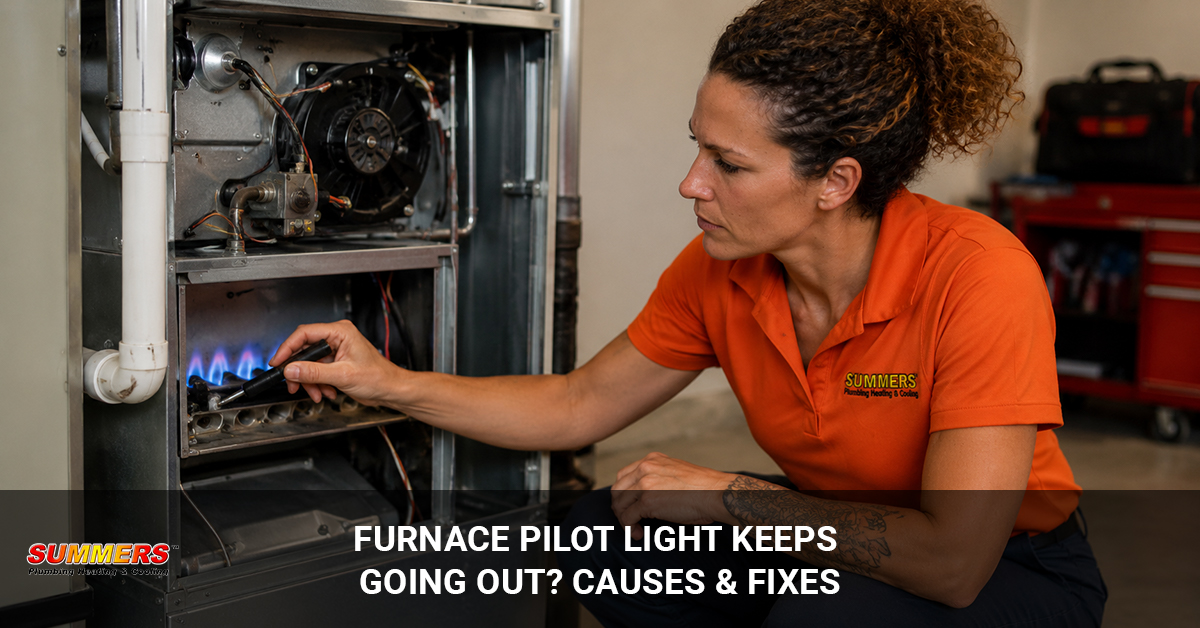
If your furnace pilot light keeps going out, the most likely cause is a problem with the pilot assembly, thermocouple, or gas supply. In some cases, the issue is minor and easy to fix. In others, it points to a faulty component that needs professional repair.
A standing pilot light should stay lit and be ready to ignite the furnace burners whenever your thermostat calls for heat. If it keeps going out, your furnace won’t be able to heat your home properly. Besides leaving you without heat, the problem can reduce your furnace’s reliability and may even indicate a safety issue if it’s related to combustion or gas flow.
The good news is that many pilot light problems have a clear cause. A dirty thermocouple, clogged pilot orifice, strong draft, or failing gas valve are some of the most common reasons the flame won’t stay lit. Identifying the problem early can help prevent bigger repairs and restore dependable heating.
In this guide, you’ll learn why your furnace pilot light keeps going out, how a standing pilot light works, the most common causes of the problem, what you can safely check yourself, and when it’s time to call an HVAC professional.
Why Does My Furnace Pilot Light Keep Going Out?
A furnace pilot light usually keeps going out because something is preventing it from staying lit. The most common causes include a dirty or faulty thermocouple, a clogged pilot orifice, strong drafts, low gas pressure, or a failing gas valve.
The pilot light should remain lit at all times on older gas furnaces. Its job is to ignite the main burners whenever your thermostat calls for heat. If the flame keeps going out, your furnace won’t be able to produce heat until the pilot is relit and the underlying problem is fixed.
In some cases, the solution is simple. Dirt or debris may be blocking the pilot flame, or a draft could be blowing it out. In other situations, the problem may involve a worn-out component or an issue with the gas supply that requires professional repair.
A pilot light that goes out once after a temporary gas interruption or severe weather isn’t always a reason for concern. However, if it keeps happening, your furnace is telling you something isn’t working properly and shouldn’t be ignored.
A pilot light that won’t stay lit can lead to:
- No heat when your home needs it most
- Frequent interruptions to your heating system
- Lower energy efficiency
- Increased wear on furnace components
- Potential safety risks related to combustion or gas flow
The sooner you identify the cause, the easier and less expensive the repair is likely to be. Addressing the problem early can help restore reliable heating and prevent more serious furnace issues down the road.
How Does a Furnace Pilot Light Work?
A furnace pilot light is a small flame that stays lit and ignites the main burners whenever your furnace needs to heat your home. It’s a key part of older gas furnaces that use a standing pilot light instead of an electronic ignition system.
Here’s how it works. When your thermostat calls for heat, the gas valve opens and allows gas to flow to the burners. The pilot light ignites the gas, creating the flames that heat your home’s air before it’s distributed through the ductwork.
One of the most important parts of this process is the thermocouple.
The thermocouple is a safety device located next to the pilot flame. Its job is to detect heat from the flame and signal the gas valve that it’s safe to keep supplying gas. If the pilot light goes out for any reason, the thermocouple cools down and tells the gas valve to shut off the gas supply. This prevents unburned natural gas from collecting inside the furnace and helps protect your home.
For your furnace to operate properly:
- The pilot light must stay lit.
- The flame must fully touch the thermocouple.
- The thermocouple must detect the flame correctly.
- The gas valve must deliver a steady supply of gas.
If any part of this system isn’t working properly, the pilot light may go out repeatedly, preventing your furnace from producing heat.
Do All Furnaces Have a Pilot Light?
No. Most newer gas furnaces don’t have a standing pilot light.
Instead, they use an electronic ignition system or a hot surface ignitor that lights the burners only when the thermostat calls for heat. Because these systems don’t keep a flame burning all the time, they’re more energy efficient than older standing pilot systems.
If your furnace was installed within the past 15 to 20 years, it most likely uses electronic ignition instead of a pilot light. In those systems, ignition problems are usually caused by a faulty hot surface ignitor, flame sensor, or ignition control rather than a pilot flame.
If you’re not sure which type of furnace you have, check your owner’s manual or have an HVAC technician inspect the system. Knowing whether your furnace uses a standing pilot light or electronic ignition makes it much easier to diagnose heating problems correctly.
8 Common Reasons Your Furnace Pilot Light Keeps Going Out
A furnace pilot light usually keeps going out because something is preventing the flame from staying lit. In many cases, the problem is caused by dirt, worn parts, or an issue with the gas supply. While some causes are easy to identify, others require an HVAC technician to diagnose and repair safely. Pilot light problems can also lead to a furnace that keeps turning off, especially when the ignition system cannot maintain proper operation.
Here are the most common reasons your furnace pilot light won’t stay lit.
1. Dirty or Faulty Thermocouple
A dirty or faulty thermocouple is the most common reason a furnace pilot light keeps going out.
The thermocouple is a safety device that sits next to the pilot flame. It senses the heat from the flame and tells the gas valve it’s safe to continue supplying gas. If it can’t detect enough heat, the gas valve automatically shuts off the gas to prevent a dangerous leak.
Over time, the thermocouple can become coated with dirt, soot, or corrosion. It can also wear out with age. When this happens, it may fail to detect the pilot flame, causing the gas supply to shut off even though the pilot was lit only moments before.
Common signs of a faulty thermocouple include:
- The pilot light goes out as soon as you release the control knob.
- The pilot flame lights but won’t stay lit.
- The furnace won’t start after relighting the pilot.
- The pilot light keeps going out.
In some cases, cleaning the thermocouple is enough to solve the problem. If it’s damaged or worn out, replacing it is usually the most effective solution.
2. Dirty Pilot Orifice
A dirty pilot orifice can prevent the pilot light from burning with a strong, steady flame.
The pilot orifice is a small opening that supplies natural gas to the pilot light. Because it’s so small, it can easily become clogged with dust, dirt, spider webs, or other debris.
When the orifice is partially blocked, the pilot flame becomes weak or unstable. It may not produce enough heat to keep the thermocouple warm, causing the gas valve to shut off and the pilot light to go out.
Signs of a clogged pilot orifice include:
- A small or weak pilot flame
- A yellow or flickering flame instead of a steady blue flame
- A pilot light that won’t stay lit
- The pilot repeatedly goes out after being relit
Cleaning the pilot orifice often restores proper gas flow and produces a strong blue flame. Because the opening is very small and easy to damage, it’s best to have this repair performed by an experienced HVAC technician.
3. Strong Drafts Around the Furnace
Strong drafts can blow out the pilot light, even if your furnace is working properly.
The pilot flame is small, so it doesn’t take much moving air to extinguish it. This problem is more common in older homes, unfinished basements, garages, and utility rooms where the furnace is exposed to drafts.
Common sources of drafts include:
- Open windows or doors
- Cracks or gaps around the furnace room
- Damaged or loose vent pipes
- Poorly sealed utility rooms
- Exhaust fans creating negative air pressure
If your pilot light goes out during windy weather or after a nearby door or window is opened, a draft could be the cause. Although sealing air leaks may help, it’s important to make sure your furnace still has proper ventilation for safe operation.
An HVAC technician can inspect the area, identify the source of the draft, and recommend the safest solution without affecting your furnace’s combustion air.
4. Low Gas Pressure
Low gas pressure can cause the pilot light to become too weak to stay lit.
Your furnace needs a steady flow of natural gas to maintain a strong pilot flame. If the gas pressure drops, the flame may become small or unstable and won’t produce enough heat for the thermocouple to keep the gas valve open.
Low gas pressure can be caused by:
- A problem with the gas utility
- A partially closed gas shutoff valve
- A faulty gas regulator
- Problems with your home’s gas piping
Besides causing the pilot light to go out, low gas pressure may also reduce your furnace’s heating performance or make it difficult for the burners to ignite properly.
Because gas pressure can’t be checked without specialized tools, this isn’t a DIY repair. If you suspect a gas supply problem, contact a licensed HVAC technician to safely test the system and identify the cause.
5. Faulty Gas Valve
A faulty gas valve can prevent the pilot light from getting a steady supply of gas.
The gas valve controls the flow of natural gas to both the pilot light and the main burners. If it begins to fail, it may deliver too little gas or interrupt the flow altogether. When that happens, the pilot flame can become weak or go out unexpectedly.
Signs of a failing gas valve include:
- Difficulty lighting the pilot light
- The pilot won’t stay lit
- Delayed burner ignition
- The furnace starts and stops unexpectedly
- No heat even though the thermostat is calling for heat
Because the gas valve is an essential safety component, it should never be repaired or replaced by a homeowner. If you suspect a faulty gas valve, have your furnace inspected by a qualified HVAC technician.
6. Dirty Burners
Dirty burners can make it harder for your furnace to ignite and heat your home efficiently.
Over time, dust, dirt, rust, and other debris can build up on the burner assembly. This buildup affects how gas burns and can interfere with proper ignition after the pilot light is lit.
Common signs of dirty burners include:
- Uneven burner flames
- Delayed ignition
- Yellow or orange flames instead of blue
- Reduced heating performance
Dirty burners are usually cleaned during routine furnace maintenance. Keeping them clean helps your furnace ignite properly, burn fuel more efficiently, and operate more safely.
7. Ventilation or Chimney Problems
Blocked ventilation or a clogged chimney can cause the pilot light to go out and prevent your furnace from operating safely.
Your furnace needs proper airflow to burn natural gas efficiently and vent combustion gases outside. If the flue or chimney becomes blocked, the furnace may shut down as a safety precaution.
Common venting problems include:
- Bird or animal nests
- Leaves and other debris
- Damaged or disconnected vent pipes
- A blocked chimney flue
- Snow or ice covering the vent
Besides causing the pilot light to go out, blocked ventilation can reduce heating performance and create serious safety concerns if combustion gases can’t vent properly.
If you suspect a venting problem, stop using the furnace until it has been inspected. An HVAC technician can safely check the venting system, remove blockages, and ensure your furnace is venting correctly.
8. Aging Furnace Components
Older furnace components are more likely to cause recurring pilot light problems.
As a furnace gets older, normal wear and tear can affect how well it operates. Parts such as the thermocouple, gas valve, burners, wiring, and other components become less reliable over time. When one or more of these parts begin to fail, your pilot light may keep going out or the furnace may struggle to start consistently.
Signs that age may be contributing to the problem include:
- The pilot light goes out frequently.
- The furnace needs repairs every heating season.
- Replacement parts are failing more often.
- Your heating system doesn’t perform as well as it used to.
If your furnace is 15 to 20 years old or older and has required several repairs in recent years, it may be more cost-effective to replace the system instead of continuing to repair individual components.
A qualified HVAC technician can inspect your furnace, evaluate its overall condition, and help you decide whether a repair or a new furnace is the better long-term investment. A newer, high-efficiency furnace can also improve comfort, lower energy costs, and provide more reliable heating during the winter.
Can You Relight a Furnace Pilot Light Yourself?
Yes, you can relight a furnace pilot light yourself if your furnace uses a standing pilot light and the manufacturer’s instructions say it’s safe to do so. However, if the pilot light keeps going out, relighting it is only a temporary solution. You’ll also need to fix the underlying problem to prevent it from happening again.
Before attempting to relight the pilot light, check your furnace owner’s manual and make sure you understand the recommended procedure for your specific model. Many newer furnaces don’t have a standing pilot light, so trying to relight one when your furnace uses an electronic ignition system won’t solve the problem.
If the pilot light stays lit after being relit, monitor your furnace over the next few heating cycles. If it goes out again, it’s a sign that something else is wrong, such as a dirty thermocouple, a clogged pilot orifice, a faulty gas valve, or another issue affecting the ignition system.
Avoid repeatedly trying to relight a pilot light that won’t stay lit. Frequent pilot light failures usually indicate a problem that requires professional diagnosis, and continuing to restart the furnace won’t correct the underlying cause.
Safety Tip: If you smell natural gas or suspect a gas leak, do not attempt to relight the pilot light. Leave your home immediately and contact your gas utility or emergency services. Only use the furnace again after it has been inspected and declared safe.
What to Do Before Calling an HVAC Technician
If your furnace pilot light keeps going out, there are a few safe checks you can make before scheduling a repair. These steps can help rule out simple issues, but they won’t fix problems involving the gas supply or internal furnace components.
Check the Thermostat
Start by making sure your thermostat is set to Heat and the temperature is higher than the current room temperature.
If your thermostat uses batteries, replace them with fresh ones. While a thermostat usually won’t cause the pilot light to go out, it can prevent your furnace from running properly and make it seem like the pilot light is the problem.
Confirm the Gas Supply
If it’s safe to do so, check whether other gas appliances in your home, such as your stove or water heater, are working normally.
If none of your gas appliances are operating, the issue may be related to your home’s gas service rather than the furnace itself. Gas supply problems should always be handled by your gas utility or a qualified HVAC professional.
Look for Drafts Around the Furnace
Strong drafts can extinguish a standing pilot light.
Check for open windows, gaps around doors, or obvious air leaks near the furnace. If the pilot light tends to go out during windy weather, moving air may be affecting the flame.
Inspect the Pilot Flame
If the pilot light is currently lit, take a look at the flame.
A healthy pilot flame should be:
- Steady
- Mostly blue
- Large enough to reach the thermocouple
If the flame is weak, yellow, or flickering, it may indicate a dirty pilot orifice, poor combustion, or another issue that requires professional service.
Test Your Carbon Monoxide Detectors
Make sure the carbon monoxide detectors in your home are working properly and have fresh batteries.
If a detector sounds an alarm while your furnace is running, leave your home immediately and contact your gas utility or emergency services. Don’t continue using the furnace until it has been inspected.
Avoid DIY Furnace Repairs
Limit your troubleshooting to basic visual checks.
Avoid disassembling the furnace or attempting to repair the thermocouple, gas valve, pilot assembly, or other internal components yourself. Gas furnaces contain safety systems that require specialized tools and training to diagnose and repair safely.
If your pilot light continues to go out after these basic checks, schedule an inspection with a qualified HVAC technician. Identifying the problem early can help restore reliable heat and prevent more costly repairs.
Signs You Need Professional Furnace Repair
If your furnace pilot light keeps going out, it’s time to call an HVAC professional. While a few simple checks can rule out minor issues, recurring pilot light problems usually indicate a fault that requires professional diagnosis and repair.
Schedule a furnace inspection if you notice any of these warning signs:
- The pilot light won’t stay lit.
- The pilot light won’t ignite at all.
- The pilot flame is yellow or orange instead of a steady blue.
- You smell natural gas near the furnace.
- Your furnace isn’t producing heat.
- You notice soot around the burners or inside the furnace.
- Your carbon monoxide detector goes off.
- The furnace shuts down shortly after the pilot light is lit.
- Your furnace is more than 15 years old and has recurring ignition problems.
These symptoms can indicate issues with the thermocouple, gas valve, pilot assembly, ventilation system, or other important furnace components. A qualified HVAC technician has the tools and experience to identify the problem safely and recommend the right repair.
Important: If you smell natural gas or your carbon monoxide detector sounds an alarm, leave your home immediately and contact your gas utility or emergency services. Do not attempt to relight the pilot light or continue using the furnace until it has been inspected and confirmed safe to operate.
Is It Safe if the Furnace Pilot Light Keeps Going Out?
No, a furnace pilot light that keeps going out isn’t something you should ignore. While the cause could be something minor, it can also point to a problem that affects your furnace’s safety and reliability.
Here are some of the potential risks.
Carbon Monoxide Exposure
Problems with combustion or blocked venting can increase the risk of carbon monoxide entering your home.
Carbon monoxide is a colorless, odorless gas that can be dangerous if it builds up indoors. Install carbon monoxide detectors on every level of your home, test them regularly, and replace the batteries as recommended.
Gas Leaks
A faulty gas valve, damaged ignition component, or other gas-related issue can increase the risk of a gas leak.
If you ever smell natural gas, leave your home immediately and contact your gas utility or emergency services. Don’t try to relight the pilot light or operate the furnace until it has been inspected.
Incomplete Combustion
A weak or unstable pilot flame can prevent the furnace from burning fuel efficiently.
Incomplete combustion can reduce heating performance, waste energy, and place extra strain on the burners and other furnace components.
Damage to Furnace Components
A pilot light that repeatedly goes out can cause additional wear on the ignition system and other parts of your furnace.
Ignoring the problem may lead to more expensive repairs and, in some cases, shorten the lifespan of your heating system.
If your pilot light continues to go out after you’ve completed basic troubleshooting, schedule a professional furnace inspection. Identifying the cause early helps keep your furnace operating safely, efficiently, and reliably throughout the heating season.
How HVAC Technicians Diagnose Pilot Light Problems
HVAC technicians diagnose pilot light problems by testing the entire ignition system, gas supply, and safety controls. Instead of replacing parts based on guesswork, they follow a step-by-step inspection to find the exact reason the pilot light won’t stay lit.
A professional furnace inspection typically includes the following checks.
Thermocouple Inspection and Testing
The thermocouple is one of the first components a technician examines because it’s a common cause of pilot light problems.
They check it for dirt, corrosion, damage, and proper positioning next to the pilot flame. If needed, the thermocouple is cleaned, tested, or replaced to ensure it’s correctly sensing the flame and signaling the gas valve to stay open.
Pilot Assembly Inspection
Next, the technician inspects the pilot assembly to make sure it’s producing a healthy flame.
They look for:
- A clogged pilot orifice
- Dirt or debris buildup
- Proper flame size
- A steady blue flame
If the flame is weak, yellow, or flickering, it may indicate a clogged pilot assembly, poor gas flow, or another combustion issue that needs to be corrected.
Gas Pressure Testing
The technician checks that the furnace is receiving the correct gas pressure.
If the gas pressure is too low or inconsistent, the pilot light may not stay lit. Testing helps determine whether the problem is related to the gas valve, gas regulator, or your home’s gas supply.
Gas Valve Inspection
The gas valve is inspected to verify it’s delivering a consistent flow of gas to both the pilot light and the burners.
If the valve isn’t operating properly, it may need to be repaired or replaced to restore reliable furnace operation.
Burner Inspection
Dirty or damaged burners can affect how efficiently your furnace ignites and burns fuel.
The technician checks for dirt, rust, corrosion, and uneven burner flames that could interfere with proper combustion.
Ventilation Inspection
Proper venting is essential for safe furnace operation.
The technician inspects the flue and venting system for problems such as:
- Bird or animal nests
- Leaves and other debris
- Blocked vent pipes
- Damaged venting components
Any restriction that prevents combustion gases from venting properly can contribute to pilot light problems and create safety concerns.
Safety Control Testing
Finally, the technician tests the furnace’s safety controls to make sure they’re working correctly.
These components may include:
- Thermocouple
- High-limit switch
- Pressure switch
- Gas safety controls
If one of these safety devices isn’t operating as intended, it can shut the furnace down even when other components appear to be functioning normally.
By completing these tests, an HVAC technician can accurately identify the cause of the pilot light problem and recommend the most effective repair. This thorough approach helps avoid unnecessary part replacements and ensures your furnace operates safely and reliably.
How to Prevent Furnace Pilot Light Problems
The best way to prevent furnace pilot light problems is to keep your heating system properly maintained. Regular maintenance helps your furnace run more efficiently, reduces unexpected breakdowns, and lowers the chance of your pilot light going out during the heating season. Following these tips to prevent furnace breakdowns can help you avoid unexpected heating failures and extend the life of your furnace.
Here are a few simple ways to keep your furnace running reliably.
Schedule Annual Furnace Maintenance
A professional furnace tune-up is one of the best ways to prevent pilot light problems.
During an annual inspection, an HVAC technician will clean the ignition system, inspect the pilot assembly, test the thermocouple, check the gas valve, and verify that all safety controls are working properly. If you’re planning a tune-up, learn what influences furnace maintenance costs and what’s typically included in a professional service visit. Finding worn or damaged parts early can help prevent unexpected heating problems later.
Keep the Furnace Clean
Keeping your furnace clean helps it operate more efficiently.
Dust, dirt, and debris can build up around the burners and other internal components over time. Replace your air filter regularly and keep the area around the furnace free of dust, storage boxes, and other items that can restrict airflow or make servicing more difficult.
Replace a Worn Thermocouple
A worn thermocouple is one of the most common causes of pilot light failure.
If it’s no longer sensing the pilot flame correctly, replacing it before it fails completely can help prevent recurring pilot light problems and unexpected heating interruptions.
Address Drafts Around the Furnace
Strong drafts can easily blow out a standing pilot light.
Check for obvious air leaks around the furnace room, especially if the unit is located in a basement, garage, or utility room. If you notice damaged venting or persistent drafts, have them inspected and repaired to help keep the pilot flame stable.
Don’t Ignore Early Warning Signs
Small furnace problems often become bigger repairs if they’re ignored.
If your pilot light occasionally goes out, the furnace takes longer to ignite, or you notice changes in the color or size of the pilot flame, schedule an inspection before the problem gets worse. Early repairs can help you avoid unexpected breakdowns and extend the life of your heating system.
Frequently Asked Questions
Why won’t my furnace pilot light stay lit?
A furnace pilot light usually won’t stay lit because of a dirty or faulty thermocouple, a clogged pilot orifice, low gas pressure, a faulty gas valve, or strong drafts blowing out the flame. If the pilot light continues going out after you’ve ruled out obvious issues, have the furnace inspected by an HVAC technician.
Can I replace a thermocouple myself?
Replacing a thermocouple is possible, but because it involves working with a gas furnace, it’s generally safer to have the repair performed by a qualified HVAC professional. They can also verify that the new thermocouple is installed correctly and that no other issues are causing the pilot light to go out.
Why is my pilot flame yellow instead of blue?
A healthy pilot flame should be steady and mostly blue. A yellow or orange flame often indicates dirt in the pilot assembly, poor combustion, or a ventilation problem. If your pilot flame isn’t blue, schedule a furnace inspection to identify and correct the cause.
Is it dangerous if my pilot light keeps going out?
Yes, it can be. While the problem may be caused by a simple maintenance issue, repeated pilot light failures can also point to combustion problems, gas supply issues, or ventilation concerns. It’s best to have the furnace inspected if the pilot light continues to go out.
How much does it cost to fix a furnace pilot light?
The cost depends on what’s causing the problem. Minor repairs, such as cleaning the pilot assembly or replacing a thermocouple, are generally less expensive than replacing a gas valve or repairing other major furnace components. An HVAC technician can diagnose the issue and provide an estimate before beginning any repairs.
How long should a furnace pilot light last?
A standing pilot light is designed to stay lit continuously during normal operation. If it keeps going out, there’s usually an underlying issue that needs to be repaired rather than simply relighting the flame.
Should I repair or replace my furnace?
If your furnace is 15 to 20 years old, requires frequent repairs, or has multiple failing components, replacing it may be the better long-term investment. A newer furnace can provide improved reliability, better energy efficiency, and lower operating costs. An HVAC professional can inspect your system and help you decide whether repair or replacement makes the most sense.
Final Thoughts
A furnace pilot light that keeps going out is a sign that something isn’t working properly. While the cause may be as simple as a dirty thermocouple or a clogged pilot orifice, it can also point to a more serious problem with the gas supply, ignition system, or another critical furnace component.
Taking care of the problem early can help you avoid unexpected heating failures, improve your furnace’s efficiency, and prevent more expensive repairs. Although you can perform a few basic visual checks, recurring pilot light problems should always be evaluated by a qualified HVAC technician.
Regular furnace maintenance is the best way to keep your heating system operating safely and reduce the risk of pilot light issues. Annual tune-ups help identify worn parts, clean the ignition system, and ensure everything is working as it should before the heating season begins.
If your furnace pilot light won’t stay lit or keeps going out, don’t wait until you’re left without heat. Schedule a professional furnace inspection to identify the cause, restore reliable heating, and keep your home safe and comfortable throughout the winter.