

Why Does My Heat Pump Run Constantly in Cold Weather?
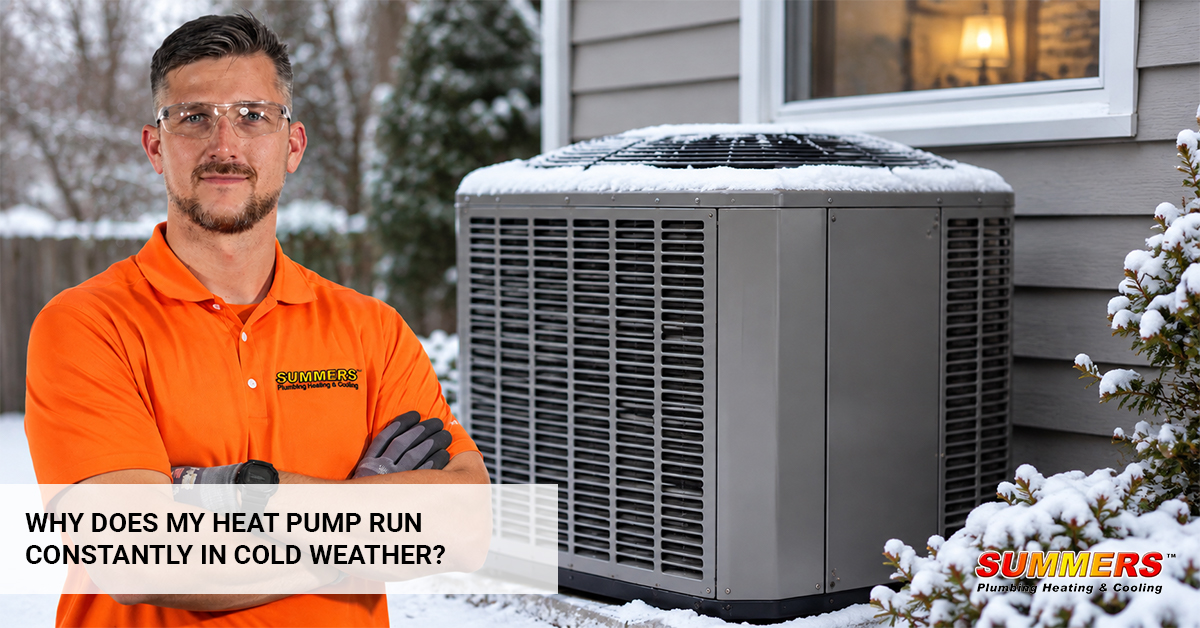
If your heat pump seems to run all day during cold weather, it may be working harder to keep your home warm. In many cases, that’s completely normal. Heat pumps often run longer in winter because they move heat from the outdoor air into your home instead of creating heat by burning fuel.
As the temperature drops outside, your heat pump has less heat available to collect. So, it may need more time to warm your home and maintain a comfortable temperature.
However, constant operation isn’t always normal. If your home still feels cold, the thermostat never reaches its target, or your electricity bills suddenly increase, your system may have a problem. A dirty air filter, poor insulation, a blocked outdoor unit, or low refrigerant can all affect heating performance.
In this guide, we’ll explain why your heat pump runs so much in cold weather, how to tell whether it’s working normally, and what you can do to help it heat your home more efficiently.
Is It Normal for a Heat Pump to Run Constantly in Cold Weather?
Yes, it’s normal for a heat pump to run for long periods during cold weather. In fact, it may run almost continuously on very cold days to keep your home comfortable.
Unlike a furnace, a heat pump doesn’t burn fuel to create heat. Instead, it pulls heat from the outdoor air and moves it inside. Even when it’s cold outside, there’s still some heat energy available for the system to collect.
However, as outdoor temperatures drop, your heat pump has to work harder to bring enough heat into your home. That’s why you may notice longer heating cycles during winter.
So, you don’t need to worry just because your heat pump runs for several hours. If it keeps your home at the temperature you set, it may be working as expected.
However, if your home stays cold, the system struggles to reach the thermostat setting, or your electricity bills suddenly increase, there may be an underlying problem. In that case, it’s worth having your heat pump checked.
How Long Should a Heat Pump Run in Winter?
A heat pump can run for several hours or even most of the day during very cold weather. This doesn’t always mean something is wrong. Longer heating cycles help the system keep your home warm when outdoor temperatures drop.
However, the exact runtime depends on your home and heating system. For example, a well-insulated home may stay warm longer, while a drafty home may lose heat quickly. As a result, the heat pump needs to run more often.
Here are the main factors that affect how long your heat pump runs:
- Outdoor temperature: The colder it gets outside, the harder your heat pump works to bring heat indoors.
- Home size: Larger homes generally need more heating capacity.
- Insulation: Good insulation helps your home hold onto warm air.
- Air leaks: Gaps around doors and windows allow heat to escape.
- Heat pump size: An undersized system may struggle to keep up with your home’s heating needs.
- Thermostat settings: Higher temperature settings can increase heating demand and runtime.
So, don’t judge your heat pump by runtime alone. If it runs for long periods but keeps your home comfortable, it may be working normally.
When Does Continuous Operation Become a Problem?
Continuous operation becomes a problem when your heat pump runs for hours but still can’t keep your home warm. This may mean the system isn’t producing enough heat or has an underlying issue.
Pay attention to these warning signs:
- Your home stays cold: The heat pump keeps running, but indoor temperatures never reach the thermostat setting.
- The temperature keeps dropping: Your home gets colder even though the system is on.
- Auxiliary heat runs frequently: Your system relies on backup electric heat more often than usual.
- Your electricity bill increases: You notice a sudden rise in energy costs without a clear reason.
- The system blows cool air: Your vents deliver cool air for an extended period while the heat pump is in heating mode.
- You notice unusual noises or ice buildup: Grinding, buzzing, or heavy ice on the outdoor unit may point to a problem.
If you notice any of these signs, don’t assume the cold weather is the only reason. Check your air filter and thermostat settings first. If the problem continues, have an HVAC technician inspect your system.
Why Does My Heat Pump Run Constantly in Cold Weather?
Your heat pump may run constantly in cold weather because it takes longer to pull enough heat from the outdoor air and warm your home. However, cold temperatures aren’t the only possible reason. Poor insulation, restricted airflow, low refrigerant, and equipment problems can also make your system run longer than usual.
Here are eight common reasons your heat pump keeps running during winter.
1. Outdoor Temperatures Are Very Low
Very low outdoor temperatures can make your heat pump run longer because there’s less heat available for it to collect from the air.
Your heat pump pulls heat from outside and transfers it into your home. As the temperature drops, this process becomes harder. Your system may need more time to produce enough warmth and reach the temperature set on your thermostat.
For example, your heat pump may keep your home comfortable without much effort on a mild winter day. But when temperatures drop below freezing, it may run for several hours to maintain the same indoor temperature.
Some systems also use auxiliary heat to provide extra warmth when the heat pump can’t meet your home’s heating needs on its own. If your heat pump frequently relies on backup heating, learn why your heat pump keeps switching to auxiliary heat.
What you can do:
- Keep your thermostat at a steady, comfortable setting.
- Check your air filter and replace it if it’s dirty.
- Keep snow, leaves, and debris away from the outdoor unit.
- Make sure your heat pump is suitable for your area’s winter temperatures.
Remember, longer heating cycles are often normal during very cold weather. However, if your home stays cold even after hours of operation, your system may need a professional inspection.
2. Your Thermostat Is Set Too High
Setting your thermostat too high can make your heat pump run longer because it has to work harder to reach your desired indoor temperature.
For example, imagine your home is at 62°F and you suddenly raise the thermostat to 75°F. Your heat pump now has to warm the house by 13 degrees. Depending on the outdoor temperature and your system’s capacity, this can take several hours.
Your system may also turn on auxiliary heat to help warm your home faster. This can increase electricity use, especially during very cold weather.
Frequent thermostat changes can make the problem worse. Instead, try to choose a comfortable temperature and stick with it.
What you can do:
- Set your thermostat to a comfortable temperature and keep it steady.
- Avoid making large temperature increases all at once.
- Use a programmable thermostat to manage your heating schedule.
- Check that your thermostat is set to Heat and is working properly.
A consistent thermostat setting helps your heat pump maintain indoor comfort without unnecessary temperature changes. If it still runs constantly but can’t warm your home, another issue may be affecting its performance.
3. Your Air Filter Is Dirty or Clogged
A dirty air filter can make your heat pump run longer because it blocks proper airflow and reduces heating performance.
Your heat pump needs steady airflow to move warm air throughout your home. However, dust, pet hair, and other particles can build up on the filter over time. As the filter gets clogged, less air can pass through the system.
As a result, your heat pump may struggle to keep your home warm and run longer than usual.
You may notice a few signs of restricted airflow:
- Weak airflow from your vents.
- Uneven temperatures between rooms.
- More dust around your home.
- Longer heating cycles.
- Rooms that take longer to warm up.
What you can do:
Start by checking your air filter. If it looks dirty or clogged, replace it with the correct size and type recommended by your heat pump manufacturer.
It’s a good idea to inspect your filter once a month, especially during the heating season. However, how often you need to replace it depends on the filter type, pets, dust levels, and household conditions.
If a new filter doesn’t improve airflow, the problem may be deeper in the system. Your blower motor, ductwork, or indoor coil may need professional attention.
4. Your Home Has Poor Insulation or Air Leaks
Poor insulation and air leaks can make your heat pump run longer because warm air escapes from your home before the system can maintain a comfortable temperature.
For example, small gaps around windows, doors, and attic openings can let warm air out and cold air in. Heat can also escape through walls, floors, and ceilings when your home doesn’t have enough insulation.
As a result, your heat pump has to keep working to replace the lost heat.
You may notice this problem if some rooms feel colder than others, you feel drafts near windows or doors, or your home struggles to stay warm even when the heat pump is running.
What you can do:
- Check the weatherstripping around exterior doors.
- Seal gaps and cracks around windows.
- Close curtains or blinds on cold nights.
- Check the insulation in your attic.
- Seal openings around plumbing and electrical lines.
- Make sure exterior doors close properly.
These simple improvements can help your home hold onto heat for longer. As a result, your heat pump may not need to run as often to maintain a comfortable indoor temperature.
5. Your Outdoor Unit Has Restricted Airflow
Your heat pump’s outdoor unit needs enough airflow to collect heat from the surrounding air. When snow, leaves, dirt, or other debris block the unit, it may struggle to heat your home.
During winter, snow and ice can build up around the outdoor unit. Leaves and dirt can also cover parts of the coil and restrict airflow.
When this happens, your heat pump can’t transfer heat as efficiently as it should. As a result, it may run longer while delivering less warmth to your home.
What you can do:
- Remove leaves, dirt, and loose debris around the outdoor unit.
- Clear snow from the air intake and discharge areas.
- Keep the recommended clearance around the unit.
- Check for unusual ice buildup or visible damage.
Keep in mind that a thin layer of frost on the outdoor coil can be normal during winter. Your heat pump has a defrost cycle to remove this frost when needed.
However, don’t use sharp tools to remove ice. You could damage the coil or refrigerant lines. If your outdoor unit develops thick ice that doesn’t melt properly, read our guide on what to do when your heat pump is covered in ice.
If thick ice keeps building up or the unit stays covered in ice, contact an HVAC technician. Your system may have a defrost problem or another issue that needs attention.
6. Your Heat Pump Has Low Refrigerant
Low refrigerant can make your heat pump run longer because the system can’t transfer heat as efficiently as it should.
Refrigerant moves heat between the indoor and outdoor coils. When the refrigerant level drops below the required amount, your heat pump may struggle to bring enough warmth into your home.
This usually happens because of a refrigerant leak. Refrigerant doesn’t normally get used up during regular operation. So, simply adding more refrigerant won’t fix the problem if the leak remains.
Watch for these common warning signs:
- Your home takes longer to warm up.
- The heat pump runs for long periods.
- Ice builds up on the outdoor coil.
- You hear unusual hissing sounds near the system.
- Your electricity bills increase without a clear reason.
What you can do:
If you suspect low refrigerant, contact a qualified HVAC technician. They can check the refrigerant level, look for leaks, and repair the problem before recharging the system.
Don’t try to add refrigerant yourself. Handling refrigerant requires proper tools, training, and safety precautions.
If your heat pump keeps running but still can’t warm your home, a refrigerant problem may be one possible cause.
7. Your Heat Pump Is Undersized
An undersized heat pump may run almost nonstop because it doesn’t have enough heating capacity to keep your home warm during cold weather.
Every home has different heating needs. A heat pump that works well in a small, well-insulated house may not provide enough warmth for a larger home.
Several factors determine the right heat pump size:
- Home size: Larger homes generally need more heating capacity.
- Ceiling height: High ceilings can increase heating demand.
- Insulation quality: Poor insulation allows heat to escape faster.
- Windows: Large or poorly sealed windows can increase heat loss.
- Air leaks: Drafts make it harder to maintain indoor temperatures.
- Local climate: Homes in colder areas may need more heating capacity.
If your heat pump has struggled to keep your home warm since it was installed, it may be too small for your heating needs. You may notice the problem even more when outdoor temperatures drop.
What you can do:
Ask an HVAC professional to check whether your heat pump is properly sized for your home. They can perform a heating load calculation to determine how much heating capacity your home needs.
Don’t rush to replace your system with a larger unit without checking first. Poor insulation, ductwork problems, or air leaks may also be causing the issue.
Finding the actual cause can help you avoid unnecessary equipment costs and improve your home’s heating performance.
8. Your Heat Pump Has a Mechanical or Electrical Problem
A faulty component can make your heat pump run longer because the system can’t produce or deliver enough heat to your home.
Your heat pump relies on several parts working together. If one component stops working properly, the system may struggle to maintain the temperature set on your thermostat.
Here are some common mechanical and electrical problems that can affect heating performance:
- Failing compressor: The compressor moves refrigerant through the system. If it isn’t working properly, your heat pump may struggle to produce enough heat.
- Faulty reversing valve: This component controls the direction of refrigerant flow. A problem with the valve can affect how your heat pump operates in heating mode.
- Blower motor problems: A weak or failing blower motor can reduce airflow and prevent warm air from reaching your rooms.
- Defrost control problems: If the defrost system doesn’t work correctly, ice may build up on the outdoor coil and reduce heating performance.
- Electrical issues: Faulty wiring, capacitors, or control components can prevent the system from operating as it should.
What you can do:
Watch for unusual noises, weak airflow, frequent shutdowns, or sudden changes in heating performance.
If you notice any of these signs, schedule a professional inspection. An HVAC technician can test the electrical components, check the compressor and reversing valve, and inspect the defrost system.
It’s best to address these problems early. A faulty component can affect other parts of your heat pump if you leave it unchecked.
Why Does My Heat Pump Keep Running but Not Heating the House?
Your heat pump may keep running without warming your home because it isn’t producing or delivering enough heat. Very cold outdoor temperatures, poor airflow, low refrigerant, and faulty components can all affect its heating performance.
If your system runs for hours but your rooms still feel cold, start with a few simple checks before calling an HVAC technician.
- Check the thermostat: Make sure it’s set to Heat, and the temperature is set correctly.
- Inspect the air filter: Replace it if it’s dirty or clogged. A clean filter helps maintain proper airflow.
- Check your vents: Make sure furniture, rugs, or curtains aren’t blocking the supply and return vents.
- Look at the outdoor unit: Remove loose leaves and debris. Also, check for heavy ice buildup.
- Monitor your indoor temperature: Give the system time to run and see whether your home gradually reaches the temperature you selected.
If these steps don’t help, your heat pump may have a deeper problem. Low refrigerant, a failing compressor, a faulty reversing valve, or a defrost system issue could be affecting its performance.
Don’t try to repair internal components yourself. Instead, contact an HVAC technician to inspect the system and find the actual cause.
Fixing the problem early can help restore proper heating, reduce unnecessary energy use, and prevent more expensive repairs.
Does Running Constantly Increase Your Electricity Bill?
A heat pump that runs for long periods during winter can use more electricity, but continuous operation doesn’t always mean your system is wasting energy.
Heat pumps are designed to run longer heating cycles, especially when outdoor temperatures drop. In fact, keeping your home at a steady temperature can sometimes use less energy than making large thermostat adjustments throughout the day.
However, your electricity bill may increase if your heat pump struggles to warm your home or has an underlying problem.
What Causes Higher Energy Bills?
Several issues can make your heat pump use more electricity than usual:
- Frequent auxiliary heat use: Electric resistance heating uses more electricity than normal heat pump operation. If AUX heat runs too often, your energy costs may increase.
- Dirty air filters: Clogged filters restrict airflow and make it harder for your system to distribute warm air.
- Poor insulation: Warm air escapes through gaps and poorly insulated areas, forcing your heat pump to run longer.
- Low refrigerant: A refrigerant leak can reduce heating performance and make the system work harder.
- Incorrect thermostat settings: Frequent or large temperature changes can increase heating demand.
- Mechanical problems: Faulty components can prevent your heat pump from heating your home efficiently.
How Can You Reduce Heating Costs?
You can lower unnecessary energy use by keeping your heat pump clean, maintaining proper airflow, and reducing heat loss around your home.
Try these simple steps:
- Replace dirty air filters regularly.
- Seal gaps around doors and windows.
- Keep the outdoor unit clear of snow, leaves, and debris.
- Maintain a consistent thermostat setting.
- Schedule regular heat pump maintenance.
- Avoid switching to Emergency Heat unless your system needs it.
Also, pay attention to sudden changes in your electricity bill. If your energy costs increase even though your heating habits haven’t changed, your heat pump may need an inspection.
How to Help Your Heat Pump Run More Efficiently in Winter
You can help your heat pump run more efficiently in winter by keeping it clean, maintaining proper airflow, and preventing warm air from escaping your home.
A few simple habits can improve heating performance, reduce unnecessary energy use, and help your system last longer.
Here are seven practical ways to keep your heat pump working properly during winter.
1. Replace Dirty Air Filters
Check your air filter regularly and replace it when it gets dirty. A clean filter allows air to move freely through your system, helping your heat pump distribute warm air throughout your home.
2. Keep the Outdoor Unit Clear
Remove leaves, snow, and loose debris from around your outdoor unit. Also, make sure there’s enough space around the unit for proper airflow. Follow the manufacturer’s clearance recommendations.
3. Use Consistent Thermostat Settings
Choose a comfortable temperature and avoid making large adjustments throughout the day. Keeping your thermostat settings steady can help your heat pump maintain indoor comfort without unnecessary heating demand.
4. Seal Drafts Around Doors and Windows
Check around doors and windows for gaps that let cold air inside. Use weatherstripping or caulk where appropriate to seal these openings. This helps your home hold onto heat for longer.
5. Keep Supply and Return Vents Clear
Move furniture, rugs, and curtains away from your supply and return vents. Blocked vents can restrict airflow and make it harder for your heat pump to distribute warm air evenly.
6. Schedule Routine Heat Pump Maintenance
Have an HVAC technician inspect your system regularly. During maintenance, they can check electrical connections, refrigerant components, coils, airflow, and the defrost system. Finding small problems early can help prevent bigger repairs.
7. Watch for Changes in System Performance
Pay attention to unusual noises, weak heating, frequent auxiliary heat operation, and sudden increases in electricity bills. These changes may indicate that your heat pump isn’t working as efficiently as it should.
If you notice any of these signs, arrange an inspection before the problem gets worse.
When Should You Call an HVAC Technician?
You should call an HVAC technician when your heat pump runs constantly but still can’t keep your home warm. Persistent heating problems, unusual noises, and heavy ice buildup can all point to an issue that needs professional attention.
Remember, longer heating cycles are common during cold weather. However, if your system struggles to reach the thermostat setting or its performance suddenly changes, don’t ignore it.
Contact an HVAC professional if you notice any of these warning signs:
- Your home stays cold: The heat pump keeps running, but your rooms never reach the desired temperature.
- The system blows cool air: Your vents continue delivering cool air while the heat pump is in heating mode.
- Auxiliary heat runs too often: Your system relies on backup electric heat more than usual.
- Heavy ice buildup: Thick ice keeps covering the outdoor unit or doesn’t clear during the normal defrost cycle.
- Unusual noises: You hear grinding, buzzing, or other sounds that weren’t there before.
- Higher electricity bills: Your energy costs increase without any major change in your heating habits.
- Frequent cycling: Your heat pump repeatedly turns off and starts again.
If you notice these problems, arrange an inspection rather than trying to repair internal components yourself.
What Will an HVAC Technician Check?
An experienced HVAC technician can inspect your system, identify the cause of continuous operation, and recommend the right solution. Explore our professional heating services in Columbus, IN, for help keeping your home comfortable throughout winter.
Depending on the symptoms, the inspection may include:
- Testing the thermostat and checking its settings.
- Inspecting the air filter and indoor airflow.
- Checking the indoor and outdoor coils.
- Measuring refrigerant levels and looking for leaks.
- Testing the compressor and reversing valve.
- Inspecting electrical connections and components.
- Checking the defrost system for proper operation.
- Evaluating whether the heat pump is properly sized for your home.
Once the technician identifies the problem, they can recommend the right repair. Fixing the underlying issue can improve heating performance, reduce unnecessary energy use, and help prevent more expensive breakdowns.
Frequently Asked Questions
Should a Heat Pump Run All Day in Cold Weather?
Yes, a heat pump can run almost all day during very cold weather. This is often normal because the system needs more time to bring heat into your home. However, if your home stays cold even after hours of operation, your heat pump may need an inspection.
How Many Hours Should a Heat Pump Run in Winter?
There’s no fixed number of hours a heat pump should run each day. Its runtime depends on outdoor temperatures, home insulation, system size, and thermostat settings. On particularly cold days, longer or nearly continuous operation can be normal.
Why Does My Heat Pump Never Shut Off?
Your heat pump may never shut off because outdoor temperatures are too low, your home loses heat quickly, or the system can’t meet your heating needs. A dirty air filter, low refrigerant, or a faulty component can also cause longer operating cycles.
Should I Turn Off My Heat Pump When It Gets Very Cold?
No, you generally shouldn’t turn off your heat pump just because outdoor temperatures drop. Most systems are designed to operate in cold weather within their specified temperature range. Keep your thermostat at a comfortable setting and follow your manufacturer’s recommendations.
Does Auxiliary Heat Make a Heat Pump Run Constantly?
Auxiliary heat can work alongside your heat pump when the system needs extra heating power. This doesn’t automatically mean something is wrong. However, if AUX heat runs almost constantly, your system may be struggling to meet your home’s heating needs or have an underlying problem.
Will a Heat Pump Stop Working in Freezing Temperatures?
No, many modern heat pumps can continue heating your home in freezing temperatures. However, their heating capacity and efficiency usually decrease as outdoor temperatures fall. Some systems use auxiliary heat to provide extra warmth when the heat pump can’t meet the heating demand on its own.
Final Thoughts
If your heat pump runs constantly in cold weather, it doesn’t always mean something is wrong. Longer heating cycles are normal during winter because your system needs more time to bring heat indoors and keep your home comfortable.
However, if your heat pump runs for hours without warming your home, there may be an underlying problem. Dirty air filters, poor insulation, restricted airflow, low refrigerant, and faulty components can all affect heating performance.
Start with a few simple checks. Replace dirty air filters, keep the outdoor unit clear, check your thermostat settings, and seal drafts around doors and windows.
If your heat pump still struggles to maintain the temperature you set, contact an HVAC technician. A professional inspection can help find the problem, restore proper heating, and prevent unnecessary energy costs.
With regular maintenance and good home insulation, you can help your heat pump run efficiently and keep your home comfortable throughout winter.