
HVAC Maintenance Checklist for Every Season
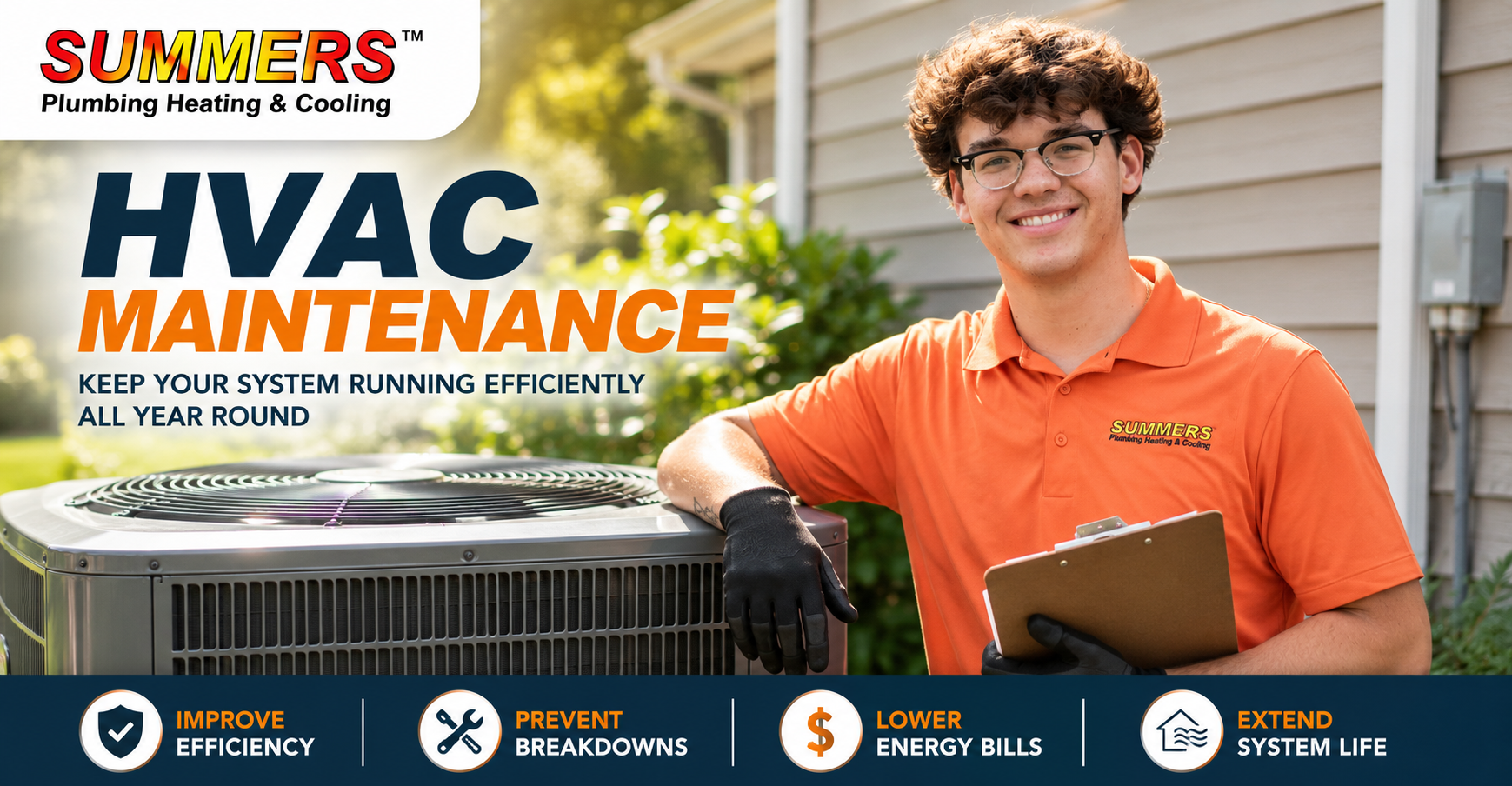
Your HVAC maintenance routine should change with the seasons because your heating and cooling equipment faces different demands throughout the year. Spring calls for AC preparation, summer calls for cooling checks, fall calls for heating preparation, and winter calls for heating and safety checks.
Use this HVAC maintenance checklist for every season to handle simple upkeep, catch warning signs early, and know when to call an HVAC professional.
Spring HVAC Maintenance Checklist
Spring HVAC maintenance should focus on getting your air conditioner ready before hot weather puts it under heavy demand. A few simple checks now can help you catch airflow, drainage, and cooling problems before you need the AC every day.
1. Check or Replace the Air Filter
Check your HVAC air filter in early spring and replace it if it looks dirty. A clogged filter restricts airflow and can make your system work harder to cool your home.
Filter replacement timing depends on the filter type, system use, and conditions inside your home. Homes with pets, dust, or more occupants often need more frequent filter changes.
2. Clear Debris From the Outdoor AC Unit
Clear leaves, grass clippings, twigs, and other debris from around your outdoor AC unit. Debris can restrict airflow and interfere with normal condenser operation.
Remove loose debris by hand, but avoid bending the condenser fins or using sharp tools against the unit. If the coil looks heavily clogged, let an HVAC professional handle the cleaning.
3. Check Clearance Around the Outdoor Unit
Keep plants, grass, shrubs, and stored items from blocking airflow around the outdoor condenser. Good airflow helps the condenser release heat when the AC runs.
Trim vegetation around the unit as needed. Follow the clearance requirements in your manufacturer’s instructions because equipment designs vary.
4. Inspect Vents and Registers
Check every supply and return vent and make sure nothing blocks the airflow. Move furniture, rugs, curtains, and other objects that cover the vents.
Keep the vents:
- Open
- Clear of furniture
- Free from obvious dust buildup
- Uncovered by rugs or other materials
Blocked vents can reduce airflow and contribute to uneven cooling between rooms.
5. Test the Thermostat
Set your thermostat to cooling mode and confirm that the AC responds correctly. This simple test can reveal thermostat or system problems before temperatures climb.
Check that:
- The thermostat shows the correct settings
- The AC starts when you lower the set temperature
- The system stops when the home reaches the set temperature
- The thermostat batteries work, if applicable
If the thermostat doesn’t control the system correctly, have an HVAC professional check the thermostat and system controls.
6. Check the Condensate Drain
Check around the indoor unit and condensate drain for standing water, leaks, or other signs of drainage problems. Your AC removes moisture from indoor air and sends that water through the condensate drain.
A clogged drain can cause water to back up into the drain pan or surrounding area. If you see repeated water buildup or cannot safely clear the issue, call an HVAC professional.
7. Test the AC Before Hot Weather Arrives
Run your air conditioner before the first major heat wave and check whether it cools your home properly. Testing it early gives you time to address problems before you rely on the system every day.
Check for:
- Cool air from the supply vents
- Normal airflow
- Consistent cooling
- Normal cycling
- Unusual noises or odors
If the AC struggles to cool the home or shows a new warning sign, schedule an inspection rather than waiting for a complete breakdown.
8. Schedule Professional AC Maintenance
Schedule professional AC maintenance in spring if your system needs service or you want a technician to inspect it before the cooling season. A qualified HVAC technician can check components that homeowners should not service themselves.
Depending on your equipment, professional maintenance may include:
- Electrical component checks
- Coil inspection and cleaning
- Refrigerant system checks
- Condensate drainage
- Airflow and system performance
- Thermostat and control operation
Leave refrigerant work, electrical repairs, and other specialized HVAC service to a qualified professional.
Summer HVAC Maintenance Checklist
Summer HVAC maintenance should focus on keeping your air conditioner moving air properly, cooling consistently, and running without warning signs. Check the system regularly during periods of heavy use so you can address small problems before they become bigger repairs.
1. Check the Air Filter Regularly
Check your AC filter regularly during summer and replace it when it gets dirty. Your air conditioner may run for long periods on hot days, which can load the filter with dust faster.
A dirty filter can restrict airflow and make it harder for the system to cool your home. Follow the filter manufacturer’s guidance, but always replace the filter sooner if it becomes visibly clogged.
2. Keep Supply and Return Vents Clear
Keep all supply and return vents free from furniture, curtains, boxes, and other obstructions. Clear return vents deserve extra attention because your system needs adequate return airflow to operate properly.
Walk through each room and make sure:
- Supply vents remain open
- Return vents stay unobstructed
- Furniture doesn’t cover the vents
- Curtains don’t block airflow
- Rugs or other materials don’t cover floor registers
3. Keep the Outdoor Unit Clear
Keep grass, weeds, leaves, and other debris away from the outdoor condenser throughout summer. Vegetation can grow around the unit quickly during warm weather.
Trim nearby grass and plants as needed and remove loose debris from the area. Avoid hitting the condenser fins or using tools that could damage the coil.
4. Check for Water Around the Indoor Unit
Check around your indoor HVAC equipment for unexplained water, wet spots, or a full drain pan. Your AC normally produces condensation, but the water should drain away through the condensate system.
Look for:
- Water around the indoor unit
- Water collecting in the drain pan
- Wet areas near the condensate drain
- Staining or other signs of repeated leakage
A blocked condensate drain, drain pan problem, or other HVAC issue can cause water to collect indoors. If you cannot identify the cause safely, call an HVAC professional.
5. Monitor Cooling Performance
Watch how well your AC cools the home and pay attention to any change from normal operation. A sudden performance change can point to an airflow, mechanical, electrical, or other system problem.
Watch for:
- Warm or less-cool air from the vents
- Weak airflow
- Rooms that stay unusually warm
- Longer cooling cycles
- Frequent starts and stops
- Higher indoor humidity
- New or unusual noises
Don’t wait for the system to stop working completely if you notice a persistent change.
6. Listen for Unusual Sounds
Pay attention to new or persistent HVAC noises because they can signal a mechanical or electrical problem. Your system may make normal operating sounds, but a sudden change deserves attention.
Watch for:
- Grinding
- Banging
- Squealing
- Hissing
- Repeated buzzing
- Loud rattling
Don’t open electrical panels or attempt mechanical repairs unless you have the proper training. Have a qualified HVAC technician diagnose the problem.
7. Watch for Uneven Cooling
Check the basic airflow and thermostat settings first if one room stays much warmer than the rest of the house. Make sure the vents remain open and clear and confirm that the thermostat works correctly.
If the temperature difference continues, the cause may involve ductwork, airflow, insulation, equipment performance, or another part of the cooling system. An HVAC professional can determine the actual cause instead of guessing at the repair.
8. Don’t Ignore AC Problems
Call an HVAC professional for AC repair when your air conditioner repeatedly shuts down, leaks water, makes unusual noises, or fails to cool your home properly. Addressing a persistent problem early can help you avoid losing cooling during extreme summer weather.
Don’t ignore changes simply because the AC still runs. A system can continue operating while developing a problem that needs attention.
Fall HVAC Maintenance Checklist
Fall HVAC maintenance should focus on preparing your heating system before colder weather arrives. Check the system early so you have time to fix problems before you depend on the furnace or heat pump every day.
1. Check or Replace the Air Filter
Start the heating season with a clean air filter and check it regularly as the system runs. A dirty filter can restrict airflow and make your heating system work harder.
Inspect the filter before turning on the heat for the season. Replace it when it looks dirty and follow the filter manufacturer’s recommendations for ongoing replacement.
2. Test the Heating System
Turn on your heating system before cold weather arrives and confirm that it produces heat and responds to the thermostat. An early test gives you time to arrange service if something doesn’t work correctly.
Check for:
- Strong, consistent airflow
- Even heating
- Normal operating sounds
- No persistent unusual odors
- Normal cycling
- No unexpected shutdowns
If the system doesn’t heat properly or shows a warning sign, schedule an HVAC inspection.
3. Check the Thermostat
Switch your thermostat to heating mode and confirm that the system starts and responds to temperature changes. If you use a programmable or smart thermostat, check the heating schedule before temperatures drop.
Also make sure the thermostat sits away from direct sunlight, drafts, and other heat sources that could affect its temperature reading.
4. Clear Vents and Registers
Keep supply and return vents open and clear so warm air can move properly through your home. Check every room for furniture, boxes, curtains, or other items that block airflow.
Don’t close vents just because you use a room less often. Your HVAC system needs proper airflow to operate as designed.
5. Keep the Furnace Area Clear
Keep the area around your furnace clean, dry, and free from stored items. A crowded furnace area can interfere with equipment access and create unnecessary safety concerns.
Don’t store cardboard boxes, cleaning products, paper, clothing, or other combustible materials near the furnace. Follow the clearance requirements in your equipment manual.
6. Check the Condensate Drain
Check the condensate drain on a high-efficiency furnace for visible water, blockage, or leakage. These furnaces can produce condensation during normal operation.
If you see standing water, repeated leakage, or a clogged drain, have a qualified HVAC professional inspect the system. Don’t ignore water around the furnace because the underlying issue may involve drainage or another component.
7. Pay Attention to Furnace Noises and Odors
Pay attention to unusual furnace noises or persistent odors when you first start the system. A brief dusty smell can occur when dust burns off after the equipment sits unused, but the smell should not continue.
Call an HVAC professional if you notice:
- Persistent burning odors
- Banging
- Grinding
- Loud rattling
- Squealing
- Repeated unusual sounds
If you smell gas, leave the area and follow your local gas utility’s emergency instructions rather than trying to find the source yourself.
8. Schedule Professional Heating Maintenance
Schedule professional furnace maintenance in fall if your system needs service or you want a technician to inspect it before the heating season. A qualified technician can inspect parts that require specialized tools, training, or safety procedures.
Depending on your heating system, professional service may include checking:
- Ignition components
- Burners
- Electrical connections
- Safety controls
- Heat exchanger
- Venting
- System operation
Gas-fired equipment needs particular attention to combustion and venting. Leave those inspections and repairs to a qualified HVAC professional.
Winter HVAC Maintenance Checklist
Winter HVAC maintenance should focus on keeping your heating system running reliably while maintaining proper airflow and safe operation. Regular checks can help you spot changes in performance before a heating problem leaves your home cold.
1. Check the Air Filter
Check your HVAC filter regularly during heavy winter use and replace it when it gets dirty. A clogged filter can restrict airflow and put extra strain on the heating system.
Use the correct filter size and type for your equipment. Follow the manufacturer’s recommendations, but don’t wait for the recommended interval if the filter already looks dirty.
2. Keep Vents and Returns Unblocked
Keep supply vents and return-air openings clear so your heating system can move air properly. Don’t cover vents with furniture, rugs, boxes, or other household items.
Avoid closing vents in unused rooms unless your HVAC professional specifically recommends that approach for your system. Proper airflow helps your system operate as designed.
3. Keep the Furnace Area Clear
Keep the area around your furnace clean and free from stored items throughout winter. Don’t use the furnace room as a storage area.
Keep cardboard, paper, clothing, cleaning products, and other combustible materials away from the heating equipment. Follow the manufacturer’s clearance requirements.
4. Monitor Heating Performance
Watch for changes in how your heating system heats the home. Your system should provide consistent heat without repeated shutdowns or other unusual behavior.
Call an HVAC professional if you notice:
- Weak airflow
- Unusually cold rooms
- Frequent cycling
- Uneven heating
- Unexpected shutdowns
- A noticeable drop in heating performance
Check the filter and vents first if airflow suddenly drops. If the problem continues, have a professional diagnose the system.
5. Watch for Short Cycling
Have a professional inspect the system if your furnace repeatedly starts and stops in short intervals. Short cycling can result from airflow restrictions, thermostat problems, equipment issues, or other conditions.
Don’t keep resetting or restarting a furnace that repeatedly shuts down. Repeated cycling can signal a problem that needs proper diagnosis.
6. Listen for Unusual Sounds
Listen for new or persistent sounds because they can indicate a heating system problem. Normal operation may include some noise, but a sudden change deserves attention.
Watch for:
- Banging
- Rattling
- Squealing
- Grinding
- Loud humming
- Repeated clicking
Don’t remove covers or open electrical compartments to investigate unfamiliar sounds. Let a qualified HVAC technician diagnose the source.
7. Test Carbon Monoxide Detectors
Test your carbon monoxide detectors regularly if your home uses fuel-burning heating equipment. Working detectors provide an important warning if carbon monoxide enters your living space.
Follow the detector manufacturer’s instructions for testing, battery replacement, and replacement of the detector itself.
If a carbon monoxide alarm sounds, leave the building immediately and contact the appropriate emergency service or utility provider from a safe location. Don’t assume the alarm comes from a minor HVAC issue.
8. Don’t Ignore Heating Problems
Call an HVAC professional when your heating system stops heating, repeatedly shuts down, produces persistent unusual odors, or shows another significant change in operation.
Winter isn’t the time to ignore a heating problem. If basic checks don’t resolve the issue, get professional help before the system fails when you need it most.
Simple HVAC Maintenance Schedule by Season
A simple seasonal HVAC schedule helps you remember the right maintenance tasks at the right time of year. Use this quick reference to prepare your system before each season and monitor it while you use it.
| Season | Main HVAC Maintenance Focus |
| Spring | Prepare and test the AC |
| Summer | Monitor AC performance and airflow |
| Fall | Prepare and test the heating system |
| Winter | Monitor heating, airflow, and safety |
Your ideal maintenance schedule depends on your HVAC equipment, manufacturer’s recommendations, system usage, and conditions inside and around your home.
For example, a home with pets or heavy dust may need more frequent filter checks than a home with fewer indoor pollutants. Likewise, older equipment may need more frequent professional inspections if it develops recurring problems.
What HVAC Maintenance Can You Do Yourself?
You can handle several basic HVAC maintenance tasks yourself as long as you don’t open the equipment or work on electrical, refrigerant, gas, or combustion components. Seasonal changes can also create different demands on your system. Learn about common HVAC problems during seasonal changes so you can recognize potential issues early.
Simple homeowner maintenance includes:
- Checking and replacing air filters: Inspect the filter regularly and replace it when it gets dirty.
- Keeping vents and returns clear: Move furniture, rugs, curtains, and other items that restrict airflow.
- Removing outdoor debris: Clear leaves, grass clippings, and other loose debris from around the outdoor AC unit.
- Checking the thermostat: Test heating and cooling modes and make sure the thermostat responds correctly.
- Looking for water leaks: Check around the indoor unit and condensate drain for standing water or signs of leakage.
- Watching for unusual noises or odors: Pay attention to new or persistent sounds and smells.
- Testing carbon monoxide detectors: Test detectors according to the manufacturer’s instructions, especially in homes with fuel-burning heating equipment.
The key difference lies between routine maintenance and equipment repair. You can safely handle basic checks, but you should leave specialized work to a qualified HVAC professional.
Don’t attempt to service:
- Refrigerant systems
- Electrical components
- Gas connections
- Burners or combustion components
- Heat exchangers
- Ignition systems
- Other safety-critical HVAC parts
If a maintenance check reveals a problem you can’t safely identify or correct, stop there and call an HVAC professional. Opening HVAC equipment without the right training can create electrical, gas, refrigerant, or other safety hazards.
When Should You Call an HVAC Professional?
Call an HVAC professional when your system shows a problem that basic maintenance cannot safely fix or when the issue involves electrical, refrigerant, gas, or combustion components.
Contact an HVAC technician if you notice:
- Poor heating or cooling: The system runs but doesn’t keep your home comfortable.
- Persistent weak airflow: Airflow stays weak even after you check the filter and clear the vents.
- Repeated short cycling: The system starts and stops more often than normal.
- Water leaks: Water collects around the indoor unit, drain pan, or condensate line.
- Unusual mechanical noises: Grinding, banging, squealing, or loud rattling continues during operation.
- Persistent unusual odors: A strange smell continues after the system runs for a while.
- Electrical problems: The system trips breakers, won’t start, or shows other electrical symptoms.
- Refrigerant problems: You notice ice on the system, poor cooling, or other signs that may point to a refrigerant issue.
- Furnace ignition problems: The furnace struggles to start or repeatedly shuts down.
- Gas or combustion concerns: You smell gas or suspect a problem with a fuel-burning heating system.
- Repeated system shutdowns: The equipment shuts down unexpectedly or won’t stay running.
You should also schedule professional HVAC maintenance before periods of heavy heating or cooling use if your equipment is older, has a history of breakdowns, or hasn’t received professional service recently.
When you aren’t sure what’s causing an HVAC problem, avoid opening the equipment or attempting a repair yourself. A qualified technician can diagnose the cause and recommend the appropriate repair.
Frequently Asked Questions
These common questions cover the most important points about maintaining your HVAC system throughout the year.
How often should you do HVAC maintenance?
Check basic HVAC maintenance items throughout the year and schedule professional service according to your equipment manufacturer’s recommendations. Your system type, age, usage, and home conditions can affect how often it needs attention.
Check your air filter regularly, keep vents clear, and watch for changes in system performance between professional visits.
What HVAC maintenance should be done each season?
Each season has a different HVAC maintenance focus. Spring prepares the AC, summer monitors cooling performance, fall prepares the heating system, and winter focuses on heating, airflow, and safety.
Following a seasonal checklist helps you catch problems before you need the system for extended periods.
What HVAC maintenance can homeowners do themselves?
Homeowners can safely handle basic tasks such as checking or replacing air filters, keeping vents clear, removing loose debris around the outdoor unit, checking thermostat operation, and watching for unusual system behavior.
Leave electrical work, refrigerant service, gas connections, combustion components, and other specialized repairs to a qualified HVAC professional.
When should I schedule AC maintenance?
Schedule AC maintenance in spring, before hot weather arrives and you start relying heavily on your air conditioner. This timing gives a technician a chance to identify potential problems before peak cooling demand.
You can also arrange service earlier if the AC showed unusual symptoms during the previous cooling season.
When should I schedule furnace maintenance?
Schedule furnace maintenance in fall, before you need regular heating. An early inspection gives you time to address problems before cold weather increases demand on the system.
If your furnace has recurring problems or hasn’t received professional service recently, don’t wait until winter to arrange an inspection.
Final Takeaway
A year-round HVAC maintenance routine can stay simple when you follow the right seasonal tasks. Prepare the AC in spring, monitor cooling in summer, prepare the heating system in fall, and check heating, airflow, and safety throughout winter.
Check your filters, vents, thermostat, outdoor unit, condensate drainage, and overall system performance regularly. These simple checks can help you spot changes before they become larger problems.
Leave refrigerant service, electrical work, gas connections, combustion components, and other safety-critical repairs to a qualified HVAC professional.