

How Heating and Cooling Impact Indoor Air Quality
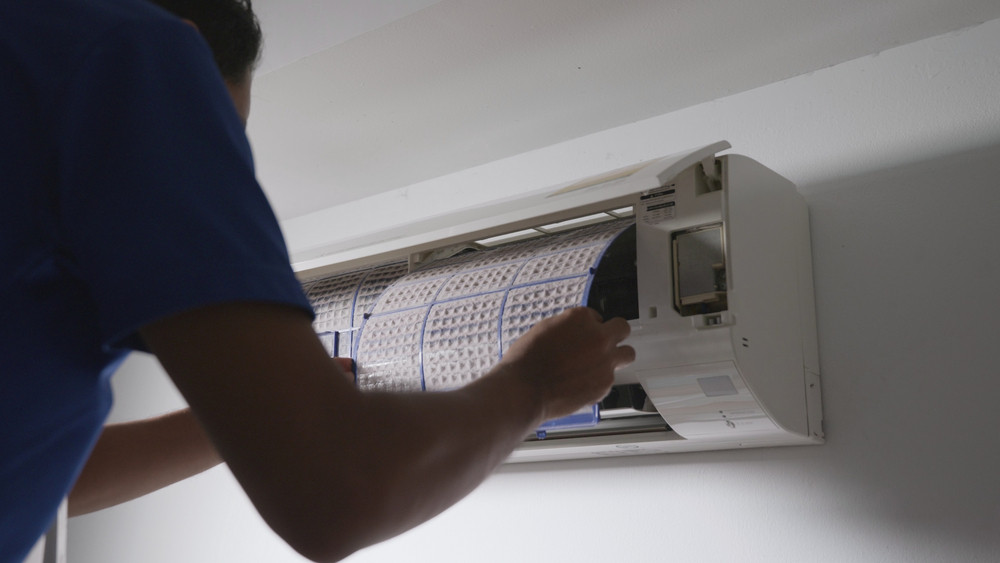
Indoor air quality is a pivotal subject when considering the health and comfort of a living or working environment. The systems we use to regulate temperature, like heating and cooling, have a direct impact on the air we breathe indoors. As these systems circulate air to maintain comfort, they can also spread pollutants, allergens, and humidity that impact overall indoor air quality. Understanding how these systems affect air quality is crucial for making informed choices about our living spaces, especially as certain technologies become more prevalent.
Identifying Risks of Traditional Heating Systems
Heating systems, particularly those using fossil fuels, can introduce various pollutants into the indoor environment. If improperly maintained, systems such as furnaces and boilers can leak combustion by-products, including carbon monoxide and nitrogen dioxide, posing significant health risks. Furthermore, these setups often decrease indoor humidity levels, leading to dry air that can irritate the skin, eyes, and respiratory tract. A better understanding of how heating and cooling units impact your home encourages the use of cleaner technologies to mitigate these risks.
Optimizing Quality With Modern Cooling Units
On the other hand, cooling systems, like air conditioners, play a significant role in regulating indoor air quality during warmer months. Air conditioning units help in filtering out large particulates from the air and maintaining humidity at optimal levels to prevent mold growth. However, poorly maintained systems can harbor and circulate mold spores, dust, and bacteria. Interestingly, according to a 2025 Industry Insight Report, heat pump usage in new U.S. homes, which handles both heating and cooling, increased to 47% by 2024, up from 23% in 2000.
Leveraging Advancements in HVAC Technology
Modern advancements in technology further underscore the importance of maintaining good indoor air quality. Many new systems integrate air filtering technologies, which can significantly reduce allergens, pet dander, and pollutants. These advancements highlight a growing preference for energy-efficient and environmentally friendly options, such as electric heat pumps. This illustrates a win-win situation: improving the air you breathe while reducing energy consumption and emissions.
The choice of climate control systems extends beyond temperature regulation to directly influencing indoor air quality. By opting for cleaner, more efficient systems and ensuring regular maintenance, individuals can greatly enhance the air they breathe indoors. To ensure your home stays healthy and efficient year-round, contact Summers Plumbing, Heating & Cooling.