

AC Replacement: How to Prepare Your Home for a New AC Installation
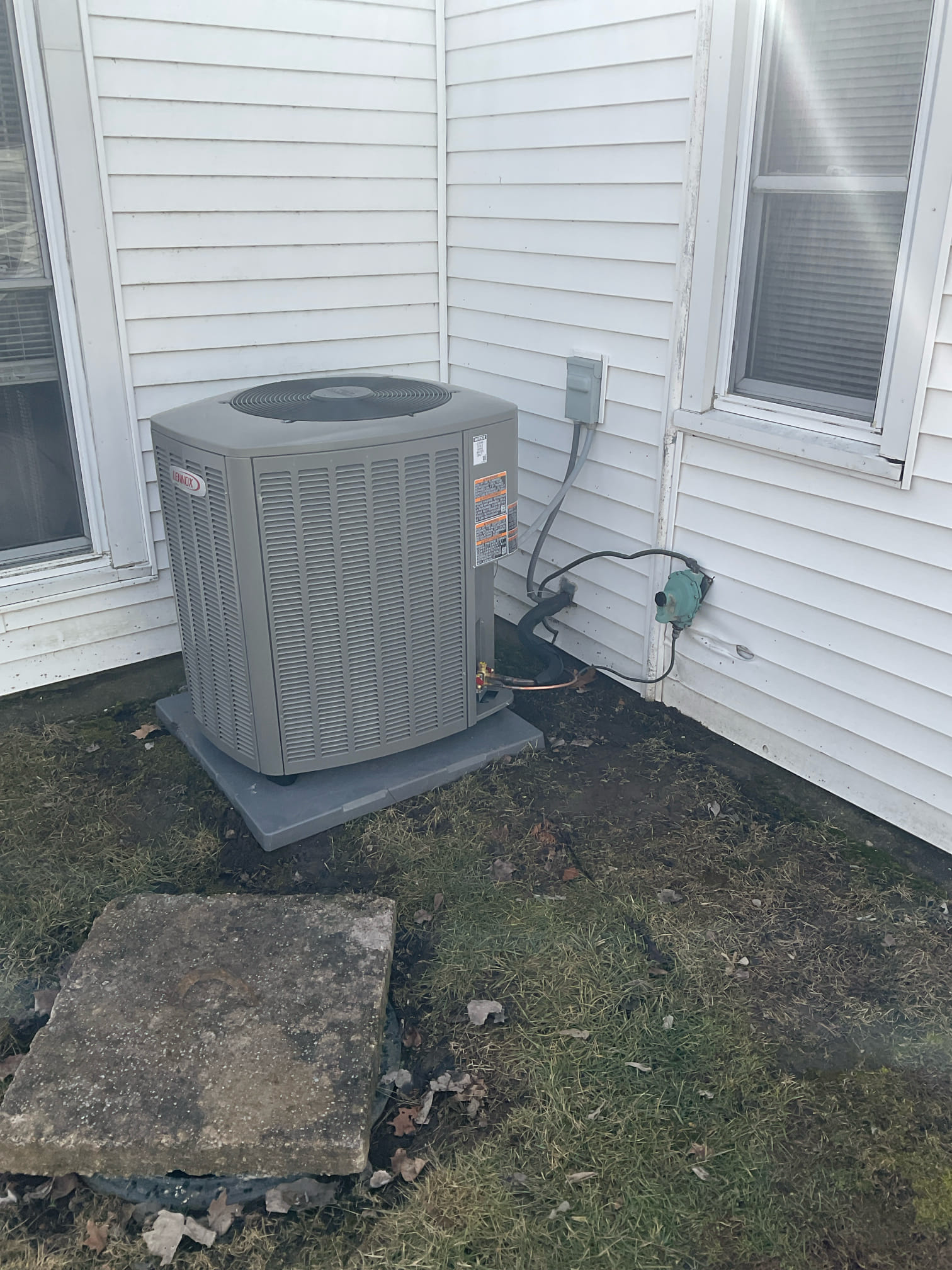
When the summer heat is just around the corner, nothing is more important than having a reliable and efficient air conditioning system. Over time, even the best AC units start to show their age, leading to higher energy bills, frequent repairs, and inconsistent cooling. That’s when many homeowners start considering an ac replacement. If you’re thinking about an ac unit replacement, you’re not alone. This process can seem overwhelming, but with the right preparation, you can make it smooth and stress-free.
Summers Plumbing Heating & Cooling has helped countless families in Kokomo and surrounding areas with their ac replacement near me needs. Whether your current system is on its last leg or you’re simply looking to upgrade for better efficiency, understanding how to prepare your home for a new AC installation is crucial.
Why AC Replacement Is Sometimes Necessary
Air conditioners are built to last, but no system is immortal. There are several signs that indicate it might be time for an ac replacement:
- Your current AC is more than 10-15 years old.
- You’re facing frequent and costly repairs.
- Cooling is uneven or insufficient throughout your home.
- Your energy bills have spiked without a clear reason.
- The system uses R-22 refrigerant, which is being phased out.
An ac unit replacement not only restores comfort but can also improve air quality, reduce energy consumption, and add value to your home.
Planning for an AC Replacement
Assessing Your Current System
Before you jump into an ac replacement, take a close look at your current setup. Make note of any issues you’ve experienced, such as strange noises, weak airflow, or inconsistent temperatures. This information will help your technician recommend the best solution for your home.
Budgeting for AC Unit Replacement
Cost is one of the biggest concerns for homeowners considering an ac unit replacement. Prices can vary based on the size of your home, the type of system you choose, and the complexity of the installation. It’s wise to get a detailed estimate that includes equipment, labor, and any additional work like duct repairs or electrical upgrades.
Choosing the Right AC System
Not all air conditioners are created equal. When planning your ac replacement, consider factors like:
- The size of your home
- Energy efficiency ratings (SEER)
- Smart features (like programmable thermostats)
- Compatibility with existing ductwork
A professional from Summers Plumbing Heating & Cooling can help you navigate these choices, ensuring your new system fits your needs and budget.
Preparing Your Home for AC Replacement
Clearing the Installation Area
One of the first steps in preparing for an ac unit replacement is clearing the area where the new system will be installed. Remove any furniture, decorations, or clutter from around the indoor and outdoor units. This gives the installation team easy access and helps prevent accidental damage.
- Move vehicles away from outdoor units.
- Trim back any overgrown plants or bushes.
- Make sure pets and children are kept safely out of the work zone.
Protecting Your Home’s Interior
AC replacement can be a bit messy. Dust and debris are common during removal and installation. To protect your home:
- Cover nearby furniture and electronics with sheets or plastic.
- Lay down drop cloths in high-traffic areas.
- Close doors to rooms that won’t be affected.
Taking these steps will help keep your home clean and minimize cleanup after your ac unit replacement.
Checking Electrical Readiness
A new air conditioner may require more power than your old unit. Before installation, check that your electrical panel can handle the additional load. If you’re unsure, have a licensed electrician inspect your system. Upgrading your panel or wiring may be necessary for a safe and successful ac replacement.
Inspecting and Preparing Ductwork
Efficient cooling depends on well-maintained ductwork. Before your ac unit replacement, inspect your ducts for leaks, damage, or blockages. Sealing and cleaning the ducts ensures your new system operates at peak performance. If your home doesn’t have existing ductwork, consider a ductless mini-split system as an alternative.
Planning for Drainage
Air conditioners produce condensation that needs to be drained away from your home. Ensure that the installation area has proper drainage to prevent water damage. For indoor units, check that the condensate drain line is clear and in good condition. For outdoor units, make sure the ground slopes away from your foundation.
What to Expect on Installation Day
Delivery and Equipment Check
Before the big day, confirm that all necessary equipment and materials have been delivered. This includes the new AC unit, any required ductwork components, thermostats, and accessories. If anything is missing, let your installer know immediately to avoid delays.
Creating an Installation Timeline
Work with your technician to create a timeline for your ac replacement. Most installations take a few hours to a full day, depending on the complexity. Knowing what to expect helps you plan your day and minimize disruptions.
Safety for Family and Pets
Installation involves heavy equipment, sharp tools, and electrical work. Keep children and pets away from the work area for their safety and the efficiency of the crew.
Temporary Cooling Solutions
During installation, your home may get warm. Set up fans or portable air conditioners in advance, or plan to spend time in a cooler part of the house until the new system is up and running.
The AC Replacement Process Step-by-Step
1. Removal of the Old AC Unit
The first step in an ac unit replacement is safely removing the old system. Technicians will disconnect power, remove refrigerant, and carefully take out the old unit. This process can be noisy and may involve some dust, but it’s a necessary part of the ac replacement journey.
2. Preparing the Site
Once the old unit is out, the installation team will prepare the site for the new system. This might include leveling the ground for the outdoor unit, making adjustments to ductwork, or upgrading electrical connections.
3. Installing the New AC Unit
With everything prepped, the new air conditioner is installed. This involves:
- Placing the new indoor and outdoor units
- Connecting refrigerant lines and electrical wiring
- Sealing and insulating ductwork
- Installing a new thermostat if needed
4. System Testing and Calibration
After installation, the technicians will thoroughly test the new system. They will check airflow, refrigerant levels, and thermostat settings to ensure everything is working properly. Any necessary adjustments are made for optimal performance.
5. Final Walkthrough
Before the team leaves, they will walk you through the new system. You will learn how to operate the thermostat, change filters, and maintain your new AC for peak efficiency.
Maximizing the Benefits of Your New AC Unit
Improved Energy Efficiency
A modern air conditioner is far more energy-efficient than older models. After an ac replacement, you will likely notice lower energy bills and more consistent cooling throughout your home.
Enhanced Comfort
New systems offer better humidity control, quieter operation, and more precise temperature management. This means a more comfortable living environment for you and your family.
Better Indoor Air Quality
Many new AC units come with advanced filtration options, helping to reduce allergens, dust, and other airborne particles. This can be especially beneficial for those with allergies or respiratory conditions.
Increased Home Value
An ac unit replacement is an investment that pays off in more ways than one. Not only do you enjoy immediate comfort, but a new system can also boost your home’s resale value.
Tips for a Smooth AC Replacement Experience
- Schedule installation during mild weather if possible to avoid extreme heat.
- Communicate openly with your installer about any concerns or special requirements.
- Double-check that all permits and inspections are arranged before work begins.
- Keep a list of questions handy for your technician during the final walkthrough.
Common Mistakes to Avoid During AC Replacement
- Waiting too long to replace an aging system, leading to emergency breakdowns.
- Choosing the wrong size unit for your home, which can cause inefficiency and discomfort.
- Overlooking ductwork issues that can reduce the effectiveness of your new system.
- Failing to prepare your home, resulting in delays or complications during installation.
Aftercare: Maintaining Your New AC Unit
Regular Filter Changes
Change your air filters every 1-3 months to keep your system running smoothly and maintain good air quality.
Annual Professional Maintenance
Schedule yearly maintenance with Summers Plumbing Heating & Cooling to catch small issues before they become big problems. Regular tune-ups extend the life of your new AC and keep it operating at peak efficiency.
Keep the Area Around the Outdoor Unit Clear
Trim plants and remove debris from around the outdoor condenser to ensure proper airflow.
Monitor Your Energy Bills
A sudden spike in energy costs can signal a problem with your new system. If you notice anything unusual, contact your HVAC professional for an inspection.
For more information or to schedule your AC replacement, visit Summers Plumbing Heating & Cooling’s Kokomo page. Enjoy a cooler, more comfortable home all summer long!
Summers Plumbing Heating & Cooling
1609 Rank Pkwy Ct, Kokomo, IN 46901, United States
(765) 450-1330