

Sewer Line Replacement: How to Prepare Your Home and Yard
If you’re facing the prospect of a sewer line replacement, you’re probably wondering what steps you should take to get your home and yard ready for the process. Whether you’ve noticed slow drains, foul odors, or frequent backups, these signs often point to the need for a sewer line replacement. Understanding how to prepare can make the experience smoother for you and your household, and help ensure the project goes off without a hitch.
Understanding Sewer Line Replacement
A sewer line replacement is a major undertaking, but it’s sometimes necessary to keep your home’s plumbing system functioning safely and efficiently. The sewer line is the main pipe that carries wastewater from your home to the municipal sewer system or septic tank. Over time, this pipe can deteriorate due to age, tree root intrusion, or shifting soil, leading to leaks, blockages, or even collapse. When these problems arise, a sewer line replacement service is often the best long-term solution.
Choosing a professional sewer line replacement service, like the one offered at Summers Plumbing Heating & Cooling, ensures that the job is done right. Their team has the expertise and equipment to handle everything from diagnosing the problem to completing the replacement with minimal disruption to your daily life.
Why Might You Need a Sewer Line Replacement?
Several issues can signal that it’s time for a sewer line replacement. Frequent backups in multiple drains, slow drainage, gurgling sounds from your toilets, or unpleasant smells in your yard can all indicate a problem with your sewer line. While some issues can be fixed with repairs, extensive damage or old, corroded pipes may require a full sewer line replacement service.
If you’re unsure whether you need a sewer line replacement, it’s always a good idea to call a professional. They can use specialized cameras to inspect your pipes and recommend the best course of action.
Steps to Prepare Your Home for Sewer Line Replacement
Preparing your home for a sewer line replacement is essential for a smooth process. Here’s how you can get ready:
- Clear the Work Area: Before the sewer line replacement service arrives, clear out any obstructions around the area where the work will take place. This includes moving outdoor furniture, potted plants, and any other items that might be in the way. If the sewer access point is in your yard, make sure your lawn is free from clutter so the crew can work efficiently.
- Plan for Water Interruptions: During the sewer line replacement, your water may need to be shut off for several hours or even a few days. Plan ahead by stocking up on bottled water and making arrangements for bathing and cooking. If the interruption will be lengthy, you might consider staying elsewhere during the project.
- Protect Your Landscaping: Sewer line replacement often involves digging, which can disrupt your yard. Talk to your contractor about protecting plants and hardscaping elements, and plan for some landscape restoration after the work is complete. If you have specific concerns about your garden or lawn, let the team know in advance.
Preparing Your Yard for Sewer Line Replacement
Your yard will be the main work site during a sewer line replacement, so taking a few extra steps can help minimize disruption and damage:
- Mark Important Features: If you have sprinkler systems, underground utilities, or special landscaping features, mark their locations before the work begins. This helps the crew avoid accidentally damaging them during excavation.
- Move Vehicles and Equipment: Clear your driveway and any nearby parking areas so that heavy equipment and trucks can access the work site. This also helps prevent damage to your vehicles.
- Communicate with Neighbors: Let your neighbors know about the upcoming sewer line replacement service, especially if the work will affect shared spaces or access points. This can help prevent misunderstandings and ensure everyone is prepared for possible disruptions.
What to Expect During the Sewer Line Replacement
The process for a sewer line replacement can vary depending on the condition of your pipes and the layout of your property. In most cases, the project follows these general steps:
- Inspection and Diagnosis: The team will inspect your sewer line using a camera to assess the extent of the damage and determine the best approach for replacement.
- Obtaining Permits: Your contractor will obtain any necessary permits from the local authorities before starting work.
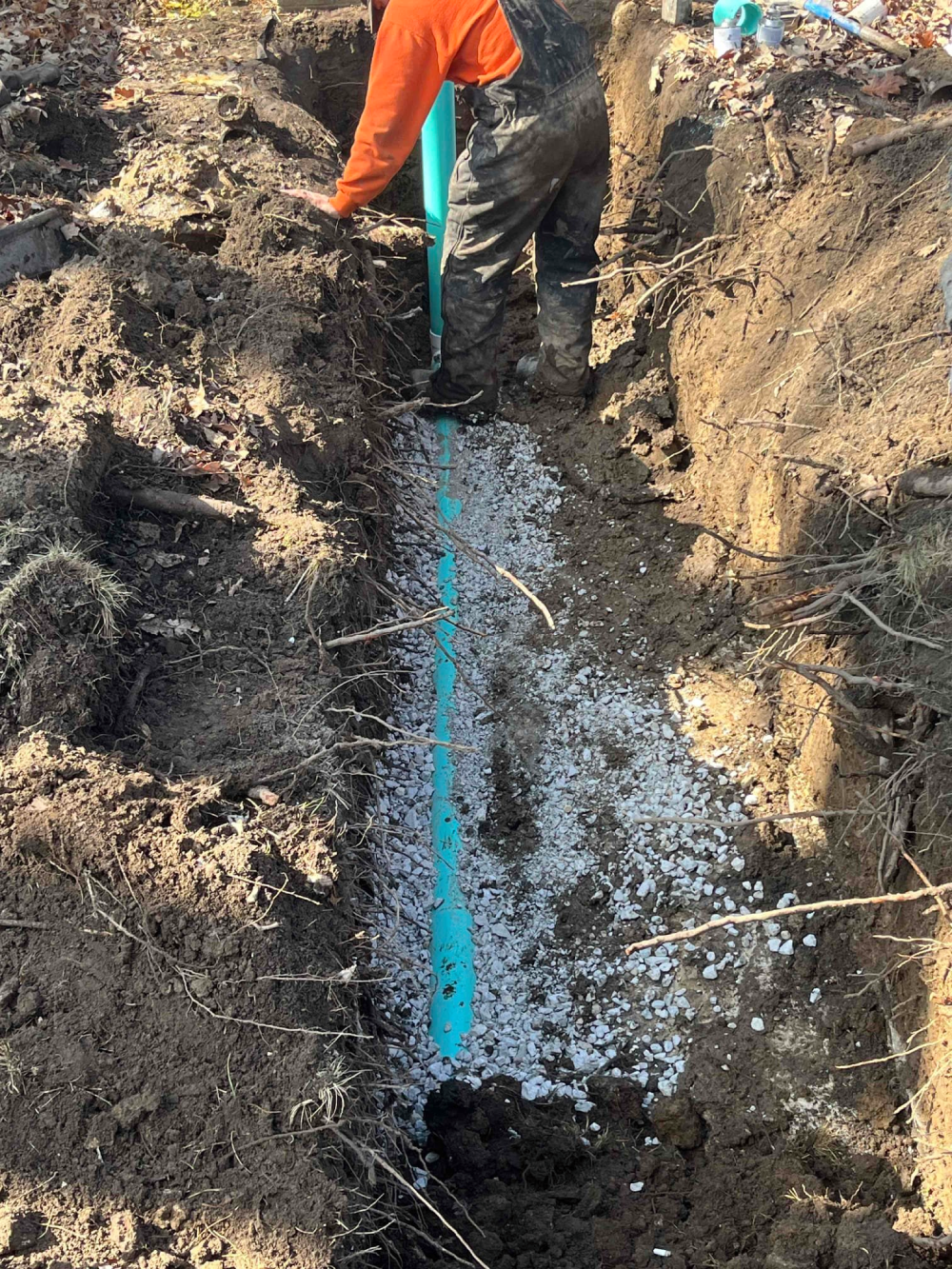
- Excavation: If traditional methods are used, the crew will dig trenches to access the existing sewer line. In some cases, trenchless methods like pipe bursting or pipe lining may be used, which minimize digging and disruption.
- Replacement: The old pipe is removed, and a new, high-quality sewer line is installed. The crew will ensure proper connections and alignment so that your plumbing system functions correctly.
- Restoration: After the sewer line replacement is complete, the crew will restore your yard as much as possible. This may include filling in trenches, reseeding grass, or replanting shrubs.
Choosing the Right Sewer Line Replacement Service
Not all plumbing companies are created equal when it comes to sewer line replacement. It’s important to choose a reputable provider with experience in this type of work. Summers Plumbing Heating & Cooling offers reliable sewer line replacement service in Kokomo and the surrounding areas. Their team is trained to handle all aspects of the process, from initial inspection to final restoration, ensuring your home and yard are left in good condition.
When you’re searching for a sewer line replacement service, look for a company with positive reviews, proper licensing, and a commitment to customer satisfaction. Ask about their experience with both traditional and trenchless methods, and make sure they’re familiar with local building codes and regulations.
The Benefits of Professional Sewer Line Replacement
Opting for a professional sewer line replacement service offers several advantages:
- Expertise: Professionals have the knowledge and tools to diagnose problems accurately and recommend the best solutions.
- Safety: Sewer work can be hazardous due to exposure to wastewater and underground utilities. Professionals are trained to work safely and minimize risks.
- Efficiency: A skilled team can complete the job more quickly and with less disruption than a DIY approach.
- Long-Term Results: Proper installation and high-quality materials ensure your new sewer line will last for years to come.
Managing Trees and Landscaping After Sewer Line Replacement
One of the most common causes of sewer line problems is tree root intrusion. After your sewer line replacement, it’s a good idea to manage the trees and plants around your property to prevent future issues. Consider planting trees and shrubs away from your sewer lines, and regularly inspect for signs of root growth near the pipes.
If you’ve had problems with tree roots in the past, your contractor may recommend installing root barriers or using special liners to protect your new sewer line. Taking these preventive steps can help you avoid the need for another sewer line replacement down the road.
Planning for Water Use During the Project
Since your water will be shut off during the sewer line replacement, it’s important to plan ahead. Stock up on bottled water for drinking and cooking, and consider using disposable plates and utensils to minimize the need for washing dishes. If you have young children or pets, make sure you have plenty of water on hand for their needs as well.
If the project will take several days, you might want to arrange to stay with friends or family, or book a hotel room. This can make the process much more comfortable for everyone in your household.
The Role of Permits and Inspections
Before any sewer line replacement work begins, your contractor will obtain the necessary permits from your local building department. These permits ensure that the work is done according to code and that your new sewer line is safe and reliable.
After the replacement is complete, an inspection may be required to confirm that everything was installed correctly. This step is important for protecting your investment and ensuring your plumbing system meets all local regulations.
What Happens After the Sewer Line Replacement?
Once the sewer line replacement is finished, your contractor will restore your yard as much as possible. This may include filling in trenches, reseeding grass, or replanting shrubs. If you opted for trenchless methods, the restoration process will be much quicker and less invasive.
You will also want to keep an eye on your plumbing system in the weeks and months after the replacement. If you notice any issues, contact your sewer line replacement service provider right away. Regular maintenance, such as annual inspections and cleaning, can help extend the life of your new sewer line.
Tips for Maintaining Your New Sewer Line
After your sewer line replacement, it’s important to take steps to keep your new pipe in good condition. Here are a few tips:
- Avoid Flushing Non-Flushable Items: Only flush toilet paper and human waste. Avoid flushing wipes, feminine hygiene products, or other items that can cause blockages.
- Monitor Tree Roots: Keep an eye on trees and shrubs near your sewer line, and consider installing root barriers if needed.
- Schedule Regular Inspections: Annual inspections by a professional can help catch small problems before they become big ones.
- Be Mindful of What Goes Down Your Drains: Avoid pouring grease, oil, or harsh chemicals down your drains, as these can damage your pipes over time.
The Importance of Choosing a Local Sewer Line Replacement Service
When it comes to sewer line replacement near me, working with a local company like Summers Plumbing Heating & Cooling offers several benefits. Local providers are familiar with the soil conditions, climate, and building codes in your area, which can help ensure a successful project. They’re also more likely to be available for follow-up service or emergency repairs if needed.
Choosing a local sewer line replacement service also supports your community and helps keep jobs in your area. Plus, you will have the peace of mind that comes from working with a company that’s invested in your satisfaction.
Frequently Asked Questions About Sewer Line Replacement
How do I know if I need a sewer line replacement?
Signs that you may need a sewer line replacement include frequent backups, slow drains, gurgling noises from your toilets, or foul odors in your yard. A professional inspection can confirm whether replacement is necessary.
How long does a sewer line replacement take?
The timeline for a sewer line replacement depends on the extent of the damage and the method used. Traditional excavation can take several days, while trenchless methods may be completed in a day or two.
Will my yard be damaged during the sewer line replacement?
Some disruption to your yard is likely, especially if traditional excavation is used. However, your contractor will work to minimize damage and restore your yard after the project is complete.
Can I stay in my home during the sewer line replacement?
In most cases, you can stay in your home, but your water may be shut off for several hours or days. Plan ahead by stocking up on water and making arrangements for bathing and cooking.
How can I prevent future sewer line problems?
Regular maintenance, avoiding flushing non-flushable items, and managing tree roots near your sewer line can help prevent future problems. Annual inspections by a professional are also recommended.
What is the difference between sewer line repair and replacement?
Sewer line repair involves fixing a specific section of the pipe, while sewer line replacement involves removing and replacing the entire pipe. Replacement is usually necessary when the pipe is extensively damaged or deteriorated.
Do I need a permit for a sewer line replacement?
Yes, most municipalities require permits for sewer line replacement. Your contractor will handle the permitting process for you.
How much does a sewer line replacement cost?
The cost of a sewer line replacement varies depending on the length of the pipe, the method used, and the extent of the damage. Your contractor can provide a detailed estimate after inspecting your property.
Can I use trenchless methods for my sewer line replacement?
Trenchless methods, such as pipe bursting or pipe lining, may be an option depending on the condition of your existing pipe and the layout of your property. Your contractor can advise you on the best approach for your situation.
How do I choose the right sewer line replacement service?
Look for a company with experience, proper licensing, and positive customer reviews. Ask about their experience with both traditional and trenchless methods, and make sure they’re familiar with local building codes.
Remember, preparing your home and yard for a sewer line replacement is key to a smooth and successful project. By working with a trusted local provider like Summers Plumbing Heating & Cooling, you can rest assured that your sewer line replacement service will be handled professionally and efficiently. Taking the time to plan ahead and communicate with your contractor will help minimize disruptions and ensure your home’s plumbing system is back up and running in no time.
If you have more questions about sewer line replacement or want to schedule a consultation, visit Summers Plumbing Heating & Cooling at summersphc.com/kokomo/ to learn more about their services and experience. Whether you need a sewer line replacement or just want to keep your plumbing in top shape, their team is ready to help.
Summers Plumbing Heating & Cooling
1609 Rank Pkwy Ct, Kokomo, IN 46901, United States
(765) 450-1330