
Why Is My Water Bill So High? Hidden Plumbing Leaks to Look For
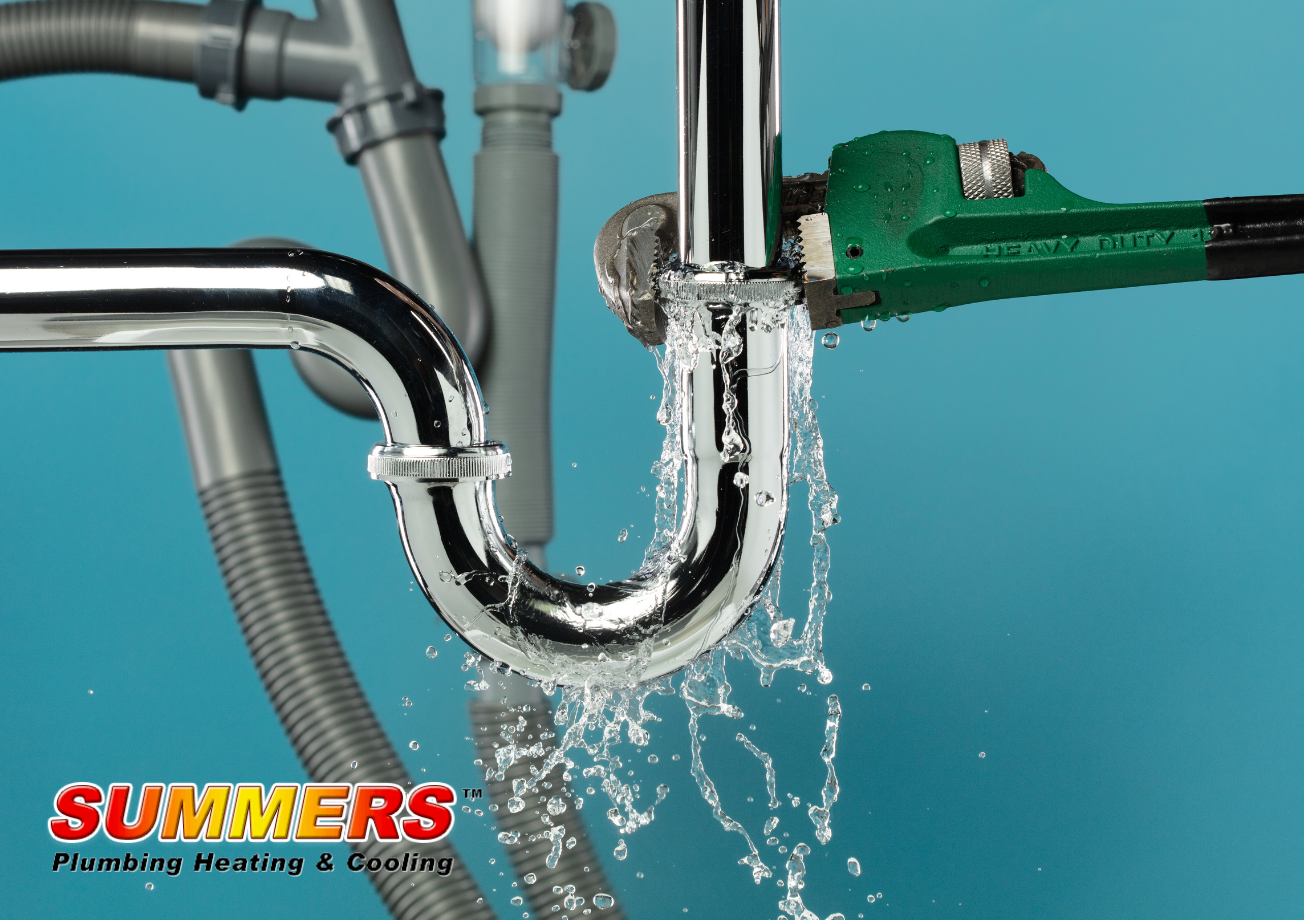
Hidden plumbing leaks can be a homeowner’s greatest concern. They often sneak in silently, leaving little trace until the damage is already done. Imagine discovering a damp patch on your ceiling or a mysteriously high water bill—both are signs that something isn’t right beneath the surface. In fact, many homeowners don’t realize that their daily lives might be disrupted by these unnoticed leaks, leading not only to wasted water but also costly repairs. In this article, we’re going to expose the telltale signs of hidden leaks, show you where they like to hide, and arm you with simple strategies to tackle them before they become a bigger issue. Let’s dive in and uncover the secrets your plumbing may be keeping!
Common hidden plumbing leaks to watch for include slow drips from leaky faucets, running toilets due to faulty flapper valves, and unnoticed pipe leaks behind walls that may cause damp spots or water stains. Additionally, be mindful of irrigation system issues like damaged sprinkler heads and signs of malfunctioning water heaters, as these can also lead to unexpected water waste.
Identifying the Tell-Tale Signs
An unexpectedly high water bill is the first and most obvious indication of a potential leak. Imagine flipping open that envelope only to find numbers that send shivers down your spine. It could be a spike in costs while maintaining your average daily consumption. According to the EPA, household leaks account for nearly 10,000 gallons of wasted water every year. This volume accumulates quickly, translating to increased charges and pulling money from your budget that could be spent elsewhere.
In addition to soaring bills, listen closely for another clue: the persistent sound of running water when all taps are off.
This can often be the most frustrating sign, as it can feel like an unexpected visitor tapping on your walls. If you hear this sound echoing through your house at times when no water should be flowing, it may indicate that a hidden leak is at work in your plumbing.
Wet spots or stains may appear on walls, floors, or ceilings as additional visual clues. Often masquerading as simple discolorations, these watermarks can signal more serious underlying issues like hidden pipe leaks. If you see unsightly patches or unusual stains where there shouldn’t be any, take note; they are trying to tell you something important.
While we’re on the subject of signs, let’s not forget about those faint yet unmistakable scents that waft through your space.
Musty or moldy smells are significant indicators of lingering moisture due to leaks. When water seeps into crevices behind walls or beneath flooring, it creates an ideal environment for mold growth. This not only presents a health hazard but can also lead to costly repairs if left unchecked. Mold loves dampness, and if you begin to notice these odors invading your living areas, then it’s time to investigate further.
Lastly, keep an eye on your water pressure; noticing decreased pressure when using taps or showers may indicate something amiss in your plumbing system.
If you’re accustomed to a steady flow and suddenly experience dribbles instead of a strong stream—often linked with hidden leaks reducing pressure throughout the system—take this as a cue that attention is needed. Water running elsewhere means less available for you, which suggests something’s wrong.
In light of these indicators—high water bills, sounds of running water, visible wet spots or stains, musty odors, and decreased pressure—take proactive steps! If any of these signs resonate with you, don’t hesitate to contact Summers Plumbing, Heating & Cooling for a thorough inspection; catching hidden leaks early can save both headaches and expenses down the line.
Armed with knowledge about the signs indicative of hidden plumbing issues, let’s now focus on where these pesky leaks tend to hide within homes.
Common Leak Locations
Some areas of a home, among its many hidden nooks and crannies, are notoriously more susceptible to plumbing leaks than others. One such spot is behind walls, where pipes often run undetected. It’s not uncommon for these pipes to develop small leaks over time, leading to water stains or uneven patches appearing on walls. Homeowners should be vigilant; bubbling paint or discoloration can signal that water is sneaking through where it shouldn’t be.
Moving on from the deceptive stealth of wall pipes, we head into another critical area: basements.
Basements may often seem like the underbelly of a home, but they can house significant plumbing problems. Leaks can occur through cracks in the foundation, which might go unnoticed until water damage becomes severe. Additionally, malfunctioning sump pumps can spill their contents rather than pump excess water away, creating a troublesome scenario if left unchecked. Regular basement inspections are crucial, not only to prevent potential water issues but also to preserve the structural integrity of your property.
Just above the basement, we find ourselves in familiar territory: bathrooms and kitchens.
These rooms, frequented by everyone in the household, use a staggering amount of water. Consequently, they tend to attract leaks around sinks, toilets, and dishwashers, making them hotspots for plumbing issues. For instance, a simple leaky faucet may seem insignificant at first but could waste hundreds of gallons over its lifetime if not addressed promptly. Observing these critical spots not only saves you from hefty water bills but also helps catch problems before they escalate into costly repairs down the line.
For homeowners, routine checks—especially in high-risk areas—can save both time and money. Incorporating quick visual inspections into your cleaning routines lets you catch any telltale signs early while solidifying peace of mind about those places you use each day. There’s nothing wrong with getting a little cozy with your home’s plumbing!
Understanding where these leaks are likely to occur is just the first step; knowing what can happen if they’re ignored is crucial for every homeowner concerned about maintaining their property’s value and safety.
Risks of Ignoring Hidden Leaks
Ignoring hidden leaks can have severe consequences that go beyond simply wasting water. Water damage can lead to significant structural issues in your home. The accumulated moisture can seep into walls, damaging drywall and wooden beams, weakening the integrity of your house. This deterioration will necessitate expensive repairs, costing thousands of dollars.
Mold and Health Risks
One alarming aspect related to hidden leaks is the potential for mold growth. Our homes, no matter how pristine they might seem, can become environments where mold thrives if conditions are right. Even a small leak can create an ideal breeding ground for mold spores within 24 to 48 hours.
The Centers for Disease Control and Prevention (CDC) warns that exposure to damp and moldy environments may cause various health issues. Individuals with asthma or mold allergies are particularly susceptible and may experience worsened symptoms such as respiratory difficulties or skin irritations. Not only does mold pose health risks, but it can also become costly to remediate if left unchecked.
Addressing leaks promptly is not just about saving money on water bills; it extends into maintaining a healthy living environment for you and your family.
Structural Damage
As we consider the ramifications further, structural damage caused by prolonged leaks comes into focus. When water infiltrates materials like wood or drywall, it weakens them over time. This gradual destruction often goes unnoticed until significant signs, such as sagging ceilings or swollen walls, emerge.
Research shows that around 10% of homes have leaks that waste 90 gallons or more per day. Given these striking figures, imagine how many households unknowingly suffer from plumbing issues leading to detrimental structural consequences. Prompt detection and repair by professionals like Summers Plumbing can significantly mitigate these risks before they spiral out of control.
Remember, the heartache and hefty bills associated with rampant mold or collapsing structures far outweigh the small investment in timely leak repairs. By staying vigilant and proactive about leak detection, homeowners can safeguard their investments.
This proactive approach emphasizes the importance of being equipped with the right tools and knowledge to detect these hidden issues efficiently, paving the way into the next area of discussion.
Essential Leak Detection Tools
Detecting those sneaky leaks in your home doesn’t have to be a complicated task. There are some handy tools that anyone can utilize, which not only simplify the process but also empower you to take action swiftly. From everyday items found around the house to specialized instruments, each tool has its own unique role in identifying hidden water issues.
Dye Tablets
One of the most straightforward yet effective tools for leak detection is dye tablets. These small capsules are highly effective in identifying toilet leaks, a common problem in many homes. Simply drop a tablet into the toilet tank and wait for a few minutes. If the dye seeps into the bowl without a flush, congratulations—you’ve identified a leak! This simple, low-cost method can save you from higher water bills and more extensive plumbing problems down the line.
Now let’s turn our attention to another crucial tool: your water meter.
Water Meters
Your water meter serves as an invaluable ally in diagnosing hidden leaks. To effectively use it, turn off all your household water-consuming appliances and fixtures. After ensuring everything’s silent, take a look at your water meter. If the dial continues to tick or run, it’s a clear indication that water is flowing somewhere it shouldn’t—like through a hidden leak. While this process requires minimal effort, it provides you with significant insights into the state of your home’s plumbing.
Alongside these methods, advanced technology also lends a hand in leak detection.
Infrared Thermometers
Infrared thermometers are another nifty gadget available for both professionals and diligent homeowners looking to preemptively tackle leaks. These devices detect temperature variations behind walls and floors, acting as red flags for underlying moisture problems. When using one, simply scan areas where you suspect a leak might exist; warmer spots may indicate accumulated moisture behind surfaces. In addition to being user-friendly, infrared thermometers are inexpensive relative to other leak detection options, making them accessible for everyone.
Utilizing these essential leak detection tools helps identify plumbing issues early on and equips you with practical solutions to safeguard your home against extensive damage.
Now, let’s explore some quick solutions that can effectively address these common issues.
Quick Fixes for Common Leaks
For many homeowners, discovering a leak can be disheartening. However, with a little know-how, you can tackle some of these issues without needing to call a plumber immediately. For instance, fixing dripping faucets usually involves replacing worn-out washers or cartridges. This simple task helps reclaim potentially wasted water; the EPA estimates that a dripping faucet can waste up to 3,000 gallons per year if left unchecked! All you need is a screwdriver and replacement parts available at your local hardware store. Just remember to turn off the water supply before diving in.
Another common culprit of leaks is showerheads. These problems are often overlooked until the sound of dripping water becomes too irritating. Instead of waiting for it to become a bigger issue, try sealing threaded connections with plumber’s tape. Wrapping this special tape around the threads before reattaching can create a tight seal that inhibits any leaks. Not only does this solution help conserve water, but it also enhances your showering experience by ensuring no droplets escape where they shouldn’t.
If you’ve noticed drops pooling around pipes under your sink or along walls, you might have a minor pipe leak that requires attention. In such cases, utilizing pipe clamps can serve as a temporary fix while you wait for professional help to arrive. Simply wrap the clamp around the leaking section and tighten it down to minimize further water loss. Although this is not a permanent solution, it can prevent your situation from worsening until a licensed plumber can address the root cause.
Keep in mind, while these quick fixes can alleviate minor issues temporarily, they’re not intended to replace professional intervention. Persistent leaks signal larger problems hidden out of view; therefore, if you’re constantly dealing with drips or pools of water forming unexpectedly, it’s wise to consult an expert who can provide lasting repairs that will save you time and money in the long run.
By being proactive and addressing small leaks promptly with these quick fixes, you not only preserve water but also protect your home from potential plumbing disasters. Remember: It’s better to tackle things sooner rather than let them escalate into more significant issues that could lead to costly repairs down the line. Regular monitoring and maintenance play critical roles in keeping your plumbing system healthy—and sometimes all it takes are these uncomplicated solutions to make a noticeable difference.
With an understanding of how to manage minor leaks effectively, it’s equally important to implement strategies that prevent such issues from arising in the first place. Let’s explore some essential methods for maintaining a robust plumbing system.
Preventative Maintenance Strategies
First and foremost, regular inspections are crucial in identifying potential problems before they escalate into costly repairs. By scheduling professional inspections annually, you could potentially avoid significant headaches in the future. During these check-ups, licensed plumbers can evaluate the state of your pipes, inspect for leaks, and assess overall plumbing health. They are trained to spot issues that an untrained eye might miss, such as corrosion or wear and tear on joints. Finding a minor leak today could prevent major flood damage tomorrow.
It’s not just about knowing when to call in the experts; homeowners can also take proactive measures. Implementing a schedule for regular maintenance checks on visible pipes allows you to monitor their condition closely. Look out for signs like damp spots or rust that may indicate leaks lurking behind walls or beneath floors. This awareness can empower you to act before a small problem spirals out of control.
Another critical aspect of preventative maintenance is addressing the quality of your water.
If your home has hard water—which is rich in minerals like calcium and magnesium—it can significantly accelerate pipe wear due to mineral buildup. Over time, this buildup can lead to clogs and reduced water flow. A smart investment would be to install a water softener. By doing so, you reduce the hardness of the water coming into your home, thus prolonging the lifespan of your plumbing system while ensuring that your faucets and fixtures work efficiently over time.
Now that we’ve tackled what you can do about inspections and water quality, let’s shift focus to something often overlooked: water pressure.
Think of your home’s water pressure like blood pressure; it needs to be just right—not too high and not too low. High water pressure can stress pipes, leading to premature fractures or hidden leaks over time. A good way to monitor this is by using a pressure gauge connected to your outdoor spigot or by hiring a plumber who can use specialized equipment to regularly assess pressure levels throughout your plumbing system. If you discover that your pressure is higher than recommended (generally between 40-60 psi), consider installing a pressure regulator. This handy device reduces incoming pressure levels, protecting your plumbing from undue stress—like a seatbelt keeping you safe in an accident.
Lastly, investing in modern technology can facilitate early detection of leaks before they cause extensive damage.
Installing water leak detection devices throughout your home provides an extra layer of security. Many of these systems can send alerts straight to your smartphone if they detect moisture, enabling quick action before damage escalates into expensive repairs. With prices for these nifty gadgets now more reasonable than ever, this is an investment worth considering for peace of mind.
With these preventative strategies at hand, it’s essential to explore options for professionals who specialize in troubleshooting plumbing issues effectively and efficiently.
Professional Assistance and Services
Even the most diligent homeowner can face situations that require expert oversight. This is where professional plumbing services, like those offered by Summers Plumbing, Heating & Cooling, become invaluable. Their trained professionals can detect issues that might go unnoticed by the untrained eye. Simply put, they know what to look for during an inspection, saving you time and potential costs in repairs down the line.
Expert Inspections
When it comes to hidden leaks, early detection is crucial. The experts at Summers Plumbing are equipped with the knowledge and tools necessary for thorough plumbing inspections. They will check for signs of leaks in your pipes, even before they become visible or start causing damage. Their ability to assess the overall condition of your plumbing system goes beyond routine maintenance checks. Think of them as your home’s first responders: alleviating problems before they escalate into expensive repairs.
Another major advantage of hiring professionals lies in their access to advanced technology.
Advanced Tools and Techniques
Professionals utilize specialized tools that most homeowners do not have readily available. For instance, video inspection equipment allows plumbers to take real-time footage inside pipes, providing unparalleled insight into any blockages or structural issues lurking within. Additionally, thermal imaging cameras can detect temperature differences in walls or floors indicative of a plumbing issue. These advancements facilitate precise diagnosis and often lead to quicker repairs—the type of efficiency that’s hard to achieve without such technology.
In certain circumstances, waiting for a scheduled appointment isn’t feasible—especially when dealing with sudden leaks.
Emergency Services
Having access to emergency services is significant. Summers Plumbing offers 24/7 emergency assistance, ready to address your plumbing crises whenever they arise. Whether it’s a fast leak or a more complicated breakdown impacting your water supply, their team is prepared to act swiftly. Knowing that help is only a phone call away not only provides peace of mind but also ensures that serious disruptions to your home life can be resolved before serious damage occurs.
For those interested in securing reliable plumbing support before hidden leaks become visible problems, scheduling a consultation with experienced professionals can save you both stress and money in the long run. I highly encourage reaching out to Summers Plumbing for comprehensive solutions tailored to your needs.
Taking proactive steps now can prevent costly repairs later. Don’t hesitate—call us at 765-252-0727 or visit Schedule Service today!