

The Best Temperature Settings for Your Home Throughout the Year
As seasons change, so too should our approach to maintaining a comfortable home environment. Balancing a cozy indoor atmosphere while keeping energy bills manageable might seem tricky, but it’s entirely achievable with the right strategies. This guide will guide you through the ideal temperature settings for various seasons, enabling you to enjoy year-round comfort without exceeding your budget. Armed with simple tips and practical advice, you’ll find out how minor adjustments in your thermostat can lead to major savings. Let’s dive in and discover how to create a warm winter haven or a cool summer retreat!
For optimal comfort and energy efficiency, it is generally recommended to set your thermostat to 68°F in winter when awake and around 78°F in summer when at home. Additionally, consider adjusting these settings slightly lower at night or when away from home to help reduce energy costs without sacrificing comfort.
Optimal Temperature Settings for Each Season
Winter Settings
As the chill of winter sets in, maintaining a cozy home becomes essential. The recommended thermostat setting during these colder months is typically 68°F when you’re awake and at home. This temperature strikes a balance between warmth and energy efficiency.
One might be tempted to crank up the heat in pursuit of maximum coziness, but studies show that this could lead to a spike in energy bills. By lowering your thermostat by 10-15°F at night or when you’re away, you can save approximately 5-15% on energy expenses—this equates to more than just pennies saved; it can make a notable dent in your monthly bill.
You might wonder how this practical approach translates to your overall comfort and whether there are additional ways to ensure warmth without excessive spending.
Summer Settings
When summer rolls around, the focus shifts from heating to keeping things cool. During this season, it’s advisable to set your thermostat to 78°F while you’re at home. This temperature allows for a comfortable indoor environment without overtaxing your air conditioning system.
When leaving for extended periods, raising it to about 85-88°F can cut cooling costs by as much as 10%. It may feel counterintuitive, especially when you think of those hot summer days; however, every degree counts in terms of energy savings.
According to the U.S. Department of Energy, heating and cooling accounts for more than 50% of the energy use in an average American household. Hence, timely adjustments according to seasonal needs become crucial not only for comfort but also for cost savings.
While following these general settings can significantly improve your home’s efficiency, nuances arise depending on local climate and personal preferences.
Geographic Considerations
It’s important to note that settings will vary based on geographic location. For instance, residents living in warmer states like Florida often need slightly lower temperatures due to greater sunlight exposure year-round, whereas those in northern states may feel comfortable with higher settings during hot months given their lower environmental temperatures.
Additionally, always keep in mind that such adjustments should align with personal comfort levels and family needs. Balancing comfort with sustainability has surfaced as an emerging trend. Many homeowners report a desire to maintain comfortable yet higher temperatures during summer months while mitigating environmental impacts through responsible usage.
Having explored optimal settings and their geographical influences, we can now turn our attention toward practical strategies that maximize both comfort and efficiency as the season progresses.
Winter Comfort and Energy Savings
As the chilly winds blow outside, controlling your indoor climate becomes paramount. Keeping your home cozy doesn’t have to mean a hefty energy bill; in fact, simple adjustments can lead to significant savings.
A great way to begin is by managing nighttime temperatures. Many heating experts suggest setting your thermostat between 63°F and 65°F while you sleep. This creates an environment conducive to restful sleep while simultaneously reducing your energy consumption. Interestingly, many people realize they actually sleep better in a cooler room—this could be due to maintaining an optimal sleeping temperature that aids in overall comfort and health.
During those winter nights when you’re snuggled under warm blankets, remember that each degree counts! Lowering the temperature even slightly can shave off notable amounts from your heating bill.
Another effective strategy is to utilize sunlight. On sunny days, embrace the natural sun’s warmth by opening your curtains or blinds to allow sunlight to flood into your living spaces. This simple act not only brightens up the room but also contributes additional heat, reducing the need for your heater to work as hard. Once night falls, be sure to close those curtains again. This acts as an insulating layer, significantly minimizing heat loss through windows, which are often a weak point in home insulation.
| Action | Energy Saving Potential |
| Lower night temp by 10-15°F | Save 5-10% on heating costs |
| Use of natural sunlight | Significantly lowers heating needs |
| Close curtains at night | Reduces heat loss substantially |
These strategies help in alleviating the winter chill effectively while ensuring that you aren’t overspending on heating. Taking control of your thermostat settings enhances comfort and cultivates smart energy habits that contribute to long-term savings all winter long.
With these effective techniques at your disposal for beating the cold, it’s time to consider how best to manage the heat that summer brings, as well as the unique challenges it presents.
Summer Cooling Tips
As the warm air starts to seep into our homes, it becomes essential to employ practical strategies that keep temperatures comfortable without derailing your budget. One effective approach is using fans wisely to create a more inviting indoor environment. When operating ceiling fans during summer months, set them to run counterclockwise. This direction pushes cooler air down towards the floor, making the room feel significantly cooler—up to 4°F cooler—without actually lowering the thermostat setting.
Speaking of thermostats, don’t underestimate the power of scheduling major appliance use. By timing activities such as cooking with your oven or running your dishwasher for early morning or late evening hours, you not only prevent additional heat buildup but also minimize reliance on air conditioning during peak heat times. Operating a standard dishwasher generates enough ambient heat that using it in the cooler hours can make a considerable difference in your home temperature.
Interestingly, the Environmental Protection Agency (EPA) notes that air conditioners account for about 6% of all electricity produced in the United States, resulting in annual costs around $29 billion for homeowners. It’s clear that each small change in managing heat can collectively lead to substantial savings.
It’s not just about adjusting your thermostat settings; integrating smart technology can elevate your cooling efficiency further. Programmable thermostats allow you to automate temperature adjustments based on your daily routines, preventing energy waste from cooling an empty house while adapting to your schedule seamlessly. Imagine returning home after a hot day to find that your interior has been cooled to a comfortable 75°F instead of 80°F. The relief is palpable!
Another insider tip involves maintaining an optimal humidity level inside your house, which should ideally hover between 30-50%. High humidity can make temperatures feel warmer than they are while exerting additional pressure on your cooling system. Strategies like using dehumidifiers or ensuring proper ventilation can assist in keeping humidity levels within this recommended range.
Explore Shady Solutions
You might want to consider external solutions as well. Tree canopies and awnings not only add aesthetic value but can also significantly lower indoor temperatures by blocking direct sunlight from baking your living spaces. Opting for shades or reflective window films during peak sunlight hours can also help reduce heat absorption indoors.
With these tips in mind, maintaining a comfortable home throughout the sweltering summer months becomes more manageable. Thoughtful adjustments and foresight will certainly enhance your indoor comfort as we explore automated options designed to optimize climate control.
Using Programmable Thermostats
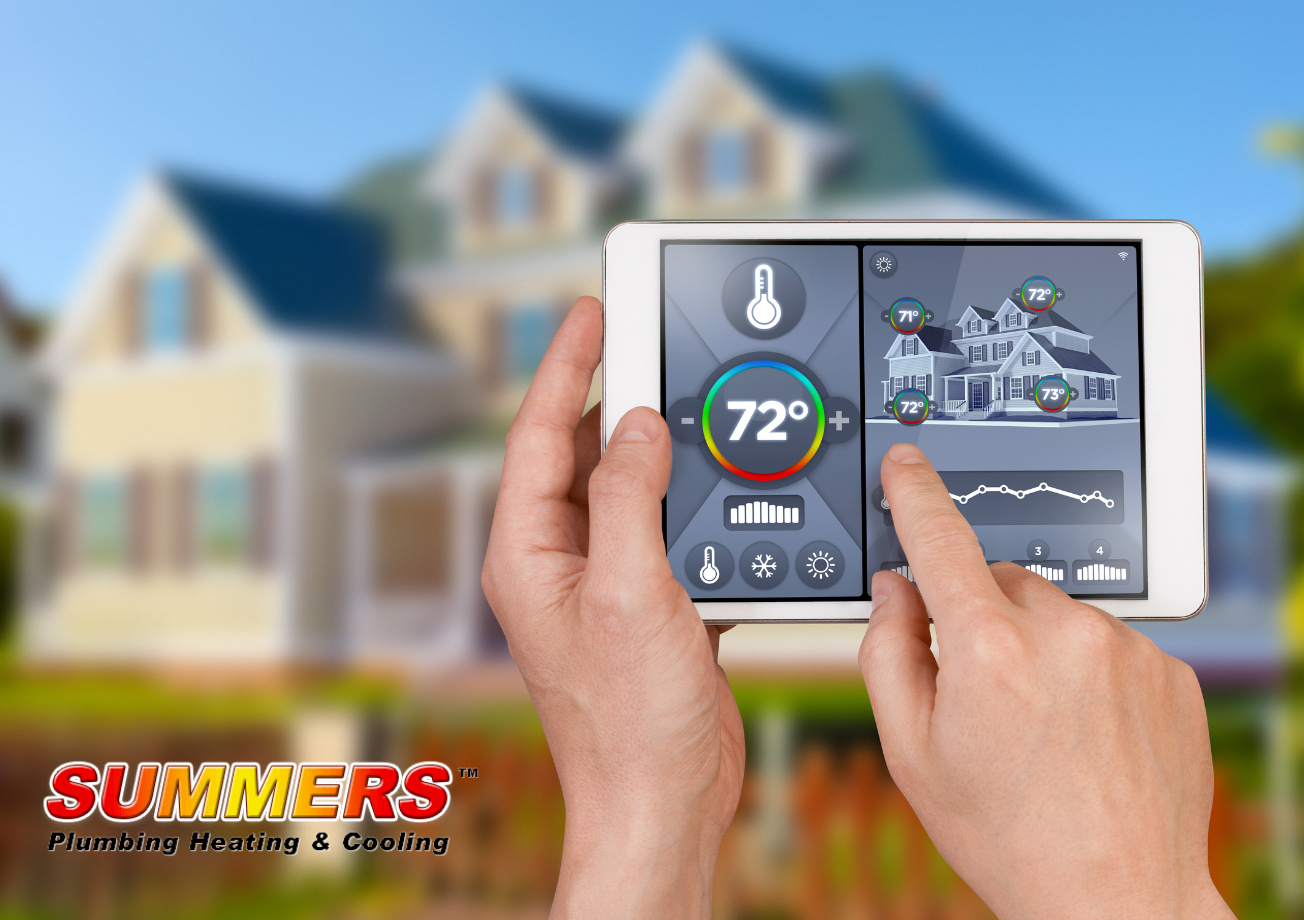
The thermostat is often overlooked when considering home comfort. By using programmable thermostats, you can set your home’s temperature to fit your routine without even being there!
Imagine going to work in the morning without worrying about how long it will take to cool or warm up. The beauty lies in simple automation, allowing you to tweak temperature settings based on your daily life, ultimately saving energy and, quite importantly, money.
Setting Programs
One of the best features of programmable thermostats is their ability to adjust automatically according to a schedule you create. You could set a higher temperature during work or when no one is home and lower it in the evening when everyone returns. This helps maintain comfort without wasting valuable energy.
It’s akin to setting an alarm clock—once it’s done, you can sit back and enjoy the benefits. You might choose a cooler setting for those warm summer evenings while opting for warmth during chilly winter mornings—it’s truly customizable.
Many homeowners find that configuring these preferences creates peace of mind, knowing they won’t come home to an uncomfortable house or accidentally leave their heating running all day while they’re gone.
Smart Thermostats
As technology advances, so too does our ability to manage our living environments with smarter devices. Upgrading to smart thermostats, such as Nest or Ecobee, can offer even greater benefits.
What makes them smart? These devices have learning capabilities; they adapt to your habits over time, learning when you’re home and adjusting accordingly. For instance, if you consistently turn down the heat before bed each night, these smart thermostats will begin doing it for you. They also allow remote control through your smartphone—so if you’re running late or deciding to spend an extra hour at work, you’ve got the power to make adjustments from anywhere.
The potential savings by using either programmable or smart thermostats shouldn’t be overlooked—many users report saving up to $180 annually on their energy bills! It’s akin to receiving compensation for maintaining organization in your comfort.
Here’s why this matters: According to Energy Star, installing programmable and smart thermostats can lead directly to decreased energy consumption without sacrificing comfort.
While these devices significantly enhance convenience and efficiency, understanding how insulation and zoning can further optimize comfort will open new avenues for improvement in your home’s environment.
Insulation and Home Zoning
Insulation acts like a protective barrier in your home, helping to keep conditioned air inside, regardless of outside weather conditions. When building or renovating, it’s critical to pay attention to areas that need enough insulation; attics, walls, and floors are prime candidates. Good insulation can prevent significant heat loss in winter and keep cool air from escaping in summer, reducing your HVAC system’s workload. The savings on your energy bill can be substantial since well-insulated homes often see their energy consumption cut down by nearly 30%. Imagine the relief of receiving those lower monthly bills!
To achieve this, check the R-values—the measure of thermal resistance—of your materials. A higher R-value means better insulation. If you find areas lacking in insulation, consider adding blown-in cellulose or fiberglass batts to improve your home’s energy efficiency. Even if the project seems overwhelming, taking these steps can lead to long-term benefits.
However, insulation alone isn’t enough to achieve optimal comfort; this is where home zoning systems come into play.
Home Zoning Systems
Home zoning systems bring flexibility to how you manage temperatures in different areas of your house. By dividing the space into zones, each equipped with its own thermostat, you can customize heating and cooling according to usage, eliminating the need for a universal approach. For instance, if you’re someone who spends most time in certain rooms, why waste energy heating or cooling spaces that are rarely used? This targeted approach not only increases comfort but also significantly optimizes your energy use.
According to studies, homes with a zoning system can reduce heating and cooling costs by up to 30%. Each zone can be programmed based on individual preferences—one room may be warm while another remains cool. This system is especially beneficial when multiple family members have varying climate preferences.
Investing in a properly installed zoning system can seem daunting initially, but it pays dividends over time through reduced energy costs and enhanced comfort. Consider consulting an HVAC professional who understands your home’s unique layout and energy needs—they can suggest the best solutions tailored specifically for you.
Along with insulation and zoning, controlling various elements within your home is essential for optimizing comfort across all seasons.
Managing Humidity Levels
Humidity control is essential for both comfort and energy efficiency. When humidity levels are too high, air can feel warmer than it actually is, creating an uncomfortable living space and often leading to increased use of air conditioning. This not only affects how you feel in your home but also impacts your energy bills as well.
Understanding Ideal Humidity Levels
The ideal indoor humidity level typically falls between 30% and 50%. Maintaining this balance leads to a more comfortable atmosphere while minimizing issues such as respiratory discomfort or damage to wooden structures in your home. When relative humidity exceeds 60%, you might start noticing unpleasant things like mold growth, allergies, or even structural damage due to excess moisture.
At 30% humidity, the temperature feels about 2°F cooler, while at 50% humidity, it may feel 2°F warmer than it really is. That’s a significant difference!
One effective approach to maintaining these levels is by using dehumidifiers in spaces that naturally have higher humidity, such as basements or laundry rooms. This can drastically improve air quality throughout your home as it helps maintain those ideal ranges. Additionally, placing dehumidifiers strategically can help prevent musty odors and other damp-related issues.
Ventilation Solutions
Installing ventilation fans in kitchens and bathrooms can help effectively manage humidity within your home. Cooking can produce a lot of steam, and showering tends to trap moisture inside; therefore, using exhaust fans in these areas keeps the air circulating and prevents buildup.
Another interesting tip involves utilizing ceiling fans during warmer months; they help distribute cool air evenly and reduce reliance on air conditioning units, thereby improving energy efficiency.
Consider scheduling major appliance use—like running the dishwasher or washing machine—during cooler times of day. This reduces indoor heat buildup, keeping the overall temperature more manageable.
Be mindful of outdoor conditions as well; residents in sunnier climates might need to adjust their strategies based on prevailing weather patterns. For instance, if it’s sunny outside and extremely humid, internal measures may need to be reinforced to keep the indoor environment comfortable.
Effectively managing humidity not only enhances comfort but also serves as a solid foundation for adopting practices that can lead to lower energy expenses. Now, let’s consider additional strategies that will streamline your spending while maintaining a pleasant atmosphere at home.
Tips for Reducing Energy Bills
One of the simplest yet most effective strategies is to prioritize regular HVAC maintenance. By scheduling routine check-ups, you ensure that your heating and cooling systems operate at peak efficiency.
Think of it like taking your car in for an oil change; neglecting it might lead to minor issues mushrooming into major damage that could cost you significantly more in repairs or replacement. A well-maintained system not only lasts longer but also saves you money each month by cutting down on energy consumption.
Adjust Thermostat Settings
- Lowering Your Thermostat: A quick way to save is by adjusting your thermostat settings. Lowering it by just 7-10°F for eight hours a day can yield savings of up to 10% per year on your heating and cooling bills. It’s a small adjustment that can make a big difference!
- Energy-Saving Modes: Don’t forget about energy-saving modes available on many modern thermostats. These settings are designed to optimize your system without compromising comfort.
The next tip revolves around the efficient use of appliances—this has a profound effect on your energy bill too. Running washers, dryers, and dishwashers with full loads maximizes energy usage while minimizing the frequency of operation. For instance, waiting until you have a full load before running the washing machine not only saves water but also electricity, as you’re completing two purposes at once.
Look for the Energy Star label when shopping for appliances; this designation indicates that they meet strict energy efficiency guidelines set by the U.S. Environmental Protection Agency. Investing in these appliances may involve a higher upfront cost, but they’ll pay you back over time through lower energy bills.
Implementing these strategies can significantly reduce your energy costs.
For personalized advice and professional HVAC services tailored specifically for your home, visit us at SummersPHC.com in Kokomo. Regular maintenance and strategic adjustments will not only enhance your comfort but also help keep those energy bills in check. Don’t hesitate to schedule service at SummersPHC today!