What Should You Do When Your Furnace Stops Working in Freezing Weather?
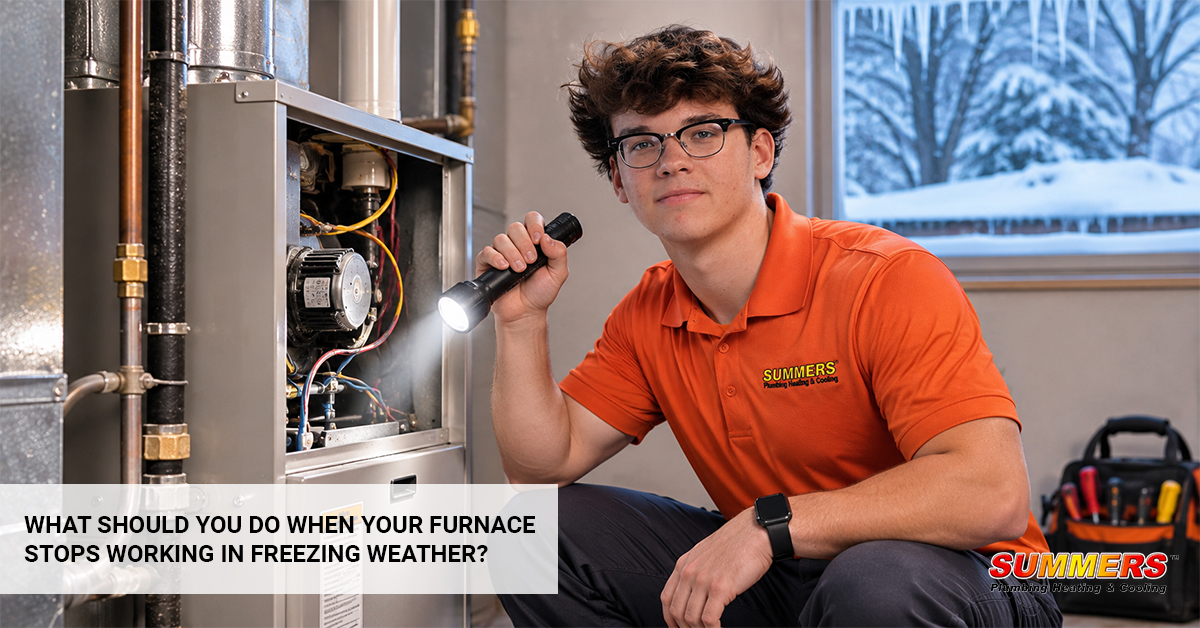
If your furnace stops working in freezing weather, check the thermostat, power supply, and air filter first. If these checks don’t bring the heat back, call an HVAC technician for professional repair. Losing heat during a cold spell can make your home uncomfortable and put exposed water pipes at risk of freezing.
Extreme cold can also lead to furnace problems, such as frozen condensate drains, snow-covered vent pipes, and ignition failures. A clogged air filter can make airflow worse and force the furnace to work harder.
While waiting for repairs, focus on keeping your family warm and protecting your plumbing. Here’s what you should check, why your furnace may have stopped working, and how to keep your home safe until the heat comes back.
What Should You Do First When Your Furnace Stops Working in Freezing Weather?
If your furnace stops working in freezing weather, check for safety hazards first, then inspect the thermostat, power supply, and air filter. These simple checks may help you find the problem before calling an HVAC technician.
Follow these steps to find out why your furnace isn’t working:
- Check for safety problems: If you smell gas, leave your home immediately. Don’t operate electrical switches or appliances. Contact your gas utility or emergency services from outside. If your carbon monoxide alarm sounds, evacuate the home.
- Check the thermostat: Make sure it’s set to HEAT, and the temperature is higher than the current room temperature. Replace the batteries if needed.
- Check the furnace power switch: Make sure the switch near the furnace hasn’t been turned off accidentally.
- Inspect the circuit breaker: Look for a tripped furnace breaker. You can reset it once if there are no signs of electrical damage. If it trips again, leave it off and call a professional.
- Check the air filter: A clogged filter can restrict airflow and cause the furnace to overheat. Turn off the furnace before removing the filter. Replace it if it’s dirty.
- Look for furnace error codes: Check the display or status light for a warning code. Refer to your furnace manual to understand what it means.
- Call an HVAC technician: If these checks don’t restore heat, arrange a professional inspection. The problem may involve the ignition system, blower motor, condensate drain, or another internal component.
These checks can help you find simple problems without opening the furnace or handling internal parts. Don’t attempt gas line repairs, electrical work, or ignition system repairs yourself. If the furnace continues shutting down, avoid repeatedly resetting it and let a qualified technician find the cause.
Why Does a Furnace Stop Working in Freezing Weather?
A furnace can stop working in freezing weather because of a frozen condensate drain, snow-covered exhaust vent, power outage, faulty thermostat, or restricted airflow. Extremely cold temperatures can affect outdoor furnace components and make existing problems worse.
Regular furnace maintenance can help identify worn components, airflow restrictions, and other problems before they cause an unexpected breakdown during winter.
Here are eight common reasons your furnace may stop working during winter.
1. Frozen or Blocked Furnace Condensate Drain
A frozen or blocked condensate drain can cause a high-efficiency furnace to shut down during freezing weather. These furnaces produce water while heating your home and drain it through a condensate pipe.
When part of the pipe runs through an exposed or unheated area, freezing temperatures can cause the water inside to freeze. Dirt and debris can also block the drain and prevent water from leaving the furnace. When condensation can’t drain properly, a safety switch may shut down the system to prevent damage. Water collecting around your furnace can also indicate a drainage problem or another system issue. Learn about the common causes of a furnace leaking water and when professional repair may be necessary.
Watch for these warning signs:
- The furnace starts but shuts down shortly afterward.
- Water collects around the furnace.
- The furnace displays an error code or warning light.
- Your heating system suddenly stops during extremely cold weather.
- You notice ice around an exposed condensate drain pipe.
How to fix it: If you suspect a frozen or blocked condensate drain, turn off the furnace if it is safe to do so and contact an HVAC technician. A technician can check the drain line, clear the blockage, and determine whether the pipe needs insulation or additional freeze protection.
Don’t use boiling water, open flames, or improvised heating methods to thaw the pipe. These can damage the drain line or create additional safety problems.
2. Snow or Ice Blocking the Furnace Intake or Exhaust Vent
Snow or ice blocking your furnace intake or exhaust vent can stop the system from working during winter. High-efficiency furnaces use outdoor vent pipes to draw in fresh air and release combustion gases. When snow or ice blocks either opening, the furnace may shut down to protect itself.
Heavy snowfall, strong winds, and drifting snow can cover outdoor vent openings. Ice can also build up around the pipes and restrict airflow. This can prevent your furnace from starting or cause it to shut down shortly after running.
Watch for these warning signs:
- The furnace stops working during or after a snowstorm.
- The furnace starts but shuts down shortly afterward.
- A vent-related error code appears.
- You see snow or ice around the outdoor vent openings.
- The furnace repeatedly fails to start.
How to fix it: Check the outdoor intake and exhaust openings from a safe location. If they’re accessible at ground level, carefully clear loose snow around them according to the manufacturer’s instructions. Keep the openings clear so air can move freely.
Don’t insert objects into the pipes, disconnect vent sections, or try to remove heavy ice yourself. Never climb onto a roof to reach the vents. If the blockage remains or your furnace won’t restart, contact an HVAC technician for an inspection.
3. Power Outage or Tripped Circuit Breaker
A power outage or tripped circuit breaker can stop your furnace from working, even if it runs on natural gas or propane. Most modern gas furnaces need electricity to operate the blower motor, ignition system, and control board.
Winter storms can interrupt your home’s power supply. An electrical fault or overloaded circuit can also trip the furnace breaker and shut down the heating system.
Watch for these common signs:
- The thermostat screen goes blank.
- The furnace display or indicator lights turn off.
- The blower and burners won’t start.
- The furnace stops working after a power outage.
- The circuit breaker trips when the furnace starts.
How to fix it: First, check whether the rest of your home has electricity. If the power is on, inspect the furnace circuit breaker in your electrical panel.
If the breaker has tripped and there are no signs of burning, damage, or other electrical problems, you can reset it once. If it trips again, leave it off and contact a qualified electrician or HVAC technician.
Don’t open the furnace electrical compartment or attempt to repair damaged wiring yourself. Electrical problems need professional attention to prevent further damage and safety risks.
4. Incorrect Thermostat Settings or Malfunction
Incorrect thermostat settings or a faulty thermostat can prevent your furnace from turning on during cold weather. The thermostat controls when your heating system starts and stops, so even a small setting or power problem can interrupt heating.
For example, if the thermostat is set to COOL instead of HEAT, the furnace won’t receive a call for heat. The same can happen if the temperature setting is lower than the current indoor temperature.
Other common thermostat problems include:
- Dead or weak thermostat batteries.
- Loose thermostat wiring.
- Incorrect temperature settings.
- A faulty temperature sensor.
- Loss of power to the thermostat.
How to fix it: Set your thermostat to HEAT and choose a temperature higher than the current room temperature. If it uses batteries, replace them with fresh ones. Also, make sure the thermostat display is working properly.
Give the furnace a few minutes to respond. If the thermostat appears to work but your furnace still won’t start, the problem may involve the thermostat wiring, control board, or another heating system component. Have an HVAC technician inspect it.
5. Dirty or Clogged Furnace Air Filter
A dirty or clogged furnace air filter can restrict airflow and cause your furnace to overheat and shut down during freezing weather. As dust, pet hair, and other debris build up on the filter, less air can pass through the system.
Your furnace needs enough airflow to carry heat away from the heat exchanger. When the filter becomes too dirty, the system may overheat and trigger its high-limit safety switch. This can cause the burners to shut off before your home reaches the desired temperature.
Watch for these common signs of a clogged air filter:
- Weak airflow from the supply vents.
- The furnace starts but shuts down repeatedly.
- Uneven heating between rooms.
- Longer heating times.
- Heavy dust buildup on the filter.
How to fix it: Turn off your furnace before checking the air filter. Remove it and look for visible dirt and dust buildup. If it’s clogged, replace it with a new filter that matches your furnace’s required size and specifications.
Check your air filter every month during the heating season. Replace it according to the manufacturer’s recommendations, as the right schedule depends on the filter type, household dust, pets, and furnace usage.
If your furnace continues shutting down after you replace the filter, contact an HVAC technician. The system may have another airflow problem or a faulty safety component.
6. Fuel Supply Problems
A problem with your fuel supply can stop your furnace from producing heat, even when the thermostat and electrical system are working properly. Gas furnaces need a steady supply of natural gas or propane, while oil furnaces need enough heating oil to keep the burners running.
During freezing weather, a fuel delivery issue or supply interruption can leave your home without heat. A faulty gas valve or another fuel system problem can also prevent the burners from igniting.
Common signs of a fuel supply problem include:
- An empty propane tank.
- Low heating oil levels.
- A sudden loss of heat.
- The furnace failing to ignite.
- An interruption in your natural gas supply.
How to fix it: If your furnace uses propane or heating oil, check the available fuel level. You can also contact your gas utility or fuel supplier to ask about a service interruption or delivery problem.
Don’t attempt to repair gas lines, adjust gas valves, or work on fuel system components yourself.
If you smell gas, leave your home immediately. Don’t operate electrical switches, appliances, or other equipment inside. Contact your gas utility or emergency services from a safe location outside.
7. Faulty Furnace Ignition System or Flame Sensor
A faulty igniter or dirty flame sensor can prevent your furnace from starting or cause it to shut down shortly after the burners ignite. These components help your furnace start safely and keep the heating cycle running.
The igniter lights the gas burners, while the flame sensor checks that a flame is present. If the igniter fails, the burners may not light. If the flame sensor doesn’t detect the flame properly, the furnace may shut off the gas supply as a safety measure.
If your furnace uses a standing pilot light, repeated outages may indicate an ignition or fuel supply problem. Read our guide on why your furnace pilot light keeps going out to understand the possible causes.
Watch for these common warning signs:
- The furnace clicks but doesn’t produce heat.
- The burners fail to light.
- The furnace starts briefly and then shuts down.
- You hear repeated ignition attempts.
- The furnace displays an ignition-related error code.
How to fix it: Have an HVAC technician inspect the igniter, flame sensor, gas valve, and related safety controls. Depending on the problem, the technician may need to clean the flame sensor, repair an electrical connection, or replace a faulty component.
Don’t try to bypass the flame sensor or repeatedly restart a furnace that keeps failing to ignite. These components play an important role in safe furnace operation.
8. Failing Furnace Blower Motor or Other Internal Components
A failing blower motor or damaged internal component can prevent your furnace from moving warm air through your home. If your furnace runs but doesn’t deliver warm air, the problem may involve more than the blower motor. Learn about the common reasons your furnace is blowing cold air and what you can do about it.
The blower motor powers the fan that pushes heated air through the ductwork and into your rooms.
Over time, the motor can wear out, overheat, or develop electrical problems. When this happens, the blower may struggle to start, run unevenly, or stop working altogether.
Other internal problems that can affect furnace operation include:
- A faulty blower motor capacitor, on systems that use one.
- A damaged furnace control board.
- A faulty high-limit safety switch.
- A malfunctioning inducer motor.
- Loose or damaged electrical connections.
You may notice these warning signs:
- Humming or grinding noises near the furnace.
- Weak or no airflow from the vents.
- The blower struggling to start.
- Repeated furnace shutdowns.
- The furnace running without delivering warm air.
How to fix it: Have an HVAC technician inspect the blower motor, control board, and other internal components. Depending on the problem, the furnace may need an electrical repair, motor repair, or replacement of a damaged part.
Don’t open electrical compartments or attempt internal furnace repairs yourself. These components require proper tools and professional handling.
How to Troubleshoot a Furnace That Stops Working in Cold Weather
You can troubleshoot some furnace problems by checking the thermostat, power supply, air filter, and vents. These simple checks may help you find the cause before calling an HVAC technician.
Follow these steps to check your furnace safely.
1. Check the Thermostat and Temperature Settings
Start by checking whether your thermostat is set correctly. Set it to HEAT and choose a temperature higher than the current room temperature.
If your thermostat uses batteries, replace them if the display is blank or unresponsive. Give the furnace a few minutes to respond after changing the settings.
If the thermostat works but the furnace doesn’t start, there may be a problem with the wiring or heating system.
2. Check the Furnace Power Switch and Circuit Breaker
A furnace won’t operate if its power supply is interrupted. Check the power switch near the furnace and make sure it hasn’t been turned off accidentally.
Next, check your electrical panel for a tripped furnace breaker. If the breaker has tripped and there are no signs of burning, damage, or electrical problems, you can reset it once.
If it trips again, leave it off and contact an HVAC technician or qualified electrician. Don’t keep resetting a breaker that won’t stay on.
3. Inspect and Replace the Dirty Air Filter
A clogged air filter can restrict airflow and cause your furnace to overheat and shut down. Check the filter for dust and debris, especially if you haven’t replaced it recently.
Turn off the furnace before removing the filter. If it’s dirty or damaged, replace it with one that matches your furnace’s required size and specifications.
If the furnace continues shutting down after you replace the filter, have an HVAC technician inspect it.
4. Check Supply and Return Vents
Blocked vents can prevent warm air from circulating properly throughout your home. Walk through each room and check the supply and return openings.
Move furniture, curtains, rugs, and other objects away from the vents. Make sure the supply registers are open and the return grilles are clear.
If your furnace still doesn’t produce enough airflow, the problem may involve the ductwork or blower system.
5. Look for Visible Furnace Error Codes
Some furnaces display an error code or flashing status light when a problem interrupts operation. These warnings can point to issues with ignition, airflow, overheating, or other components.
Check the visible display or status indicator and compare the code with your furnace manual. Write down the code before contacting an HVAC technician.
Don’t remove access panels or attempt to repair internal components just to find the error code.
6. Check Accessible Outdoor Furnace Vent Pipes
If your furnace has outdoor intake and exhaust pipes, check whether snow or ice is blocking the openings. Heavy snowfall and drifting snow can restrict airflow and cause the furnace to shut down.
From a safe location, look for visible obstructions around the pipes. If the openings are accessible at ground level, carefully clear loose snow according to the manufacturer’s instructions.
Don’t climb onto the roof, insert objects into the pipes, or try to remove heavy ice yourself. Contact an HVAC technician if the blockage remains or the furnace won’t restart.
Important: Don’t keep resetting a furnace that repeatedly shuts down. This may indicate an overheating, ignition, or venting problem. Turn off the system when necessary and have a qualified HVAC technician identify the cause.
How Can You Keep Your House Warm When the Furnace Stops Working?
You can keep your home warmer while waiting for furnace repairs by reducing drafts, closing off unused spaces, wearing warm clothes, and using a portable electric heater safely. These steps can help your family stay comfortable until your heating system is working again.
Try these five ways to keep your home warm.
1. Close Doors to Unused Rooms
Closing doors to unused rooms can help keep more warmth in the areas where your family spends time. Choose one comfortable room and gather everyone there instead of trying to keep the entire house equally warm.
However, don’t close off rooms if doing so could leave water pipes exposed to freezing temperatures. Make sure vulnerable plumbing still gets enough warmth.
2. Close Curtains and Cover Drafty Windows
Closing curtains and blinds can help reduce heat loss through windows. You can also use draft stoppers around doors and windows to keep cold air from entering your home.
Check for gaps around windows and exterior doors, especially in rooms where you plan to spend time. Keep all heating vents and return air openings clear.
3. Use an Electric Space Heater Safely
A portable electric space heater can provide temporary warmth in one room while you wait for furnace repairs. However, you need to use it carefully to prevent fires and other accidents.
Follow these safety tips:
- Keep the heater at least three feet away from furniture, curtains, bedding, and other flammable materials.
- Place it on a flat, stable surface.
- Plug it directly into a wall outlet. Don’t use an extension cord or power strip.
- Choose a heater with tip-over and overheat protection.
- Never leave it running unattended.
- Turn it off when leaving the room or going to sleep.
- Keep children and pets away from the heater.
Never use a gas oven, kitchen stove, charcoal grill, outdoor heater, or generator to warm your home. These can create dangerous carbon monoxide levels and increase the risk of fire.
4. Gather Family Members in One Room
Gathering everyone in one room can make it easier to stay warm while your furnace is out of service. Choose a room away from drafts and close its doors to help retain warmth.
Keep extra blankets nearby and make sure everyone has enough warm clothing. Check on children, older adults, and anyone who may have trouble staying warm.
5. Dress in Warm Layers and Use Extra Blankets
Wearing several layers of clothing can help you stay warm when your heating system stops working. Put on warm socks, slippers, sweaters, and comfortable layers. Use extra blankets when sitting or resting.
If your home becomes too cold to stay in safely, move to a warmer location, such as a relative’s home or a local warming center. Don’t wait until the indoor temperature becomes dangerously low before making arrangements.
How to Prevent Frozen Pipes When Your Furnace Stops Working
You can help prevent frozen pipes when your furnace stops working by keeping exposed plumbing warm, opening cabinet doors, and allowing vulnerable faucets to drip during extremely cold weather. These steps can reduce the risk of frozen or burst pipes while you wait for furnace repairs.
Pipes are more likely to freeze in unheated areas, such as basements, crawl spaces, garages, and exterior walls. Pay extra attention to plumbing in these locations. Cold weather can put exposed plumbing at risk, especially when your heating system stops working. Learn about the warning signs and risks of frozen pipes in Columbus, IN.
Follow these steps to protect your pipes:
- Open under-sink cabinet doors: This allows warmer indoor air to reach pipes beneath kitchen and bathroom sinks, especially along exterior walls.
- Let vulnerable faucets drip: A slow, steady trickle can help keep water moving through pipes that are exposed to freezing temperatures.
- Insulate exposed pipes: Use suitable pipe insulation to protect plumbing in basements, crawl spaces, and other cold areas.
- Keep garage doors closed: This helps retain warmth and protects pipes running through attached garages.
- Find your main water shutoff valve: Know where it is so you can quickly turn off the water if a pipe bursts.
- Watch for signs of frozen pipes: Reduced water flow, unusually cold pipes, or no water coming from a faucet may indicate that a pipe is freezing.
If you suspect a pipe has frozen, don’t use an open flame or blowtorch to thaw it. If you can’t safely locate or thaw the frozen section, contact a plumber.
Taking these precautions while waiting for furnace repairs can help protect your plumbing and prevent costly water damage. If your pipes freeze despite these precautions, professional frozen pipe repair can help restore water flow and prevent further plumbing damage.
For more ways to protect your plumbing during extreme cold, read our guide on how to protect your pipes from freezing.
Is It Safe to Keep Running a Furnace That Keeps Shutting Down in Freezing Weather?
No, you shouldn’t keep restarting a furnace that repeatedly shuts down without finding out what’s causing the problem. Frequent shutdowns may point to overheating, restricted airflow, ignition problems, or blocked exhaust venting. If your furnace repeatedly starts and stops, it may be experiencing a short-cycling problem. Read our guide on why your furnace keeps turning off to understand the possible causes.
Modern furnaces have safety controls that stop the burners when they detect certain problems. These controls help protect your heating system from damage and reduce safety risks.
Watch for these warning signs:
- The burners turn off shortly after ignition.
- The furnace repeatedly starts and stops without heating your home.
- The blower keeps running after the burners shut off.
- The furnace displays a persistent error code.
- You notice a burning smell or unusual electrical noises.
- The circuit breaker trips repeatedly.
Keep in mind that the blower may continue running briefly after the burners turn off as part of a normal heating cycle. However, repeated shutdowns or other unusual behavior need professional attention.
What should you do? Turn off the furnace if it keeps shutting down because of a suspected safety problem. Contact an HVAC technician to inspect the system and identify the cause. Don’t bypass safety switches or keep resetting the furnace to force it to run.
If you smell gas, leave your home immediately. Don’t operate electrical switches or appliances inside. Contact your gas utility or emergency services from outside. If your carbon monoxide alarm sounds, evacuate the home and seek emergency help.
When Should You Call for Emergency Furnace Repair?
Call an HVAC technician for emergency furnace repair if your furnace won’t restart, keeps shutting down, or shows signs of a mechanical, electrical, or venting problem. If your furnace stops working during freezing weather, professional furnace repair can help identify the problem and restore heat. Contact our team for reliable furnace repair in Columbus, IN.
Losing heat during freezing weather can quickly become a serious concern, so don’t wait until your home gets too cold. If your furnace runs but fails to produce enough heat, several issues could be responsible. Read our guide on why your furnace isn’t heating to learn about common causes and possible solutions.
Arrange professional furnace service if you notice any of these warning signs:
- The furnace won’t turn on: The system remains off even after checking the thermostat and power supply.
- The furnace runs but produces no heat: The blower operates, but the burners don’t produce warm air.
- The burners keep shutting off: The furnace starts heating but stops before completing a normal cycle.
- A persistent error code appears: The furnace displays a warning that points to an ignition, airflow, or safety problem.
- You hear unusual noises: Grinding, banging, or repeated clicking may indicate a damaged internal component.
- The blower motor struggles to start: The fan runs slowly, makes unusual noises, or stops unexpectedly.
- The circuit breaker trips repeatedly: This may indicate an electrical problem that needs professional attention.
- You notice a burning electrical smell: Turn off the furnace if it’s safe to do so and arrange an immediate inspection.
During an inspection, an HVAC technician can check the thermostat, electrical connections, ignition system, flame sensor, blower motor, condensate drain, intake and exhaust vents, and furnace safety controls.
After finding the problem, the technician can explain which component needs repair or replacement and provide an estimate.
Getting professional help early can restore heat, prevent further damage, and help protect your home from other problems during freezing weather.
How Much Does Emergency Furnace Repair Cost in Freezing Weather?
Emergency furnace repair costs depend on what’s wrong with your heating system, which parts need repair, and how quickly you need service. You may pay more for emergency appointments during evenings, weekends, or holidays.
Common furnace repair expenses include:
- Diagnostic and service fees: The technician checks your furnace to find the cause of the problem.
- Thermostat repairs: A faulty thermostat, dead batteries, or damaged wiring may need attention.
- Ignition system repairs: A faulty igniter or dirty flame sensor may need cleaning or replacement.
- Blower motor repairs: A damaged motor or related electrical component may require repair or replacement.
- Condensate drain repairs: A frozen or blocked drain may need clearing and additional freeze protection.
- Emergency service charges: After-hours, weekend, and holiday appointments may cost more than regular service calls.
A simple repair, such as clearing a blocked condensate drain, may cost much less than replacing a blower motor or another major component. The final price also depends on your furnace model, parts availability, and labor charges.
How to avoid unexpected repair costs: Ask the HVAC technician to inspect the furnace and provide a repair estimate before approving the work. During freezing weather, also ask whether the necessary parts are available and whether the repair can be completed during the initial service visit.
Frequently Asked Questions About Furnace Failure in Freezing Weather
Why does my furnace stop working when it’s extremely cold outside?
Your furnace may stop working in extremely cold weather because of a frozen condensate drain, snow-blocked exhaust vent, power outage, or faulty internal component. Cold temperatures can make these problems worse and interrupt normal heating. Check the thermostat and air filter first. If the furnace still won’t start, contact an HVAC technician.
Can freezing temperatures cause a furnace to stop working?
Yes, freezing temperatures can cause furnace problems, especially when exposed condensate pipes freeze or snow and ice block outdoor vent openings. These problems can interrupt normal furnace operation and trigger a safety shutdown. Regular maintenance and proper vent protection can help reduce the risk.
What should I check first when my furnace stops working?
Start by checking the thermostat, furnace power switch, circuit breaker, and air filter. Make sure the thermostat is set to HEAT and the temperature is higher than the current room temperature. Also, check for visible warning lights or error codes. If these checks don’t restore heat, call an HVAC technician.
How long can a house stay warm without a working furnace?
A house can stay warm for several hours without a working furnace, but the exact time depends on outdoor temperatures, insulation, windows, and air leaks. Poorly insulated homes usually lose heat faster than well-insulated homes. Use safe temporary heating methods and move to a warmer location if the indoor temperature becomes unsafe.
Can a frozen furnace condensate pipe stop the heat?
Yes, a frozen condensate pipe can prevent a high-efficiency furnace from operating. When water can’t drain properly, a safety switch may shut down the furnace to protect it from damage. An HVAC technician can clear the blockage, check the drain line, and recommend ways to prevent it from freezing again.
Can snow block a furnace exhaust vent?
Yes, heavy snowfall and drifting snow can block a furnace exhaust vent and prevent combustion gases from leaving the system properly. This may cause the furnace to shut down as a safety measure. Check accessible outdoor vent openings for visible snow, but don’t insert objects into the pipes or attempt to remove heavy ice yourself.
How can I keep my house warm without a furnace?
You can keep your house warmer by closing doors to unused rooms, covering drafty windows, wearing warm clothes, and using a portable electric space heater safely. Keep the heater away from curtains, furniture, and bedding, and plug it directly into a wall outlet. Never use a gas oven, grill, or outdoor heater to heat your home.
How do I prevent pipes from freezing when my furnace stops?
You can reduce the risk of frozen pipes by insulating exposed plumbing, opening under-sink cabinet doors, and allowing vulnerable faucets to drip during extreme cold. Keep garage doors closed if water pipes run through the garage. Also, know where your main water shutoff valve is in case a pipe bursts.
Should I turn off my furnace if it keeps shutting down?
Yes, turn off your furnace if it repeatedly shuts down because of a suspected safety problem. The cause may be overheating, restricted airflow, ignition failure, or blocked venting. Don’t keep resetting the system or bypassing safety switches. Have an HVAC technician inspect it before using it again.
When should I call an emergency HVAC technician?
Call an emergency HVAC technician if your furnace won’t restart, repeatedly shuts down, makes unusual noises, or displays persistent error codes. Losing heat during freezing weather can put your home and plumbing at risk, so arrange service promptly. If you smell gas or your carbon monoxide alarm sounds, leave the home immediately and contact emergency services from outside.
Get Professional Help When Your Furnace Stops Working in Freezing Weather
If your furnace stops working during freezing weather and basic troubleshooting doesn’t restore heat, contact a qualified HVAC technician. Problems such as frozen condensate drains, blocked exhaust vents, ignition failures, and damaged furnace components require professional attention.
Regular inspections and preventive care can also help reduce unexpected heating problems. Read our guide on how to prevent furnace breakdowns and keep your heating system in good condition.
Don’t wait until your home gets colder or your water pipes are at risk of freezing. An HVAC technician can inspect your heating system, find the cause of the problem, and recommend the right repair.
Schedule professional furnace service to restore your heat, protect your plumbing, and keep your home comfortable throughout the winter.