

Why Is One Room Hotter Than the Rest of the House?
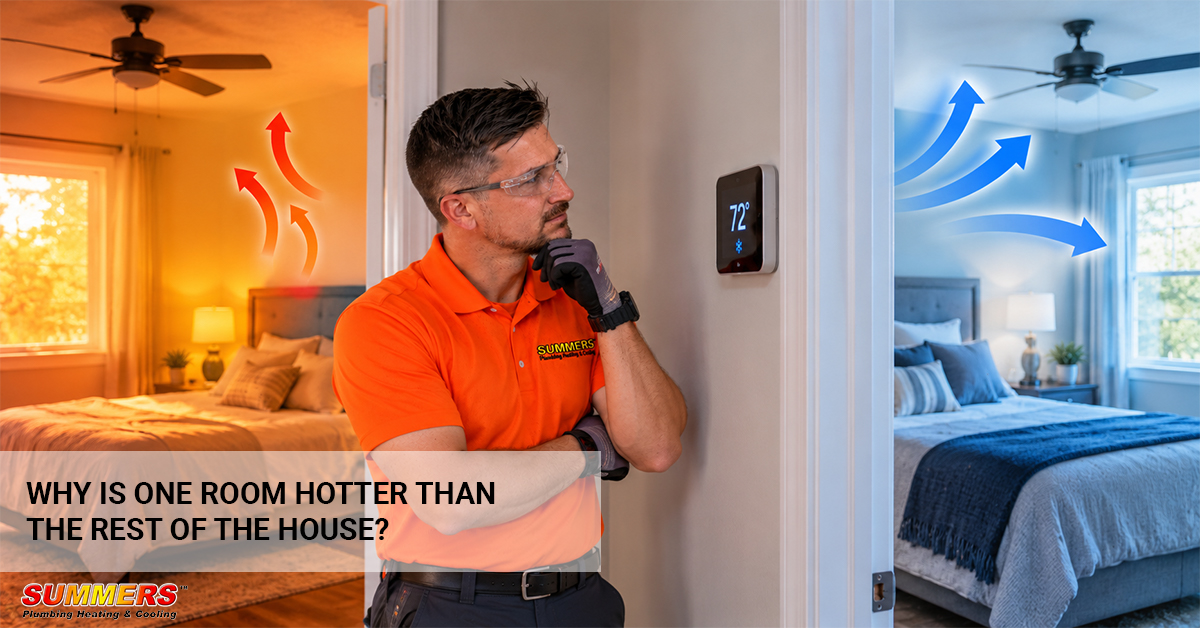
If one room is hotter than the rest of your house, poor airflow, leaky ductwork, inadequate insulation, or direct sunlight may be the cause. Your air conditioner may be working properly, but that room might not be getting enough cool air to stay comfortable.
This problem often affects upstairs bedrooms, rooms above garages, and spaces with large windows. Blocked air vents, gaps around windows, and long or damaged ducts can also make a difference.
Start by checking the room’s air vent, replacing a dirty AC filter, and closing blinds during the hottest part of the day. If the room stays warm despite these steps, an HVAC technician can check the ductwork, airflow, and insulation to find the cause.
9 Common Reasons One Room Is Hotter Than the Rest of the House
One room is often hotter than the rest of the house because it receives less cool air or gains more heat from outside. Blocked vents, leaking ducts, poor insulation, direct sunlight, and HVAC system problems are common causes.
Here are nine reasons to check and what you can do about each one.
1. Blocked or Closed Air Vents
A blocked or closed air vent can make a room hotter by restricting the flow of cool air from your AC. Furniture, curtains, rugs, and dust can prevent air from reaching the room properly.
Common signs include:
- Little airflow from the supply vent.
- The room stays warm while other rooms cool down.
- Furniture or curtains cover the vent.
- The problem improves when airflow is restored.
What should you do?
Make sure the supply vent is fully open and clear of furniture, curtains, and other obstructions. Check the return air grille, too, if the room has one.
If airflow remains weak after clearing the vents, the problem may involve the ductwork or HVAC system.
2. Leaking or Damaged HVAC Ductwork
Leaking or damaged ductwork can make one room hotter by allowing cooled air to escape before it reaches the vent. Disconnected, crushed, or poorly sealed ducts can also reduce airflow.
This problem often affects rooms far from the air handler or rooms served by ducts running through a hot attic or crawl space.
Common signs include:
- Weak airflow from the room’s vent.
- One room stays warm even when the AC runs for long periods.
- Some rooms cool much faster than others.
- The problem persists despite a clean air filter and open vents.
What should you do?
Check for visible damage to accessible ductwork without entering unsafe spaces or dismantling equipment. An HVAC technician can inspect the ducts for leaks, disconnections, and airflow restrictions.
Sealing or repairing the ductwork may help deliver more cool air to the room.
If leaking ducts are contributing to uneven cooling, professional duct sealing services in Bloomington can help reduce air loss and improve airflow to the affected room.
3. Poor Insulation in Walls, Ceilings, or Attics
Poor insulation can make a room hotter by allowing outdoor heat to pass through the walls or ceilinhttps://summersphc.com/bloomington/services/indoor-air/duct-sealing/g. Rooms beneath a hot attic or above an unconditioned garage are especially vulnerable.
Even when cool air reaches the room, heat entering through poorly insulated surfaces can make it difficult to maintain a comfortable temperature.
Look for these signs:
- The room becomes much hotter during sunny afternoons.
- The ceiling feels warm on hot days.
- The room cools down more slowly than others.
- The temperature difference is worse during extreme weather.
What should you do?
Check for obvious gaps around windows and doors, and consider a professional insulation assessment if the room remains uncomfortable. An energy assessment can help identify heat entering through the attic, walls, or other building surfaces.
Improving insulation may reduce heat gain and help your AC cool the room more effectively.
4. Air Leaks Around Windows and Doors
Air leaks around windows and doors can make one room hotter by letting warm outdoor air enter. Gaps can also allow cooled indoor air to escape, making the room harder to cool.
This problem is common in older homes or rooms with poorly sealed windows and exterior doors.
Common signs include:
- Warm air entering around window frames.
- Noticeable gaps around doors or windows.
- The room gets hotter on windy or sunny days.
- The AC runs longer, but the room still feels warm.
What should you do?
Check the window and door frames for visible gaps or damaged weatherstripping. You can seal small, suitable gaps with weatherstripping or caulk, following the product instructions.
If the room remains hot, check whether poor insulation, direct sunlight, or restricted airflow is also contributing to the problem.
5. Direct Sunlight and Heat Gain
Direct sunlight can make one room hotter than the rest of the house by adding heat through its windows. Rooms with large, west-facing windows often become especially warm during the afternoon.
Dark flooring, poorly insulated walls, and inadequate window coverings can add to the problem.
Common signs include:
- The room gets noticeably hotter in the afternoon.
- Sunlight shines directly onto the floor or furniture.
- The room cools down after sunset.
- Other rooms stay comfortable during the same period.
What should you do?
Close blinds or curtains during the hottest part of the day. Consider reflective or solar-control window coverings if the room receives strong sunlight regularly.
These changes can reduce heat entering the room and make it easier for your AC to maintain a comfortable temperature.
6. Poor Airflow or an Unbalanced HVAC System
Poor airflow or an unbalanced HVAC system can leave one room hotter because it receives less cooled air than other rooms. This can happen when the ductwork isn’t properly balanced or the system struggles to distribute air evenly.
Rooms at the ends of long duct runs may receive less airflow, especially if the ducts have restrictions or leaks.
Possible signs include:
- One room has noticeably weaker airflow than others.
- Nearby rooms cool quickly while the affected room stays warm.
- The problem continues even with open vents and a clean filter.
- Temperature differences occur throughout the cooling season.
What should you do?
Make sure the supply and return vents are unobstructed. Avoid closing multiple vents in other rooms to force more air into the hot room, as this can disrupt airflow and increase pressure in some systems.
If the problem continues, ask an HVAC technician to measure airflow and check the ductwork, dampers, and system balance.
Persistent airflow problems may also indicate leaking ducts. Learn about the signs your air ducts need sealing to help determine whether duct leaks could be affecting your home’s comfort.
7. An Undersized or Struggling Air Conditioner
An undersized or poorly performing AC may struggle to cool your entire home evenly. Rooms with greater heat gain or weaker airflow may stay hot even while other areas feel comfortable.
A dirty air filter, dirty coils, or another equipment problem can also reduce cooling performance.
Common signs include:
- The AC runs for long periods without cooling the room adequately.
- Several rooms struggle to reach the thermostat’s set temperature.
- Cooling performance has recently declined.
- The problem becomes worse during very hot weather.
What should you do?
Check the air filter and replace it if it’s dirty. Keep the outdoor unit clear of leaves and debris, following the manufacturer’s safety guidance.
If the AC still struggles to cool the house, arrange a professional inspection. A technician can assess system performance and determine whether the issue involves maintenance, repairs, ductwork, or equipment sizing.
If your AC runs for long periods without cooling your home properly, read our guide to an AC running but not cooling for more troubleshooting guidance.
Don’t assume you need a larger AC without a proper assessment.
8. A Thermostat in the Wrong Location
A thermostat in the wrong location can affect how your AC cools the house because it measures temperature in only one area. If it’s near a sunny window, kitchen, or heat-producing appliance, it may read a temperature that doesn’t represent the rest of the home.
For example, the thermostat may register the target temperature in a cool hallway while a distant bedroom remains warm.
Common signs include:
- The AC shuts off while one room still feels hot.
- The thermostat is near direct sunlight or a heat source.
- The room’s temperature differs significantly from the thermostat reading.
- Cooling cycles seem poorly matched to comfort in other rooms.
What should you do?
Keep heat-producing devices away from the thermostat and make sure curtains or furniture don’t obstruct it. If its location appears unsuitable, ask an HVAC professional whether relocating it or using a compatible remote sensor would help.
Remember that thermostat placement may contribute to uneven cooling, but it won’t fix blocked vents, leaking ducts, or poor insulation.
For additional guidance on managing indoor temperatures, see our guide to smart thermostat cooling settings and how to adjust your cooling schedule.
9. Heat From Appliances, Electronics, or Occupants
Appliances and electronics can make one room hotter by releasing heat into the space. Computers, gaming systems, televisions, lighting, and cooking equipment all add heat that your AC must remove.
A home office or gaming room may therefore feel warmer than a lightly used bedroom, particularly when several devices run at once.
Common signs include:
- The room gets hotter when computers or other equipment are running.
- The temperature rises when several people occupy the room.
- The room cools down after equipment is switched off.
- Other rooms remain comfortable under the same AC settings.
What should you do?
Turn off electronics and lights when you don’t need them. Use energy-efficient lighting and make sure heat-producing equipment has enough space around it for ventilation.
If the room remains significantly hotter, check the airflow, insulation, and sunlight exposure as well. Reducing internal heat may help, but it won’t resolve an underlying HVAC problem.
How to Fix One Room That Is Hotter Than the Rest of the House
You can often make a hot room more comfortable by clearing blocked vents, replacing a dirty air filter, reducing sunlight, and sealing obvious air leaks. If the room still doesn’t cool properly, the problem may involve ductwork, insulation, or your HVAC system.
Try these steps:
- Check the air vents. Make sure supply vents are open and clear of furniture, curtains, and other obstructions. Check return air grilles for blockages, too.
- Replace a dirty air filter. A clogged filter restricts airflow through your AC system. Replace it according to the manufacturer’s instructions. Not sure how often to replace your filter? Check our guide on how often to change an AC filter for guidance based on your system and household conditions.
- Reduce direct sunlight. Close blinds or curtains during the hottest part of the day. Consider solar-control window coverings if strong sunlight regularly heats the room.
- Seal air leaks. Check for gaps around windows and doors. Use suitable weatherstripping or caulk to seal small gaps where appropriate.
- Keep the outdoor unit clear. Remove loose leaves and debris around the unit if it’s safe. Don’t open the unit or touch electrical components.
- Check for uneven airflow. Compare the airflow from the hot room’s vent with airflow in other rooms. Weak airflow may point to a duct restriction, leak, or balancing problem.
- Arrange an HVAC inspection if needed. If the room stays hot after these checks, ask a technician to inspect the ductwork, insulation, airflow balance, and AC performance.
Avoid closing several vents in other rooms to force more cool air into the hot room. This can disrupt airflow and reduce system efficiency.
The best solution depends on the cause. Simple changes may help with sunlight and blocked vents, while ductwork, insulation, or equipment problems may require professional repairs.
Why Is My Upstairs Room Hotter Than Downstairs?
An upstairs room is often hotter than downstairs because heat collects on upper floors, the attic transfers heat into the rooms below, or the HVAC system doesn’t deliver enough cool air upstairs.
During hot weather, the roof and attic can absorb significant heat. Poor attic insulation, air leaks, and unbalanced ductwork can make upstairs rooms even harder to cool.
Common causes include:
- Heat from the attic: Poor insulation allows heat to pass through the ceiling.
- Uneven airflow: The HVAC system may deliver less cool air to upper floors.
- Leaky ductwork: Cool air can escape before reaching upstairs rooms.
- Direct sunlight: Upper-floor windows may receive strong afternoon sun.
- Air leaks: Gaps around windows, doors, and attic openings can let warm air enter.
How can you make upstairs rooms cooler?
Start by checking that vents are open and unobstructed. Replace a dirty air filter and close blinds during periods of strong sunlight. If upstairs rooms remain noticeably warmer, have an HVAC technician inspect the ductwork and airflow balance.
If the attic is very hot or the temperature difference persists, consider an assessment of attic insulation and air sealing. Fixing the source of the heat gain can help upstairs rooms stay more comfortable without overcooling the rest of the house.
Why Is One Bedroom Hotter Than the Rest of the House?
One bedroom may be hotter than the rest of the house because it receives less cool air, has poor insulation, or gains more heat through its windows and walls. Long duct runs, blocked vents, and direct sunlight can also contribute to uneven temperatures.
This often happens in bedrooms at the end of a duct run, rooms above garages, or spaces with large windows that receive afternoon sun.
Common causes include:
- Blocked air vents: Furniture, curtains, or rugs may restrict airflow.
- Leaking ductwork: Cool air may escape before reaching the bedroom.
- Poor insulation: Heat can enter through the walls, ceiling, or attic.
- Direct sunlight: Sun-facing windows can increase the room’s temperature.
- Air leaks: Gaps around windows and doors allow warm air inside.
How can you cool the bedroom?
Make sure the supply vent is open and unobstructed. Replace the air filter if it’s dirty, close blinds during the hottest part of the day, and check for obvious gaps around windows and doors.
If the bedroom remains hot while other rooms cool normally, ask an HVAC technician to inspect the ductwork and measure airflow. If airflow is adequate, an insulation or energy assessment may help identify heat entering through the building structure.
The right fix depends on whether the room is gaining too much heat or receiving too little cool air.
Why Is One Room Hot Even When the AC Is Running?
One room can stay hot while the AC is running because it isn’t receiving enough cool air or gains heat faster than the system can remove it. Blocked vents, leaky ducts, poor insulation, and direct sunlight are common causes.
Your AC may cool the rooms near the thermostat while a distant bedroom or upstairs space remains warm. The system can shut off once the thermostat reaches its target temperature, even if that room still feels hot.
Check these possible causes:
- Weak airflow: The room’s supply vent may be blocked, or the ductwork may restrict airflow.
- Leaky ducts: Cool air may escape before reaching the room.
- Excessive heat gain: Sunlight, poor insulation, or gaps around windows can keep the room warm.
- Thermostat location: The thermostat may measure a cooler area of the house and stop the AC too soon.
- AC performance problems: A dirty filter or another system fault may reduce cooling capacity.
What should you do?
Make sure the vents are open and unobstructed, replace a dirty air filter, and close blinds during strong sunlight. Compare airflow from the affected room’s vent with airflow from other rooms.
If the room remains hot, contact an HVAC technician to check ductwork, airflow balance, thermostat operation, and system performance. These checks can help identify the actual cause instead of relying on guesswork.
Should You Close Vents in Unused Rooms to Cool a Hot Room?
No, closing vents in unused rooms usually isn’t the best way to cool a hot room. It can disrupt airflow and increase pressure in some duct systems, which may reduce efficiency or contribute to other HVAC problems.
Your AC is designed to distribute air through a particular network of ducts and vents. Closing several vents can change that airflow, but it doesn’t guarantee that more cool air will reach the room that needs it.
What should you do instead?
- Keep supply and return vents open and unobstructed.
- Replace a dirty air filter to help maintain proper airflow.
- Check for blocked or damaged ductwork if one room receives little cool air.
- Use blinds or curtains to reduce heat entering through sunny windows.
- Ask an HVAC technician to check airflow balance if the problem continues.
If your home has a properly designed zoning system, it may use motorized dampers to control temperatures in different areas. That’s different from manually closing vents in a conventional system.
When Should You Call an HVAC Technician?
Call an HVAC technician if one room stays hotter than the rest of the house despite checking the vents, replacing a dirty air filter, and reducing direct sunlight. Persistent temperature differences may point to ductwork problems, poor insulation, or an HVAC system that isn’t distributing cool air properly.
Arrange an inspection if you notice any of these signs:
- Weak airflow: Little cool air comes from the affected room’s vent.
- Uneven cooling: Other rooms feel comfortable, but one room stays warm.
- Long AC run times: The system runs for extended periods without cooling the room adequately.
- Possible duct damage: You suspect a disconnected, leaking, or crushed duct.
- Recurring comfort problems: The room gets hot every afternoon or during warmer weather.
- Reduced cooling throughout the house: Several rooms struggle to reach the thermostat’s set temperature.
An HVAC technician can measure airflow, inspect accessible ductwork, check the thermostat, and test the system’s cooling performance. If the equipment works properly, an insulation or energy assessment may help identify heat entering through the walls, windows, or attic.
Don’t replace your AC or add new vents without identifying the cause first. A proper inspection can help you choose the right fix and avoid unnecessary expenses.
Frequently Asked Questions
Why Is One Room 5 Degrees Hotter Than the Rest of the House?
One room may be 5 degrees hotter because of restricted airflow, leaky ductwork, poor insulation, or direct sunlight. Check the room’s vents and air filter first. If the temperature difference persists, an HVAC technician can inspect the ductwork and measure airflow.
Can a Dirty Air Filter Make One Room Hotter?
Yes, a dirty air filter can restrict airflow and reduce your AC’s cooling performance. If one room already has weak airflow, a clogged filter may make the problem worse. Replace the filter according to the manufacturer’s instructions, and arrange an inspection if the room stays hot.
Will a Ceiling Fan Make a Hot Room Cooler?
A ceiling fan can make a room feel cooler by moving air across your skin, but it doesn’t significantly lower the room’s actual temperature. Turn the fan off when nobody is in the room to avoid wasting electricity.
Can Ductwork Cause One Room to Be Hotter Than Others?
Yes, leaking, disconnected, crushed, or poorly balanced ductwork can prevent enough cool air from reaching a room. An HVAC technician can inspect the ducts, identify airflow restrictions, and recommend the appropriate repairs.
Does Adding Another AC Vent Fix a Hot Room?
Not necessarily. Adding a vent without checking duct capacity and airflow may fail to solve the problem and could affect the rest of the system. Have an HVAC professional assess the room’s cooling needs before changing the ductwork.
Should I Use a Portable AC in One Hot Room?
A portable AC can help cool a room that stays hot, particularly if the central AC cannot provide enough cooling. However, it needs proper exhaust ventilation through a window, and its effectiveness depends on the room size and heat load. Fixing underlying ductwork or insulation problems may provide a better long-term solution.
How Can I Balance Temperatures Throughout My House?
Start by keeping vents unobstructed, replacing dirty air filters, sealing obvious air leaks, and reducing direct sunlight. If temperatures remain uneven, have an HVAC technician assess ductwork, airflow balance, and system performance. Improving attic insulation may also help if upper rooms are consistently hotter.
Final Thoughts
If one room is hotter than the rest of the house, poor airflow, leaking ductwork, inadequate insulation, or direct sunlight may be responsible. A dirty air filter or an HVAC system that isn’t distributing cool air evenly can also contribute.
Start by checking the room’s vents, replacing a dirty air filter, and reducing heat from direct sunlight. If the room stays warm, have an HVAC technician inspect the ductwork and measure airflow.
The best way to fix an uneven temperature is to identify what’s causing it. Addressing the underlying problem can improve comfort and help your AC cool your home more evenly.