

Kitchen Plumbing Maintenance Tips for Every Homeowner
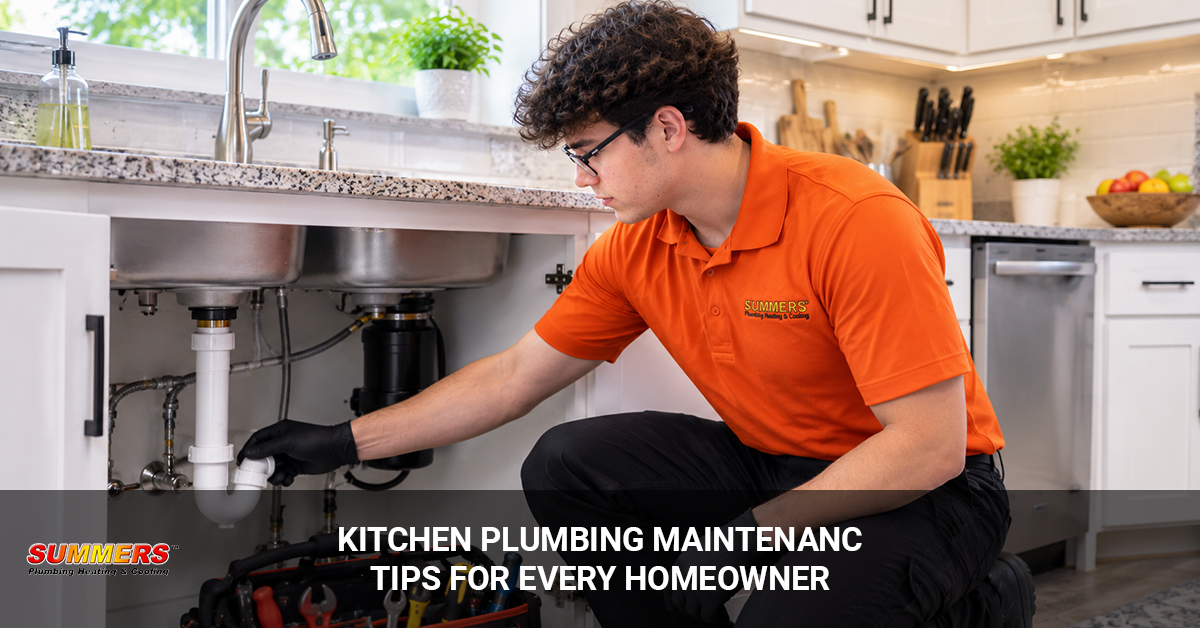
Regular kitchen plumbing maintenance helps prevent clogs, leaks, and expensive repairs. Because your kitchen sink, faucet, garbage disposal, and dishwasher are used every day, even small problems can grow into bigger ones if they’re ignored.
The good news is that keeping your kitchen plumbing in good condition doesn’t take much time. A few simple habits, like checking for leaks, cleaning your garbage disposal, and keeping grease out of the drain, can help your plumbing work more efficiently and last longer.
Most kitchen plumbing problems don’t happen overnight. They usually develop slowly, giving you plenty of warning before they become serious. By inspecting your plumbing regularly and taking care of minor issues early, you can avoid unexpected breakdowns and costly emergency repairs.
Use the kitchen plumbing maintenance tips below to help keep your sink, drains, faucet, and pipes working properly throughout the year.
Don’t Pour Grease Down the Drain
Never pour grease or cooking oil down your kitchen drain because it can cause stubborn clogs. Although grease goes down the sink as a liquid, it cools quickly inside the pipes, hardens, and sticks to the pipe walls.
As more grease builds up, it traps food scraps, soap, and other debris. Over time, this buildup restricts water flow and can eventually block the drain completely.
Instead of pouring grease into the sink:
- Let it cool and solidify.
- Pour it into a sealed container or empty can.
- Throw it away with your household trash.
- Wipe greasy pots and pans with a paper towel before washing them.
Making this one simple habit can help prevent clogged drains, keep your kitchen plumbing flowing freely, and reduce the need for costly drain cleaning.
Use a Sink Strainer
Use a sink strainer to keep food scraps out of your drain and reduce the risk of clogs. It’s an inexpensive tool that catches debris before it enters your plumbing, helping your kitchen drain stay clear.
Even small food particles can build up inside your pipes over time, especially when they mix with grease or soap residue. This buildup can slow water flow and eventually lead to a blocked drain.
A sink strainer helps catch:
- Food scraps
- Vegetable peels
- Rice and pasta
- Coffee grounds
- Eggshell pieces
Empty the strainer into the trash after each meal and rinse it regularly to prevent odors and keep water flowing freely.
Using a sink strainer every day is one of the easiest ways to protect your kitchen plumbing and avoid unnecessary drain cleaning.
Clean Your Garbage Disposal Regularly
Clean your garbage disposal regularly to prevent odors, improve performance, and reduce the risk of clogs. Food particles can stick to the grinding chamber and blades over time, creating unpleasant smells and making the disposal less effective.
To keep your garbage disposal working properly:
- Run cold water before, during, and after using it.
- Grind small amounts of food at a time.
- Clean the disposal regularly to remove food residue and buildup.
- Always turn off the power before cleaning or inspecting the disposal.
Avoid putting these items into your garbage disposal:
- Grease or cooking oil
- Coffee grounds
- Bones
- Pasta and rice
- Fibrous vegetables, such as celery and corn husks
- Fruit pits
- Eggshells
Using your garbage disposal the right way and cleaning it regularly can help extend its lifespan, reduce unpleasant odors, and keep your kitchen drain flowing smoothly.
Check for Leaks Under the Sink
Check under your kitchen sink regularly for leaks because even a small drip can cause costly water damage. Since leaks are hidden inside the cabinet, they often go unnoticed until they damage the cabinet, flooring, or nearby walls.
Take a few minutes each month to inspect the area under your sink.
Look for:
- Damp or wet cabinet floors
- Water stains or discoloration
- Mold or mildew
- Soft, warped, or swollen wood
- Corrosion on pipes or fittings
- Dripping water from supply lines or drain connections
If you spot any signs of a leak, repair it as soon as possible. Learn more about the warning signs in our guide on how to detect a hidden plumbing leak before the damage becomes more serious. Fixing a small leak early is much easier and less expensive than replacing water-damaged cabinets or flooring.
Inspect Faucet and Supply Lines
Inspect your kitchen faucet and water supply lines regularly to catch leaks before they become bigger problems. These parts are used every day, so normal wear and tear can eventually lead to drips, loose connections, or reduced performance. If your faucet keeps dripping after you turn it off, learn about the common causes and quick fixes for a dripping faucet.
Check your faucet for:
- Dripping after it’s turned off
- Water leaking around the base
- Loose or wobbly handles
- Low water pressure
Next, inspect the hot and cold water supply lines beneath the sink. Look for:
- Loose connections
- Cracks or bulges in the hoses
- Corrosion on fittings
- Moisture or water droplets around the connections
If you notice worn or damaged parts, replace them promptly. Keeping your faucet and supply lines in good condition can help prevent leaks, improve water flow, and avoid unexpected plumbing repairs.
Avoid Chemical Drain Cleaners
Avoid using chemical drain cleaners because they can damage your pipes over time. While they may provide a quick fix for a minor clog, the harsh chemicals can corrode certain types of plumbing, especially if they’re used repeatedly.
A safer approach is to clear minor clogs using simple maintenance methods first.
Try these alternatives:
- Remove any visible food debris from the drain.
- Use a sink plunger to loosen small clogs.
- Flush the drain with hot water to help remove light grease buildup.
- Pour baking soda followed by vinegar into the drain, then flush with hot water after 10 to 15 minutes.
- Use a drain snake to remove stubborn blockages.
If your kitchen drain keeps clogging or water continues to drain slowly after trying these methods, it’s time to schedule professional drain cleaning to remove stubborn buildup and restore proper water flow. Recurring clogs often point to a larger plumbing issue that chemical drain cleaners won’t fix.
Flush the Kitchen Drain Periodically
Flush your kitchen drain regularly to help prevent grease, soap, and food residue from building up inside the pipes. This simple maintenance habit keeps water flowing freely and lowers the risk of future clogs.
For routine drain maintenance:
- Run hot water down the drain for one to two minutes once a week.
- Pour baking soda into the drain, followed by vinegar.
- Let the mixture sit for about 15 minutes.
- Flush the drain with hot water to wash away any loosened buildup.
Doing this regularly can help keep your kitchen drain cleaner and reduce unpleasant odors.
Quick Tip: This method is best for routine maintenance, not severe clogs. If your sink continues to drain slowly after cleaning, there’s likely a deeper blockage that should be inspected by a plumber.
Test the Shut-Off Valves
Test the shut-off valves under your kitchen sink at least once a year to make sure they’ll work when you need them. These valves let you quickly stop the water supply to the sink during a leak or plumbing repair without turning off water to the entire house.
Turn each valve off and back on to make sure it moves smoothly.
While testing, check for:
- Valves that are hard to turn
- Water leaking around the valve
- Corrosion or mineral buildup
- Loose connections
If a shut-off valve is stuck, leaking, or damaged, replace it before it fails. A working shut-off valve can help you stop a leak quickly and minimize water damage in an emergency.
Watch for Slow Drains and Unusual Noises
Watch for slow drains and unusual plumbing noises because they’re often early signs of a plumbing problem. Catching these warning signs early can help you prevent bigger repairs and avoid more expensive damage.
Pay attention if you notice:
- Water draining slowly from the sink
- Gurgling sounds after the water drains
- Banging or rattling pipes
- Bad odors coming from the drain
- Water backing up into the sink
A slow drain may be caused by grease, food debris, or a developing blockage. Gurgling noises can indicate trapped air or a problem with the plumbing vent, while recurring drain odors may point to a problem that requires professional sewer line repair.
If these problems continue after routine cleaning and maintenance, contact a licensed plumber. Persistent slow drains, unusual noises, or repeated backups usually indicate a blockage or another plumbing issue that requires professional diagnosis and repair.
Kitchen Plumbing Maintenance Checklist
Use this checklist to keep your kitchen plumbing in good condition and help prevent common problems like clogged drains, leaks, and water damage. Performing these simple tasks on a regular schedule can extend the life of your plumbing system and reduce the chance of unexpected repairs.
| Maintenance Task | Recommended Frequency |
| Clean the garbage disposal | Weekly |
| Check under the sink for leaks | Monthly |
| Inspect the faucet and supply lines | Monthly |
| Flush the kitchen drain with hot water | Weekly |
| Empty and clean the sink strainer | Daily or as needed |
| Test the shut-off valves | Twice a year |
Staying on top of these routine maintenance tasks only takes a few minutes, but it can help you avoid costly plumbing repairs and keep your kitchen sink, drains, and fixtures working properly year-round.
When to Call a Plumber
Call a plumber if routine maintenance doesn’t solve the problem or you notice signs of a more serious plumbing issue. While you can handle basic tasks like cleaning drains or checking for small leaks, persistent problems usually need professional attention.
Contact a licensed plumber if you notice:
- Persistent or recurring drain clogs
- Water leaking from pipes or under the sink
- A garbage disposal that won’t run or frequently jams
- Low water pressure at the kitchen faucet
- Sewer odors coming from the sink drain
- Water stains inside the cabinet or on nearby walls
- Loud banging or rattling noises from the pipes
- Water backing up into the sink
Ignoring these warning signs can lead to water damage, mold growth, or more expensive plumbing repairs. A licensed plumber can identify the root cause, make the necessary repairs, and help keep your kitchen plumbing working safely and efficiently.
Final Thoughts
Regular kitchen plumbing maintenance is one of the best ways to prevent leaks, clogs, and other common plumbing problems. Simple habits like keeping grease out of the drain, using a sink strainer, cleaning your garbage disposal, and checking for leaks can help keep your plumbing system working efficiently.
The good news is that you don’t need to spend a lot of time on maintenance. A few minutes each week and a quick monthly inspection can help you catch small problems before they turn into expensive repairs.
If you notice recurring clogs, hidden leaks, low water pressure, sewer odors, or other plumbing issues that don’t improve with routine maintenance, contact a licensed plumber. Fixing problems early can help prevent water damage, extend the life of your plumbing system, and save you money on future repairs.