

Signs Your Well Pump Is Failing: What Peru Homeowners Should Watch For
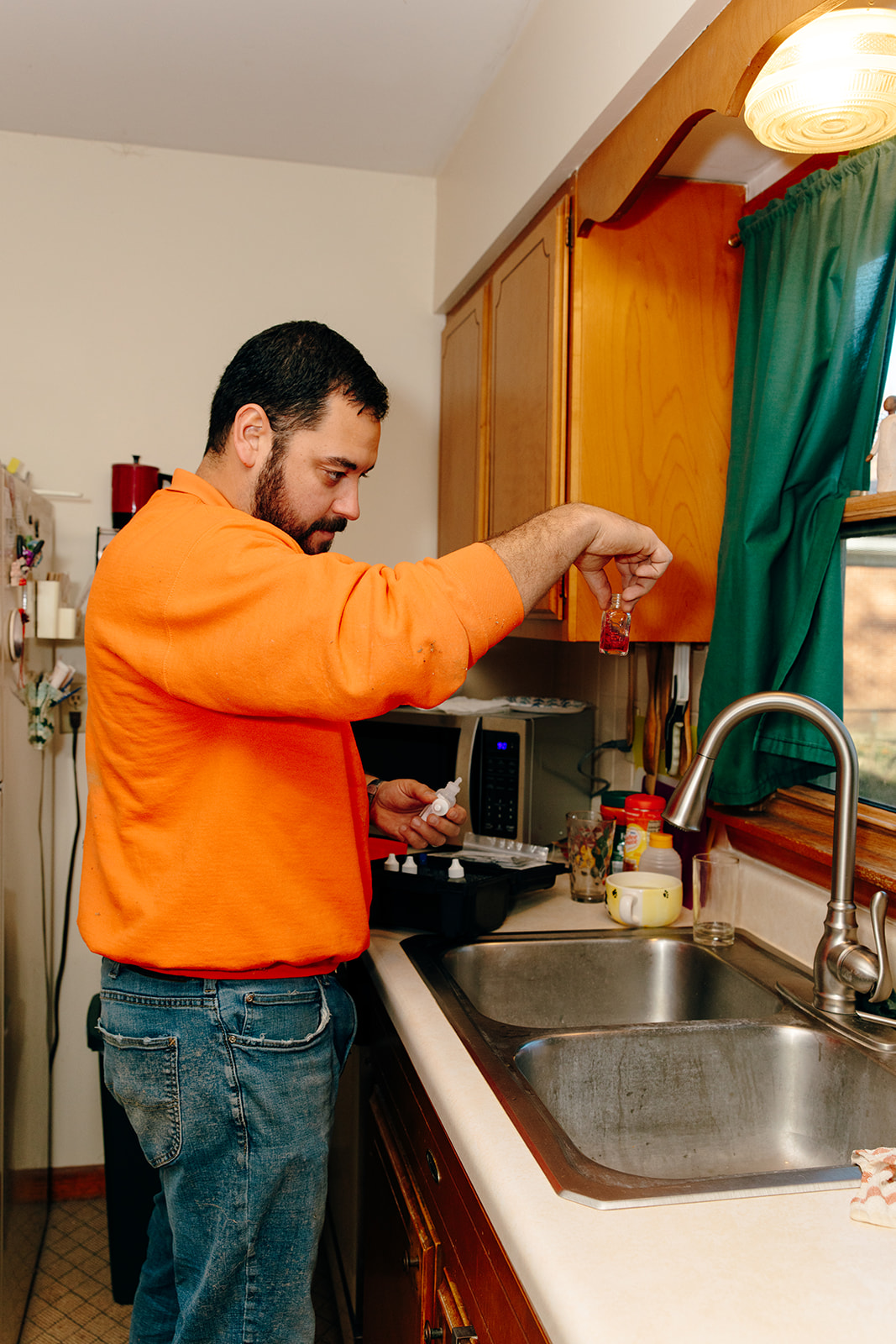
If your home in the Peru area runs on well water, your well pump is one of the hardest-working—and most easily forgotten—pieces of equipment you own. It quietly delivers water to every faucet, shower, and appliance in your house. So when it starts to fail, the warning signs can be easy to miss until you’re suddenly left without water on a Saturday morning.
The good news is that a failing well pump usually gives you clues before it quits for good. Knowing what to watch for can help you get ahead of the problem—and avoid the stress and expense of an emergency. Here’s what the team at Summers Plumbing, Heating & Cooling wants Peru homeowners to know.
7 Signs Your Well Pump May Be Failing
1. Drops in Water Pressure
One of the earliest and most common warning signs is a noticeable drop in water pressure. If your once-strong shower has weakened to a trickle, or faucets sputter and struggle, your pump may be wearing out or struggling to keep up with demand. Low pressure can also point to a failing pressure tank or a clogged system—which is why a professional diagnosis matters.
2. Sputtering or Air in Your Faucets
If air spits out of your faucets before the water flows, it can mean your pump is drawing in air—often a sign the water level has dropped below the pump, or that there’s a problem with the pump itself or the well’s piping. Consistent sputtering is worth investigating before it worsens.
3. Dirty, Cloudy, or Sandy Water
Cloudy water or sediment and sand in your water can indicate that your pump is pulling from too low in the well or that the well itself needs attention. Beyond being unpleasant, sand and grit can damage your pump, appliances, and plumbing fixtures over time.
4. Strange Noises From the Pump or Tank
Clicking, rapid cycling, or unusual sounds coming from your pressure tank or pump can signal trouble. A common issue is a waterlogged or failing pressure tank, which forces the pump to work harder and wears it out faster.
5. The Pump Runs Constantly or Cycles On and Off
Your well pump shouldn’t run nonstop, and it shouldn’t rapidly switch on and off (a problem called “short cycling”). Both put extra strain on the motor and dramatically shorten the pump’s lifespan. This often points to a pressure tank problem, a pressure switch issue, or a leak in the system.
6. Spikes in Your Electric Bill
Because your well pump runs on electricity, a pump that’s failing or running constantly will use more power. An unexplained jump in your electric bill—with no other lifestyle changes—can be a quiet clue that your pump is working overtime.
7. No Water at All
The most obvious sign, and the one no one wants: turning on the tap and getting nothing. A total loss of water can stem from the pump, the pressure tank, the electrical supply, or the well itself. When this happens, it’s time to call a professional right away.
Why You Shouldn’t Wait
A struggling well pump rarely fixes itself. Ignoring the early signs usually means a small, manageable repair turns into a full pump replacement—or an emergency call when you’re completely without water. Catching problems early protects your pump, your appliances, and your peace of mind.
Because so many of these symptoms overlap—low pressure could be the pump, the pressure tank, or the well itself—the smartest move is to have your entire system inspected by a professional who can pinpoint the real cause.
At Summers Plumbing, Heating & Cooling, we’ve been helping Indiana families since 1969. Our Worry-Free Guarantee means we stand behind our work, and our phones are answered 24/7—so if your water’s acting up, you’re never on your own.
Limited-Time Offer for Peru Homeowners
Free Well Inspection with Complimentary Water Testing
Worried about your well pump or water quality? Let our experts take a look. Schedule a well inspection and get free water testing included—so you know exactly what’s going on with your system and your water.
Call to claim your free water testing: (765) 460-2660
Frequently Asked Questions
How long does a well pump last?
Most well pumps last somewhere between 8 and 15 years, depending on the type of pump, water quality, and how hard the system works. Submersible pumps often last longer than jet pumps. Regular maintenance and catching problems early can help you get the most out of yours.
What’s the most common sign of a failing well pump?
A drop in water pressure is one of the earliest and most common signs. Sputtering faucets, dirty or sandy water, and a pump that runs constantly or short-cycles are also frequent warning signs that something needs attention.
Is low water pressure always the pump’s fault?
Not always. Low pressure can come from a failing pressure tank, a bad pressure switch, a clog, or a leak—not just the pump itself. That’s why a professional inspection is the best way to find the true cause instead of replacing the wrong part.
Should I test my well water, and how often?
Yes. Well water isn’t treated by a municipal system, so testing helps you catch issues like bacteria, hardness, iron, or sediment. Annual testing is a good rule of thumb, and it’s smart any time you notice a change in taste, smell, color, or pressure. Ask us about our free water testing.
What should I do if I suddenly have no water?
First, check that your well pump’s breaker hasn’t tripped and reset it once. If water doesn’t return—or the breaker trips again—stop and call a professional. A total loss of water can involve the pump, pressure tank, or electrical supply, and should be diagnosed by a technician.