

10 Signs Your AC Compressor Is Failing Before It Breaks
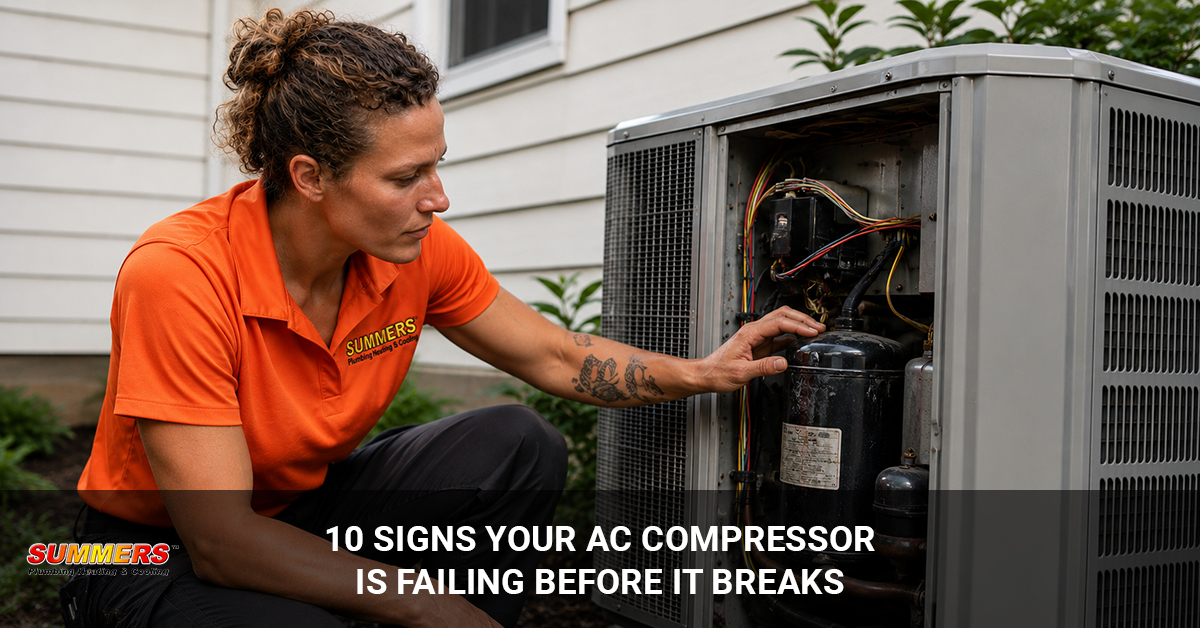
A failing AC compressor usually gives warning signs before it stops working completely. Warm air from the vents, unusual noises, frequent breaker trips, and longer cooling cycles are all common symptoms that shouldn’t be ignored. Catching these problems early can help you avoid a complete system breakdown and potentially reduce repair costs.
The compressor is the heart of your air conditioning system. It pressurizes and circulates refrigerant, allowing your AC to remove heat from your home. When the compressor begins to wear out or develops an electrical or mechanical problem, cooling performance drops, energy use often increases, and other components may be placed under additional strain.
Not every cooling problem means the compressor has failed. Dirty air filters, low refrigerant, faulty capacitors, or thermostat issues can produce similar symptoms. Knowing how to recognize the warning signs can help you determine when a simple repair may solve the problem and when it’s time to call an HVAC professional for a complete diagnosis.
This guide explains the most common signs of a failing AC compressor, what causes compressors to fail, how technicians diagnose the problem, whether it’s safe to keep using your air conditioner, and how to decide if repairing or replacing the compressor is the better investment.
What Does an AC Compressor Do?
The AC compressor circulates and pressurizes refrigerant, making it possible for your air conditioner to remove heat from your home and deliver cool air. Without a working compressor, your AC cannot complete the cooling cycle.
Located inside the outdoor condenser unit, the compressor acts like a pump for the refrigerant. It increases the refrigerant’s pressure and temperature before sending it through the condenser coil, where heat is released outdoors. The cooled refrigerant then travels indoors to absorb heat from your home’s air before returning to the compressor to repeat the cycle.
Because the compressor powers the entire refrigeration process, it directly affects your air conditioner’s cooling performance, energy efficiency, and reliability. If it begins to fail, you may notice warm air from the vents, longer cooling cycles, higher electricity bills, or unusual noises from the outdoor unit.
Compressors operate under high pressure and heavy workloads during every cooling cycle. Over time, normal wear, low refrigerant, electrical problems, poor maintenance, or overheating can damage internal components. Since compressor replacement is one of the most expensive HVAC repairs, identifying early warning signs can help prevent additional damage and reduce the risk of a complete system breakdown.
10 Signs Your AC Compressor Is Failing
A failing AC compressor usually shows several warning signs before it stops working completely. Recognizing these symptoms early can help you schedule repairs before the damage spreads to other parts of the air conditioning system.
While one symptom alone doesn’t always mean the compressor has failed, multiple warning signs often point to a more serious problem. If your AC is blowing warm air, making unusual noises, tripping the circuit breaker, or struggling to cool your home, it’s best to have the system inspected by a qualified HVAC technician. Early diagnosis can help prevent more expensive repairs and unexpected breakdowns during hot weather.
1. Your AC Is Blowing Warm Air
If your air conditioner is blowing warm air instead of cold air, the compressor may not be circulating refrigerant properly.
The compressor creates the pressure needed to move refrigerant through the system. When it begins to fail, the refrigerant can’t absorb and release heat efficiently, so your AC may continue running without cooling your home effectively.
Before assuming the compressor is the problem, check a few common causes that can produce similar symptoms, including:
- A clogged or dirty air filter
- Low refrigerant caused by a leak
- Frozen evaporator coils
- A malfunctioning thermostat
- Restricted airflow through the system
If these issues aren’t present and your AC is still blowing warm air, the compressor or another major component may be at fault.
Pay attention to other warning signs as well. Warm air combined with unusual noises from the outdoor unit, frequent circuit breaker trips, longer cooling cycles, or rising electricity bills increases the likelihood that the compressor is failing.
What you should do: Start by replacing a dirty air filter and confirming the thermostat is set correctly. If the problem continues, turn off the system if you notice burning smells, loud mechanical noises, or repeated breaker trips, and schedule a professional HVAC inspection. Continuing to run an AC with a failing compressor can lead to more extensive damage and higher repair costs.
2. Loud Noises Coming From the Outdoor Unit
Loud or unusual noises from the outdoor unit can be a sign that the AC compressor is developing mechanical or electrical problems.
A properly functioning air conditioner typically produces a steady humming sound while it’s running. If you suddenly hear grinding, clanking, rattling, buzzing, or screeching noises, the compressor or another component inside the outdoor unit may need attention.
Different sounds can point to different problems:
- Grinding: May indicate worn bearings or internal compressor wear.
- Clanking: Often suggests loose or broken internal components.
- Rattling: Can be caused by damaged compressor parts, loose mounting hardware, or debris inside the outdoor unit.
- Buzzing: May indicate electrical issues, a failing contactor, or a compressor that’s struggling to start.
- Screeching: Can signal excessive internal wear or high-pressure problems within the system.
While some noises may come from the fan motor or other outdoor components, any new or unusually loud sound should be inspected promptly. Ignoring these warning signs can allow the problem to worsen, potentially leading to compressor failure or damage to other HVAC components.
What you should do: Turn off the air conditioner if you hear loud grinding, metal-on-metal noises, or repeated buzzing during startup. Continuing to operate the system can increase repair costs and may result in a complete compressor replacement.
3. The Compressor Won’t Turn On
If the outdoor fan is running but the compressor doesn’t start, the air conditioner won’t be able to cool your home because refrigerant isn’t circulating.
In many cases, homeowners notice that the outdoor condenser fan is spinning normally, but the compressor remains silent or attempts to start and then immediately shuts off. This usually indicates an electrical problem, a failed starting component, or internal compressor damage.
Several issues can prevent the compressor from starting, including:
- A failed start capacitor
- A defective contactor
- Loose or damaged electrical wiring
- Thermal overload protection shuts the compressor down because of overheating
- An internally damaged or seized compressor
Although these symptoms may seem to point directly to compressor failure, the compressor isn’t always the part that needs replacing. A faulty capacitor or contactor can produce nearly identical symptoms and is often much less expensive to repair. Many homeowners mistake a failed capacitor for compressor failure. Learn the common AC capacitor failure symptoms before assuming the compressor needs replacement. This is why a professional diagnosis is important before approving a major repair.
What you should do: Avoid repeatedly turning the thermostat on and off in an attempt to restart the system. Compressors operate on high-voltage electricity, and repeated startup attempts can place additional strain on already failing components. A licensed HVAC technician can safely test the electrical system, measure compressor performance, and determine whether the issue is repairable or if compressor replacement is necessary.
4. Your Circuit Breaker Keeps Tripping
If your air conditioner repeatedly trips the circuit breaker, the compressor may be drawing more electrical current than it should.
The circuit breaker is designed to protect your home’s electrical system. When the compressor struggles to start or develops an internal electrical problem, it can pull excessive amperage, causing the breaker to shut off power before damage occurs.
A compressor isn’t the only possible cause. Other problems that can trip the breaker include:
- A locked or seized compressor motor
- A failing start capacitor
- Damaged or loose electrical wiring
- Electrical shorts
- Ground faults
- An overheating compressor
While it’s tempting to reset the breaker and restart the system, doing so repeatedly won’t fix the underlying issue. In fact, repeated startup attempts can place even more stress on the compressor and increase the risk of permanent damage.
What you should do: If the breaker trips more than once, leave the air conditioner off and schedule a professional inspection. Since the problem involves high-voltage electrical components, it’s not a safe DIY repair. An HVAC technician can determine whether the issue is the compressor itself or another electrical component that’s preventing the system from operating safely.
5. Weak or Inconsistent Cooling Throughout the Home
If some rooms stay cool while others remain warm, your AC compressor may no longer be circulating refrigerant efficiently.
A properly functioning compressor maintains the pressure needed to move refrigerant through the system and remove heat from your home. As the compressor wears out, cooling capacity can gradually decline, making it harder for the air conditioner to maintain a consistent indoor temperature.
Common symptoms include:
- Some rooms feel comfortable while others stay noticeably warmer.
- The air conditioner runs longer than it used to.
- Indoor temperatures fluctuate throughout the day.
- Your home never reaches the temperature set on the thermostat.
- The AC struggles to keep up during the hottest part of the day.
Uneven cooling doesn’t always point to a failing compressor. Dirty air filters, blocked vents, leaking ductwork, frozen evaporator coils, or an improperly sized air conditioner can produce similar symptoms.
However, if weak cooling occurs alongside warm air from the vents, unusual noises, short cycling, or rising energy bills, the compressor becomes a more likely cause.
What you should do: Start by replacing a dirty air filter and making sure all supply and return vents are open and unobstructed. If cooling remains inconsistent after these basic checks, have the system inspected by an HVAC professional. Identifying the cause early can help prevent additional wear on the compressor and other major components.
6. Your Energy Bills Suddenly Increase
A sudden increase in your energy bills can be a sign that your AC compressor is losing efficiency and working harder than it should.
As the compressor begins to wear out, it becomes less effective at circulating refrigerant and removing heat from your home. To maintain the temperature set on your thermostat, the air conditioner may run longer and cycle more frequently, using more electricity while delivering less cooling.
You may notice several changes, including:
- Your monthly electricity bill is noticeably higher without unusually hot weather.
- The air conditioner runs for long periods without reaching the desired temperature.
- Your home takes much longer to cool after the AC starts.
- The system seems to run almost continuously on warm days.
A higher utility bill doesn’t automatically mean the compressor is failing. Other issues can also reduce your system’s efficiency, including:
- A dirty or clogged air filter
- Refrigerant leaks or low refrigerant levels
- Dirty condenser or evaporator coils
- Leaky ductwork
- Poor attic insulation or air leaks around your home
- An older air conditioning system nearing the end of its lifespan
If your energy bills continue to rise along with warm air, short cycling, unusual noises, or weak cooling, the compressor should be professionally evaluated. A technician can measure refrigerant pressures, electrical performance, and overall system efficiency to determine whether the compressor is the source of the problem.
What you should do: Compare your recent utility bills with the same time last year to rule out seasonal weather changes. If your cooling habits haven’t changed but your electricity use has increased, schedule an HVAC inspection before the problem leads to more expensive repairs. Catching an inefficient compressor early may help prevent a complete system failure.
7. Your AC Frequently Short Cycles
If your air conditioner turns on and off every few minutes, a failing compressor could be causing the system to short cycle.
A normal air conditioning cycle usually lasts 10 to 20 minutes, depending on the outdoor temperature, your thermostat setting, and your home’s cooling needs. When the compressor can’t operate efficiently, it may overheat or shut down before completing a full cooling cycle. Once it cools, it starts again, creating a repeated on-and-off pattern.
Several problems can lead to short cycling, including:
- An overheating compressor
- Low refrigerant caused by a leak
- A failing start capacitor or contactor
- Electrical problems
- Internal compressor wear
- An oversized air conditioner
- A malfunctioning thermostat
Short cycling doesn’t just make your home less comfortable. If your system repeatedly turns on and off, read our guide on AC short cycling causes and fixes to understand the most common reasons. Every startup places one of the highest electrical and mechanical loads on the compressor. Frequent cycling increases wear on the compressor, fan motor, capacitor, and contactor, which can shorten the lifespan of the entire HVAC system.
If your air conditioner has recently started short cycling, don’t assume the compressor is the only problem. Dirty air filters, blocked condenser coils, thermostat issues, and restricted airflow can produce similar symptoms and should be ruled out during a professional inspection.
What you should do: Check that your air filter is clean and the thermostat is operating correctly. If the system continues to short cycle after these basic checks, schedule an HVAC inspection promptly. Addressing the cause early is often far less expensive than replacing a burned-out compressor.
8. The Outdoor Unit Vibrates Excessively
Excessive vibration from the outdoor unit can be a warning sign that the compressor or another mechanical component is beginning to fail.
A slight vibration is normal when an air conditioner starts or stops. However, if the outdoor condenser shakes noticeably, makes loud vibrating noises, or appears to move on its base, the system should be inspected.
A failing compressor can create excessive vibration because of:
- Loose internal compressor components
- Worn motor bearings
- Hard starting during startup
- Internal mechanical damage
- An unbalanced compressor assembly
Not every vibration problem is caused by the compressor. Loose mounting bolts, deteriorated rubber isolation pads, an uneven equipment pad, or debris inside the condenser unit can also create excessive movement. These issues are generally less expensive to repair, which is why an accurate diagnosis is important before replacing major components.
Pay attention to when the vibration occurs. If it happens only during startup, the issue may be related to hard starting or a failing capacitor. If the vibration continues throughout the cooling cycle or becomes more severe over time, the compressor may be experiencing internal wear.
What you should do: If you notice excessive shaking or hear loud vibrating noises, turn the system off and arrange for a professional inspection. Continuing to operate an air conditioner with significant mechanical vibration can loosen electrical connections, damage refrigerant lines, and place additional stress on the compressor and fan motor.
9. The Compressor Overheats
An overheating compressor is a strong sign that your air conditioning system is under too much strain and needs immediate attention.
Air conditioners include built-in safety controls that shut the compressor down if it reaches an unsafe operating temperature. While this helps prevent permanent damage, a compressor that overheats repeatedly has an underlying problem that won’t go away on its own.
Common signs of an overheating compressor include:
- The air conditioner shuts off unexpectedly during a cooling cycle.
- The outdoor condenser unit feels unusually hot.
- You notice a burning smell near the outdoor unit.
- The system starts working again only after it has cooled down.
- Cooling performance becomes inconsistent during hot weather.
Several issues can cause a compressor to overheat, including:
- Dirty condenser coils that can’t release heat efficiently
- Low refrigerant caused by a leak
- Blocked airflow around the outdoor unit
- A failing condenser fan motor
- Electrical problems, such as a weak capacitor or loose wiring
- Extremely hot outdoor temperatures combined with poor maintenance
Because overheating places significant stress on internal compressor components, continuing to run the system can lead to permanent mechanical or electrical damage. In some cases, the compressor may eventually seize or fail completely, resulting in one of the most expensive AC repairs.
What you should do: Turn the air conditioner off if you notice repeated shutdowns, a burning odor, or excessive heat coming from the outdoor unit. Keep the area around the condenser clear of leaves, grass, and debris, but avoid opening the equipment or attempting electrical repairs yourself. A licensed HVAC technician can identify the cause and help prevent a complete compressor failure.
10. Your AC Is More Than 10–15 Years Old and Frequently Needs Repairs
If your air conditioner is more than 10 to 15 years old and requires frequent repairs, the compressor may be nearing the end of its expected lifespan.
Most residential AC compressors are designed to last 10 to 15 years when the system is properly maintained. While some compressors continue operating beyond that range, years of high-pressure operation, seasonal use, and normal wear eventually reduce their reliability and efficiency.
Signs that age may be affecting your compressor include:
- More frequent service calls
- Reduced cooling performance
- Rising energy bills
- Longer cooling cycles
- Repeated electrical or refrigerant-related repairs
- Difficulty maintaining the thermostat setting during hot weather
Age alone doesn’t mean the compressor has failed. If the system has been well maintained and the problem is minor, repairing it may still be the most cost-effective option. However, if the compressor has suffered internal damage or repair costs continue to increase, replacing the compressor—or even the entire air conditioning system—may provide better long-term value.
The right decision depends on several factors, including the system’s overall condition, warranty coverage, repair history, and the type of refrigerant it uses. For example, investing in a costly compressor replacement for an older unit with an obsolete refrigerant may not make financial sense when a newer, more energy-efficient system could reduce future repair costs and lower monthly energy bills.
What you should do: Ask your HVAC technician for both repair and replacement estimates if your air conditioner is more than a decade old. Comparing the immediate repair cost with the long-term benefits of a new system can help you choose the option that offers the best value for your home and budget.
What Causes an AC Compressor to Fail?
Most AC compressors fail because an underlying problem forces them to work harder than they were designed to. While normal wear plays a role over time, issues such as low refrigerant, poor maintenance, electrical faults, and restricted airflow are far more common causes of premature compressor failure.
Understanding what causes compressor damage can help you prevent expensive repairs and extend the lifespan of your air conditioning system.
Dirty Condenser Coils
Dirty condenser coils make it difficult for your air conditioner to release heat outdoors, causing the compressor to work harder.
The condenser coil transfers heat from the refrigerant to the outside air. When it’s covered with dirt, dust, leaves, or grass clippings, heat becomes trapped inside the system. As operating temperatures rise, the compressor must run longer and under higher pressure, increasing the risk of overheating and premature wear.
Cleaning the outdoor condenser as part of routine maintenance improves efficiency and helps reduce unnecessary stress on the compressor.
Low Refrigerant or Refrigerant Leaks
Low refrigerant is one of the leading causes of compressor failure because it forces the compressor to run longer and hotter than normal.
Refrigerant doesn’t get used up during normal operation. If the level is low, there’s almost always a leak somewhere in the system. As refrigerant escapes, the compressor must operate longer to achieve the thermostat setting, increasing internal temperatures and accelerating wear.
Simply adding refrigerant isn’t a permanent solution. Learn more about the signs of an AC refrigerant leak before compressor damage becomes more severe. The leak should be located, repaired, and tested before the system is recharged. Ignoring a refrigerant leak can eventually lead to complete compressor failure.
Electrical Problems
Electrical problems can damage a compressor even when its mechanical components are still in good condition.
Common electrical issues include:
- A failing start or run capacitor
- A damaged contactor
- Loose or corroded wiring
- Voltage fluctuations
- Power surges
- Burned electrical connections
These problems can make the compressor difficult to start or cause it to overheat during operation. Routine electrical inspections often identify worn components before they damage the compressor.
Incorrect Refrigerant Charge
Both overcharging and undercharging an air conditioner can shorten the life of the compressor.
The compressor is designed to operate within a specific refrigerant pressure range. Too little refrigerant reduces cooling and increases operating temperatures, while too much refrigerant creates excessive pressure inside the system. In either case, the compressor experiences additional stress that can lead to premature failure.
For this reason, refrigerant should only be added after accurate pressure testing and according to the manufacturer’s specifications.
Poor Maintenance
Poor maintenance is one of the most preventable causes of compressor failure.
Simple maintenance tasks such as replacing air filters, cleaning coils, checking refrigerant levels, and inspecting electrical components help the system operate efficiently. When these tasks are neglected, the compressor has to work harder to overcome restricted airflow and reduced heat transfer.
Annual professional maintenance can identify small issues before they develop into costly compressor repairs.
Contaminated Refrigerant
Moisture, dirt, or debris inside the refrigerant system can damage the compressor from the inside.
Contaminants reduce lubrication, restrict refrigerant flow, and increase friction between moving parts. Over time, this internal wear can damage the compressor’s valves, bearings, and motor windings.
Proper installation practices, thorough evacuation of refrigerant lines, and using clean equipment during repairs help prevent contamination.
Power Surges
Power surges can damage the compressor’s electrical components in seconds.
Lightning strikes, utility power fluctuations, and sudden voltage spikes may burn electrical windings or damage sensitive control components. Even if the compressor continues operating afterward, repeated electrical stress can shorten its lifespan.
Installing a whole-home surge protector or an HVAC-specific surge protection device can help reduce the risk of electrical damage.
Blocked Airflow
Restricted airflow forces the entire air conditioning system to work harder, including the compressor.
Common airflow problems include:
- Dirty air filters
- Blocked return air vents
- Closed supply registers
- Dirty evaporator coils
- Furniture blocking air vents
Poor airflow prevents the system from removing heat efficiently, causing longer run times and increased compressor workload. Keeping filters clean and maintaining unobstructed airflow can improve performance and reduce unnecessary wear.
Normal Wear and Tear
Even with proper maintenance, every compressor eventually wears out.
Residential AC compressors typically last between 10 and 15 years, although lifespan varies based on climate, usage, maintenance, installation quality, and operating conditions. As internal components wear, cooling performance declines, efficiency decreases, and the likelihood of mechanical or electrical failure increases.
If your compressor is nearing the end of its expected lifespan and requires frequent repairs, replacing the compressor or, in some cases, the entire air conditioning system may be the more practical long-term investment.
Can You Keep Running an AC With a Failing Compressor?
No. You should avoid running an air conditioner with a failing compressor because it can cause additional damage, increase repair costs, and eventually lead to a complete system breakdown.
A compressor that’s beginning to fail has to work much harder to circulate refrigerant and maintain the desired indoor temperature. While your AC may continue to cool for a short time, every cooling cycle places more stress on the compressor and other HVAC components, increasing the likelihood of a more expensive repair.
Here are the biggest risks of continuing to operate an AC with a failing compressor.
More Expensive Repairs
A failing compressor can place extra strain on other parts of the air conditioning system.
As the compressor struggles to start and run, components such as the condenser fan motor, capacitor, contactor, and electrical controls also work harder. A problem that may have started with a single failing part can eventually lead to multiple component failures, increasing the overall repair cost.
Higher Energy Bills
A damaged compressor usually consumes more electricity because it runs longer and less efficiently.
Longer cooling cycles mean your air conditioner uses more energy to produce less cooling. If you’ve noticed rising utility bills along with declining performance, the compressor may no longer be operating efficiently.
Complete Compressor Failure
A failing compressor rarely improves without repair.
Ignoring early warning signs such as warm air, loud noises, short cycling, or repeated breaker trips can allow the problem to worsen until the compressor seizes or experiences an internal electrical failure. At that point, the air conditioner will no longer be able to cool your home.
Reduced Indoor Comfort
A weak compressor can’t maintain proper refrigerant pressure, which reduces your system’s cooling capacity.
You may notice warm air from the vents, uneven temperatures between rooms, longer run times, or difficulty reaching the thermostat setting. These symptoms often become more noticeable during the hottest days of the year, when the compressor is under the greatest demand.
Potential Damage to the Refrigerant System
In severe cases, an internally damaged compressor can contaminate the refrigerant system.
If internal compressor components break apart, small metal particles may circulate through the refrigerant lines. This contamination can damage other parts of the system and may require additional cleaning or component replacement before a new compressor can be installed, increasing both repair time and cost.
When Should You Turn the AC Off?
Some compressor problems require immediate attention to avoid further damage.
Turn your air conditioner off and contact an HVAC professional if you notice:
- Loud grinding, banging, or metal-on-metal noises
- The circuit breaker repeatedly trips
- A burning smell from the outdoor unit
- The compressor overheats and shuts down frequently
- The outdoor unit vibrates excessively
- The system blows warm air while running continuously
Stopping the system early can sometimes prevent additional damage and reduce the overall cost of the repair.
Bottom line: If you suspect your AC compressor is failing, don’t continue using the system in hopes that the problem will resolve itself. A professional diagnosis can determine whether the issue is a repairable electrical component, a refrigerant problem, or a compressor that’s nearing the end of its service life. Addressing the problem early is usually less expensive than waiting for a complete compressor failure.
Should You Repair or Replace the Compressor?
Whether you should repair or replace an AC compressor depends on the age of your air conditioner, the cause of the failure, repair costs, warranty coverage, and the overall condition of the system. In many cases, minor electrical problems can be repaired, but a compressor with significant internal damage usually needs to be replaced.
Before making a decision, ask your HVAC technician to confirm that the compressor is actually the problem. A failed capacitor, contactor, or wiring issue can produce similar symptoms and is often much less expensive to repair.
| Repair May Make Sense If… | Replacement May Be Better If… |
| Your AC is less than 8–10 years old. | Your AC is more than 10–15 years old. |
| The compressor is still covered by the manufacturer’s warranty. | The compressor has suffered internal mechanical or electrical failure. |
| The issue is a faulty capacitor, contactor, or wiring problem. | Repair costs are close to 50% or more of the cost of a new system. |
| The rest of the HVAC system is in good condition. | Your system uses an older refrigerant that’s expensive or difficult to obtain. |
| This is the first major repair your AC has needed. | Your air conditioner has required frequent repairs in recent years. |
Factors to Consider Before Deciding
Choosing between repair and replacement isn’t just about today’s repair bill. Consider how much life your current system has left and whether investing in additional repairs makes financial sense.
Age of the Air Conditioner
The age of your air conditioner is one of the biggest factors in the decision.
If your system is less than 10 years old and has been reliable, replacing the compressor may be a reasonable investment. However, if the unit is more than 10 to 15 years old and experiencing multiple problems, replacing the entire system often provides better long-term value.
Warranty Coverage
A compressor warranty can significantly reduce your out-of-pocket costs.
Many manufacturers provide warranties on compressor parts, but labor, refrigerant, and other materials may not be included. Before approving repairs, ask what’s covered and request a detailed estimate so there are no unexpected charges.
Repair Costs
Compare the repair cost with the remaining value of your air conditioner.
If replacing the compressor is expensive and your system is already approaching the end of its expected lifespan, investing that money in a new air conditioner may be the smarter financial decision. A new system can also reduce the likelihood of additional repairs in the near future.
Energy Efficiency
A newer air conditioner may lower your long-term operating costs.
Modern HVAC systems are generally more energy efficient than older models because they use improved compressor technology and higher efficiency ratings. Although replacing the system requires a larger upfront investment, lower monthly energy bills and fewer repairs can help offset that cost over time.
Refrigerant Type
The type of refrigerant your system uses can also affect the decision.
Older air conditioners that use refrigerants that are becoming more expensive or less readily available can cost significantly more to repair. In these situations, replacing the entire system may be a better long-term investment than installing a new compressor in an aging unit.
Overall System Condition
Look at the condition of the entire HVAC system, not just the compressor.
If the evaporator coil, condenser coil, blower motor, or other major components are also showing signs of wear, replacing only the compressor may not solve future reliability issues. On the other hand, if the rest of the system is in excellent condition, compressor replacement may allow you to get several more years of reliable service.
Bottom Line
The best choice depends on your system’s age, repair history, warranty coverage, and the total cost of ownership, not just the price of today’s repair.
A qualified HVAC technician can inspect your system, identify the root cause of the problem, and provide repair and replacement estimates. Comparing both options will help you choose the solution that offers the best balance of cost, efficiency, and long-term reliability for your home.
If you’re also wondering whether replacing the entire cooling system makes more financial sense, compare AC replacement vs. repair before making your decision.
How HVAC Professionals Diagnose Compressor Problems
HVAC professionals diagnose compressor problems by testing the electrical system, measuring refrigerant pressures, and inspecting the entire air conditioning system to identify the root cause of the issue. Because compressors operate with high-voltage electricity and pressurized refrigerant, these tests should only be performed by trained technicians.
A compressor is one of the most expensive components in an air conditioner, so a qualified technician will confirm that it has actually failed before recommending a replacement. Many compressor symptoms are caused by less expensive problems, such as a faulty capacitor, contactor, thermostat, or refrigerant leak.
During a professional inspection, an HVAC technician may perform the following tests.
Electrical Testing
Electrical testing helps determine whether the compressor is receiving the correct voltage and power.
The technician checks electrical connections, wiring, relays, contactors, and voltage levels for signs of loose connections, corrosion, overheating, or damaged components. In many cases, an electrical problem, not the compressor itself, is preventing the system from starting.
Refrigerant Pressure Testing
Refrigerant pressure testing shows whether the compressor is circulating refrigerant correctly.
Using manifold gauges, the technician measures the system’s high-side and low-side pressures while the air conditioner is running. Abnormal pressure readings can indicate refrigerant leaks, restrictions, overcharging, undercharging, or a compressor that is no longer compressing refrigerant efficiently.
Capacitor Testing
A failed capacitor can mimic the symptoms of a bad compressor.
The start or run capacitor provides the electrical boost needed to start and operate the compressor. If the capacitor is weak or has failed, the compressor may hum, struggle to start, or fail to turn on altogether. Testing the capacitor is often one of the first diagnostic steps because it’s a common and relatively inexpensive repair.
Amp Draw Measurement
Measuring the compressor’s amp draw helps identify internal mechanical or electrical problems.
Every compressor is designed to operate within a specific amperage range. If the compressor is drawing significantly more current than normal, it may be overheating, binding internally, or beginning to seize. An unusually low amp draw can also indicate electrical or compressor-related issues.
Compressor Winding Resistance Test
Testing the compressor windings helps determine whether the compressor motor has suffered internal electrical damage.
Using a digital multimeter, the technician checks the resistance of the compressor windings and looks for open circuits, short circuits, or grounds to the compressor casing. These tests help confirm whether the compressor motor has failed internally.
Overall System Inspection
A compressor should never be diagnosed in isolation because problems elsewhere in the HVAC system can produce similar symptoms.
As part of a complete inspection, the technician also evaluates:
- Condenser coils
- Evaporator coils
- Refrigerant lines
- Condenser fan motor
- Air filter
- Thermostat
- Electrical controls
- Blower motor
- Airflow throughout the system
This broader inspection helps identify underlying issues such as restricted airflow, dirty coils, refrigerant leaks, or electrical faults that may have caused the compressor to struggle in the first place.
Why a Complete Diagnosis Matters
Replacing a compressor without identifying the root cause can lead to repeated failures and unnecessary repair costs.
For example, installing a new compressor without repairing a refrigerant leak, correcting an airflow problem, or replacing a failing capacitor may shorten the lifespan of the replacement compressor. A thorough diagnosis ensures the actual problem is fixed, not just the symptom, helping restore reliable cooling and prevent future breakdowns.
How to Prevent AC Compressor Failure
The best way to prevent AC compressor failure is to keep your air conditioning system clean, well-maintained, and operating efficiently. While every compressor eventually wears out, routine maintenance can reduce unnecessary strain, improve energy efficiency, and help your system last longer.
Most compressor failures don’t happen overnight. They often develop because small problems such as dirty coils, restricted airflow, low refrigerant, or electrical issues go unnoticed and gradually place more stress on the system.
Here are the most effective ways to protect your compressor.
Replace Air Filters Regularly
A clean air filter helps your air conditioner move air efficiently and reduces the workload on the compressor.
When the filter becomes clogged with dust and debris, airflow is restricted, making the system run longer to cool your home. Check the filter every month during the cooling season and replace it as recommended by the manufacturer. Homes with pets, smokers, or higher dust levels may need more frequent filter changes.
Schedule Annual HVAC Maintenance
Professional maintenance is one of the most effective ways to extend the life of your compressor.
During a maintenance visit, an HVAC technician can inspect electrical components, measure refrigerant levels, clean coils, test system performance, and identify worn parts before they cause expensive repairs. Preventive maintenance often costs far less than replacing a compressor.
Keep the Outdoor Unit Clean
The outdoor condenser unit needs unrestricted airflow to release heat efficiently.
Remove leaves, grass clippings, weeds, and other debris from around the unit, and maintain at least two feet of clearance on all sides. Avoid stacking storage items or planting shrubs too close to the condenser, as blocked airflow forces the compressor to work harder.
Clean the Condenser Coils
Clean condenser coils help your air conditioner remove heat more effectively.
Over time, dirt and debris can coat the coils, reducing heat transfer and increasing operating temperatures. Higher temperatures make the compressor work harder and can shorten its lifespan. Having the coils cleaned during routine maintenance helps maintain peak performance and efficiency.
Repair Refrigerant Leaks Promptly
Low refrigerant is one of the most common causes of compressor damage.
If your system develops a refrigerant leak, don’t continue operating the air conditioner or simply add more refrigerant. The leak should be located, repaired, and the system recharged to the correct specifications. Running an AC with low refrigerant can cause the compressor to overheat and fail prematurely.
Pay Attention to Warning Signs
Small problems are usually less expensive to fix than major compressor failures.
Don’t ignore symptoms such as:
- Warm air from the vents
- Unusual noises from the outdoor unit
- Frequent short cycling
- Rising energy bills
- Weak or uneven cooling
- Repeated circuit breaker trips
Addressing these warning signs early can often prevent additional damage and reduce repair costs.
Protect Your System From Power Surges
Power surges can damage the compressor’s electrical components without warning.
Installing a whole-home surge protector or an HVAC-specific surge protection device can help protect your air conditioning system from lightning strikes, utility power fluctuations, and sudden voltage spikes. This added protection is especially valuable in areas where electrical storms are common.
Avoid Overworking Your Air Conditioner
Reducing unnecessary strain on your air conditioner can help extend compressor life.
Simple habits can make a difference, including keeping doors and windows closed while the AC is running, using ceiling fans to improve air circulation, closing blinds during the hottest part of the day, and setting the thermostat to a reasonable temperature instead of an extremely low setting. These steps reduce cooling demand and help the system operate more efficiently.
Frequently Asked Questions
Is it worth replacing just the AC compressor?
Yes, replacing the AC compressor can be worth it if your air conditioner is less than 10 years old, is otherwise in good condition, and the repair cost makes financial sense. However, if the system is older, has required frequent repairs, or uses an outdated refrigerant, replacing the entire air conditioner often provides better long-term value through improved reliability and energy efficiency.
Can a bad capacitor look like a bad compressor?
Yes. A failed capacitor can prevent the compressor from starting, making it appear that the compressor has failed. Because a capacitor is much less expensive to replace than a compressor, HVAC technicians typically test the capacitor, contactor, and electrical system before diagnosing a compressor failure.
How long does an AC compressor typically last?
Most residential AC compressors last between 10 and 15 years with proper installation and regular maintenance. Factors such as climate, system usage, maintenance history, refrigerant levels, and airflow all affect how long a compressor will last.
Can low refrigerant damage the compressor?
Yes. Low refrigerant forces the compressor to run longer and at higher operating temperatures, increasing internal wear. If the refrigerant leak isn’t repaired, the compressor can overheat and eventually fail. Simply adding refrigerant without fixing the leak won’t solve the underlying problem.
What happens if the compressor completely fails?
If the compressor fails completely, your air conditioner won’t be able to circulate refrigerant or cool your home. Depending on the cause of the failure, the age of the system, and the cost of repairs, you may need either a compressor replacement or a new air conditioning system.
Will the outdoor fan still run if the compressor is bad?
Yes, sometimes. The outdoor condenser fan can continue running even if the compressor doesn’t start. This symptom may be caused by a failed compressor, a bad capacitor, a faulty contactor, or another electrical problem, so professional testing is needed to determine the exact cause.
Can an AC compressor be repaired?
Sometimes. External components such as a capacitor, contactor, relay, or electrical wiring can often be repaired or replaced. However, compressors with internal mechanical damage, failed motor windings, or severe electrical failure usually need to be replaced because internal compressor repairs are generally not practical.
How much does an AC compressor replacement cost?
AC compressor replacement costs vary depending on the system size, compressor type, refrigerant, labor rates, warranty coverage, and the complexity of the repair. Because it’s one of the most expensive HVAC repairs, it’s a good idea to compare the replacement cost with the age, condition, and expected remaining lifespan of your air conditioner before making a decision.
Final Thoughts
A failing AC compressor rarely stops working without warning. Signs such as warm air from the vents, unusual noises, frequent circuit breaker trips, short cycling, weak cooling, and rising energy bills often indicate that your air conditioning system needs attention.
While these symptoms don’t always mean the compressor has failed, they should never be ignored. Problems like low refrigerant, electrical faults, restricted airflow, or a failed capacitor can produce similar warning signs. Identifying the root cause early can help prevent additional damage, reduce repair costs, and lower the risk of a complete AC breakdown during the hottest days of the year.
Regular maintenance is the best way to protect your compressor and keep your air conditioner operating efficiently. Replacing air filters, keeping the outdoor unit clean, repairing refrigerant leaks promptly, and scheduling annual HVAC maintenance can extend the life of your system and improve its overall performance.
If your compressor is nearing the end of its lifespan, don’t base your decision on repair cost alone. Consider the age of your air conditioner, its repair history, warranty coverage, energy efficiency, and the condition of the entire HVAC system. In many cases, a professional inspection can help you determine whether repairing the compressor or replacing the system is the better long-term investment.
If you’ve noticed any of the warning signs covered in this guide, schedule an inspection with a qualified HVAC technician as soon as possible. Addressing compressor problems early is often the most effective way to restore reliable cooling, avoid unexpected breakdowns, and prevent more expensive repairs in the future.