Signs Your Furnace Heat Exchanger May Be Cracked
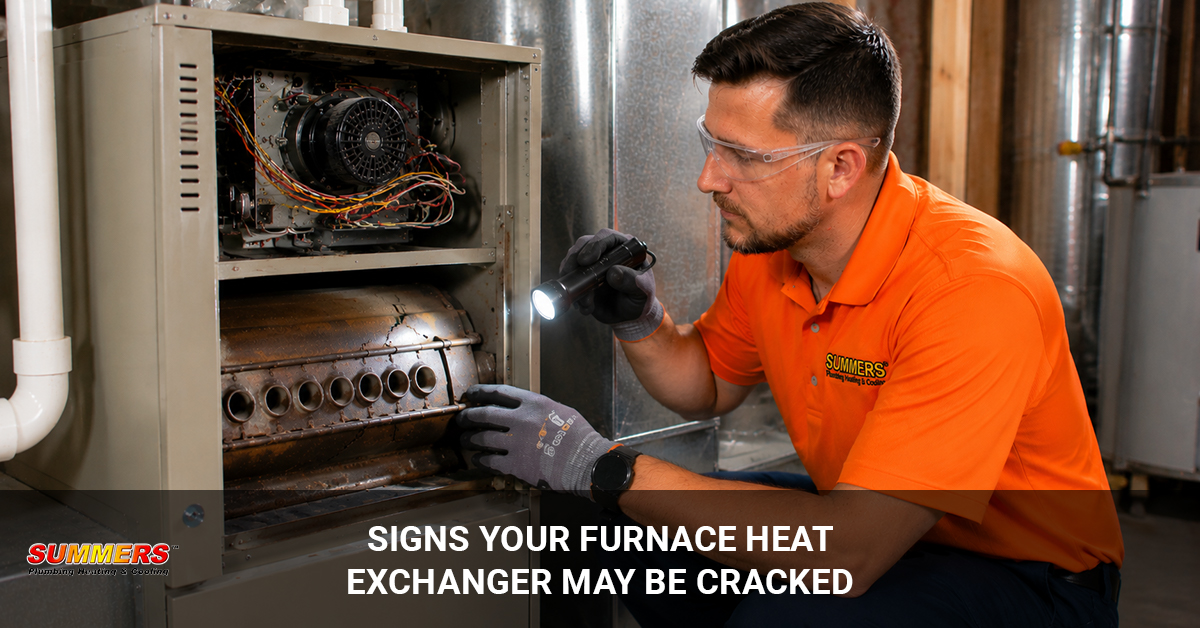
A cracked furnace heat exchanger can reduce your furnace’s heating performance and, in some cases, allow dangerous combustion gases like carbon monoxide to enter your home. Although this problem isn’t common, it’s one of the most serious furnace issues because it can affect both your comfort and your safety.
The difficult part is that a cracked heat exchanger doesn’t always produce obvious symptoms. Warning signs such as frequent furnace shutdowns, unusual odors, yellow burner flames, higher heating bills, or uneven heating can also be caused by other furnace problems. That’s why it’s important to recognize these signs early instead of assuming they’ll go away on their own.
In this guide, you’ll learn what a furnace heat exchanger does, the most common signs it may be cracked, what causes the damage, whether the heat exchanger can be repaired, and when it’s safer and more cost-effective to replace the furnace.
What Is a Furnace Heat Exchanger?
A furnace heat exchanger is the metal component that safely transfers heat from the furnace burners to the air circulating through your home while keeping harmful combustion gases separate from the air you breathe. It’s one of the most important safety and performance components in your heating system.
When your furnace burns natural gas or propane, the burners heat the metal walls of the heat exchanger. As the blower motor moves cooler household air across the outside of the heat exchanger, the air warms up before flowing through your ductwork and into each room.
Because the heat exchanger creates a sealed barrier between combustion gases and your home’s indoor air, it helps prevent dangerous gases, including carbon monoxide, from entering your living space. If the heat exchanger cracks, that protective barrier can be compromised, making prompt professional inspection essential.
What Does a Furnace Heat Exchanger Do?
A furnace heat exchanger heats the air in your home while safely keeping combustion gases separate from the air you breathe. It allows your furnace to produce warm air without letting harmful gases, such as carbon monoxide, enter your home’s living spaces.
Here’s how the heating process works:
- The thermostat calls for heat.
- The furnace burners ignite and produce hot combustion gases.
- The heat exchanger absorbs the heat from those gases.
- The blower motor pushes cooler indoor air across the outside of the heat exchanger.
- The air warms as it passes over the heat exchanger and is distributed through your ductwork.
- The combustion gases are safely vented outside your home.
A properly functioning heat exchanger is essential for both comfort and safety. If it becomes cracked or damaged, combustion gases may escape from the sealed chamber, reducing your furnace’s efficiency and creating a potential carbon monoxide hazard. That’s why any suspected heat exchanger problem should be inspected by a licensed HVAC professional as soon as possible.
Is a Cracked Heat Exchanger Dangerous?
Yes. A cracked heat exchanger can become a serious safety hazard because it may allow combustion gases, including carbon monoxide, to escape into your home’s air. While not every crack immediately leaks carbon monoxide, any suspected heat exchanger damage should be treated as a problem that requires prompt professional inspection.
A cracked heat exchanger can lead to:
- Carbon monoxide entering your home
- Reduced furnace efficiency
- Frequent furnace shutdowns
- Poor or uneven heating
- Damage to other furnace components
- Complete furnace failure if the problem is ignored
Modern furnaces are equipped with built-in safety controls that may shut the system down if they detect unsafe operating conditions. These safety features help reduce the risk of further damage, but they don’t repair the underlying problem or guarantee that the furnace is safe to operate.
If your carbon monoxide detector goes off, you smell natural gas, or an HVAC technician suspects your heat exchanger is cracked, turn off the furnace immediately. Leave your home if you suspect carbon monoxide exposure, and don’t use the furnace again until it has been inspected and declared safe by a licensed HVAC professional.
12 Signs Your Furnace Heat Exchanger May Be Cracked
1. Your Carbon Monoxide Detector Goes Off
A carbon monoxide detector that goes off is one of the most serious warning signs that your furnace may have a cracked heat exchanger. While other fuel-burning appliances can also trigger the alarm, you should always treat it as an emergency until the source is identified.
If your carbon monoxide detector activates:
- Turn off your furnace immediately.
- Move everyone outside to the fresh air.
- Call your gas utility or emergency services if needed.
- Do not turn the furnace back on until it has been inspected by a licensed HVAC technician.
Carbon monoxide is colorless, odorless, and potentially life-threatening. Never ignore a carbon monoxide alarm, even if your furnace appears to be heating normally.
2. Yellow or Flickering Burner Flame
A healthy gas furnace should produce steady blue burner flames. If the flames are yellow, orange, or flickering, it may indicate incomplete combustion or another problem that requires professional inspection.
Watch for signs such as:
- Yellow or orange burner flames
- Flickering or unstable flames
- Flames that move or dance unusually
- Burners that don’t ignite evenly
A cracked heat exchanger is one possible cause of abnormal burner flames, but it’s not the only one. Dirty burners, improper gas pressure, or venting problems can produce similar symptoms. Because these issues affect both furnace performance and safety, it’s important to have the system inspected by a licensed HVAC professional as soon as possible.
3. Soot Around the Furnace
Soot around your furnace is a sign that the combustion process isn’t working properly and should be inspected as soon as possible. Black residue around the burners, vent pipe, or furnace cabinet often indicates incomplete combustion, which can affect both your furnace’s performance and safety.
Common signs include:
- Black soot around the burner compartment
- Dark stains near the furnace
- Soot around vent pipe connections
- Black residue that returns after cleaning
Soot doesn’t always mean the heat exchanger is cracked, but it does indicate a combustion problem that needs professional diagnosis. Ignoring soot buildup can lead to reduced efficiency, poor heating performance, and potentially more serious furnace damage.
4. Strong Burning or Chemical Odor
A strong burning or chemical odor coming from your furnace is a warning sign that something isn’t operating normally. While a faint burning smell during the first heating cycle of the season is usually just dust burning off the heat exchanger, persistent or unusual odors should never be ignored.
Watch for signs such as:
- A burning smell that doesn’t go away
- Chemical-like odors while the furnace is running
- A burning odor every time the furnace starts
- Unusual smells along with poor heating performance
Persistent odors can be caused by a cracked heat exchanger, overheating electrical components, combustion problems, or other furnace issues. Because these problems can affect both safety and performance, have your furnace inspected promptly by a licensed HVAC technician.
5. Your Furnace Keeps Shutting Off
A furnace that keeps shutting off before completing a heating cycle may be responding to a safety issue, including a cracked heat exchanger. Modern furnaces are designed to shut down automatically when they detect conditions that could damage the system or create a safety risk.
You may notice:
- The burners ignite but quickly shut off.
- The furnace starts and stops repeatedly.
- Your home never reaches the thermostat setting.
- The blower continues running after the burners turn off.
Several problems can trigger these safety shutdowns, including:
- An overheating heat exchanger
- A cracked heat exchanger
- A faulty flame sensor
- A dirty air filter
- Restricted airflow
Because these symptoms can have several causes, it’s important to have your furnace inspected by a licensed HVAC technician. A professional diagnosis can identify the underlying problem and determine whether the heat exchanger has been damaged.
6. Visible Cracks or Damage During Inspection
Visible cracks or damage on a furnace heat exchanger are strong signs that the system should not continue operating until it’s professionally evaluated. Even a small crack can affect the safe operation of your furnace and may allow combustion gases to escape.
Signs of heat exchanger damage include:
- Hairline cracks
- Rust holes
- Split or separated metal seams
- Warped or distorted metal surfaces
Most of the heat exchanger is hidden inside the furnace, so homeowners usually can’t inspect it completely without disassembling the unit. During annual maintenance, HVAC technicians use specialized tools, mirrors, cameras, and other diagnostic equipment to inspect areas that aren’t easily visible.
If a technician confirms that the heat exchanger is cracked or otherwise damaged, don’t continue using the furnace until they’ve determined whether it can be safely repaired or if replacement is the better option.
7. Unusual Banging, Popping, or Clicking Noises
Unusual banging, popping, or clicking noises can be a warning sign that your furnace heat exchanger is under stress or has developed damage. While light ticking or popping as metal heats and cools is often normal, loud or repeated noises should be inspected by an HVAC professional.
You may hear:
- Loud banging or booming sounds
- Repeated popping during the heating cycle
- Clicking as the furnace heats up or cools down
- Metal snapping or creaking noises
These sounds don’t automatically mean the heat exchanger is cracked. Loose components, expanding ductwork, or ignition problems can produce similar noises. However, if the noises are new, becoming louder, or occur along with poor heating performance or frequent furnace shutdowns, schedule a professional inspection to identify the cause.
8. Poor Heating Performance
A cracked heat exchanger can reduce your furnace’s heating performance, making it harder to keep your home warm. As the damage worsens, the furnace may run longer while producing less heat, resulting in lower comfort and higher energy use.
Common signs include:
- Uneven temperatures throughout your home
- Longer heating cycles
- Rooms that never reach the thermostat setting
- Weak or inconsistent airflow from the vents
Poor heating performance isn’t always caused by a cracked heat exchanger. Dirty air filters, blower motor problems, thermostat issues, or restricted airflow can produce similar symptoms. A licensed HVAC technician can inspect your furnace and determine whether the heat exchanger or another component is responsible.
9. Higher Heating Bills
Higher heating bills can be a sign that your furnace is losing efficiency because of a damaged heat exchanger or another mechanical problem. If the heat exchanger isn’t working properly, your furnace may have to run longer and more often to maintain the same indoor temperature.
Watch for these warning signs:
- Higher-than-normal winter utility bills
- Longer furnace run times
- More frequent heating cycles
- Reduced comfort despite increased energy use
An increase in your heating bill doesn’t automatically mean the heat exchanger is cracked. Dirty air filters, aging components, thermostat problems, and other furnace issues can also reduce efficiency. If your energy costs continue to rise without a clear reason, have your heating system inspected by a licensed HVAC technician.
10. Flame Rollout
Flame rollout is a serious furnace safety problem that requires immediate professional attention. It occurs when the burner flames extend outside the combustion chamber instead of remaining safely inside it. Although a cracked heat exchanger is one possible cause, blocked vents, dirty burners, or venting problems can also lead to flame rollout.
Common signs include:
- Flames extending outside the burners
- A tripped flame rollout switch
- Burning or overheating odors
- Frequent furnace shutdowns
Never reset a flame rollout switch without finding the cause of the problem. Turn off your furnace immediately and contact a licensed HVAC professional. Continuing to operate a furnace with flame rollout can damage the heating system and create a significant fire or carbon monoxide hazard.
11. Rust or Corrosion Around the Heat Exchanger
Rust or corrosion around the heat exchanger can weaken the metal over time and increase the risk of cracks developing. While surface rust doesn’t always mean the heat exchanger has failed, it’s a warning sign that shouldn’t be ignored—especially on an older furnace.
Look for signs such as:
- Rust around the burner openings
- Corroded or discolored metal surfaces
- Flaking or deteriorating metal
- Moisture or water stains inside the furnace
Corrosion is often caused by moisture, condensation, poor venting, or years of normal wear. During annual maintenance, an HVAC technician can inspect the heat exchanger for corrosion and determine whether the damage is cosmetic or affecting the furnace’s safe operation.
12. Your Furnace Is 15–20 Years Old
A furnace that’s 15–20 years old is more likely to develop a cracked heat exchanger because years of heating and cooling cycles gradually weaken the metal. While age alone doesn’t mean the heat exchanger is damaged, the risk increases as the furnace gets older.
Signs that your furnace’s age may be contributing to the problem include:
- Frequent repairs
- Higher heating bills
- Uneven heating
- Increased operating noise
- Reduced reliability
If your furnace is 15–20 years old and showing several of the warning signs discussed in this guide, it may be more cost-effective to replace the system instead of investing in major repairs. A licensed HVAC technician can inspect your furnace, evaluate the condition of the heat exchanger, and help you decide whether repair or replacement is the better long-term solution.
What Causes a Furnace Heat Exchanger to Crack?
A furnace heat exchanger usually cracks because of age, overheating, restricted airflow, or poor maintenance. In most cases, the damage develops gradually over many years as the metal repeatedly expands and contracts during normal heating cycles.
Normal Wear and Age
Normal wear is the most common cause of a cracked heat exchanger. Every time your furnace heats up and cools down, the metal expands and contracts slightly. After thousands of heating cycles, this repeated stress can weaken the metal and eventually cause small cracks to form.
Overheating
Excessive heat puts extra stress on the heat exchanger and significantly increases the risk of cracking. When the heat exchanger gets hotter than it was designed to, the metal expands more than normal, speeding up wear and fatigue.
Common causes of overheating include:
- Dirty air filters
- Blocked supply or return vents
- Blower motor problems
- Restricted airflow
Dirty Air Filter
A clogged air filter restricts airflow across the heat exchanger, causing it to retain more heat than it should. Over time, this repeated overheating can shorten the life of the heat exchanger.
Replacing your furnace filter every 1–3 months is one of the easiest ways to protect your heating system.
Poor Maintenance
Skipping annual furnace maintenance allows small problems to grow into larger ones. Dirty burners, airflow restrictions, worn blower components, and other issues can all increase stress on the heat exchanger and reduce its lifespan.
Oversized Furnace
A furnace that’s too large for your home can short cycle, meaning it turns on and off more frequently than it should. These repeated heating and cooling cycles place additional stress on the heat exchanger, increasing the likelihood of metal fatigue over time.
Improper Installation
Improper furnace installation can lead to airflow problems, incorrect gas pressure, or poor system performance. These issues can cause the heat exchanger to overheat repeatedly, shortening its lifespan and increasing the risk of cracks.
Rust and Corrosion
Rust and corrosion gradually weaken the metal, making the heat exchanger more susceptible to cracking. Moisture caused by condensation, poor venting, or water leaks can accelerate corrosion, particularly in older furnaces.
Regular maintenance helps identify corrosion early and allows HVAC technicians to address moisture or venting problems before they cause more extensive damage.
Can You Inspect a Heat Exchanger Yourself?
You can check for a few common warning signs yourself, but only a licensed HVAC technician can confirm whether a furnace heat exchanger is cracked. Because most of the heat exchanger is hidden inside the furnace, a proper inspection requires specialized tools and experience.
Safe DIY Checks
Before scheduling a repair, you can safely perform these basic checks:
- Make sure your carbon monoxide detector is working properly.
- Look for yellow or flickering burner flames instead of steady blue flames.
- Check around the furnace for soot, rust, or corrosion.
- Replace a dirty furnace air filter.
- Listen for unusual banging, popping, or clicking noises.
- Watch for frequent furnace shutdowns or short heating cycles.
These simple checks can help you recognize potential warning signs, but they can’t confirm whether the heat exchanger is damaged.
Leave These Repairs to the Professionals
Never attempt to remove, repair, or weld a furnace heat exchanger yourself. Because the heat exchanger is part of the furnace’s combustion system, improper repairs can create serious safety hazards, including carbon monoxide leaks.
Always contact a licensed HVAC technician for:
- Heat exchanger inspection or replacement
- Furnace disassembly
- Gas valve repairs
- Burner cleaning and adjustment
- Welding or patching damaged metal
- Electrical troubleshooting
- Control board diagnostics and repairs
Professional technicians use specialized inspection methods, such as combustion analysis, inspection cameras, mirrors, and other diagnostic equipment, to determine whether a heat exchanger is cracked. If damage is confirmed, they’ll recommend the safest and most cost-effective repair or replacement option.
Repair or Replace a Cracked Furnace Heat Exchanger?
In many cases, replacing the furnace is the better long-term solution if the heat exchanger is cracked. If you’re unsure which option makes the most financial sense, our guide on repairing or replacing your furnace can help you compare costs, system age, and long-term value. While replacing the heat exchanger is sometimes possible, the repair can be expensive, and investing in a new furnace often provides better value, especially if the system is older or has a history of repairs.
| Repair May Make Sense If… | Replacement Is Usually Better If… |
| The furnace is less than 10 years old. | The furnace is 15–20 years old or older. |
| The heat exchanger is covered by the manufacturer’s warranty. | The warranty has expired. |
| The furnace is otherwise in good condition. | Repairs are becoming more frequent. |
| Labor costs are reasonable. | The repair cost is close to the price of a new furnace. |
| The system is still energy efficient. | Energy bills continue to rise despite maintenance. |
A cracked heat exchanger should never be patched, welded, or repaired as a temporary fix. Once the metal has cracked, the safest solution is to replace the heat exchanger or, in many cases, install a new furnace.
If you’re unsure which option is right for your home, ask a licensed HVAC technician to compare the repair cost, the expected remaining lifespan of your furnace, warranty coverage, and the energy savings a new high-efficiency system could provide. This information will help you make the most cost-effective long-term decision.
How Much Does Heat Exchanger Replacement Cost?
Replacing a furnace heat exchanger is one of the most expensive furnace repairs because it requires significant labor and extensive disassembly of the heating system. The total cost depends on your furnace model, warranty coverage, local labor rates, and whether replacing the entire furnace is the more practical option.
| Service | Typical Cost |
| Furnace inspection | $80–$200 |
| Heat exchanger replacement | $1,000–$3,500+ |
| Furnace replacement | Varies based on furnace size, efficiency, and installation requirements |
Several factors can affect the total cost of the repair, including:
- The age and model of your furnace
- Whether the heat exchanger is still covered by the manufacturer’s warranty
- Local labor rates
- The availability of replacement parts
- Whether other furnace components also need repair or replacement
Although some manufacturers cover the cost of a replacement heat exchanger under warranty, homeowners are often still responsible for labor charges, which can be substantial.
If your furnace is older, out of warranty, or requires additional major repairs, replacing the entire system may offer better long-term value. Reviewing the cost of furnace replacement can help you determine whether investing in a new, energy-efficient system is the better long-term decision. A new high-efficiency furnace can improve reliability, lower heating costs, and reduce the likelihood of future repair expenses.
How to Prevent Heat Exchanger Damage
Regular furnace maintenance is the best way to extend the life of your heat exchanger and reduce the risk of costly repairs. While no heat exchanger lasts forever, proper maintenance can help prevent overheating, reduce wear, and identify small problems before they become serious.
Replace the Air Filter Regularly
A clean air filter helps maintain proper airflow through your furnace, reducing stress on the heat exchanger and lowering the risk of overheating. Replace disposable filters or clean reusable filters every 1–3 months, or follow the manufacturer’s recommended maintenance schedule.
Schedule Annual Furnace Maintenance
Having your furnace professionally inspected every year is one of the most effective ways to protect the heat exchanger. A preseason tune-up allows an HVAC technician to identify worn or damaged components before they lead to expensive repairs.
During a typical maintenance visit, the technician will:
- Inspect the heat exchanger for signs of wear or damage
- Check the burners and the burner flame
- Test furnace safety controls
- Inspect the blower assembly
- Clean key furnace components
- Verify proper airflow
- Confirm the furnace is operating safely and efficiently
Keep Airflow Unrestricted
Good airflow helps keep the heat exchanger at the proper operating temperature. When airflow is restricted, the heat exchanger can overheat, increasing the risk of metal fatigue and cracking over time.
To maintain proper airflow:
- Keep supply and return vents fully open.
- Replace dirty air filters on schedule.
- Keep furniture, rugs, and curtains away from vents.
- Have your ductwork inspected if you notice weak airflow.
Address Furnace Problems Early
Small furnace problems can become much larger if they’re ignored. If you notice unusual noises, frequent cycling, poor heating performance, or rising energy bills, schedule a professional inspection before the issue places additional stress on the heat exchanger.
Keep the Furnace Area Clean
Dust, dirt, and clutter around your furnace can affect airflow and make maintenance more difficult. Keep the area around the unit clean and clear to help your furnace operate efficiently and allow technicians easy access during inspections.
Following these simple maintenance practices can help extend the life of your heat exchanger, improve your furnace’s efficiency, reduce the likelihood of unexpected breakdowns, and keep your home safely heated throughout the winter.
When Should You Call an HVAC Professional?
You should call an HVAC professional as soon as you notice signs that your furnace heat exchanger may be cracked. Because a damaged heat exchanger can allow combustion gases, including carbon monoxide, to escape, it should always be inspected using professional diagnostic equipment.
Schedule service immediately if you notice any of the following:
- Your carbon monoxide detector goes off.
- The burner flames are yellow, orange, or flickering.
- You see soot around the furnace or vent pipe.
- Your furnace repeatedly shuts off before completing a heating cycle.
- You smell a strong burning or unusual chemical odor.
- You hear loud banging, popping, or booming noises during operation.
- Your furnace isn’t heating your home properly.
- An HVAC technician finds visible cracks or damage during an inspection.
If you suspect your furnace has a cracked heat exchanger, turn the system off and don’t use it again until it has been professionally inspected. Acting quickly can help protect your home, prevent further damage, and determine whether repairing the heat exchanger or replacing the furnace is the safest and most cost-effective solution.
Frequently Asked Questions
What are the first signs of a cracked furnace heat exchanger?
The first signs of a cracked furnace heat exchanger often include frequent furnace shutdowns, yellow or flickering burner flames, soot around the furnace, unusual odors, poor heating performance, loud popping or banging noises, and higher heating bills. In some cases, a carbon monoxide detector alarm may be the first indication of a serious problem.
Can a cracked heat exchanger be repaired?
No. A cracked furnace heat exchanger cannot be safely repaired by patching, welding, or sealing the damaged metal. Depending on the age and condition of your furnace, the safest solution is usually to replace the heat exchanger or install a new furnace.
Is it safe to use a furnace with a cracked heat exchanger?
No. It’s not safe to operate a furnace with a cracked heat exchanger. A damaged heat exchanger can allow combustion gases, including carbon monoxide, to enter your home’s air supply. If you suspect the heat exchanger is cracked, turn off the furnace and contact a licensed HVAC professional immediately.
Can a cracked heat exchanger leak carbon monoxide?
Yes. A cracked heat exchanger can allow carbon monoxide and other combustion gases to escape from the combustion chamber instead of being safely vented outdoors. Every home with a fuel-burning furnace should have properly functioning carbon monoxide detectors for added protection.
How long does a furnace heat exchanger last?
Most furnace heat exchangers last 15 to 20 years, although their lifespan depends on factors such as maintenance, airflow, furnace usage, and overall system condition. Regular maintenance can help maximize the life of the heat exchanger.
Does every cracked heat exchanger require a new furnace?
Not always. If the furnace is relatively new and the heat exchanger is covered under the manufacturer’s warranty, replacing the heat exchanger may be a practical option. However, if the furnace is older, out of warranty, or requires other major repairs, replacing the entire furnace is often the more cost-effective long-term solution.
How do HVAC technicians confirm a cracked heat exchanger?
HVAC technicians use specialized diagnostic methods to inspect the heat exchanger for damage. Depending on the furnace and the suspected problem, they may perform a detailed visual inspection, use mirrors or inspection cameras, conduct combustion analysis, or use other professional testing equipment to confirm whether the heat exchanger is cracked.
Can regular maintenance prevent heat exchanger problems?
Regular maintenance can’t prevent every heat exchanger failure, but it can significantly reduce the risk. Annual furnace inspections, clean air filters, proper airflow, and timely repairs help prevent overheating, reduce wear on the heat exchanger, and identify potential problems before they become serious.
Final Thoughts
A cracked furnace heat exchanger is one of the most serious furnace problems because it can affect both your heating system’s performance and your family’s safety. While signs such as poor heating, yellow burner flames, soot buildup, unusual odors, higher energy bills, or frequent furnace shutdowns don’t always mean the heat exchanger is cracked, they should never be ignored.
Taking action early can help prevent more expensive repairs, reduce the risk of unexpected furnace failure, and ensure your heating system continues operating safely. If your carbon monoxide detector goes off, you notice signs of combustion problems, or an HVAC technician suspects the heat exchanger is damaged, turn off the furnace and have it inspected immediately.
The best way to reduce the risk of heat exchanger damage is through regular preventive maintenance. Replacing your air filter on schedule, keeping airflow unrestricted, and scheduling an annual furnace tune-up can help extend the life of your heating system and identify potential problems before they become serious. If a cracked heat exchanger is confirmed, a licensed HVAC technician can help you determine whether replacing the heat exchanger or installing a new, energy-efficient furnace is the safest and most cost-effective solution for your home.