
Why Does My Furnace Make a Banging Noise? Causes & Fixes
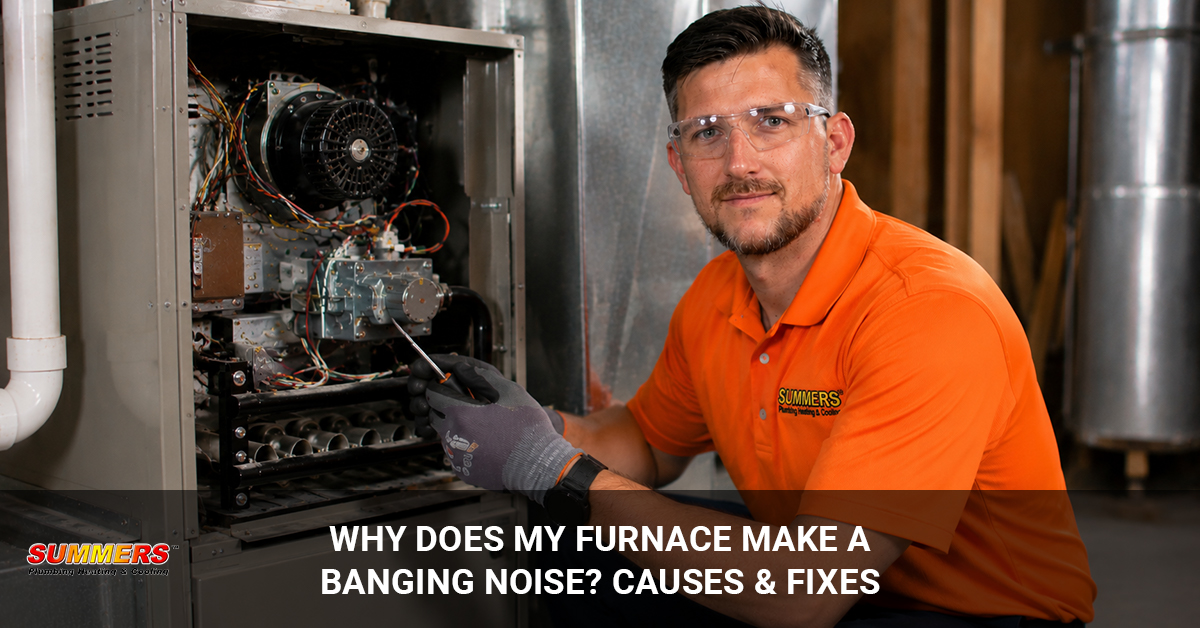
A furnace that makes a banging noise is usually experiencing a problem with the ignition system, airflow, ductwork, or another internal component. While some noises, such as light popping from expanding ductwork, are normal, loud or repeated banging often signals a problem that should be inspected before it leads to a more expensive repair.
The timing of the noise can provide important clues about the cause. A loud bang when the furnace starts may indicate delayed ignition, while popping sounds after the heating cycle ends are often caused by metal ductwork expanding and contracting as it cools. Knowing when the noise occurs can help narrow down the problem more quickly.
In this guide, you’ll learn the most common reasons a furnace makes a banging noise, how to tell whether the sound is normal or a warning sign, what you can safely check yourself, and when it’s time to call a licensed HVAC professional.
Is a Banging Furnace Dangerous?
A banging furnace can be dangerous if the noise is caused by delayed ignition, a gas-related issue, or a failing internal component. While an occasional pop from expanding metal ductwork is usually normal, loud bangs, booming sounds, or repeated knocking should never be ignored.
One of the easiest ways to narrow down the cause is to pay attention to when the noise happens. A loud bang when the furnace starts often points to an ignition problem, while popping noises after the heating cycle ends are commonly caused by metal ductwork expanding as it heats up and contracting as it cools.
Turn off your furnace and contact a licensed HVAC professional immediately if you notice:
- A loud boom or bang when the burners ignite
- The smell of natural gas
- Smoke or a persistent burning odor
- The furnace repeatedly shuts off during operation
- Your carbon monoxide detector goes off
Promptly addressing these warning signs can help prevent costly repairs, protect your heating system from further damage, and keep your home safe.
10 Common Causes of Furnace Banging Noises
1. Delayed Ignition (The Most Common Serious Cause)
Delayed ignition is one of the most common and serious reasons a furnace makes a loud banging noise. Instead of lighting immediately, natural gas builds up inside the burner compartment and ignites all at once, creating a loud boom or “whoosh.”
Common signs of delayed ignition include:
- A loud bang when the furnace starts
- A noticeable delay before the burners ignite
- Larger or uneven burner flames
- An occasional gas odor near the furnace
Delayed ignition is often caused by:
- Dirty or clogged burners
- A weak or failing furnace ignitor
- Improper gas pressure
- A faulty gas valve
Delayed ignition should never be ignored. Repeated gas buildup can damage the burners and heat exchanger, leading to more expensive repairs and potential safety concerns. If your furnace makes a loud boom every time it starts, turn it off and schedule a professional inspection as soon as possible.
A failing furnace ignitor is one of the most common causes of delayed ignition and should be inspected before it leads to more serious furnace damage.
2. Expanding and Contracting Ductwork
Expanding and contracting ductwork is one of the most common and harmless causes of furnace banging or popping noises. As warm air flows through the metal ducts, they expand. When the heating cycle ends and the ducts cool, they contract, producing popping or banging sounds.
You may notice:
- A single bang shortly after the furnace starts
- Popping sounds while the furnace is running
- Noise after the heating cycle ends
In most homes, these sounds are completely normal and don’t indicate a problem with the furnace itself.
However, if the banging is unusually loud or happens frequently, it may be caused by poorly supported ductwork, undersized ducts, or excessive air pressure inside the system. An HVAC technician can inspect the ductwork and recommend solutions if the noise becomes excessive.
3. Dirty Burners
Dirty burners can cause a furnace to make a banging noise by preventing the gas from igniting smoothly. When dirt, rust, or debris blocks the burners, gas can build up before it ignites, increasing the risk of delayed ignition and a loud boom during startup.
Signs that dirty burners may be causing the problem include:
- Uneven or irregular burner flames
- A delay before the furnace ignites
- A loud bang or boom during startup
- Reduced heating performance
Cleaning the burners is a routine part of professional furnace maintenance. Keeping them clean helps ensure smooth ignition, improves heating efficiency, and reduces the risk of delayed ignition.
4. Loose Blower Wheel or Blower Motor
A loose blower wheel or worn blower motor can cause repeated banging or knocking noises while your furnace is running. Unlike delayed ignition, which usually happens when the furnace starts, blower-related noises often continue throughout the entire heating cycle.
Common signs include:
- Rhythmic banging or knocking
- Vibrations inside the furnace cabinet
- Weak or uneven airflow
- Uneven heating throughout your home
- Noise that becomes louder as the blower speeds up
Ignoring blower problems can lead to additional wear on the motor and other moving parts. If the banging continues while the blower is running, have the furnace inspected promptly to prevent more extensive and expensive repairs.
5. Dirty Air Filter
A dirty air filter can cause banging or popping noises by restricting airflow through your furnace. When airflow is blocked, pressure builds inside the heating system, causing the ductwork to expand more forcefully and making loud popping or banging sounds.
Other signs of a clogged air filter include:
- Weak airflow from the vents
- Uneven heating throughout your home
- Longer heating cycles
- Higher energy bills
- Excess dust inside your home
Replacing a dirty air filter is one of the easiest and most affordable ways to improve furnace performance. Most disposable filters should be replaced every 1–3 months during the heating season, or as recommended by the manufacturer.
6. Cracked Heat Exchanger
A cracked heat exchanger can cause banging or popping noises and is one of the most serious furnace problems. As the heat exchanger expands and contracts during heating, existing cracks can widen, producing unusual noises and creating potential safety hazards.
Other warning signs include:
- Loud banging or popping sounds
- Burner flames that flicker or look irregular
- Soot or dark stains around the furnace
- A burning odor
- Frequent furnace shutdowns
A cracked heat exchanger can allow carbon monoxide to leak into your home, making it a problem that requires immediate attention. If you suspect a damaged heat exchanger or your carbon monoxide detector goes off, turn off your furnace immediately and contact a licensed HVAC professional.
7. Loose Furnace Panels or Internal Components
Loose furnace panels or internal components can cause rattling, vibrating, or banging noises while your furnace is running. As the blower motor operates, normal vibrations can cause loose metal parts to move and create unwanted noise.
Common sources include:
- Loose access panels
- Missing or loose screws
- Loose mounting brackets
- Vibrating metal covers
If the noise is coming from an exterior access panel, tightening the screws may solve the problem. However, if the banging appears to be coming from inside the furnace, don’t remove internal components yourself. A licensed HVAC technician can safely inspect and secure any loose parts.
8. Expanding Heat Exchanger
An expanding heat exchanger can produce light popping or banging noises as it heats up and cools down during normal operation. Some metal expansion is expected, but loud or repeated noises may indicate excessive wear or damage.
Normal heat exchanger sounds typically include:
- Light ticking
- Soft popping
- Brief expansion and contraction noises
If the noises become louder over time, occur during every heating cycle, or are accompanied by poor heating performance, unusual burner flames, or frequent system shutdowns, have your furnace inspected promptly. A damaged heat exchanger can reduce heating efficiency and may create serious safety risks if left unrepaired.
9. Airflow Problems
Restricted airflow can cause banging, popping, or booming noises by creating excess pressure inside your furnace and ductwork. When air can’t move through the system properly, your furnace works harder, reducing efficiency and placing extra strain on important components.
Common causes of restricted airflow include:
- Closed or blocked supply vents
- Blocked return vents
- Dirty air filters
- Undersized or damaged ductwork
- Furniture or curtains blocking vents
Poor airflow doesn’t just make your furnace noisier—it can also lead to uneven heating, longer heating cycles, and higher energy bills. Keeping vents open and replacing your air filter regularly helps maintain proper airflow and reduces unnecessary wear on your heating system.
10. Aging Furnace Components
Worn or aging furnace components can cause banging noises as parts loosen and vibration increases over time. As a furnace gets older, normal wear on the blower motor, bearings, mounts, and other moving parts can make the system noticeably louder.
Signs that your furnace’s age may be contributing to the noise include:
- Frequent repairs
- Increased operating noise
- Uneven heating
- Rising energy bills
- A furnace that’s 15 years old or older
If your furnace is becoming less reliable and repairs are becoming more frequent, it may be more cost-effective to replace the system rather than continue investing in repairs. A licensed HVAC technician can inspect your furnace and help you determine whether repair or replacement is the better long-term solution.
Other Furnace Noises and What They Mean
The type of noise your furnace makes can provide valuable clues about the underlying problem. While some sounds are a normal part of operation, others may indicate a mechanical, electrical, or airflow issue that should be inspected.
| Noise | Possible Cause |
| Banging or booming | Delayed ignition, loose blower components, or expanding ductwork |
| Clicking | Furnace ignitor or ignition system problems |
| Squealing | Worn blower motor bearings or a loose belt (older furnaces) |
| Grinding | Failing blower motor or worn motor bearings |
| Buzzing | Electrical issues, loose wiring, or a failing capacitor |
| Whistling | Dirty air filter or restricted airflow |
| Rattling | Loose access panels, screws, or internal components |
| Popping | Metal ductwork expands and contracts during heating and cooling |
A banging noise is only one symptom of a heating problem. Understanding other common furnace problems can help you identify issues before they lead to a complete system failure.
Light popping from ductwork is usually normal, especially when the furnace starts or stops. However, loud, persistent, or unusual noises should never be ignored. If your furnace suddenly becomes noisier than usual or the sound is accompanied by poor heating performance, unusual odors, or frequent shutdowns, schedule an inspection with a licensed HVAC technician to prevent further damage.
How to Tell Where the Noise Is Coming From
The location of a furnace banging noise can help identify its most likely cause. While the sound alone won’t confirm the exact problem, knowing where it starts can make troubleshooting easier and help an HVAC technician diagnose the issue more quickly.
Furnace Cabinet
Banging inside the furnace cabinet often points to a problem with the burners, blower assembly, or another internal component. If the noise seems to come directly from the furnace itself, it should be inspected to prevent further damage.
Burner Area
A loud bang or boom coming from the burner area during startup usually indicates delayed ignition. Because delayed ignition can damage the burners or heat exchanger, it should be repaired as soon as possible.
Blower Compartment
A banging or knocking noise that continues while the blower is running often indicates a loose blower wheel, a worn blower motor, or another blower-related issue. These problems typically become louder as the blower speed increases.
Ductwork
Banging or popping sounds that travel through your home’s ductwork are commonly caused by metal ducts expanding and contracting or by restricted airflow. While occasional popping is usually normal, loud or repeated banging may indicate ductwork that needs adjustment or repair.
Air Vents
Noises coming directly from supply or return vents often point to airflow problems. Dirty air filters, blocked vents, high static pressure, or undersized ductwork can all create unusual sounds as air moves through the system.
Paying attention to where the noise begins and whether it happens during startup, while the furnace is running, or after it shuts off can provide valuable information and help your HVAC technician identify the problem more efficiently.
Can You Fix a Banging Furnace Yourself?
Yes, you can safely check a few simple causes of a banging furnace, but most repairs should be left to a licensed HVAC technician. Problems involving natural gas, electrical components, or internal furnace parts require specialized tools and training to diagnose and repair safely.
Safe DIY Checks
Before calling for service, try these basic troubleshooting steps:
- Replace a dirty air filter.
- Make sure all supply and return vents are fully open.
- Check that furniture, rugs, or curtains aren’t blocking the vents.
- Tighten any loose exterior access panel screws.
- Listen carefully to determine whether the noise is coming from the furnace, ductwork, or air vents.
- Verify that the thermostat is set to Heat and the desired temperature.
- Inspect the area around the furnace for loose objects that could be vibrating against the unit.
These simple checks can sometimes resolve minor airflow restrictions or loose panels that cause banging or popping noises.
Leave These Repairs to the Professionals
Repairs involving gas, electricity, or internal furnace components should always be handled by a qualified HVAC technician.
Call a professional if your furnace needs:
- Delayed ignition diagnosis and repair
- Burner cleaning or adjustment
- Gas valve repairs
- Furnace ignitor replacement
- Blower motor or blower wheel repairs
- Heat exchanger inspection or replacement
- Electrical troubleshooting
- Control board testing and replacement
Attempting these repairs yourself can damage your furnace, void the manufacturer’s warranty, and create serious safety risks. A licensed HVAC technician can accurately diagnose the source of the noise and make the necessary repairs to restore safe and reliable operation.
How Much Does Furnace Noise Repair Cost?
The cost to repair a noisy furnace depends on the underlying cause of the problem. Simple fixes, such as replacing an air filter, are inexpensive, while repairs involving the blower motor, gas valve, or heat exchanger typically cost much more.
| Repair | Typical Cost |
| Diagnostic service call | $80–$200 |
| Air filter replacement | $10–$40 |
| Burner cleaning | $100–$300 |
| Furnace ignitor replacement | $150–$350 |
| Blower motor repair | $300–$700 |
| Gas valve replacement | $300–$700 |
| Heat exchanger repair or replacement | High cost (varies by furnace) |
| Furnace replacement | Varies by system size and efficiency |
Several factors can affect the total repair cost, including:
- The brand and model of your furnace
- The age of the heating system
- Local labor rates
- The availability of replacement parts
- Whether emergency or after-hours service is required
Addressing a furnace noise as soon as it starts is often the most cost-effective approach. Early repairs can prevent additional damage, reduce the risk of more expensive component failures, and help keep your furnace operating safely and efficiently.
How to Prevent Furnace Banging Noises
Regular furnace maintenance is the best way to prevent banging noises and keep your heating system running safely and efficiently. Many furnace problems develop gradually, and routine maintenance can catch them before they turn into costly repairs.
Replace Your Air Filter Regularly
A clean air filter helps maintain proper airflow and reduces unnecessary strain on your furnace. Replace disposable filters every 1–3 months, or follow the manufacturer’s recommended replacement schedule.
Schedule Annual Furnace Maintenance
Have your furnace professionally inspected and tuned up every year before the heating season begins. Annual maintenance helps identify worn or damaged components early, reducing the risk of unexpected breakdowns and noisy operation.
During a typical furnace tune-up, an HVAC technician will:
- Inspect the burners
- Clean the ignition system
- Test the furnace ignitor
- Check the blower assembly
- Inspect electrical connections
- Verify safe furnace operation
Routine maintenance improves efficiency, extends the life of your furnace, and helps prevent many common causes of banging noises.
Keep Supply and Return Vents Open
Open supply and return vents allow air to circulate properly throughout your home. Blocking vents with furniture, rugs, or curtains can increase air pressure inside the ductwork and contribute to popping or banging noises.
Address Small Problems Early
Small furnace problems rarely fix themselves. If you notice unusual noises, delayed ignition, weak airflow, or uneven heating, schedule a repair before the issue becomes more serious and expensive.
Keep the Furnace Area Clean
Dust, dirt, and clutter around your furnace can affect airflow and make routine maintenance more difficult. Keep the area around your furnace clean and leave enough clearance for safe operation and easy access during inspections.
By following these simple maintenance practices, you can reduce the risk of furnace banging noises, improve heating performance, lower energy costs, and help your furnace operate reliably for years to come.
When Should You Call an HVAC Professional?
You should call an HVAC professional if your furnace makes loud or repeated banging noises or shows signs of a heating, gas, or electrical problem. Prompt repairs can prevent further damage, improve your furnace’s performance, and help keep your home safe.
Schedule professional service if you notice any of the following:
- A loud bang or boom every time the furnace starts
- Your furnace isn’t heating your home properly
- The burners ignite with a delay or a loud boom
- The banging noise continues throughout the heating cycle
- You smell natural gas near the furnace
- You notice smoke or a persistent burning odor
- The furnace repeatedly shuts off before reaching the thermostat setting
- Your carbon monoxide detector goes off
- The furnace suddenly becomes much louder than normal
Don’t ignore these warning signs. Continuing to run a noisy furnace can lead to more expensive repairs, lower energy efficiency, or serious safety hazards. If you’re unsure whether the noise is normal, it’s always best to have your furnace inspected by a licensed HVAC technician before the problem gets worse.
Frequently Asked Questions
Why does my furnace make a loud banging noise when it starts?
A loud banging noise when your furnace starts is usually caused by delayed ignition. Instead of igniting immediately, gas builds up inside the burner compartment and then ignites all at once, creating a loud boom. Because delayed ignition can damage your furnace and create safety risks, it should be inspected by a licensed HVAC technician as soon as possible.
Is one loud bang from my furnace normal?
No. A loud bang during furnace startup is not considered normal. While light popping from expanding and contracting ductwork is common, a loud boom during ignition often indicates a problem with the burners, ignitor, or gas supply that needs professional attention.
Can a dirty air filter cause a banging noise?
Yes. A dirty air filter can restrict airflow, increase air pressure inside the ductwork, and contribute to popping or banging noises. Replacing a clogged filter is one of the first and easiest steps to improve furnace performance and reduce unnecessary noise.
Why do my heating ducts make popping sounds?
Heating ducts make popping sounds because the metal expands as warm air flows through the system and contracts as it cools. Occasional popping is usually normal, but loud or repeated banging may indicate excessive air pressure, undersized ductwork, or ducts that need additional support.
Is delayed ignition dangerous?
Yes. Delayed ignition is one of the most serious causes of furnace banging noises because it allows gas to accumulate before igniting. Over time, it can damage the burners and heat exchanger and may create a potential safety hazard if left unrepaired.
Should I turn off my furnace if it keeps banging?
Yes. If your furnace repeatedly makes loud banging noises, smells like natural gas, produces a burning odor, or isn’t heating your home properly, turn it off and contact a licensed HVAC professional before operating it again.
How much does it cost to repair a banging furnace?
The cost depends on the underlying problem. Minor repairs, such as replacing an air filter or cleaning the burners, may cost less than $200, while repairs involving the blower motor, gas valve, or heat exchanger can cost several hundred dollars or more.
Can annual maintenance prevent furnace noises?
Yes. Annual furnace maintenance is one of the best ways to prevent unusual furnace noises. During a tune-up, an HVAC technician inspects the burners, ignitor, blower assembly, electrical connections, and other key components, helping identify small problems before they become expensive repairs.
Final Thoughts
A furnace that makes a banging noise is usually warning you that something needs attention. While light popping from expanding ductwork is often normal, loud or repeated banging can indicate problems such as delayed ignition, dirty burners, restricted airflow, or worn internal components.
Paying attention to when the noise occurs, whether it happens during startup, while the furnace is running, or after it shuts off, can help narrow down the cause. However, if the noise continues, becomes louder, or is accompanied by poor heating performance, unusual odors, or repeated shutdowns, don’t wait to have it inspected. If your furnace is older and requires frequent repairs, it may be time to evaluate whether it’s better to repair or replace your furnace instead of continuing to invest in repairs. Early repairs are often less expensive and can help prevent more serious damage.
The best way to avoid unexpected furnace problems is through regular maintenance. Replacing your air filter on schedule, keeping vents open, and scheduling an annual furnace tune-up can improve efficiency, extend the life of your heating system, and reduce the risk of costly repairs. If your furnace continues making loud banging noises, a licensed HVAC technician can identify the cause and restore safe, reliable heating before a minor issue turns into a major breakdown.