
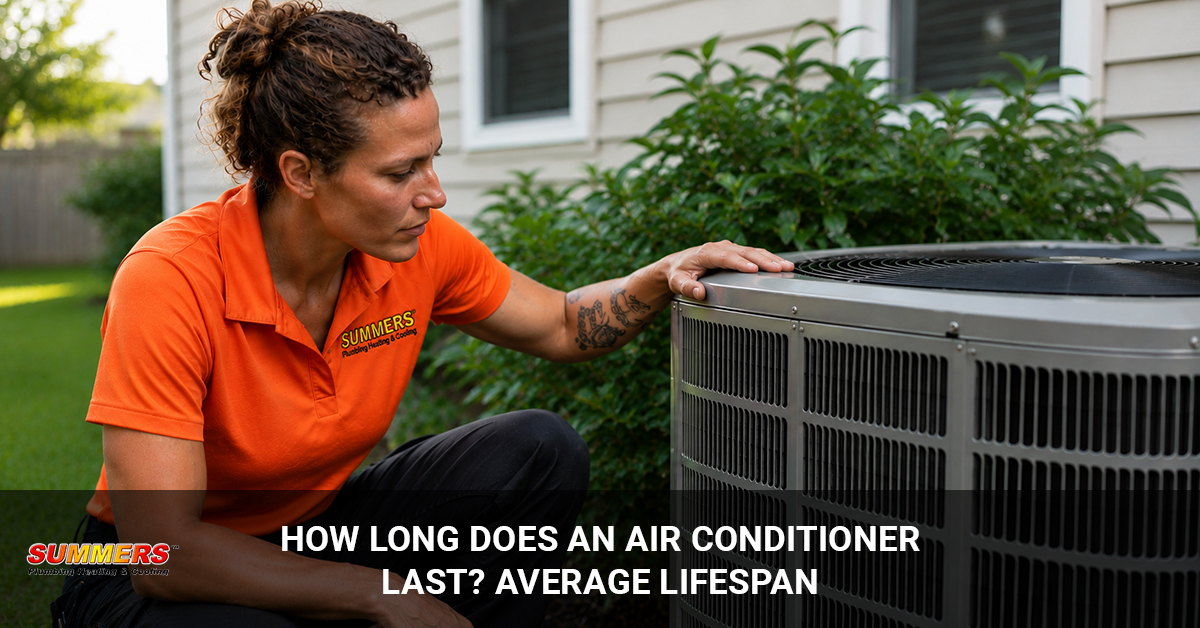
How Long Does an Air Conditioner Last? Average Lifespan
Most residential air conditioners last 10 to 15 years, but the actual lifespan depends on how well the system is installed, maintained, and used. Some air conditioners continue operating for 15 to 20 years, while others need replacement much sooner because of poor maintenance, heavy use, refrigerant problems, or installation issues.
Age is only one part of the equation. As an air conditioner gets older, major components such as the compressor, condenser fan motor, evaporator coil, and electrical controls naturally wear down. This often leads to longer cooling cycles, higher energy bills, more frequent repairs, and reduced cooling performance. In many cases, these changes happen gradually, making it difficult for homeowners to know whether a repair is still worthwhile or if replacement is the better investment.
The good news is that regular maintenance can significantly extend the life of an air conditioner. Simple steps such as replacing air filters, keeping the outdoor unit clean, repairing refrigerant leaks promptly, and scheduling annual HVAC maintenance reduce unnecessary strain on the system and help prevent expensive breakdowns. A well-maintained air conditioner not only lasts longer but also operates more efficiently, providing better comfort while using less electricity.
This guide explains how long different types of air conditioners typically last, the factors that affect their lifespan, the warning signs that indicate a system may be nearing replacement, and practical maintenance tips that can help you get the most value from your HVAC investment. Whether your air conditioner is five years old or approaching two decades of service, you’ll have the information you need to make confident repair and replacement decisions.
How Long Does an Air Conditioner Last?
Most residential air conditioners last 10 to 15 years, but the expected lifespan varies depending on the type of system, installation quality, maintenance, climate, and how often it’s used. While some well-maintained units continue operating for 20 years or more, others may require replacement much sooner because of heavy use, poor maintenance, or major component failures.
The table below shows the average lifespan of the most common residential air conditioning systems.
| Air Conditioner Type | Average Lifespan |
| Central Air Conditioner | 12–15 years |
| Heat Pump | 10–15 years |
| Ductless Mini-Split | 15–20 years |
| Window Air Conditioner | 8–12 years |
| Portable Air Conditioner | 5–10 years |
These estimates are based on normal residential use and should be viewed as general guidelines rather than guaranteed service lives. A professionally installed system that receives regular maintenance can often outlast these averages, while one that operates in a hot climate, runs almost year-round, or receives little maintenance may wear out much sooner.
Central Air Conditioners
Central air conditioners typically last 12 to 15 years with proper installation and regular maintenance.
Because they cool an entire home through a network of ducts, central AC systems often accumulate thousands of operating hours over their lifetime. Replacing air filters, cleaning condenser coils, maintaining the correct refrigerant charge, and scheduling annual HVAC tune-ups can help improve efficiency and extend their service life.
Heat Pumps
Heat pumps generally last 10 to 15 years, although lifespan varies depending on how they’re used.
Unlike a standard central air conditioner, a heat pump provides both cooling in the summer and heating in the winter. Because it often operates throughout the year instead of only during the cooling season, its components usually experience more wear. Routine maintenance becomes especially important for maximizing its lifespan.
Ductless Mini-Split Systems
Ductless mini-split systems often last 15 to 20 years when they’re properly maintained.
Mini-splits are highly energy efficient and allow homeowners to cool individual rooms or zones instead of the entire house. Since each indoor unit operates independently, the workload is often distributed more evenly, which can contribute to a longer service life compared to some traditional central air systems.
Window Air Conditioners
Window air conditioners typically last 8 to 12 years.
Their lifespan depends on factors such as usage, maintenance, and storage. Cleaning the air filter regularly, keeping the coils free of dirt, and storing the unit indoors during the off-season can help extend its life and improve cooling performance.
Portable Air Conditioners
Portable air conditioners generally last 5 to 10 years, making them the shortest-lasting type of residential cooling system.
These units are designed for temporary or supplemental cooling and are frequently moved from room to room. Regular movement, continuous operation, and smaller internal components can contribute to faster wear compared with permanently installed systems.
While knowing the average lifespan of your air conditioner is helpful, age alone shouldn’t determine whether you repair or replace it. A well-maintained 12-year-old system may still provide reliable cooling, while a poorly maintained 8-year-old unit may already be experiencing major problems. The overall condition of the system, repair history, energy efficiency, and operating costs are often more important than its age alone.
What Affects the Lifespan of an Air Conditioner?
The lifespan of an air conditioner depends on how well it’s installed, maintained, and operated throughout its life. While age is important, factors such as installation quality, climate, maintenance, airflow, refrigerant levels, and electrical performance often have a greater impact on how long an AC system remains reliable.
A well-maintained air conditioner can often exceed its expected lifespan, while one that’s neglected or installed incorrectly may require major repairs years earlier than expected. Understanding the factors below can help you maximize your system’s lifespan and avoid unnecessary repair costs.
Installation Quality
Proper installation is one of the most important factors in determining how long an air conditioner lasts.
Even a high-quality air conditioner won’t perform as intended if it’s installed incorrectly. A system that’s too large may short cycle, turning on and off frequently without removing enough humidity. A system that’s too small may run almost continuously, placing excessive strain on the compressor and other components.
A professional installation should include:
- Proper system sizing based on your home’s cooling load
- The correct refrigerant charge
- Proper airflow across the evaporator coil
- Well-designed and sealed ductwork
- Safe electrical connections and voltage verification
When these details are handled correctly, the air conditioner operates more efficiently, experiences less wear, and is more likely to reach its expected lifespan.
Regular Maintenance
Routine maintenance is one of the easiest ways to extend the life of an air conditioner.
Small maintenance tasks prevent dirt, restricted airflow, and minor mechanical issues from developing into expensive repairs. During an annual HVAC tune-up, a technician typically cleans the condenser and evaporator coils, checks refrigerant levels, inspects electrical components, tests system performance, and identifies worn parts before they fail.
Homeowners can also help protect their system by:
- Replacing or cleaning the air filter regularly
- Keeping supply and return vents unobstructed
- Removing leaves and debris from around the outdoor unit
- Paying attention to unusual noises, odors, or reduced cooling performance
Consistent maintenance reduces strain on the compressor, improves energy efficiency, and helps the system operate more reliably throughout its lifespan.
Climate and Weather
Climate has a direct impact on how long an air conditioner lasts because it determines how often the system has to run.
Homes in hot climates or areas with long cooling seasons typically place more wear on HVAC equipment than homes in milder regions. Coastal areas can also shorten equipment life because salt in the air accelerates corrosion of outdoor components, while high humidity forces the system to run longer as it removes both heat and moisture from indoor air.
Although you can’t control the weather, regular maintenance becomes even more important if your air conditioner operates under demanding conditions.
How Often You Use Your Air Conditioner
The more hours an air conditioner operates each year, the faster its components naturally wear.
For example, an AC in a vacation home that’s used only occasionally will often last longer than one in a primary residence where it runs daily throughout the summer. Longer operating hours mean more wear on the compressor, blower motor, fan motor, and electrical components.
You can reduce unnecessary wear by:
- Setting the thermostat to a reasonable temperature
- Using ceiling fans to improve air circulation
- Closing blinds or curtains during the hottest part of the day
- Sealing air leaks and improving insulation
Reducing your home’s cooling demand helps the system run more efficiently and can extend its service life.
Indoor Air Quality and Airflow
Good airflow is essential for both cooling performance and equipment longevity.
When airflow is restricted, the air conditioner has to run longer to remove heat from your home. Over time, this extra workload increases wear on the compressor, blower motor, and other critical components.
Common airflow problems include:
- Dirty air filters
- Blocked supply or return vents
- Dirty evaporator coils
- Leaking or poorly sealed ductwork
- Furniture or curtains blocking air vents
Keeping air moving freely through the system improves efficiency, reduces operating temperatures, and helps prevent unnecessary strain on the equipment.
Refrigerant Problems
Low refrigerant is one of the most common causes of premature compressor failure.
Unlike gasoline in a car, refrigerant isn’t consumed during normal operation. If refrigerant levels are low, the system almost always has a leak that should be repaired. Continuing to run an air conditioner with low refrigerant forces the compressor to work harder, increases operating temperatures, and can eventually lead to costly compressor damage.
Too much refrigerant can also create problems. An overcharged system operates at higher pressures, reducing efficiency and placing additional stress on the compressor. That’s why refrigerant should always be checked and adjusted by a qualified HVAC technician.
Power Surges and Electrical Problems
Electrical issues can shorten the life of an air conditioner even when the mechanical components are in good condition.
Loose wiring, failing capacitors, damaged contactors, voltage fluctuations, and lightning-related power surges can all damage sensitive electrical components or prevent the compressor from operating properly.
Installing a whole-home surge protector or an HVAC-specific surge protection device can help protect your system, especially in areas where thunderstorms or unstable electrical service are common. Regular electrical inspections can also identify worn components before they lead to unexpected breakdowns.
The condition of your air conditioner isn’t determined by a single factor. Systems that receive professional maintenance, have unrestricted airflow, maintain the correct refrigerant charge, and operate under normal conditions often last several years longer than those that are neglected. Paying attention to these factors can help you reduce repair costs, improve energy efficiency, and get the most value from your HVAC investment.
Signs Your Air Conditioner Is Near the End of Its Lifespan
An aging air conditioner usually shows several warning signs before it stops working completely. If your system is more than 10 years old and you’re dealing with declining performance, higher energy bills, or repeated repairs, it may be nearing the end of its useful life.
One symptom alone doesn’t always mean you need a replacement. However, when several of these warning signs appear together, continuing to repair an older system often becomes less cost-effective than investing in a new, more efficient air conditioner.
If you’re unsure whether it’s time for a new system, read our guide on when to replace your air conditioner to compare the warning signs and replacement timeline.
It Needs Frequent Repairs
Frequent repairs are one of the strongest signs your air conditioner is reaching the end of its lifespan.
It’s normal for any HVAC system to need occasional maintenance, but multiple repair visits within a short period often indicate that several components are wearing out at the same time. You might replace a capacitor one season, repair a refrigerant leak the next, and then face a compressor or blower motor problem a few months later.
If repair costs continue to add up year after year, ask your HVAC technician to compare the total cost of future repairs with the cost of replacing the system. For many older units, replacement offers better long-term value and greater reliability.
Energy Bills Keep Increasing
Rising energy bills often indicate that your air conditioner is becoming less efficient.
As components such as the compressor, fan motor, and coils wear over time, the system has to run longer to maintain the same indoor temperature. Longer cooling cycles increase electricity use, even if your home doesn’t feel any more comfortable.
Before assuming your air conditioner is to blame, check for other common causes, such as dirty air filters, poor insulation, blocked airflow, or unusually hot weather. If those issues have been ruled out and your utility bills continue to climb, your aging AC may be losing efficiency.
Learn more about the common causes of a high energy bill and how an aging air conditioner can affect your monthly utility costs.
It Doesn’t Cool Like It Used To
Reduced cooling performance is a common sign that your air conditioner is wearing out.
If your home takes much longer to cool, struggles to reach the thermostat setting, or feels less comfortable than it did a few years ago, your system may no longer have the capacity to keep up with your cooling needs.
Poor cooling isn’t always caused by age. Low refrigerant, dirty coils, clogged filters, duct leaks, or thermostat problems can produce similar symptoms. However, if these issues have been addressed and performance continues to decline, replacing the system may be the more practical long-term solution.
The Compressor or Evaporator Coil Has Failed
A failed compressor or evaporator coil is often a turning point in the repair-versus-replacement decision.
These are among the most expensive components in an air conditioning system. If you’re seeing warning signs before a complete breakdown, review these signs your AC compressor is failing to understand when professional repairs are needed. Replacing one can make sense if the unit is relatively new and otherwise in good condition. However, investing in a major repair for a system that’s already 12 to 15 years old may not be the best use of your money.
Before approving the repair, ask your HVAC technician to evaluate the overall condition of the system, its repair history, and its expected remaining lifespan. Looking at the entire system, not just the failed component, can help you make a more informed decision.
It Uses an Older Refrigerant
Older refrigerants can make repairs more expensive and less practical.
Many older air conditioners use refrigerants that have become increasingly expensive or difficult to obtain because of changing environmental regulations. If your system develops a refrigerant leak or requires major service, the repair cost may be significantly higher than it would be for a newer unit that uses a current refrigerant.
If your air conditioner is already approaching the end of its lifespan, replacing it with a newer, more energy-efficient model may provide better long-term value than continuing to repair an outdated system.
Uneven Cooling Throughout the Home
Uneven cooling can indicate that your air conditioner is no longer distributing cool air effectively.
You may notice that some rooms stay comfortable while others remain consistently warmer, even though the thermostat is set correctly. This can happen as older systems lose cooling capacity or struggle to maintain proper airflow.
Uneven temperatures aren’t always caused by an aging air conditioner. Leaking ductwork, blocked vents, poor insulation, or thermostat placement can also affect comfort. A professional inspection can determine whether the issue can be repaired or if it’s a sign that the system is nearing the end of its service life.
It Runs Almost Constantly
An air conditioner that rarely shuts off may no longer be able to cool your home efficiently.
Continuous operation increases wear on the compressor, fan motor, and other critical components while driving up electricity costs. Although it’s normal for an AC to run longer during extremely hot weather, it shouldn’t operate almost nonstop under typical summer conditions.
If your air conditioner runs continuously despite having a clean filter, proper thermostat settings, and routine maintenance, it may no longer have enough cooling capacity for your home. At that point, replacing the system may be more cost-effective than continuing to invest in repairs.
The key is to look at the overall pattern rather than a single symptom. An older air conditioner that needs frequent repairs, struggles to cool your home, runs longer than it used to, and causes rising energy bills is often telling you that it’s nearing the end of its lifespan. A professional HVAC inspection can help confirm the cause of these problems and determine whether repair or replacement is the better long-term investment.
Can an Air Conditioner Last More Than 20 Years?
Yes, an air conditioner can last more than 20 years, but it’s the exception rather than the rule. Most residential air conditioners are designed to last 10 to 15 years, and while some well-maintained systems continue operating beyond two decades, age alone doesn’t mean they’re still the most reliable or cost-effective option.
An air conditioner that reaches the 20-year mark has usually benefited from regular maintenance, quality installation, timely repairs, and moderate use. Systems in mild climates often last longer because they don’t have to run as often as those in areas with long, hot summers. However, even a well-maintained unit experiences normal wear on critical components such as the compressor, fan motors, coils, and electrical controls.
As an older system continues to age, you may notice several changes:
- Energy efficiency gradually declines.
- Cooling performance becomes less consistent.
- Major components are more likely to fail.
- Replacement parts may become harder or more expensive to obtain.
- Repair costs often increase from year to year.
- Older systems typically consume more electricity than modern high-efficiency models.
If your 20-year-old air conditioner still cools your home reliably and only requires minor maintenance, there may be no immediate reason to replace it. However, if it’s struggling to maintain comfortable temperatures, breaking down frequently, or causing your energy bills to rise, replacing it may save money over the long term.
Instead of focusing only on the system’s age, consider the bigger picture. Compare its repair history, operating costs, energy efficiency, refrigerant type, and overall reliability with the benefits of a newer system. In many cases, a modern air conditioner can provide more consistent cooling, lower utility bills, quieter operation, and fewer unexpected repairs, making replacement a worthwhile investment even if the old unit is still running.
Should You Repair or Replace an Older Air Conditioner?
Whether you should repair or replace an older air conditioner depends on its age, repair costs, overall condition, energy efficiency, and expected remaining lifespan. Minor repairs can often keep a well-maintained system running for several more years, but replacing the unit may be the smarter investment if major components have failed or repair costs continue to increase.
Before making a decision, ask your HVAC technician to diagnose the entire system rather than focusing on a single failed part. In many cases, replacing an inexpensive component such as a capacitor or contactor restores normal operation. However, if the compressor, evaporator coil, or multiple major components are nearing the end of their service life, replacement may offer better long-term value.
Our guide on AC replacement vs. repair explains how to compare repair costs, system age, and long-term value before making a decision.
| Repair May Make Sense If… | Replacement May Be Better If… |
| Your system is less than 10 years old. | Your system is more than 15 years old. |
| The repair is relatively minor. | The compressor or evaporator coil has failed. |
| The unit is still under the manufacturer’s warranty. | Repair costs are close to half the price of a new system. |
| The system has been reliable with few repairs. | The system breaks down frequently. |
| Energy efficiency is still good. | Energy bills continue to increase each year. |
The following factors can help you make the right decision.
Age of the System
The older your air conditioner is, the more carefully you should evaluate major repair costs.
If your system is less than 10 years old and has a good maintenance history, repairing it is often the most economical option. On the other hand, if it’s 15 years old or older and beginning to develop multiple problems, replacing it may reduce future repair costs while improving comfort and reliability.
Repair Costs
Compare the cost of today’s repair with the long-term cost of keeping the system.
Replacing an expensive component may restore cooling temporarily, but it doesn’t stop other aging parts from wearing out. If you expect additional repairs over the next few years, replacing the system may provide better overall value than continuing to invest in an aging unit. If replacement is the better option, here’s what to expect for a new AC system cost before planning your investment.
Many HVAC professionals recommend considering replacement when a major repair represents a significant percentage of the cost of a new air conditioner, especially if the system is already near the end of its expected lifespan.
Warranty Coverage
Warranty coverage can make a major repair much more affordable.
If the compressor or another expensive component is still covered by the manufacturer’s warranty, repairing the system may be the most practical choice. Before approving the work, ask whether labor, refrigerant, diagnostic fees, and replacement parts are included, as these costs are often billed separately.
Energy Efficiency
A newer air conditioner can lower both your energy bills and long-term operating costs.
Modern systems use more efficient compressors, improved fan motors, and higher-efficiency designs to cool homes while consuming less electricity. If your current air conditioner runs for long periods or causes unusually high utility bills, replacing it with a high-efficiency model may reduce monthly energy costs enough to offset part of the upfront investment over time.
Overall System Condition
Don’t base your decision on a single failed component.
A compressor failure may seem like the biggest problem, but it’s important to evaluate the condition of the entire HVAC system. If the evaporator coil, condenser coil, blower motor, electrical controls, and refrigerant lines are still in good condition, repairing the system could provide several more years of dependable service.
However, if multiple major components are showing signs of wear, the air conditioner has a history of frequent breakdowns, or the system uses an older refrigerant that’s becoming more expensive to service, replacing the entire unit is often the more practical and cost-effective choice.
If you’ve decided replacement is the better long-term option, our AC installation professionals can help you choose the right system for your home’s size, budget, and energy-efficiency goals.
How to Make Your Air Conditioner Last Longer
The best way to make your air conditioner last longer is through regular maintenance and prompt repairs. While every AC system eventually reaches the end of its lifespan, proper care can reduce wear, improve energy efficiency, and help you avoid many of the problems that lead to premature replacement.
Most major HVAC repairs don’t happen overnight. They often begin with small issues—such as a dirty air filter, restricted airflow, low refrigerant, or neglected maintenance—that gradually place more stress on the compressor and other critical components. Addressing these problems early can help your system operate more reliably for years.
Replace Air Filters Regularly
A clean air filter improves airflow and reduces strain on your air conditioner.
When the filter becomes clogged with dust and debris, the system has to run longer to circulate air throughout your home. This extra workload increases wear on the blower motor and compressor while reducing cooling efficiency.
Check your air filter every month during the cooling season and replace it according to the manufacturer’s recommendations. Homes with pets, smokers, or higher dust levels often need more frequent filter changes.
Schedule Annual HVAC Maintenance
Professional maintenance is one of the most effective ways to extend the life of an air conditioner.
During an annual tune-up, an HVAC technician inspects electrical components, measures refrigerant levels, cleans the condenser and evaporator coils, checks system performance, and identifies worn parts before they lead to expensive repairs.
Routine maintenance not only improves reliability but also helps your air conditioner operate at peak efficiency throughout the cooling season.
Keep the Outdoor Unit Clean
The outdoor condenser unit needs unrestricted airflow to remove heat efficiently.
Leaves, grass clippings, dirt, and other debris can block airflow and trap heat around the condenser. As operating temperatures increase, the compressor has to work harder, accelerating wear over time.
Keep at least two feet of clearance around the outdoor unit and avoid storing tools, lawn equipment, or other objects nearby. Trimming shrubs and vegetation regularly also helps maintain proper airflow.
Clean the Condenser Coils
Clean condenser coils allow your air conditioner to release heat more efficiently.
Over time, dirt and debris build up on the coils, reducing heat transfer and forcing the compressor to operate at higher temperatures. This not only increases electricity use but also shortens the lifespan of the system.
Having the condenser coils cleaned during routine HVAC maintenance helps improve cooling performance and reduces unnecessary stress on the compressor.
Repair Refrigerant Leaks Promptly
Repairing refrigerant leaks quickly helps prevent serious compressor damage.
Refrigerant isn’t consumed during normal operation, so low refrigerant almost always indicates a leak. Continuing to run the system without repairing the leak forces the compressor to work harder, increasing operating temperatures and the risk of premature failure.
Rather than simply adding refrigerant, have a qualified HVAC technician locate the leak, repair it, and recharge the system to the correct specifications.
Seal Air Leaks Around Your Home
Reducing heat gain helps your air conditioner cool your home more efficiently.
Air leaks around windows, doors, attic openings, and ductwork allow warm outdoor air to enter your home. As a result, the air conditioner runs longer to maintain the thermostat setting.
Sealing air leaks, improving insulation, and keeping conditioned air inside your home reduce cooling demand and help extend the life of your HVAC system.
Use a Smart Thermostat
A smart thermostat helps reduce unnecessary operating hours.
Programming higher temperatures while you’re away from home prevents the air conditioner from running when it’s not needed. Many smart thermostats also learn your schedule, optimize cooling cycles, and provide energy reports that can help lower electricity consumption over time.
Reducing unnecessary run time decreases wear on major components and can contribute to a longer system lifespan.
Protect Your System From Power Surges
Power surges can damage sensitive HVAC components in an instant.
Lightning strikes, utility power fluctuations, and electrical spikes can damage compressors, capacitors, contactors, and control boards. Installing a whole-home surge protector or an HVAC-specific surge protection device provides an extra layer of protection against unexpected electrical damage.
This investment is especially worthwhile if you live in an area where thunderstorms or unstable electrical service are common.
Frequently Asked Questions
How long should a central air conditioner last?
Most central air conditioners last 12 to 15 years with proper installation, annual maintenance, and normal use. Systems that receive regular tune-ups, have clean air filters, and maintain proper refrigerant levels can sometimes operate reliably for 15 to 20 years, although cooling efficiency typically declines as the system ages.
Is a 20-year-old air conditioner worth repairing?
Usually not. If a 20-year-old air conditioner needs a major repair, replacing the system is often the better long-term investment. Older units are generally less energy efficient, more likely to experience additional breakdowns, and may use older refrigerants that are more expensive or harder to obtain. However, if the repair is minor and the system has otherwise been reliable, repairing it may still be a reasonable short-term solution.
How do I know when it’s time to replace my AC?
It’s usually time to consider replacing your air conditioner if it needs frequent repairs, struggles to cool your home, causes rising energy bills, or has a failed compressor or evaporator coil. Age also matters. If your system is more than 15 years old and repair costs continue to increase, replacement often provides better long-term value than continuing to repair an aging unit.
Can regular maintenance extend an air conditioner’s lifespan?
Yes. Regular maintenance can significantly extend an air conditioner’s lifespan by improving airflow, maintaining the correct refrigerant charge, reducing strain on the compressor, and identifying worn components before they fail. Annual HVAC tune-ups, clean air filters, and routine coil cleaning are some of the most effective ways to maximize system life.
Which type of air conditioner lasts the longest?
Ductless mini-split systems generally have the longest average lifespan, often lasting 15 to 20 years with proper maintenance. However, the actual lifespan depends on factors such as installation quality, climate, maintenance history, and how heavily the system is used.
Does running the AC all day shorten its lifespan?
Not necessarily. Air conditioners are designed to run for extended periods during hot weather. However, if the system runs continuously because of low refrigerant, dirty coils, restricted airflow, poor insulation, or incorrect sizing, the additional workload can increase wear on major components and reduce its lifespan.
Does replacing the compressor extend the life of the AC?
It can. Replacing a failed compressor in a newer air conditioner that’s otherwise in good condition may provide several more years of reliable service. However, if the system is older, has a history of frequent repairs, or has other worn components, replacing the entire air conditioner is often the more practical and cost-effective option.
What is the most expensive AC component to replace?
The compressor is usually the most expensive component to replace in a residential air conditioner. Because it’s responsible for circulating refrigerant through the system, compressor replacement typically involves significant labor and material costs. Before replacing a failed compressor, it’s important to compare the repair cost with the age, condition, and remaining lifespan of the entire system to determine whether replacement offers better value.
Final Thoughts
Most residential air conditioners last 10 to 15 years, but regular maintenance, proper installation, and timely repairs often have a greater impact on lifespan than age alone. A well-maintained system can provide reliable cooling for many years, while a neglected one may require major repairs much sooner.
As your air conditioner gets older, pay attention to how it performs, not just how old it is. Frequent repairs, rising energy bills, uneven cooling, longer run times, and declining efficiency are all signs that the system may be nearing the end of its service life. Identifying these problems early gives you more time to compare repair and replacement options before a complete breakdown leaves you without cooling.
Routine maintenance remains the best way to protect your investment. Replacing air filters, keeping the outdoor unit clean, scheduling annual HVAC tune-ups, and repairing refrigerant leaks or electrical problems promptly can improve efficiency, reduce wear on critical components, and help your air conditioner last as long as possible.
If major repairs become more frequent or expensive, look beyond the immediate repair cost. Consider your system’s age, repair history, warranty coverage, refrigerant type, energy efficiency, and expected remaining lifespan. In many cases, replacing an older air conditioner with a newer, high-efficiency model can lower energy bills, improve indoor comfort, and reduce the likelihood of unexpected repairs.
If you’re unsure whether your air conditioner is worth repairing, have it inspected by a qualified HVAC technician. If your system is nearing the end of its lifespan, schedule an AC installation consultation to compare replacement options and find the most energy-efficient solution for your home. A professional assessment can identify the root cause of any problems, estimate the system’s remaining service life, and help you choose the solution that offers the best long-term value for your home.