
How to Lower Heating Bills in Franklin, Indiana
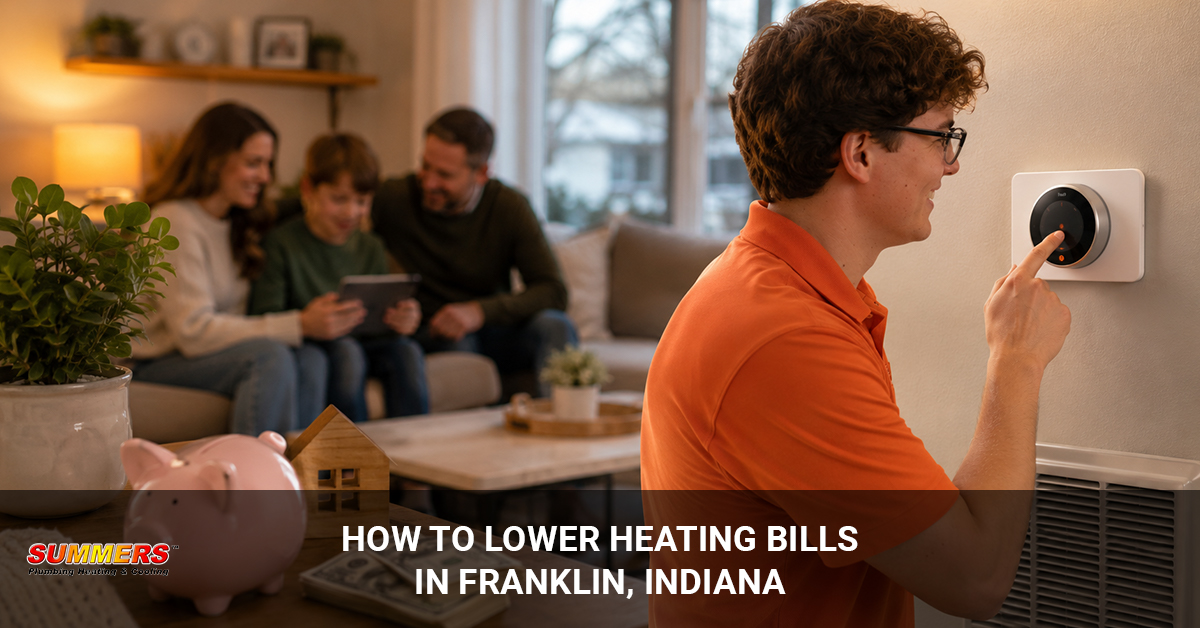
Most homeowners in Franklin, Indiana, can lower their heating bills by improving furnace efficiency, reducing heat loss, sealing air leaks, upgrading insulation, and adopting a few simple energy-saving habits. Even small improvements can make a noticeable difference in monthly utility costs while keeping your home comfortable throughout the winter.
Heating bills often rise during Indiana winters because furnaces run longer and work harder to maintain indoor temperatures. Older heating systems, poor insulation, dirty air filters, and hidden air leaks can force your furnace to use more energy than necessary. As a result, many homeowners end up paying more each month without realizing where that extra cost is coming from.
The good news is that lowering heating bills doesn’t always require a major investment. In many cases, routine maintenance, improved airflow, better thermostat settings, and a few home efficiency upgrades can significantly reduce energy waste. These changes not only lower costs but can also improve comfort and extend the life of your heating system.
Whether you’re dealing with unusually high heating bills or simply looking for ways to save money this winter, there are several proven strategies that can help. From maintaining your furnace to improving insulation and upgrading outdated equipment, every step toward greater efficiency can lead to long-term savings.
In this guide, you’ll learn the most effective ways to lower heating bills in Franklin, Indiana, understand what may be driving your energy costs higher, and find practical solutions that can help you stay warm while spending less on heating throughout the winter season.
Understanding Why Heating Bills Increase
Heating bills increase when your home loses heat or your furnace must work harder than necessary to maintain a comfortable temperature. In Franklin, Indiana, cold winter weather naturally increases heating demand, but factors such as aging equipment, poor insulation, air leaks, and lack of maintenance can push energy costs even higher.
Understanding what’s causing your heating bills to rise is the first step toward reducing them. Once you identify the source of energy waste, you can take targeted actions to improve efficiency and lower monthly costs.
Cold Indiana Winters Increase Heating Demand
Cold outdoor temperatures are one of the biggest reasons heating bills rise during the winter. As temperatures drop, your furnace must run longer and more often to maintain a comfortable indoor environment.
This increased workload typically leads to:
- Higher fuel consumption
- Longer heating cycles
- Increased energy usage
- Higher monthly utility bills
While weather is something homeowners can’t control, improving home efficiency can help reduce the impact of cold temperatures on heating costs.
Aging Heating Systems Use More Energy
Older furnaces generally consume more energy than newer systems. As heating equipment ages, normal wear and tear can reduce efficiency and force the system to work harder to produce the same amount of heat.
Common signs that an aging furnace may be increasing your heating costs include:
- Rising utility bills
- Longer run times
- Uneven heating
- Reduced airflow
- Frequent repairs
If your furnace is more than 15 years old, it may be costing significantly more to operate than a modern high-efficiency system. Many homeowners first notice HVAC efficiency issues when dealing with unexpectedly high energy bills during the winter months.
Air Leaks and Poor Insulation Waste Heat
Air leaks and inadequate insulation are among the most common causes of high heating bills. Even a highly efficient furnace will struggle if warm air continuously escapes from your home.
Common areas where heat loss occurs include:
- Windows
- Exterior doors
- Attics
- Basements
- Crawl spaces
- Utility penetrations
When heat escapes, your furnace must replace that lost warmth, causing it to run longer and consume more energy.
Signs of heat loss often include:
- Drafty rooms
- Cold spots
- Uneven temperatures
- High utility bills
Sealing air leaks and improving insulation can significantly reduce heating costs while improving comfort.
Poor HVAC Maintenance Reduces Efficiency
A neglected heating system cannot operate at its best. Dirt, dust, and worn components can reduce efficiency and increase the amount of energy required to heat your home.
Common maintenance-related issues include:
- Dirty air filters
- Dust buildup on components
- Restricted airflow
- Dirty blower assemblies
- Reduced heating performance
Even simple maintenance tasks can have a noticeable impact on efficiency and operating costs.
Small Problems Can Lead to Higher Bills
Many homeowners assume rising heating costs are caused solely by colder weather, but small efficiency issues often play a major role.
Examples include:
- Clogged air filters
- Leaky ductwork
- Poor thermostat settings
- Dirty furnace components
- Insufficient insulation
When multiple issues occur at the same time, heating costs can increase dramatically.
Why Identifying the Cause Matters
The most effective way to lower heating bills is to identify what’s causing energy waste. Once you understand whether the problem is related to your furnace, insulation, airflow, or home efficiency, you can focus on the improvements that will deliver the greatest savings.
For many Franklin homeowners, a combination of regular furnace maintenance, improved insulation, air sealing, and efficient thermostat use can make a significant difference in both comfort and monthly energy costs.
Schedule Annual Furnace Maintenance
Annual furnace maintenance is one of the easiest and most effective ways to lower heating bills. A professionally maintained furnace runs more efficiently, uses less energy, and is less likely to develop costly problems during the winter.
Many homeowners don’t think about their furnace until something goes wrong. However, routine maintenance helps keep the system operating at peak performance and can prevent small issues from turning into expensive repairs.
Why Furnace Tune-Ups Save Money
A furnace tune-up can reduce heating costs by improving system efficiency and ensuring all components are working properly.
Routine maintenance can help:
- Improve energy efficiency
- Reduce fuel consumption
- Lower monthly heating bills
- Extend equipment lifespan
- Improve indoor comfort
- Prevent unexpected breakdowns
Even a small increase in furnace efficiency can lead to noticeable savings throughout the heating season.
How Maintenance Improves Furnace Efficiency
Over time, dust, dirt, and normal wear can reduce furnace performance. When components become dirty or worn, the system often needs to work harder to produce the same amount of heat.
Professional maintenance helps by:
- Improving airflow
- Cleaning critical components
- Identifying worn parts
- Optimizing system performance
- Reducing unnecessary strain on the furnace
A well-maintained system typically heats the home faster and uses less energy.
What Professional Maintenance Includes
A professional furnace tune-up involves a thorough inspection and cleaning of key system components.
Services often include:
- Cleaning furnace components
- Inspecting burners
- Checking airflow
- Testing safety controls
- Verifying thermostat operation
- Inspecting electrical connections
- Examining venting systems
- Checking blower performance
These services help ensure the furnace operates safely and efficiently throughout the winter.
Preventing Costly Repairs
Regular maintenance can identify potential problems before they become major repairs.
Technicians may detect:
- Worn components
- Loose electrical connections
- Airflow restrictions
- Ignition issues
- Safety concerns
Addressing these issues early is often far less expensive than dealing with a mid-winter furnace breakdown.
Improved Comfort Throughout the Home
A properly maintained furnace doesn’t just save money—it also improves comfort.
Benefits often include:
- More consistent temperatures
- Better airflow
- Faster heating cycles
- Reduced hot and cold spots
- More reliable operation
These improvements can make a noticeable difference during Franklin’s coldest months.
How Often Should a Furnace Be Serviced?
Most HVAC professionals recommend scheduling furnace maintenance once per year. The best time for a tune-up is typically in the fall before the heating season begins.
Annual maintenance helps ensure your system is prepared for winter and reduces the risk of unexpected problems when you need heat the most.
Maintenance Costs Less Than Most Repairs
Many homeowners skip maintenance to save money, but routine service is often far less expensive than emergency repairs or premature equipment replacement.
A yearly tune-up can help:
- Reduce heating costs
- Extend furnace life
- Improve reliability
- Avoid costly breakdowns
For many Franklin homeowners, annual furnace maintenance is one of the smartest investments they can make to lower heating bills and protect their heating system.
A Simple Step That Pays Off
If you’re looking for ways to reduce heating expenses, scheduling annual furnace maintenance should be near the top of the list. A professional tune-up helps your system operate efficiently, improves comfort, and can save money throughout the winter while helping your furnace last longer.
Replace Dirty Air Filters Regularly
Replacing dirty air filters is one of the simplest and most cost-effective ways to lower heating bills. A clean filter allows your furnace to move air efficiently throughout the home, helping the system heat your space with less effort and less energy.
Many homeowners overlook air filters, but a clogged filter can have a surprisingly large impact on heating performance, comfort, and monthly utility costs.
Dirty Filters Increase Heating Costs
A dirty air filter restricts airflow, forcing the furnace to work harder to circulate warm air throughout the home.
When airflow is restricted, the furnace may:
- Run longer than necessary
- Use more energy
- Struggle to maintain temperature
- Experience increased wear and tear
- Deliver uneven heating
The harder your furnace works, the more energy it consumes, which often leads to higher heating bills.
How Restricted Airflow Affects Your Furnace
Proper airflow is essential for efficient furnace operation. When a filter becomes clogged with dust, dirt, and debris, airflow decreases and system performance suffers.
Restricted airflow can cause:
- Reduced heating efficiency
- Longer heating cycles
- Higher fuel consumption
- Increased strain on components
- Premature equipment wear
Over time, a simple dirty filter can contribute to more expensive repairs and a shorter furnace lifespan.
How Often Should Furnace Filters Be Replaced?
Most homeowners should inspect their furnace filters once a month and replace them every one to three months.
However, replacement frequency depends on several factors, including:
- Filter type
- Household size
- Number of pets
- Indoor air quality
- Furnace usage
Homes with pets, allergies, or higher dust levels often require more frequent filter changes.
Signs Your Filter Needs Replacement
A furnace filter should be replaced when it begins restricting airflow or shows visible signs of dirt buildup.
Common warning signs include:
- Dust accumulation on the filter
- Weak airflow from vents
- Higher-than-normal energy bills
- Increased furnace run times
- Visible dirt and debris
- Uneven heating throughout the home
If you’re unsure whether a filter needs replacing, a visual inspection is usually the quickest way to check its condition.
Benefits of Changing Filters Regularly
Routine filter replacement provides several advantages beyond lower heating bills.
Benefits include:
- Improved furnace efficiency
- Better indoor air quality
- Stronger airflow
- Reduced energy consumption
- Longer equipment lifespan
- Fewer repair issues
A clean filter helps the entire HVAC system operate more effectively.
Better Indoor Air Quality
Furnace filters help capture airborne particles before they circulate through your home.
Replacing filters regularly can help reduce:
- Dust
- Pet dander
- Pollen
- Airborne debris
- Other contaminants
Cleaner air can improve comfort and support healthier indoor living conditions. Upgrading to whole-home HEPA filters can help improve filtration efficiency while supporting better airflow and cleaner indoor air.
A Small Maintenance Task With Big Savings
Few home maintenance tasks are as simple and affordable as changing a furnace filter. It takes only a few minutes, but it can help reduce heating costs, improve airflow, and protect your furnace from unnecessary wear.
For Franklin homeowners looking for an easy way to lower winter heating bills, regular filter replacement is one of the most effective first steps to take.
Make Filter Changes Part of Your Routine
Checking your furnace filter every month can help you catch airflow problems before they affect comfort or increase energy costs. Combined with annual furnace maintenance, regular filter changes can help keep your heating system running all winter efficiently.
Upgrade to a Smart Thermostat
Upgrading to a smart thermostat is one of the most effective ways to lower heating bills without sacrificing comfort. These devices automatically adjust temperatures based on your schedule, helping your furnace run only when heating is actually needed.
Unlike traditional thermostats, smart thermostats can learn your habits, make automatic adjustments, and give you greater control over your home’s energy usage. If your heating system is aging, combining smart thermostat technology with a newer furnace can maximize efficiency and help offset future furnace replacement cost concerns.
Smart Thermostats Can Reduce Heating Costs
Smart thermostats help reduce energy waste by preventing unnecessary heating when the home is empty or when occupants are sleeping.
Benefits include:
- Automatic scheduling
- Remote access through smartphone apps
- Energy usage tracking
- Improved efficiency
- Customized temperature settings
- Greater convenience
By reducing unnecessary furnace operation, many homeowners see noticeable savings on their monthly heating bills.
How Smart Thermostats Save Energy
One of the biggest advantages of a smart thermostat is its ability to automatically lower temperatures when full heating isn’t needed.
For example, a smart thermostat can:
- Lower temperatures while you’re away
- Adjust settings overnight
- Return the home to a comfortable temperature before you wake up
- Prevent energy waste during unoccupied hours
These small adjustments can add up to meaningful savings over the course of the winter.
Recommended Winter Thermostat Settings
Many homeowners lower heating costs by adjusting thermostat settings based on daily routines.
Energy-saving strategies often include:
- Lowering temperatures while sleeping
- Reducing temperatures when away from home
- Maintaining comfortable settings when occupied
Even modest adjustments can help reduce overall energy consumption while keeping the home comfortable.
Remote Access Provides Greater Control
Most smart thermostats allow homeowners to control temperature settings from anywhere using a smartphone or tablet.
This feature makes it easy to:
- Adjust temperatures remotely
- Manage energy use while traveling
- Respond to changing schedules
- Monitor heating system performance
Remote access helps ensure you’re not heating an empty home unnecessarily.
Energy Usage Tracking Helps Identify Savings Opportunities
Many smart thermostats provide detailed reports showing how much energy your heating system uses.
These reports can help homeowners:
- Track heating patterns
- Identify opportunities to save energy
- Monitor seasonal usage
- Make informed thermostat adjustments
Understanding your energy habits often leads to additional savings.
Improved Comfort Throughout the Day
Smart thermostats don’t just lower heating costs—they can also improve comfort.
Benefits often include:
- More consistent temperatures
- Automatic adjustments
- Customized schedules
- Reduced temperature fluctuations
The result is a home that feels comfortable while using energy more efficiently.
Smart Thermostats Work Well With Modern Furnaces
Many newer furnaces are designed to work seamlessly with smart thermostat technology.
Together, they can provide:
- Better efficiency
- Improved temperature control
- Enhanced comfort
- Reduced energy waste
If you’re considering a furnace upgrade, adding a smart thermostat can help maximize the benefits of the new system.
A Small Upgrade With Long-Term Benefits
Compared to many home efficiency improvements, a smart thermostat is often a relatively affordable upgrade. Yet it can provide ongoing energy savings year after year.
For homeowners in Franklin looking for a practical way to reduce winter heating costs, a smart thermostat is one of the easiest upgrades to consider.
Lower Heating Bills Without Sacrificing Comfort
A smart thermostat helps you use energy more efficiently while maintaining a comfortable indoor environment. By automatically adjusting temperatures based on your schedule and habits, it can reduce unnecessary furnace operation and help keep heating bills under control throughout the winter season.
Seal Air Leaks Around Your Home
Sealing air leaks is one of the fastest and most effective ways to lower heating bills. Even a high-efficiency furnace can waste energy if warm air is constantly escaping through gaps and cracks around your home.
During the winter, small air leaks can add up quickly. As heated air escapes, cold outdoor air enters, forcing your furnace to run longer and use more energy to maintain a comfortable temperature.
Air Leaks Are a Major Cause of Heat Loss
Many homeowners are surprised by how much heat can be lost through small openings. Air leaks make your heating system work harder and can significantly increase monthly utility costs.
Heat loss from air leaks often leads to:
- Higher heating bills
- Longer furnace run times
- Reduced indoor comfort
- Drafty rooms
- Uneven temperatures
Reducing these leaks helps keep warm air inside where it belongs.
Common Areas Where Heat Escapes
Air leaks can occur throughout the home, especially around areas where building materials meet or utilities enter the house.
Check for leaks around:
- Windows
- Exterior doors
- Attic openings
- Plumbing penetrations
- Electrical outlets
- Recessed lighting fixtures
- Basement rim joists
- Utility access points
These areas are common sources of heat loss during winter.
Signs Your Home Has Air Leaks
Many homeowners don’t realize they have air leakage problems until energy bills begin to rise.
Common warning signs include:
- Drafts near windows and doors
- Cold spots in certain rooms
- Uneven temperatures
- Furnace running frequently
- Higher-than-normal heating bills
If you notice any of these issues, air sealing may help improve efficiency.
Simple Air Sealing Solutions
Many air leaks can be addressed with affordable materials available at most home improvement stores.
Common air sealing solutions include:
- Weatherstripping
- Caulking
- Door sweeps
- Window insulation kits
- Foam sealants
- Outlet gaskets
These upgrades are relatively inexpensive and can provide immediate energy savings.
Weatherstripping Doors and Windows
Weatherstripping helps create a tighter seal around doors and windows, reducing drafts and preventing warm air from escaping.
Benefits include:
- Lower heating costs
- Improved comfort
- Reduced drafts
- Better energy efficiency
Replacing worn weatherstripping is often one of the easiest home energy improvements.
Caulking Gaps and Cracks
Caulking is commonly used to seal small openings around windows, doors, siding penetrations, and utility connections.
Proper caulking can help:
- Prevent heat loss
- Block cold air infiltration
- Improve insulation performance
- Reduce energy waste
Small cracks may seem insignificant, but sealing them can have a noticeable impact on heating efficiency.
Window Insulation Can Make a Difference
Windows are often one of the largest sources of heat loss during winter.
Window insulation products can help:
- Reduce drafts
- Improve comfort
- Lower heating costs
- Increase energy efficiency
Even temporary window insulation kits can provide meaningful savings during the coldest months.
Air Sealing Improves Comfort and Efficiency
Reducing air leaks doesn’t just lower heating bills—it can also make your home feel more comfortable.
Benefits often include:
- More consistent temperatures
- Fewer drafts
- Improved indoor comfort
- Reduced furnace workload
- Better overall efficiency
Because the furnace doesn’t have to replace lost heat as frequently, it can operate more efficiently and experience less wear over time.
Small Fixes Can Lead to Significant Savings
Air sealing is one of the most cost-effective home improvements for reducing heating costs. Many projects require only basic materials and can often be completed in a few hours.
For Franklin homeowners looking to lower winter energy bills, sealing air leaks is one of the simplest and most effective steps to take. Keeping warm air inside your home allows your furnace to work less, use less energy, and maintain comfort more efficiently throughout the heating season.
Improve Home Insulation
Improving home insulation is one of the most effective ways to lower heating bills. Proper insulation helps keep warm air inside your home, reduces heat loss, and allows your furnace to operate more efficiently throughout the winter.
Without adequate insulation, a significant amount of heat can escape through walls, ceilings, and floors. As a result, your furnace must run longer and use more energy to maintain comfortable indoor temperatures.
Why Insulation Helps Lower Heating Bills
Insulation acts as a barrier that slows the transfer of heat between your home’s interior and the outdoor environment.
Benefits of proper insulation include:
- Lower heating costs
- Reduced heat loss
- Improved energy efficiency
- More consistent indoor temperatures
- Increased comfort
- Reduced strain on your furnace
The better your home retains heat, the less energy your heating system needs to consume.
Areas That Benefit Most From Insulation
Some parts of a home lose more heat than others. Improving insulation in these areas often provides the greatest return on investment.
Focus on:
- Attics
- Exterior walls
- Crawl spaces
- Basements
- Rim joists
- Garage walls adjacent to living spaces
These locations are common sources of heat loss during Indiana winters.
Attic Insulation Is Often the Highest Priority
Because warm air naturally rises, the attic is one of the most important areas to insulate.
Benefits of proper attic insulation include:
- Reduced heat loss
- Lower energy bills
- More consistent temperatures
- Improved comfort throughout the home
Many homes can significantly improve efficiency by upgrading attic insulation.
Exterior Wall Insulation Improves Comfort
Walls that lack sufficient insulation allow heat to escape throughout the winter.
Improved wall insulation can help:
- Maintain indoor temperatures
- Reduce drafts
- Increase energy efficiency
- Lower heating expenses
Well-insulated walls help create a more comfortable living environment year-round.
Crawl Spaces and Basements Matter Too
Crawl spaces and basements are often overlooked when homeowners think about insulation.
Proper insulation in these areas can:
- Reduce cold floors
- Minimize heat loss
- Improve overall comfort
- Lower heating costs
Addressing these spaces can have a noticeable impact on home efficiency.
Signs Your Home Needs More Insulation
Many homeowners live with inadequate insulation without realizing it.
Common signs include:
- Drafts throughout the home
- Uneven temperatures between rooms
- High heating bills
- Cold walls or floors
- Rooms that never seem warm enough
- Furnace running frequently
If you notice several of these issues, additional insulation may be beneficial.
Insulation Helps Your Furnace Work Less
When heat remains inside the home longer, your furnace doesn’t need to run as often to maintain comfortable temperatures.
This can lead to:
- Lower energy consumption
- Reduced utility bills
- Less wear on heating equipment
- Longer furnace lifespan
Reducing furnace workload is one of the key ways insulation contributes to long-term savings.
Combine Insulation With Air Sealing for Best Results
Insulation works best when combined with proper air sealing. Even well-insulated homes can lose heat through gaps around windows, doors, and utility penetrations.
For maximum efficiency:
- Seal air leaks first
- Upgrade insulation where needed
- Address drafty areas
- Improve overall building envelope performance
Together, these improvements can significantly reduce heating costs. Better insulation and air sealing can also contribute to healthier indoor air quality by reducing drafts and improving overall comfort.
Proper Insulation Provides Long-Term Savings
Unlike some home improvements that require ongoing maintenance, insulation continues working year after year. Once installed, it helps reduce energy consumption every winter while improving comfort throughout the home.
For Franklin homeowners looking to lower heating bills, improving insulation is often one of the most valuable long-term investments. By keeping more heat inside the home and reducing furnace workload, proper insulation can deliver substantial savings while creating a warmer and more comfortable living environment.
Keep Vents and Registers Open
Keeping vents and registers open helps your furnace operate more efficiently and maintain consistent temperatures throughout your home. When airflow is restricted, your heating system must work harder to distribute warm air, which can increase energy consumption and heating costs.
Many homeowners unknowingly reduce furnace efficiency by blocking vents with furniture, rugs, curtains, or other household items. Ensuring proper airflow is a simple step that can improve comfort and help lower utility bills.
Blocked Vents Can Increase Heating Costs
Your furnace is designed to move a specific amount of air through your home’s ductwork. When supply or return vents are blocked, airflow becomes restricted and the system may struggle to operate efficiently.
Restricted airflow can lead to:
- Higher energy bills
- Uneven heating
- Longer heating cycles
- Reduced furnace efficiency
- Increased wear on system components
Allowing air to move freely helps your heating system perform as intended.
Keep Supply Vents Unobstructed
Supply vents deliver warm air into each room. If these vents are blocked, heated air cannot circulate properly.
To maintain good airflow:
- Keep furniture away from vents
- Avoid placing rugs over floor registers
- Keep curtains from covering vents
- Remove objects that restrict airflow
Even partially blocked vents can reduce heating performance in a room.
Keep Return Vents Clear
Return vents pull air back into the HVAC system so it can be reheated and recirculated.
Blocked return vents can cause:
- Airflow imbalances
- Reduced efficiency
- Increased system strain
- Comfort issues throughout the home
Make sure return vents remain open and free from obstructions at all times.
Avoid Closing Vents in Unused Rooms
Many homeowners believe closing vents in unused rooms will save energy, but this can actually reduce system efficiency.
Closing vents may:
- Increase air pressure in the duct system
- Restrict overall airflow
- Force the furnace to work harder
- Create temperature imbalances
Most modern HVAC systems perform best when vents remain open and airflow remains balanced throughout the home.
Maintain Balanced Airflow Throughout the Home
Balanced airflow helps ensure every room receives the appropriate amount of heated air.
Benefits include:
- More consistent temperatures
- Improved comfort
- Better furnace efficiency
- Reduced energy waste
- Less strain on heating equipment
If certain rooms consistently feel colder than others, airflow issues may be contributing to the problem.
Signs of Airflow Problems
Poor airflow can affect both comfort and efficiency.
Common warning signs include:
- Weak airflow from vents
- Uneven heating between rooms
- Cold spots throughout the home
- Furnace running longer than normal
- Higher heating bills
Addressing airflow issues early can help prevent larger HVAC problems later.
Good Airflow Helps Your Furnace Work More Efficiently
When air moves freely through your HVAC system, your furnace can heat your home more effectively while using less energy.
Proper airflow helps:
- Reduce heating costs
- Improve system performance
- Extend furnace lifespan
- Maintain comfortable indoor temperatures
For Franklin homeowners looking for an easy way to lower heating bills, keeping vents and registers open is a simple but important step. Good airflow supports efficient furnace operation and helps keep your home comfortable throughout the winter.
Use Ceiling Fans During Winter
Using ceiling fans during winter can help lower heating bills by improving the distribution of warm air throughout your home. Since warm air naturally rises and collects near the ceiling, ceiling fans can push that heat back into the living space where it’s needed most.
This simple adjustment can improve comfort, reduce cold spots, and help your furnace operate more efficiently during Franklin’s winter months.
Ceiling Fans Help Circulate Warm Air
When warm air gathers near the ceiling, much of that heat goes unused. Ceiling fans help redistribute the warm air throughout the room, creating a more consistent indoor temperature.
Benefits include:
- Better heat distribution
- Improved comfort
- Reduced temperature differences
- Less strain on the furnace
- More efficient heating
Improved air circulation can make rooms feel warmer without increasing thermostat settings.
Correct Winter Fan Direction
During winter, ceiling fans should rotate clockwise at a low speed.
This setting creates a gentle updraft that pulls cooler air upward and pushes warm air trapped near the ceiling back down along the walls.
A clockwise rotation can help:
- Push warm air downward
- Improve temperature consistency
- Reduce cold spots
- Increase comfort throughout the room
Most ceiling fans have a small switch on the motor housing that changes the rotation direction.
Why Fan Speed Matters
When using a ceiling fan in winter, low speed is usually the best setting.
A low-speed clockwise rotation helps:
- Circulate warm air quietly
- Avoid creating noticeable drafts
- Improve comfort without making rooms feel cooler
Running the fan too fast can create unwanted airflow and reduce comfort.
Potential Energy Savings
Better air circulation can help homeowners feel comfortable at slightly lower thermostat settings.
This may allow you to:
- Reduce heating demand
- Lower energy consumption
- Decrease monthly utility bills
- Improve overall HVAC efficiency
Even small thermostat adjustments can add up to meaningful savings throughout the heating season.
Helps Reduce Temperature Stratification
Temperature stratification occurs when warm air collects near the ceiling while cooler air remains near the floor.
Ceiling fans help minimize this issue by:
- Mixing warm and cool air
- Creating more uniform room temperatures
- Improving overall comfort
This is especially beneficial in rooms with high ceilings or open floor plans.
Works Well Alongside Other Energy-Saving Strategies
Ceiling fans are most effective when combined with other heating-efficiency improvements.
For the best results, pair ceiling fan use with:
- Proper insulation
- Sealed air leaks
- Regular furnace maintenance
- Clean air filters
- Smart thermostat settings
Together, these measures can significantly reduce heating costs.
A Low-Cost Way to Improve Comfort
Unlike many energy-efficiency upgrades, using ceiling fans requires little to no investment if fans are already installed in the home.
Benefits include:
- Lower heating costs
- Better air circulation
- Improved comfort
- Reduced furnace workload
Because ceiling fans use very little electricity, the potential savings often outweigh the small operating cost.
Make Better Use of the Heat You’re Already Paying For
A ceiling fan won’t generate additional heat, but it can help you make better use of the warm air your furnace is already producing. By redistributing heat more effectively, ceiling fans can improve comfort, reduce heating demand, and help keep winter energy bills under control.
For Franklin homeowners looking for simple ways to lower heating costs, adjusting ceiling fans for winter operation is an easy step that can deliver noticeable benefits throughout the heating season.
Consider a High-Efficiency Furnace Upgrade
Upgrading to a high-efficiency furnace can significantly lower heating bills, especially if your current system is older or struggling to keep up with your home’s heating needs. Modern furnaces are designed to produce more heat while using less fuel, making them one of the most effective long-term solutions for reducing energy costs.
While a new furnace requires an upfront investment, many homeowners find that lower utility bills, improved comfort, and fewer repair expenses help offset the cost over time.
Older Furnaces Often Use More Energy
As furnaces age, they typically become less efficient. Components wear out, airflow may decline, and the system often needs to work harder to maintain indoor temperatures.
Common signs of an inefficient furnace include:
- Rising heating bills
- Longer heating cycles
- Uneven temperatures
- Frequent repairs
- Reduced heating performance
Even if an older furnace still operates, it may be using significantly more fuel than a modern high-efficiency system.
Benefits of High-Efficiency Furnaces
A newer furnace can provide substantial improvements in both comfort and efficiency.
Benefits often include:
- Lower heating bills
- Improved indoor comfort
- Better airflow
- Reduced fuel consumption
- More consistent temperatures
- Quieter operation
- Greater reliability
These advantages can make a noticeable difference throughout the winter heating season. Homeowners evaluating an aging system should review furnace repair vs replacement considerations before deciding on a major investment.
Lower Heating Bills Through Improved Efficiency
One of the biggest reasons homeowners upgrade their furnace is to reduce energy costs.
High-efficiency furnaces:
- Convert more fuel into usable heat
- Waste less energy
- Require less fuel to maintain comfort
- Operate more efficiently during cold weather
The result is often lower monthly heating expenses and improved overall energy performance.
Improved Comfort Throughout the Home
Modern furnaces do more than save energy. Many are designed to provide more consistent temperatures and better airflow throughout the home.
Comfort improvements may include:
- Fewer hot and cold spots
- More even heating
- Better humidity control
- Faster temperature recovery
These features help create a more comfortable indoor environment during Franklin’s cold winters.
Reduced Repair Costs
Older furnaces are generally more prone to breakdowns and expensive repairs.
A new furnace can help reduce:
- Emergency service calls
- Unexpected repair expenses
- Component failures
- Winter heating disruptions
Greater reliability often translates into lower long-term ownership costs.
When Furnace Replacement Makes Sense
Replacing a furnace isn’t always necessary, but there are situations where a new system may provide better value than continued repairs.
Replacement may be worth considering if:
- The furnace is more than 15 years old
- Repairs are becoming frequent
- Heating bills continue to rise
- Major components have failed
- Comfort problems persist
- Efficiency has noticeably declined
In these cases, investing in a newer system can often provide long-term savings and improved performance.
Compare Repair Costs to Replacement Costs
Many HVAC professionals recommend considering replacement when repair expenses begin to add up.
Questions to ask include:
- How old is the furnace?
- How often does it require repairs?
- Are energy bills increasing?
- Will additional repairs likely be needed soon?
Looking at the total cost of ownership can help determine whether replacement is the smarter investment.
High-Efficiency Furnaces Provide Long-Term Value
Although high-efficiency furnaces typically cost more upfront, they often deliver savings through:
- Lower utility bills
- Fewer repairs
- Improved comfort
- Longer equipment life
- Better energy performance
For homeowners planning to stay in their homes for several years, these benefits can make the investment worthwhile.
An Upgrade That Can Pay for Itself Over Time
A high-efficiency furnace is one of the most impactful upgrades for lowering heating costs. By reducing fuel consumption and improving system performance, a modern furnace can help homeowners save money while enjoying more reliable and comfortable heating.
If your current furnace is aging, inefficient, or becoming expensive to maintain, a professional HVAC evaluation can help determine whether upgrading to a high-efficiency system is the right choice for your home.
Check and Improve Ductwork Efficiency
Improving ductwork efficiency can significantly lower heating bills by ensuring that more of the warm air produced by your furnace actually reaches your living spaces. Even a high-efficiency furnace can waste energy if heated air escapes through leaks, gaps, or damaged ductwork.
Many homeowners focus on the furnace itself but overlook the duct system that distributes heat throughout the home. If the ductwork is inefficient, your heating system may have to work much harder to maintain comfortable temperatures.
Leaky Ductwork Wastes Heated Air
Ductwork carries warm air from the furnace to each room in your home. When ducts have leaks, cracks, or loose connections, a portion of that heated air can escape before it ever reaches the intended space.
This often results in:
- Higher heating bills
- Reduced system efficiency
- Longer furnace run times
- Uneven temperatures
- Increased energy waste
The more air that escapes, the harder your furnace must work to compensate.
Why Duct Leaks Increase Energy Costs
When heated air leaks into attics, crawl spaces, basements, or wall cavities, your home receives less warmth than the furnace is producing.
As a result, the system may:
- Run longer heating cycles
- Consume more fuel
- Experience greater wear and tear
- Struggle to maintain thermostat settings
Even small leaks can contribute to noticeable increases in energy costs over time.
Signs of Ductwork Problems
Duct issues are often hidden behind walls, ceilings, or floors, making them difficult for homeowners to identify.
Common warning signs include:
- Uneven heating between rooms
- Weak airflow from vents
- Excessive dust throughout the home
- High utility bills
- Hot and cold spots
- Furnace running longer than normal
If you notice several of these symptoms, your ductwork may be contributing to energy loss.
Uneven Heating Often Points to Duct Issues
One of the most common signs of duct problems is uneven temperatures throughout the home.
You may notice:
- Some rooms feel warm
- Other rooms remain cold
- Temperature differences between floors
- Inconsistent comfort levels
Leaky or poorly designed ductwork can prevent heated air from reaching certain areas effectively.
Weak Airflow Reduces Furnace Performance
If airflow from vents seems weak, your duct system may be losing air before it reaches the rooms you are trying to heat.
Restricted or leaking ducts can cause:
- Reduced comfort
- Increased heating costs
- Longer heating cycles
- Additional strain on the furnace
Proper airflow is essential for efficient heating performance.
Benefits of Duct Sealing
Sealing duct leaks is one of the most effective ways to improve HVAC efficiency.
Benefits of duct sealing include:
- Improved energy efficiency
- Increased comfort
- Reduced energy waste
- Lower heating bills
- Better airflow
- More consistent temperatures
By keeping heated air inside the duct system, your furnace can heat the home more effectively. Professional duct sealing can help reduce energy waste and improve airflow throughout the home.
Duct Improvements Can Extend Furnace Life
When airflow improves and energy waste decreases, your furnace doesn’t have to work as hard to maintain indoor temperatures.
This can help:
- Reduce equipment wear
- Minimize strain on components
- Lower maintenance needs
- Extend furnace lifespan
Improved duct efficiency benefits both comfort and system longevity.
Professional Duct Inspections Can Identify Hidden Problems
Because most ductwork is not easily visible, professional inspections are often the best way to identify leaks, restrictions, or design issues.
An HVAC professional can evaluate:
- Duct leakage
- Airflow performance
- Duct condition
- System efficiency
- Opportunities for improvement
Addressing hidden duct issues can often lead to significant energy savings.
Don’t Let Heated Air Go to Waste
Your furnace can only perform as efficiently as the duct system that delivers the heat. If warm air is escaping before it reaches your living spaces, you’re paying for energy that isn’t improving comfort.
For Franklin homeowners looking to lower heating bills, checking and improving ductwork efficiency can be one of the most valuable energy-saving upgrades. Properly sealed and maintained ductwork helps maximize comfort, reduce waste, and ensure your heating system operates as efficiently as possible throughout the winter.
Lower Water Heating Costs During Winter
Lowering water heating costs can help reduce overall energy bills during the winter. While most homeowners focus on their furnace, water heating is often the second-largest energy expense in the home and can account for a significant portion of monthly utility costs.
Small improvements to your water heating habits and equipment can lead to meaningful savings without affecting comfort or convenience. If your current water heater is aging or inefficient, understanding water heater repair vs replacement options can help reduce long-term energy expenses.
Water Heating Uses More Energy Than Many Homeowners Realize
Hot water is used every day for activities such as:
- Showering
- Bathing
- Washing dishes
- Doing laundry
- Cleaning
During winter, energy consumption often increases because incoming water temperatures are colder and require more energy to heat.
Lower Water Heater Temperature Settings
One of the easiest ways to reduce water heating costs is to lower the temperature setting on your water heater.
Benefits may include:
- Reduced energy consumption
- Lower utility bills
- Less standby heat loss
- Improved efficiency
Many households find that a slightly lower setting still provides plenty of hot water while reducing operating costs.
Insulate Hot Water Pipes
Hot water loses heat as it travels through pipes, especially during colder weather.
Pipe insulation can help:
- Reduce heat loss
- Deliver hot water more quickly
- Improve efficiency
- Lower energy usage
This inexpensive upgrade can provide savings throughout the year.
Reduce Hot Water Usage
Using less hot water is one of the most effective ways to lower water heating expenses.
Simple ways to reduce hot water consumption include:
- Taking shorter showers
- Running full loads of laundry
- Running full dishwasher loads
- Fixing leaking faucets
- Turning off water when not needed
Even small reductions in daily usage can add up over time.
Install Efficient Fixtures
Modern water-saving fixtures can reduce both water consumption and the energy required to heat it.
Consider installing:
- Low-flow showerheads
- High-efficiency faucets
- Water-saving aerators
- Efficient plumbing fixtures
These upgrades can help lower utility costs while maintaining good performance.
Wash Clothes With Cold Water When Possible
Many laundry loads can be washed effectively using cold water.
Benefits include:
- Lower water heating costs
- Reduced energy consumption
- Less wear on clothing
- Lower utility bills
Switching to cold-water washing for appropriate loads can provide savings throughout the year.
Fix Leaks Promptly
A dripping faucet or leaking hot water pipe can waste a surprising amount of heated water.
Leaks can lead to:
- Increased water bills
- Higher energy costs
- Unnecessary water heater operation
Addressing leaks quickly helps prevent ongoing waste.
Consider an Energy-Efficient Water Heater
If your water heater is older or inefficient, replacing it may reduce long-term energy costs.
Benefits of newer models often include:
- Improved efficiency
- Lower operating costs
- Better performance
- Greater reliability
Homeowners planning larger energy-efficiency upgrades may want to evaluate their water heating system as well. Routine water heater maintenance can help improve efficiency and lower operating costs throughout the year.
Small Changes Can Add Up to Big Savings
Reducing water heating costs doesn’t usually require major home improvements. Simple steps such as lowering temperature settings, insulating pipes, using less hot water, and installing efficient fixtures can collectively make a noticeable difference in your monthly energy bills.
For Franklin homeowners looking to maximize winter energy savings, improving water heating efficiency is an often-overlooked strategy that can complement furnace-related savings and help reduce overall household energy expenses.
Energy-Saving Habits That Reduce Heating Costs
Simple daily habits can help lower heating bills without requiring expensive home upgrades. Small changes in how you use your heating system and manage indoor temperatures can reduce energy waste while keeping your home comfortable throughout the winter.
When combined with proper furnace maintenance and home efficiency improvements, these habits can lead to noticeable savings on monthly utility bills.
Use Natural Sunlight for Free Heat
Natural sunlight can provide free warmth during the day and reduce the amount of work your furnace needs to do.
During sunny winter days:
- Open curtains and blinds on south-facing windows
- Allow sunlight to enter living spaces
- Let the sun naturally warm rooms
This passive heating strategy can help raise indoor temperatures and reduce heating demand.
Maximize Solar Heat During Peak Daylight Hours
The strongest sunlight typically occurs during the middle of the day.
To take full advantage:
- Open window coverings in sunny rooms
- Move furniture that blocks sunlight
- Allow sunlight to reach floors and walls that can absorb heat
Using free solar heat is one of the easiest ways to lower heating costs.
Close Curtains at Night
While sunlight helps warm the home during the day, windows can become a major source of heat loss after sunset.
Closing curtains at night helps:
- Reduce heat loss
- Block cold drafts
- Improve comfort
- Lower heating demand
Thermal or insulated curtains can provide even greater energy savings during cold weather.
Lower Thermostat Settings Slightly
Even a small reduction in thermostat settings can lower energy consumption and reduce heating bills.
Benefits of slightly lower settings include:
- Reduced furnace run times
- Lower fuel consumption
- Improved energy efficiency
- Reduced monthly utility costs
Many homeowners find that lowering the thermostat by just a few degrees has little impact on comfort but can provide meaningful savings over the course of the winter.
Dress for the Season Indoors
Wearing warm clothing indoors can help you remain comfortable at slightly lower thermostat settings.
Simple options include:
- Sweaters
- Warm socks
- Layered clothing
- Comfortable blankets
These adjustments can reduce heating demand while maintaining comfort.
Close Fireplace Dampers When Not in Use
Fireplaces can allow a surprising amount of warm air to escape through the chimney when dampers are left open.
Closing the damper when the fireplace is not being used helps:
- Prevent heat loss
- Reduce drafts
- Improve energy efficiency
- Lower heating costs
Always verify that fires are completely extinguished before closing the damper.
Keep Interior Doors Open for Better Airflow
Allowing air to move freely throughout the home can improve heating efficiency and temperature balance.
Benefits include:
- More consistent temperatures
- Better heat distribution
- Reduced hot and cold spots
- Improved comfort
Proper airflow helps your heating system operate more effectively.
Use Exhaust Fans Sparingly During Winter
Kitchen and bathroom exhaust fans remove warm indoor air along with moisture and odors.
To minimize unnecessary heat loss:
- Turn fans off when no longer needed
- Avoid running them longer than necessary
- Use timers if available
Reducing unnecessary ventilation helps retain heated air inside the home.
Small Habits Can Lead to Significant Savings
Many homeowners focus only on major upgrades when trying to reduce heating bills. However, simple daily habits can have a meaningful impact on energy consumption over time.
By using natural sunlight, adjusting thermostat settings, closing curtains at night, and preventing unnecessary heat loss, Franklin homeowners can reduce heating costs while maintaining a comfortable indoor environment throughout the winter season.
When High Heating Bills Indicate a Problem
High heating bills are often caused by cold weather and increased furnace usage, but sometimes they indicate an underlying HVAC problem. If your heating costs suddenly increase without a significant change in weather or energy usage, your furnace or ductwork may not be operating efficiently.
Identifying these issues early can help prevent larger repairs, improve comfort, and reduce unnecessary energy expenses.
Sudden Increases in Heating Costs
A sudden spike in heating bills is often one of the first signs that something isn’t working properly.
Unexpected increases may indicate:
- Furnace inefficiency
- Airflow restrictions
- Duct leaks
- Mechanical problems
- Thermostat issues
- Dirty system components
If your energy usage habits haven’t changed but your bills continue to rise, it’s worth investigating the cause.
Furnace Running Constantly
A furnace that rarely shuts off may be struggling to maintain the temperature set on the thermostat.
Common causes include:
- Dirty air filters
- Poor insulation
- Air leaks
- Undersized equipment
- Mechanical issues
- Ductwork problems
Continuous operation not only increases heating costs but can also place additional stress on furnace components.
Why Constant Operation Is a Concern
While furnaces naturally run longer during very cold weather, nonstop operation can indicate that the system is working harder than it should.
Potential consequences include:
- Higher energy bills
- Increased wear and tear
- Reduced equipment lifespan
- Greater risk of breakdowns
Addressing the underlying issue can often improve both efficiency and comfort.
Uneven Heating Throughout the Home
If some rooms feel warm while others remain cold, your heating system may not be distributing air properly.
Temperature differences between rooms often indicate:
- Airflow restrictions
- Duct leaks
- Blocked vents
- Improper duct design
- Furnace performance issues
Uneven heating not only affects comfort but can also increase energy usage as the system struggles to balance temperatures.
Weak Airflow Can Reduce Efficiency
Weak airflow is another common sign that your HVAC system may have a problem.
Possible causes include:
- Dirty air filters
- Blower motor issues
- Duct obstructions
- Leaking ductwork
When airflow decreases, your furnace often needs to run longer to deliver the same level of comfort.
Frequent Furnace Repairs Can Increase Costs
If your furnace requires repeated repairs, the system may be losing efficiency as it ages.
Warning signs include:
- Multiple service calls each year
- Increasing repair expenses
- Recurring performance problems
- Reduced reliability
In some cases, replacement may be more cost-effective than continuing to repair an aging furnace.
Other Signs of HVAC Efficiency Problems
Additional warning signs that may contribute to high heating bills include:
- Strange furnace noises
- Short cycling
- Excessive dust
- Poor indoor comfort
- Delayed heating response
- Unusual furnace odors
These issues often indicate that the system needs professional attention.
When to Call an HVAC Professional
Schedule a professional HVAC inspection if you notice:
- Rapidly increasing utility bills
- Frequent furnace repairs
- Weak airflow
- Uneven heating
- Constant furnace operation
- Ongoing comfort issues
An experienced technician can evaluate your system and identify the source of energy waste.
Professional Diagnostics Can Save Money
Many heating efficiency problems are difficult for homeowners to diagnose on their own. Professional inspections can uncover hidden issues that may be driving up energy costs.
A technician can assess:
- Furnace performance
- Airflow levels
- Ductwork condition
- Thermostat operation
- Overall system efficiency
Addressing these issues early can help lower heating bills, improve comfort, and prevent more expensive repairs in the future.
Don’t Ignore Unusually High Heating Bills
Heating costs naturally fluctuate throughout the winter, but dramatic increases often signal a problem that should not be ignored. If your furnace is working harder than normal, running constantly, or struggling to keep your home comfortable, a professional evaluation can help identify the cause and restore efficient operation.
For Franklin homeowners, catching HVAC problems early is one of the best ways to reduce energy waste, avoid costly breakdowns, and keep heating bills under control throughout the winter season.
Why Professional HVAC Guidance Matters
Professional HVAC guidance can help homeowners identify the root causes of high heating bills and uncover opportunities to improve efficiency. While some energy-saving improvements are easy to handle on your own, many heating problems require a trained eye to diagnose accurately.
An experienced HVAC technician can evaluate your entire heating system, identify hidden issues, and recommend solutions that provide the greatest return on investment.
Professional HVAC Evaluations Identify Hidden Problems
Many heating efficiency issues are not immediately visible to homeowners. Problems such as duct leaks, airflow restrictions, aging components, and system inefficiencies can increase energy costs without obvious warning signs.
A professional evaluation can help identify:
- Furnace performance issues
- Airflow problems
- Ductwork leaks
- Thermostat concerns
- Insulation-related efficiency losses
- Mechanical wear and tear
Finding these problems early can prevent higher utility bills and costly repairs.
Identifying Efficiency Problems
One of the biggest benefits of a professional inspection is identifying areas where energy is being wasted.
Common efficiency issues include:
- Dirty system components
- Restricted airflow
- Improper furnace sizing
- Leaky ductwork
- Aging equipment
- Poor thermostat performance
Correcting these issues can improve heating efficiency and reduce monthly operating costs.
Improving System Performance
A properly functioning HVAC system provides better comfort while using less energy.
Professional recommendations may help:
- Improve airflow
- Increase heating performance
- Balance temperatures throughout the home
- Enhance overall comfort
- Reduce strain on equipment
Even small adjustments can lead to noticeable improvements in performance.
Reducing Energy Waste
Energy waste often occurs when heating systems operate inefficiently or compensate for hidden problems.
Professional HVAC services can help reduce waste by:
- Optimizing system performance
- Correcting airflow issues
- Improving duct efficiency
- Ensuring proper thermostat operation
- Recommending efficiency upgrades
Reducing waste helps lower heating bills without sacrificing comfort.
Extending Equipment Lifespan
A furnace that operates efficiently typically experiences less wear and tear over time.
Professional maintenance and evaluations can help:
- Identify minor issues before they become major repairs
- Reduce strain on components
- Improve reliability
- Extend equipment lifespan
Protecting your HVAC system can delay costly replacement expenses.
Lowering Utility Bills
One of the primary goals of professional HVAC guidance is helping homeowners reduce energy costs.
Potential savings may come from:
- Improved system efficiency
- Better airflow
- Reduced heat loss
- Proper maintenance
- Strategic equipment upgrades
These improvements can lower monthly utility bills while maintaining comfortable indoor temperatures.
Recommendations Based on Your Home’s Needs
Every home is different, and the most effective energy-saving solution for one property may not be the best option for another.
A qualified HVAC professional can recommend improvements based on:
- Home size
- Heating requirements
- Equipment condition
- Ductwork performance
- Budget considerations
This personalized approach helps homeowners focus on the upgrades that will provide the greatest benefit.
Professional Advice Can Prevent Costly Mistakes
Without a proper evaluation, homeowners may spend money on improvements that do little to reduce energy costs.
Professional guidance can help prioritize:
- Furnace maintenance
- Ductwork improvements
- Insulation upgrades
- Thermostat replacements
- Equipment replacement decisions
Making informed decisions often leads to better long-term results.
Invest in Expert Guidance for Long-Term Savings
Lowering heating bills is not always about making one major upgrade. Often, the biggest savings come from identifying several small inefficiencies and addressing them strategically.
For Franklin homeowners, professional HVAC guidance can provide a clear path toward improved comfort, lower energy costs, and more reliable heating performance. An experienced technician can evaluate your system, recommend the most cost-effective improvements, and help ensure your home stays warm and efficient throughout the winter season.
Frequently Asked Questions
Why Are My Heating Bills So High in Winter?
Heating bills are usually higher in winter because your furnace runs longer and more frequently to maintain comfortable indoor temperatures. However, poor insulation, air leaks, dirty air filters, inefficient ductwork, and aging heating equipment can cause costs to rise even more than expected.
What Temperature Should I Set My Thermostat to Save Money?
Many homeowners reduce heating costs by lowering thermostat settings when sleeping or away from home and maintaining comfortable temperatures when the home is occupied. Using a programmable or smart thermostat can help automate these adjustments and improve energy efficiency.
How Often Should Furnace Filters Be Changed?
Most furnace filters should be checked every month and replaced every one to three months. Homes with pets, allergy sufferers, or higher levels of dust may require more frequent filter changes to maintain proper airflow and efficiency.
Can a Smart Thermostat Really Lower Energy Bills?
Yes. Smart thermostats can help lower heating bills by automatically adjusting temperatures based on your schedule and occupancy patterns. They reduce unnecessary furnace operation and help homeowners use energy more efficiently.
Does Insulation Help Reduce Heating Costs?
Yes. Proper insulation helps keep warm air inside the home and reduces heat loss during the winter. Better insulation allows the furnace to run less often, which can lower energy consumption and reduce monthly heating bills.
How Much Can a High-Efficiency Furnace Save?
Savings vary depending on your home’s size, insulation, energy usage, and the efficiency of your current furnace. In general, high-efficiency furnaces use less fuel and can significantly reduce heating costs compared to older, less efficient systems.
Should I Repair or Replace an Old Furnace?
If your furnace is more than 15 years old, requires frequent repairs, struggles to heat your home, or causes rising energy bills, replacement may provide better long-term value. A professional HVAC evaluation can help determine whether repair or replacement is the more cost-effective option.
What Is the Fastest Way to Lower Heating Bills?
Some of the fastest ways to reduce heating costs include:
- Replacing dirty air filters
- Sealing air leaks around doors and windows
- Lowering thermostat settings slightly
- Scheduling furnace maintenance
- Keeping vents and registers unobstructed
These simple steps can often provide immediate improvements in efficiency.
Can Ductwork Affect My Heating Bills?
Yes. Leaky or poorly insulated ductwork can waste a significant amount of heated air before it reaches living spaces. Duct sealing and repairs can improve efficiency, increase comfort, and reduce heating expenses.
When Should I Schedule Furnace Maintenance?
Most HVAC professionals recommend scheduling furnace maintenance once a year, ideally in the fall before the heating season begins. Annual tune-ups help improve efficiency, reduce breakdown risks, and keep operating costs under control.
Is It Worth Upgrading to a High-Efficiency Furnace?
For many Franklin homeowners, yes. High-efficiency furnaces can provide lower utility bills, improved comfort, better reliability, and reduced energy consumption. The long-term savings often help offset the higher upfront investment.
How Can I Tell If My Home Is Losing Heat?
Common signs of heat loss include:
- Drafts around windows and doors
- Cold rooms
- Uneven temperatures
- Rising heating bills
- A furnace that runs constantly
A professional energy assessment can help identify where heat is escaping and recommend improvements.
Final Thoughts
Lowering heating bills in Franklin, Indiana, doesn’t always require major home improvements. In many cases, simple efficiency upgrades and routine maintenance can significantly reduce energy costs while keeping your home comfortable throughout the winter.
Small steps such as replacing dirty air filters, sealing air leaks, improving insulation, keeping vents unobstructed, and scheduling annual furnace maintenance can help your heating system operate more efficiently and use less energy. When combined, these improvements can lead to noticeable savings on monthly utility bills.
For homeowners with older heating equipment, upgrading to a high-efficiency furnace may provide even greater long-term benefits. Modern furnaces are designed to use less fuel, deliver more consistent comfort, and reduce the likelihood of costly repairs. Over time, lower operating costs and improved performance can help offset the initial investment.
It’s also important to remember that unusually high heating bills can sometimes indicate hidden problems such as duct leaks, airflow restrictions, thermostat issues, or declining furnace efficiency. If your energy costs continue to increase despite making efficiency improvements, a professional HVAC evaluation can help identify the source of the problem.
An experienced HVAC technician can assess your heating system, evaluate your home’s efficiency, and recommend the most cost-effective solutions for reducing energy waste. Addressing these issues early can help prevent larger problems, improve comfort, and extend the life of your equipment.
By taking a proactive approach to home heating efficiency, Franklin homeowners can enjoy lower utility bills, more reliable furnace performance, and a warmer, more comfortable home throughout the winter season. The sooner you address energy-wasting issues, the sooner you can start saving money and improving comfort for your family.