
Water Heater Repair vs Replacement: How to Decide
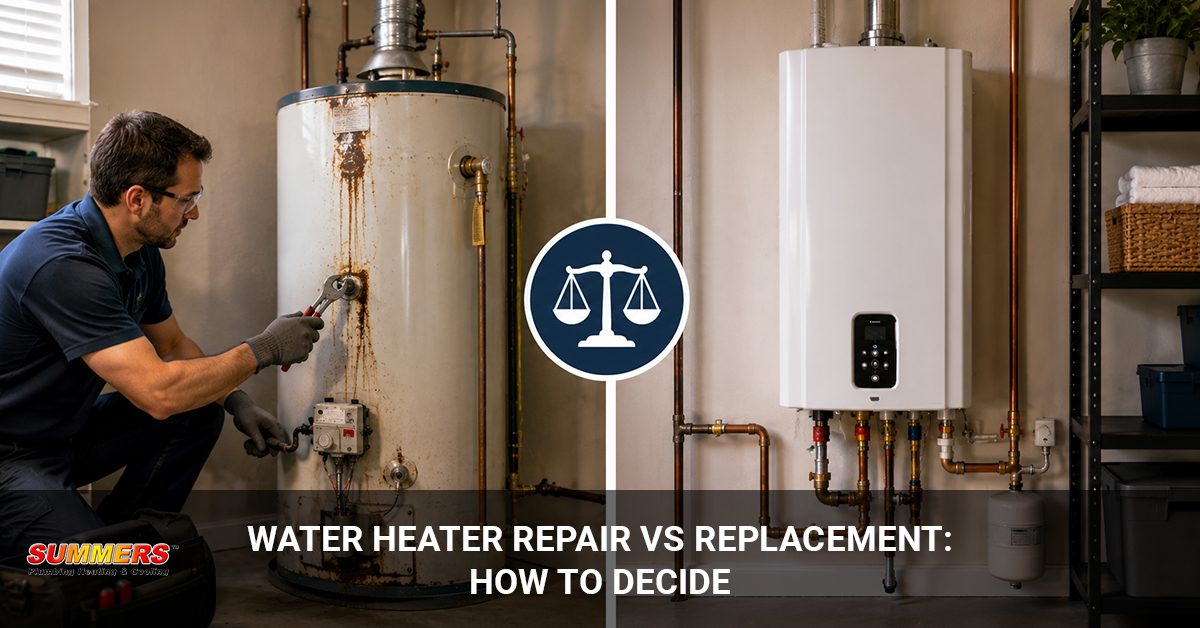
A failing water heater should be repaired if the problem is minor and the unit is still in good condition. Replacement is usually the better option if the system is old, leaking, inefficient, or breaking down often.
Many homeowners notice warning signs like inconsistent hot water, strange noises, higher utility bills, or water leaks. Some issues are simple and affordable to fix. Others point to bigger problems that can lead to expensive repairs or water damage.
Knowing when to repair or replace your water heater can help you save money, improve energy efficiency, and avoid sudden system failure.
Signs Your Water Heater May Need Repair
Your water heater may need repair if it still heats water but shows signs of reduced performance. If you notice these warning signs, learn more about water heater repair in Franklin, Indiana, including common repair costs and when professional service may be needed. Many common problems can be fixed without replacing the entire unit, especially if the system is not very old.
Inconsistent Hot Water
Inconsistent hot water usually means there is a problem with the thermostat, heating element, or burner.
You may notice the water getting cold too quickly or changing temperature during showers. Electric water heaters often have faulty heating elements, while gas systems may have burner or pilot light issues.
In many cases, these parts can be repaired or replaced without installing a new water heater. Professional water heater repair services can help diagnose the problem quickly.
Strange Noises From the Tank
Popping or rumbling sounds usually happen because sediment has built up inside the tank.
Over time, minerals from hard water settle at the bottom of the tank and harden. This forces the system to work harder and can reduce heating efficiency.
A professional tank flush may remove the buildup and help the water heater run more efficiently.
Rust-Colored Water
Rust-colored hot water may mean the inside of the tank is starting to corrode.
In some cases, the problem is caused by a worn anode rod, which helps protect the tank from rust. Replacing the anode rod can often extend the life of the system.
However, heavy corrosion inside the tank usually means the unit is nearing the end of its lifespan.
Minor Leaks Around Fittings
Small leaks around valves or pipe connections are often repairable.
Loose fittings, worn seals, or damaged pressure relief valves are common causes of minor leaks. Fixing these issues early may prevent larger problems later.
If water is leaking directly from the tank itself, replacement is usually the safer solution because cracked tanks cannot normally be repaired.
Rising Energy Bills
Higher energy bills can mean your water heater is losing efficiency.
Older or struggling systems use more energy to heat the same amount of water. Sediment buildup, worn heating parts, or aging components can all increase operating costs.
Repairing faulty parts may improve efficiency if the water heater is still in good overall condition.
Signs It May Be Time to Replace Your Water Heater
You should replace your water heater if it is old, leaking, corroded, or needing frequent repairs. Replacing the system at the right time can help prevent water damage, high energy bills, and sudden breakdowns.
The Water Heater Is More Than 10 Years Old
Most traditional tank water heaters last between 8 and 12 years.
As the system gets older, it becomes less efficient and more likely to fail. Older units often take longer to heat water and use more energy to operate.
Tankless water heaters may last longer, but they still need regular maintenance to perform properly.
Frequent Repairs Are Becoming Expensive
Frequent repairs are usually a sign that the water heater is nearing the end of its lifespan.
If you keep paying for new parts or service calls, replacement may save more money over time. Many professionals follow the “50 percent rule.” If repair costs are close to half the cost of a new system, replacement is often the better investment.
Major Tank Leaks
A leaking water heater tank usually means the system needs to be replaced.
Internal tank damage cannot normally be repaired safely. Even a small crack can lead to major water damage if the tank suddenly fails.
Replacing the unit early can help protect your floors, walls, and nearby belongings. Proper maintenance also helps with preventing water damage caused by water heater leaks.
Severe Corrosion
Visible rust on the tank or rusty hot water often means there is serious corrosion inside the system.
Corrosion weakens the tank and increases the risk of leaks or complete failure. Once rust spreads inside the tank, replacement is usually the safest option.
Your Home Needs More Hot Water
Your current water heater may need replacement if it cannot keep up with your household’s hot water demand.
Growing families often use more hot water for showers, laundry, and appliances. Upgrading to a larger tank or switching to a tankless water heater can provide better performance and a more reliable hot water supply.
Comparing Water Heater Repair and Replacement Costs
Water heater repair usually costs less upfront, while replacement may save more money long term. The right choice depends on the age of the system, repair frequency, and overall efficiency.
Common Repair Costs
Minor water heater repairs are often affordable and can extend the life of the system.
Common repair services include:
- Thermostat replacement
- Heating element replacement
- Pressure relief valve repair
- Pilot light repair
- Tank flushing
If the water heater is still fairly new, these repairs may restore performance without the cost of a full replacement.
Water Heater Replacement Costs
Water heater replacement costs depend on the type of system and the complexity of the installation.
Several factors can affect the total price, including:
- Tank or tankless water heater selection
- System size and capacity
- Energy efficiency rating
- Plumbing upgrades
- Venting modifications
- Labor and permit requirements
Tankless systems usually cost more upfront, but they often provide better efficiency and a longer lifespan.
Long-Term Energy Savings
A new water heater can lower energy bills by using less power or gas to heat water.
Modern systems are built for better efficiency and faster heating performance. Older water heaters often work harder and waste more energy over time.
ENERGY STAR-certified water heaters can help reduce monthly utility costs and improve long-term savings.
When Repair Is the Better Option
Water heater repair is usually the better option when the system is newer and the problem is minor. Repairing small issues can extend the life of the unit and help you avoid unnecessary replacement costs.
The Water Heater Is Still Relatively New
A newer water heater is often worth repairing.
If the system is less than 5 to 7 years old and has been maintained properly, it may still have many years of reliable performance left. Replacing a newer unit for a small repair usually does not make financial sense.
The Problem Is Minor
Minor water heater problems can often be fixed quickly and affordably.
Issues like faulty thermostats, heating elements, pressure relief valves, or igniters are common and usually repairable. In many cases, replacing one damaged part can restore normal performance.
The Tank Is Structurally Sound
A water heater with a solid tank is usually a good candidate for repair.
If there are no major leaks, internal corrosion, or tank cracks, the system may still be in good overall condition. Repairing smaller issues can help extend the lifespan of the water heater and improve efficiency.
When Replacement Makes More Sense
Water heater replacement is usually the better option when the system is old, inefficient, or breaking down often. A new unit can improve reliability, lower energy costs, and provide better overall performance.
Repairs Are Becoming Frequent
Frequent repairs are a strong sign that replacement may be the smarter investment.
Ongoing service calls can quickly become expensive and inconvenient. Instead of paying for repeated fixes, replacing the system may save money over time and reduce the risk of future breakdowns.
Efficiency Has Declined
An older water heater often uses more energy to heat water.
As the system ages, it becomes less efficient and may struggle to maintain consistent performance. Replacing the unit with a high-efficiency model can help lower monthly gas or electricity bills.
You Want Improved Performance
A new water heater can provide more reliable and consistent hot water.
Modern systems heat water faster, recover more quickly, and operate more efficiently. Tankless water heaters can also deliver continuous hot water without storing water in a tank.
You Are Remodeling or Upgrading the Home
Replacing an old water heater during a renovation can help prevent problems later.
Installing a new system during a home upgrade is often easier and more cost-effective than waiting for the old unit to fail unexpectedly. It also gives homeowners the chance to choose a more efficient system that better fits their current needs.
Tank vs Tankless Water Heater Replacement Options
Homeowners replacing a water heater usually choose between a traditional tank system and a tankless water heater. The best option depends on your budget, household size, and hot water usage.
Traditional Tank Water Heaters
Traditional tank water heaters store and heat water inside a large tank.
These systems are usually more affordable upfront and work well for many households. They are also easier to install when replacing an older tank-style unit.
Benefits of traditional tank water heaters include:
- Lower installation costs
- Easier replacement process
- Reliable performance for average daily use
Tank systems are a practical choice for homeowners looking for a simple and cost-effective replacement.
Tankless Water Heaters
Tankless water heaters heat water only when you need it.
Instead of storing hot water in a tank, these systems provide hot water on demand. Many homeowners choose tankless systems because they are more energy efficient and take up less space. Like any heating system, tankless units can develop problems over time. Learn more about tankless water heater repair in Franklin, Indiana, and the common issues homeowners may encounter.
Benefits of tankless water heaters include:
- Higher energy efficiency
- Longer system lifespan
- Continuous hot water supply
- Compact, space-saving design
Although tankless systems cost more to install, they can lower energy bills and provide better long-term value. Learn more about tankless water heater installation options for your home.
Choosing the Right Size
Choosing the right water heater size is important for reliable performance.
A system that is too small may run out of hot water quickly, while an oversized system may waste energy. The right size depends on several factors, including:
- Household size
- Number of bathrooms
- Daily hot water usage
- Appliance demand
A professional inspection can help determine the best water heater size and system type for your home.
Questions to Ask Before Making a Decision
Homeowners should compare the age, condition, repair cost, and efficiency of the water heater before deciding between repair and replacement. Asking the right questions can help you avoid unnecessary expenses and choose the best long-term solution.
How Old Is the Water Heater?
The age of the water heater helps determine whether repair is still worth it.
Most traditional tank water heaters last around 8 to 12 years. If the system is nearing the end of its lifespan, replacement may be more cost-effective than continued repairs.
What Will the Repair Cost?
Repair costs should always be compared with replacement costs.
A small repair may make sense for a newer unit. However, expensive repairs on an older system may not provide long-term value. It is also important to consider future maintenance and possible breakdowns.
Is the Unit Energy Efficient?
Older water heaters often use more energy and cost more to operate.
Newer systems are designed for better efficiency and may help lower monthly utility bills. If your current unit struggles to heat water efficiently, replacement may offer better long-term savings.
Is the Warranty Still Active?
An active warranty may reduce repair or replacement costs.
Some manufacturers’ warranties cover parts or even full tank replacement within a certain time period. Checking warranty coverage can help you make a more cost-effective decision.
Will Repairs Solve the Problem Long Term?
Temporary repairs may not be worth the cost if the system has ongoing issues.
If the water heater continues to break down or shows signs of aging, replacement may provide a more reliable and long-lasting solution.
How Professional Inspection Helps
A professional water heater inspection helps identify hidden problems and determine whether repair or replacement is the better option. An expert evaluation can also help homeowners avoid unnecessary costs and unexpected system failure.
During an inspection, technicians can check for:
- Internal corrosion
- Sediment buildup
- Pressure issues
- Faulty burners or heating elements
- Ventilation or safety concerns
Some water heater problems are not easy to see without a full inspection. A professional can identify worn parts, efficiency issues, and early signs of tank failure before they become major problems.
An inspection also provides a clearer comparison between repair costs and replacement benefits. Professional water heater installation services can help if replacement becomes the better option. This helps homeowners make a more informed decision based on the condition, age, and performance of the system.
Tips to Extend Water Heater Lifespan
Regular maintenance can help your water heater last longer and run more efficiently. Simple preventive care can reduce wear, improve performance, and help avoid costly repairs.
Flush the Tank Regularly
Flushing the tank once a year helps remove sediment buildup inside the system.
Minerals from hard water settle at the bottom of the tank over time. This buildup can reduce heating efficiency, increase energy costs, and shorten the lifespan of the water heater.
Replace the Anode Rod
The anode rod helps protect the tank from rust and corrosion.
Over time, the rod wears down as it attracts corrosive minerals inside the tank. Inspecting and replacing the anode rod when needed can help extend the life of the water heater.
Schedule Annual Maintenance
Annual maintenance helps catch small problems before they become major repairs. Scheduling regular water heater maintenance services can help improve efficiency and extend system’s lifespan.
A professional inspection can identify worn parts, leaks, pressure issues, and efficiency problems early. Regular servicing also helps keep the system operating safely and efficiently.
Test the Pressure Relief Valve
The pressure relief valve helps protect the water heater from excessive pressure buildup.
If the valve stops working properly, pressure can build inside the tank and create safety risks. Testing the valve regularly helps ensure the system continues operating safely.
Final Thought
Choosing between water heater repair and replacement depends on the age, condition, and overall performance of the system. Minor issues in newer units can often be repaired, while older systems with leaks, corrosion, or repeated breakdowns are usually better replaced.
A reliable water heater should provide consistent hot water without driving up energy costs or needing constant repairs. If your system is becoming inefficient or unreliable, replacing it may save money and prevent bigger problems later.
A professional inspection can help you understand the condition of the unit and decide which option makes the most sense for your home and budget.