

Tankless Water Heater Installation in Columbus, Indiana: Is It Worth It?
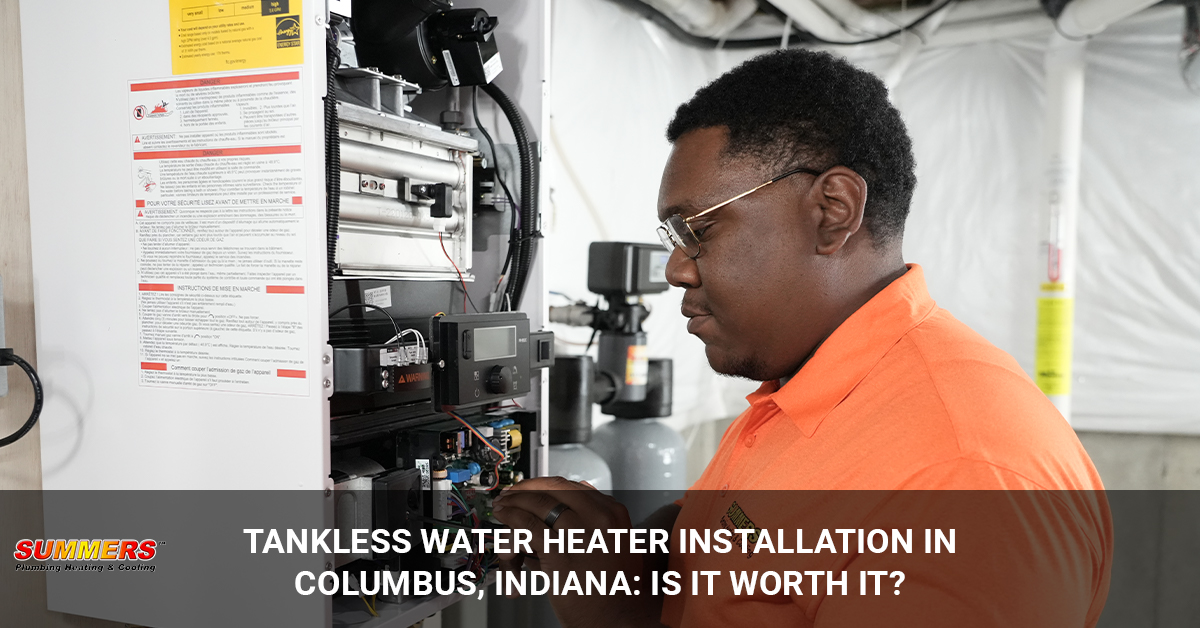
Yes, a tankless water heater is worth it in Columbus, Indiana, for homeowners who want lower energy costs and endless hot water over time.
If you’re thinking about upgrading your hot water system, a tankless unit is a smart option to consider. Many homeowners are switching because it offers better efficiency and long-term value.
But is it the right choice for your home and budget? This guide gives you clear, simple answers so you can decide with confidence.
What Is a Tankless Water Heater and How Does It Work?
A tankless water heater heats water instantly when you turn on the tap, instead of storing it in a tank.
It works by sending cold water through a heating unit. As the water flows through, it gets heated right away. You get hot water on demand, without waiting for a tank to refill.
This means you don’t run out of hot water during normal use.
Tank vs Tankless
The main difference is simple: tank systems store hot water, while tankless systems heat it only when needed.
- Tank system: Stores 30–80 gallons of hot water and can run out
- Tankless system: Heats water on demand and keeps it flowing
If you use a lot of hot water back-to-back, tankless gives you more flexibility.
Types of Tankless Systems
Tankless water heaters come in two main types: gas and electric.
- Gas tankless: Delivers higher output and works better for larger homes
- Electric tankless: Costs less upfront and fits smaller households
The right choice depends on your home size, usage, and existing setup.
Tankless Water Heater Installation Cost in Columbus, Indiana
The cost to install a tankless water heater in Columbus, Indiana, usually ranges from $2,500 to $6,500 or more, depending on your home and system.
That price includes the unit, labor, and any required upgrades. Some homes fall on the lower end, while others need additional work that increases the total cost.
The total cost depends on your home setup and system choice, so it’s best to explore professional water heater installation in Columbus, IN, options before making a final decision.
What Affects the Cost?
Several factors determine how much you’ll pay for installation.
- Unit type: Gas systems cost more than electric units
- Home upgrades: You may need a gas line upgrade, new venting, or an electrical panel upgrade
- Labor and permits: Local codes in Columbus require proper permits and licensed installation
- Installation complexity: Older homes often need more modifications
Even small upgrades can add to the total, so every home is different.
Tank vs Tankless Cost
Tankless systems cost more upfront, but they offer long-term benefits.
- Tank water heater: $800 to $2,500 installed
- Tankless system: Typically, 2 to 3 times higher upfront cost
The key is not just the initial price. It’s how much you save over time on energy and replacements.
Pros of Installing a Tankless Water Heater
Tankless water heaters offer better efficiency, longer lifespan, and continuous hot water compared to traditional tank systems.
These benefits make them a strong choice for homeowners who want long-term value and convenience.
1. Endless Hot Water
A tankless water heater provides a continuous supply of hot water whenever you need it. You can take back-to-back showers, run appliances, and still have hot water without waiting.
2. Lower Energy Bills
Tankless systems use less energy because they heat water only when you need it. This reduces wasted energy and can lower your monthly utility bills over time.
3. Longer Lifespan
Tankless water heaters last longer than traditional tanks.
- Tank system: 8–12 years
- Tankless system: 15–20+ years
This means fewer replacements and better long-term savings.
4. Space-Saving Design
Tankless units are compact and mount on the wall, saving space in your home. You get more room in utility areas, closets, or basements without a bulky tank.
Cons of Tankless Water Heater Installation
Tankless water heaters cost more upfront and may need upgrades, which can make installation more complex.
While they offer long-term benefits, it’s important to understand the downsides before making a decision.
1. Higher Upfront Cost
Tankless water heaters cost more to buy and install than traditional tank systems. The initial price can be a barrier, especially if your budget is tight.
2. Limited Flow Rate
Tankless systems can struggle if too many hot water fixtures run at the same time. For example, using multiple showers and appliances together may reduce water pressure or temperature if the unit is not sized properly.
3. Installation Complexity
Tankless installation often requires upgrades to your home.
You may need:
- Electrical system upgrades
- Gas line modifications
- New venting setup
These changes can increase both cost and installation time.
4. Maintenance Needs
Regular maintenance, like descaling, is important, especially in areas with hard water. Installing water softeners Columbus IN can help reduce mineral buildup and extend system life.
Is a Tankless Water Heater Worth It in Columbus, Indiana?
Yes, a tankless water heater is worth it in Columbus, Indiana, if you want long-term savings, better efficiency, and reliable hot water.
Local conditions play a big role, so it’s important to look at how your home and usage fit.
Climate Considerations
Cold groundwater in Indiana means tankless systems work harder, but modern units are built to handle it.
In winter, incoming water is colder, so the system needs more power to heat it. A properly sized unit will still perform well.
When It Is Worth It
A tankless water heater makes sense in these situations:
- You plan to stay in your home for several years
- You want to reduce energy costs over time
- You want continuous hot water without running out
- You’re already upgrading plumbing or utilities
In these cases, the long-term benefits usually outweigh the upfront cost.
When It May Not Be Worth It
It may not be the best option if:
- You’re working with a limited budget
- Your home needs major upgrades for installation
- You often run multiple hot water fixtures at the same time
In these situations, a traditional tank may be more practical.
ROI (Return on Investment)
Most homeowners recover the cost in about 5 to 10 years through energy savings and longer lifespan. The exact timeline depends on your water usage, energy rates, and installation cost.
Tank vs Tankless Water Heater: Which Should You Choose?
Choose a tank water heater for a lower upfront cost, or a tankless system for long-term savings and endless hot water.
Both options work well. The right choice depends on your budget, home size, and how you use hot water.
Quick Comparison
| Feature | Tank | Tankless |
| Upfront Cost | Lower | Higher |
| Lifespan | Shorter | Longer |
| Energy Efficiency | Moderate | High |
| Hot Water Supply | Limited | Unlimited |
Best Choice Based on Your Needs
Pick the system that matches how you live and what you can invest.
- Budget-focused: Go with a tank water heater for a lower initial cost
- Long-term savings: Choose tankless for better efficiency and fewer replacements
- Large households: Either can work, but tankless must be sized correctly to handle demand
If you want lower monthly costs and plan to stay in your home, tankless is often the better investment.
When Should You Replace Your Water Heater?
You should replace your water heater when it shows signs of failure or reaches around 10 years old. Waiting too long can lead to breakdowns, water damage, and higher repair costs.
Common Warning Signs
These signs mean your water heater may be failing:
- Inconsistent water temperature: Water turns hot and cold unexpectedly
- Rusty or discolored water: Possible corrosion inside the tank
- Strange noises: Banging or rumbling sounds from sediment buildup
- Frequent repairs: Ongoing issues that keep coming back
If you notice one or more of these, it’s time to consider replacement.
Age Matters
The age of your system is one of the biggest factors.
- 10+ years old: Start planning for replacement
- Frequent breakdowns: Replacing is often cheaper than repeated repairs
Upgrading early can save money and prevent sudden failure.
Choosing the Right Tankless Installer in Columbus
Choose a licensed and experienced tankless water heater installer in Columbus, Indiana, to ensure safe, code-compliant, and reliable installation.
The right professional helps you avoid costly mistakes and makes sure your system performs properly from day one.
What to Look For
Look for a contractor who meets these key requirements:
- Licensed and insured: Protects you and ensures proper work
- Experience with tankless systems: Not all plumbers specialize in these units
- Knowledge of local codes: Important for permits and safe installation
A qualified installer will also inspect your home before giving a final quote.
Questions to Ask
Ask these questions before hiring to avoid surprises:
- Do I need upgrades before installation?
- What size system is right for my home?
- What maintenance will be required each year?
Clear answers help you choose the right system and avoid extra costs later.
Final Thought
A tankless water heater is worth it in Columbus, Indiana, for homeowners who want long-term savings, better efficiency, and reliable hot water.
It’s a smart upgrade if you plan to stay in your home and want lower energy costs over time. You also get the benefit of continuous hot water and a longer-lasting system.
However, it’s not the right choice for everyone. The higher upfront cost and possible installation upgrades can make it less practical for some homes.
The best decision comes down to your budget, your home setup, and your long-term plans.