

Water Softeners in Columbus, Indiana: Do You Need One?
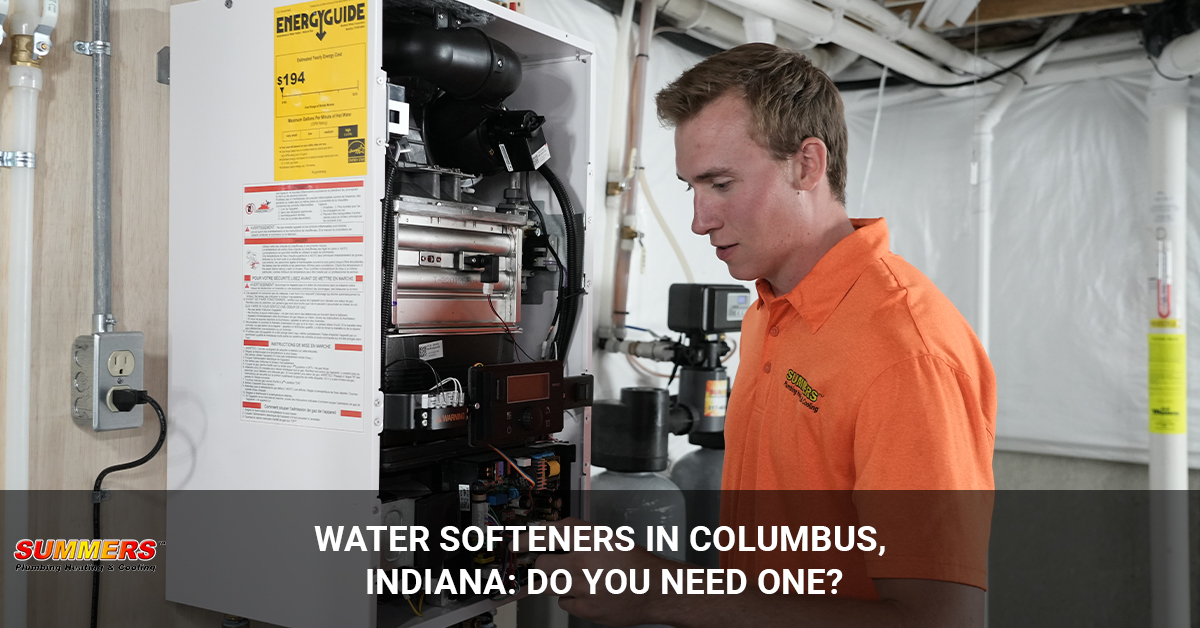
Water softeners in Columbus, Indiana, help remove minerals from hard water so your home can have cleaner water and better plumbing performance. Many homes in the area have hard water that contains minerals like calcium and magnesium. Over time, these minerals can build up inside pipes, appliances, and plumbing fixtures.
Most homeowners do not realize they have hard water until problems begin to appear. You might notice white mineral spots on dishes, soap that does not lather well, or scale forming around faucets and showerheads. Hard water can also reduce the efficiency of appliances such as water heaters and washing machines.
Installing a water softener helps remove these minerals before the water enters your plumbing system. This helps protect your pipes, improve cleaning results, and make water feel softer on your skin and hair.
Understanding how water softeners work and when they are needed can help homeowners decide if installing one is the right solution for their home.
What Is Hard Water
Hard water is water that contains a high level of dissolved minerals, mainly calcium and magnesium. These minerals enter the water naturally as groundwater moves through soil and rock before reaching homes.
When hard water flows through your plumbing system, it can leave behind mineral deposits called scale. Over time, this scale can build up inside pipes, faucets, showerheads, and household appliances.
Hard water is generally safe to use and drink, but it can create several everyday problems. Mineral buildup can reduce water pressure, leave stains on fixtures, and make cleaning more difficult.
Hard water is common in many parts of Indiana because the natural soil and rock contain minerals that dissolve into the groundwater. As a result, many homes in Columbus experience hard water issues.
What Does a Water Softener Do
A water softener removes minerals from hard water before the water enters your home’s plumbing system. By removing minerals like calcium and magnesium, the system helps prevent scale buildup in pipes, fixtures, and appliances.
Most water softeners work through a process called ion exchange. In this process, hard water flows through a tank filled with small resin beads. These beads capture the hard minerals and replace them with small amounts of sodium or potassium.
After this process, the water that flows into your home contains far fewer minerals. This helps reduce scale buildup and allows soap and detergents to work more effectively.
Softened water can improve everyday tasks such as washing dishes, doing laundry, and showering. It also helps protect appliances and keeps water flowing more smoothly through your plumbing system.
Signs You May Need a Water Softener
You may need a water softener if your home shows common signs of hard water. These signs usually appear when minerals build up in your plumbing system and on household surfaces.
Mineral Buildup on Faucets and Fixtures
White or chalky deposits around faucets, showerheads, and sinks are often caused by mineral buildup from hard water. These deposits are commonly called scale.
Spots on Dishes and Glassware
Cloudy spots or streaks on dishes and glassware after washing are a common sign of hard water. Minerals in the water remain on the surface after the water dries.
Dry Skin and Hair After Showering
Hard water can make it difficult to rinse soap completely from your skin and hair. This may leave skin feeling dry and hair feeling dull after bathing.
Soap Scum in Sinks and Showers
Hard water reacts with soap and forms soap scum. This residue can collect on shower doors, tiles, bathtubs, and sinks.
Reduced Efficiency of Appliances
Mineral buildup inside appliances such as water heaters, dishwashers, and washing machines can reduce their efficiency. Over time, this buildup can also shorten their lifespan. If your system is already affected, professional water heater installation in Columbus can help restore efficiency and prevent further damage.
Common Hard Water Problems in Columbus Homes
Hard water can cause several problems in homes, especially when minerals build up inside plumbing systems and appliances. These issues often appear slowly but can affect everyday tasks and household maintenance.
One common problem is mineral buildup inside pipes. Over time, minerals like calcium and magnesium can collect along the inside of plumbing pipes. This buildup can restrict water flow, reduce water pressure, and make the plumbing system work less efficiently.
Hard water also makes soap and detergents less effective. Minerals in the water react with soap and create a residue that prevents it from lathering properly. This means you may need to use more soap when washing dishes, doing laundry, or cleaning surfaces.
Another common issue is mineral stains. Hard water can leave white spots or chalky residue on sinks, faucets, glassware, and bathroom fixtures. These stains can be difficult to remove and often return after cleaning.
Over time, minerals can collect along the inside of plumbing pipes. This buildup can restrict water flow and reduce efficiency. In some cases, professional drain cleaning services in Columbus may be needed to clear buildup and restore proper flow.
Benefits of Installing a Water Softener
Installing a water softener helps improve water quality and protect your home’s plumbing system. By removing hard minerals, softened water can make daily household tasks easier and reduce long-term plumbing problems.
Protects Plumbing and Appliances
Softened water helps prevent mineral buildup inside pipes and appliances. Without scale forming in the plumbing system, water can flow more freely, and appliances can last longer.
Improves Cleaning Results
Soft water allows soap and detergents to work better. Clothes, dishes, and household surfaces often come out cleaner because soap can lather properly without reacting with minerals.
Softer Skin and Hair
Many homeowners notice that softened water feels smoother during showers. Soap rinses off more easily, which can leave skin and hair feeling softer.
Reduces Mineral Stains
Removing minerals from the water helps reduce white spots on dishes, sinks, faucets, and shower doors. This can make cleaning easier and keep fixtures looking cleaner.
Improves Water Heater Efficiency
Water heaters work more efficiently when mineral scale does not build up inside the tank. Without scale insulating the heating element, the system can heat water faster and use less energy.
Types of Water Softener Systems
Several types of water softener systems are available for residential homes. Each system works differently to reduce hard water problems and protect plumbing systems.
Salt-Based Water Softeners
Salt-based water softeners are the most common type used in homes. These systems remove minerals like calcium and magnesium through an ion exchange process. They require periodic salt refilling to maintain proper operation.
Salt-Free Water Conditioners
Salt-free systems help reduce mineral buildup without actually removing the minerals from the water. Instead, they change how minerals behave so they are less likely to form scale inside pipes and appliances.
Dual-Tank Water Softeners
Dual-tank systems include two resin tanks that work alternately. While one tank softens the water, the other regenerates. This design allows the system to provide a continuous supply of softened water.
Magnetic or Electronic Descalers
Magnetic or electronic descalers use electronic signals to reduce scale buildup inside pipes. These systems do not remove minerals from the water but may help limit mineral deposits in plumbing systems.
How Much Does a Water Softener Cost in Columbus, Indiana
The cost of installing a water softener in Columbus, Indiana, depends on the type of system and the size of your home. Different systems and installation requirements can affect the final price.
Most residential water softener systems typically cost between $800 and $3,000, including installation. Larger homes or more advanced systems may cost more because they require larger equipment and additional installation work.
Several factors can influence the total cost:
- Water hardness level in the local water supply
- Size of the home and the amount of water used
- Type of water softener system selected
- Installation complexity and plumbing modifications
While the upfront cost can vary, many homeowners notice long-term savings. Softened water can help reduce appliance wear, improve plumbing efficiency, and lower maintenance costs over time.
How Long Do Water Softeners Last
Most water softeners last between 10 and 15 years when they are properly maintained. The lifespan can vary depending on the type of system, water quality, and how well the unit is maintained.
Regular maintenance helps the system operate efficiently for many years. This usually includes adding salt to the brine tank, checking salt levels regularly, and cleaning system components when needed.
Scheduling periodic service inspections can also help identify small issues before they become major problems. With proper care, a water softener can continue removing minerals effectively and protect your plumbing system for many years.
Do All Homes in Columbus Need a Water Softener
Not every home in Columbus needs a water softener. Whether you need one depends on the hardness level of your home’s water supply.
Homes with moderate to high mineral levels in the water often benefit from a water softener. If hard water minerals are present, they can cause problems such as scale buildup in pipes, soap scum in bathrooms, and reduced appliance efficiency.
Common signs that a water softener may help include mineral deposits on faucets, cloudy spots on dishes, and soap that does not lather well. These issues usually indicate that the water contains a higher level of minerals.
A professional water test can determine the exact hardness level of your water. Based on the results, a plumber can recommend whether installing a water softener would improve your home’s water quality and plumbing performance.
How Professionals Install Water Softeners
Professional installation ensures that the water softener works correctly with your home’s plumbing system. Proper setup helps the system remove minerals effectively and provide consistent softened water throughout the home.
Water Hardness Testing
The process usually begins with testing the home’s water supply. Technicians measure the mineral levels in the water to determine how hard the water is and what size system is needed.
Selecting the Right System
Based on the test results, the plumber recommends a water softener that matches the home’s water usage and hardness level. Choosing the correct system helps ensure efficient performance.
Installation and System Setup
The water softener is installed where the main water line enters the home. This allows all incoming water to pass through the softening system before reaching sinks, showers, and appliances.
System Testing
After installation, the plumber tests the system to confirm it is working properly. They check water flow, system settings, and mineral levels to ensure the water softener is improving water quality.
Tips to Maintain a Water Softener
Maintaining a water softener helps keep the system working efficiently and extends its lifespan. Simple maintenance steps can ensure the unit continues to remove minerals from your water.
Check Salt Levels Regularly
Salt levels in the brine tank should be checked regularly. Refill the tank when salt levels become low so the system can continue softening water properly.
Clean the Brine Tank
Cleaning the brine tank from time to time helps prevent salt buildup or blockages. This keeps the system operating smoothly.
Schedule Annual Maintenance
Annual maintenance by a plumbing professional helps ensure the system is working correctly. Technicians can inspect components and make adjustments if needed.
Monitor Water Quality
Pay attention to changes in water quality. If you begin to notice mineral spots or scale buildup again, the system may need maintenance or adjustments.
When to Call a Plumbing Professional
You should contact a plumbing professional if hard water problems continue or if your water softener is not working properly. A professional plumber can inspect your system and recommend the right solution for your home. Professional help may be needed if:
- Mineral buildup continues to appear on fixtures such as faucets, sinks, and showerheads
- Appliances show signs of scale damage or reduced performance
- The water softener stops working properly or no longer removes minerals effectively
- A new water softener system needs to be installed
A plumbing professional can test your water hardness, inspect your plumbing system, and recommend the best type of water softener for your home. Proper installation and maintenance help ensure the system works efficiently and protects your plumbing over time.
Final Thoughts
Water softeners in Columbus, Indiana, help remove minerals from hard water and protect your plumbing system from scale buildup. By reducing mineral deposits, a water softener can improve cleaning results, protect household appliances, and maintain better water flow throughout your home.
If you notice mineral stains on fixtures, soap residue in sinks or showers, or reduced performance from appliances, hard water may be the cause. Installing a water softener can help improve water quality and prevent long-term plumbing issues.
A professional plumber can test your water hardness and determine whether a water softener is the right solution for your home. Proper installation and maintenance can help ensure your plumbing system stays efficient and reliable for years.
Installing a water softener can help improve water quality and prevent long-term plumbing issues. For complete home comfort, you can also explore indoor air services in Columbus to improve both air and water quality in your home.