
Furnace Replacement Cost in Franklin, Indiana
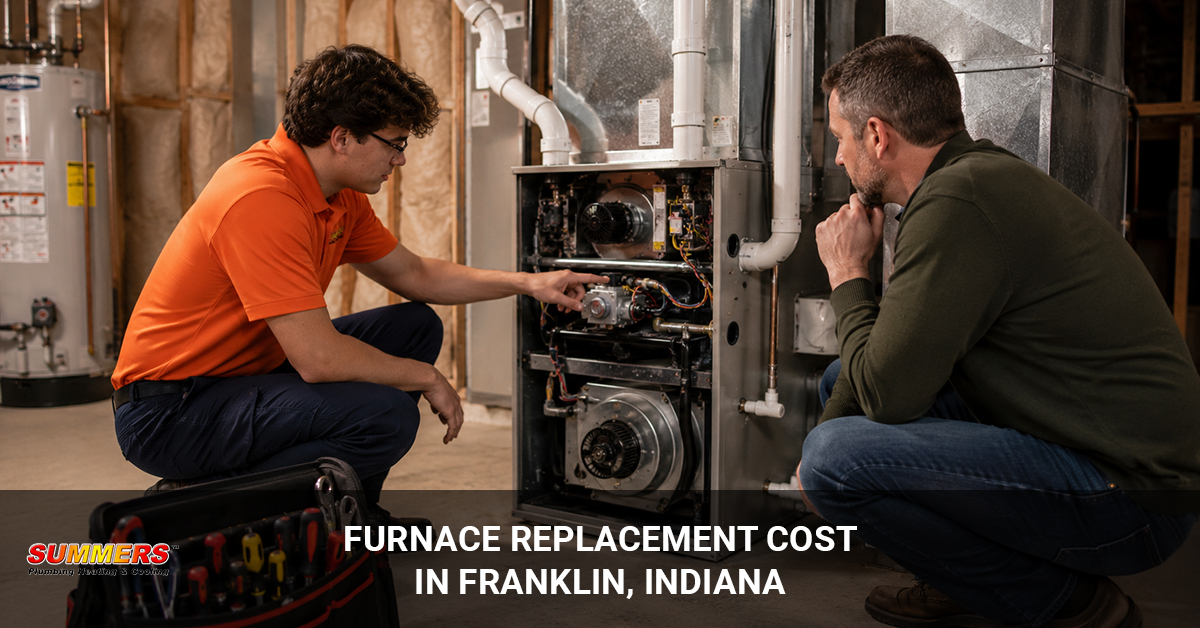
Most homeowners in Franklin, Indiana, spend between $4,500 and $12,000 or more for a furnace replacement. The final cost depends on the size of the furnace, its efficiency rating, installation requirements, and any upgrades needed to support the new system.
If your furnace is getting older, requiring frequent repairs, or struggling to keep your home warm during the winter, you may be wondering whether replacement is worth the investment. Understanding what affects furnace replacement costs can help you budget more accurately and choose the right heating system for your home.
A new furnace does more than provide heat. Modern systems are designed to improve energy efficiency, lower monthly utility bills, reduce repair costs, and deliver more consistent comfort throughout your home. Many homeowners also benefit from quieter operation, improved indoor air quality, and greater reliability during cold Indiana winters.
Furnace replacement costs can vary significantly from one home to another. Factors such as furnace size, efficiency level, ductwork condition, labor requirements, and optional upgrades all influence the final price. That’s why two homeowners in the same neighborhood may receive very different estimates.
In this guide, you’ll learn what furnace replacement typically costs in Franklin, what factors influence pricing, how furnace size and efficiency affect your investment, and what to expect during the installation process. By the end, you’ll have a better understanding of how to compare options and make the best decision for your home and budget.
Average Furnace Replacement Cost in Franklin, Indiana
Most homeowners in Franklin, Indiana, spend between $4,500 and $12,000 or more to replace a furnace. The final cost depends on the type of furnace you choose, its efficiency rating, labor costs, and whether any additional upgrades are needed during installation.
While some homeowners may pay less for a basic system, larger homes and high-efficiency furnaces typically require a higher investment. Understanding the average cost range can help you set realistic expectations before requesting estimates.
Typical Furnace Cost Range
| Furnace Type | Average Cost Range |
| Basic Gas Furnace | $4,500–$6,500 |
| Mid-Range Furnace | $6,500–$9,000 |
| High-Efficiency Furnace | $9,000–$12,000+ |
These estimates generally include both the furnace and professional installation. However, every home is different, and actual pricing can vary based on the condition of your existing system and the complexity of the project.
What’s Included in Furnace Replacement Costs?
A furnace replacement quote typically covers more than just the cost of the equipment. Professional installation includes the materials, labor, and testing required to ensure the system operates safely and efficiently.
Most furnace replacement projects include:
- New furnace equipment
- Removal and disposal of the old furnace
- Professional installation labor
- Gas line connections
- Electrical connections
- Venting connections
- System startup and performance testing
- Manufacturer warranty coverage
Before comparing estimates, it’s important to understand exactly what is included so you can make an accurate comparison between contractors.
Additional Services That May Affect Cost
Some homes require upgrades or modifications during the replacement process. These additional services can increase the overall project cost but often improve system performance and comfort.
Common upgrades include:
- Thermostat replacement
- Ductwork repairs or modifications
- Venting upgrades
- Air purification systems
- Whole-home humidifiers
- Electrical improvements
Adding these upgrades during installation is often more cost-effective than completing them later as separate projects.
Why Furnace Prices Vary
Furnace replacement costs vary because every home has different heating requirements. Factors such as home size, insulation quality, equipment efficiency, and installation complexity all influence the final price.
For example, a smaller home with modern ductwork may require a lower-cost installation, while a larger home with aging ductwork and higher heating demands may need a more expensive system and additional labor.
Some of the biggest factors that affect pricing include:
- Furnace size and capacity
- AFUE efficiency rating
- Condition of existing ductwork
- Venting requirements
- Labor complexity
- Brand selection
- Optional upgrades
Because of these variables, online cost estimates should be viewed as general guidelines rather than exact pricing.
The Value of Professional Installation
Professional installation is one of the most important parts of a furnace replacement project. Even the best furnace can underperform if it is not installed correctly.
A properly installed furnace can provide:
- Better energy efficiency
- More consistent heating
- Improved system reliability
- Lower operating costs
- Longer equipment lifespan
- Full warranty protection
Choosing an experienced HVAC contractor helps ensure your investment delivers the performance and comfort you expect.
How to Get an Accurate Replacement Cost
The most accurate way to determine your furnace replacement cost is through a professional in-home evaluation. An HVAC technician can inspect your existing system, assess your home’s heating needs, and recommend equipment that fits your budget and comfort goals.
A detailed estimate allows you to compare options confidently and make an informed decision about your furnace replacement project.
Furnace Replacement Cost by Furnace Size
Furnace size is one of the biggest factors that affects replacement costs. Larger furnaces typically cost more because they provide greater heating capacity and often require larger components, additional materials, and more extensive installation work.
Furnace size is measured in BTUs (British Thermal Units), which indicate how much heat the system can produce. Choosing the correct size is important because a furnace that is too large or too small can reduce efficiency, increase energy costs, and create comfort problems throughout the home.
Furnace Replacement Cost by BTU Size
| Furnace Size (BTU) | Estimated Cost Range |
| 40,000–60,000 BTU | $4,500–$6,500 |
| 60,000–90,000 BTU | $6,000–$9,000 |
| 90,000–120,000+ BTU | $8,000–$12,000+ |
These estimates generally include both equipment and professional installation. Actual costs may vary based on the furnace’s efficiency rating, installation complexity, and any upgrades required for your home.
Small Furnaces (40,000–60,000 BTU)
Small furnaces typically cost between $4,500 and $6,500 installed and are commonly used in smaller homes and well-insulated properties.
These systems are often a good fit for:
- Smaller homes
- Condominiums
- Townhomes
- Energy-efficient properties
- Homes with lower heating demands
Because they require less heating capacity, small furnaces usually have the lowest equipment and installation costs.
Medium Furnaces (60,000–90,000 BTU)
Medium-sized furnaces typically cost between $6,000 and $9,000 installed and are the most common option for many Franklin homeowners.
These systems are often ideal for:
- Average-sized homes
- Multi-bedroom houses
- Moderately insulated homes
- Families with typical heating needs
They offer a balance between affordability, efficiency, and heating performance, making them a popular choice for residential installations.
Large Furnaces (90,000–120,000+ BTU)
Large furnaces generally cost between $8,000 and $12,000 or more installed and are designed for homes with greater heating requirements.
These systems are commonly installed in:
- Large homes
- Multi-story residences
- Older homes with higher heat loss
- Homes with extensive square footage
- Properties with lower insulation levels
While they provide more heating power, they also come with higher equipment and installation costs.
Why Proper Furnace Sizing Matters
Choosing the correct furnace size is just as important as selecting the right brand or efficiency level. A properly sized furnace can improve comfort, reduce operating costs, and help maximize system lifespan.
Benefits of proper sizing include:
- Better energy efficiency
- More consistent indoor temperatures
- Improved comfort throughout the home
- Lower utility bills
- Reduced equipment wear
- Longer furnace lifespan
Proper sizing helps ensure the system delivers the right amount of heat without wasting energy.
Problems With an Oversized Furnace
Many homeowners assume a larger furnace will provide better performance, but an oversized system can create several problems.
A furnace that is too large may:
- Heat the home too quickly
- Turn on and off frequently
- Create uneven temperatures
- Increase wear on components
- Reduce energy efficiency
- Raise operating costs
This frequent on-and-off operation is known as short cycling and can shorten the lifespan of the furnace.
Problems With an Undersized Furnace
A furnace that is too small may struggle to keep up with heating demands, especially during Franklin’s cold winter weather.
Common issues include:
- Constant operation
- Difficulty reaching thermostat settings
- Higher energy consumption
- Reduced indoor comfort
- Increased equipment strain
- Premature component wear
An undersized furnace often works harder than necessary, which can lead to higher utility bills and more frequent repairs.
How HVAC Contractors Determine Furnace Size
Professional HVAC contractors use a load calculation to determine the correct furnace size for a home. This process evaluates several factors that affect heating requirements.
Key factors include:
- Home square footage
- Insulation levels
- Ceiling height
- Number of windows and doors
- Home layout
- Local climate conditions
- Air leakage and ventilation
A professional load calculation helps ensure the furnace is sized correctly for maximum efficiency and comfort.
Bigger Isn’t Always Better
When it comes to furnace replacement, bigger is not always better. The goal is to install a furnace that closely matches your home’s actual heating needs.
A properly sized furnace can provide reliable comfort, lower heating costs, improved efficiency, and longer equipment life. That’s why professional sizing should always be part of the furnace replacement process.
Before selecting a furnace, it’s important to have your home evaluated by an experienced HVAC contractor who can recommend the right size for your specific situation.
Furnace Replacement Cost by Efficiency Rating
The efficiency rating of a furnace has a direct impact on replacement costs. In general, higher-efficiency furnaces cost more upfront, but they can significantly reduce heating expenses over time by using less fuel to produce the same amount of heat.
When comparing furnace options, one of the most important factors to understand is the AFUE rating. This rating helps homeowners evaluate how efficiently a furnace converts fuel into usable heat and how much energy may be wasted during operation.
Standard-Efficiency Furnaces
Standard-efficiency furnaces are typically the most affordable option for homeowners looking to minimize upfront installation costs. These systems generally offer reliable heating performance and are commonly installed in many homes throughout Franklin.
Benefits of standard-efficiency furnaces include:
- Lower purchase price
- Lower installation costs
- Reliable heating performance
- Simpler venting requirements
- Suitable for many residential applications
Because these systems have lower efficiency ratings, they usually consume more fuel than high-efficiency models. While the initial investment is smaller, monthly heating costs may be higher over the life of the furnace.
High-Efficiency Furnaces
High-efficiency furnaces cost more initially but are designed to maximize energy use and reduce heating expenses.
Many homeowners choose high-efficiency systems because they offer:
- Lower monthly utility bills
- Better energy performance
- Improved indoor comfort
- More consistent temperatures
- Quieter operation
- Reduced environmental impact
Although the upfront cost is higher, the long-term savings can be substantial, especially during Indiana’s cold winters when heating systems operate frequently.
AFUE Ratings Explained
AFUE stands for Annual Fuel Utilization Efficiency. It measures how effectively a furnace converts fuel into heat for your home.
A higher AFUE rating means less energy is wasted and more fuel is converted into usable heat.
For example:
- An 80% AFUE furnace converts 80% of the fuel it consumes into heat, while 20% is lost.
- A 95% AFUE furnace converts 95% of the fuel into heat, with only 5% lost.
The higher the AFUE rating, the more efficient the furnace becomes.
Furnace Efficiency Categories
| AFUE Rating | Efficiency Level |
| 80%–83% | Standard Efficiency |
| 90%–95% | High Efficiency |
| 96%–98%+ | Premium High Efficiency |
Premium high-efficiency furnaces often include advanced features such as variable-speed blowers, improved humidity control, and enhanced comfort technologies.
How Efficiency Affects Furnace Replacement Costs
As efficiency ratings increase, equipment costs generally rise as well.
Higher-efficiency systems may require:
- Advanced heat exchanger designs
- Specialized venting systems
- Additional installation materials
- More sophisticated controls
These factors contribute to the higher upfront investment. However, the reduction in energy consumption can help offset the additional cost over time.
Long-Term Savings From High-Efficiency Furnaces
One of the biggest advantages of a high-efficiency furnace is the potential for long-term savings.
Homeowners often benefit from:
- Lower heating bills
- Reduced fuel consumption
- Fewer energy losses
- Improved comfort throughout the home
Over the lifespan of the furnace, these savings can add up significantly, especially for households with high winter heating demands.
Are High-Efficiency Furnaces Worth the Cost?
For many Franklin homeowners, the answer is yes. High-efficiency furnaces often provide an excellent return on investment through lower utility bills, improved comfort, and reduced operating costs.
They are particularly beneficial for:
- Homes with long heating seasons
- Families planning to stay in their home for many years
- Homeowners looking to reduce energy expenses
- Those seeking maximum comfort and efficiency
While the upfront investment is higher, the combination of energy savings, improved performance, quieter operation, and long-term reliability often makes a high-efficiency furnace a smart financial decision.
Choosing the Right Efficiency Level
The best furnace efficiency rating depends on your budget, heating needs, and long-term goals.
A standard-efficiency furnace may be the right choice for homeowners focused on minimizing upfront costs. However, those looking to lower energy bills and maximize long-term value often find that a high-efficiency furnace provides greater overall savings over the life of the system.
A professional HVAC contractor can help you compare efficiency options and determine which furnace offers the best balance of cost, comfort, and performance for your home.
Factors That Affect Furnace Replacement Costs
Several factors can affect the final cost of a furnace replacement in Franklin, Indiana. While average price ranges provide a helpful starting point, the actual cost depends on your home’s heating needs, the type of furnace you choose, and the complexity of the installation.
Understanding these cost factors can help you compare estimates more effectively and make a more informed decision when investing in a new heating system.
Home Size
Home size is one of the biggest factors that affects furnace replacement costs. Larger homes require more heating power to maintain comfortable indoor temperatures during the winter.
As home size increases, homeowners often need:
- Larger furnaces
- Higher heating capacity
- Additional installation materials
- More extensive airflow requirements
Because larger systems cost more to purchase and install, bigger homes generally have higher replacement costs.
Furnace Capacity
Furnace capacity is measured in BTUs (British Thermal Units) and determines how much heat the system can produce.
Higher-capacity furnaces typically cost more because they:
- Generate more heat
- Use larger components
- Serve larger living spaces
- Require greater airflow capacity
Choosing the correct BTU rating is important because an improperly sized furnace can reduce efficiency and affect comfort throughout the home.
Efficiency Rating
The furnace’s efficiency rating has a direct impact on both upfront costs and long-term operating expenses.
Higher-efficiency furnaces generally cost more initially but can provide benefits such as:
- Lower monthly heating bills
- Reduced fuel consumption
- Improved comfort
- More consistent temperatures
- Better long-term value
For many homeowners, the energy savings can help offset the higher purchase price over time.
Existing Ductwork Condition
The condition of your ductwork can significantly influence the total project cost. Even the most efficient furnace may struggle to perform properly if the duct system has leaks, damage, or airflow restrictions.
Additional expenses may be necessary if the ductwork requires:
- Repairs
- Air sealing
- Modifications
- Replacement sections
- Airflow improvements
Addressing duct issues during furnace replacement can improve efficiency and overall system performance. Addressing airflow issues through professional duct sealing can improve furnace performance and reduce energy waste.
Electrical Upgrades
Some homes require electrical improvements before a new furnace can be installed safely and according to current code requirements.
Potential upgrades may include:
- New wiring
- Circuit modifications
- Electrical panel upgrades
- Dedicated power connections
These improvements can increase installation costs but help ensure safe and reliable operation.
Venting Requirements
Modern furnaces often use different venting systems than older models. This is especially true for high-efficiency furnaces, which may require specialized venting materials and configurations.
Additional costs may occur if:
- Existing vents need replacement
- New vent routes are required
- Venting materials need updating
- High-efficiency venting systems are installed
Venting upgrades are often necessary to maintain safety and comply with building codes.
Installation Complexity
Every furnace replacement project is different. Some installations are straightforward, while others require additional labor and materials.
Factors that can increase installation complexity include:
- Limited access to equipment
- Tight utility closets
- Crawl spaces or attics
- Multi-story homes
- Complex HVAC configurations
- Older home construction
More complicated installations typically require additional labor time, which can increase overall costs.
Brand Selection
The brand you choose can also affect furnace replacement pricing. Different manufacturers offer different levels of efficiency, technology, warranty coverage, and comfort features.
Premium furnace brands may include:
- Longer warranty coverage
- Advanced comfort technology
- Variable-speed operation
- Higher efficiency ratings
- Enhanced reliability features
While premium systems often cost more, many homeowners view the added features and warranty protection as worthwhile investments.
Permit Requirements
Many furnace replacement projects require permits and inspections to ensure the installation meets local building codes and safety standards.
Permit-related costs may include:
- Permit application fees
- Inspection fees
- Local compliance requirements
Although permit costs are usually a small portion of the total project, they should be included when budgeting for a new furnace.
Every Home Has Different Replacement Costs
No two furnace replacement projects are exactly alike. Factors such as home size, furnace efficiency, ductwork condition, labor requirements, and installation complexity all contribute to the final price.
That’s why the most accurate way to determine your replacement cost is through a professional in-home evaluation. An HVAC contractor can assess your home’s specific needs, recommend the right equipment, and provide a detailed estimate based on your unique situation.
Labor Costs for Furnace Replacement
Labor is a significant part of the total cost of replacing a furnace. While homeowners often focus on the price of the equipment, professional installation is what ensures the system operates safely, efficiently, and according to manufacturer specifications.
The labor portion of a furnace replacement covers much more than simply removing the old unit and installing a new one. It includes system setup, safety checks, testing, and adjustments that help maximize performance and reliability.
What Labor Costs Include
Professional furnace installation involves several important steps that contribute to the overall project cost.
Labor costs typically include:
- Removal of old equipment
- Installation of the new furnace
- Gas line connections
- Electrical work
- Venting adjustments
- Thermostat setup
- System startup and testing
- Safety inspections
The exact scope of work varies depending on the home’s layout and the complexity of the installation.
Removal of Old Furnace
Before a new furnace can be installed, the existing system must be safely disconnected and removed.
This process often includes:
- Disconnecting gas lines
- Disconnecting electrical connections
- Removing old equipment
- Proper disposal of the furnace
- Cleaning the work area
Most HVAC contractors include furnace removal and disposal in their replacement estimates.
Installation of New Furnace
Installing a furnace requires precise placement and connection of several components to ensure safe and efficient operation.
During installation, technicians typically:
- Position the new furnace
- Connect ductwork
- Install venting components
- Secure electrical connections
- Configure airflow settings
- Verify manufacturer specifications
Proper installation is critical because even a high-quality furnace may perform poorly if installed incorrectly.
Gas Line Connections
Gas furnaces require properly sized and correctly installed gas connections to operate safely.
Installation may involve:
- Gas pressure testing
- Gas line adjustments
- Leak detection testing
- Connection verification
- Safety inspections
Ensuring proper gas flow is essential for reliable heating performance and household safety.
Electrical Work
Modern furnaces rely on electrical systems for ignition, controls, blower operation, and thermostat communication.
Electrical work may include:
- Wiring connections
- Circuit verification
- Control board setup
- Thermostat integration
- Electrical safety testing
Older homes occasionally require electrical upgrades to support newer equipment.
Venting Adjustments
Many furnace replacements require modifications to the venting system, especially when upgrading to a high-efficiency model.
Venting work may include:
- Replacing existing vent pipes
- Installing new venting materials
- Adjusting vent routes
- Improving exhaust performance
- Meeting current code requirements
Proper venting helps ensure safe furnace operation and efficient combustion.
System Startup and Testing
Once installation is complete, technicians perform a series of tests to verify that the furnace is operating correctly.
Testing typically includes:
- Airflow verification
- Burner operation checks
- Thermostat calibration
- Gas pressure testing
- Safety control inspections
- Temperature performance evaluation
These final checks help ensure the system delivers reliable heating from the first day of operation.
Why Professional Installation Matters
Professional installation plays a major role in the performance, efficiency, and lifespan of a furnace. A properly installed system can help reduce operating costs, improve comfort, and prevent future problems.
Benefits of professional installation include:
- Proper system sizing
- Safe operation
- Building code compliance
- Manufacturer warranty protection
- Improved energy efficiency
- Longer equipment lifespan
- More reliable heating performance
Cheap Installation Can Cost More Later
Choosing the lowest installation price isn’t always the best long-term decision. Poor workmanship can lead to reduced efficiency, higher energy bills, comfort problems, premature equipment failure, and costly repairs.
A quality installation helps ensure your furnace operates as intended and provides dependable performance during Franklin’s cold winter months.
The Value of Professional HVAC Installation
A furnace replacement is a significant investment, and professional installation helps protect that investment. Experienced HVAC technicians have the training, tools, and knowledge needed to install the system correctly, identify potential issues, and ensure everything meets safety and code requirements.
When evaluating furnace replacement estimates, remember that installation quality is just as important as the equipment itself. A properly installed furnace can deliver better comfort, lower energy costs, and reliable performance for many years to come.
Additional Costs Homeowners Should Expect
The cost of a furnace replacement often includes more than just the furnace itself. Depending on the condition of your existing HVAC system and your comfort goals, additional upgrades or modifications may be recommended during installation.
While these added services can increase the total project cost, they can also improve energy efficiency, indoor air quality, comfort, and long-term system performance.
Understanding these potential expenses can help you create a more accurate budget and avoid surprises when reviewing estimates.
Ductwork Repairs or Modifications
Your ductwork is responsible for delivering heated air throughout your home. If the ducts are damaged, leaking, poorly designed, or improperly sized, your new furnace may not perform as efficiently as it should.
Common ductwork services include:
- Sealing air leaks
- Replacing damaged duct sections
- Modifying duct layouts
- Improving airflow distribution
- Correcting sizing issues
Repairing ductwork during furnace replacement can improve comfort, reduce energy waste, and help the new system operate more efficiently.
Thermostat Replacement
Many homeowners choose to replace their thermostat when installing a new furnace. An upgraded thermostat can help maximize the performance and efficiency of your heating system.
Benefits of a new thermostat include:
- More accurate temperature control
- Better energy management
- Programmable scheduling
- Smart home integration
- Remote access through mobile apps
A modern thermostat can make it easier to maintain comfort while reducing energy consumption.
Whole-Home Humidifiers
Indiana winters often bring dry indoor air, especially when furnaces run frequently. Low humidity levels can affect comfort and contribute to dry skin, irritated sinuses, and static electricity.
A whole-home humidifier can help:
- Improve indoor comfort
- Reduce dry skin and throat irritation
- Protect wood furniture and flooring
- Minimize static electricity
- Improve indoor air quality
Because installation is often easier during furnace replacement, many homeowners choose to add a humidifier at the same time. Adding an air humidifier installation can help improve indoor comfort during Franklin’s dry winter months.
Indoor Air Quality Upgrades
Furnace replacement provides an excellent opportunity to improve indoor air quality throughout the home.
Popular upgrades include:
- High-efficiency media filters
- Advanced filtration systems
- UV air treatment systems
- Ventilation improvements
- Whole-home filtration solutions
These upgrades can help reduce dust, allergens, pet dander, and other airborne particles. Many homeowners use furnace replacement as an opportunity to improve indoor air quality and reduce airborne contaminants throughout the home.
Air Purification Systems
Whole-home air purification systems work alongside your HVAC equipment to improve the quality of the air circulating through your home.
Potential benefits include:
- Cleaner indoor air
- Reduced airborne contaminants
- Improved allergy relief
- Fewer odors
- Enhanced overall comfort
These systems are especially popular among households with allergy sufferers, asthma concerns, or indoor air quality issues. Whole-home air purification systems can help reduce allergens, odors, and airborne particles while improving overall indoor comfort.
Extended Warranties
Most furnaces include manufacturer warranty coverage, but some homeowners choose to purchase additional protection through extended warranties.
Benefits may include:
- Longer parts coverage
- Additional repair protection
- Reduced out-of-pocket expenses
- Greater peace of mind
- More predictable ownership costs
Extended warranties can be particularly attractive for homeowners planning to stay in their homes for many years.
Which Upgrades Are Worth the Cost?
The right upgrades depend on your home’s needs, comfort goals, and budget.
Homeowners often benefit most from:
- Ductwork improvements when airflow issues exist
- Smart thermostats for improved efficiency
- Humidifiers for dry winter air
- Air quality upgrades for allergy concerns
- Extended warranties for added protection
Not every upgrade is necessary, but some can provide meaningful improvements in comfort, performance, and long-term savings.
Budgeting for Additional Costs
When comparing furnace replacement estimates, ask contractors whether upgrades or modifications are recommended and why. Understanding these potential expenses ahead of time can help you make informed decisions and avoid unexpected costs later.
A professional HVAC evaluation can identify which upgrades will provide the greatest benefit for your home, ensuring your new furnace delivers the comfort, efficiency, and reliability you expect for years to come.
Furnace Repair vs Replacement Cost
One of the biggest decisions homeowners face is whether to repair an existing furnace or replace it with a new one. In many cases, the right choice depends on the furnace’s age, repair costs, energy efficiency, and overall condition.
While a repair may be the most affordable short-term solution, replacement can sometimes provide better long-term value through lower energy bills, fewer breakdowns, and improved comfort.
When Repair Makes Sense
Repair is often the better option when the furnace is relatively new and the issue is minor. Investing in repairs can help extend the life of the system without the expense of a full replacement.
Repair may be worthwhile when:
- The furnace is under 10 years old
- Repair costs are relatively low
- The system has been well maintained
- Heating performance remains strong
- Breakdowns are uncommon
- Major components are still in good condition
For newer systems, repairing a faulty part is often more cost-effective than replacing the entire furnace. Homeowners evaluating their options can benefit from reviewing a detailed guide on furnace repair vs replacement before making a final decision.
Signs Repair May Be the Right Choice
You can often continue repairing your furnace if:
- Energy bills remain reasonable
- The home heats evenly
- The furnace operates reliably
- Repairs are infrequent
- Replacement parts are readily available
In these situations, a professional repair can often restore performance and provide several additional years of service.
When Replacement Makes More Sense
Replacement is often the better investment when the furnace is nearing the end of its lifespan or repair costs continue to increase.
Replacement may be recommended when:
- The furnace is over 15 to 20 years old
- Repairs are becoming more frequent
- Heating bills continue to rise
- Major components have failed
- Comfort issues persist
- The system struggles to maintain temperature
Older furnaces are generally less efficient and more expensive to maintain than modern high-efficiency systems.
Signs Your Furnace May Be Nearing Replacement
Common warning signs include:
- Multiple repairs within a short period
- Uneven heating throughout the home
- Excessive operating noise
- Frequent system breakdowns
- Reduced airflow
- Rising energy costs
When several of these issues occur together, replacement is often the more practical long-term solution.
Understanding the 50 Percent Rule
Many HVAC professionals use the 50 Percent Rule to help homeowners decide between repair and replacement.
The guideline suggests that if a repair costs 50% or more of the price of a new furnace, replacement is often the smarter financial decision.
For example:
- A small repair on a newer furnace may provide excellent value.
- A costly repair on an aging furnace may not make sense if additional repairs are likely in the future.
The older the system becomes, the more important it is to consider future repair costs rather than focusing only on the current repair bill.
Repair vs Replacement Comparison
| Situation | Repair | Replace |
| Minor repair needed | ✓ | |
| Furnace under 10 years old | ✓ | |
| Major heat exchanger failure | ✓ | |
| Furnace over 15–20 years old | ✓ | |
| Frequent repairs required | ✓ | |
| Rising energy bills | ✓ | |
| Significant comfort issues | ✓ |
This comparison provides a general guideline, but every situation is unique.
The Cost Difference Between Repair and Replacement
Repairing a furnace generally requires a smaller upfront investment, but repeated repairs can become expensive over time.
A new furnace typically costs more initially but may provide:
- Lower utility bills
- Fewer repair expenses
- Improved reliability
- Better indoor comfort
- Increased home value
- Longer-term peace of mind
When evaluating costs, it is important to consider both immediate expenses and future operating costs.
Consider Long-Term Value, Not Just Upfront Cost
The cheapest option today is not always the most affordable option over the next five to ten years. A furnace that requires frequent repairs may continue to drain money through service calls, higher energy bills, and unexpected breakdowns.
A replacement may provide greater value when:
- Energy efficiency is a priority
- Reliability is important
- Repair costs continue to increase
- The furnace is nearing the end of its lifespan
Get a Professional Evaluation Before Deciding
The best way to determine whether repair or replacement makes more sense is through a professional HVAC inspection. An experienced technician can evaluate the condition of the furnace, estimate future repair needs, and compare repair costs against replacement options.
By looking at the full picture, including age, efficiency, repair history, and operating costs, you can make a decision that provides the best value for your home and budget.
How a New Furnace Can Save Money
A new furnace can save money by lowering energy bills, reducing repair costs, and improving overall heating efficiency. While replacing a furnace requires a significant upfront investment, many homeowners find that the long-term savings help offset the initial cost over time.
Modern furnaces are designed to use fuel more efficiently, provide more reliable performance, and require fewer repairs than older systems. As a result, homeowners often benefit from lower operating costs and greater comfort throughout the heating season.
Lower Energy Bills
One of the biggest financial benefits of replacing an older furnace is the potential for lower monthly heating costs.
Modern furnaces have higher AFUE (Annual Fuel Utilization Efficiency) ratings, which means they convert more fuel into usable heat and waste less energy during operation.
Benefits of a high-efficiency furnace include:
- Reduced monthly heating bills
- Improved energy efficiency
- Less wasted fuel
- Better heating performance
- Lower overall operating costs
For homeowners with aging furnaces, the energy savings can be substantial, especially during Franklin’s long winter heating season. Many homeowners begin exploring replacement options after noticing unexpectedly high energy bills caused by an aging heating system.
Why Older Furnaces Cost More to Operate
As furnaces age, efficiency naturally declines. Components wear out, airflow may become restricted, and the system often needs to work harder to maintain comfortable temperatures.
Older furnaces commonly experience:
- Longer heating cycles
- Higher fuel consumption
- Increased energy waste
- Reduced heating performance
Replacing an inefficient furnace can help eliminate many of these costly issues.
Reduced Repair Costs
New furnaces are generally more reliable than older systems and are far less likely to experience major breakdowns.
Benefits include:
- Fewer service calls
- Lower repair expenses
- Reduced risk of unexpected failures
- Improved winter reliability
- Less disruption to household comfort
Homeowners with older furnaces often spend hundreds or even thousands of dollars on repairs over time. Installing a new system can help reduce those recurring costs.
Improved Efficiency
Modern furnace technology has advanced significantly over the past decade. Today’s systems are designed to deliver more heat while using less energy.
Efficiency improvements often provide:
- More consistent indoor temperatures
- Better airflow throughout the home
- Shorter heating cycles
- Improved humidity management
- Enhanced overall comfort
These performance improvements help homeowners save money while creating a more comfortable living environment.
Fewer Emergency Repairs
Emergency furnace repairs can be expensive and often occur during the coldest days of the year when heating systems are under the greatest strain.
Replacing an aging furnace can help reduce the likelihood of:
- Unexpected breakdowns
- Emergency service calls
- Costly component failures
- Temporary loss of heat
Greater reliability often translates into lower overall ownership costs.
Manufacturer Warranty Protection
Most new furnaces include manufacturer warranty coverage that helps protect homeowners from certain repair expenses during the early years of ownership.
Warranty benefits may include:
- Parts coverage
- Reduced repair costs
- Protection against manufacturing defects
- Greater peace of mind
Some manufacturers also offer extended warranty options for additional protection.
Long-Term Value Beyond Utility Savings
The financial benefits of a new furnace extend beyond lower energy bills.
Homeowners may also benefit from:
- Improved home comfort
- Better indoor air quality
- Increased system reliability
- Longer equipment lifespan
- Reduced maintenance concerns
These advantages can make furnace replacement a worthwhile investment even when energy savings alone do not justify the entire cost.
The Savings Add Up Over Time
While a new furnace costs more upfront than a repair, the combination of lower energy bills, fewer breakdowns, improved efficiency, and warranty protection can provide significant savings over the life of the system.
For many Franklin homeowners, replacing an aging furnace is not just about restoring heat—it’s about reducing long-term costs, improving comfort, and gaining confidence that the heating system will perform reliably for years to come.
Financing Options for Furnace Replacement
Many homeowners choose financing to make furnace replacement costs more affordable. Instead of paying the entire cost upfront, financing allows you to spread payments over time while enjoying the benefits of a new, more reliable heating system right away.
This can be especially helpful when a furnace fails unexpectedly during the winter and replacement cannot be delayed. Depending on the HVAC contractor, manufacturer, and equipment selected, several financing options may be available.
HVAC Financing Plans
Many HVAC companies offer financing programs specifically designed for furnace and heating system replacements.
These plans often provide:
- Predictable monthly payments
- Flexible repayment terms
- Fast approval processes
- Competitive interest rates
- Immediate installation without a large upfront payment
Financing can help homeowners move forward with a necessary replacement without putting excessive strain on their budget.
Why Homeowners Choose HVAC Financing
Financing can make it easier to replace an aging furnace before it completely fails.
Benefits often include:
- Avoiding emergency replacement situations
- Preserving savings for other expenses
- Improving home comfort sooner
- Accessing higher-quality equipment
- Reducing repair costs on aging systems
Many homeowners prefer manageable monthly payments rather than a large one-time expense.
Manufacturer Financing Promotions
Some furnace manufacturers offer special financing promotions throughout the year. These programs can provide additional savings and make furnace replacement more affordable.
Promotional offers may include:
- Low-interest financing
- Deferred payment options
- Promotional repayment periods
- Seasonal financing specials
- Limited-time manufacturer incentives
Promotions vary by manufacturer and may change throughout the year.
Monthly Payment Options
Monthly payment plans allow homeowners to fit furnace replacement into their household budget more comfortably.
Advantages include:
- Easier budgeting
- Improved cash flow management
- Greater financial flexibility
- Reduced upfront expenses
- Access to better equipment options
Many homeowners use financing to upgrade to a higher-efficiency furnace that can help lower future heating costs.
Financing Can Make High-Efficiency Systems More Affordable
A high-efficiency furnace often costs more initially but can reduce monthly energy bills over time.
Financing may allow homeowners to:
- Upgrade to a higher AFUE rating
- Improve comfort levels
- Lower utility expenses
- Invest in longer-term savings
Rather than choosing equipment based solely on upfront cost, financing can provide access to systems that deliver better long-term value.
Rebates and Energy Incentives
Energy-efficient furnaces may qualify for rebates and incentive programs that help reduce overall installation costs.
Potential opportunities may include:
- Manufacturer rebates
- Utility company incentives
- Energy-efficiency programs
- Seasonal promotions
- Local rebate opportunities
These programs can sometimes provide meaningful savings and improve the return on investment for a new furnace.
Ask About Available Savings Programs
Rebate and incentive programs change regularly, so it’s worth asking your HVAC contractor about current offers when requesting an estimate.
A qualified contractor can often help identify:
- Available rebates
- Manufacturer promotions
- Utility incentives
- Financing opportunities
Combining financing with available rebates can significantly reduce the financial burden of furnace replacement.
Choosing the Right Financing Option
The best financing solution depends on your budget, repayment preferences, and long-term goals.
When comparing financing options, consider:
- Interest rates
- Monthly payment amounts
- Repayment terms
- Promotional periods
- Total financing costs
Reviewing these details carefully can help you select a financing plan that fits your needs.
Don’t Let Upfront Cost Delay a Necessary Replacement
An aging furnace that requires frequent repairs can become more expensive over time. Financing can make it easier to replace inefficient equipment before a major breakdown occurs.
For many Franklin homeowners, financing provides a practical way to invest in a new furnace, improve home comfort, reduce energy costs, and enjoy reliable heating without a large upfront payment.
How to Get an Accurate Furnace Replacement Estimate
The best way to determine the true cost of replacing a furnace is through a professional in-home evaluation. Every home has different heating requirements, and accurate pricing depends on factors such as furnace size, efficiency level, ductwork condition, and installation complexity.
While online cost guides can provide a general idea of pricing, a personalized estimate is the only way to know exactly what your project will cost.
Taking the time to compare options and gather detailed estimates can help you make a confident decision and get the best value for your investment.
Schedule an In-Home Evaluation
An in-home assessment is the most accurate way to receive a furnace replacement estimate because it allows an HVAC contractor to evaluate your home’s specific heating needs.
During the evaluation, technicians typically assess:
- Home size
- Existing furnace condition
- Ductwork condition
- Insulation levels
- Heating requirements
- Airflow performance
- Venting systems
This information helps determine the proper furnace size and identify any additional work that may be required during installation.
Why an In-Home Assessment Matters
Every home is different. A furnace that works well in one home may not be the right choice for another.
An in-home evaluation helps contractors:
- Recommend the correct furnace size
- Identify efficiency opportunities
- Detect ductwork issues
- Evaluate installation complexity
- Provide more accurate pricing
Skipping this step can increase the risk of receiving an inaccurate estimate or installing improperly sized equipment.
Request Multiple Quotes
Obtaining multiple estimates allows homeowners to compare pricing, equipment options, warranties, and installation services.
Comparing quotes can help you:
- Understand local pricing
- Evaluate equipment choices
- Compare warranty coverage
- Assess contractor experience
- Identify differences in scope of work
A detailed comparison often leads to a better long-term investment.
Don’t Focus Only on the Lowest Price
The lowest estimate isn’t always the best value.
When reviewing quotes, consider:
- Equipment quality
- Efficiency ratings
- Installation experience
- Warranty protection
- Contractor reputation
- Included services
A slightly higher estimate may include better equipment, stronger warranties, or more comprehensive installation services.
Compare Equipment Options
Not all furnaces offer the same level of efficiency, comfort, or performance.
Important features to compare include:
- AFUE efficiency rating
- Variable-speed technology
- Comfort features
- Noise levels
- Smart thermostat compatibility
- Air quality enhancements
- Warranty protection
Choosing the right equipment can improve comfort while reducing long-term operating costs.
Review Warranty Coverage
Warranty protection should be an important part of every furnace replacement decision.
When reviewing warranties, consider:
- Parts coverage
- Heat exchanger warranties
- Labor warranty options
- Extended warranty availability
- Manufacturer support
Strong warranty protection can reduce future repair expenses and provide added peace of mind.
Evaluate Long-Term Energy Savings
The upfront cost of a furnace is only part of the overall investment. Long-term operating costs can have a major impact on total ownership expenses.
Consider factors such as:
- Monthly heating costs
- Fuel efficiency
- Maintenance requirements
- Expected equipment lifespan
- Potential utility savings
A higher-efficiency furnace may cost more initially but can often save money over time through reduced energy consumption.
Ask the Right Questions
Before choosing a contractor, ask questions such as:
- What furnace size do you recommend and why?
- What efficiency options are available?
- What is included in the estimate?
- Are permits included?
- What warranties are provided?
- Are financing options available?
Clear answers can help you compare proposals more effectively.
The Most Accurate Estimate Comes From a Professional Evaluation
Online pricing guides can provide useful ranges, but the most accurate furnace replacement estimate comes from a qualified HVAC professional who has inspected your home.
A detailed in-home evaluation allows contractors to recommend the right equipment, identify potential installation challenges, and provide pricing based on your home’s specific needs.
By comparing multiple estimates, reviewing equipment options, and considering long-term value rather than just upfront cost, you can choose a furnace replacement solution that delivers comfort, efficiency, and reliable performance for years to come.
What to Expect During Furnace Replacement
Most furnace replacement projects can be completed in a single day and follow a straightforward process. Knowing what happens during installation can help homeowners prepare, understand the timeline, and feel more confident about the project.
From the initial evaluation to the final system test, each step is designed to ensure the new furnace is properly sized, safely installed, and ready to provide reliable heating for years to come.
Home Evaluation
The furnace replacement process begins with a professional assessment of your home’s heating needs.
During the evaluation, HVAC technicians typically examine:
- Home size
- Existing furnace performance
- Ductwork condition
- Venting requirements
- Insulation levels
- Airflow performance
- Comfort concerns
This information helps determine the best furnace for your home and identifies any issues that may need to be addressed during installation.
Why the Evaluation Is Important
A furnace should be selected based on the home’s actual heating requirements, not simply by matching the size of the old system.
A professional evaluation helps ensure:
- Accurate furnace sizing
- Better energy efficiency
- Improved comfort
- Lower operating costs
- Reliable long-term performance
Skipping this step can lead to comfort problems and unnecessary energy expenses.
Furnace Sizing
Proper furnace sizing is one of the most important parts of the replacement process.
HVAC contractors use load calculations to determine the correct heating capacity based on factors such as:
- Square footage
- Insulation levels
- Ceiling height
- Window placement
- Home layout
- Local climate conditions
The goal is to install a furnace that produces the right amount of heat without wasting energy.
Benefits of Proper Furnace Sizing
A properly sized furnace can provide:
- More consistent temperatures
- Better energy efficiency
- Lower utility bills
- Improved comfort
- Longer equipment lifespan
Correct sizing helps ensure the furnace performs efficiently throughout Franklin’s cold winter months.
Equipment Selection
Once the correct furnace size has been determined, homeowners can choose the system that best fits their needs and budget.
Factors commonly considered include:
- AFUE efficiency rating
- Warranty coverage
- Comfort features
- Brand preference
- Noise levels
- Smart thermostat compatibility
- Budget requirements
The goal is to select equipment that balances performance, efficiency, comfort, and long-term value.
Installation Day
On installation day, technicians remove the old furnace and install the new system.
The installation process typically includes:
- Disconnecting and removing existing equipment
- Installing the new furnace
- Connecting gas lines
- Completing electrical work
- Adjusting venting systems
- Connecting ductwork
- Verifying airflow performance
Most residential furnace replacements can be completed within a single day, although more complex projects may require additional time.
What Homeowners Can Expect During Installation
During installation, technicians may need access to:
- Utility rooms
- Basements
- Attics
- Crawl spaces
- Thermostat locations
There may be brief interruptions to heating service while the old system is removed and the new equipment is installed.
Final Testing and Inspection
Before the installation is complete, technicians perform a series of tests to verify that the furnace is operating correctly.
Testing typically includes:
- Burner performance checks
- Airflow verification
- Thermostat testing
- Gas pressure verification
- Safety inspections
- Temperature measurements
These checks help ensure the furnace operates safely, efficiently, and according to manufacturer specifications.
System Startup and Performance Verification
After testing is complete, the technician will start the furnace and confirm that all components are functioning properly.
This process helps verify:
- Proper heating performance
- Correct thermostat operation
- Safe combustion
- Efficient airflow
- Reliable system operation
Any necessary adjustments are typically made before the project is considered complete.
A Smooth Installation Starts With Proper Planning
Most furnace replacement projects are completed quickly and with minimal disruption to the household. Choosing an experienced HVAC contractor helps ensure every step of the process is handled correctly, from system sizing and equipment selection to installation and final testing.
When completed properly, a new furnace can provide improved comfort, lower energy costs, and dependable heating performance for many years to come.
Why Professional Furnace Installation Matters
Professional furnace installation is one of the most important factors in the performance, efficiency, and lifespan of your heating system. Even the most advanced and energy-efficient furnace may fail to deliver its full benefits if it is installed incorrectly.
A properly installed furnace can provide better comfort, lower operating costs, fewer repairs, and more reliable heating throughout Franklin’s cold winter months. That’s why choosing a qualified HVAC contractor is just as important as choosing the right furnace.
Proper System Sizing
Professional sizing helps ensure the furnace is matched to your home’s actual heating requirements.
Benefits of proper sizing include:
- Better indoor comfort
- Improved energy efficiency
- Lower utility bills
- More consistent temperatures
- Reduced equipment wear
- Longer system lifespan
An oversized furnace may short cycle and waste energy, while an undersized furnace may struggle to keep the home warm during colder weather. Professional load calculations help prevent these problems and ensure optimal performance.
Safe Installation Practices
Gas furnaces involve fuel connections, electrical systems, combustion processes, and ventilation components that must be installed correctly.
Professional installation helps ensure:
- Safe operation
- Proper ventilation
- Secure gas connections
- Reliable system performance
- Reduced safety risks
Safety should always be a top priority when replacing a furnace, and experienced HVAC technicians are trained to follow proper installation procedures.
Building Code Compliance
Professional HVAC contractors understand local building codes, permit requirements, and safety regulations.
Code-compliant installation helps ensure:
- Safe system operation
- Successful inspections
- Proper documentation
- Compliance with local regulations
- Reduced risk of future issues
Following code requirements helps protect both the homeowner and the long-term value of the investment.
Warranty Protection
Most furnace manufacturers require professional installation to maintain warranty coverage.
Proper installation helps preserve:
- Parts warranties
- Heat exchanger coverage
- Manufacturer protections
- Extended warranty eligibility
- Long-term support options
Improper installation may void certain warranty benefits, potentially leaving homeowners responsible for repair costs that would otherwise be covered.
Improved Energy Efficiency
A professionally installed furnace is more likely to operate at its intended efficiency level.
Benefits include:
- Lower heating bills
- Reduced fuel consumption
- Improved airflow
- Better temperature control
- More efficient system operation
Even small installation mistakes can reduce efficiency and increase operating costs over time.
Long-Term Reliability
Professional installation helps reduce the likelihood of future performance problems and premature equipment failure.
Homeowners often experience:
- Fewer breakdowns
- More reliable heating
- Better overall performance
- Lower maintenance costs
- Longer equipment lifespan
A correctly installed furnace is better equipped to provide dependable service for many years.
Better Comfort Throughout the Home
Installation quality directly affects how well a furnace heats a home.
Professional installation helps improve:
- Temperature consistency
- Airflow distribution
- Humidity management
- Overall indoor comfort
When all system components work together properly, homeowners enjoy a more comfortable living environment throughout the heating season.
Protecting Your Furnace Investment
A new furnace is a significant investment, and professional installation helps protect that investment from day one. Proper sizing, safe installation practices, code compliance, and thorough testing all contribute to better system performance and long-term value.
While it may be tempting to focus only on equipment costs, installation quality often has an even greater impact on how the furnace performs over its lifespan.
The Difference Professional Installation Makes
Choosing an experienced HVAC contractor can help ensure your new furnace operates safely, efficiently, and reliably for years to come. Professional installation minimizes the risk of costly problems, maximizes energy savings, and helps homeowners get the most value from their heating system.
For Franklin homeowners, investing in professional furnace installation is one of the best ways to ensure dependable comfort, lower operating costs, and peace of mind throughout every winter season.
Frequently Asked Questions
How Much Does a Furnace Replacement Cost in Franklin, Indiana?
Most homeowners in Franklin spend between $4,500 and $12,000 or more for a furnace replacement. The final cost depends on factors such as furnace size, efficiency rating, labor requirements, installation complexity, and any upgrades needed for the home.
How Long Does Furnace Replacement Take?
Most furnace replacement projects can be completed within a single day. However, installations that require ductwork modifications, electrical upgrades, venting changes, or other system improvements may take longer.
What Size Furnace Do I Need?
The right furnace size depends on your home’s square footage, insulation levels, ceiling height, window placement, and overall heating requirements. A professional load calculation is the most accurate way to determine the correct furnace size for efficient and reliable heating.
Is Replacing a Furnace Worth the Cost?
For many homeowners, yes. Replacing an older furnace can improve comfort, lower heating bills, reduce repair expenses, and provide more dependable performance. If your current furnace requires frequent repairs or struggles to heat your home, replacement often offers better long-term value.
How Long Does a Furnace Last?
Most furnaces last between 15 and 20 years when properly maintained. Regular filter changes, annual tune-ups, and timely repairs can help extend the lifespan of the system.
Can a New Furnace Lower Energy Bills?
Yes. Modern furnaces are significantly more energy efficient than older systems. A new high-efficiency furnace can reduce fuel consumption, lower monthly heating costs, and improve overall comfort throughout the home.
Should I Replace My AC and Furnace Together?
In some situations, replacing both systems at the same time makes sense. Doing so can improve system compatibility, increase efficiency, simplify maintenance, and sometimes reduce overall installation costs compared to replacing each unit separately.
Does Homeowners Insurance Cover Furnace Replacement?
Homeowners insurance may cover furnace replacement if the damage is caused by a covered event such as a fire, storm, or other insured loss. Normal wear and tear, aging equipment, and maintenance-related failures are generally not covered.
What Is the Best Time of Year to Replace a Furnace?
Fall and spring are often the best times to replace a furnace because HVAC contractors typically have greater scheduling availability. Replacing an aging system before winter arrives can also help prevent emergency breakdowns during the coldest months of the year.
Are High-Efficiency Furnaces Worth the Extra Cost?
For many Franklin homeowners, yes. High-efficiency furnaces can lower energy bills, improve indoor comfort, provide quieter operation, and reduce long-term heating costs. The energy savings often help offset the higher upfront investment over time.
What Is the 50 Percent Rule for Furnace Replacement?
The 50 Percent Rule suggests considering replacement when a repair costs 50% or more of the price of a new furnace. This guideline is especially useful for older systems that may require additional repairs in the near future.
What Are the Signs That a Furnace Needs Replacement?
Common signs include frequent repairs, rising energy bills, uneven heating, strange noises, reduced airflow, and a furnace that is more than 15 to 20 years old. If several of these issues occur together, replacement may be more cost-effective than continued repairs.
Final Thoughts
Furnace replacement costs in Franklin, Indiana, generally range from $4,500 to $12,000 or more, depending on the furnace size, efficiency rating, installation complexity, and any additional upgrades needed for your home. While replacing a furnace is a significant investment, the right system can provide reliable heating, lower energy bills, and fewer repair expenses for years to come.
Choosing the correct furnace size is one of the most important parts of the replacement process. A furnace that is too large or too small can lead to higher utility costs, uneven temperatures, reduced efficiency, and unnecessary wear on the system. A professional load calculation helps ensure your new furnace is properly matched to your home’s heating requirements.
For many homeowners, investing in a high-efficiency furnace can provide long-term value. Although these systems typically cost more upfront, they often deliver lower monthly heating bills, improved comfort, quieter operation, and better overall performance. Over time, the energy savings can help offset a portion of the initial investment.
If your furnace is more than 15 to 20 years old, requires frequent repairs, or struggles to keep your home warm during the winter, replacement may be the most cost-effective solution. Continuing to invest in an aging system can become expensive, especially as repair costs increase and efficiency declines.
The best way to determine your actual furnace replacement cost is through a professional in-home evaluation. An experienced HVAC contractor can assess your home’s heating needs, recommend the right equipment, identify any installation requirements, and provide an accurate estimate based on your specific situation.
A properly sized and professionally installed furnace can improve comfort, reduce operating costs, increase energy efficiency, and provide dependable performance throughout Franklin’s cold winter months. Investing in the right system today can help protect your home and your budget for many years to come.