

Heat Pump vs Furnace in Franklin, Indiana: Which Saves More?
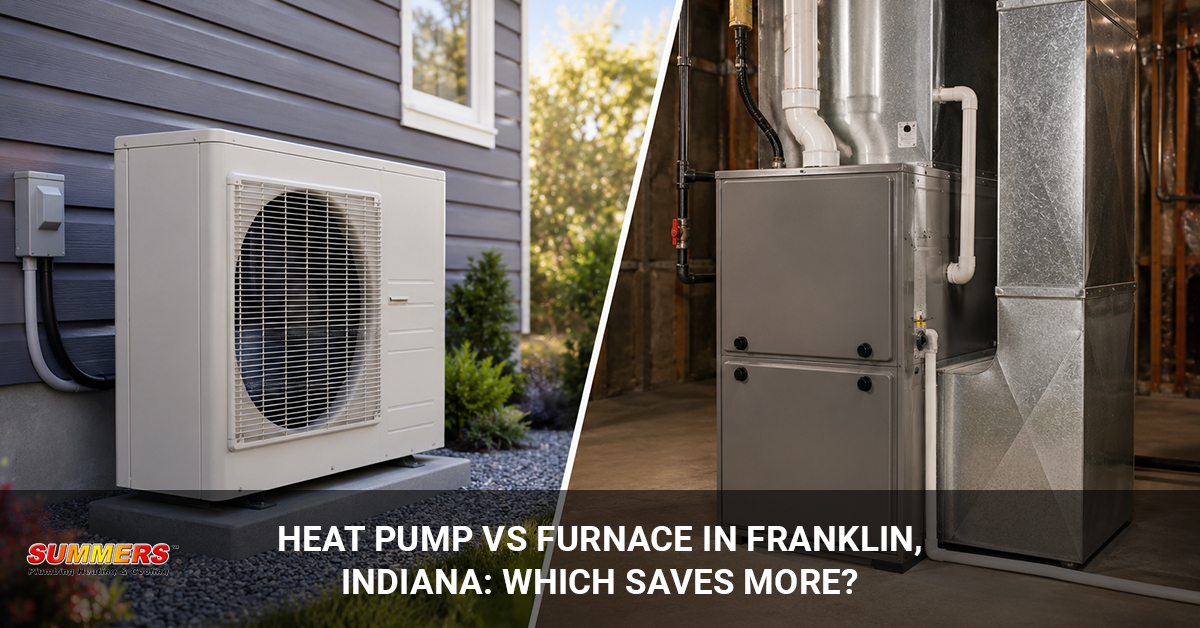
A heat pump usually saves more on monthly energy costs, while a furnace often delivers stronger heating during the coldest winter weather. The right choice depends on your home’s heating needs, energy source, budget, and long-term savings goals.
Many Franklin homeowners face this decision when replacing an older heating system or upgrading to a more energy-efficient option. Both heat pumps and furnaces can keep your home comfortable during the winter, but they work in very different ways and can have a significant impact on your energy bills.
A heat pump moves heat from one place to another, which allows it to operate with less energy than many traditional heating systems. A furnace creates heat by burning fuel or using electricity and then distributes that heat throughout the home. Because of these differences, operating costs, installation costs, efficiency, and performance can vary from one home to another.
Franklin’s climate also plays an important role in the decision. Winters can be cold enough to require reliable heating, while summers are warm and humid. Homeowners often look for a system that balances comfort, efficiency, and year-round value.
In many cases, a heat pump can provide lower heating costs and greater energy efficiency, especially when paired with a well-insulated home. However, a furnace may still be the better option for homeowners who prioritize powerful heating performance during extended periods of cold weather.
In this guide, we’ll compare heat pumps and furnaces based on energy efficiency, operating costs, installation expenses, maintenance requirements, lifespan, and overall savings to help you determine which system makes the most sense for your Franklin home.
Heat Pump vs Furnace: Quick Answer
A heat pump typically saves more on energy costs, while a furnace often provides stronger heating performance during very cold weather. For many homeowners in Franklin, Indiana, a heat pump offers lower annual utility bills because it transfers heat rather than generating it, making it one of the most energy-efficient heating options available.
A furnace, particularly a natural gas model, can deliver powerful and consistent heat even when temperatures fall well below freezing. This makes furnaces a popular choice for homeowners who prioritize reliable heating during the coldest winter days.
In general:
- Heat pumps often have lower annual operating costs.
- Furnaces usually have lower upfront installation costs.
- Heat pumps provide both heating and cooling in one system.
- Furnaces typically produce warmer supply air during winter.
- Modern heat pumps perform efficiently in most Indiana winter conditions.
For homeowners focused on long-term energy savings, a heat pump is often the better investment. For those who want strong heating performance and a lower initial cost, a furnace may be the better fit.
The best choice ultimately depends on your home’s insulation, available energy sources, comfort preferences, and long-term budget goals.
What Is a Heat Pump?
A heat pump is a heating and cooling system that moves heat rather than generating it. During the winter, it pulls heat from the outdoor air and transfers it inside your home. During the summer, it reverses the process and removes heat from your home, functioning like an air conditioner.
Because a heat pump transfers heat instead of creating it through combustion, it uses less energy than many traditional heating systems. This high level of efficiency is one of the main reasons homeowners choose heat pumps when looking to lower their energy bills.
Another advantage is that a heat pump provides year-round comfort. Instead of having separate systems for heating and cooling, one system can handle both functions, which can simplify maintenance and improve overall efficiency.
Modern cold-climate heat pumps have become much more effective in recent years. Many models can continue heating efficiently even when outdoor temperatures fall below freezing, making them a practical option for many homes in Franklin, Indiana.
What Is a Furnace?
A furnace is a heating system that generates heat and distributes warm air throughout your home using a network of ducts and vents. Depending on the type of system, a furnace may use natural gas, propane, oil, or electricity as its energy source.
When the thermostat calls for heat, the furnace warms the air and pushes it through the ductwork to different rooms in the home. This process provides fast and consistent heating, especially during cold winter weather.
Gas furnaces remain one of the most popular heating systems in Indiana because they perform reliably even during extended periods of freezing temperatures. Many homeowners prefer furnaces because they produce warmer supply air than heat pumps, which can make indoor spaces feel comfortable more quickly.
Unlike a heat pump, a furnace is designed only for heating. Homeowners need a separate air conditioning system to cool their homes during the summer months. While this means maintaining two systems instead of one, furnaces continue to be a dependable option for homes that require strong heating performance throughout the winter season.
Heat Pump vs Furnace Energy Efficiency
Heat pumps are generally more energy efficient than furnaces because they move heat instead of generating it. This allows them to use less energy to keep your home comfortable, which is one reason many homeowners see lower utility bills after switching to a heat pump.
A furnace creates heat by burning fuel or using electricity. Even the most efficient furnaces have limits because they must generate heat before distributing it throughout the home. In contrast, a heat pump transfers existing heat from the outdoor air, making the process much more efficient.
For many Franklin homeowners, a heat pump can provide excellent efficiency throughout much of the heating season. Modern heat pumps are designed to perform well in cooler temperatures and can deliver more heat energy than the electricity they consume.
That said, high-efficiency furnaces remain a strong option, especially when natural gas prices are low or temperatures stay below freezing for extended periods. If reducing energy consumption is your top priority, a heat pump will often have the advantage.
Heat Pump vs Furnace Operating Costs
Heat pumps often cost less to operate, but actual savings depend on utility rates, weather conditions, and your home’s overall efficiency. Because heat pumps move heat rather than create it, they typically use less energy to maintain indoor comfort. If your bills have already increased, check our guide on high energy bills in Franklin Indiana to find out what may be causing the problem.
Several factors can affect monthly heating costs, including:
- Local electricity rates
- Natural gas prices
- Home insulation levels
- Thermostat settings
- Equipment efficiency ratings
- Winter weather conditions
For many Franklin homeowners, a modern heat pump can reduce annual heating expenses compared to older or less efficient systems. However, homeowners with access to affordable natural gas may find that a high-efficiency furnace remains a competitive and cost-effective option.
Because every home is different, the amount you save will depend on your specific circumstances. A professional HVAC evaluation can help estimate operating costs and determine which system offers the greatest long-term value.
Heat Pump vs Furnace Installation Costs
Furnaces often have lower upfront installation costs than heat pumps, but a heat pump may provide greater long-term savings through reduced energy use. For a detailed breakdown of what homeowners can expect to pay, see our guide to heat pump installation costs in Franklin, Indiana. When comparing systems, it’s important to look beyond the initial price tag and consider the total cost of ownership.
Installation costs can vary based on several factors, including:
- Equipment size and capacity
- Home size and layout
- Existing ductwork condition
- Energy source availability
- Efficiency ratings
- Additional upgrades or modifications
One advantage of a heat pump is that it provides both heating and cooling in a single system. For homeowners replacing both a furnace and an air conditioner, a heat pump can sometimes offer better overall value and simplify future maintenance.
While a furnace may cost less to install initially, the long-term energy savings of a heat pump can help offset the higher upfront investment over time. Comparing both installation costs and expected operating expenses will give you a clearer picture of which system is the better financial choice for your home.
Heat Pump vs Furnace Performance During Indiana Winters
Furnaces typically provide stronger heating during extremely cold weather, while modern heat pumps can efficiently handle most winter conditions in Franklin, Indiana. The best performer for your home depends on how cold temperatures get and what level of comfort you prefer.
One of the biggest differences homeowners notice is the temperature of the air coming from the vents. Furnaces produce hotter air, which can warm rooms quickly and create a stronger heating sensation. Heat pumps deliver slightly cooler air, but they run longer and provide more consistent temperatures throughout the home.
Modern cold-climate heat pumps have improved significantly in recent years. Many systems can maintain comfortable indoor temperatures even when outdoor temperatures drop below freezing. For much of the winter season in Franklin, a high-efficiency heat pump can provide reliable heating while using less energy than many traditional systems.
Some homeowners choose a dual-fuel system that combines a heat pump with a gas furnace. In this setup, the heat pump handles heating during milder weather, while the furnace automatically takes over during periods of extreme cold. This approach can provide a balance of energy efficiency and cold-weather performance.
Heat Pump vs Furnace Maintenance Requirements
Both heat pumps and furnaces require routine maintenance to operate efficiently, safely, and reliably. Regular service helps reduce energy consumption, prevent unexpected breakdowns, and extend the life of the equipment.
Most heating systems benefit from routine maintenance tasks such as:
- Replacing air filters
- Inspecting system components
- Cleaning coils and other critical parts
- Checking airflow throughout the system
- Testing controls and safety features
- Verifying proper operation
Because heat pumps provide both heating and cooling, they operate throughout the year. This increased usage can lead to more wear on components and may require more frequent maintenance compared to a furnace that only operates during the heating season.
Regardless of which system you choose, annual professional maintenance is one of the best ways to protect your investment and maintain peak performance. Learn more about furnace maintenance in Franklin and what it includes.
Heat Pump vs Furnace Lifespan
Furnaces typically last longer than heat pumps because they operate only during the heating season, while heat pumps run year-round for both heating and cooling. The additional workload placed on a heat pump can affect its overall lifespan.
In general, homeowners can expect:
- Furnaces to last approximately 15 to 20 years or longer
- Heat pumps to last approximately 10 to 15 years
However, lifespan can vary depending on several factors, including installation quality, maintenance history, system usage, and local climate conditions.
Routine maintenance plays a major role in equipment longevity. Regular inspections, timely repairs, and consistent filter changes can help both furnaces and heat pumps operate more efficiently and last longer.
While furnaces often have the advantage in lifespan, a properly maintained heat pump can still provide many years of reliable service while offering lower energy costs and year-round comfort.
Which Heating System Is Better for Franklin, Indiana Homes?
The best heating system for a Franklin home depends on your budget, energy costs, comfort preferences, and long-term savings goals. While both heat pumps and furnaces can provide reliable heating, each system offers different advantages.
A heat pump is often the better choice for homeowners who want to reduce energy consumption and lower utility bills. Because it provides both heating and cooling, it can also eliminate the need for separate systems. Many homeowners choose a heat pump when they want greater energy efficiency and year-round comfort.
A heat pump may be the better option if you:
- Want lower energy consumption
- Need both heating and cooling from one system
- Prioritize long-term utility savings
- Prefer a more energy-efficient solution
A furnace may be the better choice if you:
- Prefer stronger heat during very cold weather
- Have access to affordable natural gas
- Want a lower upfront installation cost
- Experience extended periods of freezing temperatures
There is no one-size-fits-all answer. The right system depends on your home’s insulation, energy source, heating demands, and budget. A professional HVAC evaluation can help determine which option provides the best overall value. Review our furnace replacement cost in Franklin, Indiana guide to understand what to budget for before making your decision.
Signs It May Be Time to Replace Your Heating System
Frequent repairs, rising energy bills, and declining performance are often signs that it’s time to replace your heating system. As equipment ages, it typically becomes less efficient and more expensive to maintain.
Homeowners should consider a replacement if they notice:
- Uneven heating throughout the home
- Increasing utility bills
- Frequent breakdowns and repairs
- Unusual noises during operation
- Reduced comfort and airflow
- Equipment approaching the end of its expected lifespan
Older systems often work harder to produce the same level of comfort, which can increase operating costs and place additional stress on components. Replacing an outdated furnace or heat pump with a newer high-efficiency model can improve comfort, reliability, and energy savings. See our guide on repair or replace your furnace in Franklin Indiana to help you make the right decision.
When to Talk to an HVAC Professional
You should talk to an HVAC professional before choosing between a heat pump and a furnace. Every home has different heating requirements, and a professional assessment can help ensure you invest in the right system.
An HVAC evaluation can provide valuable information about:
- Proper equipment sizing
- Estimated operating costs
- Energy efficiency comparisons
- Existing ductwork condition
- Available rebates and incentives
- Long-term savings potential
Choosing a heating system involves more than comparing equipment alone. Factors such as insulation levels, home size, local utility rates, and comfort preferences can all affect which system delivers the greatest value over time.
A professional can help you compare options and recommend the most practical solution based on your home’s specific needs.
Final Thoughts
When comparing a heat pump vs furnace in Franklin, Indiana, heat pumps generally offer greater energy efficiency and lower operating costs, while furnaces often provide stronger heating performance during extremely cold weather and lower upfront installation costs.
For homeowners focused on reducing energy usage and long-term heating expenses, a heat pump may deliver the greatest overall savings. For those who value powerful heat output and dependable cold-weather performance, a high-efficiency furnace remains an excellent choice.
The best way to determine which system will save you more is to consider your home’s energy source, insulation, comfort needs, and budget. A professional HVAC assessment can help you compare both options and choose a heating system that provides reliable comfort and long-term value for your Franklin home.